Legal Documents Formats With First Column
Description

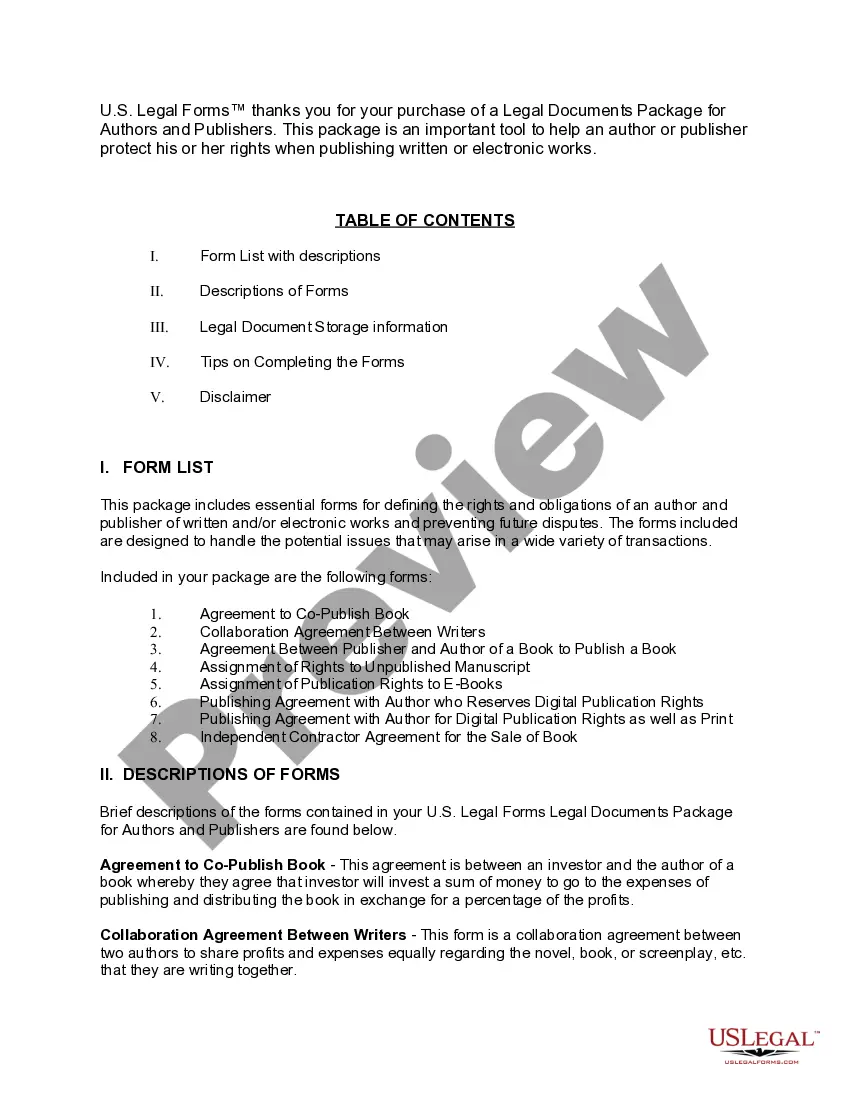
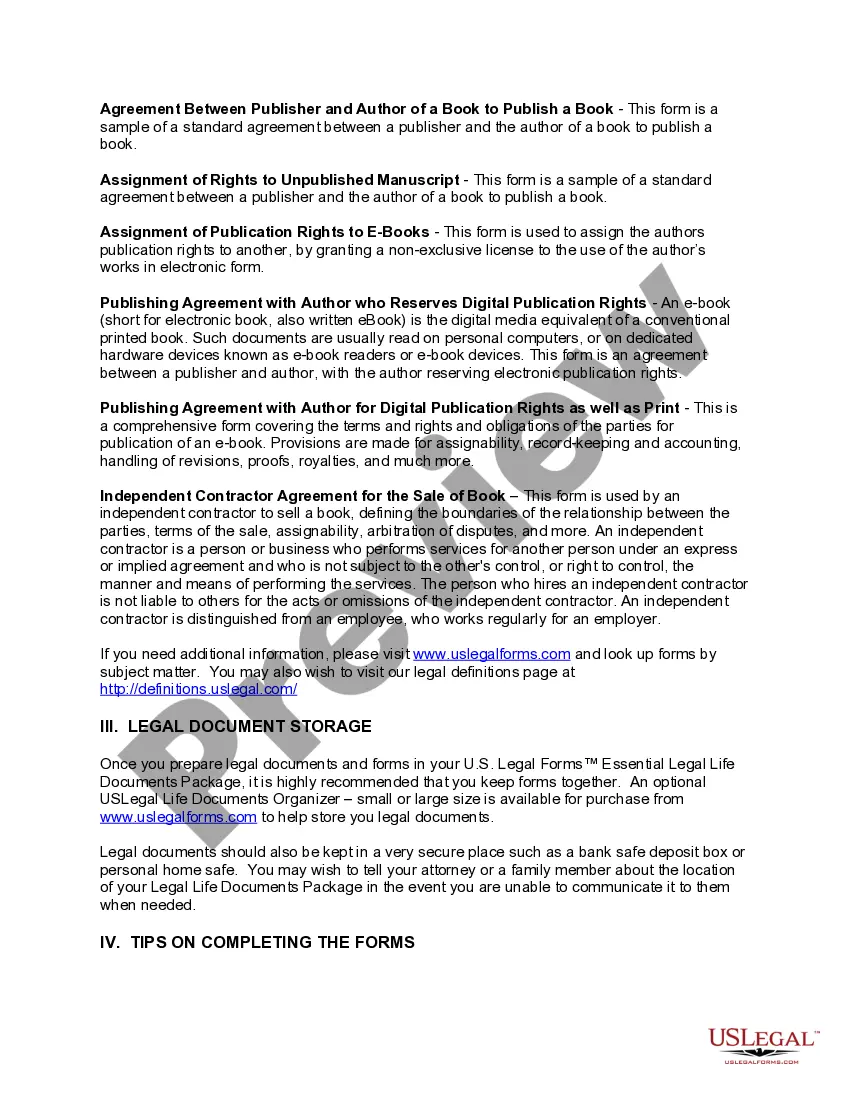
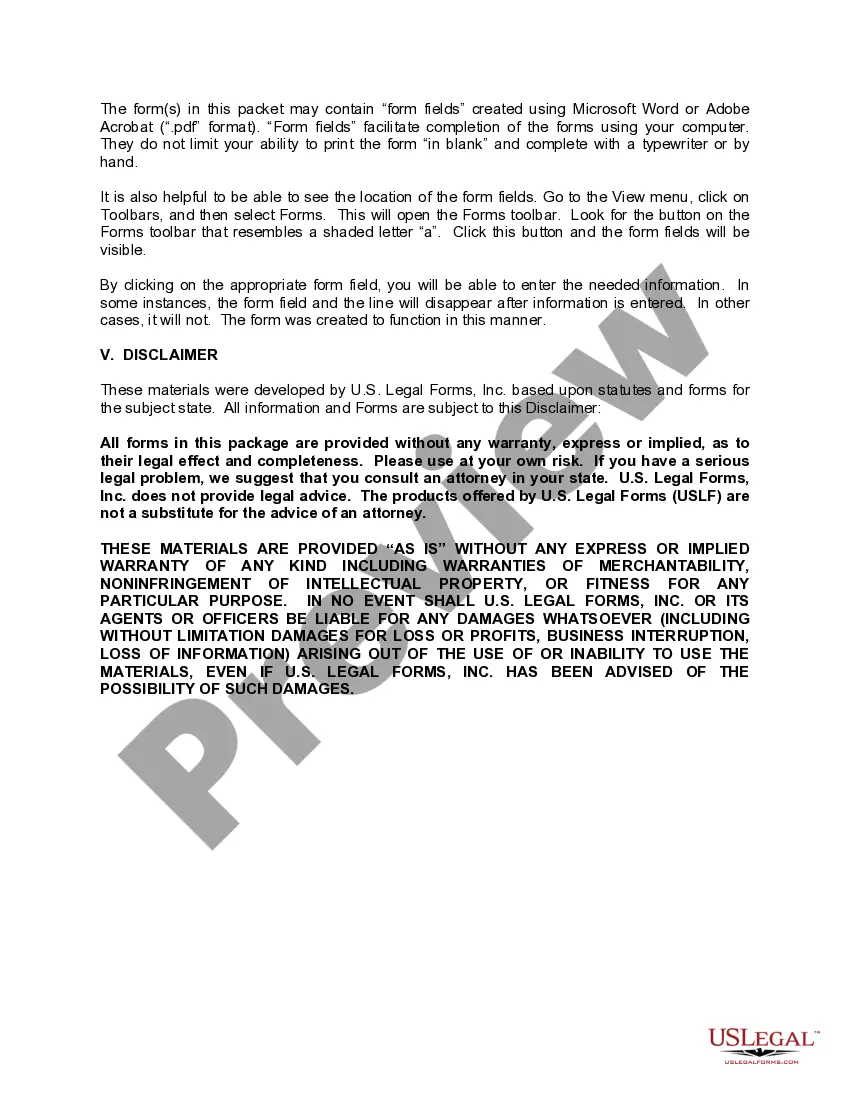
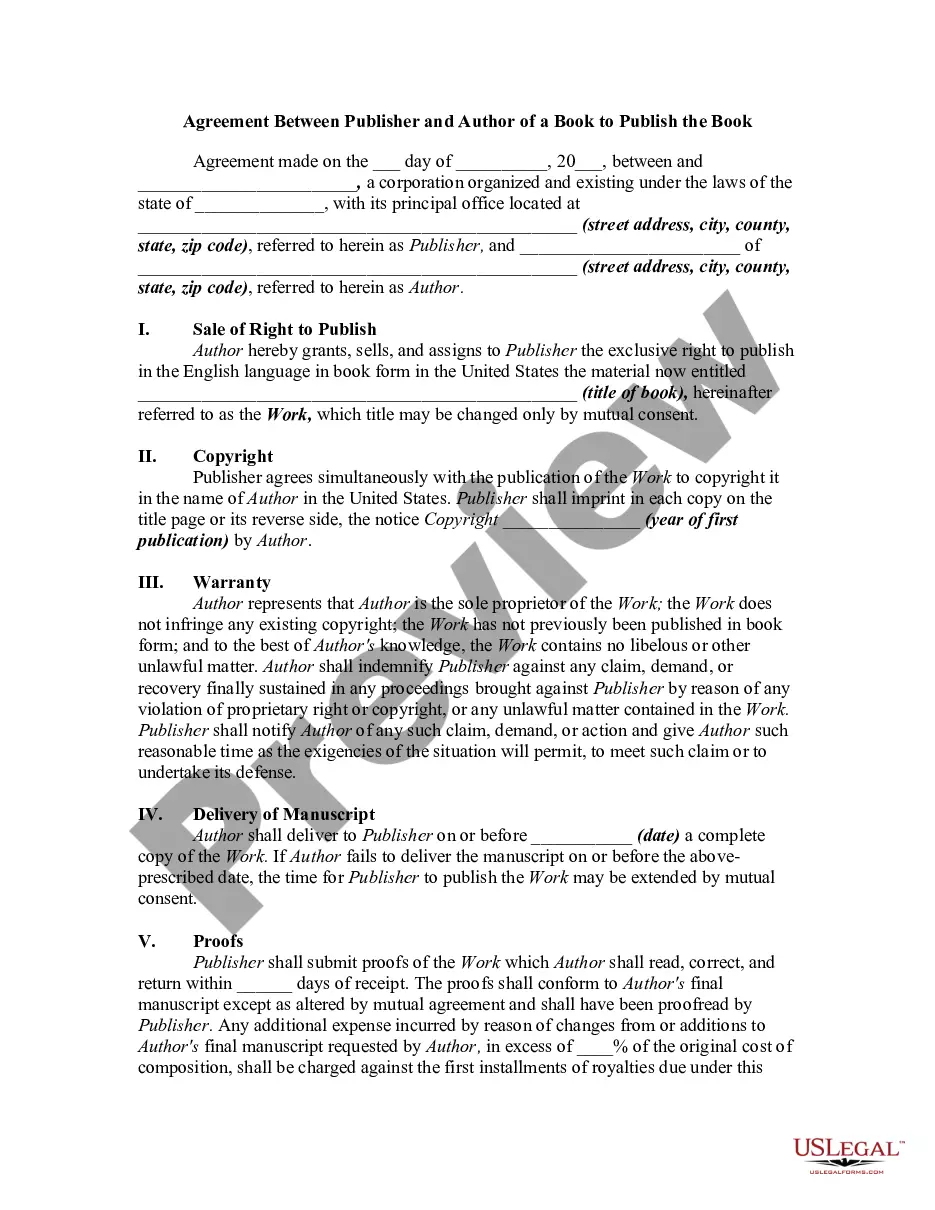

Get your form ready online
Our built-in tools help you complete, sign, share, and store your documents in one place.
Make edits, fill in missing information, and update formatting in US Legal Forms—just like you would in MS Word.
Download a copy, print it, send it by email, or mail it via USPS—whatever works best for your next step.
Sign and collect signatures with our SignNow integration. Send to multiple recipients, set reminders, and more. Go Premium to unlock E-Sign.
If this form requires notarization, complete it online through a secure video call—no need to meet a notary in person or wait for an appointment.
We protect your documents and personal data by following strict security and privacy standards.

Make edits, fill in missing information, and update formatting in US Legal Forms—just like you would in MS Word.

Download a copy, print it, send it by email, or mail it via USPS—whatever works best for your next step.

Sign and collect signatures with our SignNow integration. Send to multiple recipients, set reminders, and more. Go Premium to unlock E-Sign.

If this form requires notarization, complete it online through a secure video call—no need to meet a notary in person or wait for an appointment.

We protect your documents and personal data by following strict security and privacy standards.
Looking for another form?
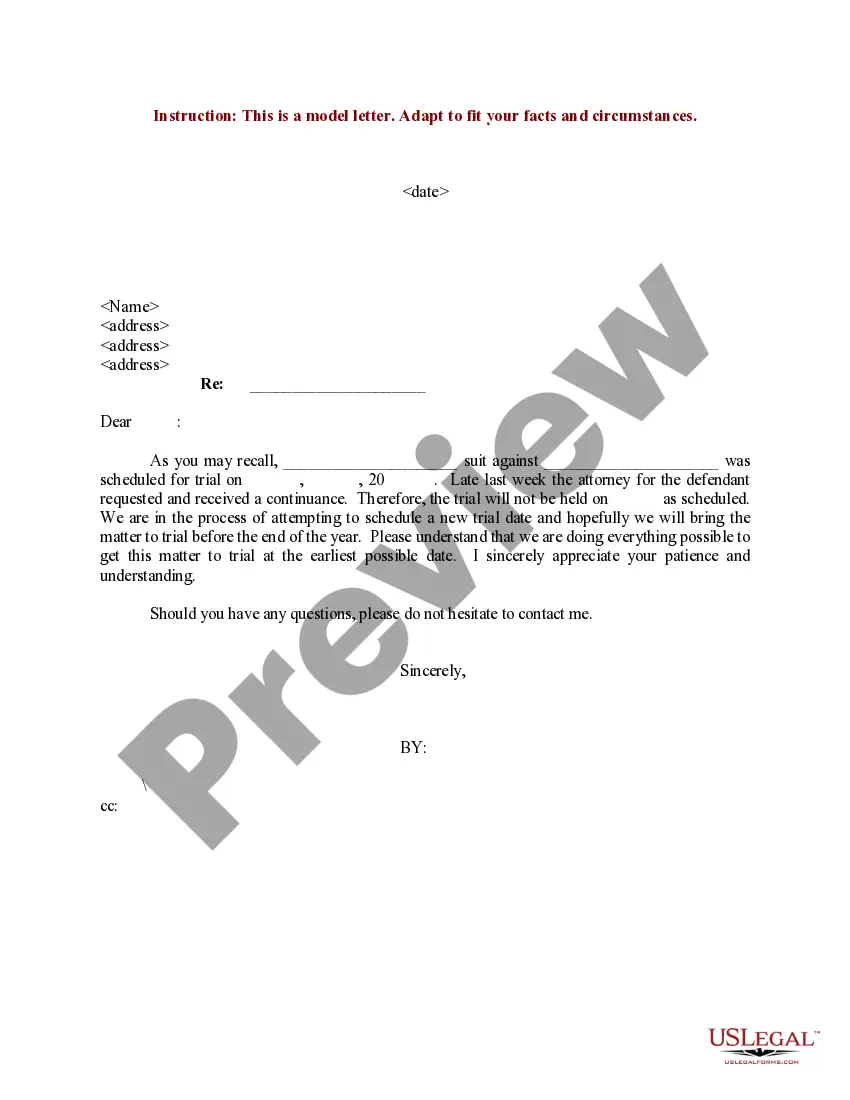
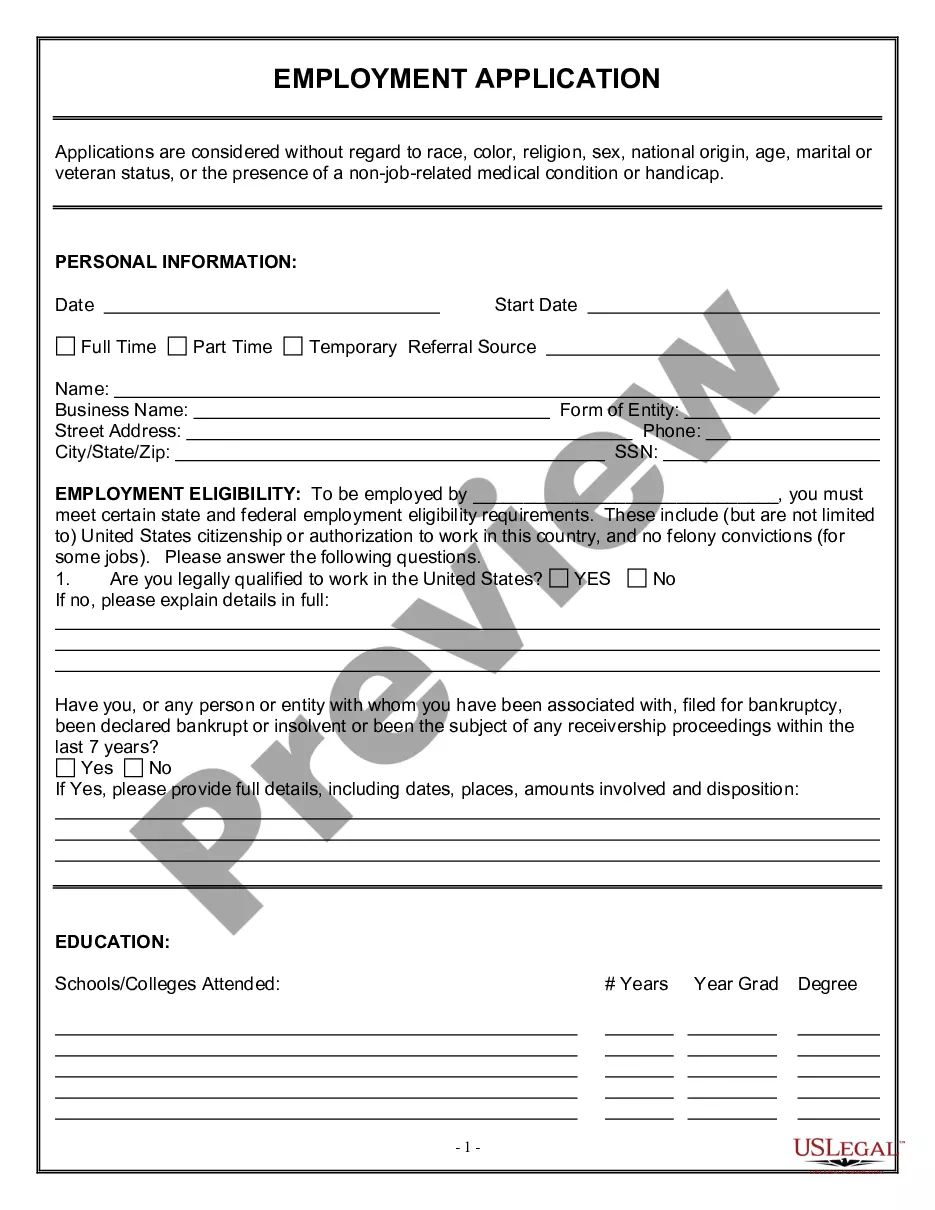
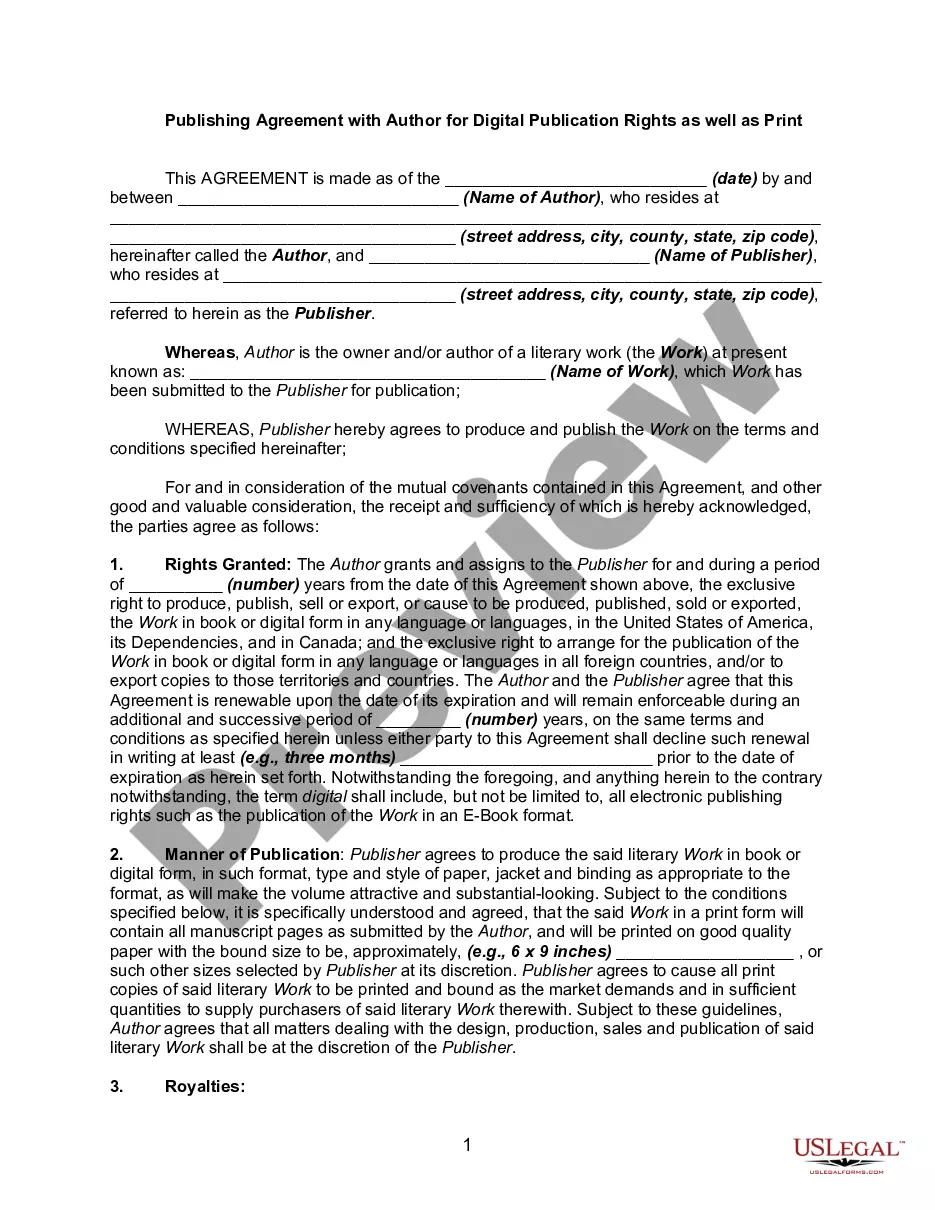
How to fill out Legal Documents Package For Authors And Publishers?
Whether for professional reasons or for personal matters, everyone must confront legal circumstances at some juncture in their life.
Filling out legal documents requires meticulous attention, beginning with choosing the appropriate form template.
Select the desired file format and download the Legal Documents Formats With First Column. Once saved, you can fill out the form using editing software or print it out and complete it manually. With an extensive US Legal Forms catalog available, you do not need to waste time searching for the right template across the internet. Utilize the library's user-friendly navigation to find the appropriate template for any scenario.
- For instance, if you select an incorrect version of a Legal Documents Formats With First Column, it will be declined upon submission.
- Thus, it is crucial to have a trustworthy resource for legal documents like US Legal Forms.
- If you need to acquire a Legal Documents Formats With First Column template, adhere to these simple steps.
- Retrieve the sample you need by using the search box or catalog browsing.
- Examine the information on the form to confirm it suits your circumstances, state, and county.
- Click on the form's preview to view it.
- If it is an incorrect form, return to the search tool to find the Legal Documents Formats With First Column example you require.
- Download the file if it satisfies your requirements.
- If you already possess a US Legal Forms account, simply click Log in to access previously stored templates in My documents.
- In case you don’t have an account yet, you may obtain the form by clicking Buy now.
- Choose the correct pricing option.
- Complete the account registration form.
- Select your payment method: use a credit card or PayPal account.
Form popularity
FAQ
Creating a document with rows and columns can be straightforward. Start by choosing a legal document format that fits your needs, such as a spreadsheet format or a table in a word processor. Utilizing platforms like USLegalForms can simplify the process, allowing you to select templates that already have the rows and columns structured. With these legal documents formats, you can easily input your data and ensure your document is organized and professional.
The layout of a legal document typically includes several key sections: a title, an introduction, body, and conclusion. Each section should be clearly defined, with proper headings to facilitate easy navigation. The use of page numbers is essential for lengthy documents. Familiarizing yourself with different legal documents formats can help you create a layout that meets legal standards and aids in comprehension.
To properly format a legal document, start by creating a title page that clearly states the document’s purpose. Next, include an index or table of contents if the document is lengthy. Use clear headings, bullet points, and consistent spacing throughout. Following established legal documents formats ensures your document is not only visually appealing but also adheres to necessary legal standards.
In legal writing, it’s important to format numbers correctly to maintain professionalism and clarity. Whole numbers from one to nine are typically written out, while numbers 10 and above are usually represented as numerals. Additionally, when dealing with monetary amounts or complex figures, use numerals for precision. Understanding various legal documents formats will help ensure you present numbers accurately.
Proper formatting for legal documents includes clear headings, consistent font styles, and appropriate margins. Use standard sizes like A4 or letter for printed documents. Each section should start on a new page, and numbering is essential for organization. Remember, adhering to legal documents formats enhances clarity and ensures compliance.
Traditionally, hierarchical headings in legal documents start with roman numerals at the top level (I, II, III); then switch to capital letters (A, B, C); then numerals (1, 2, 3); then lowercase letters (a, b, c); then romanettes (i, ii, iii); and then variations of the above using two parentheses instead of one, or ...
A typical legal numbering: arabic numbering for each level, followed by a dot. It is not necessary to type in the previous levels' numbers. For example, at level 3, we only specify level 3's number.
Step By Step Guide to Draft Legal Documents Step 1: Understand the Purpose & Scope. ... Step 2: Research Applicable Laws & Regulations. ... Step 3: Outline the Structure & Sections. ... Step 4: Draft the Document. ... Step 5: Review and Revise. ... Step 6: Seek Legal Review and Approval. ... Step 7: Finalize and Execute the Document.
Traditional columns Highlight the text you want to format; if you do not highlight any text, Word will format the entire document. Click the Page Layout tab, and then select Columns.... Choose the format of your columns. ... Click OK.
On the Page Layout tab, click Columns, then click the layout you want. To apply columns to only part of your document, with your cursor, select the text that you want to format. On the Page Layout tab, click Columns, then click More Columns.