Confidentiality Between With Anonymity
Description


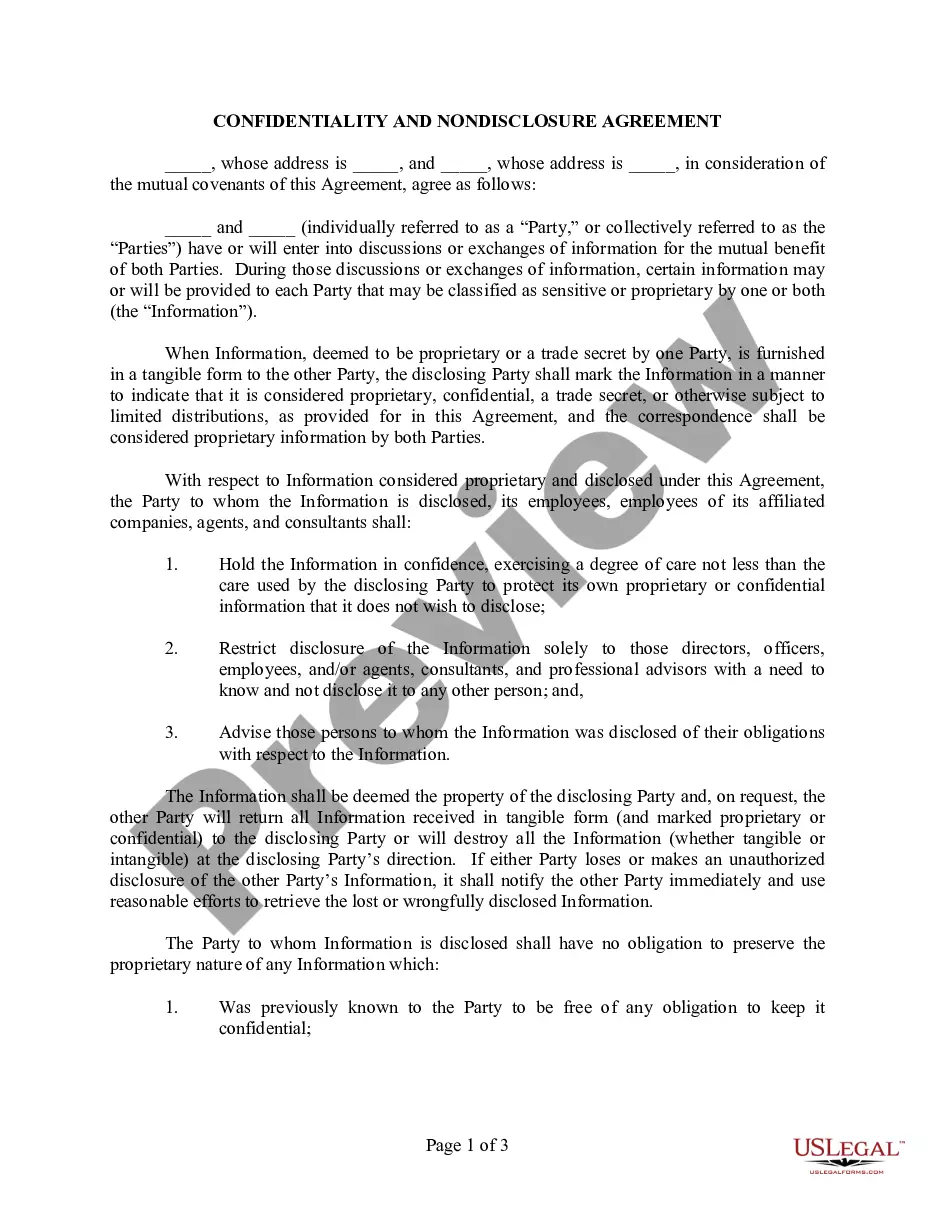
Get your form ready online
Our built-in tools help you complete, sign, share, and store your documents in one place.
Make edits, fill in missing information, and update formatting in US Legal Forms—just like you would in MS Word.
Download a copy, print it, send it by email, or mail it via USPS—whatever works best for your next step.
Sign and collect signatures with our SignNow integration. Send to multiple recipients, set reminders, and more. Go Premium to unlock E-Sign.
If this form requires notarization, complete it online through a secure video call—no need to meet a notary in person or wait for an appointment.
We protect your documents and personal data by following strict security and privacy standards.

Make edits, fill in missing information, and update formatting in US Legal Forms—just like you would in MS Word.

Download a copy, print it, send it by email, or mail it via USPS—whatever works best for your next step.

Sign and collect signatures with our SignNow integration. Send to multiple recipients, set reminders, and more. Go Premium to unlock E-Sign.

If this form requires notarization, complete it online through a secure video call—no need to meet a notary in person or wait for an appointment.

We protect your documents and personal data by following strict security and privacy standards.
Looking for another form?




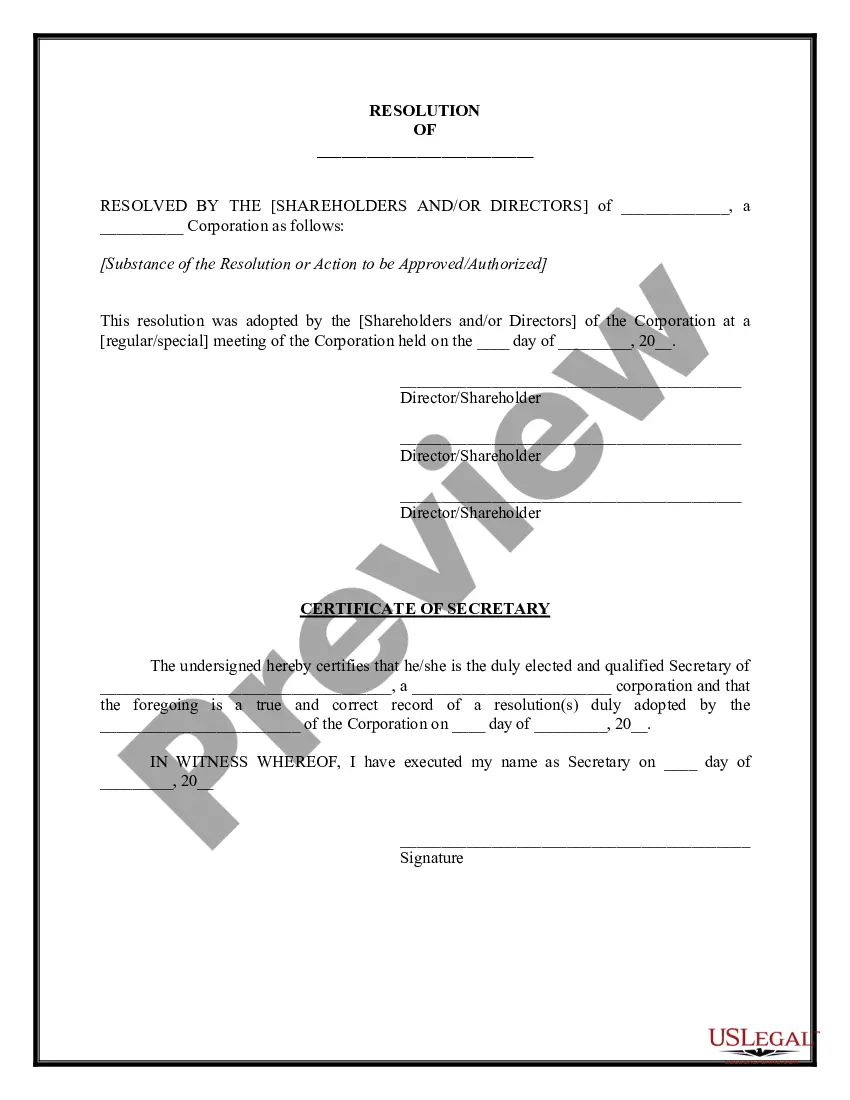




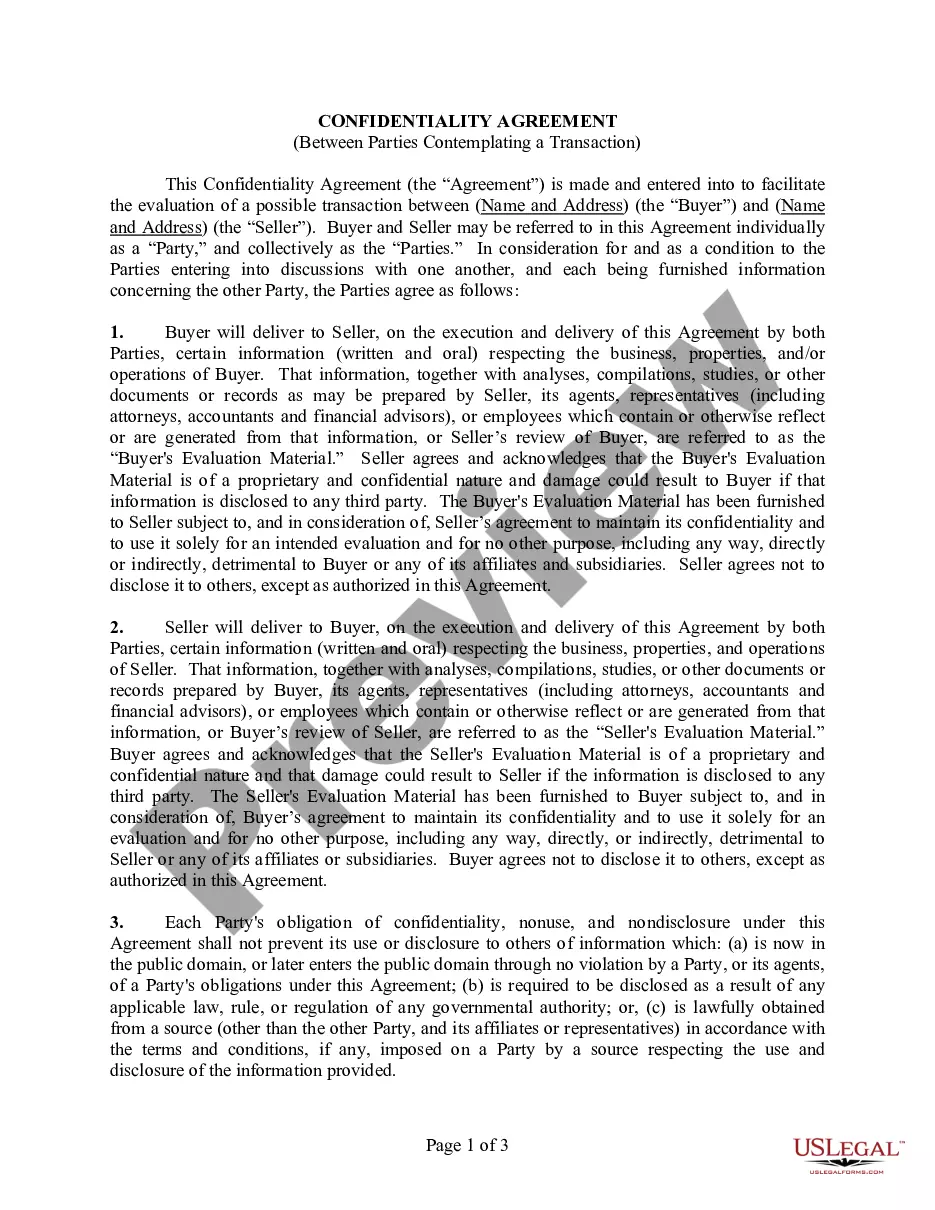
How to fill out Confidentiality Agreement (Between Parties Contemplating A Transaction)?
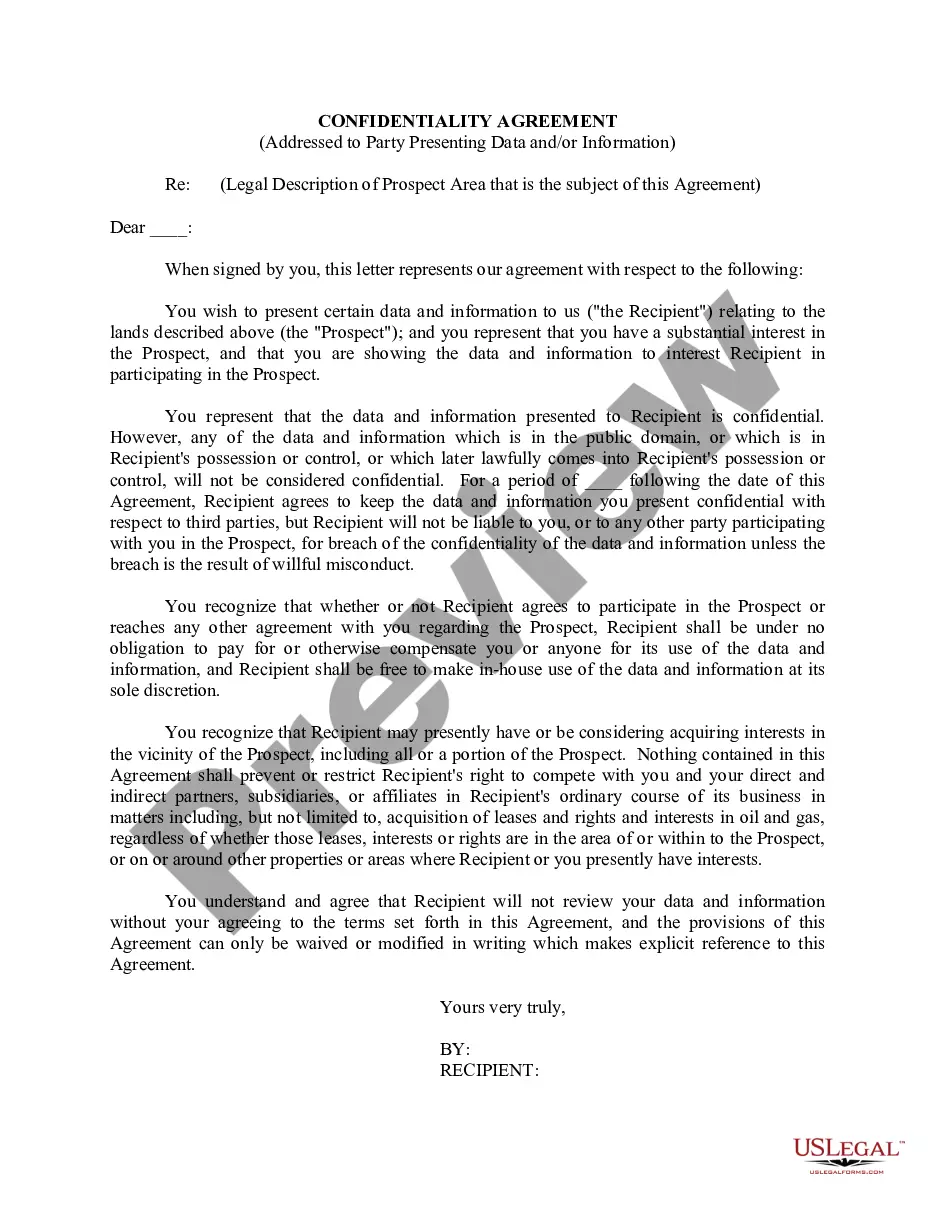
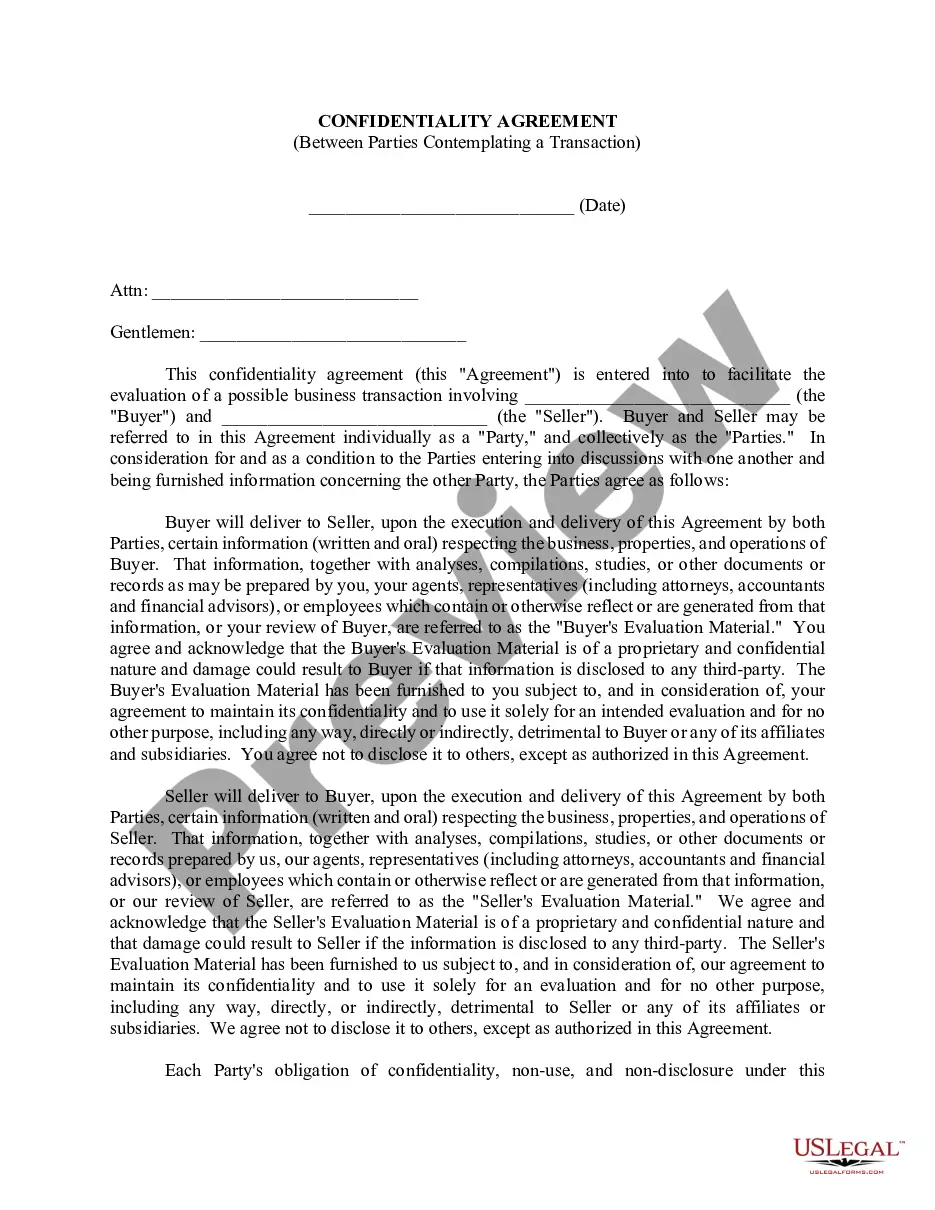
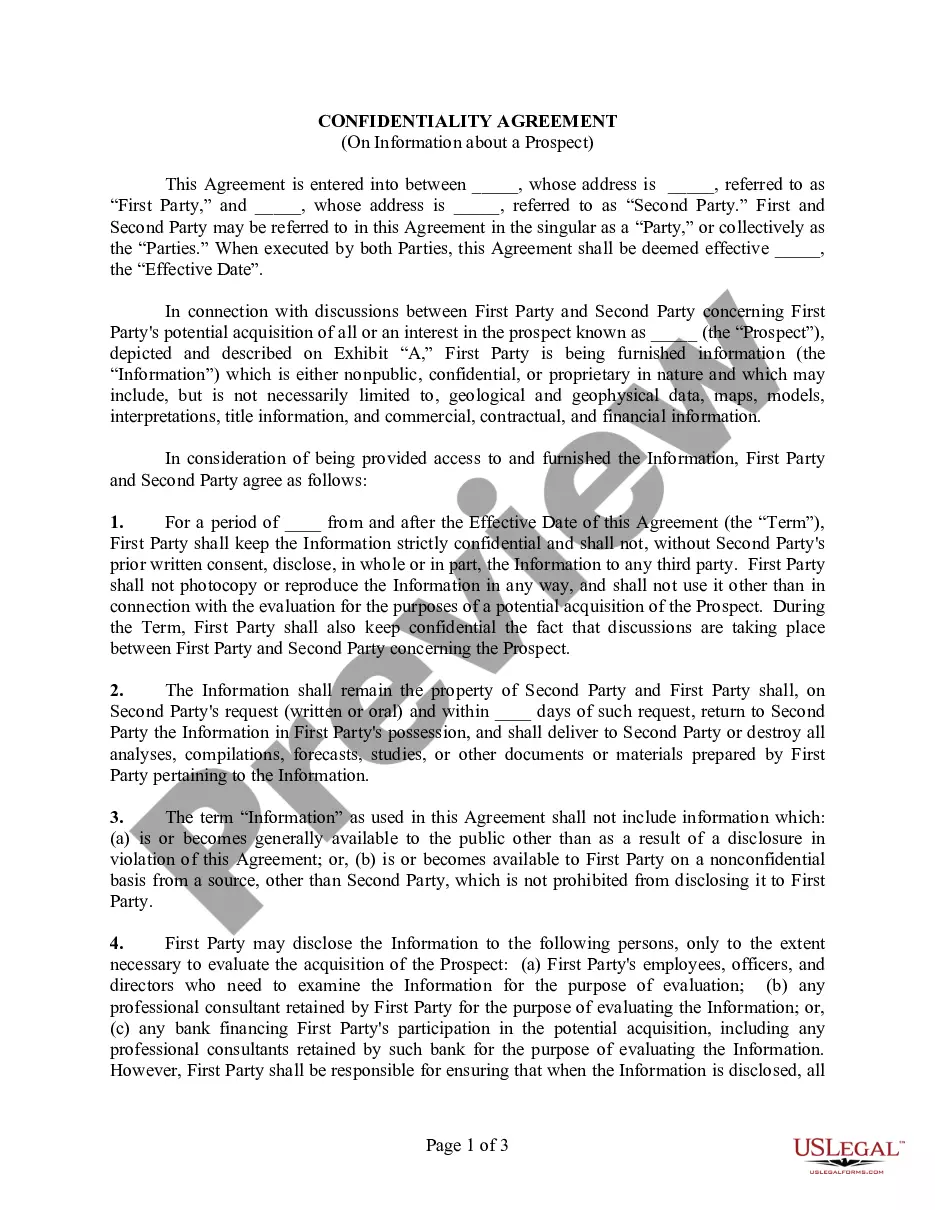
The Privacy Between With Secrecy you observe on this page is a reusable legal framework composed by expert attorneys in adherence to federal and state regulations.
For over 25 years, US Legal Forms has offered individuals, businesses, and lawyers more than 85,000 validated, state-specific documents for any commercial and personal need. It’s the quickest, easiest, and most reliable way to acquire the forms you require, as the service promises the highest level of data protection and anti-malware safeguards.
Sign up for US Legal Forms to have verified legal documents for all of life’s circumstances readily available.
- Search for the document you require and examine it.
- Browse through the sample you found and preview it or review the form description to ensure it meets your needs. If it does not, utilize the search function to find the correct one. Click Buy Now when you have identified the template you seek.
- Subscribe and Log In.
- Choose the pricing plan that best suits you and set up an account. Use PayPal or a credit card to make a swift payment. If you already possess an account, Log In and verify your subscription to continue.
- Obtain the editable template.
Form popularity
FAQ
Anonymity cannot be guaranteed if any personally identifiable (PII) information will be collected. Confidentiality: Maintaining confidentiality of information collected from research participants means that only the investigator(s) can identify the responses of individual participants.
Best Practices to Safeguard Confidential Documents Don't leave sensitive information lying around. ... Shred documents in a secure way. ... Use anti-virus software. ... a firewall. ... Password-protect important files and systems. ... Don't reuse passwords. ... Don't email confidential material.
Examples include an email address that does not contain the person's actual name, a user name that a person uses when participating in an online forum, or an artist who uses a 'pen-name' or 'screen-name'.
In many cases, ?harm? could result from revealing information like medical records, religious or political beliefs, or school transcripts. Therefore, prior to undertaking a research study or engagement project, we need to clearly define the activity as either ?anonymous? or ?confidential.? No activity can ever be both.
Researchers employ a number of methods to keep their subjects' identity confidential. Foremost, they keep their records secure through the use of password protected files, encryption when sending information over the internet, and even old-fashioned locked doors and drawers.