Transfer Of Servicing Rights
Description



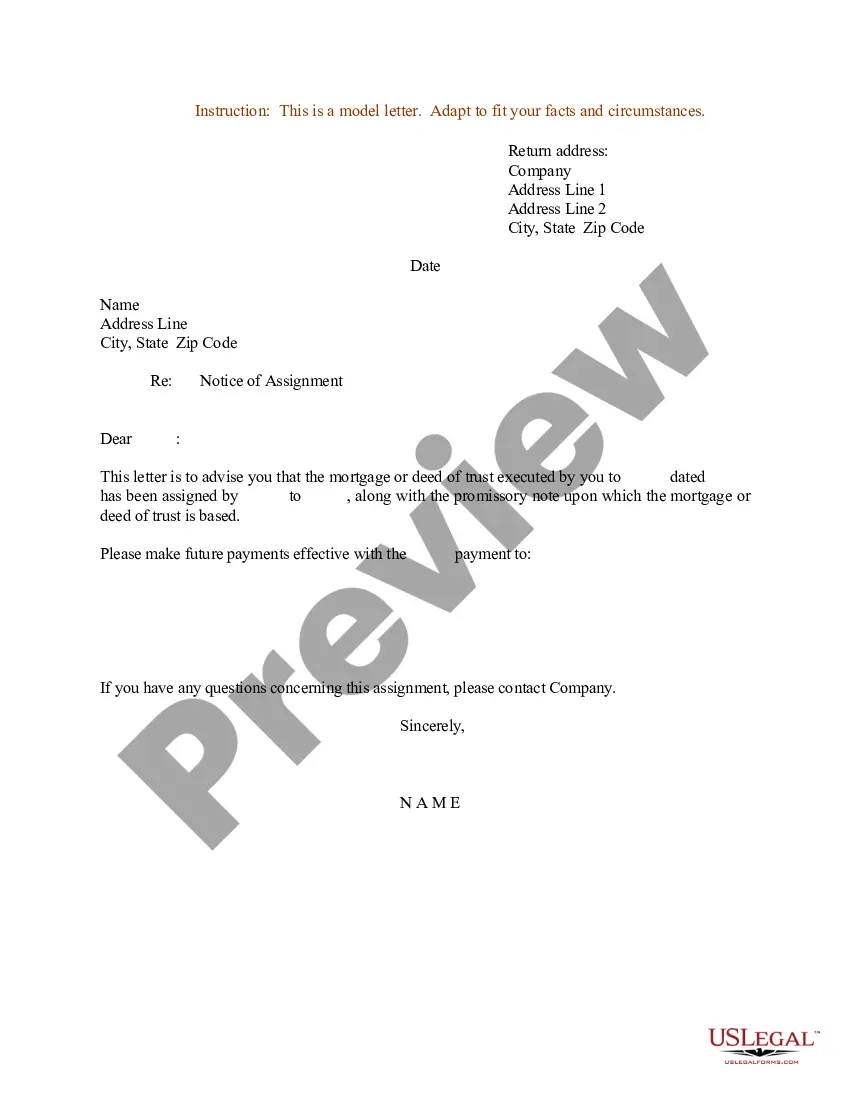
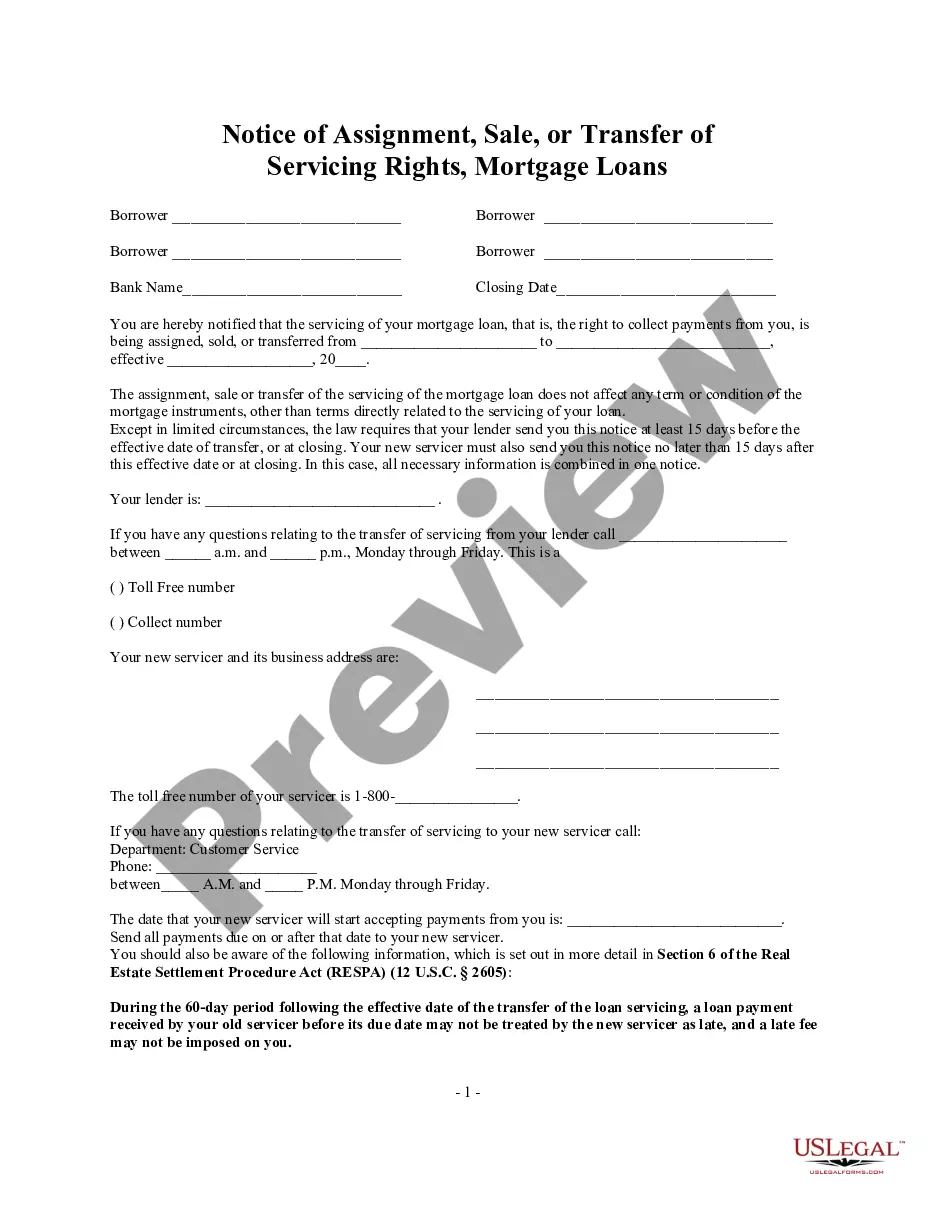
Get your form ready online
Our built-in tools help you complete, sign, share, and store your documents in one place.
Make edits, fill in missing information, and update formatting in US Legal Forms—just like you would in MS Word.
Download a copy, print it, send it by email, or mail it via USPS—whatever works best for your next step.
Sign and collect signatures with our SignNow integration. Send to multiple recipients, set reminders, and more. Go Premium to unlock E-Sign.
If this form requires notarization, complete it online through a secure video call—no need to meet a notary in person or wait for an appointment.
We protect your documents and personal data by following strict security and privacy standards.

Make edits, fill in missing information, and update formatting in US Legal Forms—just like you would in MS Word.

Download a copy, print it, send it by email, or mail it via USPS—whatever works best for your next step.

Sign and collect signatures with our SignNow integration. Send to multiple recipients, set reminders, and more. Go Premium to unlock E-Sign.

If this form requires notarization, complete it online through a secure video call—no need to meet a notary in person or wait for an appointment.

We protect your documents and personal data by following strict security and privacy standards.
Looking for another form?









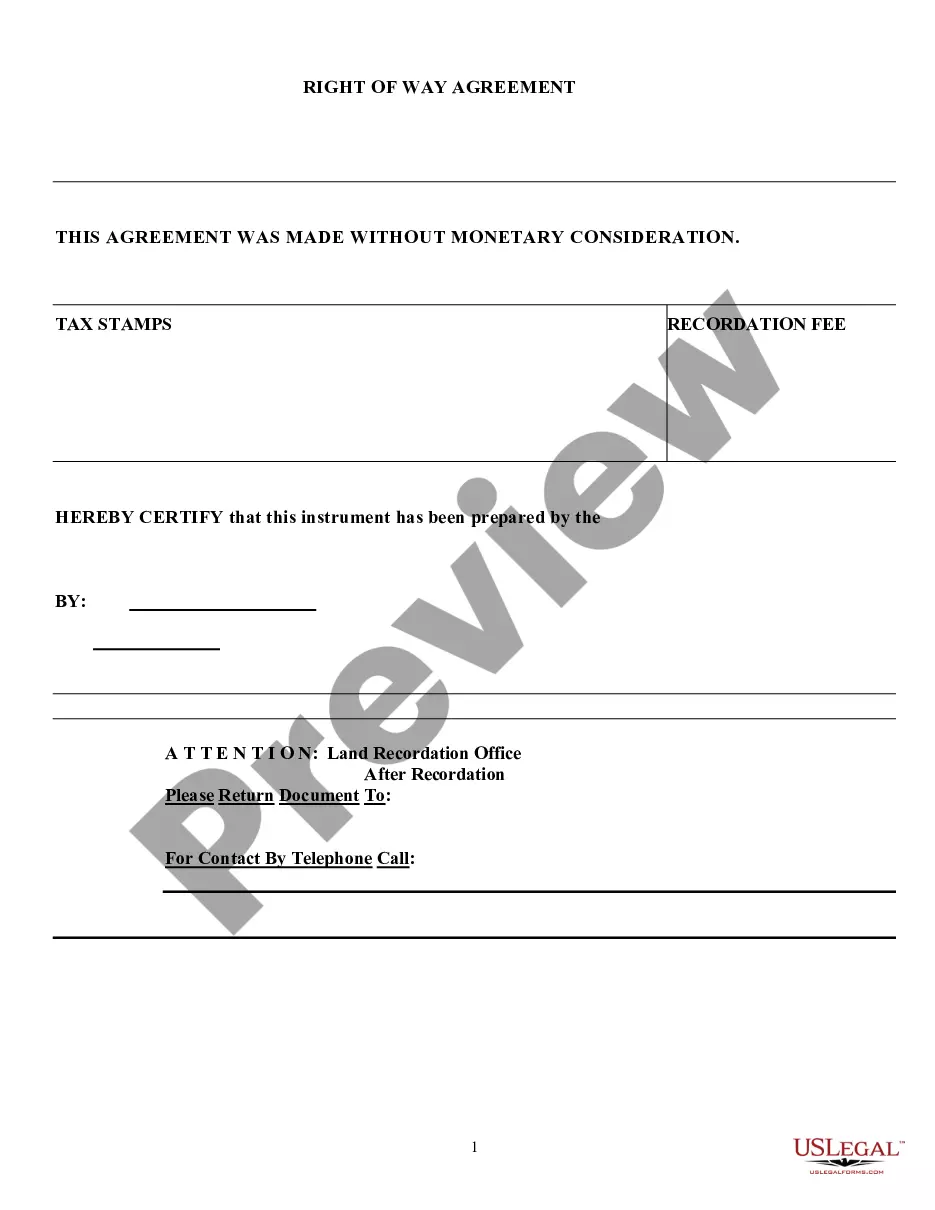
How to fill out Notice Of Assignment - Sale Or Transfer Of Servicing Rights - Mortgage Loans?
Dealing with legal documentation and processes can be an arduous addition to your routine.
Transfer of Servicing Rights and similar forms typically necessitate you to locate them and comprehend the manner in which to fill them out efficiently.
For that reason, whether you are managing financial, legal, or personal affairs, possessing a comprehensive and functional online repository of forms when you need it will significantly help.
US Legal Forms is the leading online platform of legal templates, featuring over 85,000 state-specific forms and a variety of resources to help you fill out your paperwork seamlessly.
Is it your first time using US Legal Forms? Sign up and create an account in a few moments, and you will gain access to the forms library and Transfer of Servicing Rights. Next, follow these steps to complete your form: Ensure you have located the correct form using the Preview option and reviewing the form details. Choose Buy Now when you are ready and select the subscription plan that meets your requirements. Click Download then fill out, sign, and print the form. US Legal Forms has 25 years of experience helping users manage their legal documents. Obtain the form you need today and simplify any process effortlessly.
- Browse the collection of relevant documents available to you with just one click.
- US Legal Forms offers you state- and county-specific forms anytime for download.
- Protect your document management activities with top-quality support that allows you to prepare any form in minutes without extra or hidden fees.
- Simply Log In to your account, find Transfer of Servicing Rights, and download it immediately from the My documents tab.
- You may also access previously saved forms.
Form popularity
FAQ
Banks sell mortgage servicing rights to manage their capital more effectively and improve liquidity. By transferring servicing rights, they can focus on their core operations while also reducing their risk exposure. This transfer of servicing rights allows them to streamline their processes and enhance their profitability. If you are navigating this complex area, US Legal Forms can provide the documentation and resources you need to understand the implications of these transactions.
Under the guidelines for the transfer of servicing rights, a lender must provide a written notice to the borrower at least 15 days before the effective date of the transfer. This notice should detail the new servicer’s contact information and any changes in payment instructions. It is crucial for borrowers to receive this information on time to ensure a smooth transition. If you need assistance with understanding your rights during this process, consider exploring the resources available on the US Legal Forms platform.
To transfer ownership of a mortgage, you typically need to contact your current mortgage servicer to understand their specific requirements. You may need to submit a formal request, along with necessary documentation, to initiate the transfer of servicing rights. Ensure that you follow the guidelines set forth by your servicer to avoid complications. Utilizing platforms like US Legal Forms can simplify this process by providing you with the necessary forms and information.
You typically have 15 days to provide a servicing transfer notice after the transfer of servicing rights takes place. This notice must inform the borrower about the change in the servicer. By delivering it promptly, you ensure compliance with regulations and maintain clear communication. This helps borrowers understand whom to contact regarding their mortgage.
Generally, a mortgage transfer is not a bad thing; it is a common practice in the industry. The transfer of servicing rights often leads to potential benefits, such as improved customer service or more flexible payment options. It’s also important to remember that your financial obligations remain the same. If you have concerns about the transfer, consider reaching out to the new servicer or using platforms like US Legal Forms to get guidance.
When a mortgage is transferred, your escrow account typically remains intact. The new servicer assumes responsibility for managing your escrow funds, which cover property taxes and insurance premiums. You will receive information about how your escrow account will be handled during the transfer of servicing rights. This means, despite the change in servicers, your payments for taxes and insurance are still secure.
A mortgage servicing transfer occurs when a lender sells the rights to manage your mortgage to another company. This process is known as the transfer of servicing rights, and it typically does not affect your mortgage's terms or interest rate. You will receive a notice about the new servicer, along with instructions on where to send future payments. Understanding this transfer can help you feel more comfortable with the change.