Motion For Judgment On The Pleadings And Summary Judgment
Description
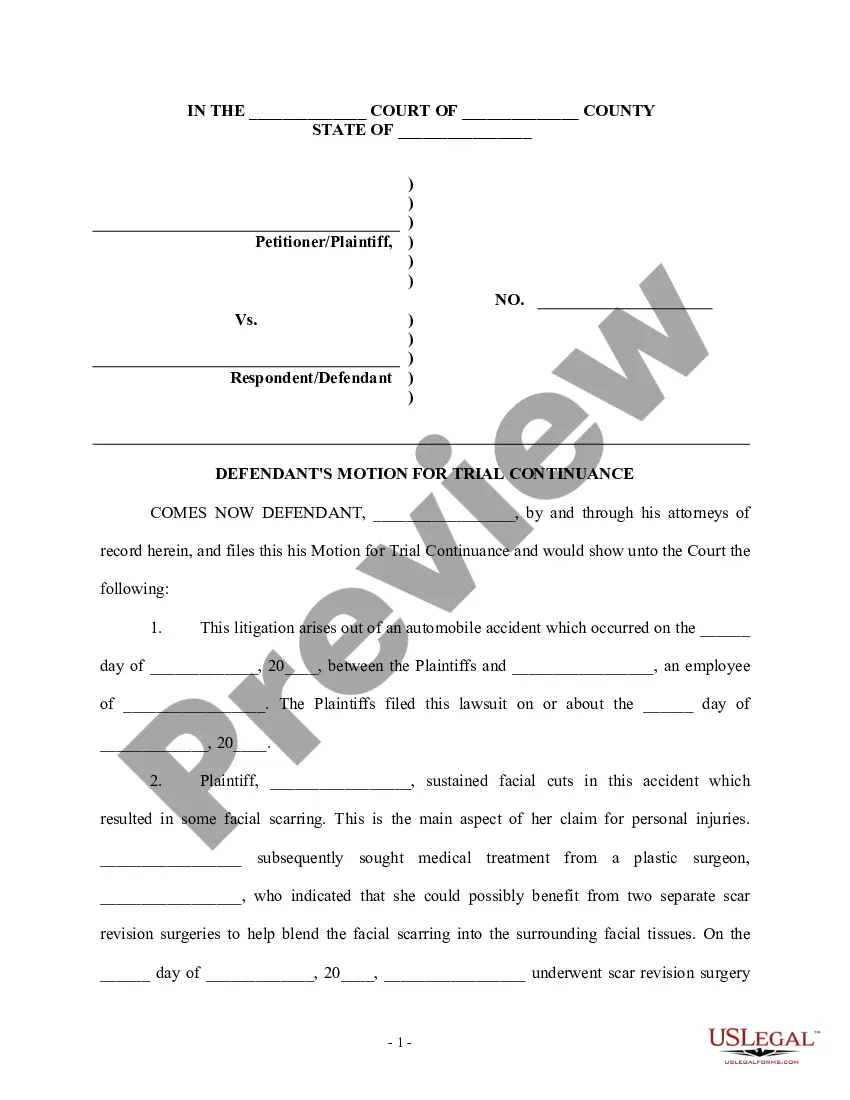
Get your form ready online
Our built-in tools help you complete, sign, share, and store your documents in one place.
Make edits, fill in missing information, and update formatting in US Legal Forms—just like you would in MS Word.
Download a copy, print it, send it by email, or mail it via USPS—whatever works best for your next step.
Sign and collect signatures with our SignNow integration. Send to multiple recipients, set reminders, and more. Go Premium to unlock E-Sign.
If this form requires notarization, complete it online through a secure video call—no need to meet a notary in person or wait for an appointment.
We protect your documents and personal data by following strict security and privacy standards.

Make edits, fill in missing information, and update formatting in US Legal Forms—just like you would in MS Word.

Download a copy, print it, send it by email, or mail it via USPS—whatever works best for your next step.

Sign and collect signatures with our SignNow integration. Send to multiple recipients, set reminders, and more. Go Premium to unlock E-Sign.

If this form requires notarization, complete it online through a secure video call—no need to meet a notary in person or wait for an appointment.

We protect your documents and personal data by following strict security and privacy standards.
Looking for another form?





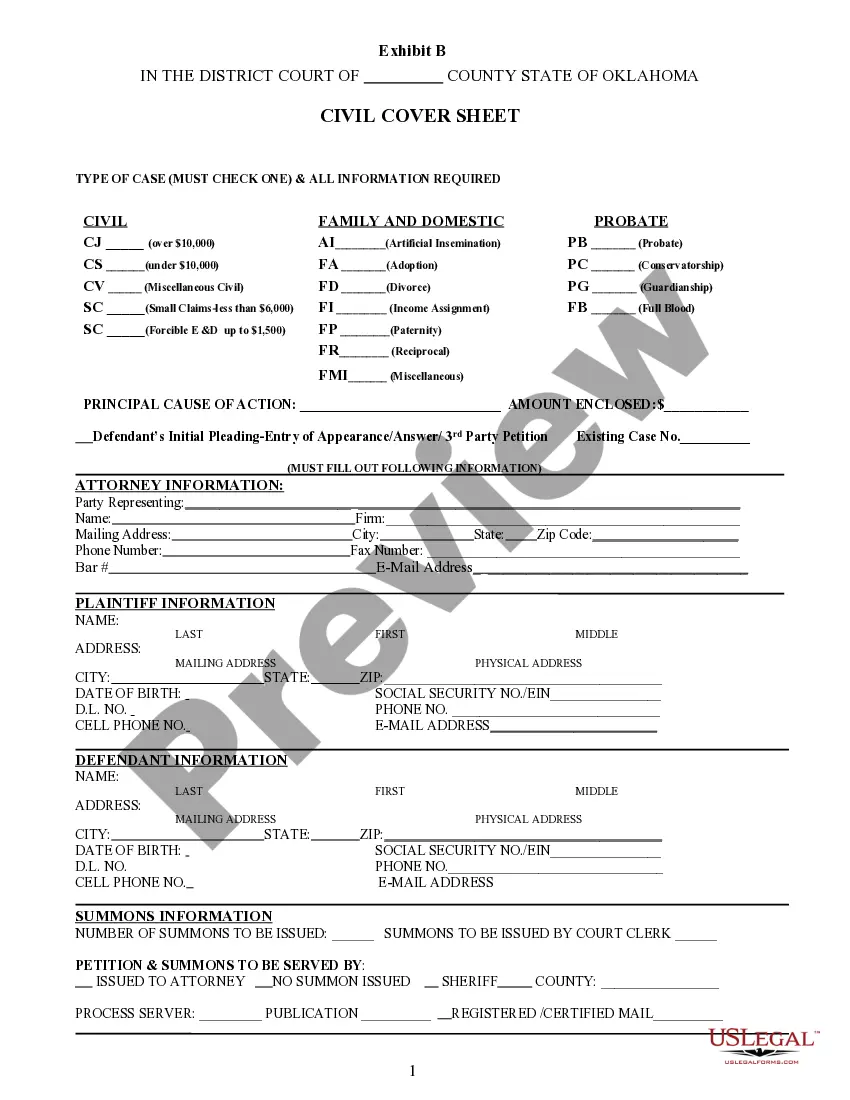


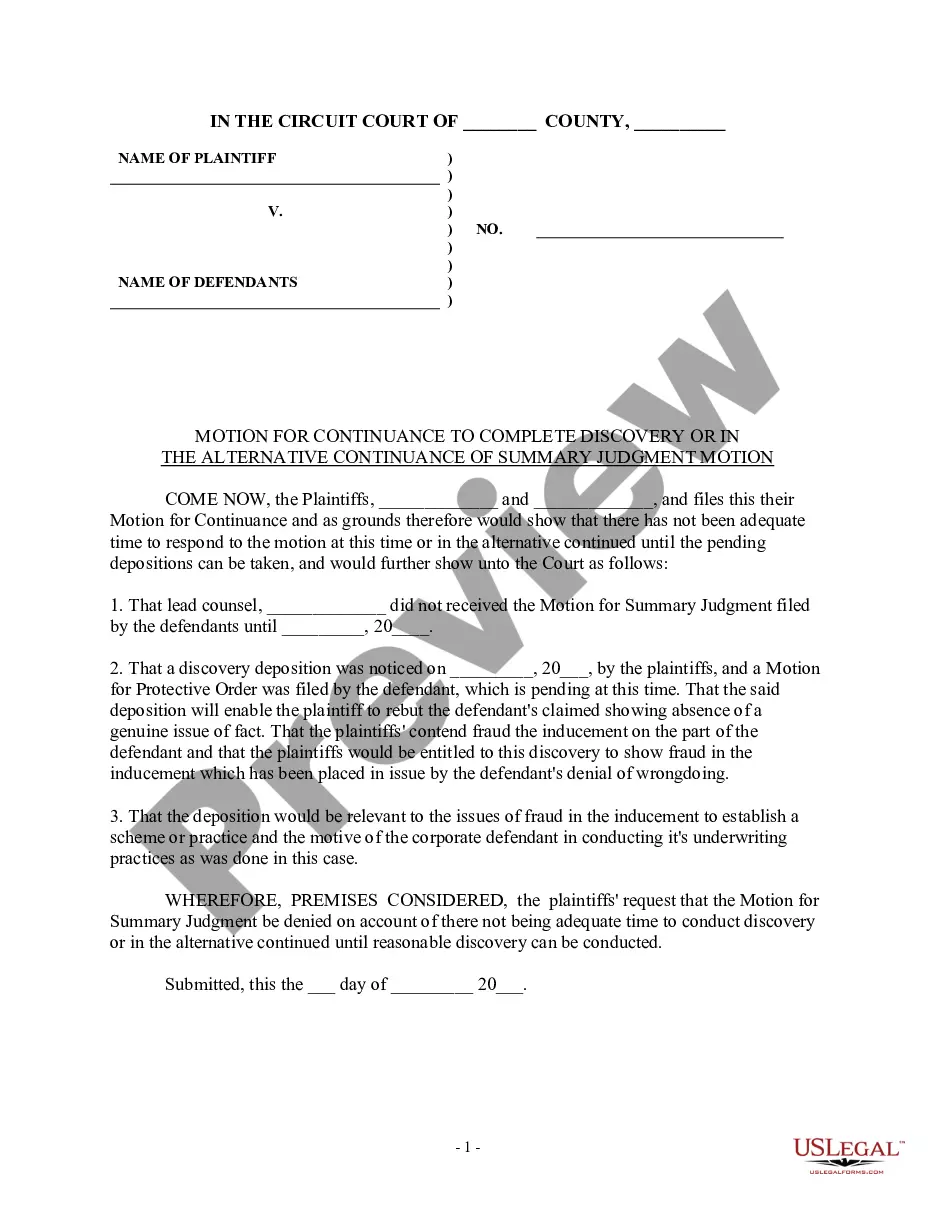
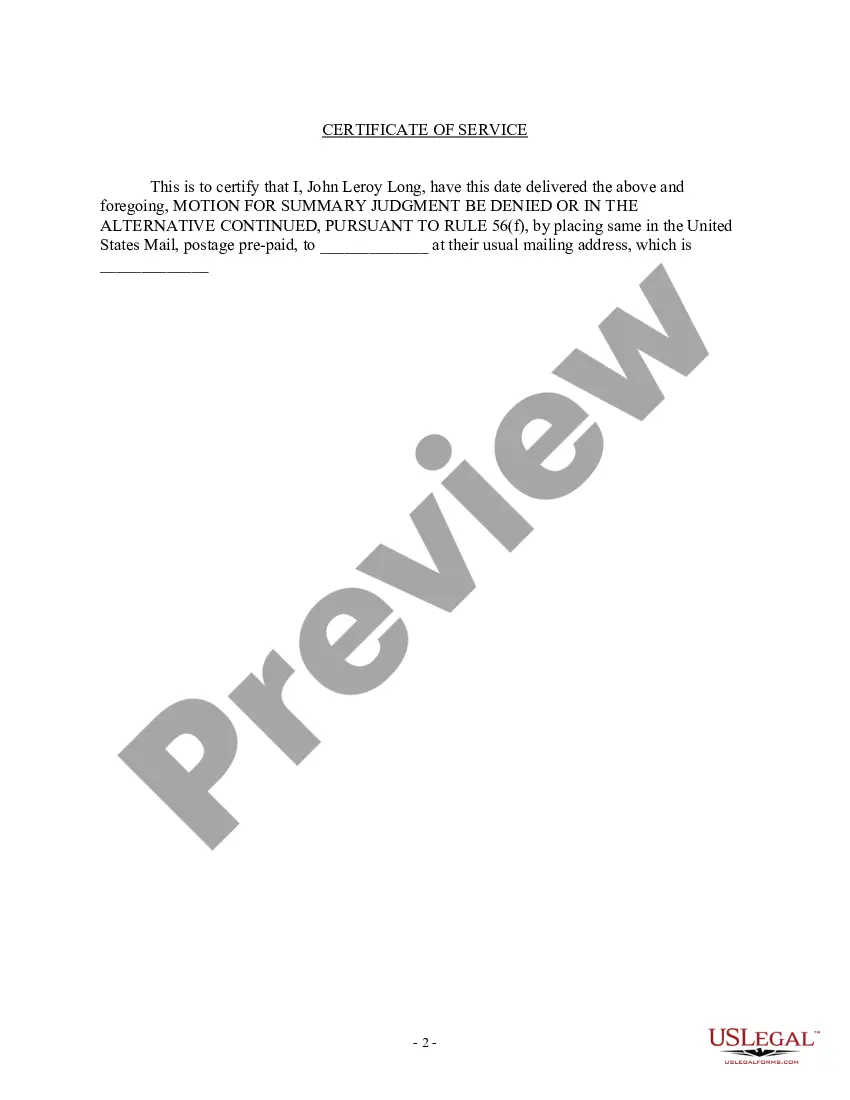
How to fill out Motion For Continuance To Complete Discovery Or In The Alternative Continuance Of Summary Judgment Motion?
Finding a reliable place to obtain the most up-to-date and pertinent legal templates is a significant part of navigating bureaucracy.
Identifying the correct legal document necessitates accuracy and meticulousness, which is why it’s crucial to acquire samples of the Motion For Judgment On The Pleadings And Summary Judgment exclusively from reputable sources, such as US Legal Forms. A flawed template could squander your time and hinder your progress in the matter you are facing.
Once you have the document on your device, you can modify it using the editor or print it out to finish it manually. Remove the hassle associated with your legal paperwork. Browse the comprehensive US Legal Forms collection where you can locate legal templates, assess their relevance to your situation, and download them immediately.
- Utilize the catalog navigation or search feature to find your template.
- Review the details of the form to confirm it aligns with the requirements of your jurisdiction.
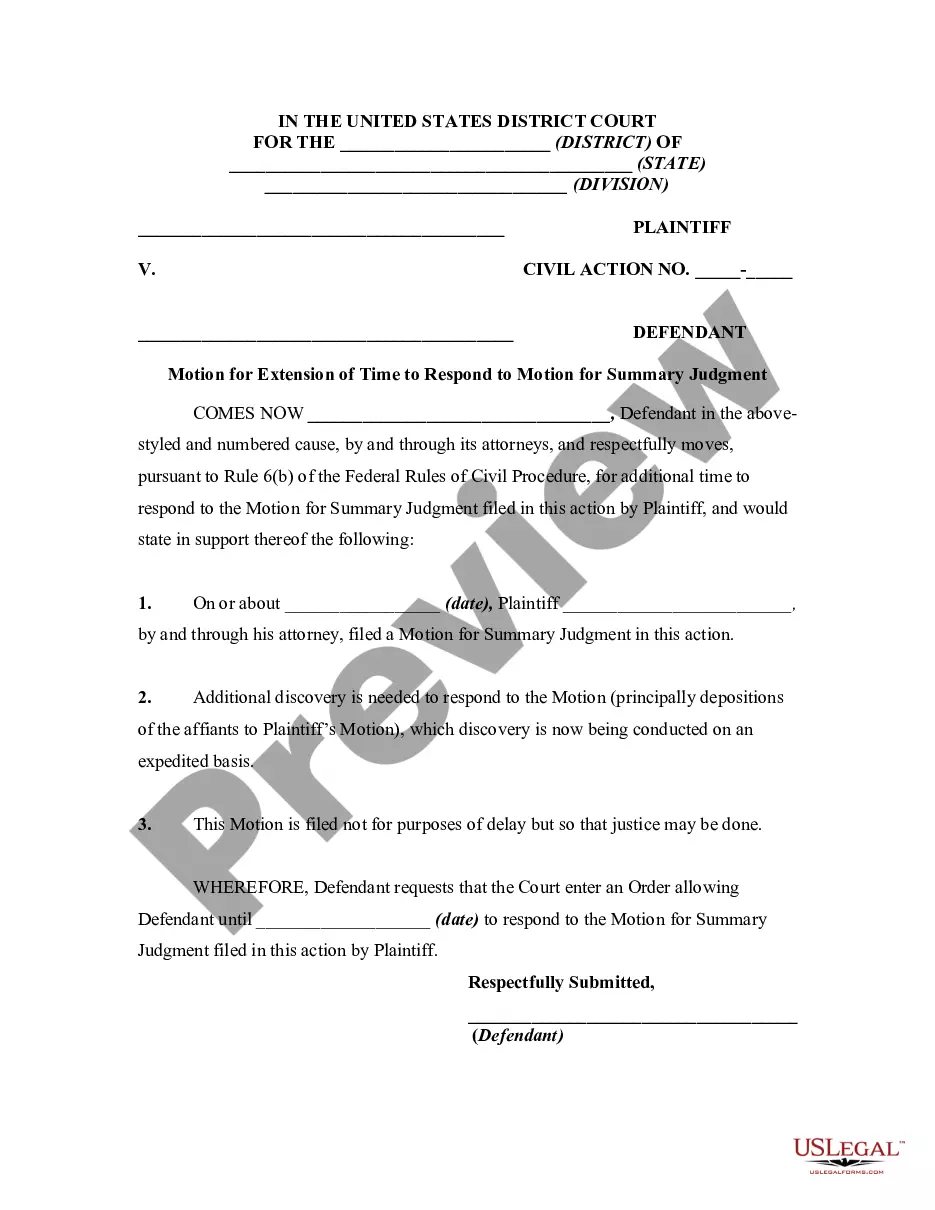
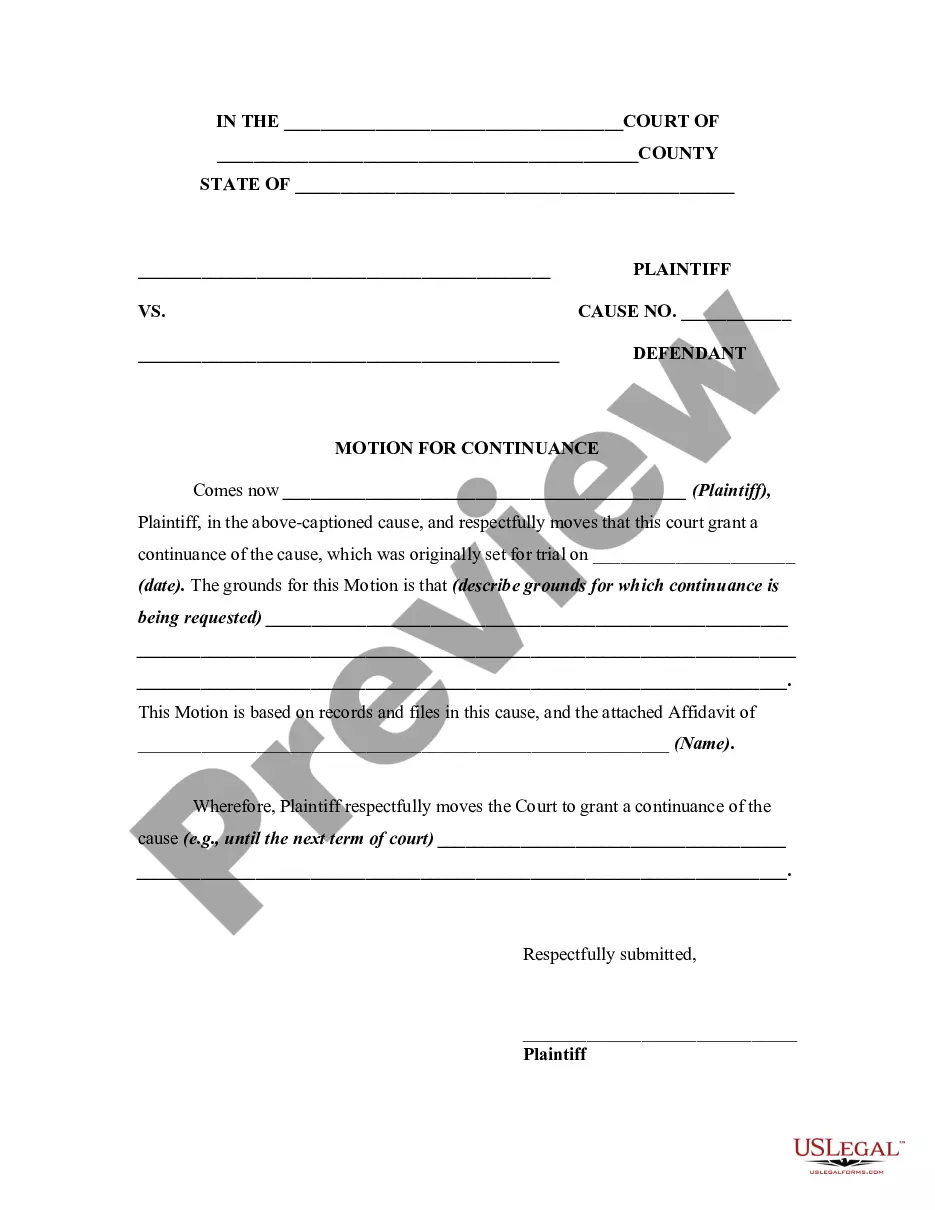
- Examine the form preview, if available, to ensure it is the specific template you need.
- Return to the search if the Motion For Judgment On The Pleadings And Summary Judgment does not fulfill your criteria.
- If you are confident in the form's relevance, proceed to download it.
- If you are a registered user, click Log in to verify your identity and access your chosen templates in My documents.
- If you do not yet have an account, click Buy now to acquire the template.
- Select the pricing option that best fits your needs.
- Continue to registration to finalize your purchase.
- Complete your transaction by choosing a payment method (credit card or PayPal).
- Choose the format for downloading the Motion For Judgment On The Pleadings And Summary Judgment.
Form popularity
FAQ
The primary purpose of a summary judgment is to expedite legal proceedings by resolving cases without a trial when there are no genuine issues of material fact. This process conserves time and resources for both the court and the parties involved. By utilizing motions for summary judgment, litigants can achieve quicker resolutions, which can lead to reduced legal costs.
A motion for summary judgment is a legal request that asks the court to decide a case based on the evidence presented without going to a full trial. Essentially, this motion argues that there are no significant factual disputes, allowing the judge to rule based purely on the law. Understanding this motion is crucial for effective litigation strategies, especially when combining it with a motion for judgment on the pleadings.
To respond effectively to a plaintiff's motion for summary judgment, you should gather evidence that disputes their claims. This evidence may include documents, witness statements, or affidavits. Importantly, present concrete facts to demonstrate that there are genuine issues that need to be addressed in court, thereby opposing the motion effectively.
Plaintiffs often bear the burden of proof in legal cases, which can make it challenging to succeed with summary judgment. While defendants can argue that there is no genuine issue of material fact, plaintiffs need to prove that there is no basis for the case against them. The different roles of plaintiffs and defendants create significant hurdles for plaintiffs seeking summary judgments.
A motion for judgment on the pleadings focuses solely on the pleadings, considering only the written statements of the parties. In contrast, summary judgment involves a broader range of evidence, such as documents and affidavits. This means that with summary judgment, you can establish facts through evidence beyond mere words, making it a more comprehensive legal tool.
A motion on the pleadings evaluates the legal sufficiency of the written claims without considering outside evidence, while summary judgment allows the judge to analyze submitted evidence to determine if any material facts are genuinely disputed. This means that summary judgment has a broader scope and can lead to a final ruling based on evidence. Both motions aim to resolve disputes early in the litigation process, saving time and resources.
To file a motion for judgment, start by preparing the motion document that clearly outlines your request and the legal basis for it. Submit this motion to the appropriate court along with any required filing fees. Using platforms like uslegalforms can simplify the process by providing templates and guidance for filing motions correctly.
The motion for judgment on the pleadings focuses solely on the written claims and defenses without additional evidence, while summary judgment does consider evidence presented outside of the pleadings. Both motions seek to expedite the legal process by resolving issues early, but they apply at different stages. Understanding these distinctions can help you choose the right approach for your case.
A motion for judgment on the pleadings is a request made to the court, asking it to rule on the case based solely on the written pleadings. This means that no additional evidence is presented; rather, the judge evaluates the legal sufficiency of the claims and defenses. If the pleadings demonstrate that there are no material facts in dispute, the court may grant the motion.
You should consider filing a motion for judgment on the pleadings early in the litigation process, ideally after the pleadings have closed but before discovery begins. This type of motion is appropriate when there are no factual disputes and the case can be decided solely based on the legal arguments in the pleadings. Using platforms like uslegalforms can help you navigate this process efficiently and accurately.