Protection Order Response With Prejudice
Description
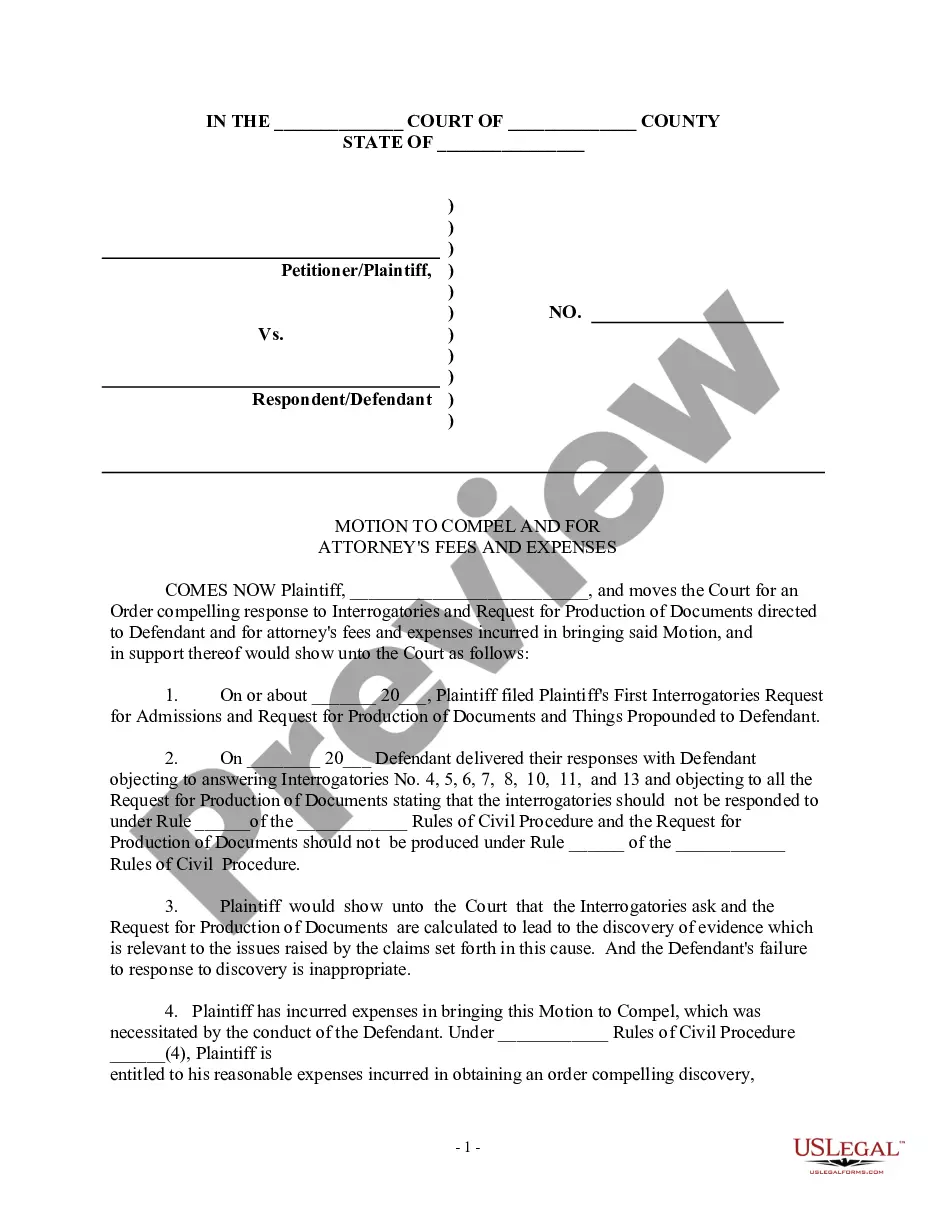
Get your form ready online
Our built-in tools help you complete, sign, share, and store your documents in one place.
Make edits, fill in missing information, and update formatting in US Legal Forms—just like you would in MS Word.
Download a copy, print it, send it by email, or mail it via USPS—whatever works best for your next step.
Sign and collect signatures with our SignNow integration. Send to multiple recipients, set reminders, and more. Go Premium to unlock E-Sign.
If this form requires notarization, complete it online through a secure video call—no need to meet a notary in person or wait for an appointment.
We protect your documents and personal data by following strict security and privacy standards.

Make edits, fill in missing information, and update formatting in US Legal Forms—just like you would in MS Word.

Download a copy, print it, send it by email, or mail it via USPS—whatever works best for your next step.

Sign and collect signatures with our SignNow integration. Send to multiple recipients, set reminders, and more. Go Premium to unlock E-Sign.

If this form requires notarization, complete it online through a secure video call—no need to meet a notary in person or wait for an appointment.

We protect your documents and personal data by following strict security and privacy standards.
Looking for another form?
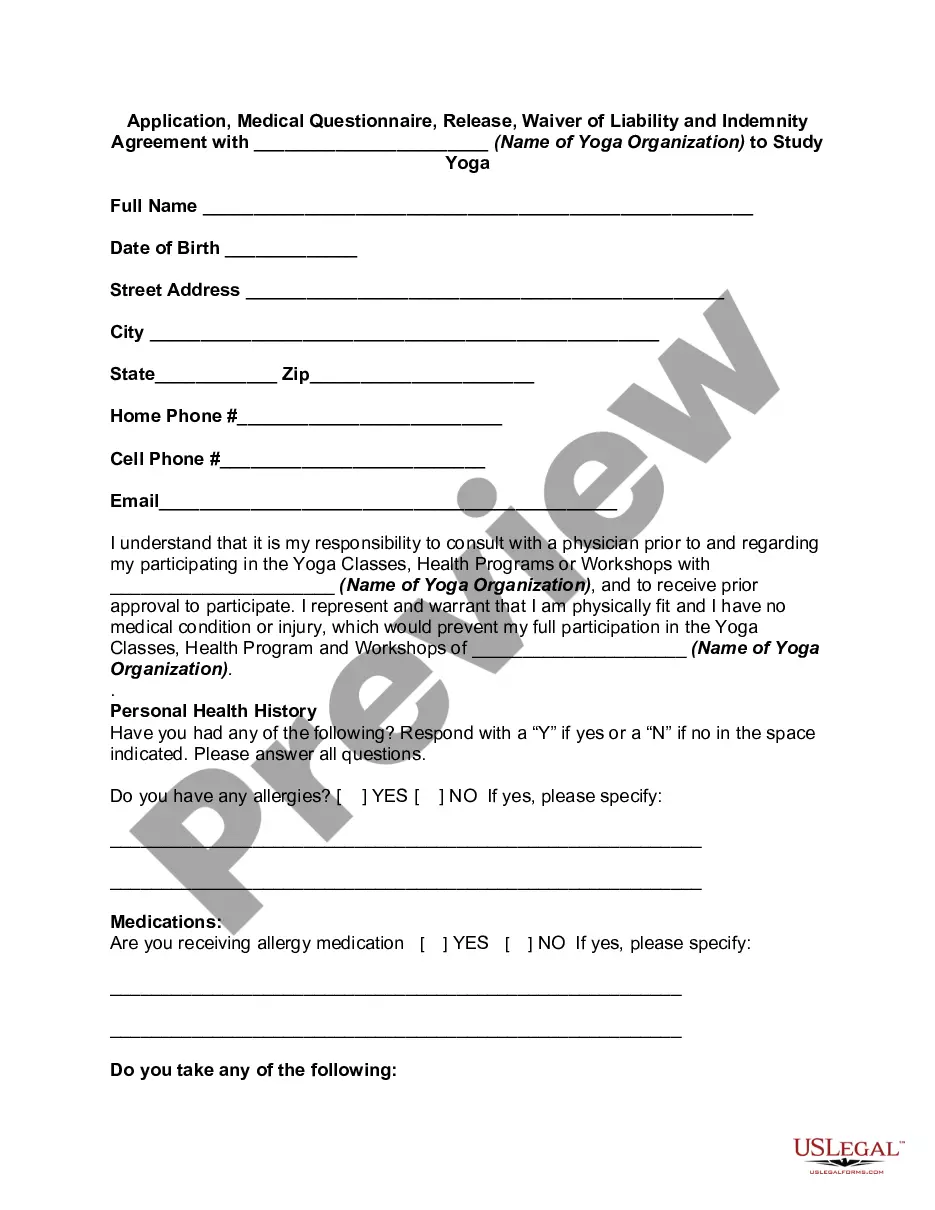





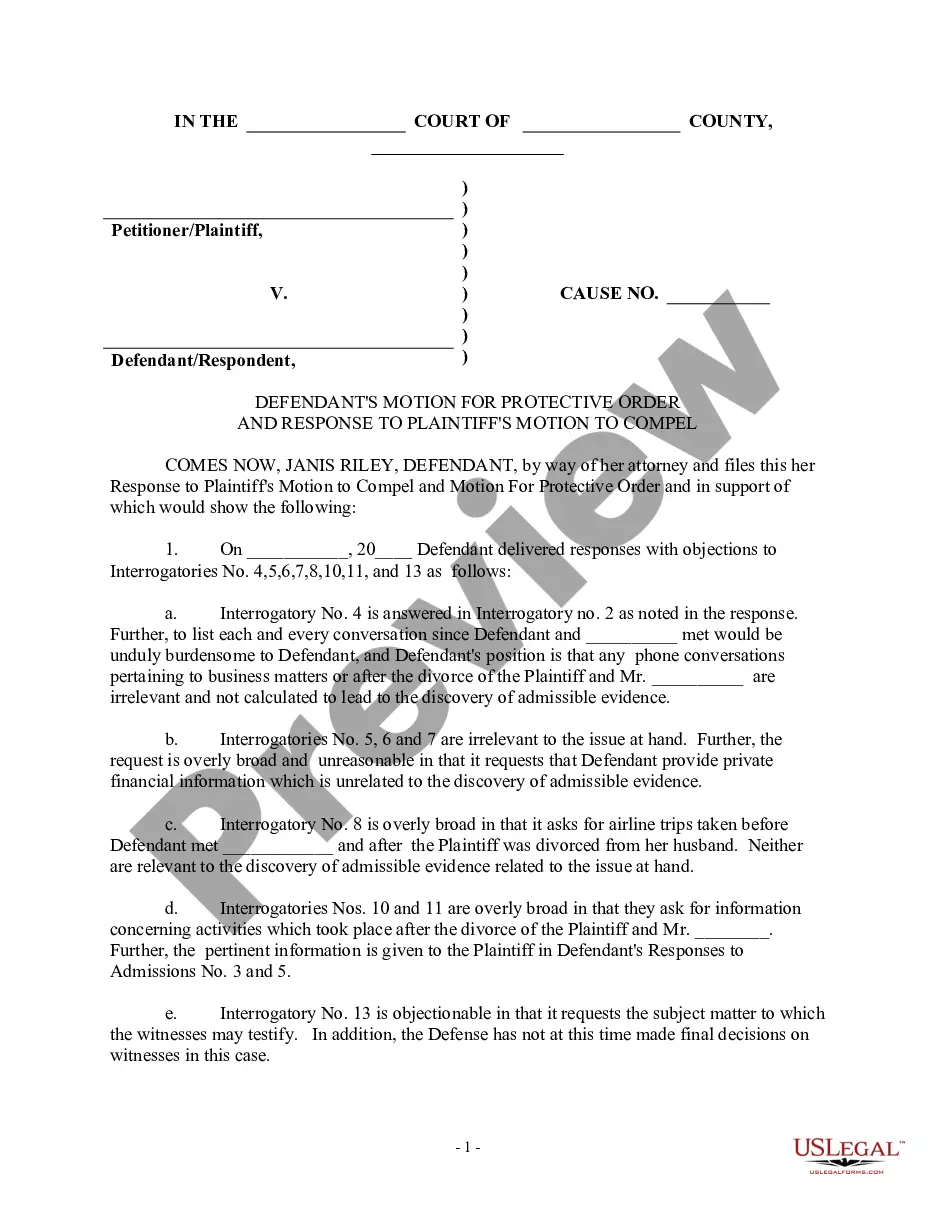
How to fill out Defendant's Motion For Protective Order And Response To Plaintiff's Motion To Compel?
Regardless of whether for business requirements or personal issues, everyone must handle legal circumstances at some time in their life.
Completing legal documents requires precise focus, beginning with selecting the correct form template.
Once saved, you can fill out the form using editing software or print it to complete it manually. With a comprehensive US Legal Forms catalog available, you won't need to waste time searching for the right template online. Utilize the library's easy navigation to find the suitable document for any situation.
- For example, if you select an incorrect version of a Protection Order Response With Prejudice, it will be denied upon submission.
- Thus, it is essential to have a trustworthy source of legal documents such as US Legal Forms.
- To acquire a Protection Order Response With Prejudice template, follow these straightforward steps.
- Retrieve the required template by using the search bar or catalog browsing.
- Examine the form's description to confirm it aligns with your case, state, and locale.
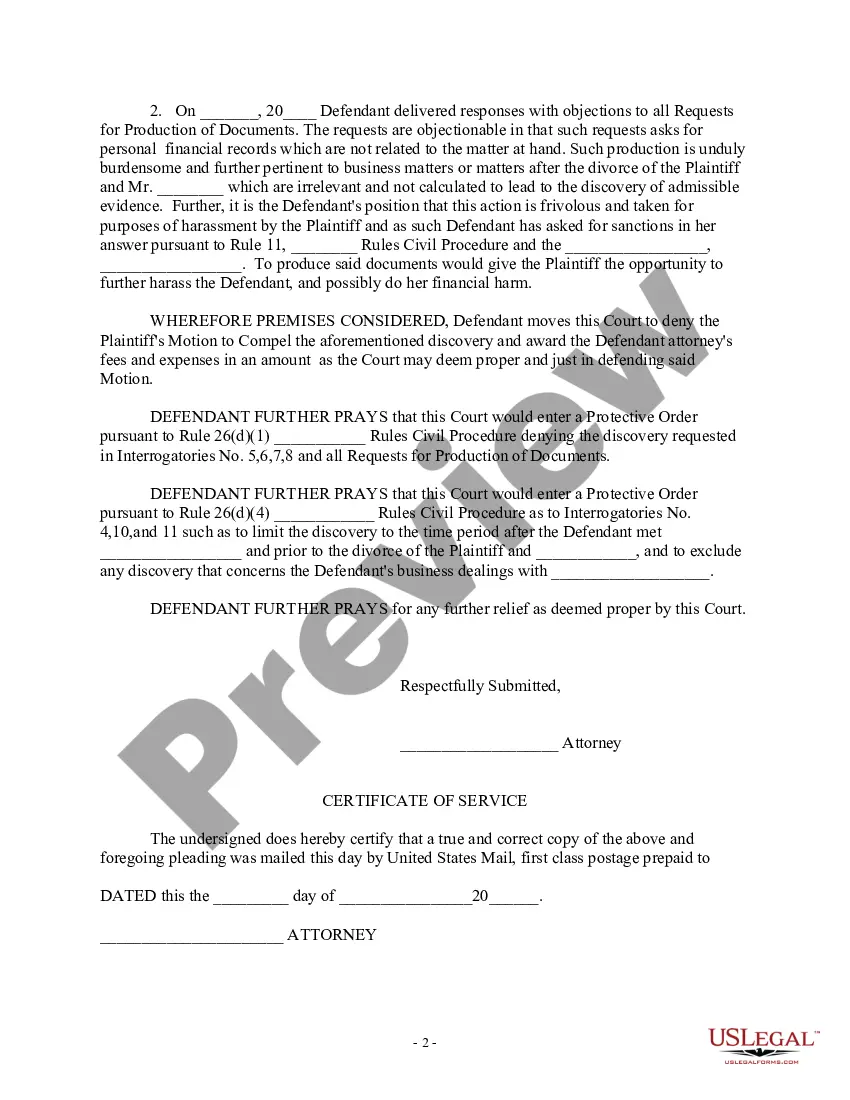
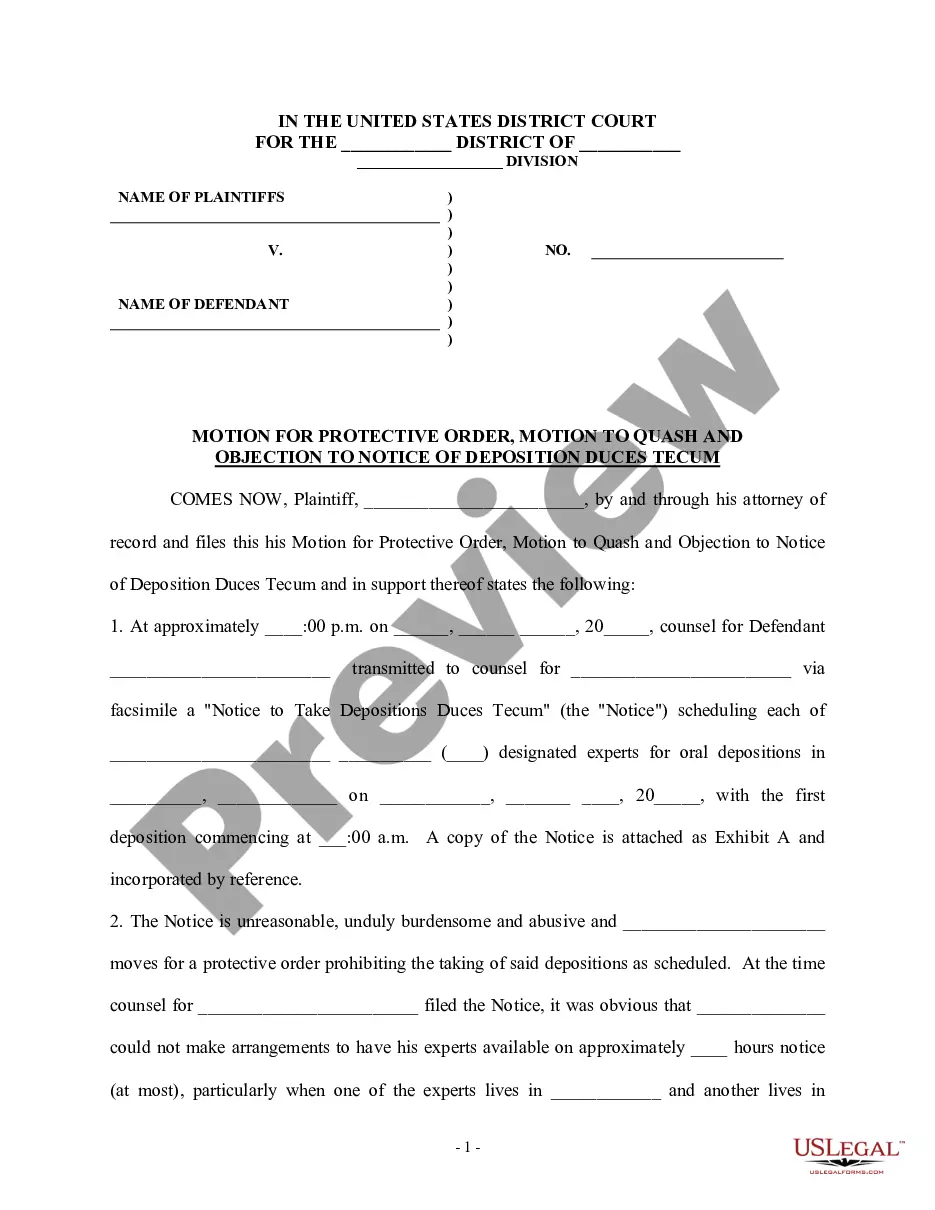
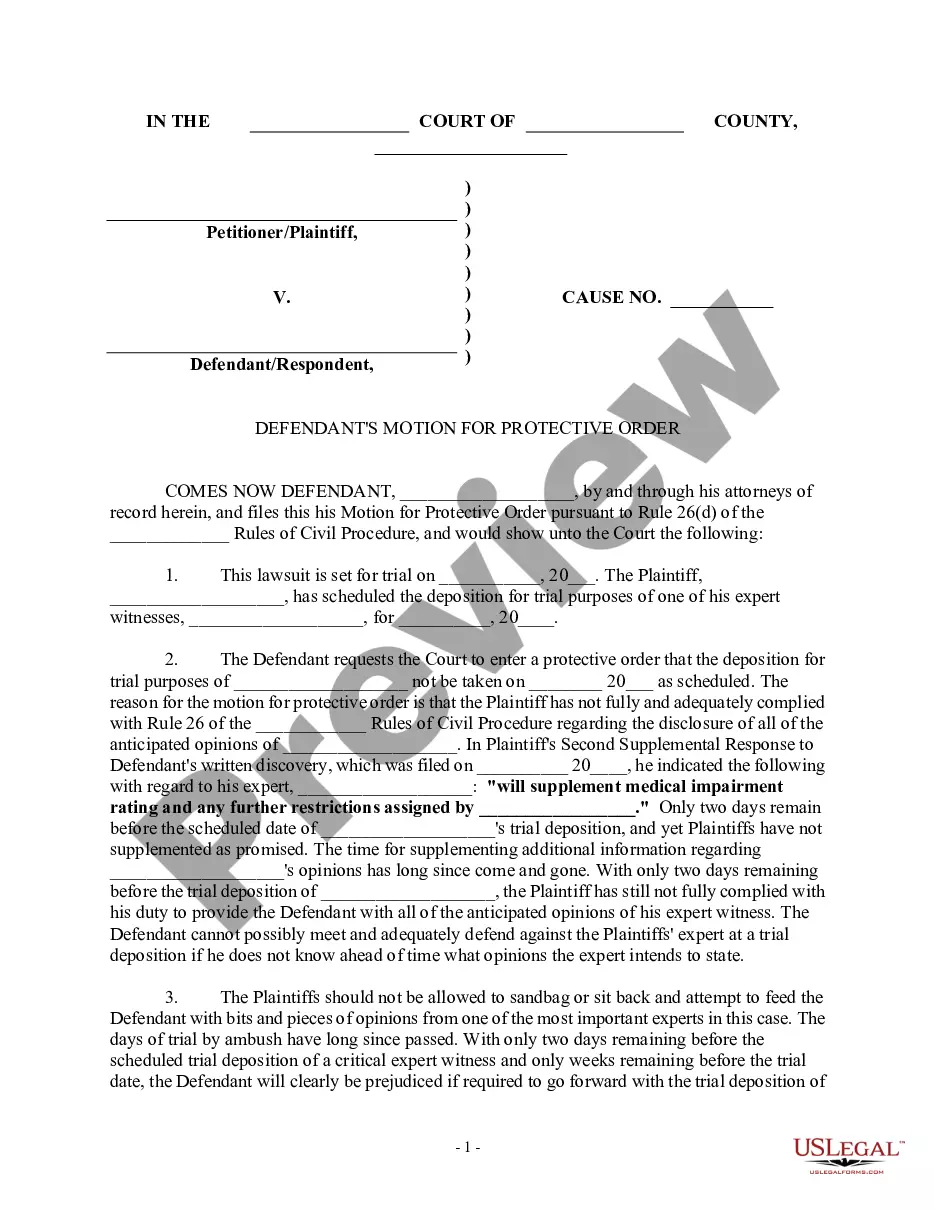
- Click on the form preview to inspect it.
- If it is the wrong document, return to the search feature to locate the Protection Order Response With Prejudice template you need.
- Obtain the file if it fulfills your requirements.
- If you possess a US Legal Forms account, click Log in to access formerly saved documents in My documents.
- If you do not yet have an account, you can download the document by clicking Buy now.
- Choose the appropriate pricing option.
- Complete the account registration form.
- Select your payment method: use a credit card or a PayPal account.
- Choose the document format you prefer and download the Protection Order Response With Prejudice.
Form popularity
FAQ
A final protection from abuse order may last up to two years. If you withdraw the case before a final hearing, any temporary protection order that was granted will no longer be in effect. A heightened risk of immediate abuse exists for the plaintiff or a minor child in the household.
Yes, but be careful. The plaintiff who files the PFA complaint may seek to dismiss the complaint. But the court will ensure that the plaintiff's desire to drop and end the PFA proceeding is not the result of the defendant's threat or other coercion.
No the Plaintiff cannot violate a PFA.
If you believe the protection order was granted improperly or that it is no longer needed, you can file a motion asking the court to ?dissolve? (terminate or cancel) the protection order. After you file the motion, the court will decide whether or not to schedule a hearing.
In order to fight an order of protection, you must go to court with evidence that the order is not warranted. For example, if you can prove that the accuser lied about the incident on which the order is based, then the judge may be inclined to vacate the order.