Plaintiff Response To Affirmative Defense
Description
Get your form ready online
Our built-in tools help you complete, sign, share, and store your documents in one place.
Make edits, fill in missing information, and update formatting in US Legal Forms—just like you would in MS Word.
Download a copy, print it, send it by email, or mail it via USPS—whatever works best for your next step.
Sign and collect signatures with our SignNow integration. Send to multiple recipients, set reminders, and more. Go Premium to unlock E-Sign.
If this form requires notarization, complete it online through a secure video call—no need to meet a notary in person or wait for an appointment.
We protect your documents and personal data by following strict security and privacy standards.

Make edits, fill in missing information, and update formatting in US Legal Forms—just like you would in MS Word.

Download a copy, print it, send it by email, or mail it via USPS—whatever works best for your next step.

Sign and collect signatures with our SignNow integration. Send to multiple recipients, set reminders, and more. Go Premium to unlock E-Sign.

If this form requires notarization, complete it online through a secure video call—no need to meet a notary in person or wait for an appointment.

We protect your documents and personal data by following strict security and privacy standards.
Looking for another form?
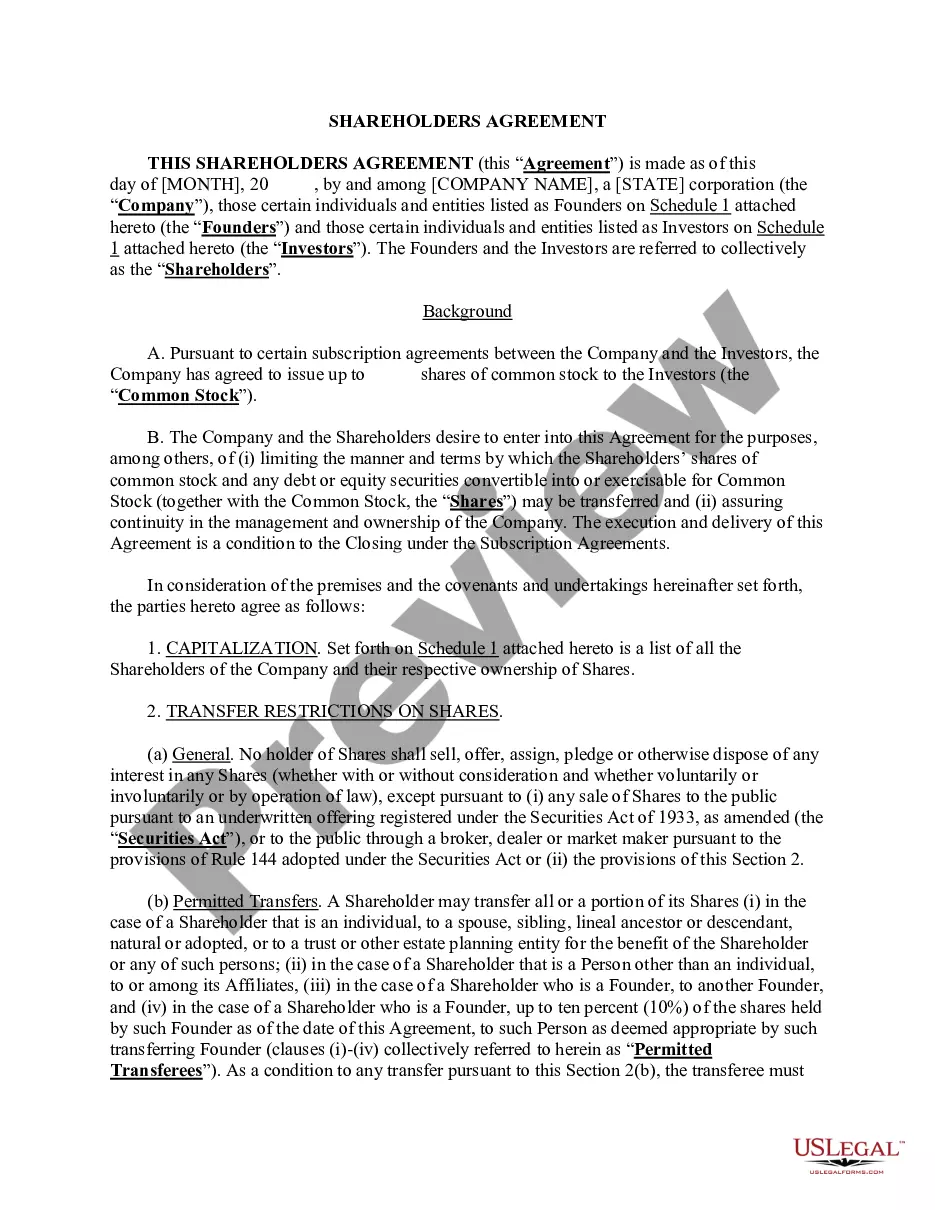



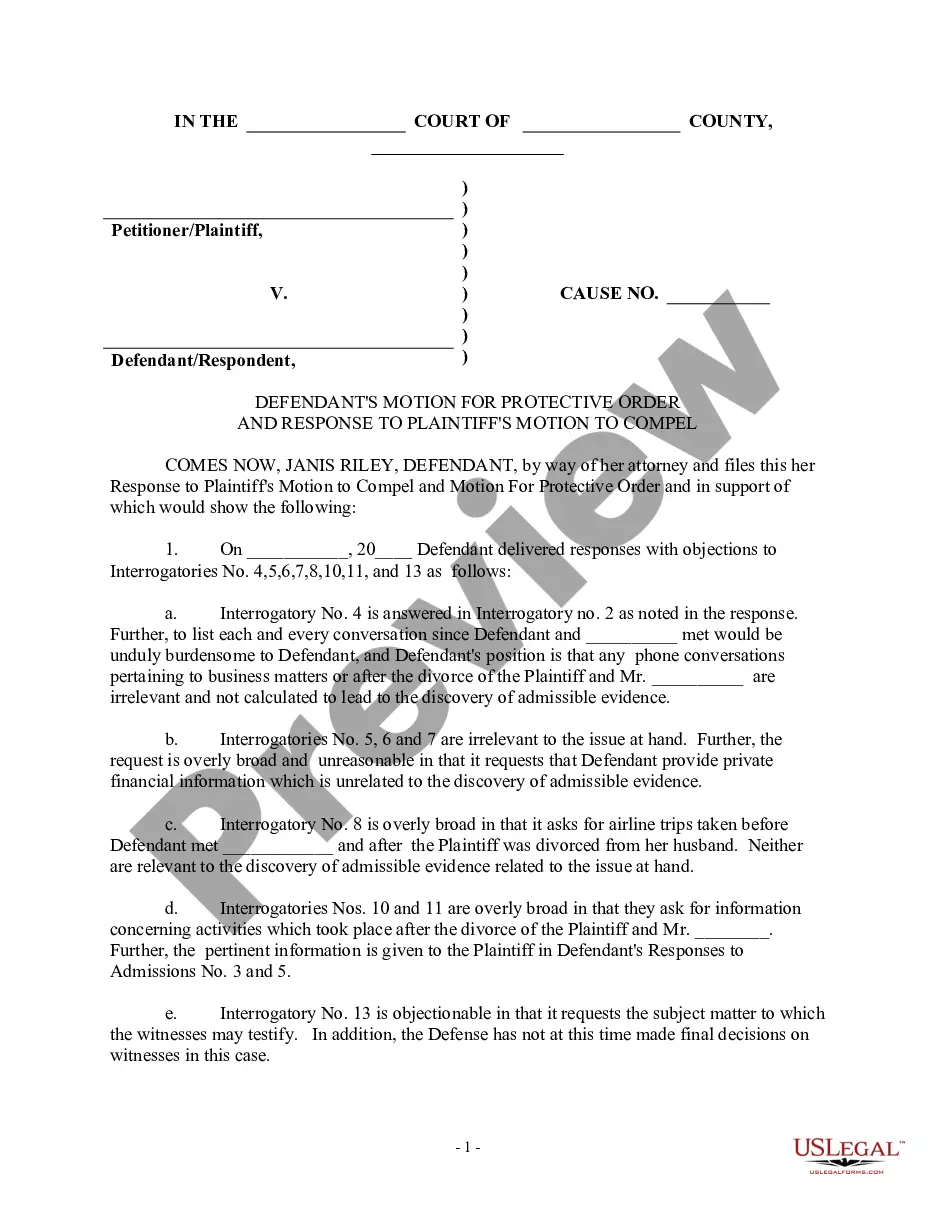
How to fill out Defendant's Motion For Protective Order And Response To Plaintiff's Motion To Compel?
Accessing legal document examples that comply with federal and state regulations is crucial, and the internet provides a multitude of choices to select from.
However, what’s the benefit of spending time looking for the appropriate Plaintiff Response To Affirmative Defense example online if the US Legal Forms digital library already has such templates compiled in one location.
US Legal Forms is the largest online legal directory with over 85,000 editable templates created by attorneys for various professional and personal situations.
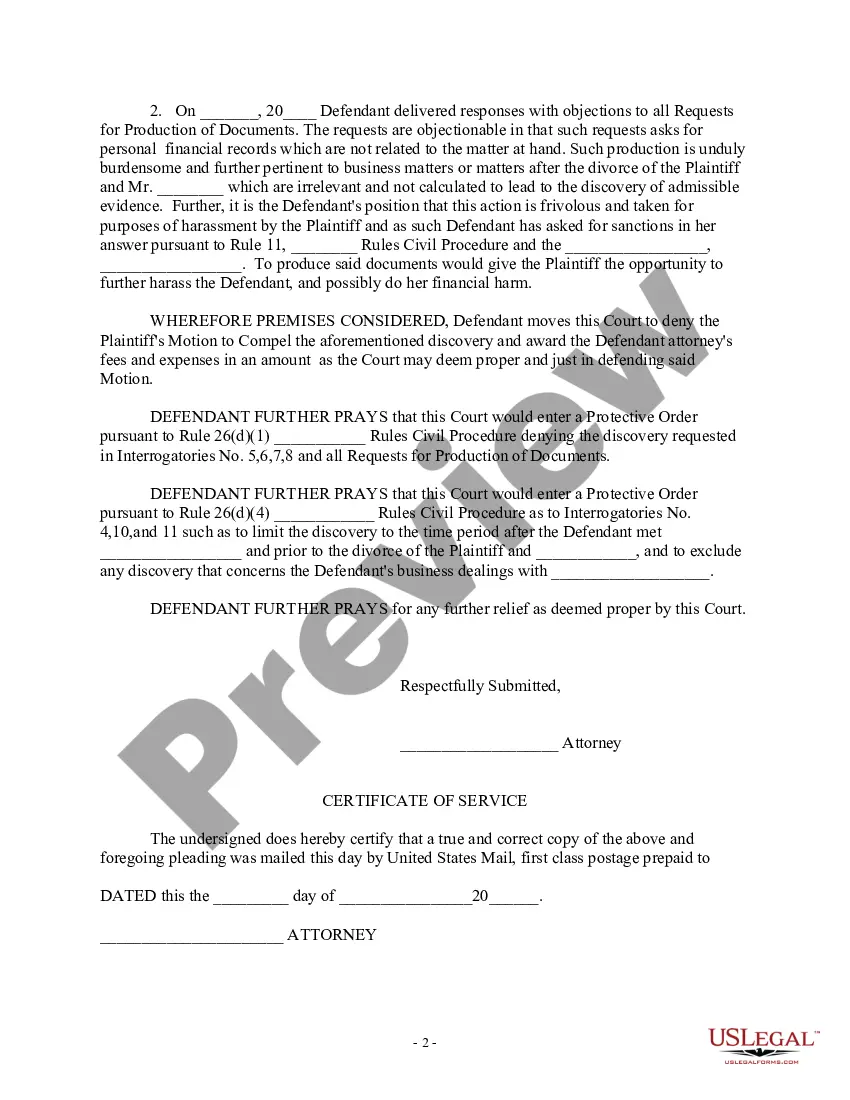
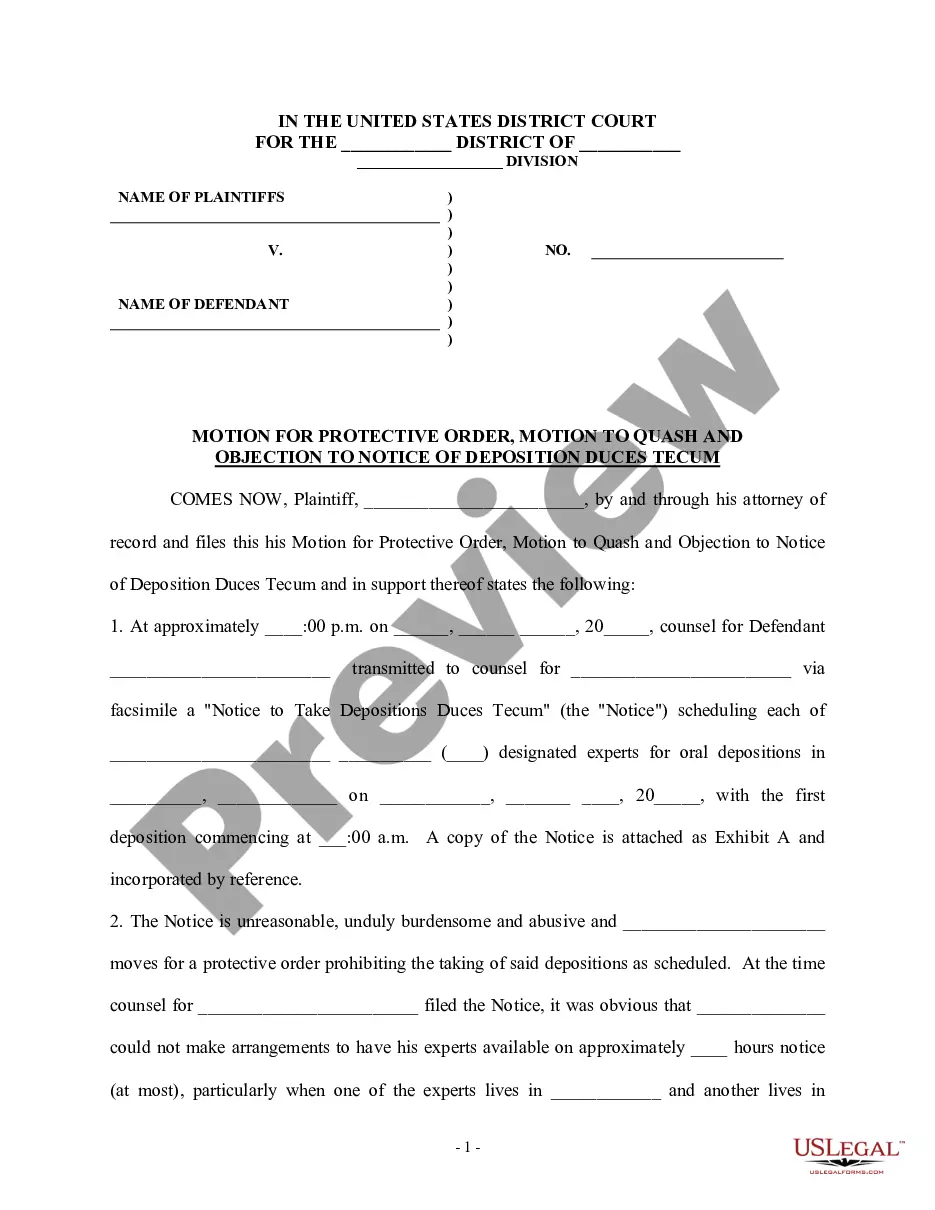
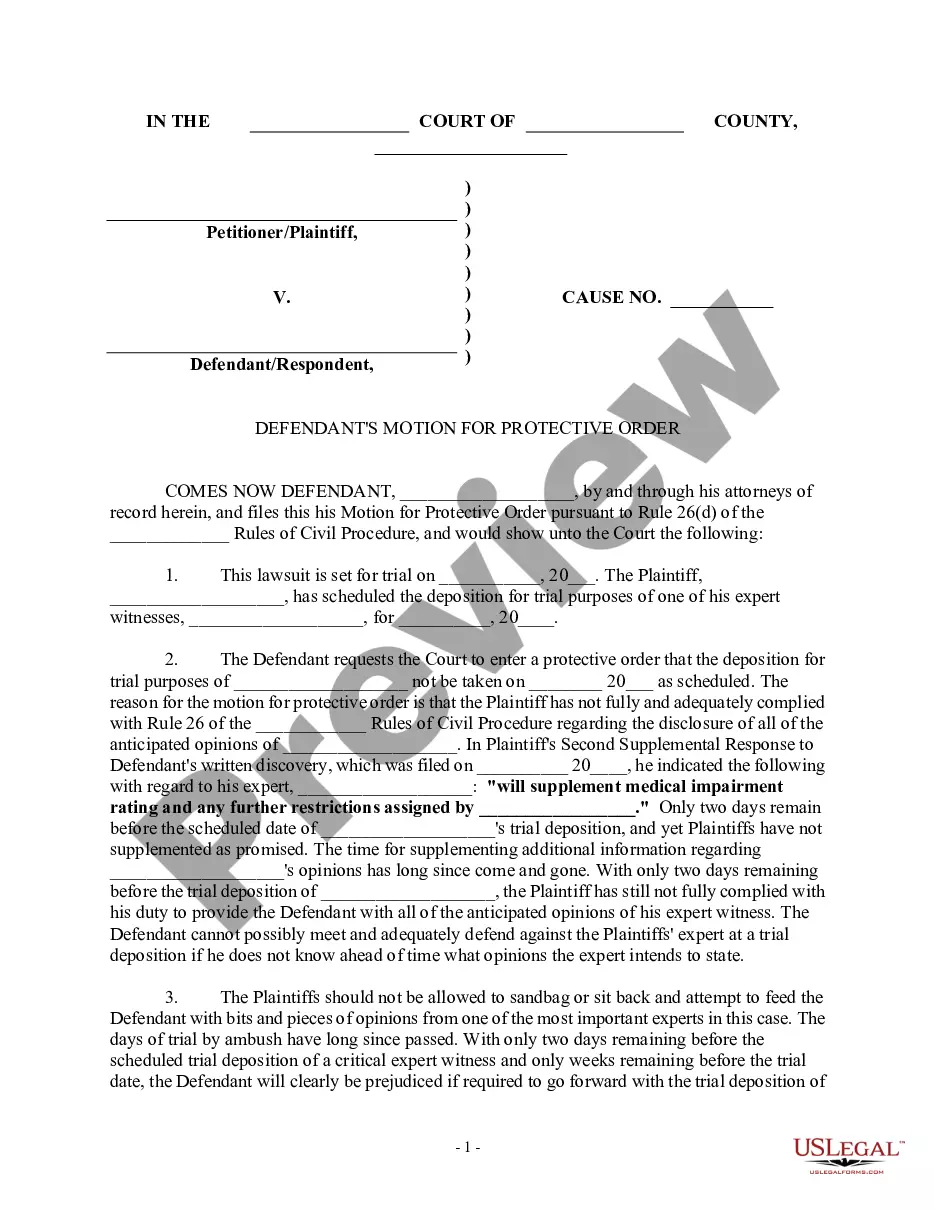
Review the template using the Preview function or through the text outline to ensure it meets your requirements.
- They are easy to navigate with all documents organized by state and intended use.
- Our specialists stay updated with legal modifications, ensuring you can always trust your form is current and compliant when acquiring a Plaintiff Response To Affirmative Defense from our platform.
- Obtaining a Plaintiff Response To Affirmative Defense is straightforward and swift for both existing and new users.
- If you already have an account with an active subscription, Log In and download the document sample you need in the desired format.
- If you’re new to our site, follow the steps outlined below.
Form popularity
FAQ
When writing a response letter after being sued, start with a formal greeting and clearly state the purpose of your letter. Address the claims made against you, providing your perspective on the situation. It is essential to remain professional and factual while outlining your defenses or responses. For a comprehensive approach, consider utilizing resources from UsLegalForms to help craft your letter effectively.
To write a response to a claim, begin by reviewing the claim thoroughly. Address each allegation specifically, either admitting or denying them, and present your defenses. It is vital to include any affirmative defenses you wish to raise. A clear and organized plaintiff response to affirmative defense is crucial for effectively communicating your standpoint.
Responding to affirmative defenses involves crafting a formal reply that challenges the validity of those defenses. Clearly state why the defenses do not apply, and support your arguments with evidence or legal precedents. A strategic plaintiff response to affirmative defense helps clarify your position and can influence the outcome of the case.
When writing a reply to a defense, you should start by thoroughly reviewing the defendant's claims. Identify each point made and provide a clear counter to each affirmative defense. Ensure your response is factual, concise, and directly addresses the issues raised. An effective plaintiff response to affirmative defense showcases your legal acumen and preparedness.
An answer with an affirmative defense is a legal document filed by the defendant that responds to the plaintiff's allegations while also introducing defenses that justify their actions. This response not only contests the claims but also presents reasons that could absolve the defendant of liability. For plaintiffs, crafting a thoughtful response to these defenses is essential to maintain a strong case.
To effectively reply to affirmative defenses, you must address each defense raised in the defendant's answer. Start by acknowledging the defenses and then provide specific counterarguments that negate their validity. It is important to clearly state why the affirmative defenses do not apply to your case. A well-structured plaintiff response to affirmative defense can strengthen your position in court.
An affirmative defense is a legal reasoning that justifies a defendant's actions, even if the plaintiff's claims are true. For example, in a personal injury case, a defendant may claim self-defense as an affirmative defense. This means that the defendant acknowledges the incident but argues that their actions were justified. Understanding the role of affirmative defenses is crucial for a plaintiff response to affirmative defense.
Typically, the defendant bears the burden of proof for any affirmative defense they assert. In a plaintiff response to affirmative defense, it is essential to recognize that the defendant must prove their claims to succeed. The plaintiff only needs to refute the defense if it is adequately established. This dynamic emphasizes the importance of thorough preparation in your legal strategy.
Yes, an affirmative defense can be waived if not properly raised in a timely manner. For a plaintiff response to affirmative defense, it is crucial to identify whether the defendant has preserved their affirmative defense rights. Failure to assert this defense at the appropriate time may impact the outcome of the case. Utilizing legal resources can help clarify these critical details.
In the context of a plaintiff response to affirmative defense, the standards of proof vary by jurisdiction. Generally, the defendant must provide sufficient evidence to support their affirmative defense. This means they must demonstrate that their defense is more likely true than not. Understanding these standards can help you effectively prepare your response.