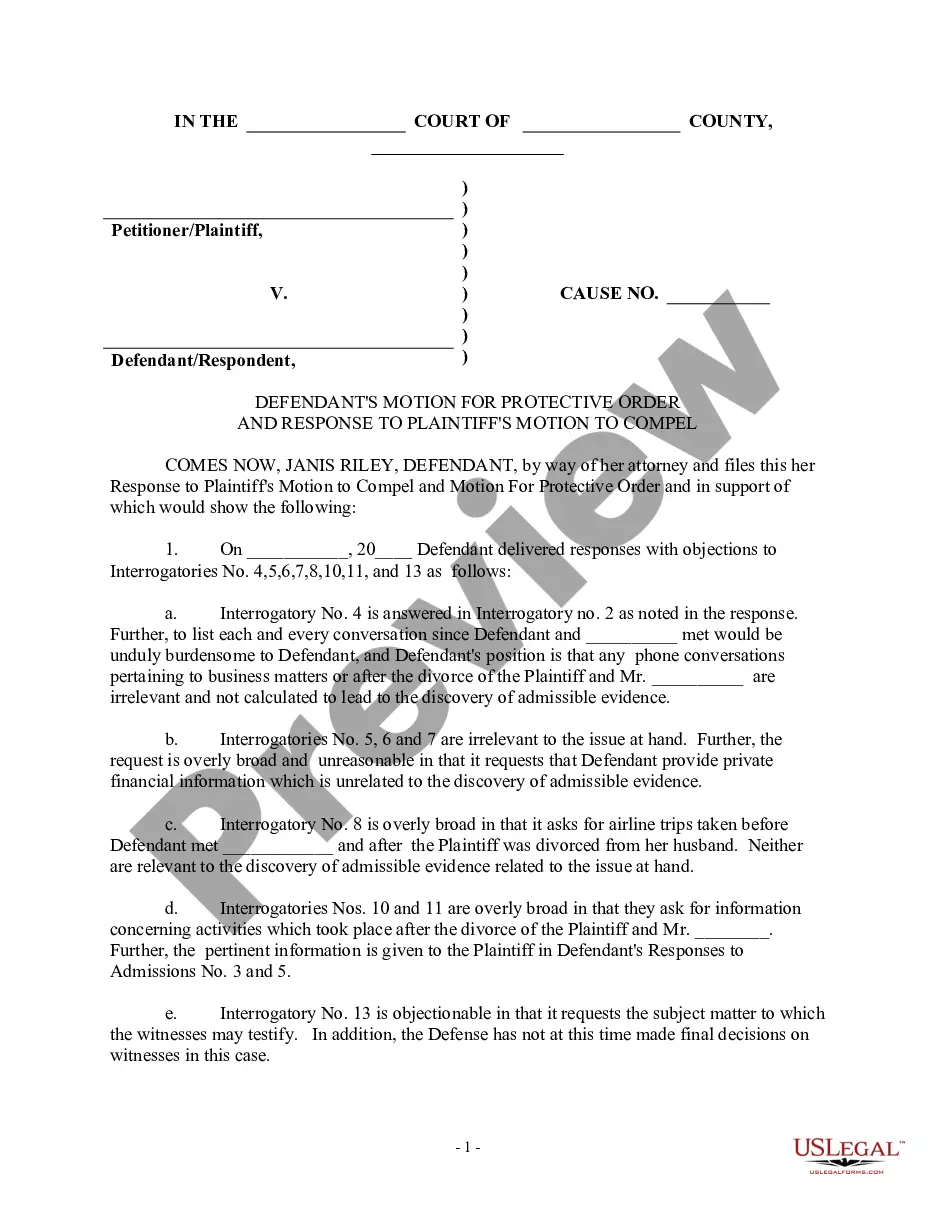
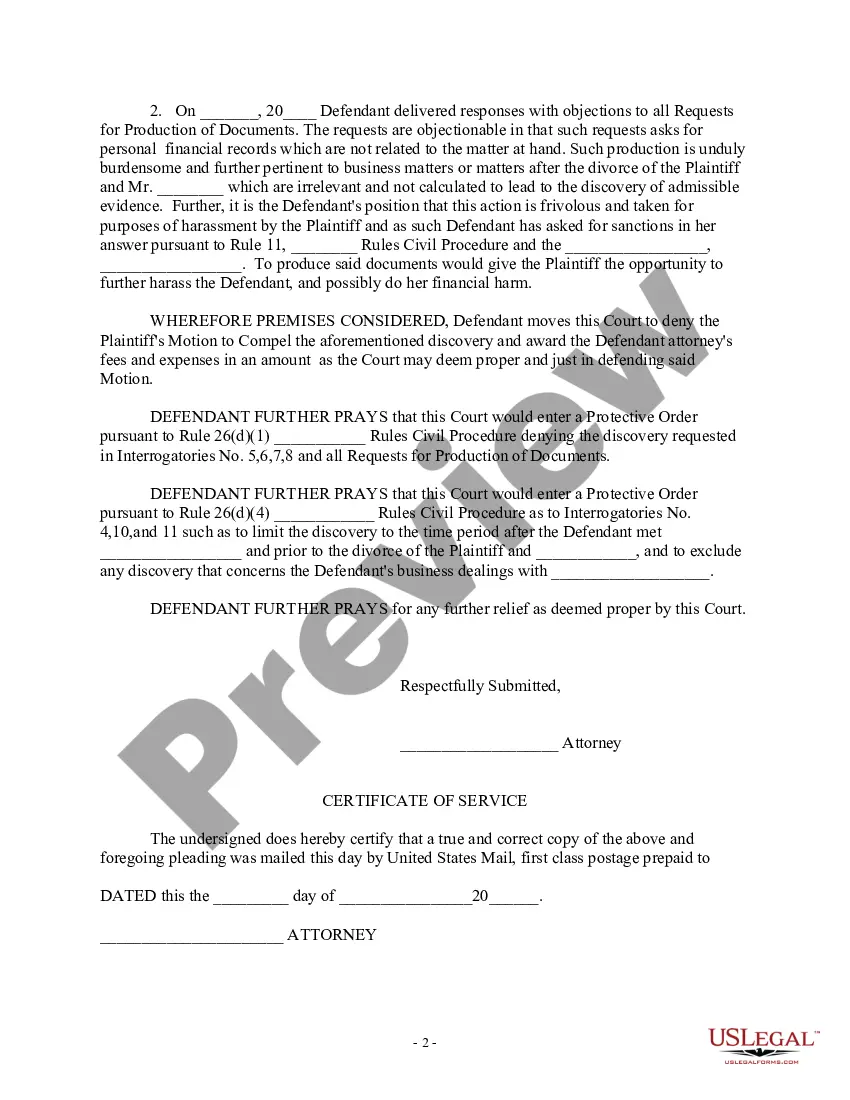
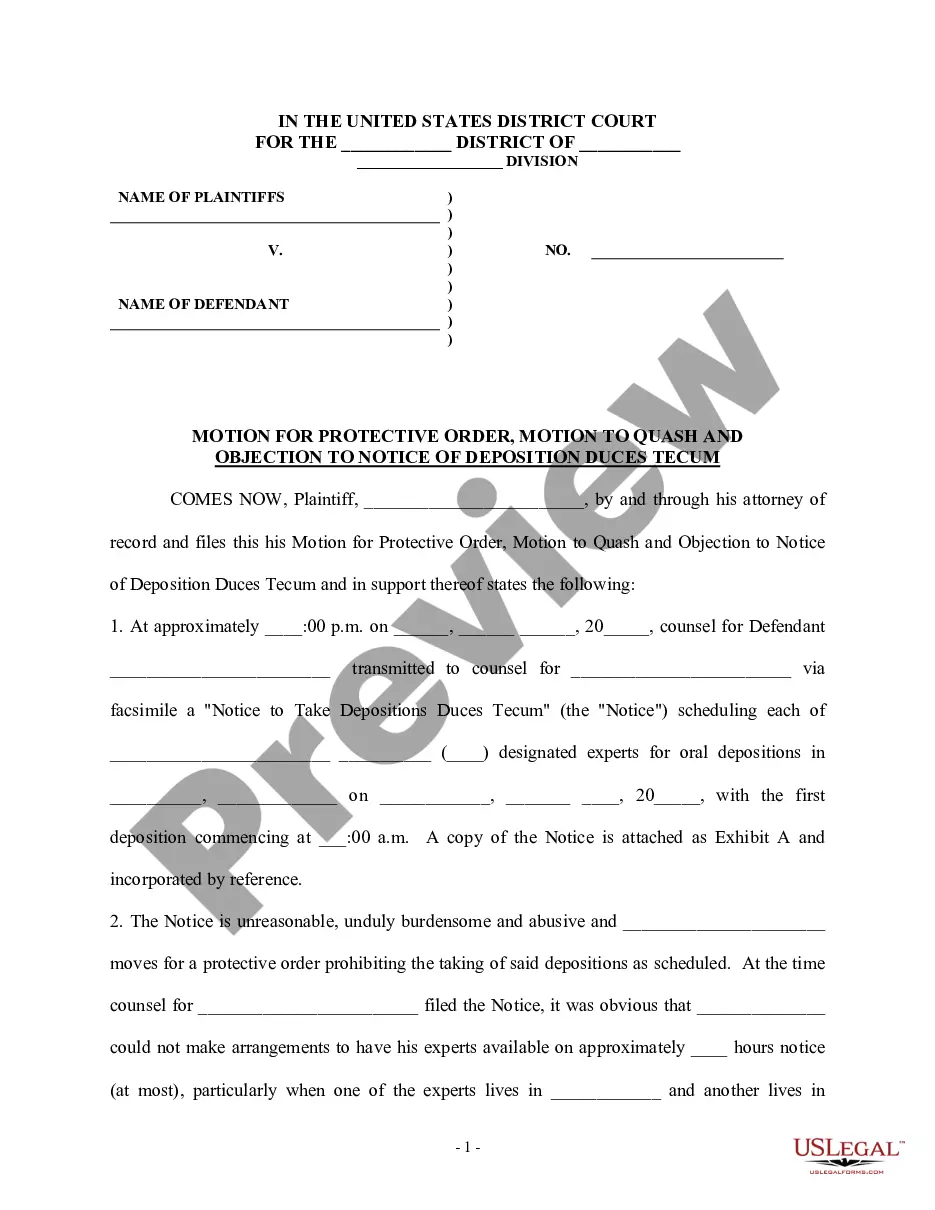
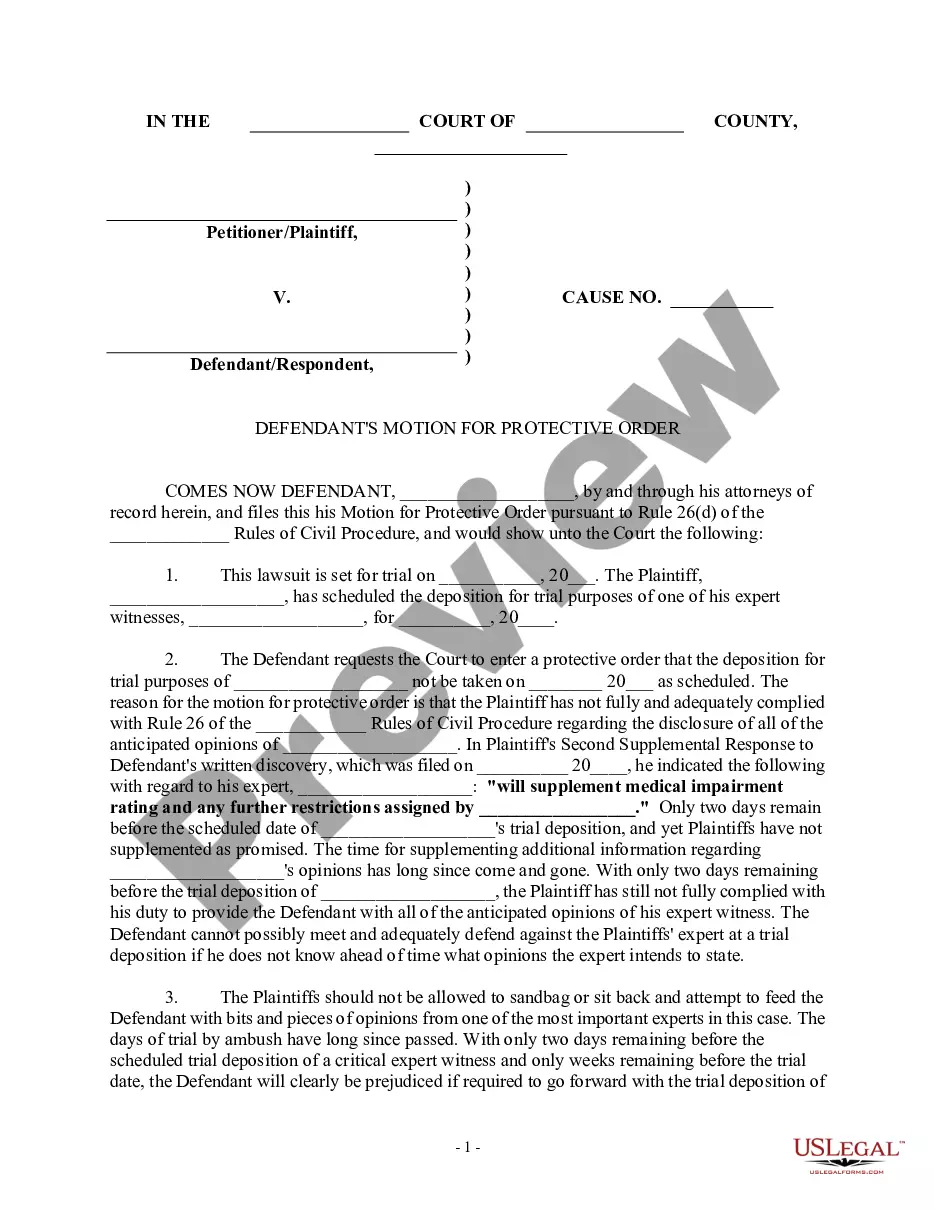
Motion For Protective Order Texas
Description
Get your form ready online
Our built-in tools help you complete, sign, share, and store your documents in one place.
Make edits, fill in missing information, and update formatting in US Legal Forms—just like you would in MS Word.
Download a copy, print it, send it by email, or mail it via USPS—whatever works best for your next step.
Sign and collect signatures with our SignNow integration. Send to multiple recipients, set reminders, and more. Go Premium to unlock E-Sign.
If this form requires notarization, complete it online through a secure video call—no need to meet a notary in person or wait for an appointment.
We protect your documents and personal data by following strict security and privacy standards.

Make edits, fill in missing information, and update formatting in US Legal Forms—just like you would in MS Word.

Download a copy, print it, send it by email, or mail it via USPS—whatever works best for your next step.

Sign and collect signatures with our SignNow integration. Send to multiple recipients, set reminders, and more. Go Premium to unlock E-Sign.

If this form requires notarization, complete it online through a secure video call—no need to meet a notary in person or wait for an appointment.

We protect your documents and personal data by following strict security and privacy standards.
Looking for another form?






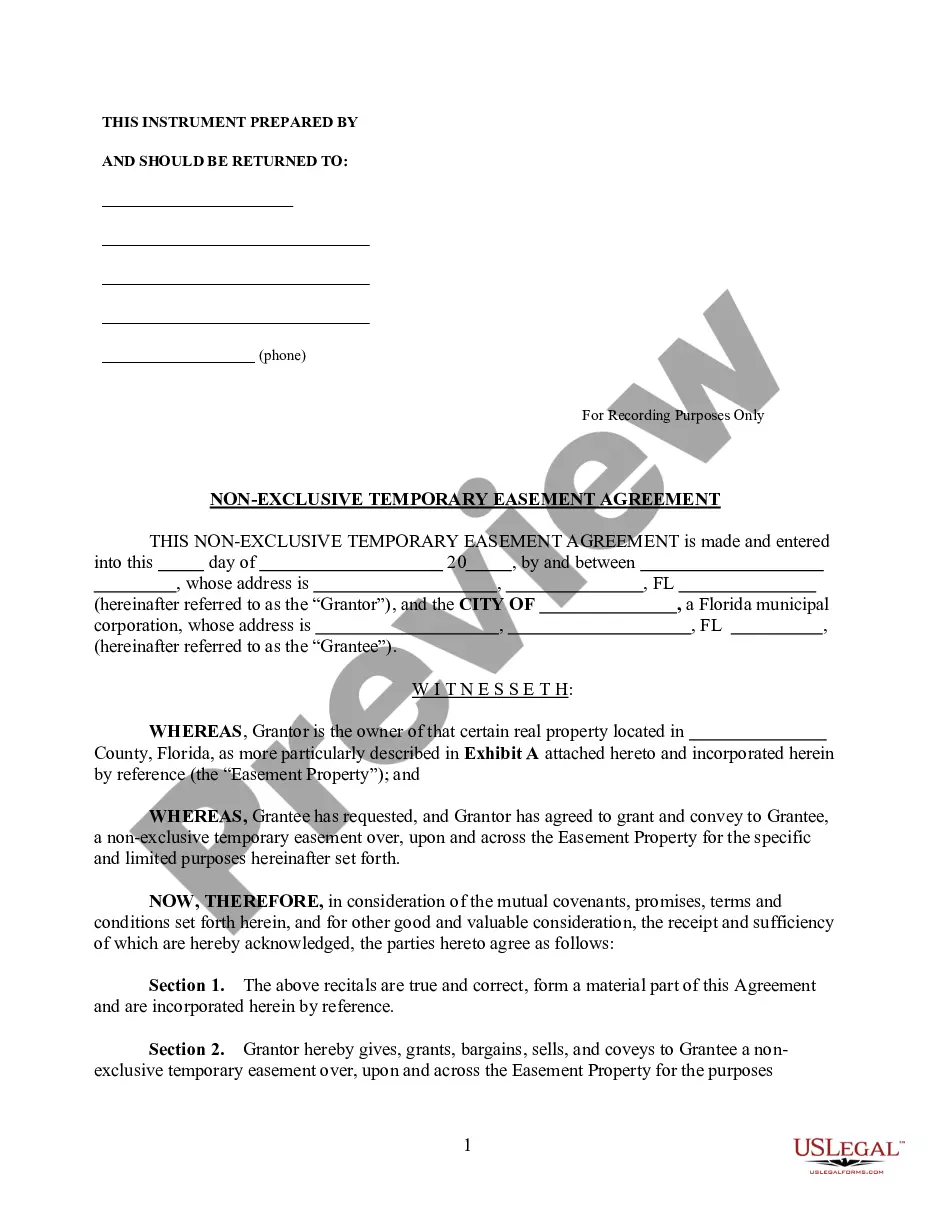

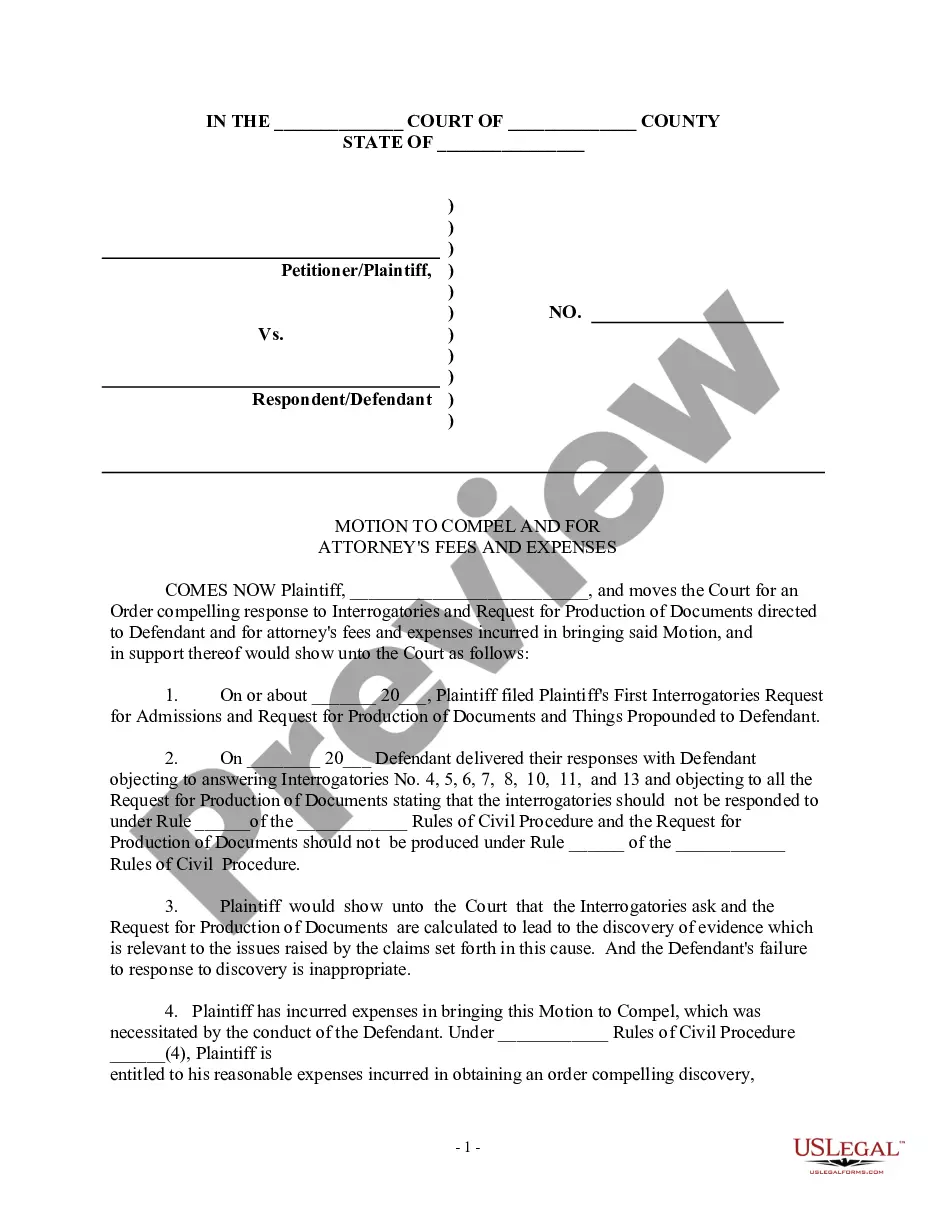
How to fill out Defendant's Motion For Protective Order And Response To Plaintiff's Motion To Compel?
Whether for professional objectives or for personal issues, everyone must confront legal matters eventually in their life.
Completing legal paperwork requires meticulous care, starting with selecting the correct form template.
With an extensive US Legal Forms catalog available, you never need to waste time searching for the suitable template online. Utilize the library’s user-friendly navigation to discover the correct form for any situation.
- Acquire the template you require using the search bar or catalog browsing.
- Review the form’s details to verify it suits your circumstances, state, and area.
- Click on the preview of the form to inspect it.
- If it is the incorrect document, return to the search feature to find the Motion For Protective Order Texas template you need.
- Download the file if it aligns with your requirements.
- If you already possess a US Legal Forms account, simply click Log in to access previously saved templates in My documents.
- If you don’t have an account yet, you can download the form by clicking Buy now.
- Select the appropriate payment option.
- Complete the account registration form.
- Choose your payment method: use a credit card or PayPal account.
- Select the document format you prefer and download the Motion For Protective Order Texas.
- Once it is saved, you can complete the form with editing software or print it and fill it out manually.
Form popularity
FAQ
The three types of protection commonly addressed in legal contexts include protective orders, confidentiality agreements, and sealing court documents. Protecting sensitive information is crucial for individuals engaged in litigation. A motion for protective order in Texas aids in preventing the unnecessary sharing of private data, while confidentiality agreements can regulate information handling outside the courtroom. Understanding these protections can empower you in navigating the legal landscape effectively.
A motion functions as a form of pleading in the legal context, yet it primarily addresses discovery issues as well. When you file a motion for protective order in Texas, you communicate your request for specific court intervention regarding discovery activities. This dual nature means that while motions are procedural documents, they are crucial in controlling the discovery process. Thus, recognizing this importance can aid you in protecting your case.
A discovery motion refers to requests made to the court regarding the disclosure of evidence and information before trial. These motions aim to clarify or limit what can be requested during the discovery phase. Common examples include subpoenas and motions to compel. Utilizing effective discovery motions, like a motion for protective order Texas, can significantly help safeguard your rights.
Yes, a motion for protective order is indeed a type of discovery motion. This legal tool allows parties to seek protection from excessive or inappropriate inquiries during the discovery process. In Texas, on filing a motion for protective order, you can limit disclosure of sensitive information. This ensures you maintain control over your data, making it essential for anyone involved in legal proceedings.
Yes, in Texas, a prosecutor can file a protective order on behalf of the victim in certain criminal cases, particularly where family violence is involved. This ensures that the victim's safety is prioritized. If you're looking for protection, a motion for protective order Texas might be a helpful option to explore as well.
The process for obtaining a protection order in Texas can vary, typically taking a few weeks from the initial application to the final hearing. In urgent situations, temporary orders can be issued more quickly. Filing a motion for protective order Texas with legal assistance can help streamline the process.
The burden of proof for obtaining a protective order in Texas lies with the applicant. They must demonstrate that family violence has occurred or is likely to occur. Filing a motion for protective order Texas can effectively present your evidence in court to establish this burden.
Yes, a justice of the peace can issue a protective order in Texas under certain circumstances. They can handle cases involving family violence and temporary orders. When facing domestic issues, considering a motion for protective order Texas can provide you with the necessary legal protection.
A violation of a protective order in Texas typically occurs when the restrained person fails to comply with the terms set by the court. This can include actions such as contacting the protected person, being present near specified locations, or failing to surrender firearms. If you encounter such a violation, you may need to file a motion for protective order Texas to reinforce the rules and ensure safety.
A motion for protection is a legal request designed to secure a party's rights during court proceedings. This motion often seeks to limit exposure to certain discussions or evidence that may cause harm. In Texas, a motion for protective order is a common application of this concept, especially in sensitive legal matters. Knowing how to file this motion effectively can influence the outcome of your case.