Venue For Court
Description


Get your form ready online
Our built-in tools help you complete, sign, share, and store your documents in one place.
Make edits, fill in missing information, and update formatting in US Legal Forms—just like you would in MS Word.
Download a copy, print it, send it by email, or mail it via USPS—whatever works best for your next step.
Sign and collect signatures with our SignNow integration. Send to multiple recipients, set reminders, and more. Go Premium to unlock E-Sign.
If this form requires notarization, complete it online through a secure video call—no need to meet a notary in person or wait for an appointment.
We protect your documents and personal data by following strict security and privacy standards.

Make edits, fill in missing information, and update formatting in US Legal Forms—just like you would in MS Word.

Download a copy, print it, send it by email, or mail it via USPS—whatever works best for your next step.

Sign and collect signatures with our SignNow integration. Send to multiple recipients, set reminders, and more. Go Premium to unlock E-Sign.

If this form requires notarization, complete it online through a secure video call—no need to meet a notary in person or wait for an appointment.

We protect your documents and personal data by following strict security and privacy standards.
Looking for another form?

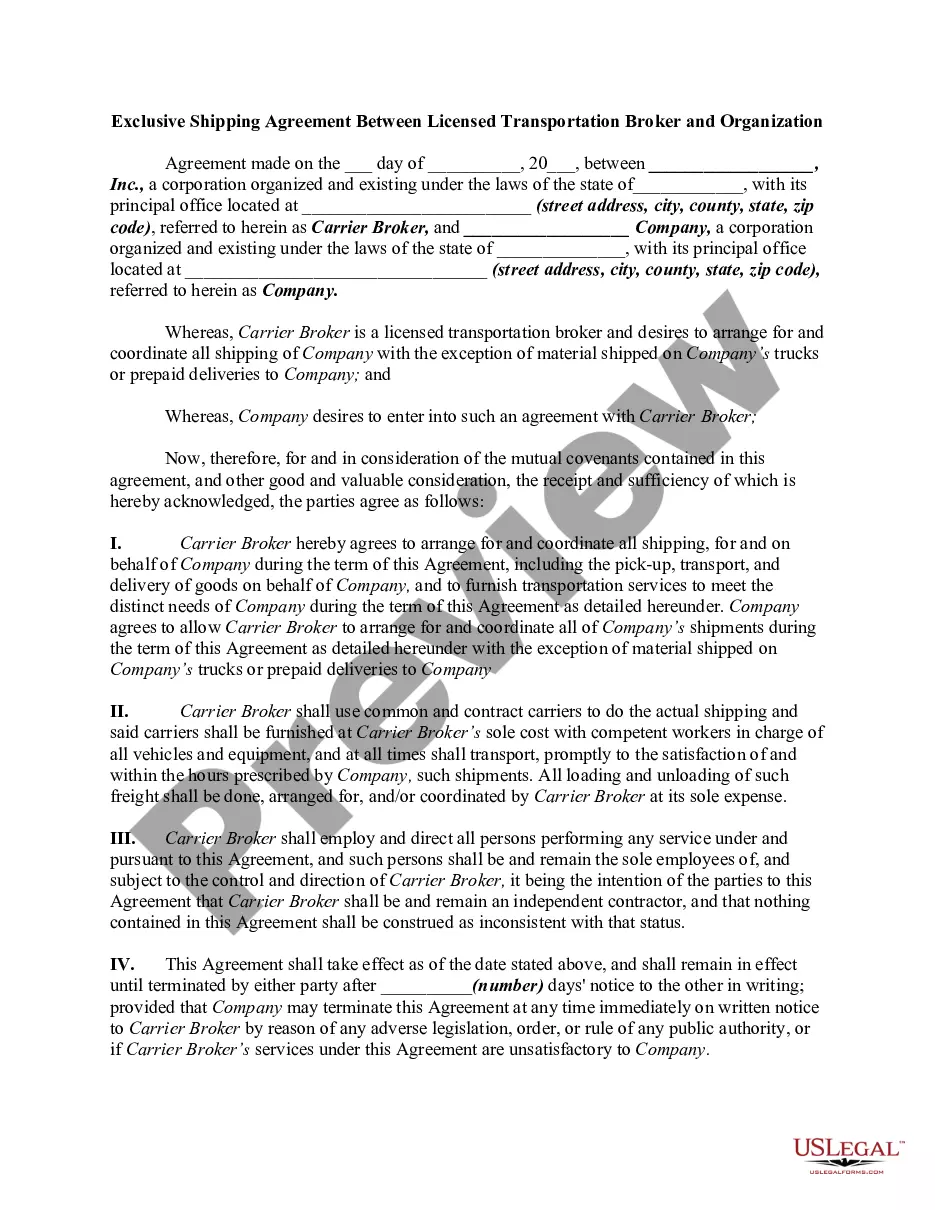








How to fill out Motion For Change Of Venue - Incorrect Court District?
Regardless of whether for commercial reasons or personal matters, everyone must confront legal situations at some point in their lives.
Completing legal paperwork requires meticulous attention, starting with selecting the correct form template.
With an extensive catalog of US Legal Forms available, you won’t have to waste time searching for the correct template online. Utilize the library’s straightforward navigation to find the right form for any circumstance.
- Search for the template you need using the search bar or catalog browsing.
- Review the description of the form to confirm it aligns with your situation, state, and county.
- Select the form’s preview to examine it.
- If it is the wrong document, return to the search feature to locate the Venue For Court template you need.
- Acquire the template if it suits your requirements.
- If you possess a US Legal Forms account, simply click Log in to access previously stored documents in My documents.
- If you have not registered yet, you can obtain the form by selecting Buy now.
- Select the appropriate pricing option.
- Complete the account registration form.
- Choose your payment method: either a credit card or PayPal account.
- Select the document format you wish and download the Venue For Court.
- Once it is saved, you can fill out the form using editing software or print it and complete it by hand.
Form popularity
FAQ
A venue is considered improper if it does not meet the legal criteria set by state laws. Common reasons include filing in a county where neither party resides or where the events did not occur. An improper venue can lead to delays or even dismissal of the case. To avoid such pitfalls, using USLegalForms can help you understand venue requirements and ensure that you select the appropriate venue for court.
Obtaining a change of venue can vary in difficulty depending on the circumstances. You must provide valid reasons, such as bias or a lack of impartiality, to support your request. Courts carefully consider these factors before granting a change of venue. Utilizing USLegalForms can streamline the process by providing the necessary forms and guidance to make your request more effective.
In California, the venue rule states that a lawsuit should be filed in the county where the defendant resides, where the contract was executed, or where the harm occurred. This rule ensures that parties have a fair chance to present their cases in a familiar jurisdiction. Understanding California's venue laws is crucial to avoid unnecessary complications. You can find helpful templates and guidance through USLegalForms to navigate these rules effectively.
To determine if a venue is proper, consider where the events occurred or where the parties reside. Generally, the venue for court must be established based on these factors. Additionally, each state has specific laws that outline proper venue requirements, which can vary significantly. Utilizing resources such as USLegalForms can help clarify these regulations and ensure you choose the correct venue.
Court venue refers to the location where a legal case is adjudicated. It takes into account various factors, including the residence of the parties and the nature of the dispute. Understanding court venue is important because it influences legal proceedings and can impact the strategies used in a case. By utilizing platforms like US Legal Forms, you can gain insights into selecting the most effective court venue for your situation.
In court, venue specifically pertains to the geographical area where a case is heard and decided. It is a legal concept that ensures cases are handled in a location that is convenient for the parties involved. Venue for court plays a significant role in the legal process, as it affects the choice of court and the applicable laws. Selecting the correct venue is vital for achieving a fair resolution.
A court place is generally referred to as a courthouse. This is the designated building where legal proceedings occur, and it serves as the venue for court cases. Each courthouse is associated with a specific jurisdiction, which helps in determining where a case should be filed. When dealing with legal matters, knowing the right courthouse simplifies the process.
Venue works by establishing the appropriate court for a legal matter based on factors like the location of the parties involved or where the events occurred. For instance, if a dispute arises from a contract made in a particular state, that state may serve as the venue for court. This helps ensure fairness and convenience for all parties. It's essential to choose the correct venue to avoid complications in your case.
Venue refers to the specific location where a court case is tried. It determines which court has the authority to hear a case based on geographic jurisdiction. Understanding venue for court is crucial, as it can impact the outcome of a legal proceeding. Choosing the right venue ensures that your case is presented in the most favorable environment.
A venue constitutes the specific location where a trial is held and is determined by legal jurisdictional rules. It encompasses the geographical area where the court has authority to hear a case. Understanding what constitutes a venue for court is vital as it impacts the convenience and fairness of the trial process. Legal resources can help clarify these aspects for you.