Motion Change Court Without Attorney
Description

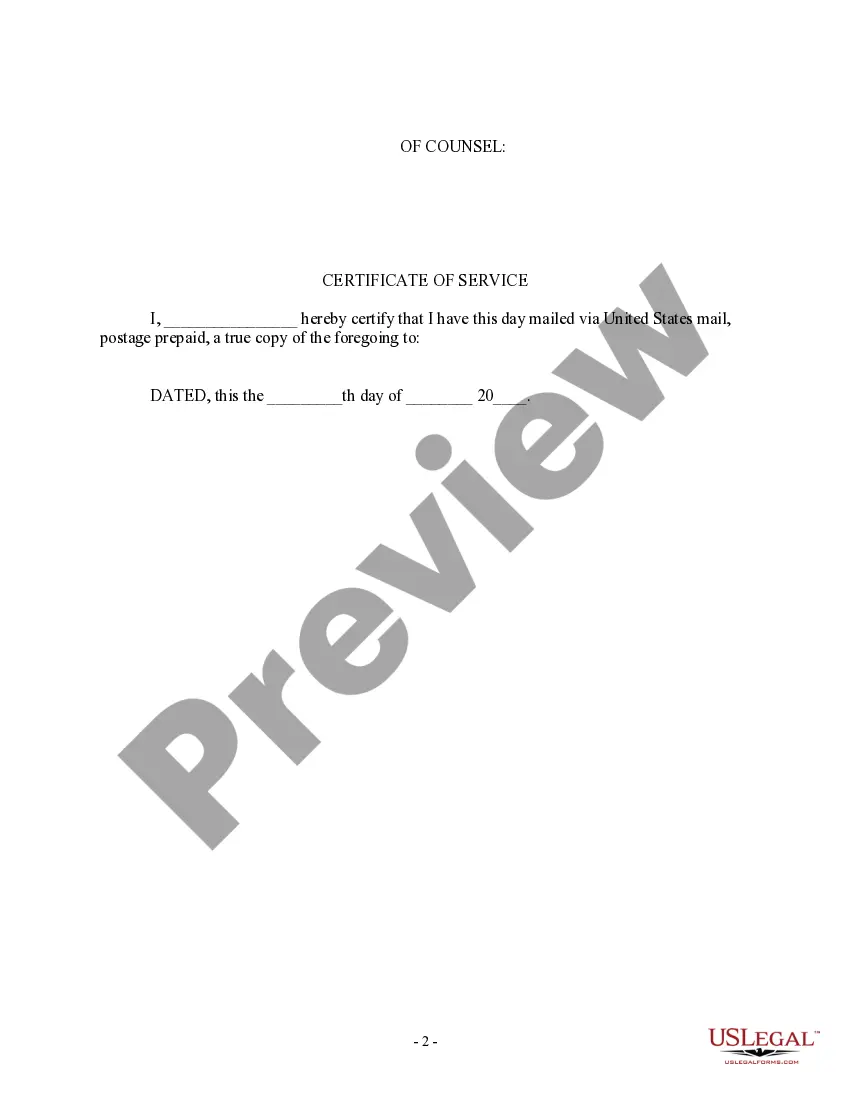

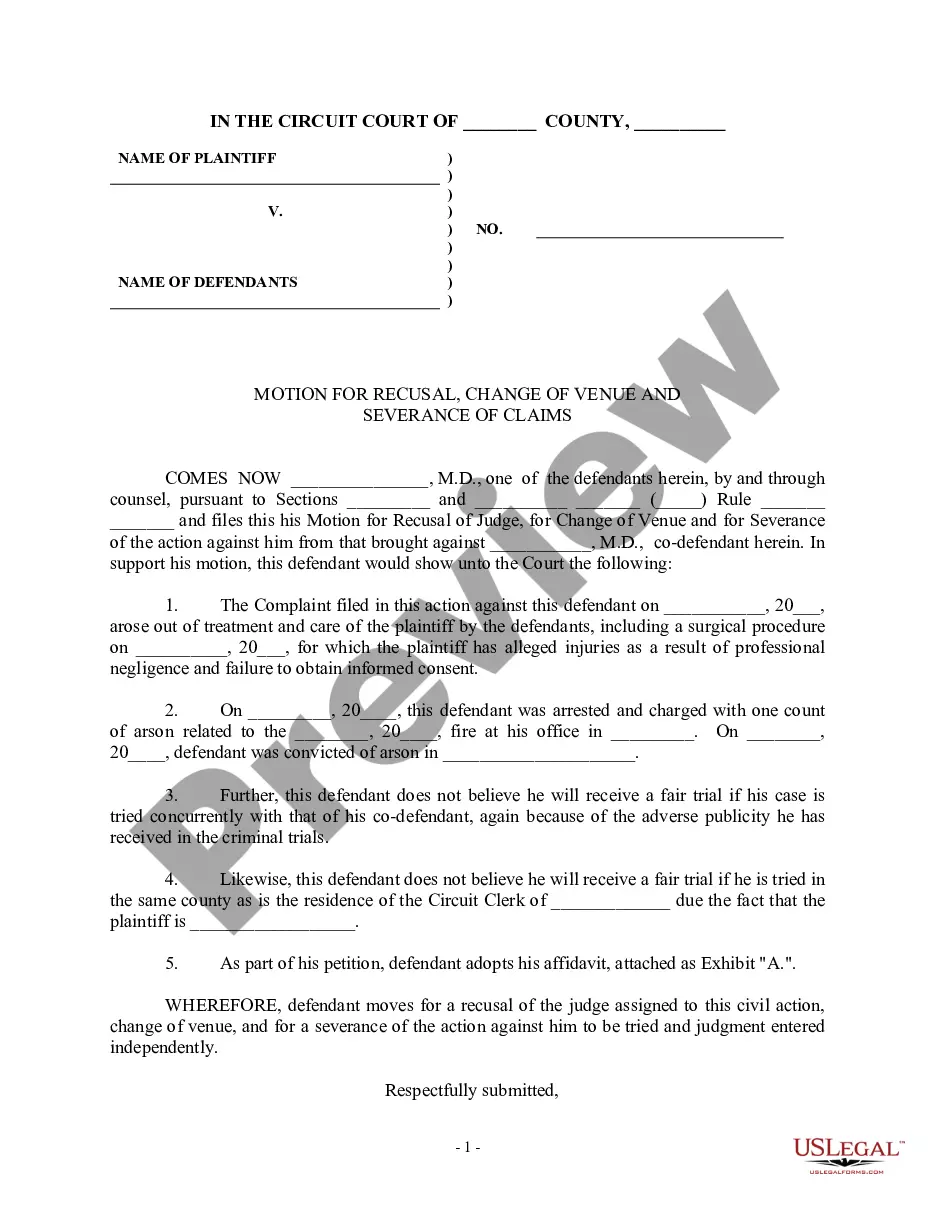
Get your form ready online
Our built-in tools help you complete, sign, share, and store your documents in one place.
Make edits, fill in missing information, and update formatting in US Legal Forms—just like you would in MS Word.
Download a copy, print it, send it by email, or mail it via USPS—whatever works best for your next step.
Sign and collect signatures with our SignNow integration. Send to multiple recipients, set reminders, and more. Go Premium to unlock E-Sign.
If this form requires notarization, complete it online through a secure video call—no need to meet a notary in person or wait for an appointment.
We protect your documents and personal data by following strict security and privacy standards.

Make edits, fill in missing information, and update formatting in US Legal Forms—just like you would in MS Word.

Download a copy, print it, send it by email, or mail it via USPS—whatever works best for your next step.

Sign and collect signatures with our SignNow integration. Send to multiple recipients, set reminders, and more. Go Premium to unlock E-Sign.

If this form requires notarization, complete it online through a secure video call—no need to meet a notary in person or wait for an appointment.

We protect your documents and personal data by following strict security and privacy standards.
Looking for another form?
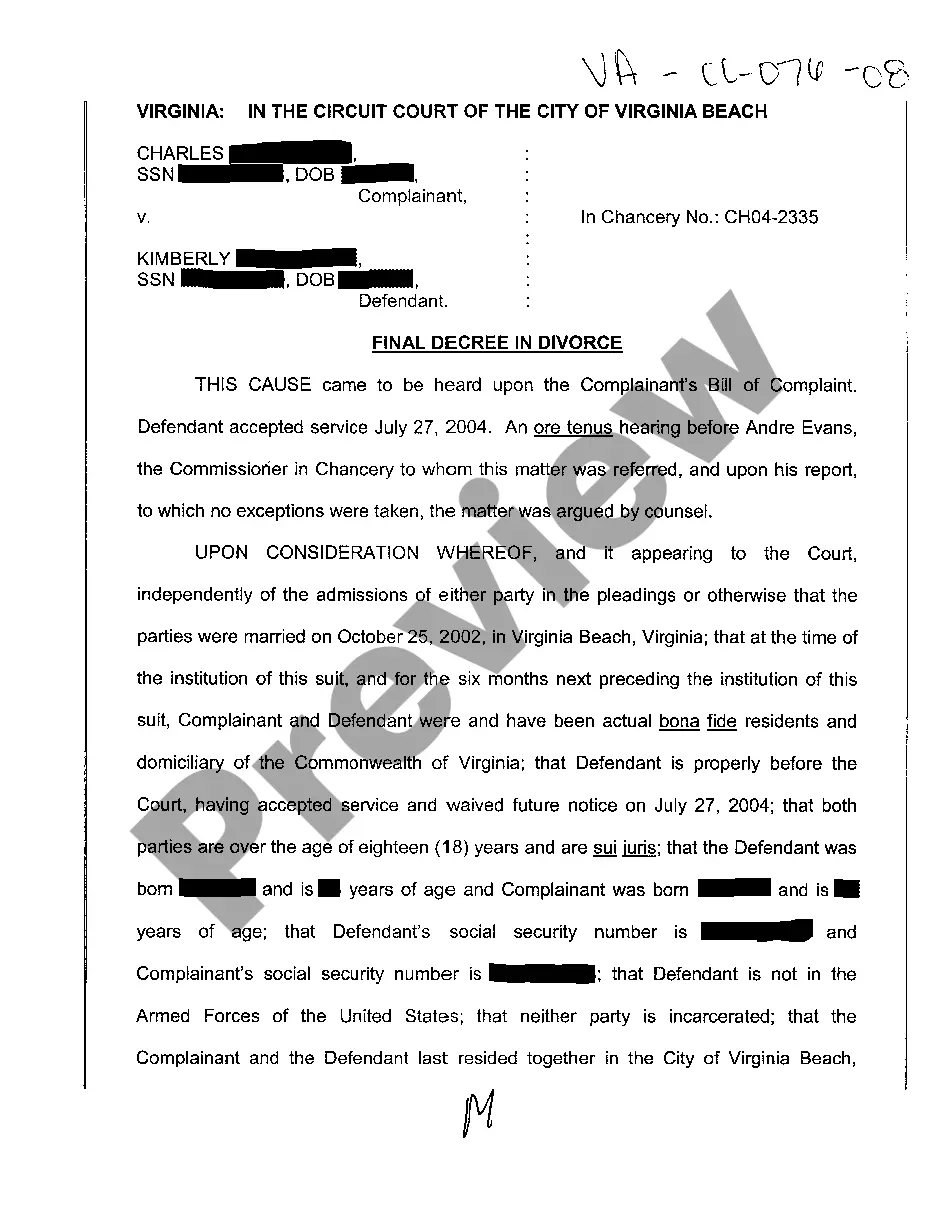

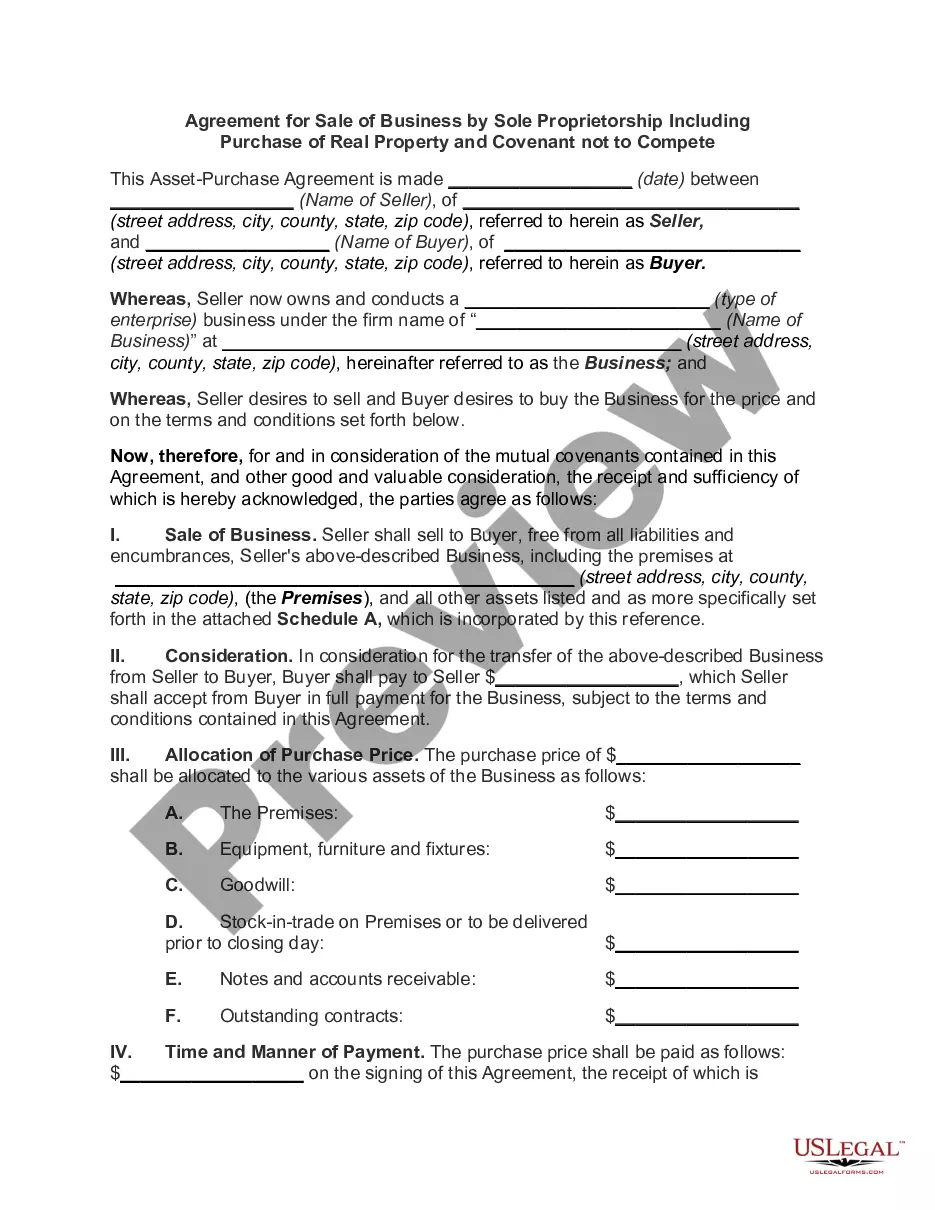


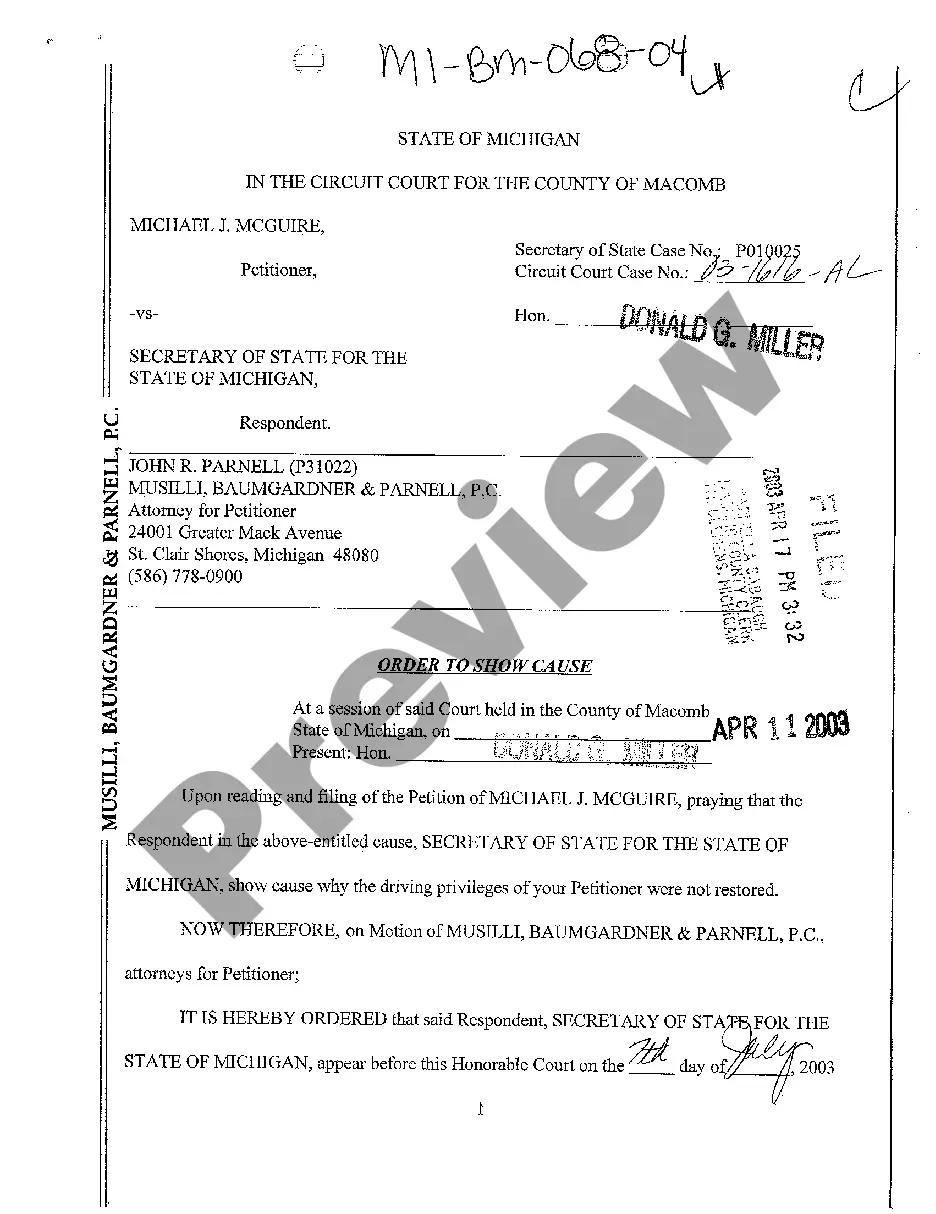
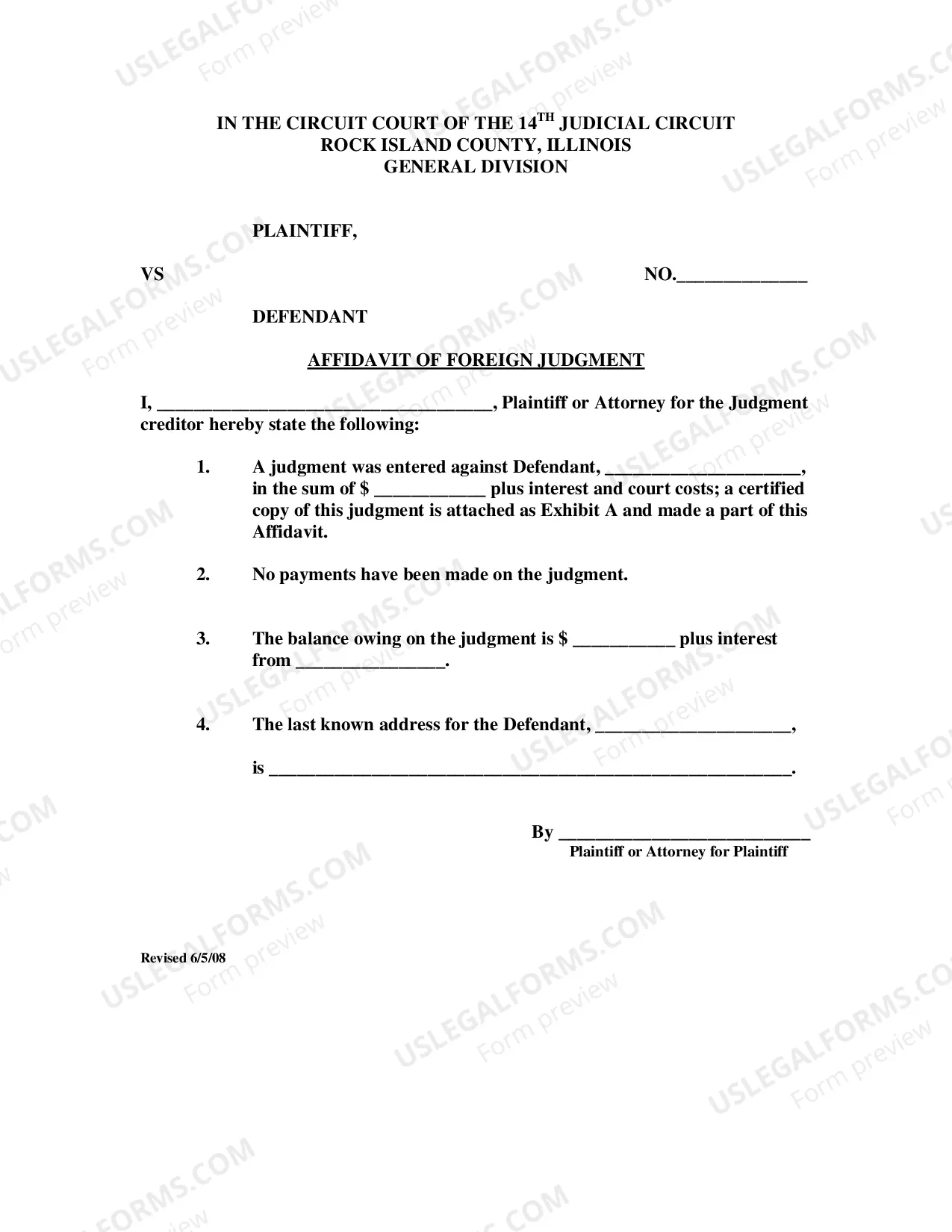
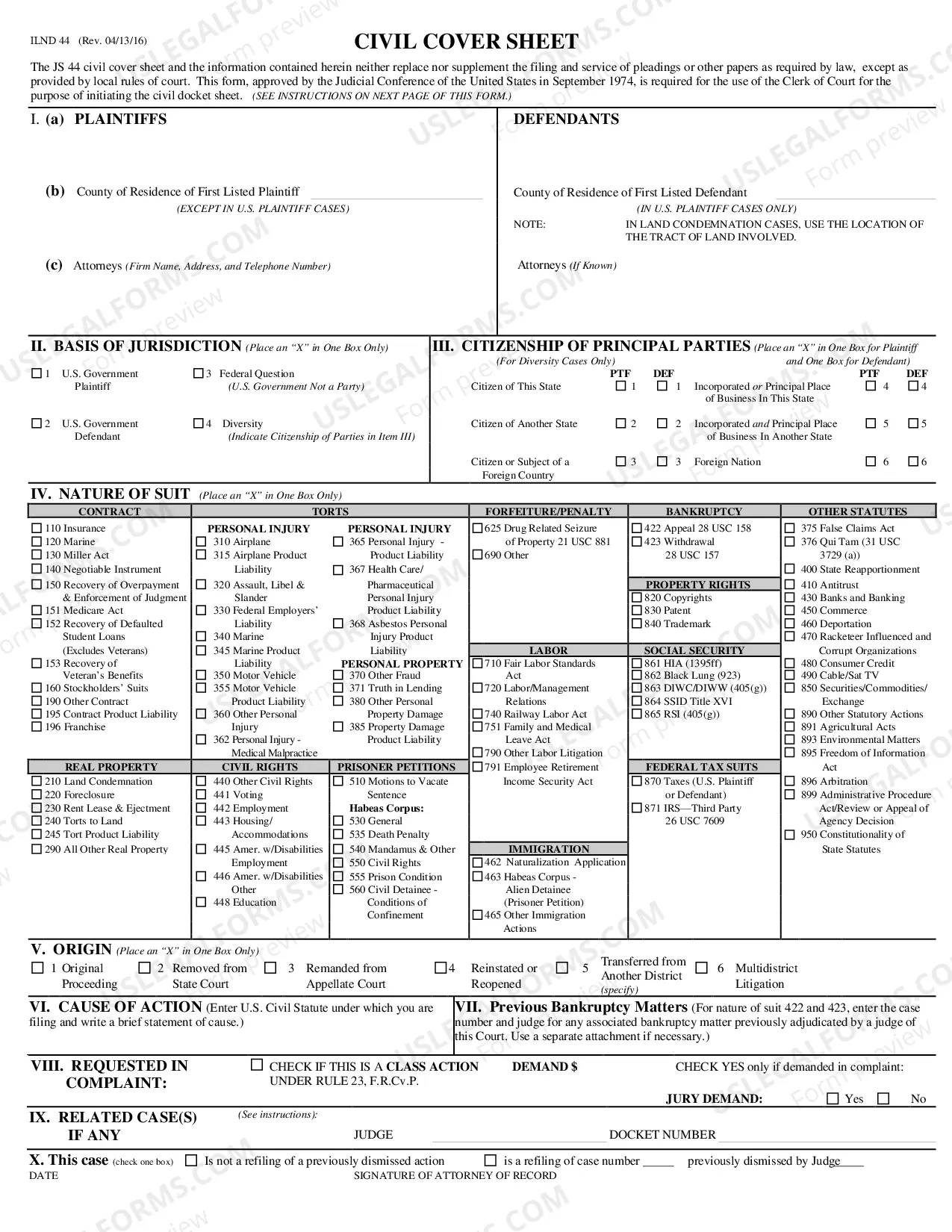
How to fill out Motion For Change Of Venue - Incorrect Court District?
Whether for business purposes or for personal matters, everybody has to deal with legal situations sooner or later in their life. Filling out legal papers needs careful attention, beginning from choosing the proper form template. For instance, when you pick a wrong version of the Motion Change Court Without Attorney, it will be rejected when you send it. It is therefore essential to get a dependable source of legal files like US Legal Forms.
If you have to get a Motion Change Court Without Attorney template, follow these simple steps:
- Find the sample you need using the search field or catalog navigation.
- Look through the form’s description to make sure it matches your situation, state, and county.
- Click on the form’s preview to view it.
- If it is the wrong form, get back to the search function to locate the Motion Change Court Without Attorney sample you need.
- Download the file if it matches your requirements.
- If you have a US Legal Forms profile, click Log in to access previously saved templates in My Forms.
- In the event you do not have an account yet, you can obtain the form by clicking Buy now.
- Choose the proper pricing option.
- Finish the profile registration form.
- Choose your payment method: you can use a credit card or PayPal account.
- Choose the document format you want and download the Motion Change Court Without Attorney.
- When it is saved, you are able to fill out the form by using editing software or print it and finish it manually.
With a vast US Legal Forms catalog at hand, you never need to spend time looking for the appropriate sample across the web. Use the library’s easy navigation to find the correct template for any situation.
Form popularity
FAQ
A motion is an application to the court made by the prosecutor or defense attorney, requesting that the court make a decision on a certain issue before the trial begins. The motion can affect the trial, courtroom, defendants, evidence, or testimony. Only judges decide the outcome of motions.
Be as persuasive as possible as you write your motion in a sequential, logical format. Express your ideas clearly, and make sure you outline what steps are necessary and how they will help your case. Use facts of the case whenever you can to avoid baseless emotional appeals.
Latin for "of one's own ; voluntarily." Used to indicate that a court has taken notice of an issue on its own motion without prompting or suggestion from either party. As a general rule, where grounds for dismissal exist, an action is subject to dismissal on a court's own motion.
Make it clear to the judge that you are focused solely on persuading him or her as the decision maker. Build and maintain your credibility as much as possible. Be prepared, clear, and concise. As a general rule, do not argue contested facts.
Proving Your Case Whatever the reason for being at court, you must convince the judge or magistrate that he or she should rule in your favor. This is done by providing sufficient documentary evidence and witness testimony. There are different standards of proof for various types of cases.