Court Form Procedure With Output Parameter
Description

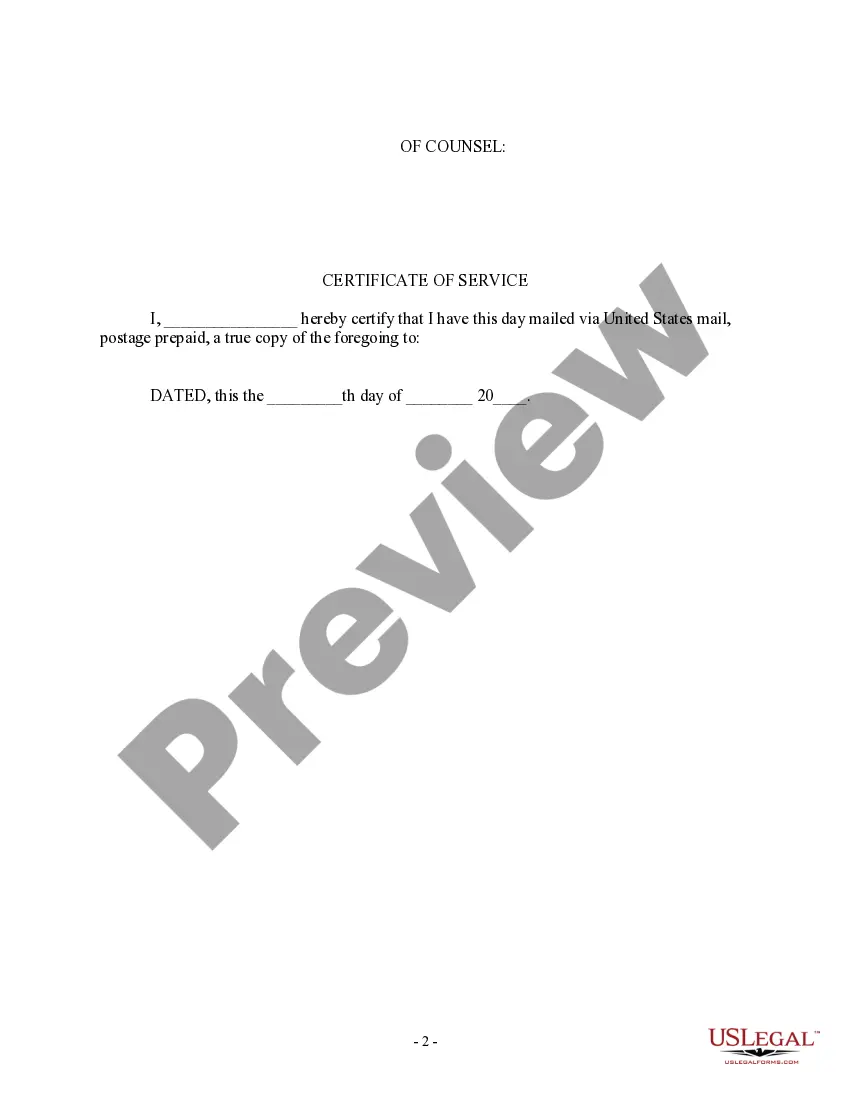

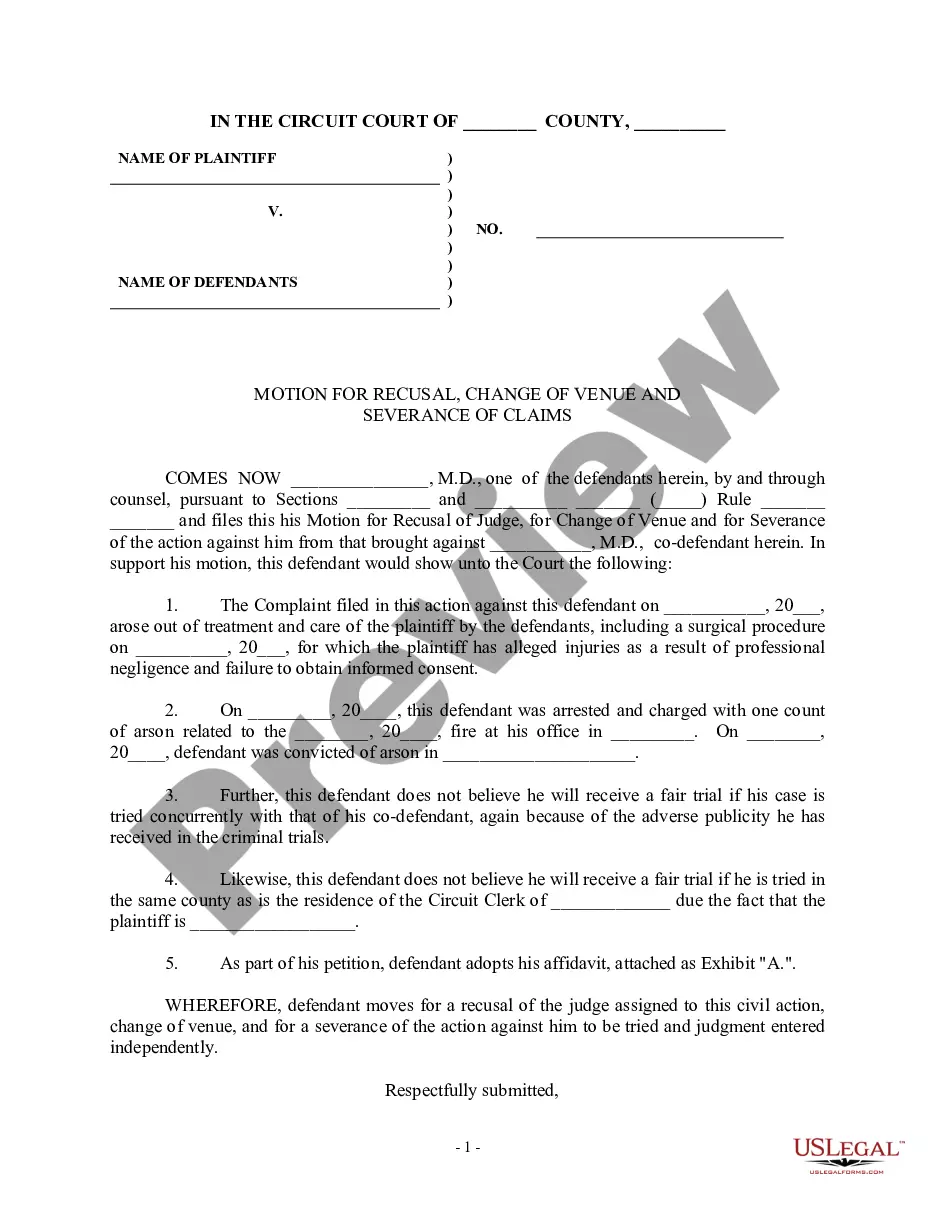
Get your form ready online
Our built-in tools help you complete, sign, share, and store your documents in one place.
Make edits, fill in missing information, and update formatting in US Legal Forms—just like you would in MS Word.
Download a copy, print it, send it by email, or mail it via USPS—whatever works best for your next step.
Sign and collect signatures with our SignNow integration. Send to multiple recipients, set reminders, and more. Go Premium to unlock E-Sign.
If this form requires notarization, complete it online through a secure video call—no need to meet a notary in person or wait for an appointment.
We protect your documents and personal data by following strict security and privacy standards.

Make edits, fill in missing information, and update formatting in US Legal Forms—just like you would in MS Word.

Download a copy, print it, send it by email, or mail it via USPS—whatever works best for your next step.

Sign and collect signatures with our SignNow integration. Send to multiple recipients, set reminders, and more. Go Premium to unlock E-Sign.

If this form requires notarization, complete it online through a secure video call—no need to meet a notary in person or wait for an appointment.

We protect your documents and personal data by following strict security and privacy standards.
Looking for another form?
How to fill out Motion For Change Of Venue - Incorrect Court District?
Creating legal documents from the beginning can frequently be daunting. Certain situations may require extensive research and significant financial investment.
If you're looking for a simpler and more cost-effective method of generating Court Form Procedure With Output Parameter or any other documents without unnecessary obstacles, US Legal Forms is always accessible.
Our online repository of over 85,000 current legal forms covers nearly every facet of your financial, legal, and personal matters. With just a few clicks, you can quickly obtain state- and county-compliant forms meticulously crafted for you by our legal professionals.
Utilize our platform whenever you need a dependable and trustworthy service through which you can effortlessly locate and download the Court Form Procedure With Output Parameter. If you’re familiar with our site and have already established an account with us, simply Log In to your account, find the template, and download it or re-download it anytime in the My documents section.
Ensure that the template you select meets the criteria of your state and county. Choose the appropriate subscription option to acquire the Court Form Procedure With Output Parameter. Download the form, then complete, sign, and print it. US Legal Forms has a solid reputation and over 25 years of expertise. Join us today and make document completion a straightforward and efficient process!
- Don’t have an account? No worries.
- Setting it up takes only a few minutes and allows you to navigate the library.
- Before diving directly into downloading Court Form Procedure With Output Parameter, remember these suggestions.
- Review the form preview and descriptions to confirm that you've identified the correct form.
Form popularity
FAQ
A stored procedure can have zero or more INPUT and OUTPUT parameters. A stored procedure can have a maximum of 2100 parameters specified. Each parameter is assigned a name, a data type, and direction like Input, Output, or Return. If a direction is not specified, then by default, it is Input.
The Output Parameters in Stored Procedures are used to return some value or values. A Stored Procedure can have any number of output parameters. The simple logic is this ? If you want to return 1 value then use 1 output parameter, for returning 5 values use 5 output parameters, for 10 use 10, and so on.
Procedure with OUT parameter: An OUT parameter is used to pass a parameter as output or display like the select operator, but implicitly (through a set value). The value of an OUT parameter can be changed inside the procedure and its new value is passed back to the calling program.
Return data using a return code. Return codes are commonly used in control-of-flow blocks within procedures to set the return code value for each possible error situation. You can use the @@ERROR function after a Transact-SQL statement to detect whether an error occurred during the execution of the statement.
To call a stored procedure with output parameters, you follow these steps: First, declare variables to hold the values returned by the output parameters. Second, use these variables in the stored procedure call.