Protective Order For Deposition California
Description
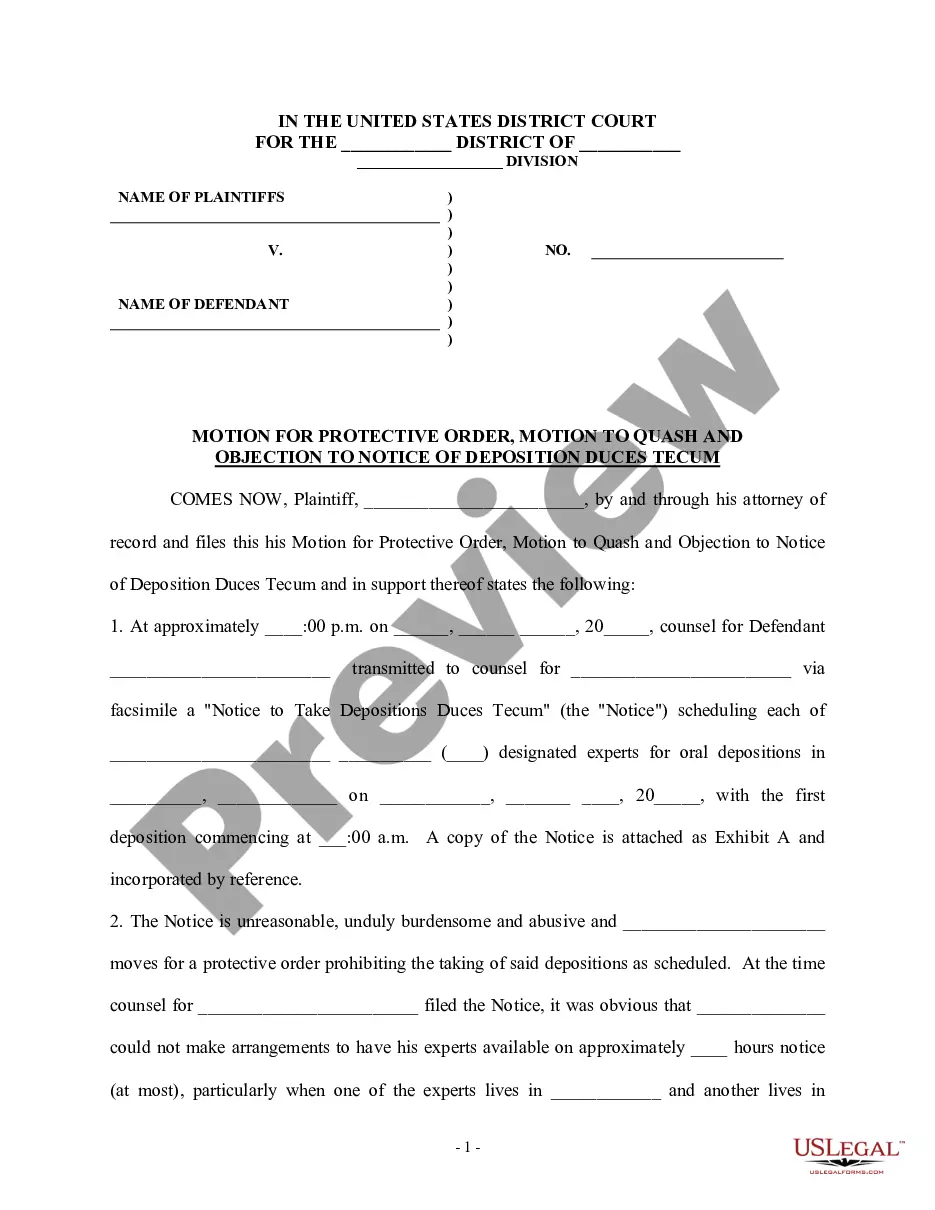
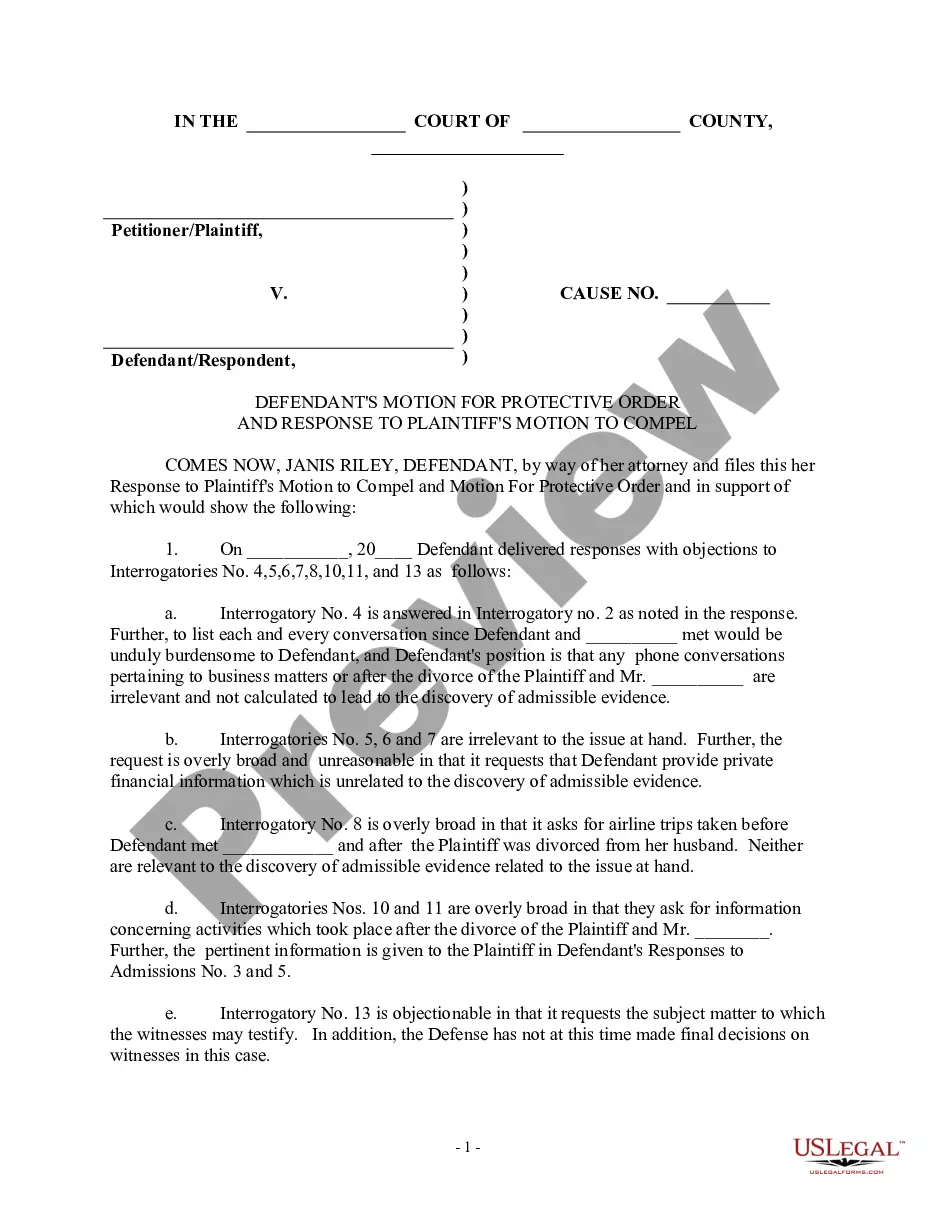
Get your form ready online
Our built-in tools help you complete, sign, share, and store your documents in one place.
Make edits, fill in missing information, and update formatting in US Legal Forms—just like you would in MS Word.
Download a copy, print it, send it by email, or mail it via USPS—whatever works best for your next step.
Sign and collect signatures with our SignNow integration. Send to multiple recipients, set reminders, and more. Go Premium to unlock E-Sign.
If this form requires notarization, complete it online through a secure video call—no need to meet a notary in person or wait for an appointment.
We protect your documents and personal data by following strict security and privacy standards.

Make edits, fill in missing information, and update formatting in US Legal Forms—just like you would in MS Word.

Download a copy, print it, send it by email, or mail it via USPS—whatever works best for your next step.

Sign and collect signatures with our SignNow integration. Send to multiple recipients, set reminders, and more. Go Premium to unlock E-Sign.

If this form requires notarization, complete it online through a secure video call—no need to meet a notary in person or wait for an appointment.

We protect your documents and personal data by following strict security and privacy standards.
Looking for another form?






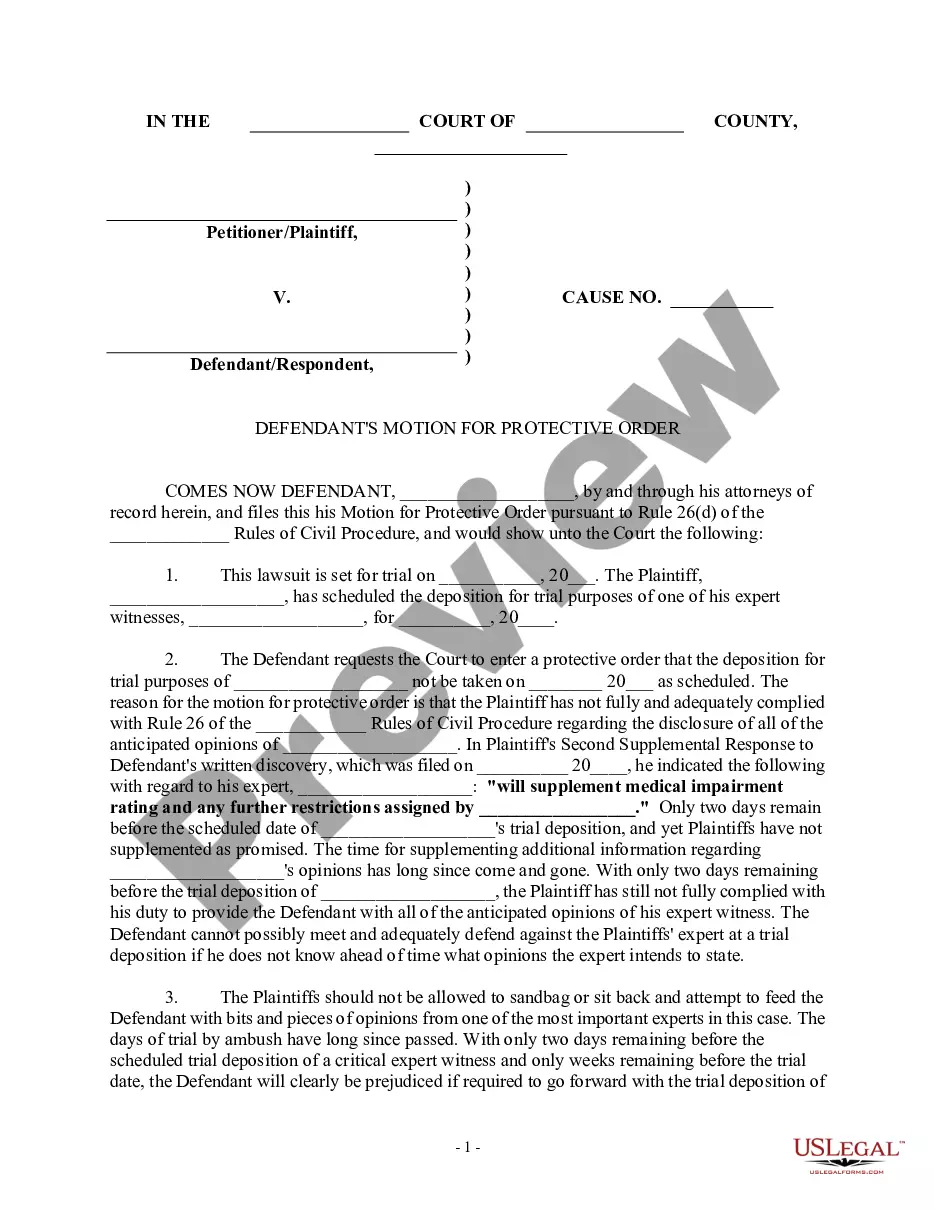
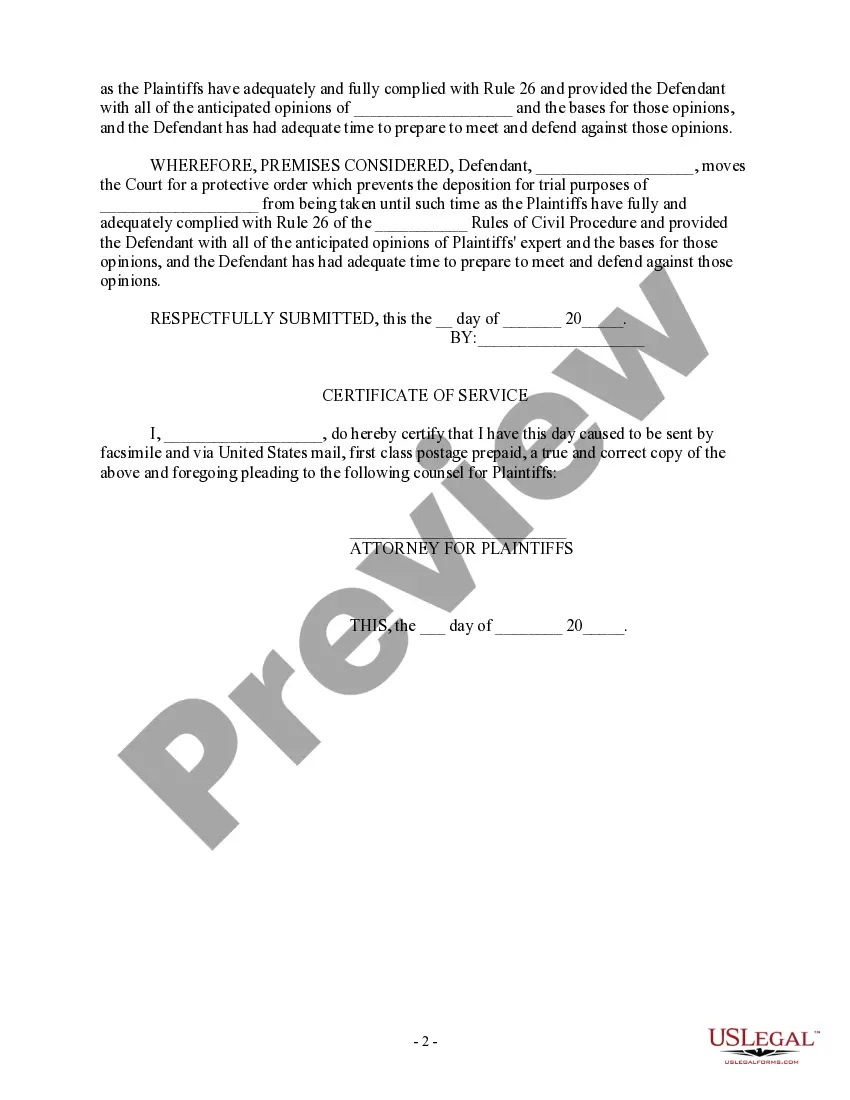
How to fill out Motion For Protective Order Against Trial Deposition?
The Safeguarding Order For Deposition California displayed here is a reusable legal model created by expert attorneys in accordance with national and local regulations.
For over 25 years, US Legal Forms has offered individuals, organizations, and legal experts access to more than 85,000 validated, state-specific documents for any business and personal situation. It’s the fastest, easiest, and most reliable method to acquire the documents you require, with the service ensuring bank-level data protection and anti-malware security.
Select the format you desire for your Protective Order For Deposition California (PDF, DOCX, RTF) and save the template on your device. Complete and endorse the documentation. Print the template for manual completion. Alternatively, use an online multifunctional PDF editor to swiftly and accurately fill out and sign your form with an electronic signature. Download your documents again. Reuse the same form anytime when necessary. Open the My documents tab in your profile to redownload any previously purchased forms. Enroll in US Legal Forms to have validated legal templates for all of life's events at your fingertips.
- Search for the document you require and verify it.
- Browse the file you located and preview it or assess the form description to ensure it meets your requirements. If not, use the search feature to find the correct one. Click Buy Now when you have identified the template you need.
- Register and Log In.
- Choose the pricing option that fits you and create an account. Pay swiftly via PayPal or a credit card. If you already possess an account, Log In and check your subscription to continue.
- Access the editable template.
Form popularity
FAQ
A motion for protective order is a request made by one party to the court to protect them from potentially harmful actions by the other party, usually in regards to sharing information during the legal process. This can happen when one party wants to access the other party's trade secrets.
Under California Code of Civil Procedure §2025.420, the court, for good cause shown, may make any order that justice requires to protect any party, deponent, or other natural person or organization from unwarranted annoyance, embarrassment, or oppression, or undue burden and expense.
Tips for defending a deposition Prepare before the deposition: Review any relevant discovery information already provided. Keep responses short, precise, and truthful: The witness should avoid rambling and being over-inclusive in responses. Think before responding: It is a good idea to pause and think before responding.
The location of the deposition of an organization that is a party to the action must occur either within seventy-five (75) miles of the organizations' principal executive or business office in California or within the county where the action is pending and within one hundred and fifty (150) miles of that office.
In civil litigation, an order that prevents the disclosure of certain information. A party or person, such as a non-party recipient of a subpoena, may move for a protective order by showing good cause that the court should not permit the requested discovery because the discovery request is: Annoying. Embarrassing.