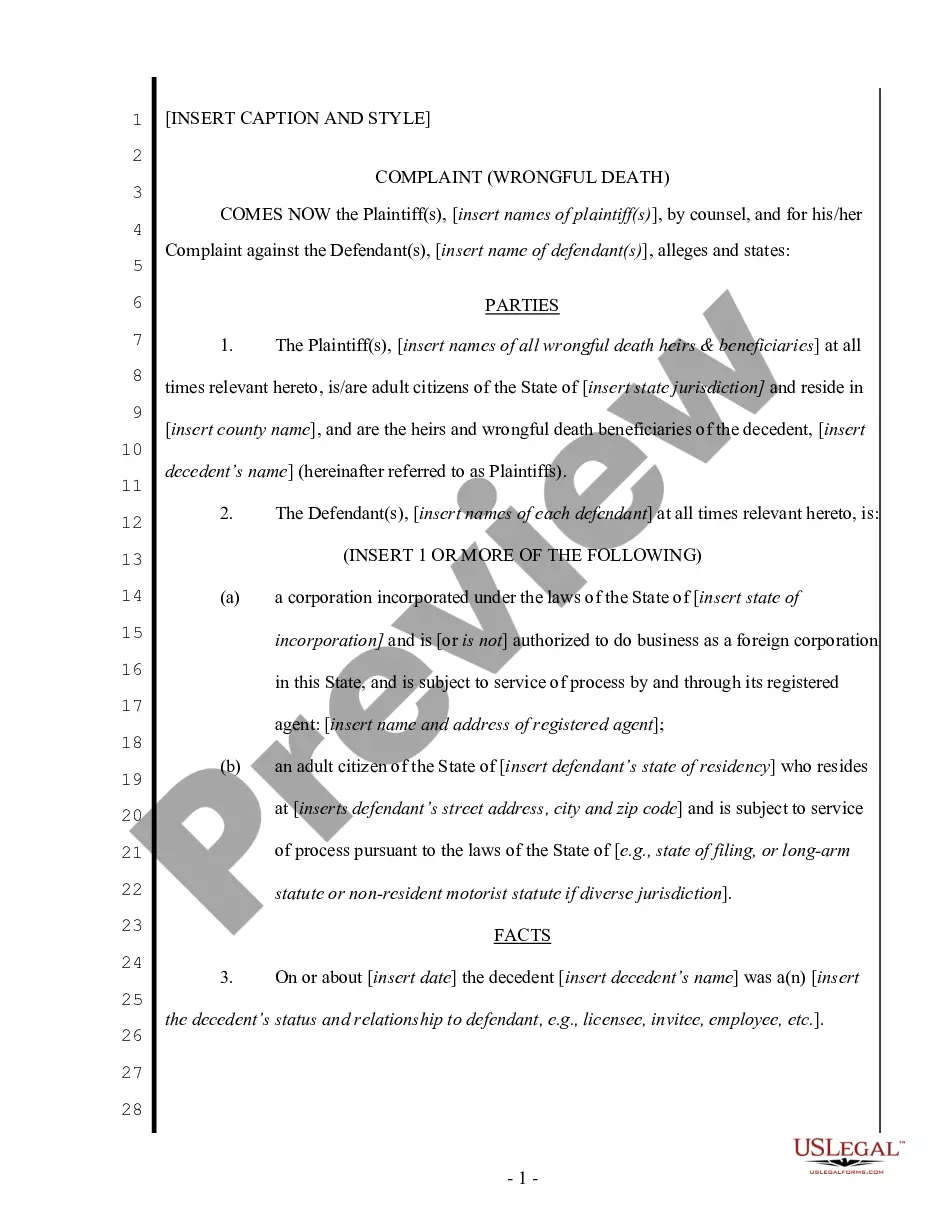
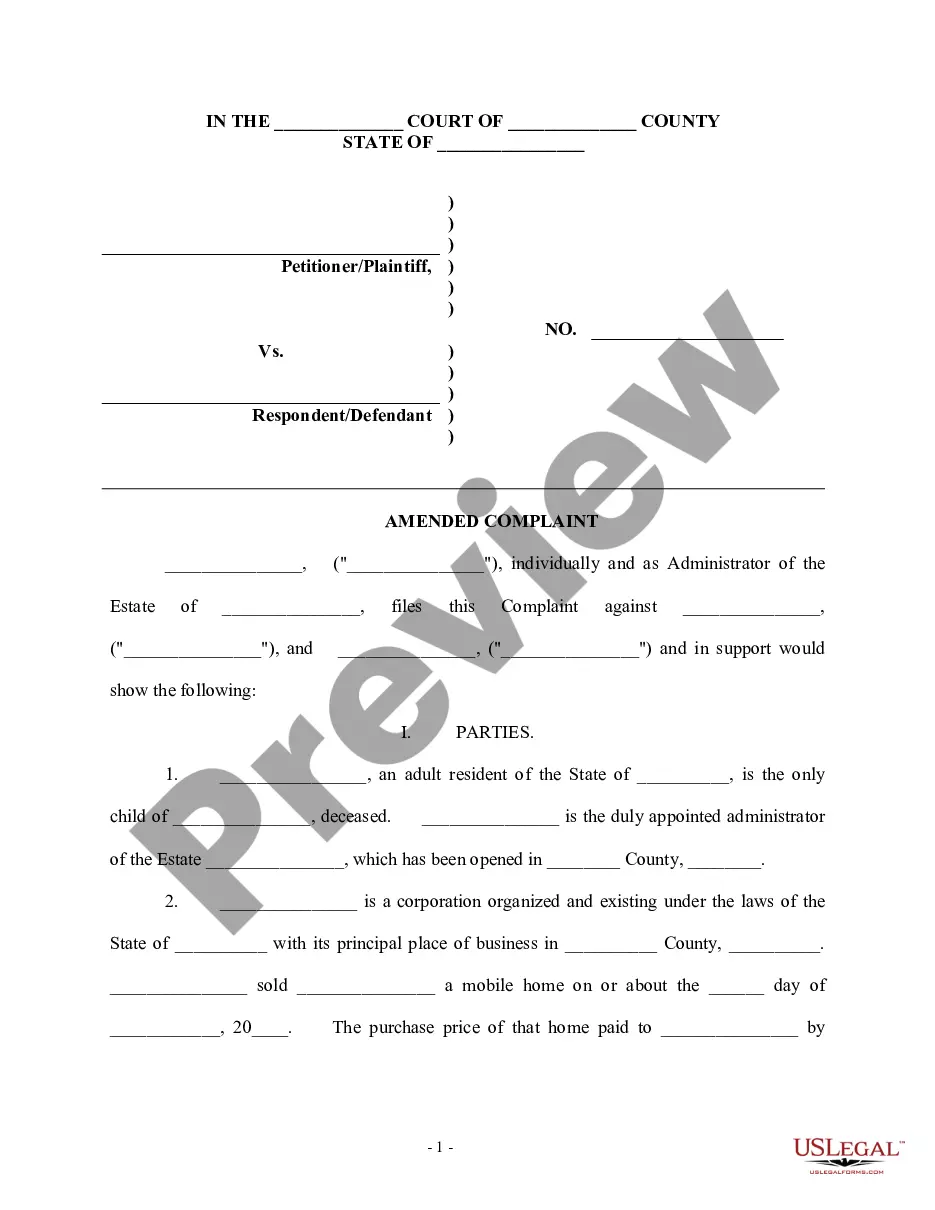
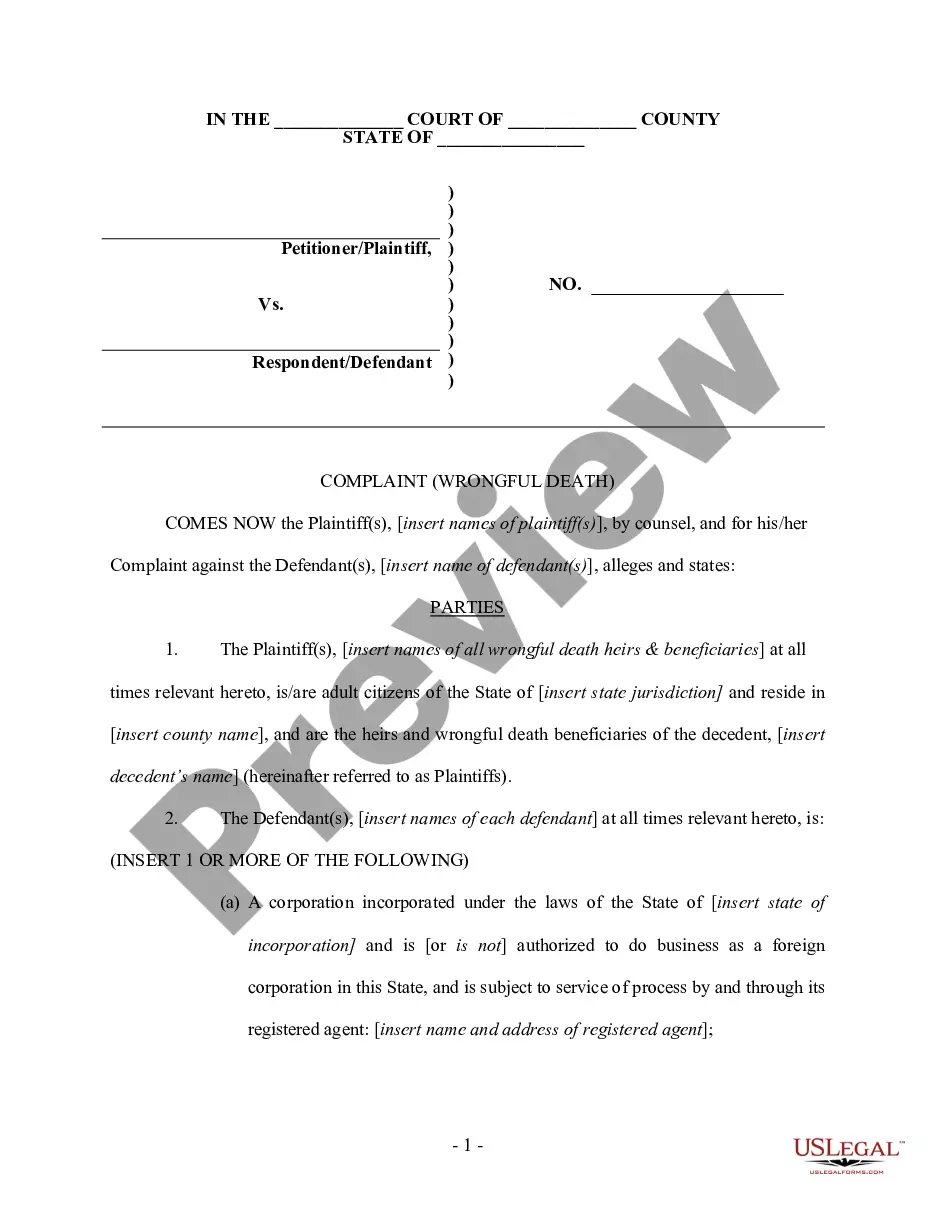
Wrongful Actions Form Application With Judge
Description

Get your form ready online
Our built-in tools help you complete, sign, share, and store your documents in one place.
Make edits, fill in missing information, and update formatting in US Legal Forms—just like you would in MS Word.
Download a copy, print it, send it by email, or mail it via USPS—whatever works best for your next step.
Sign and collect signatures with our SignNow integration. Send to multiple recipients, set reminders, and more. Go Premium to unlock E-Sign.
If this form requires notarization, complete it online through a secure video call—no need to meet a notary in person or wait for an appointment.
We protect your documents and personal data by following strict security and privacy standards.

Make edits, fill in missing information, and update formatting in US Legal Forms—just like you would in MS Word.

Download a copy, print it, send it by email, or mail it via USPS—whatever works best for your next step.

Sign and collect signatures with our SignNow integration. Send to multiple recipients, set reminders, and more. Go Premium to unlock E-Sign.

If this form requires notarization, complete it online through a secure video call—no need to meet a notary in person or wait for an appointment.

We protect your documents and personal data by following strict security and privacy standards.
Looking for another form?






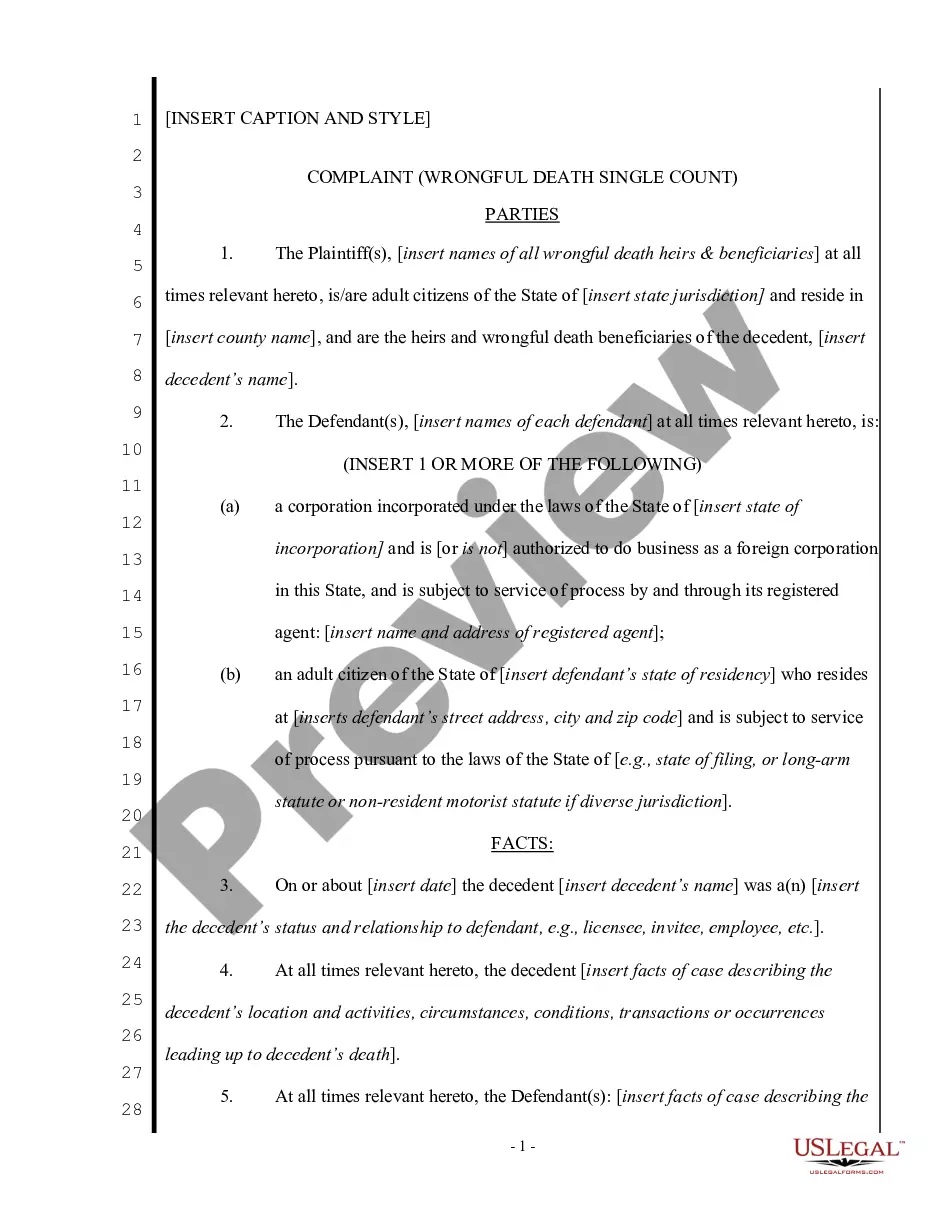
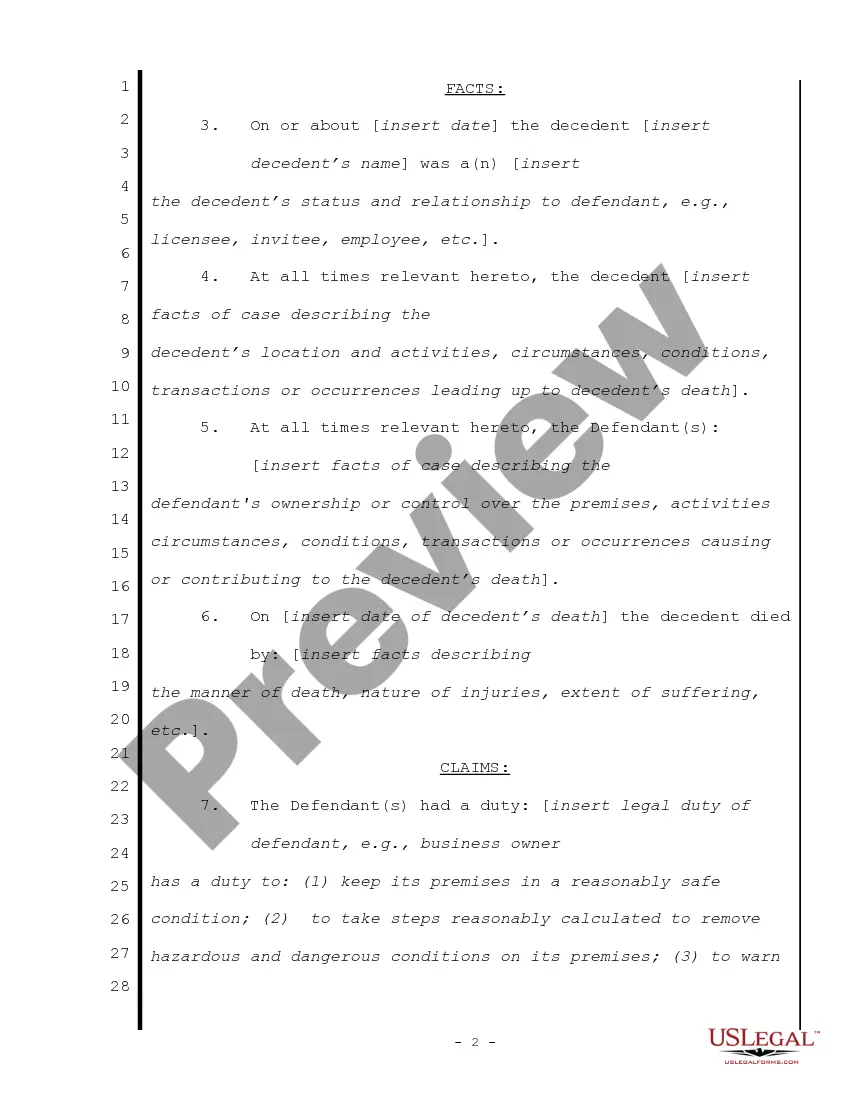
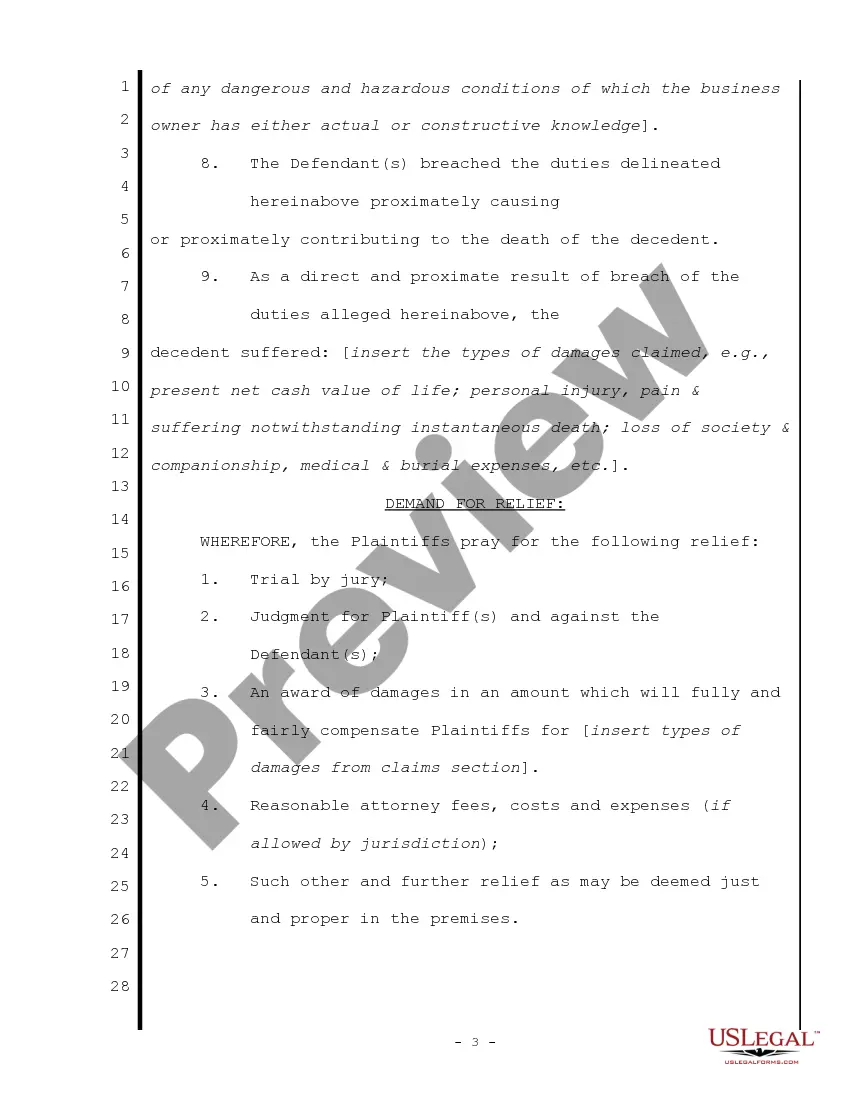
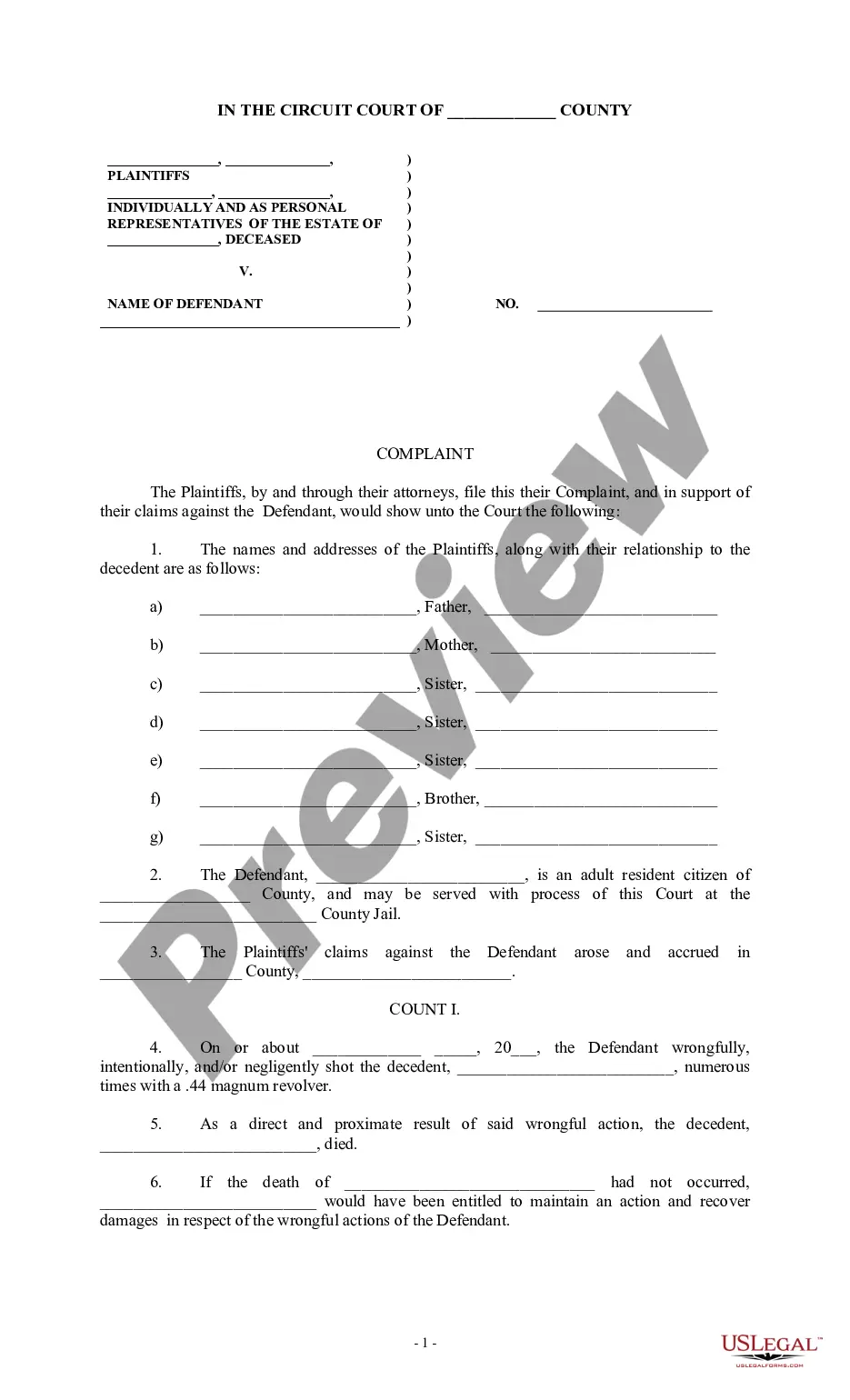
How to fill out Complaint For Wrongful Death - Single Count?
- If you're already a US Legal Forms user, log in to your account and locate the necessary form template. Click the Download button once confirmed that your subscription is active; if it’s expired, renew it accordingly.
- For new users, start by browsing the Preview mode and reviewing the form's description to ensure it aligns with your legal requirements. Make sure it complies with your local jurisdiction.
- If you encounter any inconsistencies, utilize the Search tab to find the correct template. Once you locate the appropriate document, proceed to the next step.
- Purchase the form you need by clicking the Buy Now button, selecting your preferred subscription plan, and creating an account to access the full library.
- Finalize your purchase by entering your credit card information or utilizing your PayPal account for the subscription payment.
- Download your form directly to your device for completion. You can also access it anytime in the My Forms section of your profile.
In conclusion, US Legal Forms empowers users to navigate the complexities of legal documentation with ease. Their robust collection and expert assistance ensure that your forms are completed accurately and efficiently.
Don’t hesitate; start your journey towards a seamless legal process today!
Form popularity
FAQ
Judges can be held accountable by several entities, including judicial conduct commissions and the legal system itself. Additionally, the public can influence accountability through elections in jurisdictions where judges are elected. Legal actions can also arise from individual citizens who experience wrongful actions. Therefore, documenting your concerns using a wrongful actions form application with a judge can be an important first step.
Judges can be held personally liable in certain situations, particularly when they act outside their judicial capacity. Cases involving willful misconduct or gross negligence may lead to legal actions against judges. However, the protections of judicial immunity typically shield them from many lawsuits. If you believe a judge's wrongful actions have caused harm, you may consider the wrongful actions form application with a judge as a pathway.
Suing a judge for emotional distress is challenging, as judges typically enjoy immunity from lawsuits for actions taken in their official capacity. However, if a judge's actions step outside their official role, you may have grounds for a lawsuit. You should consult with an attorney to explore your options thoroughly. Utilizing the wrongful actions form application with a judge can also aid in documenting your experiences.
Common ethical violations by judges include conflicts of interest, bias during proceedings, and failure to recuse themselves from cases. Other issues may involve inappropriate conduct or communication with parties involved in a case. Such actions compromise the integrity of the judicial process. If you’ve experienced a judge's wrongful actions, consider using a wrongful actions form application with a judge to formalize your concerns.
Control over judges typically falls to regulatory bodies and state judicial commissions, which oversee judicial conduct. In some cases, the legislature or governor can also play a role, particularly in appointing or removing judges. Public opinion holds significant power as well, given that judges must maintain the trust of the community. Consequently, if you believe a judge has acted wrongly, consider the wrongful actions form application with a judge as a means to seek accountability.
Addressing corrupt judges involves multiple steps, including reporting the misconduct to judicial oversight bodies or seeking legal counsel. You can gather evidence of wrongful actions and file a complaint through official channels. Depending on the severity, criminal charges may also apply. Utilizing resources such as the wrongful actions form application with a judge can help ensure that your complaint is properly documented.
Judges are primarily accountable to the law and the legal system, ensuring Justice is served fairly. Additionally, they must adhere to ethical standards set forth by judicial organizations or state regulations. Public accountability also comes from the electorate, as many judges are elected officials. Therefore, understanding this accountability helps when filing a wrongful actions form application with a judge.
To write a grievance letter to a judge, start by clearly stating your purpose for writing. Include relevant details about the wrongful actions you believe have occurred, and reference any specific case numbers. Conclude with a request for a fair review, and maintain a respectful tone throughout. Using the wrongful actions form application with the judge, available on platforms like US Legal Forms, can guide you in structuring your letter effectively.
To convince a judge to consider alternatives to jail time, provide a compelling argument detailing your circumstances. Highlight any remorse, personal growth, or community contributions relevant to your case. When discussing your situation, reference your wrongful actions form application with judge to demonstrate your willingness to take responsibility and seek rehabilitation.
Writing a letter to a judge can be beneficial, especially when it conveys important information or context regarding your case. It allows you to express your concerns honestly and respectfully. When your correspondence includes details relevant to your wrongful actions form application with judge, it can assist the judge in understanding your perspective better.