Landlord Tenant Laws In Florida
Description
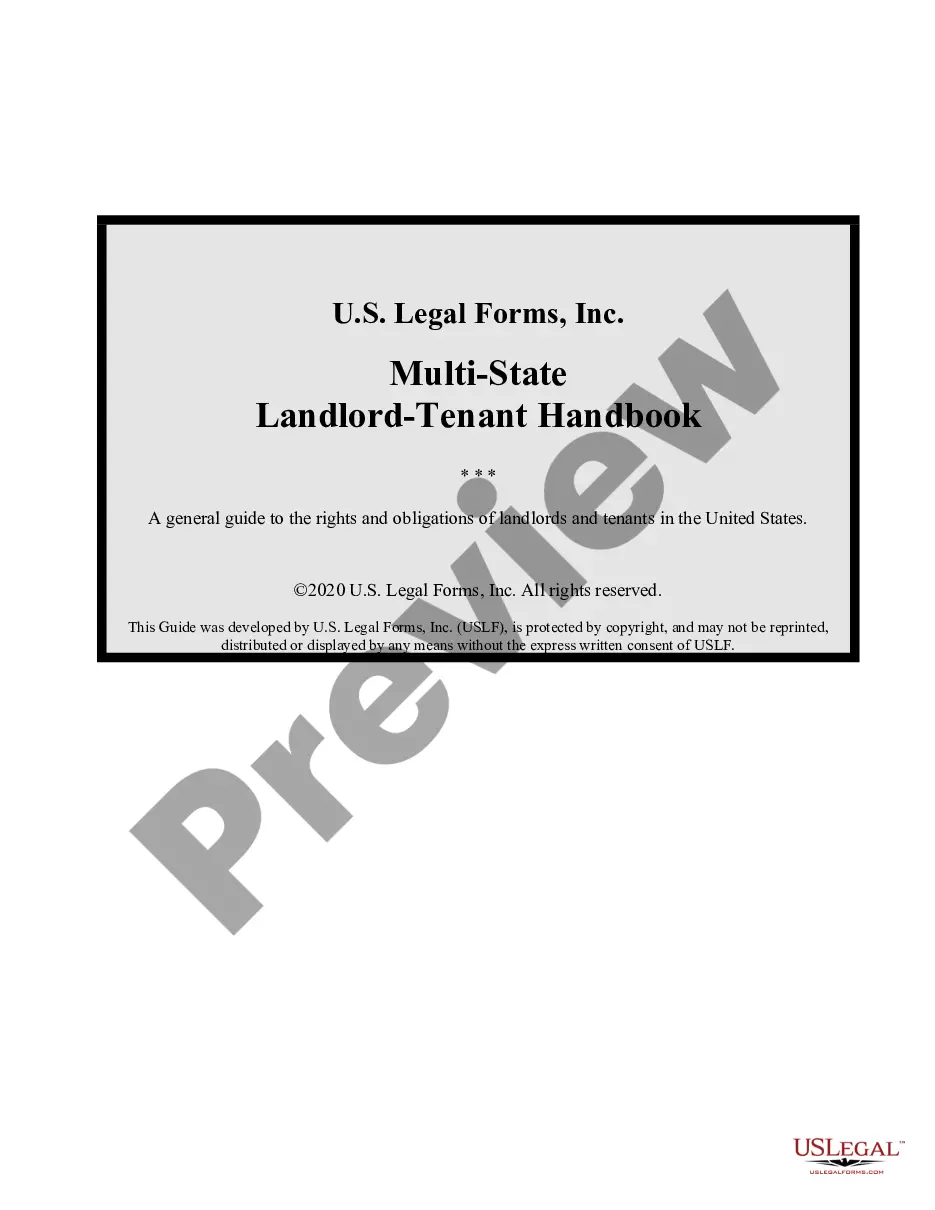
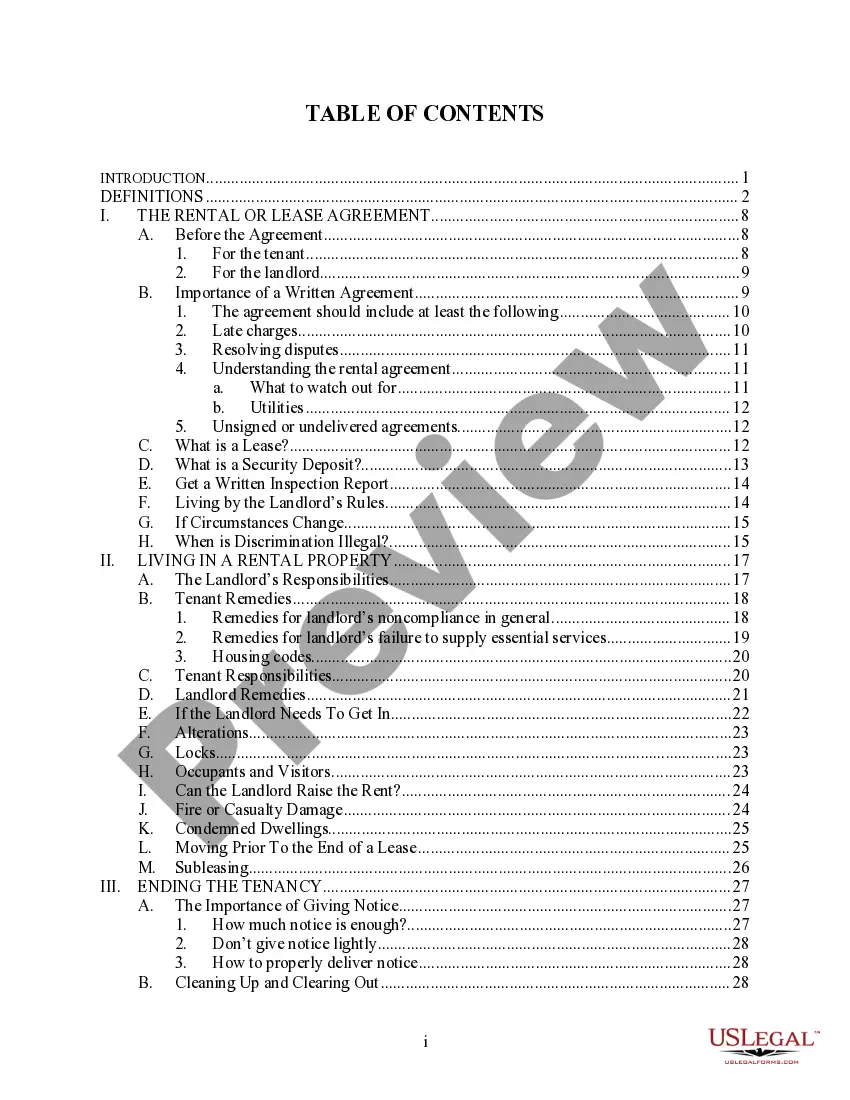
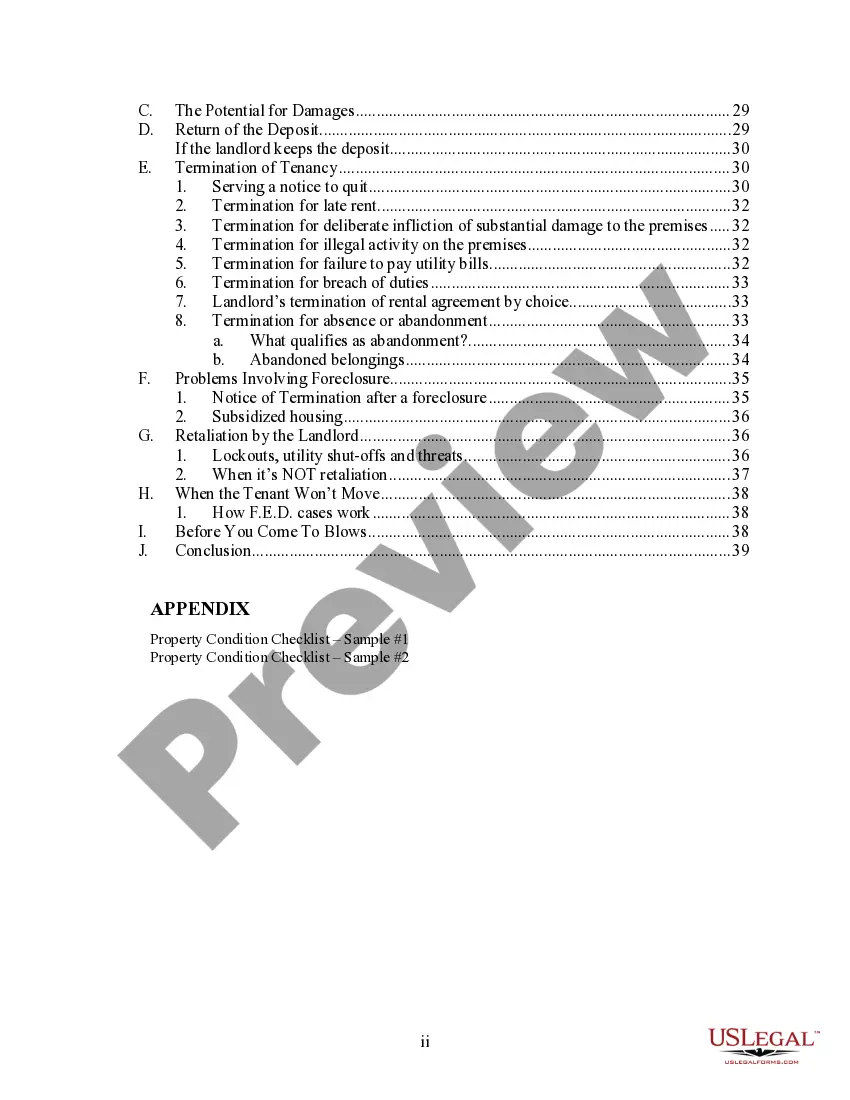
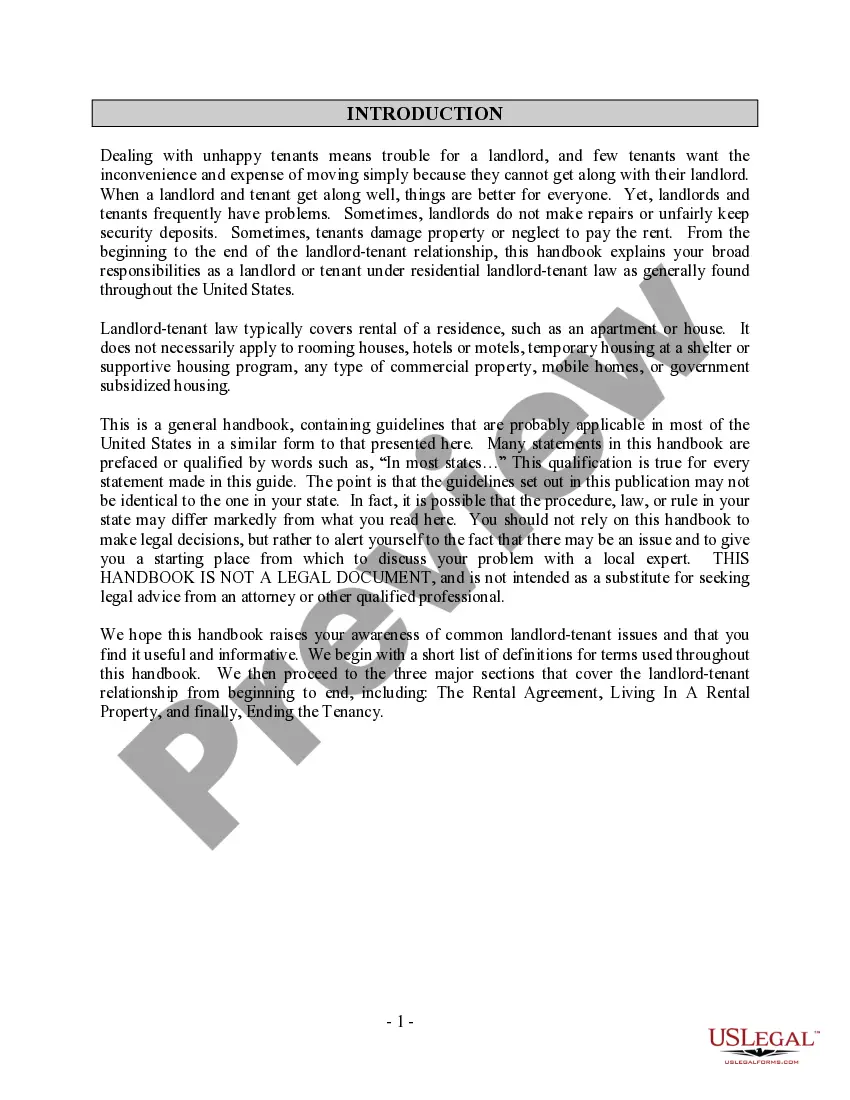
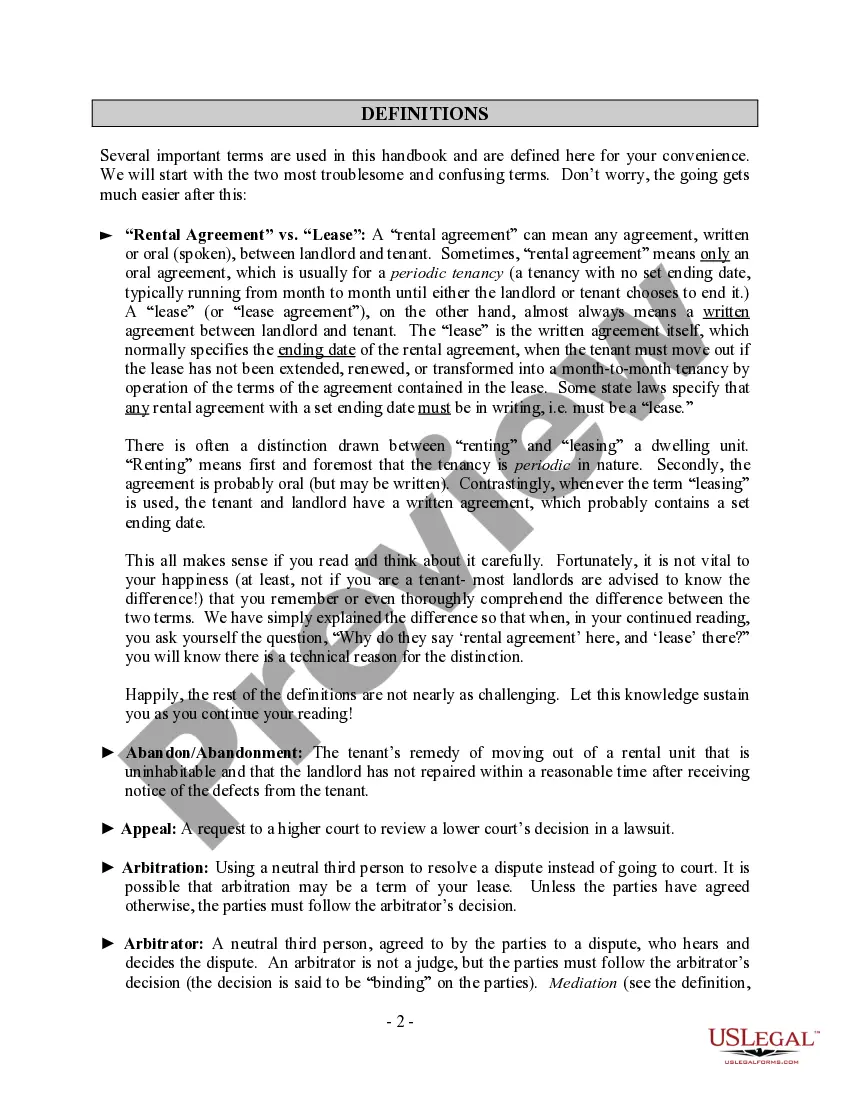
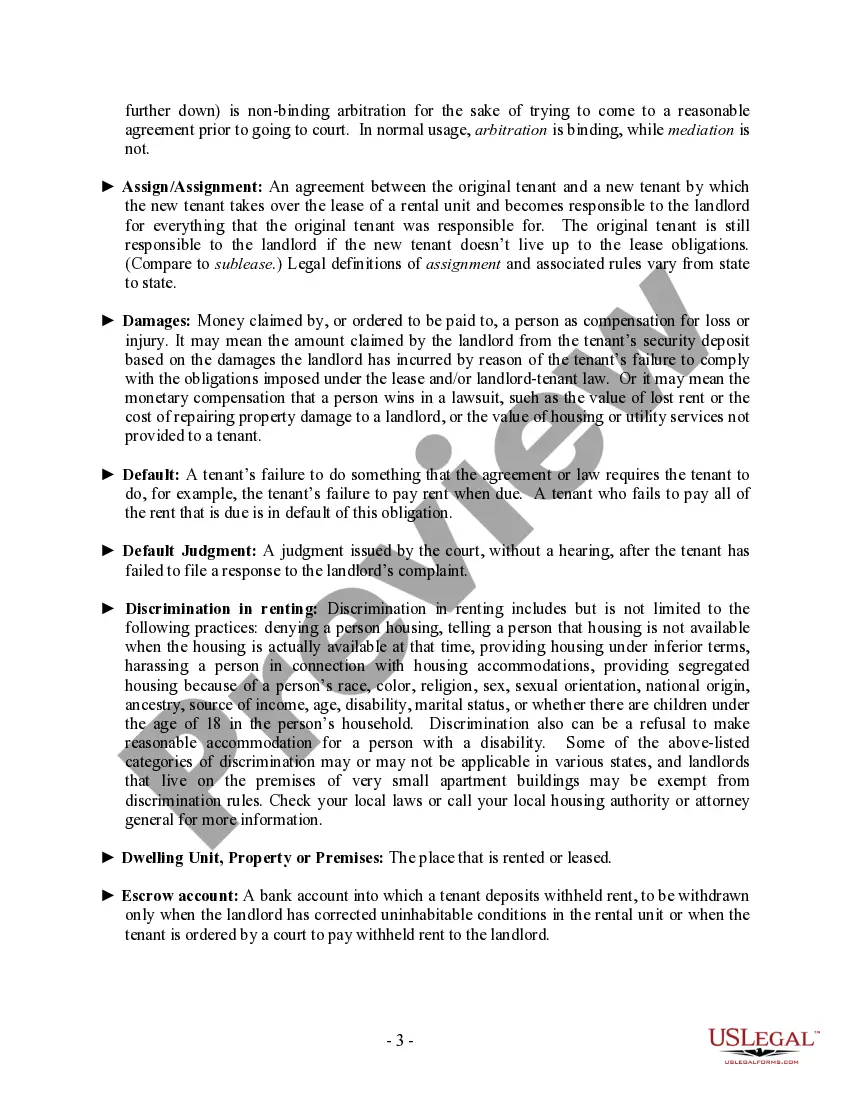
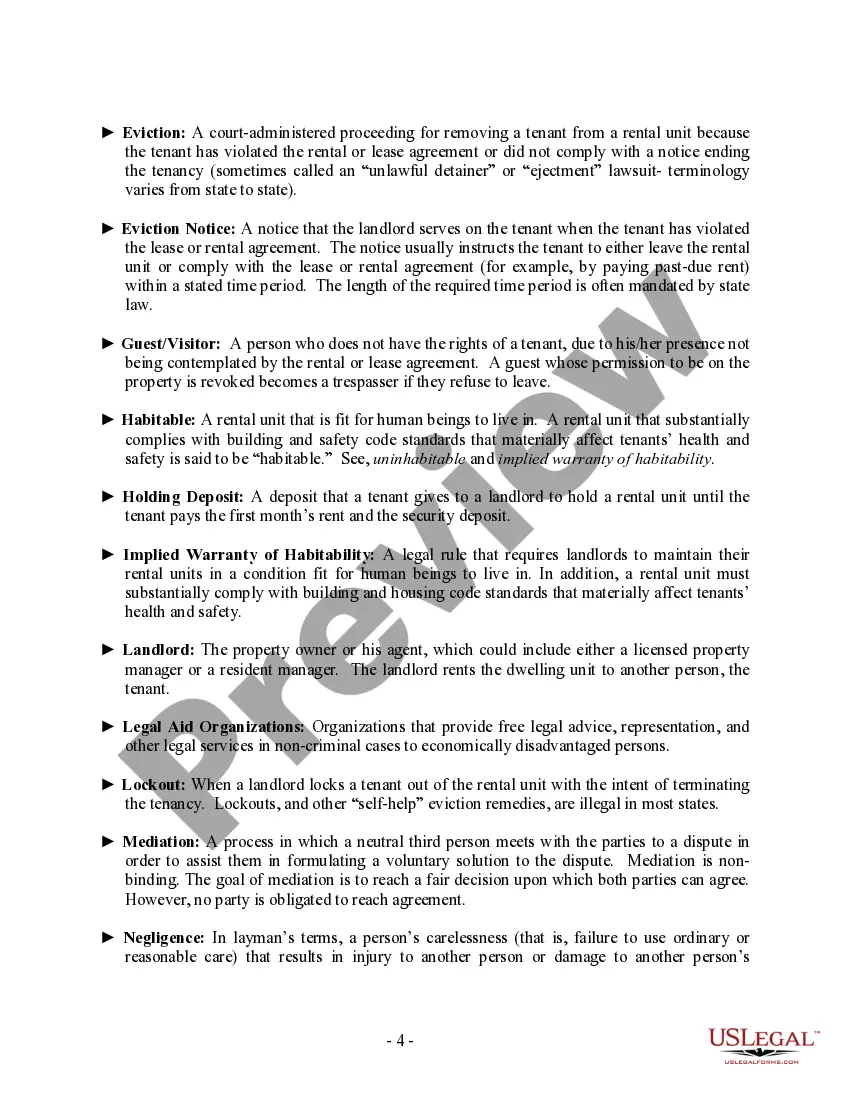
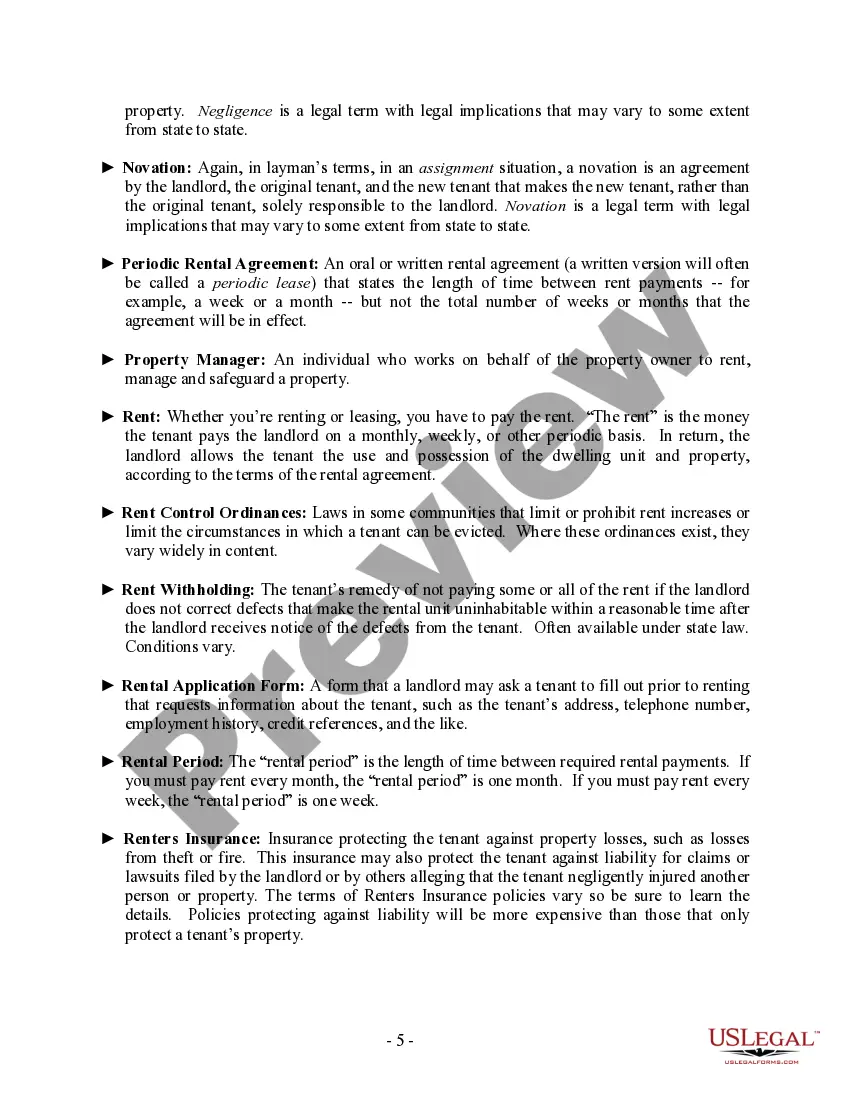
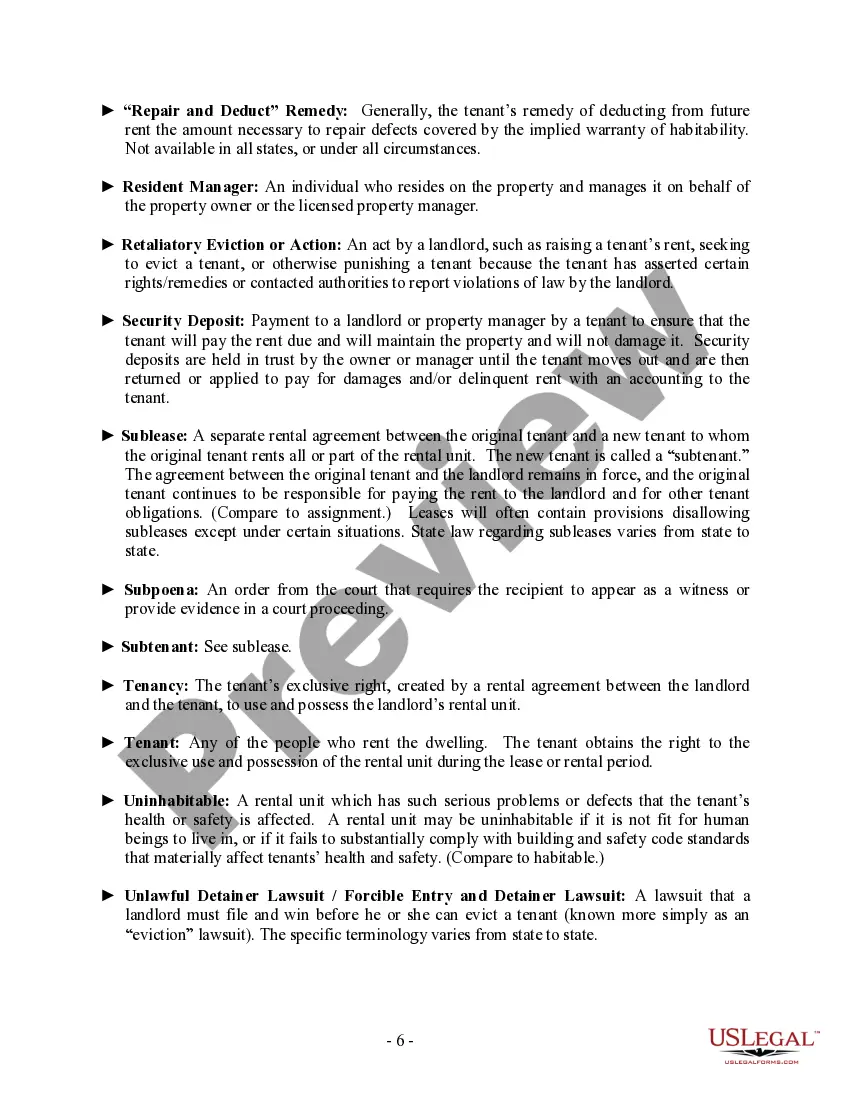

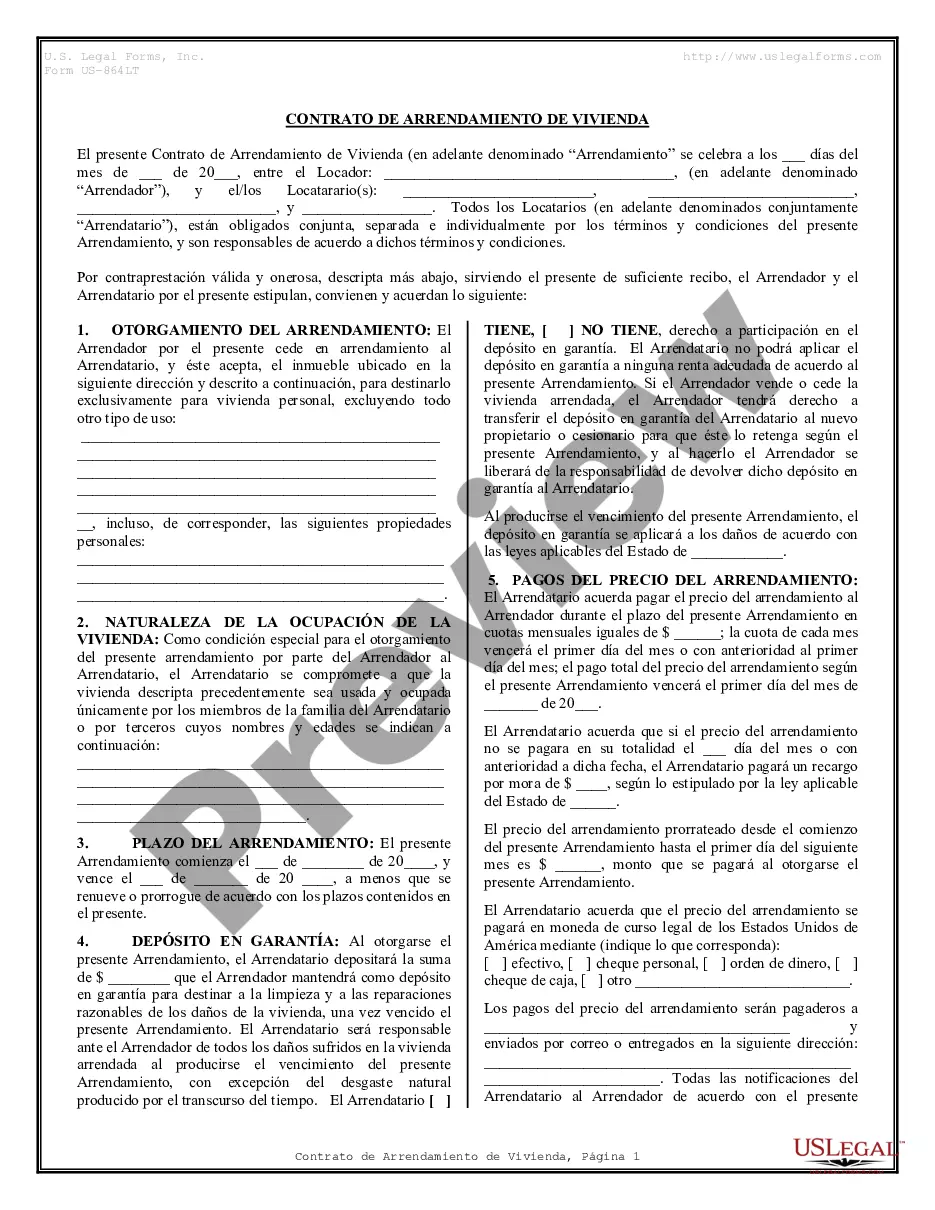
Get your form ready online
Our built-in tools help you complete, sign, share, and store your documents in one place.
Make edits, fill in missing information, and update formatting in US Legal Forms—just like you would in MS Word.
Download a copy, print it, send it by email, or mail it via USPS—whatever works best for your next step.
Sign and collect signatures with our SignNow integration. Send to multiple recipients, set reminders, and more. Go Premium to unlock E-Sign.
If this form requires notarization, complete it online through a secure video call—no need to meet a notary in person or wait for an appointment.
We protect your documents and personal data by following strict security and privacy standards.

Make edits, fill in missing information, and update formatting in US Legal Forms—just like you would in MS Word.

Download a copy, print it, send it by email, or mail it via USPS—whatever works best for your next step.

Sign and collect signatures with our SignNow integration. Send to multiple recipients, set reminders, and more. Go Premium to unlock E-Sign.

If this form requires notarization, complete it online through a secure video call—no need to meet a notary in person or wait for an appointment.

We protect your documents and personal data by following strict security and privacy standards.
Looking for another form?

How to fill out Multistate Landlord Tenant Handbook - Guide - Laws?
It’s widely known that you cannot instantly become a legal professional, nor can you efficiently understand how to swiftly compose Landlord Tenant Laws In Florida without a dedicated knowledge base.
Drafting legal documents is an elaborate and lengthy task that demands specific education and expertise. So why not entrust the drafting of the Landlord Tenant Laws In Florida to the experts.
With US Legal Forms, which offers one of the most extensive libraries of legal documents, you can find everything from court paperwork to templates for corporate internal communications. We recognize the significance of compliance with both federal and state laws.
You can revisit your documents at any time from the My documents tab. If you are a current customer, you can conveniently Log In and find and download the template from the same section.
Regardless of the objective of your forms—whether they're for financial, legal, or personal use—our platform meets your needs. Give US Legal Forms a try today!
- Begin by locating the form you need using the search bar at the page's top.
- If available, preview it and review the accompanying description to determine if Landlord Tenant Laws In Florida is what you seek.
- If you require a different template, restart your search.
- Create a complimentary account and select a subscription plan to buy the template.
- Click Buy now. Once the payment is completed, you can obtain the Landlord Tenant Laws In Florida, complete it, print it, and send or deliver it to the appropriate individuals or entities.
Form popularity
FAQ
Under the landlord tenant laws in Florida, a landlord cannot refuse to make necessary repairs, change the locks without notice, or retaliate against a tenant for reporting issues. It's important for landlords to respect the tenant's right to quiet enjoyment of the property. Furthermore, a landlord cannot unlawfully evict a tenant without following the proper judicial process. Ignoring these regulations can lead to serious legal complications.
If your landlord in Florida refuses to address necessary repairs, you can call the local housing authority or code enforcement office to report the issue. Additionally, you can document your attempts to contact your landlord and the lack of response, as this can be vital if you decide to escalate the situation. Familiarizing yourself with landlord tenant laws in Florida is essential, and platforms like USLegalForms can help provide templates for notices or complaints.
A Florida landlord can terminate without cause a month-to-month tenancy by giving the tenant a written notice at least 15 days before the end of the monthly period. The notice must inform the tenant that the tenancy will end in 15 days and that the tenant must move out of the rental unit by that time.
Landlords are no longer required to give a 60-day notice for rent increases of 5% or more. Landlords are no longer explicitly prohibited from discriminating against tenants based on their source of income. Landlords are no longer required to disclose a list of legal rights to applicants before they sign the lease.
Landlords are no longer required to give a 60-day notice for rent increases of 5% or more. Landlords are no longer explicitly prohibited from discriminating against tenants based on their source of income. Landlords are no longer required to disclose a list of legal rights to applicants before they sign the lease.
LANDLORDS CANNOT JUST THROW YOU OUT. Florida law prohibits landlords from evicting tenants without going through the court system (self-help evictions). Your landlord can't evict you without a judge's order. And if the sheriff shows up to evict you, he also must have a court order.
A new amendment to Florida Statutes, which takes effect July 1, 2023, has been signed into law by the State of Florida. Chapter 83.491 provides the right for landlords to offer tenants the option to pay a fee instead of a security deposit. However, there is no obligation for landlords to offer this option to tenants.