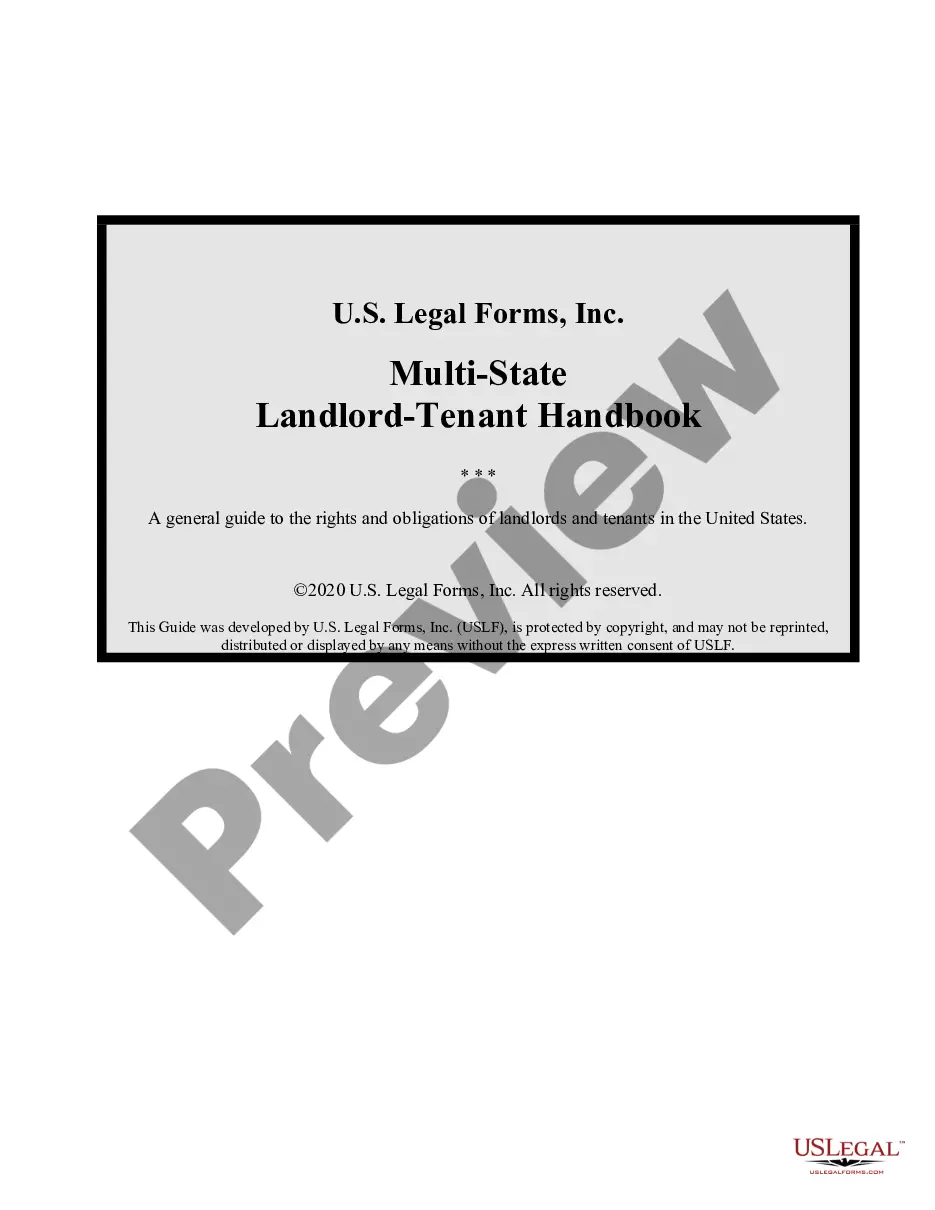
Landlord Tenant In
Description
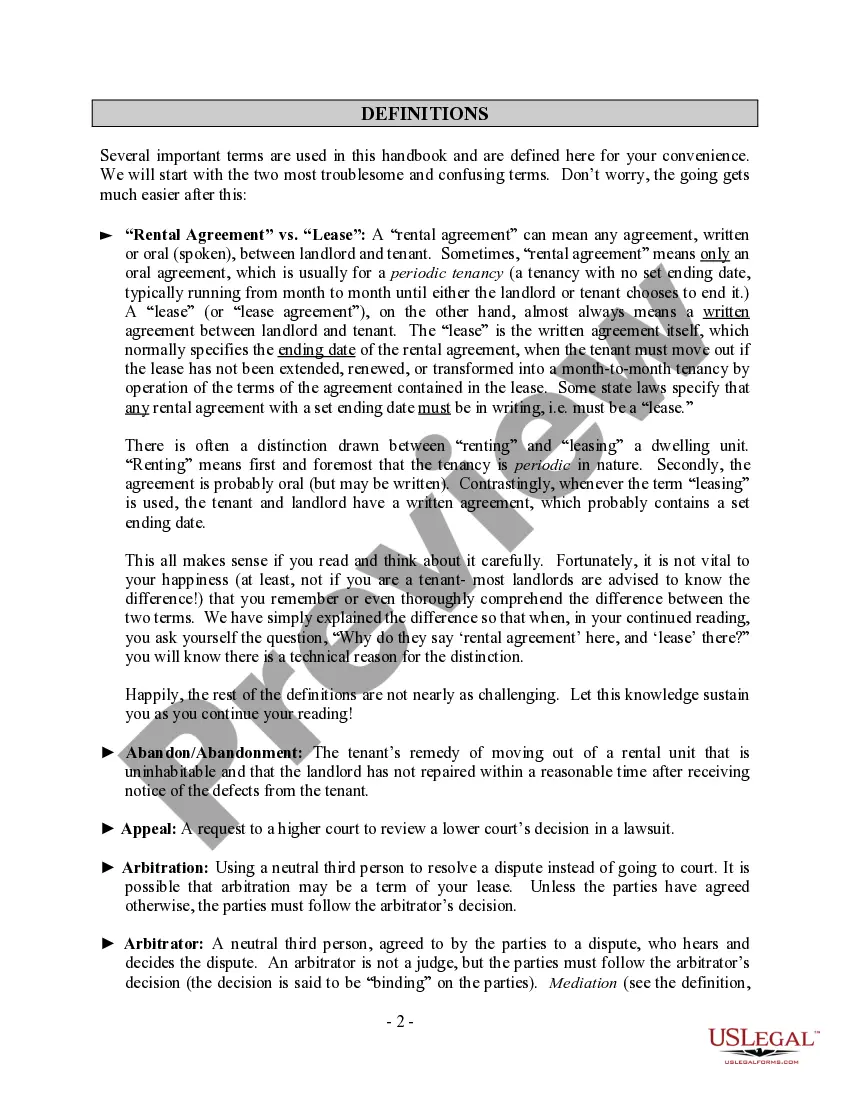
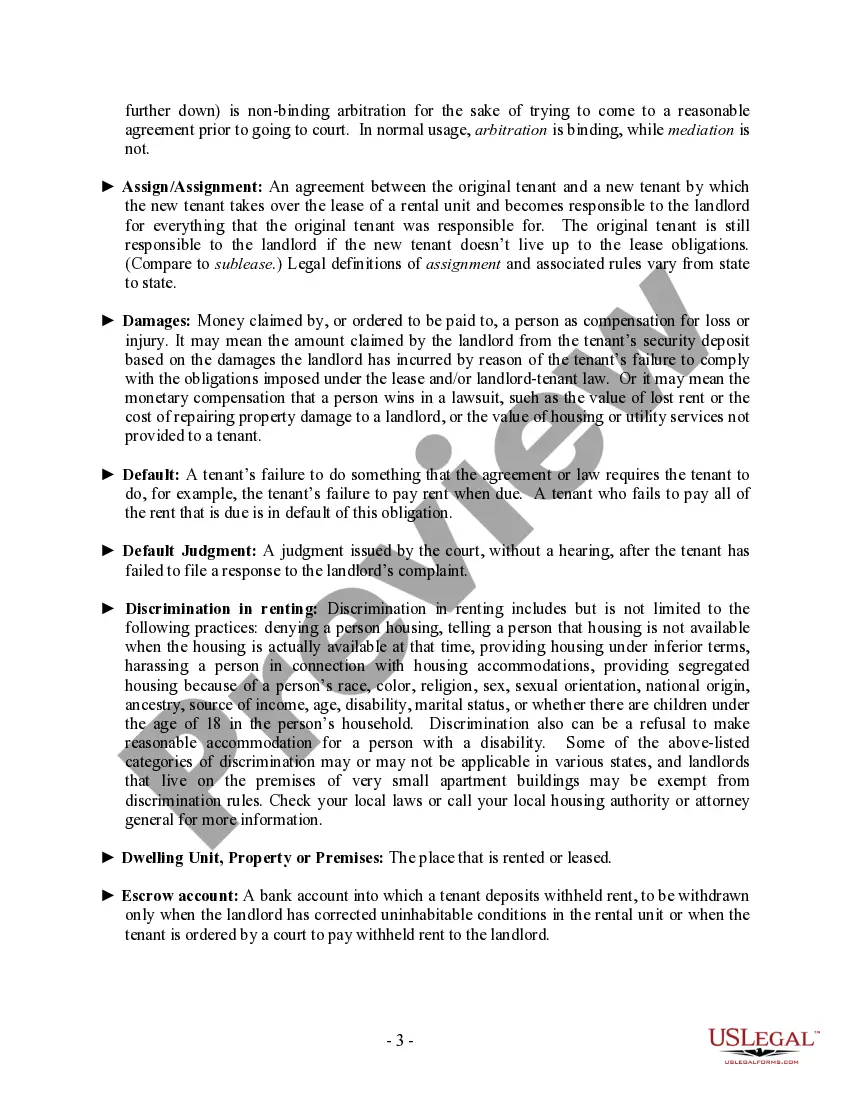
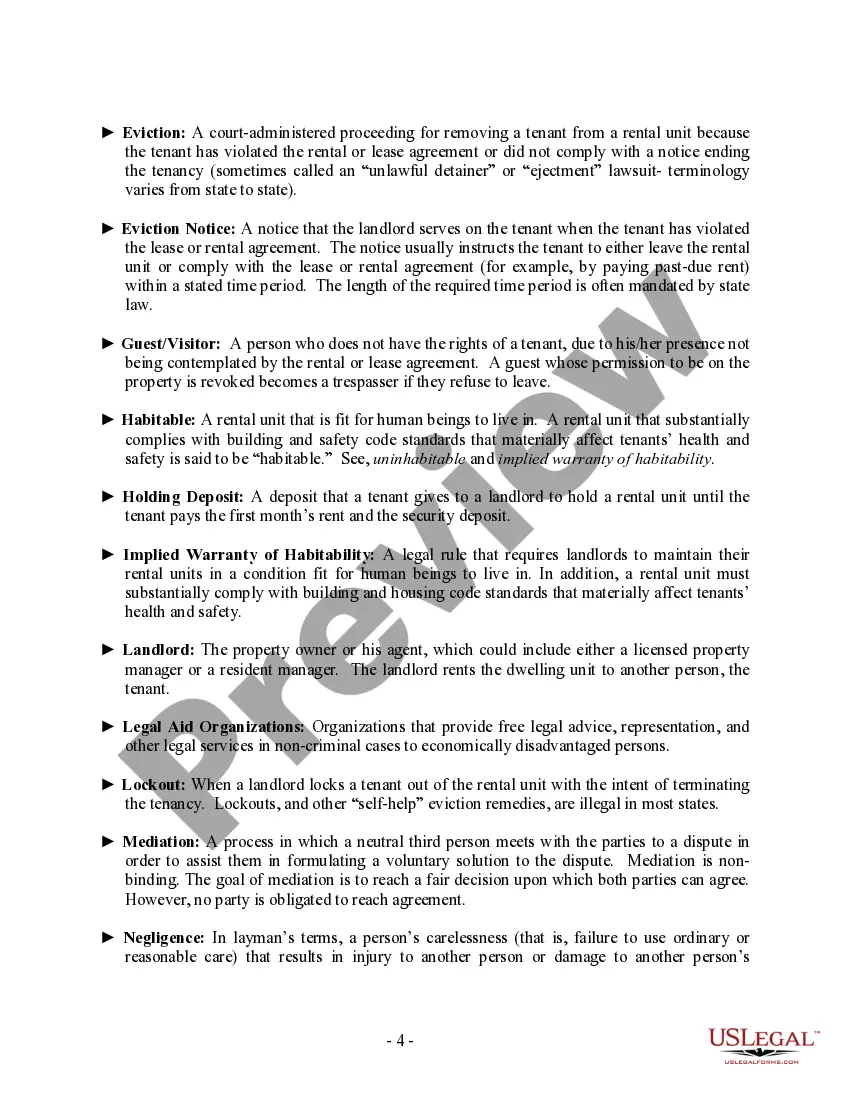
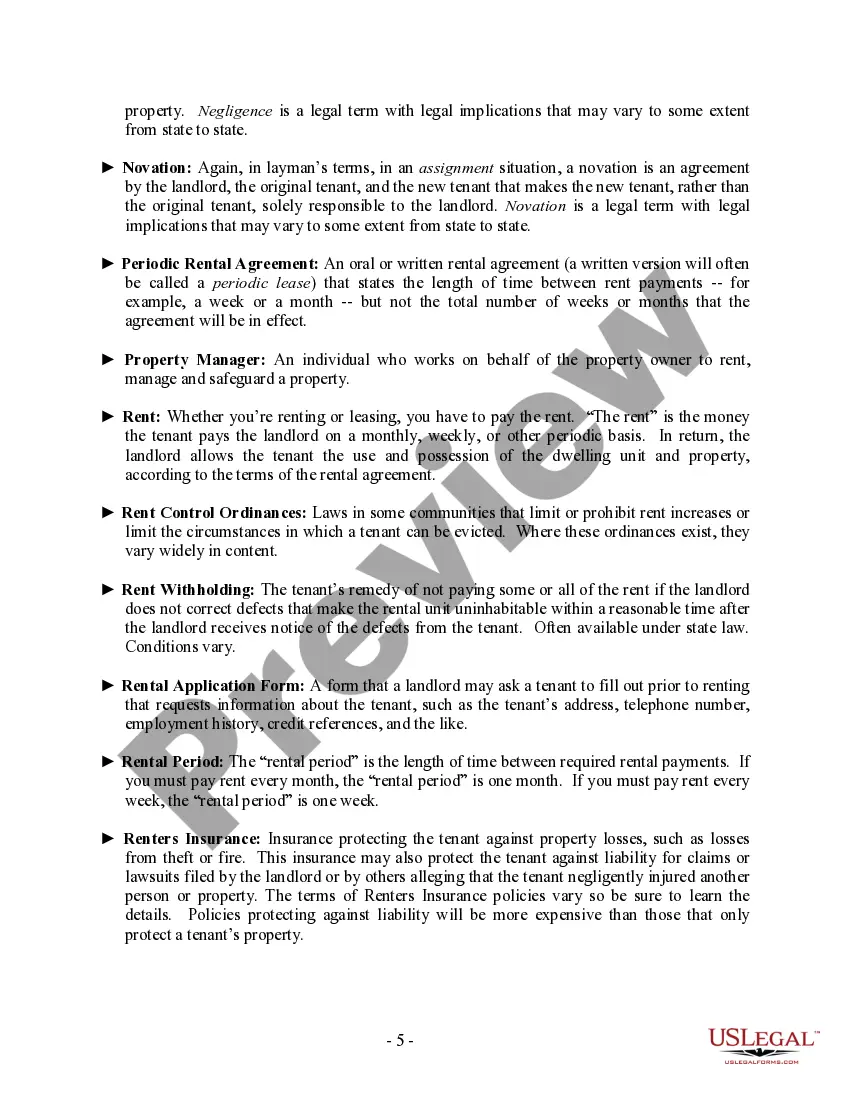
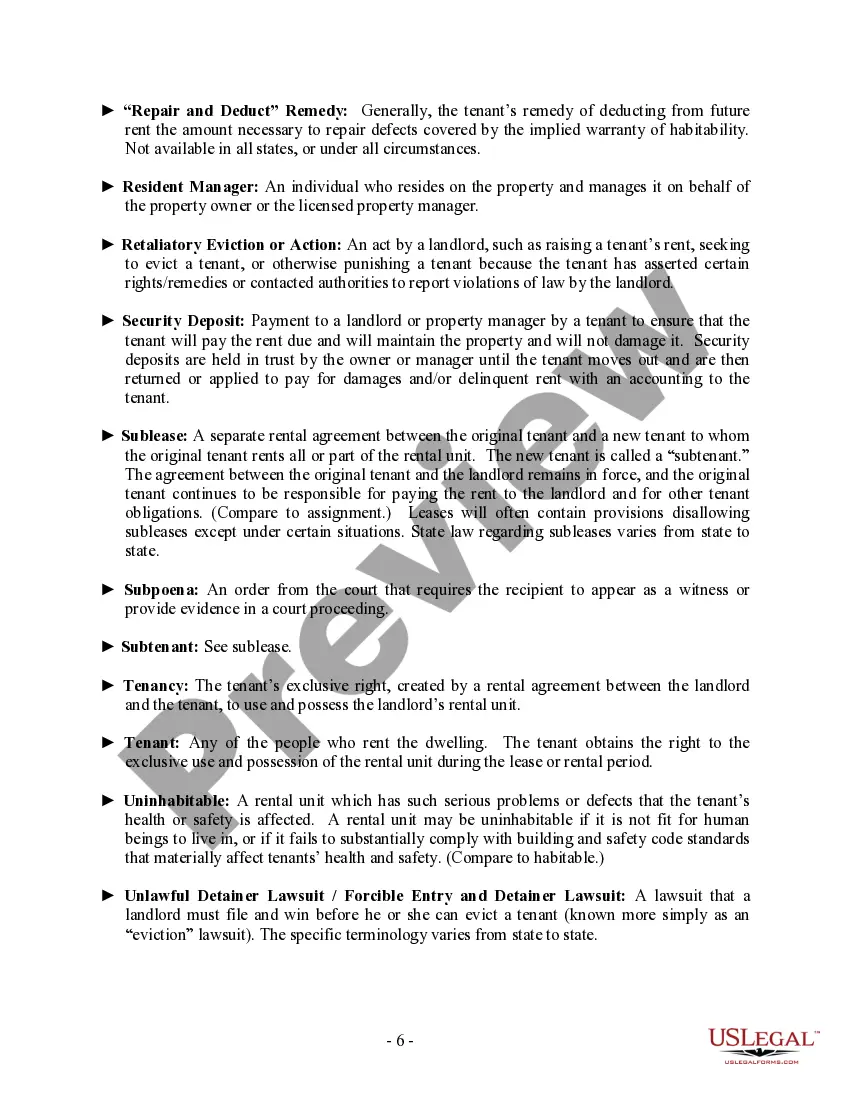

Get your form ready online
Our built-in tools help you complete, sign, share, and store your documents in one place.
Make edits, fill in missing information, and update formatting in US Legal Forms—just like you would in MS Word.
Download a copy, print it, send it by email, or mail it via USPS—whatever works best for your next step.
Sign and collect signatures with our SignNow integration. Send to multiple recipients, set reminders, and more. Go Premium to unlock E-Sign.
If this form requires notarization, complete it online through a secure video call—no need to meet a notary in person or wait for an appointment.
We protect your documents and personal data by following strict security and privacy standards.

Make edits, fill in missing information, and update formatting in US Legal Forms—just like you would in MS Word.

Download a copy, print it, send it by email, or mail it via USPS—whatever works best for your next step.

Sign and collect signatures with our SignNow integration. Send to multiple recipients, set reminders, and more. Go Premium to unlock E-Sign.

If this form requires notarization, complete it online through a secure video call—no need to meet a notary in person or wait for an appointment.

We protect your documents and personal data by following strict security and privacy standards.
Looking for another form?









How to fill out Multistate Landlord Tenant Handbook - Guide - Laws?
Locating a reliable resource to obtain the latest and most pertinent legal templates is a significant part of navigating bureaucracy.
Identifying the appropriate legal documents requires precision and meticulousness, which is why it's essential to source Landlord Tenant In exclusively from credible providers, such as US Legal Forms.
Eliminate the stress associated with your legal paperwork. Explore the extensive US Legal Forms collection to find legal templates, verify their applicability to your situation, and download them instantly.
- Utilize the library navigation or search bar to locate your template.
- Open the form's description to determine if it meets the stipulations of your state and locality.
- Preview the form, when available, to verify that the template is what you need.
- Return to the search to find an alternative document if the Landlord Tenant In does not match your criteria.
- Once you are confident about the form's suitability, download it.
- If you have an account, click Log in to verify your identity and access your selected templates in My documents.
- If you don't have an account yet, click Buy now to purchase the template.
- Choose the pricing plan that aligns with your needs.
- Complete the registration to confirm your purchase.
- Finalize your purchase by selecting a payment method (credit card or PayPal).
- Choose the file type for downloading Landlord Tenant In.
- After obtaining the form on your device, you can modify it using the editor or print it and fill it out manually.
Form popularity
FAQ
The eviction process in Tennessee can take anywhere from 2 to 6 weeks, depending on various factors, such as the grounds for eviction and court schedules. Typically, the process begins with the landlord providing proper notice, followed by court proceedings if the tenant does not vacate. If you face eviction issues, UsLegalForms can help you understand your rights and ensure you follow the correct procedures.
In Kansas, you can report landlords to the local housing authority or the Kansas Attorney General's Office if your landlord violates housing laws. It's essential to gather all necessary evidence and documents related to your complaint. To simplify this process, UsLegalForms offers tailored templates that can guide you through filing your report effectively.
In Tennessee, a landlord typically has a reasonable time frame to make necessary repairs after being notified of the issue, which usually means repairing urgent problems within 14 days. Landlords must ensure the property meets health and safety standards throughout the lease. If repairs are delayed, tenants may have legal grounds to take action, with resources available through platforms like UsLegalForms.
To report a landlord in Nashville, start by documenting your concerns in detail. You can contact the Metro Codes Department or the Nashville Tenant Resource Center for guidance on how to proceed. Additionally, UsLegalForms can provide you with the necessary forms to ensure that your complaint is well-organized and legally sound.
In Tennessee, a landlord cannot illegally evict a tenant, retaliate against a tenant for asserting their rights, or fail to maintain the property in a habitable condition. Furthermore, landlords are prohibited from entering the rental property without proper notice unless it's an emergency. Understanding these rights is crucial in any landlord-tenant situation in Tennessee.
Reporting a terrible landlord involves documenting all incidents, including dates and descriptions of issues experienced. You can file a complaint with your local housing authority or state agencies overseeing landlord-tenant regulations. Platforms like UsLegalForms can assist you in finding the right forms and processes to ensure your report is properly submitted.
To file a complaint against a landlord in Tennessee, you should first gather all relevant documentation, such as a rental agreement and any records of communication. Next, contact your local housing authority or the Tennessee Department of Consumer Affairs to understand the filing process. For further assistance, consider using the UsLegalForms platform, which provides templates and guidance to help streamline your complaint.
Most landlords opt for thorough background checks that include credit and criminal checks, along with rental history verifications. These checks help landlords make informed decisions about potential tenants by assessing their reliability and background. Being knowledgeable about what landlords seek can enhance your application process and establish trust. Utilizing platforms like US Legal Forms can provide insights for a successful rental experience.
Typically, apartment background checks examine records from the last 5 to 7 years. Landlords look for patterns in rental behavior, credit issues, or criminal activity during this timeframe. Knowing this can help you prepare your application effectively and address any potential red flags. Ensure you're prepared, stay informed, and navigate your landlord-tenant journey with confidence.
Most apartments perform comprehensive background checks to evaluate potential tenants. These checks usually include credit history, rental history, and criminal background. By using these checks, landlords aim to ensure a trustworthy and responsible tenant community. You can find helpful resources and guidance on the landlord-tenant process through platforms like US Legal Forms.