Medical Lien On House
Description
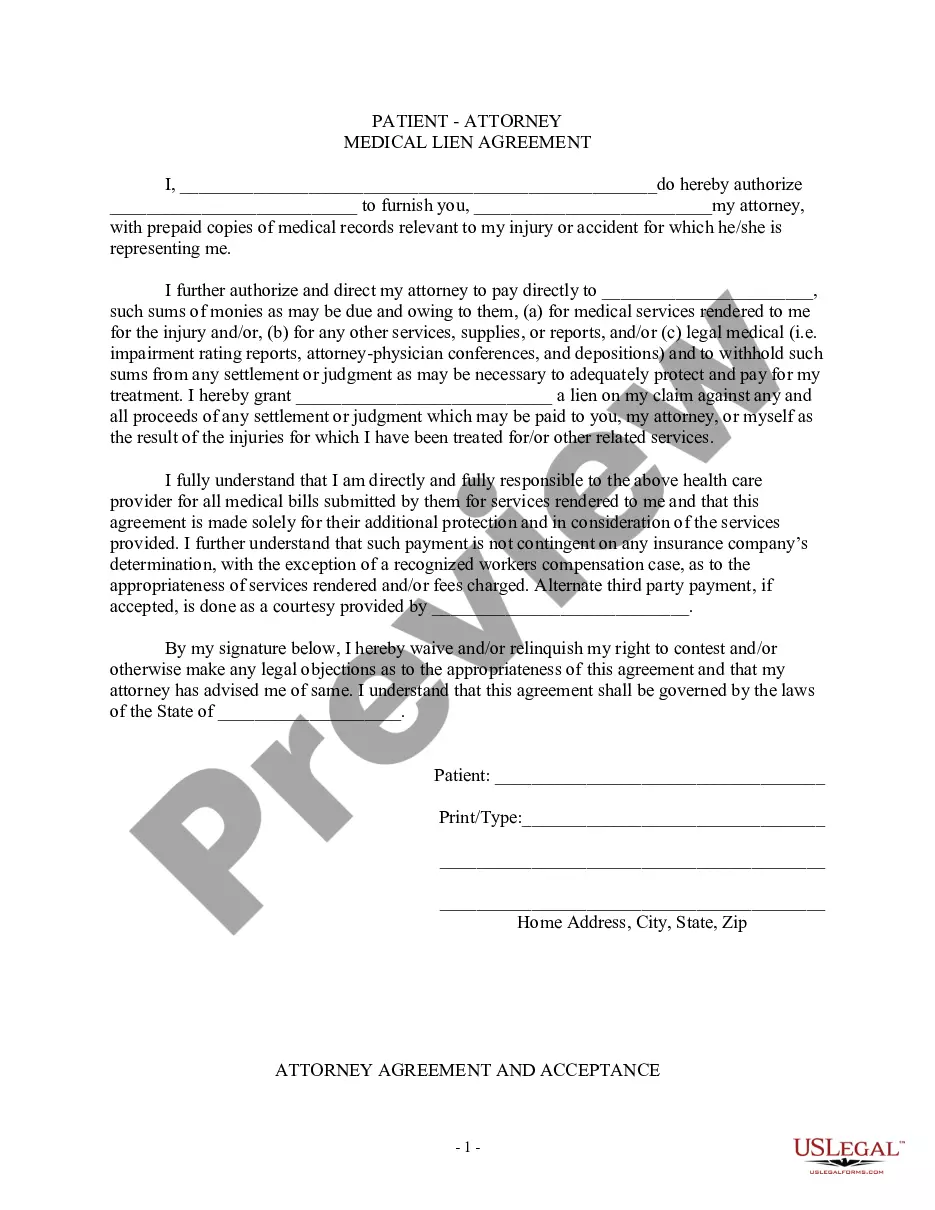
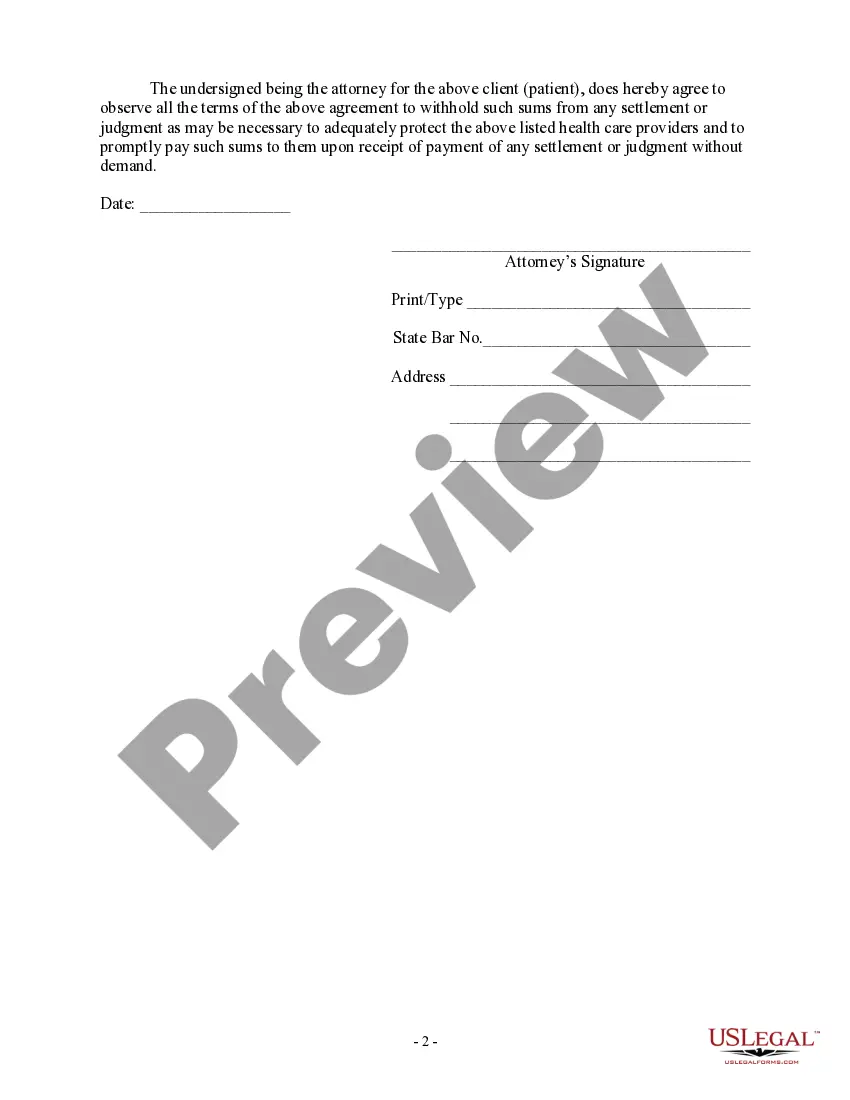
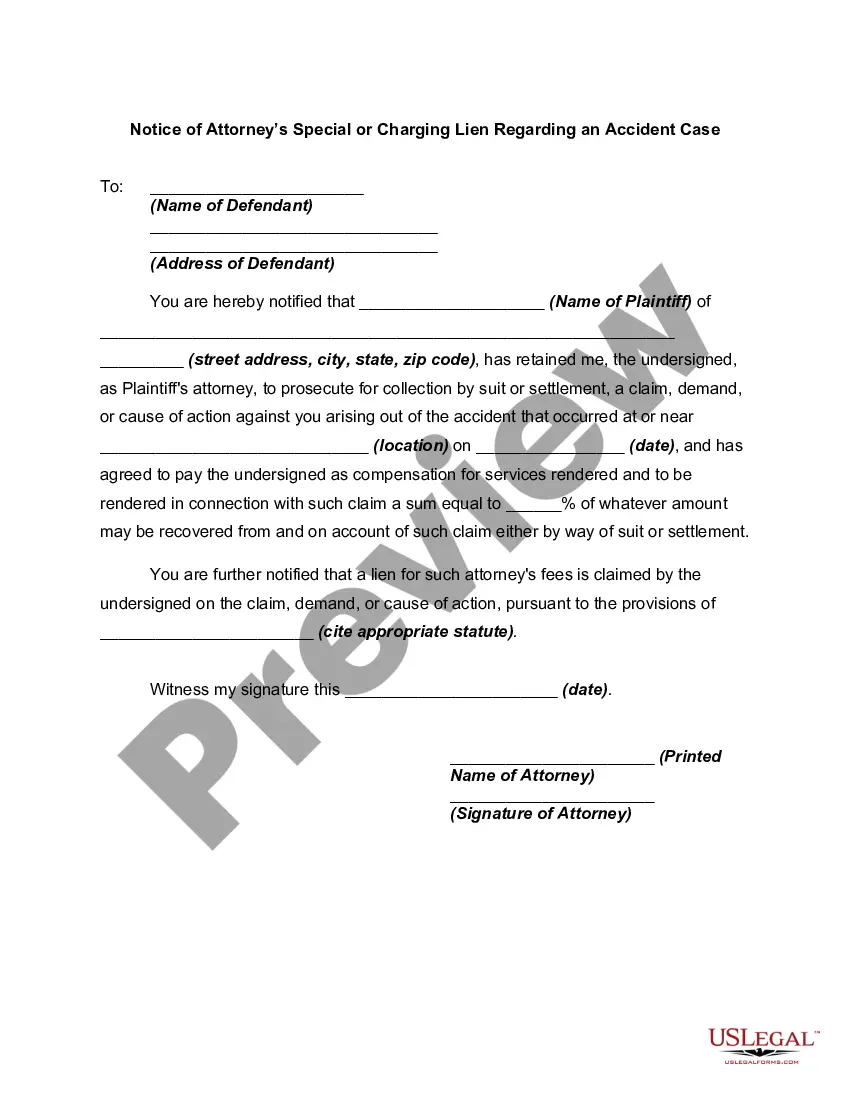
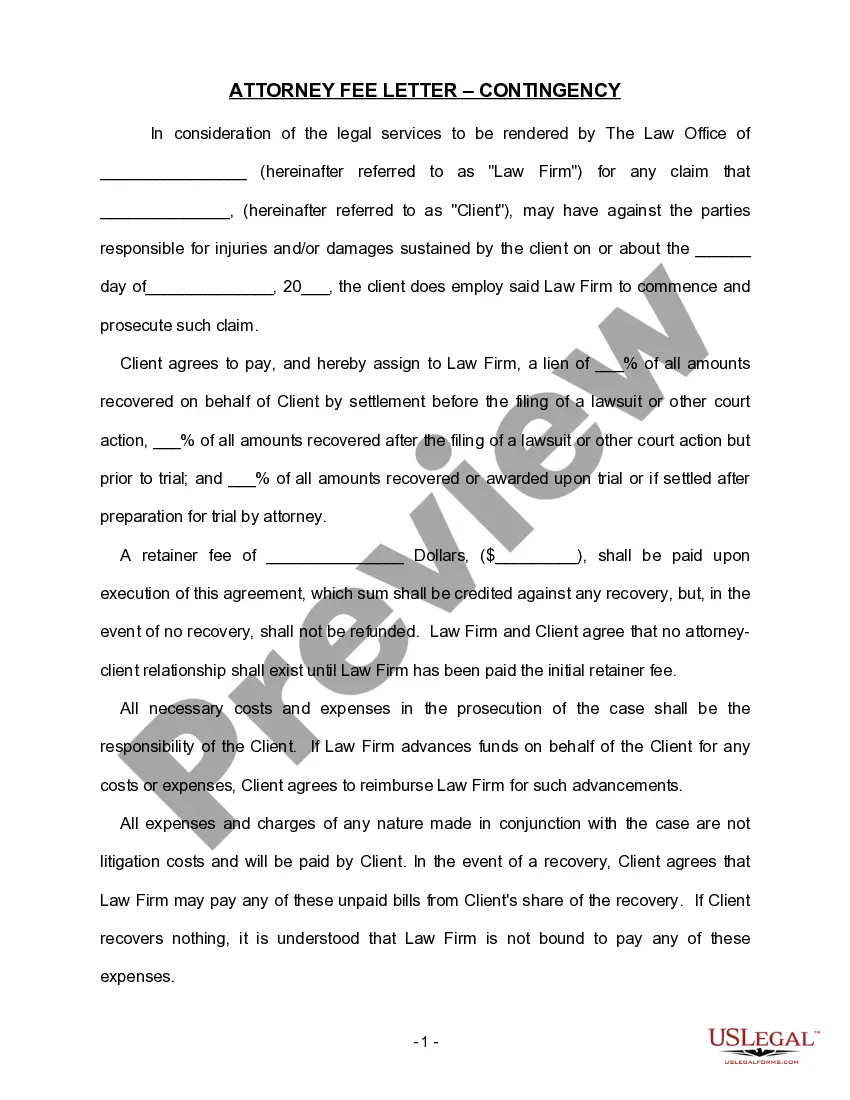
Get your form ready online
Our built-in tools help you complete, sign, share, and store your documents in one place.
Make edits, fill in missing information, and update formatting in US Legal Forms—just like you would in MS Word.
Download a copy, print it, send it by email, or mail it via USPS—whatever works best for your next step.
Sign and collect signatures with our SignNow integration. Send to multiple recipients, set reminders, and more. Go Premium to unlock E-Sign.
If this form requires notarization, complete it online through a secure video call—no need to meet a notary in person or wait for an appointment.
We protect your documents and personal data by following strict security and privacy standards.

Make edits, fill in missing information, and update formatting in US Legal Forms—just like you would in MS Word.

Download a copy, print it, send it by email, or mail it via USPS—whatever works best for your next step.

Sign and collect signatures with our SignNow integration. Send to multiple recipients, set reminders, and more. Go Premium to unlock E-Sign.

If this form requires notarization, complete it online through a secure video call—no need to meet a notary in person or wait for an appointment.

We protect your documents and personal data by following strict security and privacy standards.
Looking for another form?

Form popularity
FAQ
In Ohio, medical debt typically has a statute of limitations of six years. Once this period expires, creditors cannot legally pursue collection. However, a medical lien on your house may still affect your property during this time. To navigate medical debts effectively, consider platforms like US Legal Forms, which can provide essential resources and guidance.
In Ohio, various entities can place a lien on your house, including hospitals, medical providers, and government agencies like Medicaid. These liens often arise from unpaid medical bills or other debts. If you find yourself facing a medical lien on your house, consider seeking advice from professionals who understand your rights and options.
A lien can remain on a property in Ohio for up to five years. However, the duration may vary depending on the type of lien and the actions taken by the lienholder. If a lien is not renewed or enforced, it may eventually expire. It’s important to address any medical liens on your house promptly to avoid long-term financial issues.
Yes, Medicaid can place a lien on your house in Ohio under certain circumstances. When Medicaid pays for your medical care, they may seek reimbursement from your estate or property through a lien. This can result in a significant financial obligation if you pass away and your property is sold. Understanding the implications of a medical lien on your house is crucial for proper financial planning.
Yes, medical bills can lead to a lien on your house in Ohio if they remain unpaid. When medical providers pursue collections, they may file a lien against your property to secure the debt. This means that if you sell your house, the lien must be settled before you can receive any proceeds. It's important to understand how a medical lien on a house can impact your financial situation.
