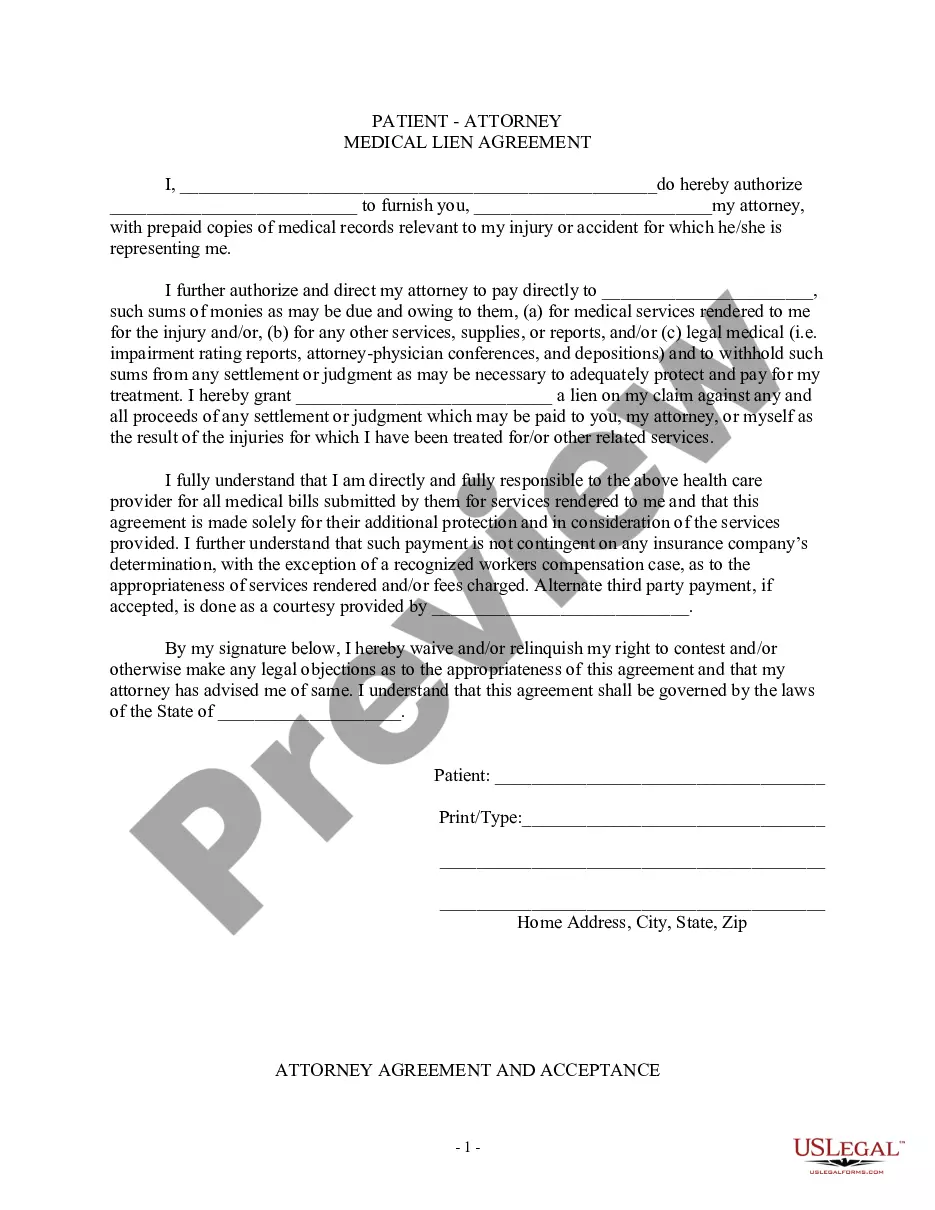
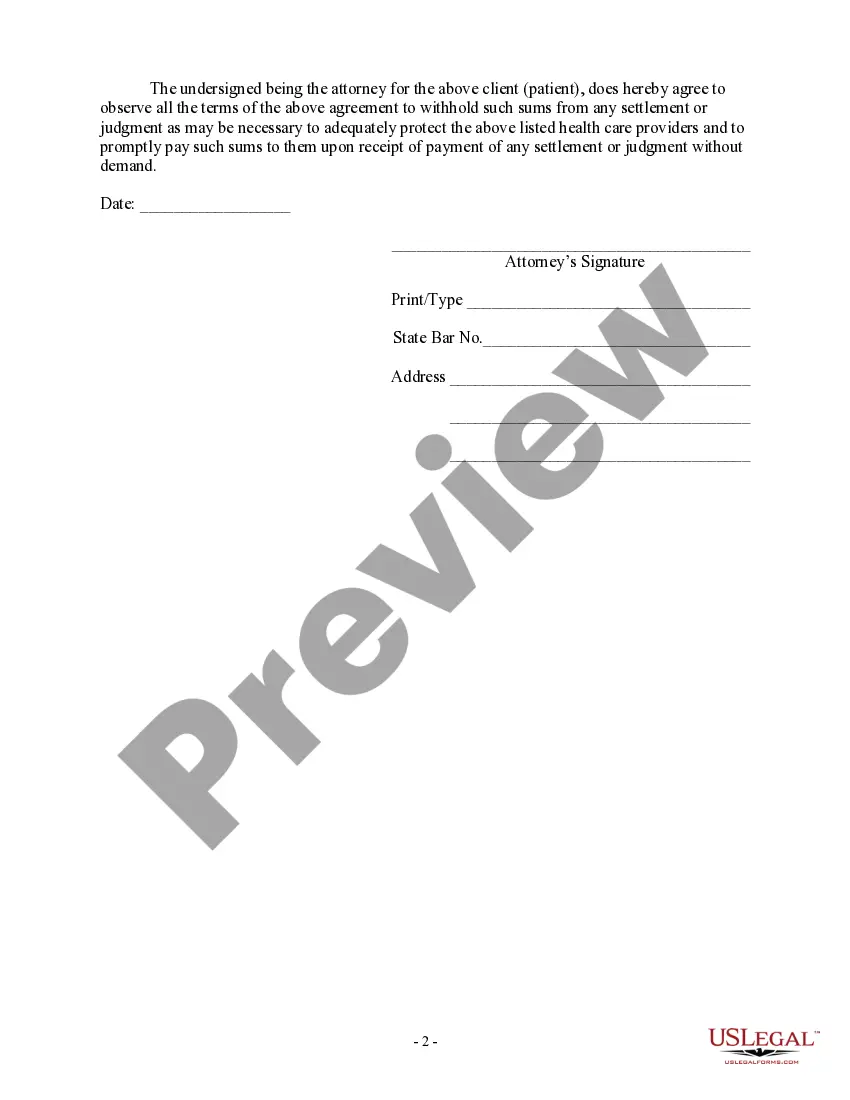
Attorney Any Medical Without Consent
Description
Get your form ready online
Our built-in tools help you complete, sign, share, and store your documents in one place.
Make edits, fill in missing information, and update formatting in US Legal Forms—just like you would in MS Word.
Download a copy, print it, send it by email, or mail it via USPS—whatever works best for your next step.
Sign and collect signatures with our SignNow integration. Send to multiple recipients, set reminders, and more. Go Premium to unlock E-Sign.
If this form requires notarization, complete it online through a secure video call—no need to meet a notary in person or wait for an appointment.
We protect your documents and personal data by following strict security and privacy standards.

Make edits, fill in missing information, and update formatting in US Legal Forms—just like you would in MS Word.

Download a copy, print it, send it by email, or mail it via USPS—whatever works best for your next step.

Sign and collect signatures with our SignNow integration. Send to multiple recipients, set reminders, and more. Go Premium to unlock E-Sign.

If this form requires notarization, complete it online through a secure video call—no need to meet a notary in person or wait for an appointment.

We protect your documents and personal data by following strict security and privacy standards.
Looking for another form?










How to fill out Patient - Attorney Medical Lien Agreement?
Legal administration may be overwhelming, even for the most seasoned professionals.
When you are looking for an Attorney Any Medical Without Consent and don't have the opportunity to invest time in finding the right and current version, the procedures can be stressful.
US Legal Forms caters to any needs you may have, from personal to business documents, all in one location.
Utilize advanced tools to complete and manage your Attorney Any Medical Without Consent.
Here are the steps to follow after downloading the form you need: Verify it is the correct form by previewing it and reviewing its details. Ensure that the template is valid in your state or county. Click Buy Now when you're ready. Select a monthly subscription plan. Choose the file format you prefer, and Download, complete, sign, print, and submit your documents. Enjoy the US Legal Forms online library, supported by 25 years of expertise and dependability. Transform your daily document management into a seamless and user-friendly process today.
- Access a valuable resource base of articles, guides, and manuals related to your situation and requirements.
- Save time and effort searching for the documents you need, and use US Legal Forms’ advanced search and Review tool to find Attorney Any Medical Without Consent and obtain it.
- If you possess a monthly subscription, Log In to your US Legal Forms account, search for the form, and download it.
- Check your My documents tab to see the documents you have previously downloaded and manage your folders as desired.
- If this is your first time using US Legal Forms, create a free account and enjoy unlimited access to all platform features.
- A robust online form library can be a game changer for anyone looking to navigate these situations effectively.
- US Legal Forms is a leading provider of online legal forms, offering over 85,000 state-specific legal documents available to you at any time.
- With US Legal Forms, you can access state- or county-specific legal and business forms.
Form popularity
FAQ
The POA cannot transfer the responsibility to another Agent at any time. The POA cannot make any legal or financial decisions after the death of the Principal, at which point the Executor of the Estate would take over. The POA cannot distribute inheritances or transfer assets after the death of the Principal.
Non-Verbal Consent There are ways to express a clear willingness to engage in sexual contact without using words. Examples of giving nonverbal consent may include: Head nod. Thumbs up.
The legal term for failing to obtain informed consent before performing a test or procedure on a patient is called battery (a form of assault). For many types of interactions (for example, a physical exam with your doctor), implied consent is assumed.
Nonverbal consent, sometimes called implied or implicit consent, includes gestures such as nodding the head, extending the arm for a blood test, or opening the mouth during a dental exam. Doctors may refer to verbal consent as explicit consent.
There are three types of patient consent you should know about for legal purposes: oral, written and implied consent. Oral consent: This type of consent comprises any verbal permission a patient gives you to conduct treatment.