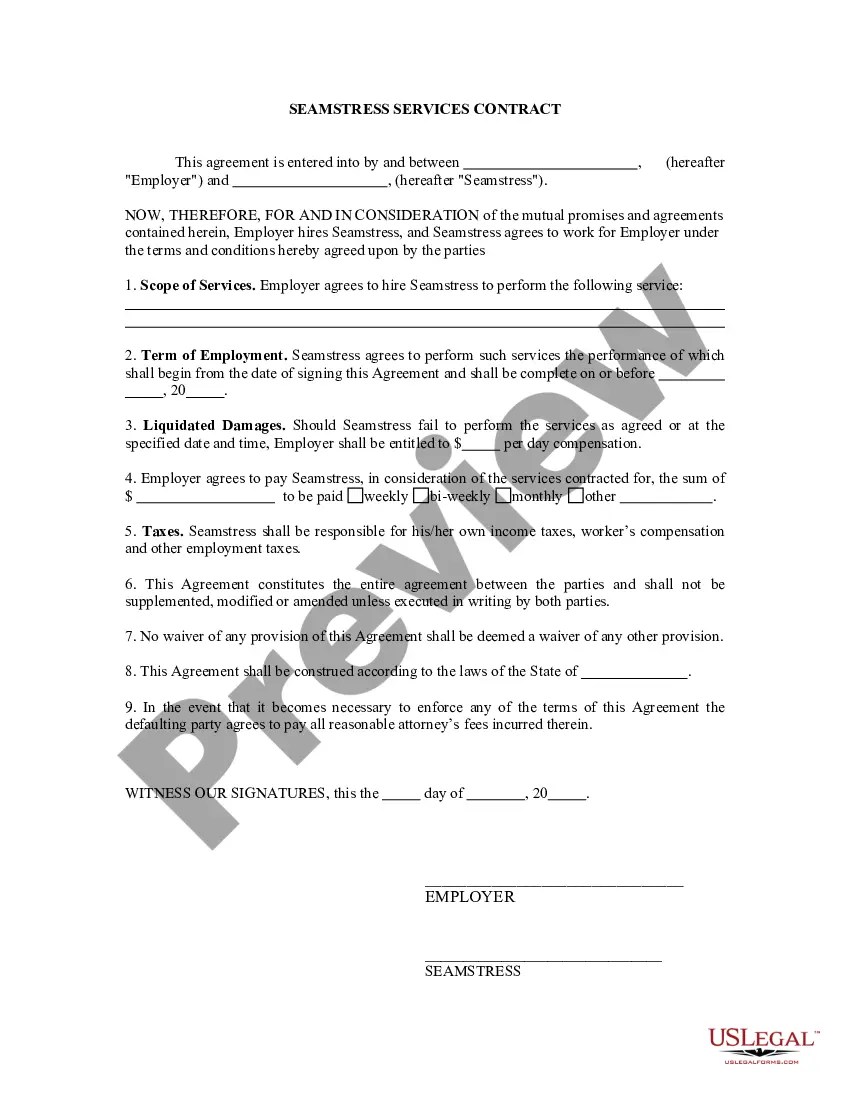
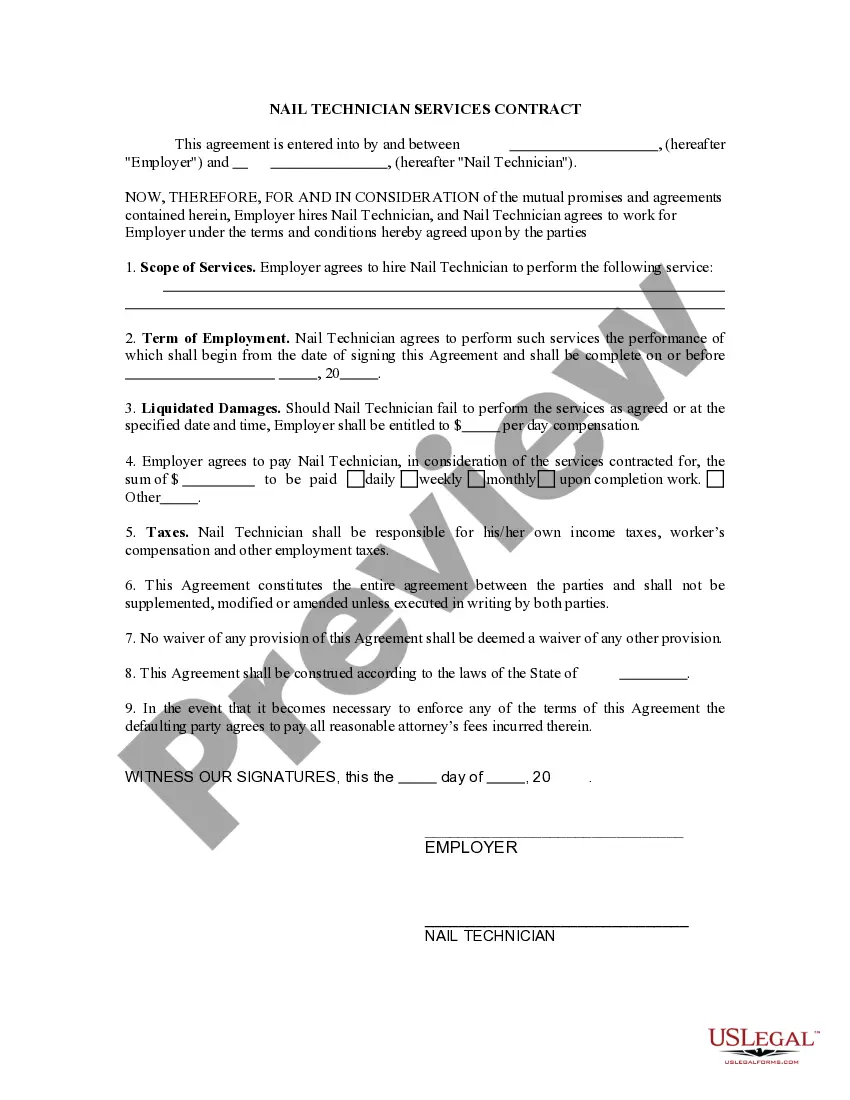
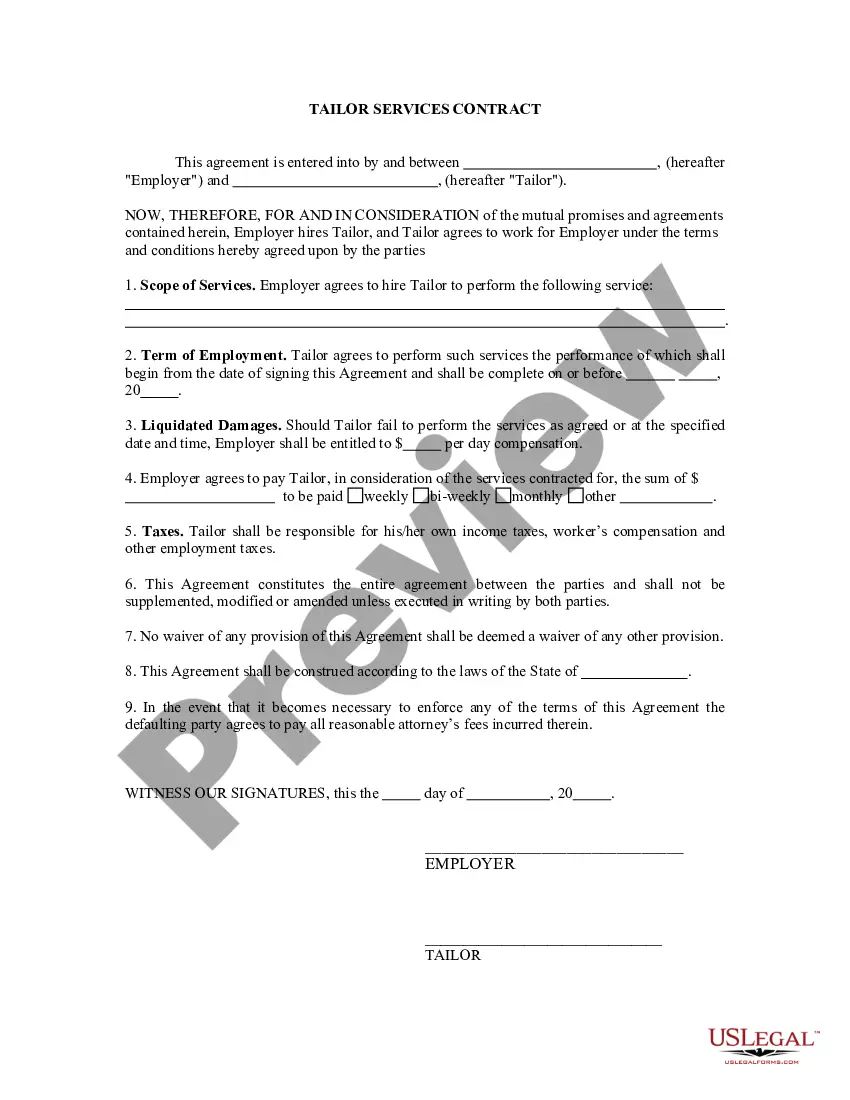
Seamstress Hourly Rate
Description
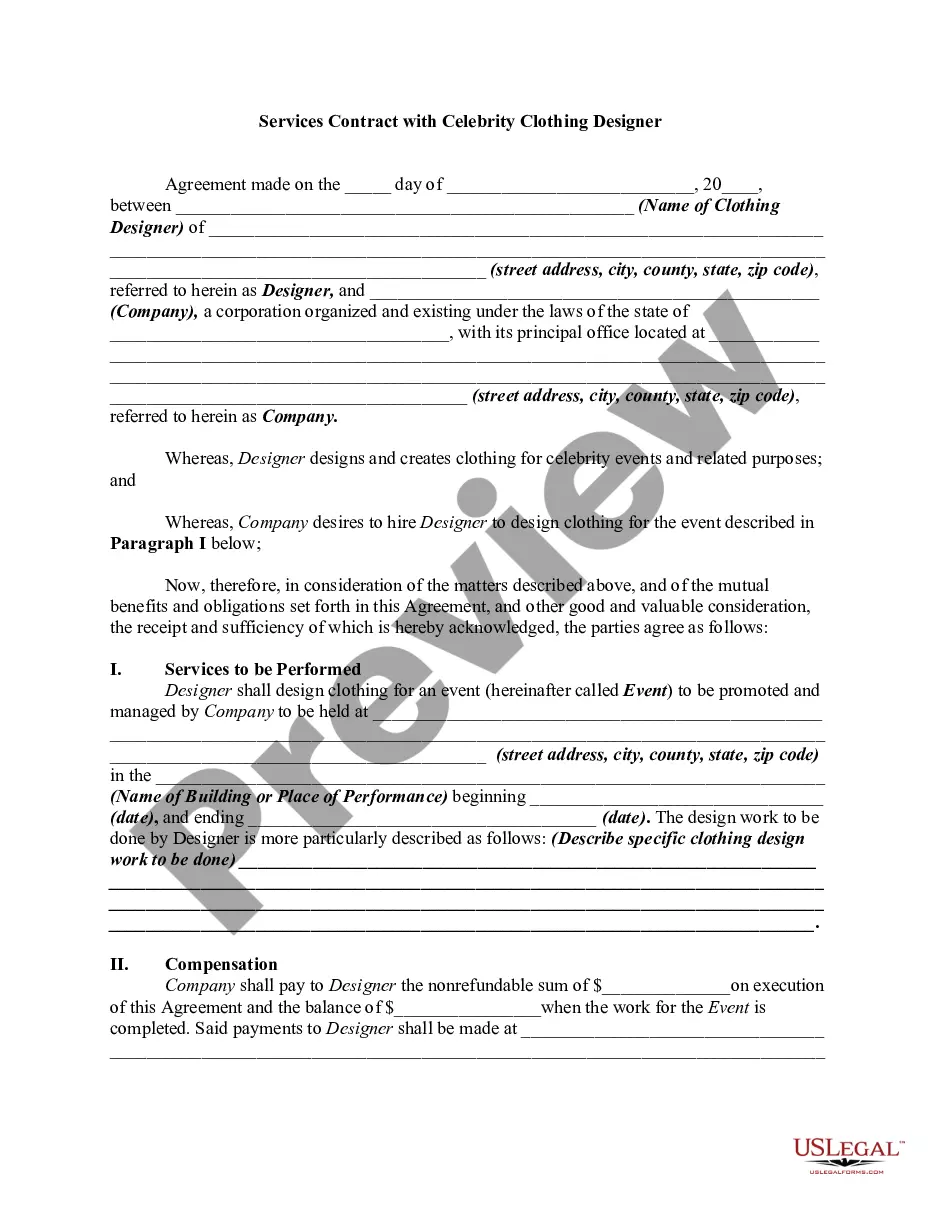
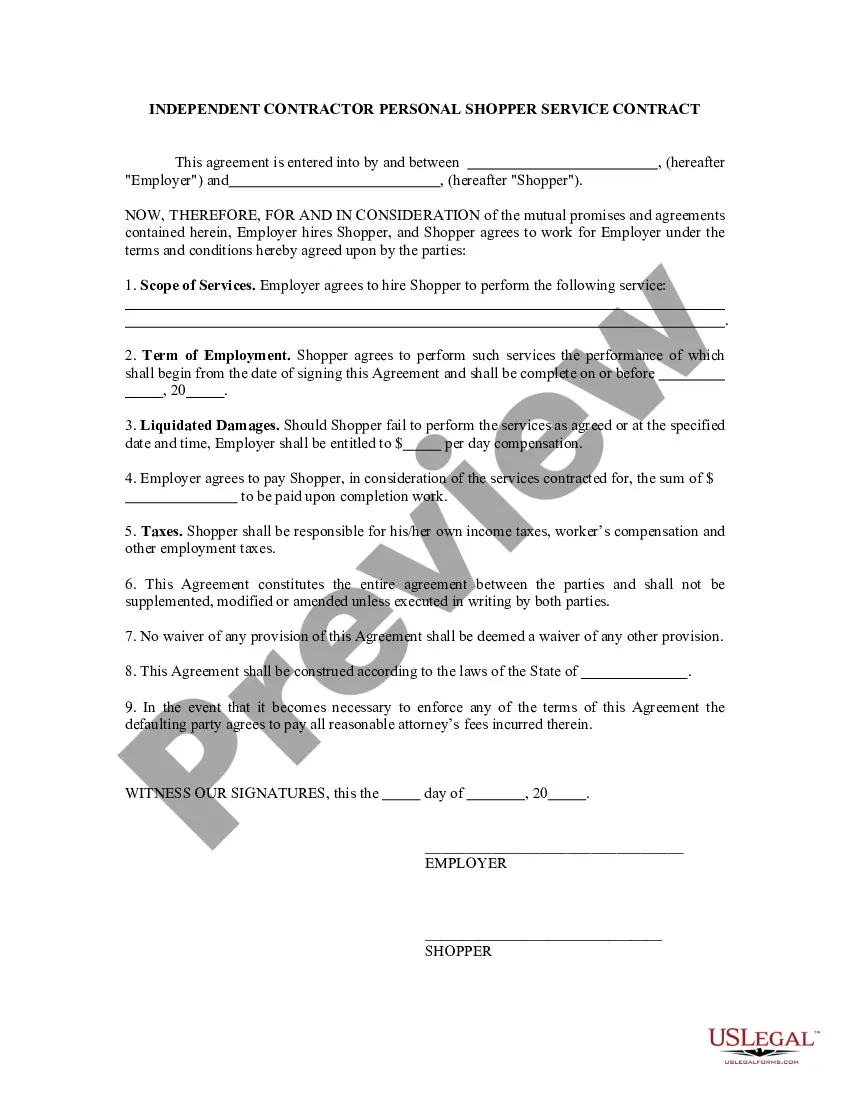
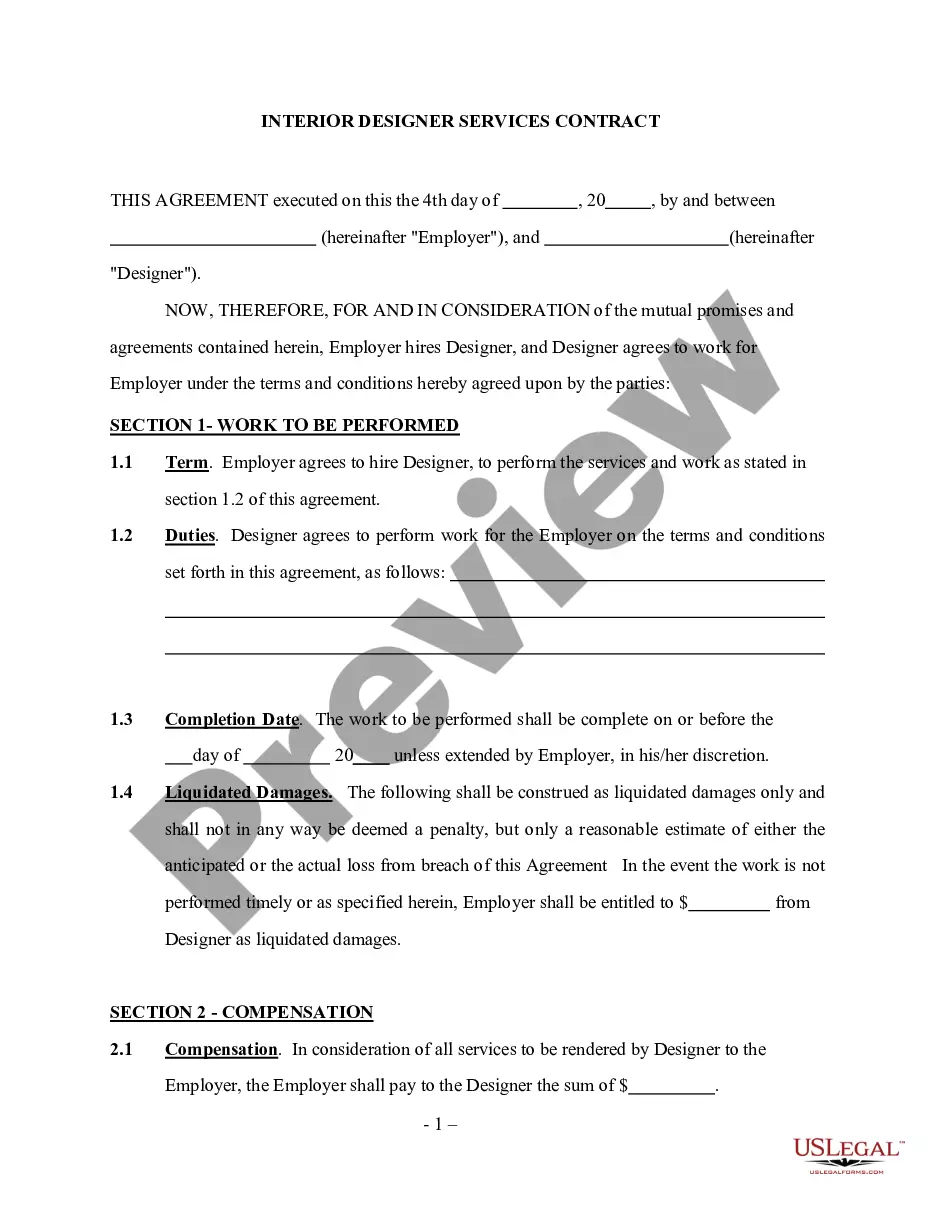
Get your form ready online
Our built-in tools help you complete, sign, share, and store your documents in one place.
Make edits, fill in missing information, and update formatting in US Legal Forms—just like you would in MS Word.
Download a copy, print it, send it by email, or mail it via USPS—whatever works best for your next step.
Sign and collect signatures with our SignNow integration. Send to multiple recipients, set reminders, and more. Go Premium to unlock E-Sign.
If this form requires notarization, complete it online through a secure video call—no need to meet a notary in person or wait for an appointment.
We protect your documents and personal data by following strict security and privacy standards.

Make edits, fill in missing information, and update formatting in US Legal Forms—just like you would in MS Word.

Download a copy, print it, send it by email, or mail it via USPS—whatever works best for your next step.

Sign and collect signatures with our SignNow integration. Send to multiple recipients, set reminders, and more. Go Premium to unlock E-Sign.

If this form requires notarization, complete it online through a secure video call—no need to meet a notary in person or wait for an appointment.

We protect your documents and personal data by following strict security and privacy standards.
Looking for another form?







How to fill out Self-Employed Seamstress Services Contract?
It’s obvious that you can’t become a legal expert overnight, nor can you grasp how to quickly draft Seamstress Hourly Rate without the need of a specialized set of skills. Putting together legal documents is a long process requiring a certain education and skills. So why not leave the preparation of the Seamstress Hourly Rate to the specialists?
With US Legal Forms, one of the most extensive legal document libraries, you can access anything from court paperwork to templates for internal corporate communication. We understand how crucial compliance and adherence to federal and local laws and regulations are. That’s why, on our website, all templates are location specific and up to date.
Here’s how you can get started with our platform and obtain the document you require in mere minutes:
- Find the document you need by using the search bar at the top of the page.
- Preview it (if this option provided) and read the supporting description to figure out whether Seamstress Hourly Rate is what you’re looking for.
- Begin your search again if you need a different template.
- Set up a free account and select a subscription option to purchase the form.
- Choose Buy now. As soon as the payment is complete, you can download the Seamstress Hourly Rate, fill it out, print it, and send or mail it to the designated people or organizations.
You can re-gain access to your forms from the My Forms tab at any time. If you’re an existing client, you can simply log in, and find and download the template from the same tab.
Regardless of the purpose of your forms-whether it’s financial and legal, or personal-our platform has you covered. Try US Legal Forms now!
Form popularity
FAQ
Ing to "Merriam-Webster's Collegiate Dictionary," a seamstress is a "woman whose occupation is sewing," (a male is referred to as a seamster). A tailor is "a person whose occupation is making or altering outer garments." Seamstresses/seamsters usually work with the fabrics, seams and hemlines.
A seamstress or seamster is a person whose work revolves around sewing clothes using someone else's design or their own. While some seamstresses might specialize in certain kinds of clothing, many can sew a wide range of apparel, including creating reproductions of specific items.
Seamstresses alter, mend, modify and construct garments and other articles ing to customers' specifications and needs. They may be self-employed or work in factories, dry cleaners, department stores or boutiques.
$36,500 is the 25th percentile. Salaries below this are outliers. $50,500 is the 75th percentile.
Traditionally, a seamstress was a woman who sewed seams in clothes using a machine, or occasionally by hand. Seamstresses weren't considered as skilled as a dressmaker, who makes custom clothing, or a tailor, who alters clothes to fit a specific person.