Restraining Order With Custody
Description
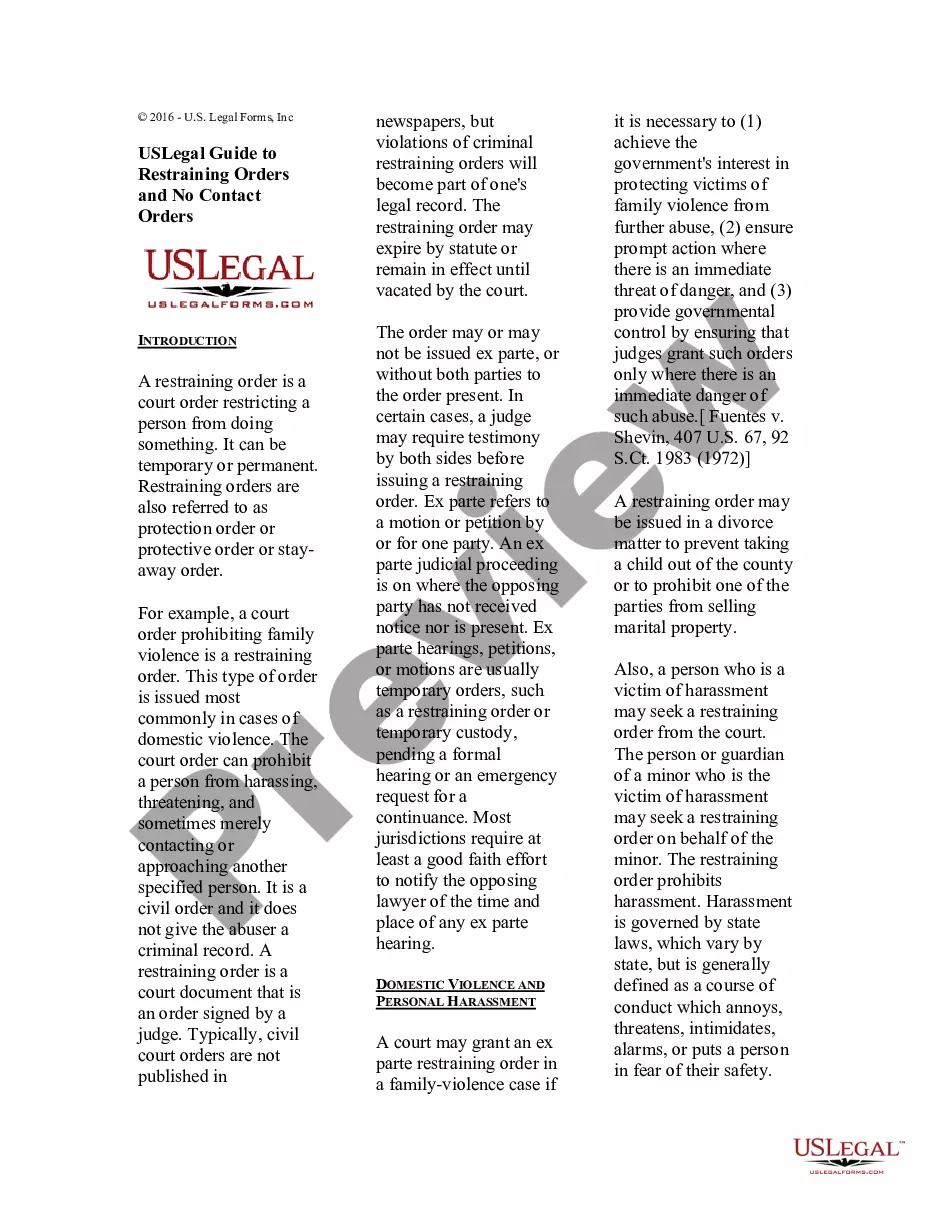
Get your form ready online
Our built-in tools help you complete, sign, share, and store your documents in one place.
Make edits, fill in missing information, and update formatting in US Legal Forms—just like you would in MS Word.
Download a copy, print it, send it by email, or mail it via USPS—whatever works best for your next step.
Sign and collect signatures with our SignNow integration. Send to multiple recipients, set reminders, and more. Go Premium to unlock E-Sign.
If this form requires notarization, complete it online through a secure video call—no need to meet a notary in person or wait for an appointment.
We protect your documents and personal data by following strict security and privacy standards.

Make edits, fill in missing information, and update formatting in US Legal Forms—just like you would in MS Word.

Download a copy, print it, send it by email, or mail it via USPS—whatever works best for your next step.

Sign and collect signatures with our SignNow integration. Send to multiple recipients, set reminders, and more. Go Premium to unlock E-Sign.

If this form requires notarization, complete it online through a secure video call—no need to meet a notary in person or wait for an appointment.

We protect your documents and personal data by following strict security and privacy standards.
Looking for another form?








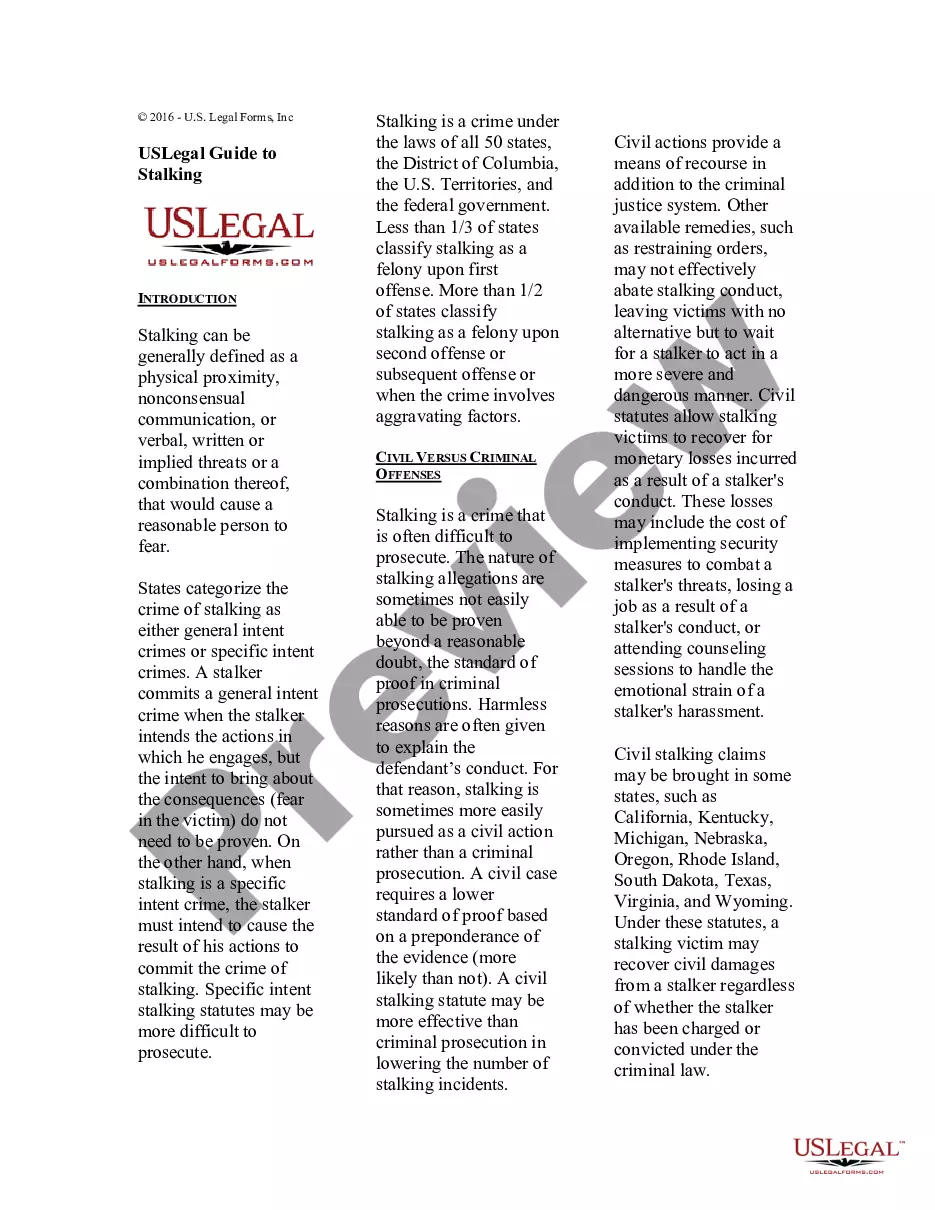
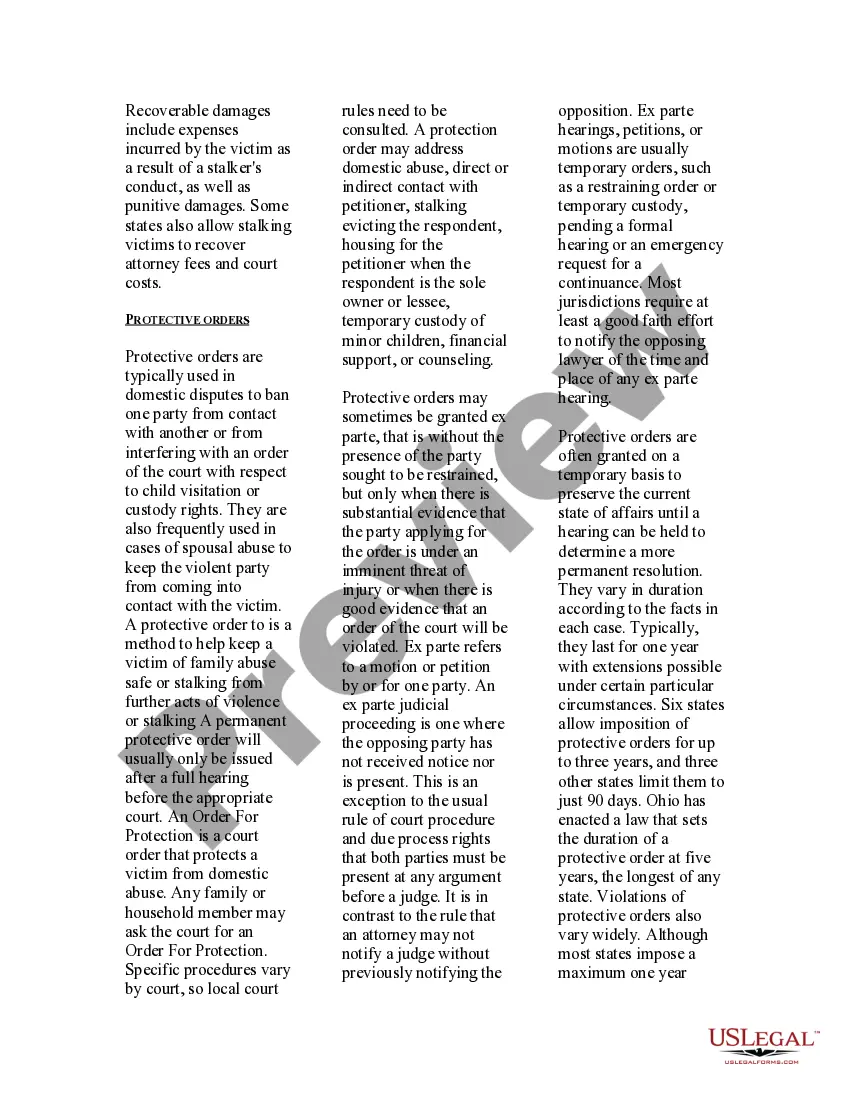
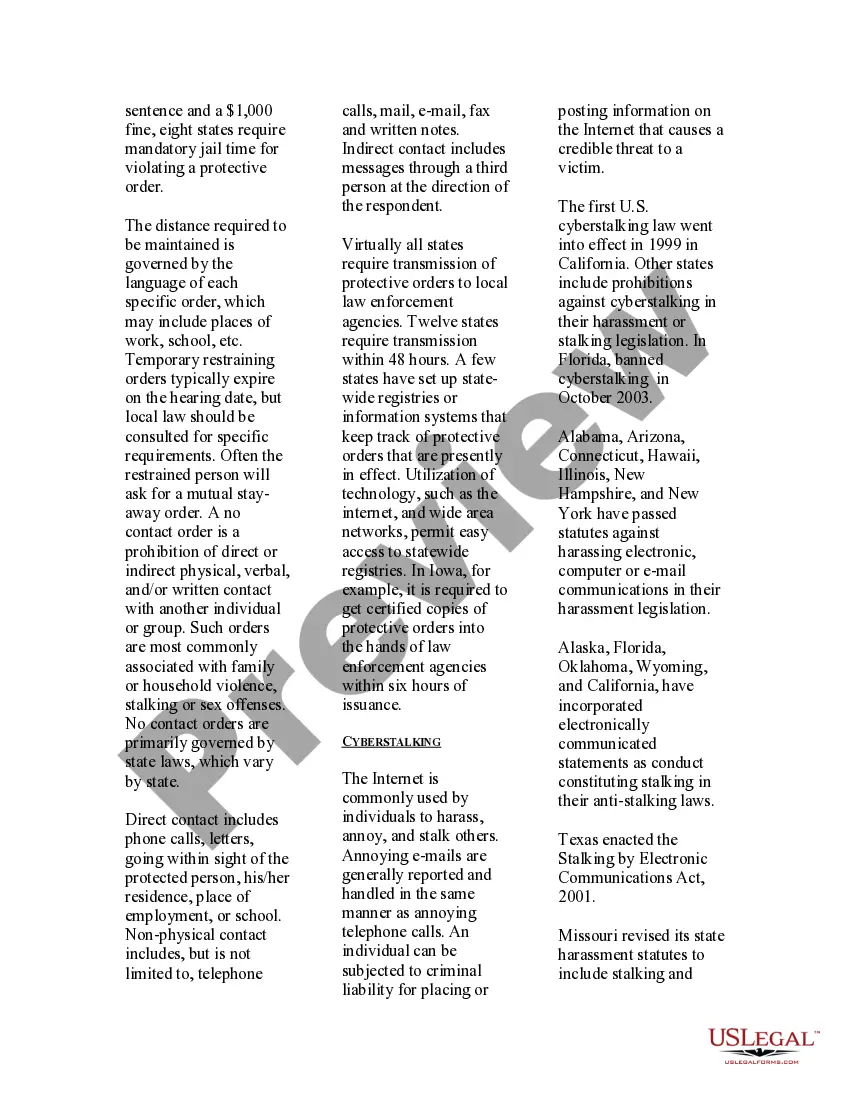
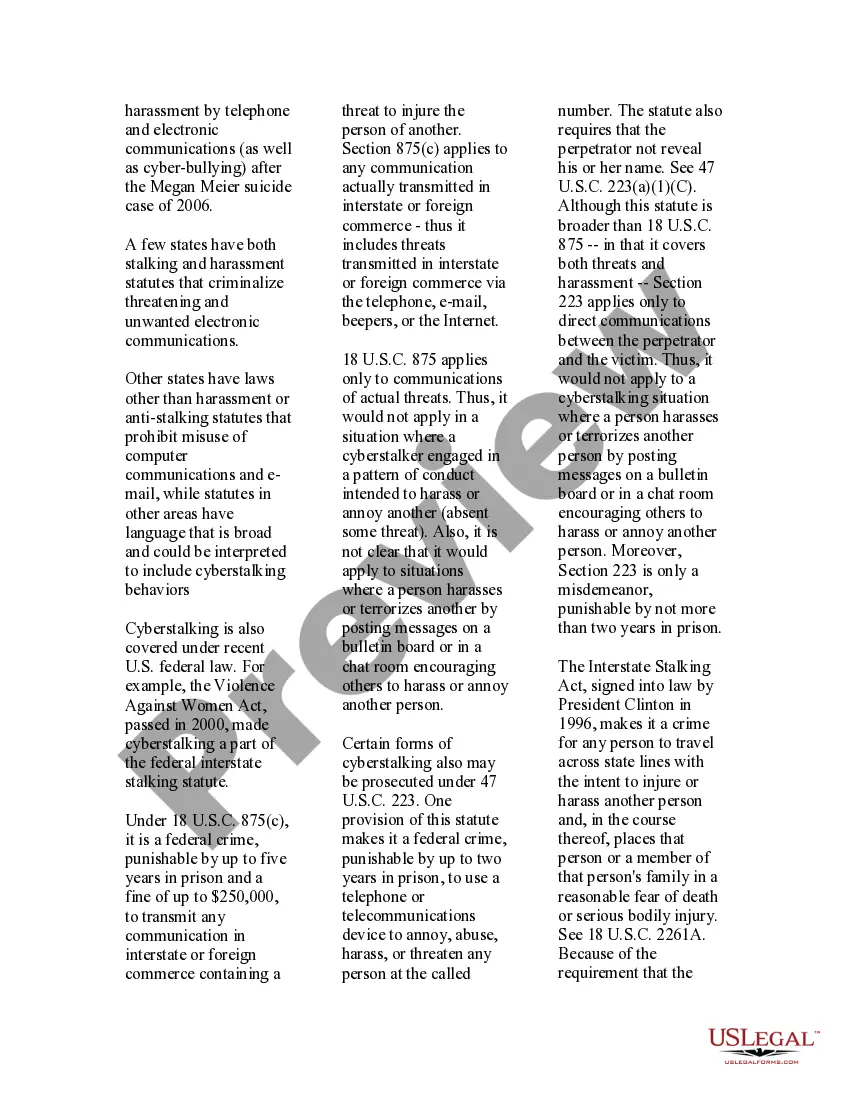
How to fill out USLegal Guide To Stalking?
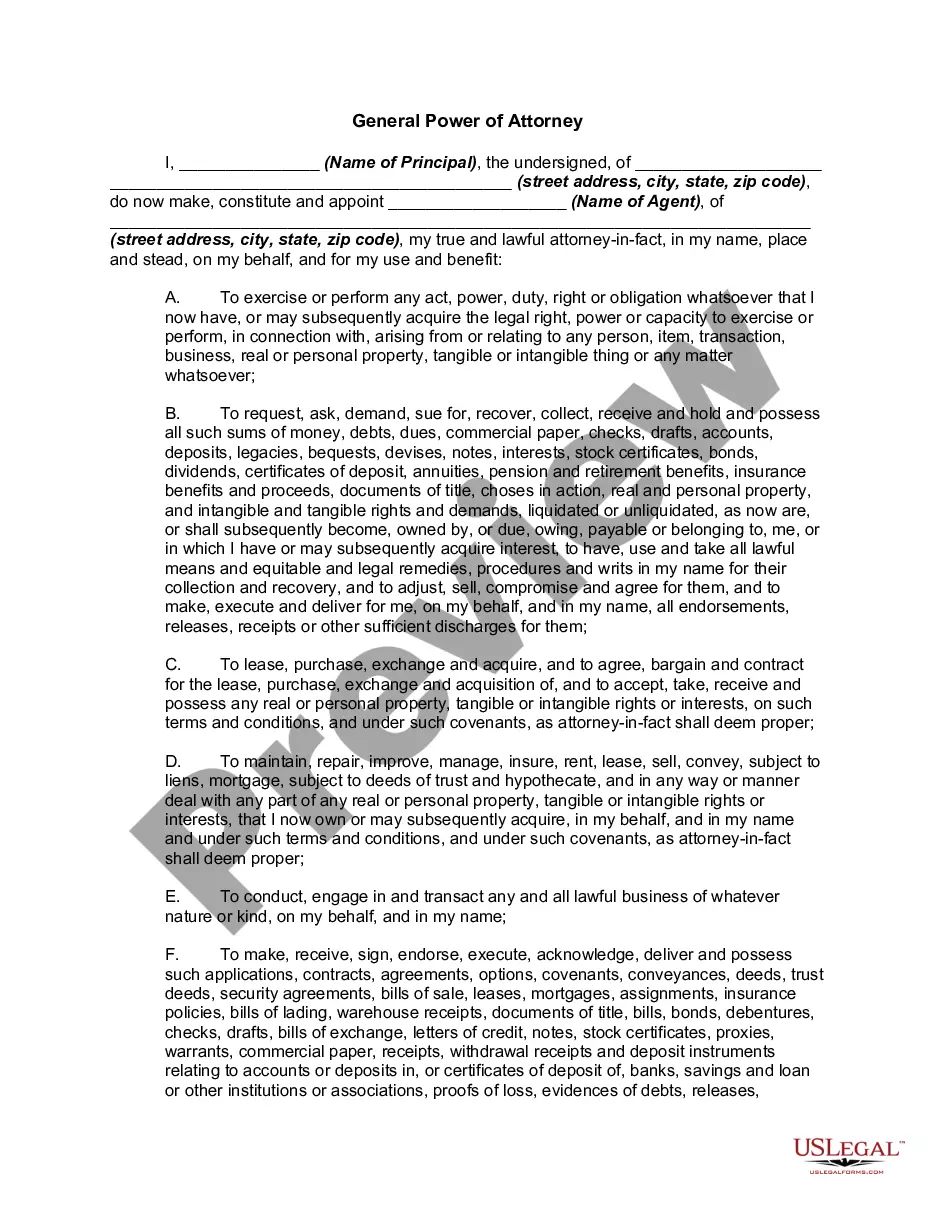
It’s well known that you cannot transform into a legal expert instantly, nor can you swiftly master how to prepare a Restraining Order With Custody without the necessity of specialized knowledge. Assembling legal paperwork is a lengthy endeavor that demands specific training and abilities. So why not entrust the drafting of the Restraining Order With Custody to the experts.
With US Legal Forms, one of the largest collections of legal templates, you can access everything from judicial documents to layouts for internal business correspondence. We understand how vital compliance and adherence to federal and local statutes are. That’s why, on our site, all forms are location-specific and current.
Let’s begin with our website and obtain the document you need in just minutes.
You can regain access to your documents from the My documents tab at any time. If you’re a current client, you can simply Log In, and find and download the template from the same tab.
No matter the reason for your documents—whether financial, legal, or personal—our website has everything you need. Try US Legal Forms today!
- Locate the form you require by utilizing the search feature at the top of the page.
- Preview it (if this option is available) and read the accompanying description to ascertain whether the Restraining Order With Custody is what you seek.
- Restart your search if you require a different document.
- Create a complimentary account and choose a subscription plan to purchase the form.
- Select Buy now. Once the payment is processed, you can acquire the Restraining Order With Custody, fill it out, print it, and send or mail it to the specified individuals or organizations.
Form popularity
FAQ
In New Jersey, to qualify for a restraining order, you must demonstrate that you have experienced domestic violence or threats from someone you have a close relationship with. This can include physical harm, harassment, or stalking. The court evaluates the severity of the situation and the potential risk to your safety. If you are unsure about your eligibility, UsLegalForms can provide helpful information and resources to guide you through the process of obtaining a restraining order with custody considerations.
A restraining order does not automatically override a custody order, but it can impact custody arrangements. Courts will consider the safety of the child and the custodial rights of each parent when making decisions. If you have a restraining order with custody implications, it is crucial to inform the court and seek legal advice on how to proceed. UsLegalForms can assist you in understanding your rights and options within this context.
The first step in filing a restraining order is to gather all necessary information regarding your situation. You should document incidents of harassment or threats, as these details will support your application. Next, visit your local court or legal resource center to obtain the required forms. UsLegalForms provides easy access to these forms and guidance on how to file a restraining order with custody, ensuring you take the right steps.
Co-parenting with someone on whom you have a restraining order can be challenging, but it is possible. Focus on maintaining clear, respectful communication, ideally through a third party or written messages to avoid conflict. Establish boundaries and stick to the agreed-upon custody arrangements, ensuring that the safety of everyone involved remains a priority. Utilizing resources like UsLegalForms can help you navigate the complexities of a restraining order with custody effectively.
Harassment by an ex-spouse coparent includes actions such as repeated threats, unwanted contact, or any behavior that instills fear for your safety. If you experience this type of behavior, it can be grounds for seeking a restraining order with custody. Document any incidents to build a strong case in court.
Managing a malicious coparent can be challenging, but you can take steps to protect yourself and your child. Start by keeping communication professional and focused on your child’s needs. If the behavior escalates, consider filing for a restraining order with custody to address the situation legally and ensure your rights are protected.
Dealing with a harassing co-parent requires a careful approach. First, document all instances of harassment, including dates and descriptions of events. Next, consider speaking with a legal expert about obtaining a restraining order with custody to establish boundaries and protect your well-being.
To secure a restraining order with custody, you need to prove that you face immediate harm or threats from the other parent. The court looks for evidence of harassment, violence, or credible threats. Your situation must demonstrate that a restraining order is necessary to protect you and your child.
Yes, you can seek a restraining order with custody against your coparent if you feel threatened or unsafe. The court will review your situation to determine if the restraining order is necessary to ensure your safety and that of your child. It is essential to present clear evidence of any harassment or threats to support your case.
When a mother prevents a father from seeing their child, it is often referred to as parental alienation. This behavior can have significant emotional effects on both the child and the father. If you suspect this is happening, you may need to explore legal options, such as filing for a restraining order with custody provisions to protect your rights.