Mortgage Service Most Foreclosures
Description
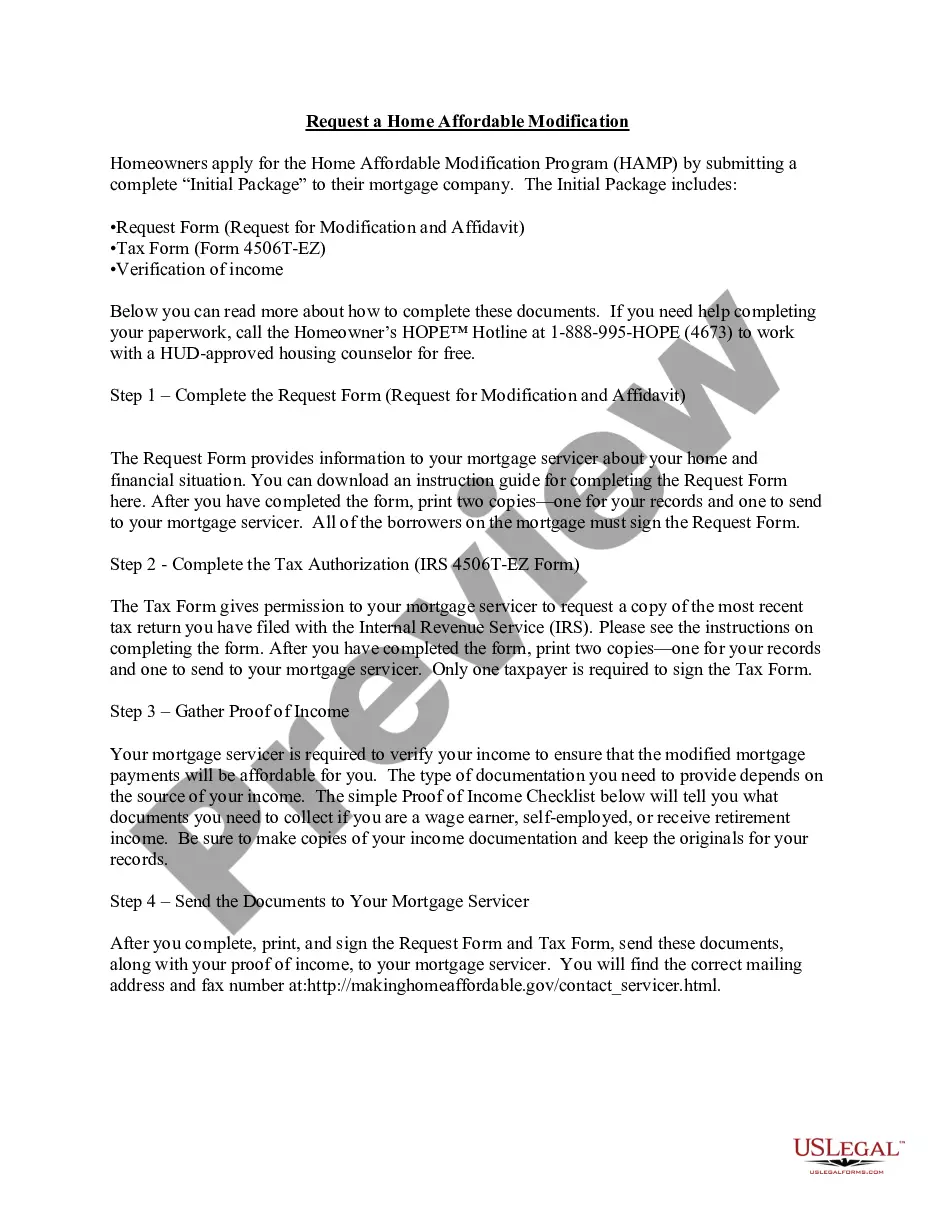
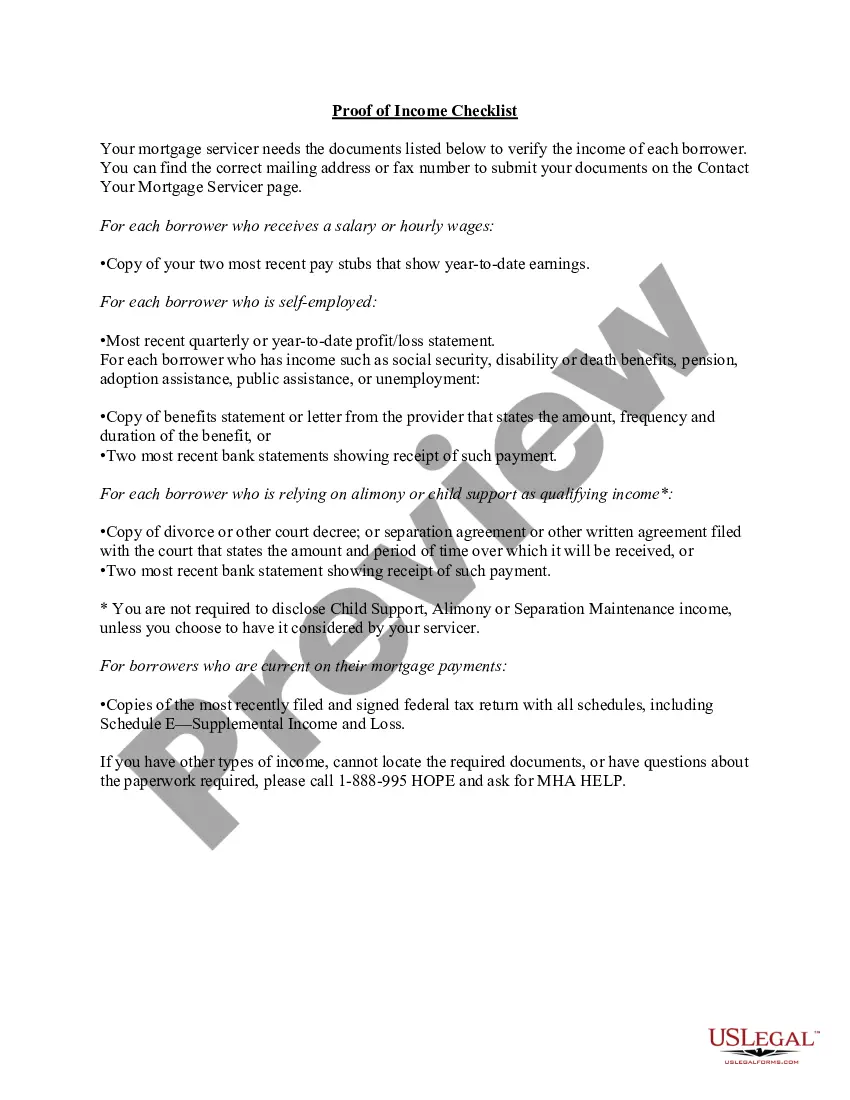
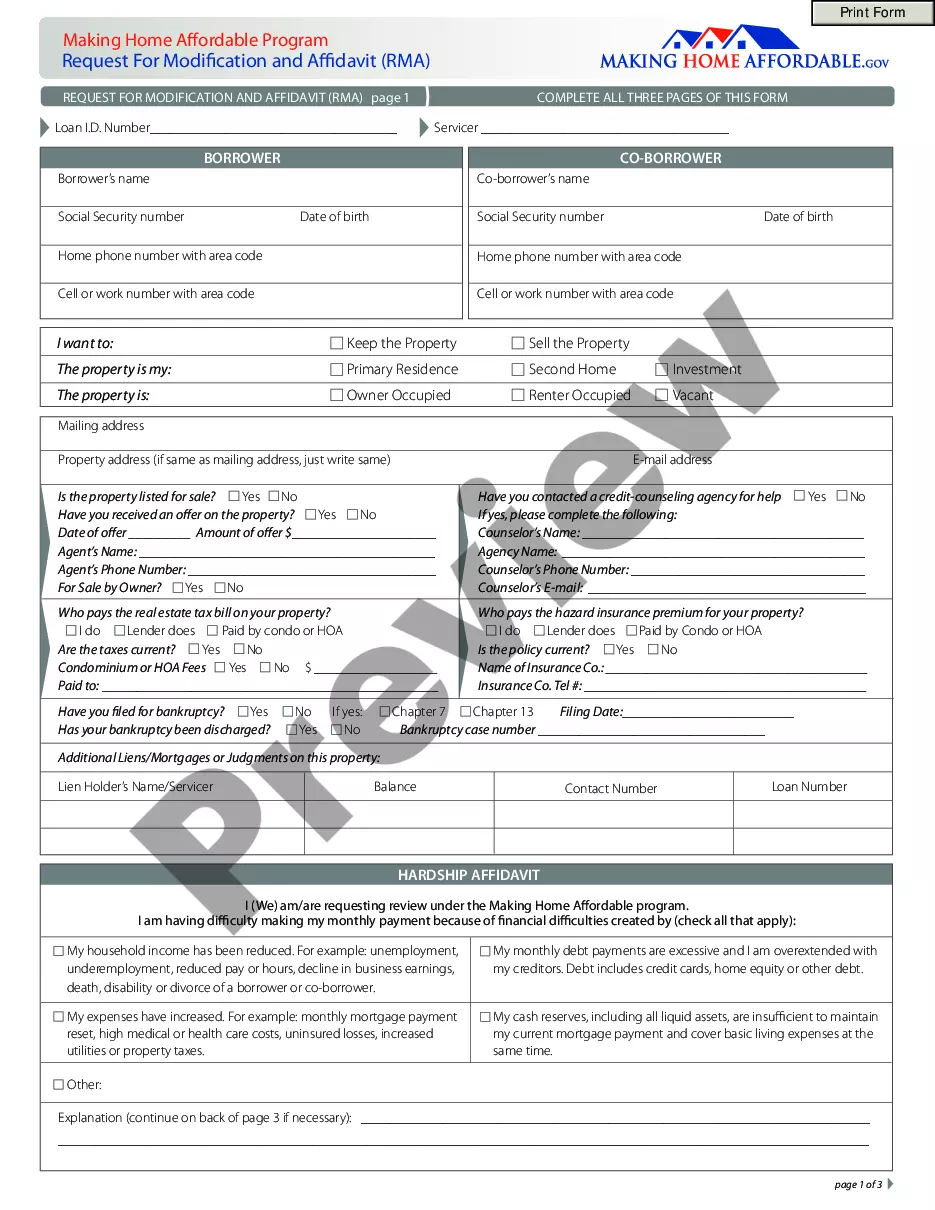
Get your form ready online
Our built-in tools help you complete, sign, share, and store your documents in one place.
Make edits, fill in missing information, and update formatting in US Legal Forms—just like you would in MS Word.
Download a copy, print it, send it by email, or mail it via USPS—whatever works best for your next step.
Sign and collect signatures with our SignNow integration. Send to multiple recipients, set reminders, and more. Go Premium to unlock E-Sign.
If this form requires notarization, complete it online through a secure video call—no need to meet a notary in person or wait for an appointment.
We protect your documents and personal data by following strict security and privacy standards.

Make edits, fill in missing information, and update formatting in US Legal Forms—just like you would in MS Word.

Download a copy, print it, send it by email, or mail it via USPS—whatever works best for your next step.

Sign and collect signatures with our SignNow integration. Send to multiple recipients, set reminders, and more. Go Premium to unlock E-Sign.

If this form requires notarization, complete it online through a secure video call—no need to meet a notary in person or wait for an appointment.

We protect your documents and personal data by following strict security and privacy standards.
Looking for another form?






How to fill out How To Request A Home Affordable Modification Guide?
Regardless of whether it is for corporate objectives or personal concerns, everyone must handle legal issues at some stage in life.
Filling out legal documents requires meticulous care, starting from choosing the right form template.
Once saved, you can fill out the form using editing software or print it out and complete it by hand. With an extensive US Legal Forms catalog available, you will never need to waste time searching for the correct template online. Utilize the library’s user-friendly navigation to find the suitable template for any circumstance.
- Obtain the template you need through the search option or catalog browsing.
- Examine the document’s description to verify it aligns with your situation, state, and locality.
- Select the form’s preview to review it.
- If it is the wrong document, return to the search function to find the Mortgage Service Most Foreclosures sample you need.
- Download the template if it corresponds with your requirements.
- If you possess a US Legal Forms account, simply click Log in to access previously saved templates in My documents.
- If you don’t have an account yet, you can acquire the form by clicking Buy now.
- Choose the suitable pricing alternative.
- Complete the account registration form.
- Select your payment method: use a credit card or PayPal.
- Choose the desired file format and download the Mortgage Service Most Foreclosures.
Form popularity
FAQ
Most mortgages have a power of sale clause, so lenders can foreclose without going to court (non-judicial). These are the most common type of foreclosures in California.
A mortgage servicer may not make a first notice or filing for foreclosure until the borrower is more than 120 days delinquent. The 120-day period under the rules is designed to give borrowers time to learn about workout options and file an application for mortgage assistance.
Major reasons for foreclosures are: Job loss or reduction in income. Debt, particularly credit card debt. Medical emergency or illness resulting in a lot of medical debt. Divorce, or death of a spouse or partner who contributed income.
A reinstatement is the simplest solution for a foreclosure, however it is often the most difficult. The homeowner simply requests the total amount owed to the mortgage company to date and pays it.
Judicial Foreclosure This is the most common type of foreclosure. It is allowed in every state and in some states it is required. It involves the sale of the mortgaged property on which the borrower has defaulted on his loan repayment obligations. The sale occurs under judicial supervision.