Business Partnership Agreement
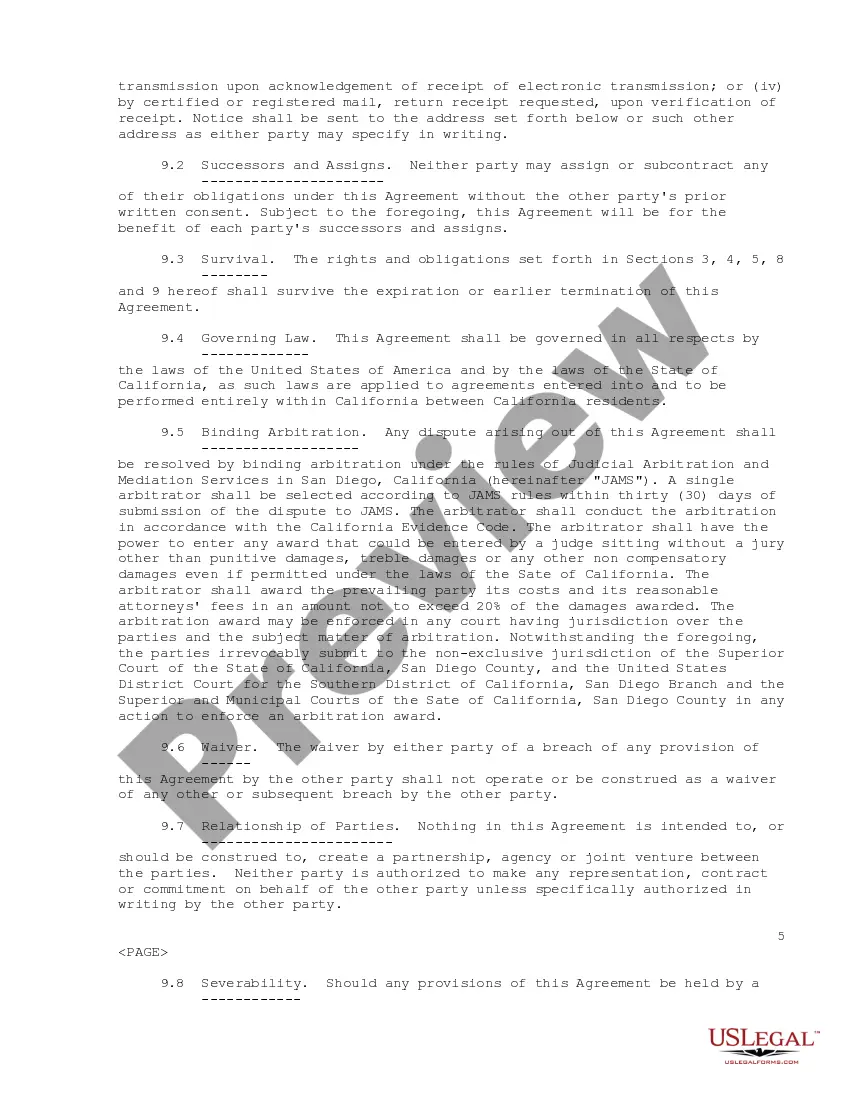
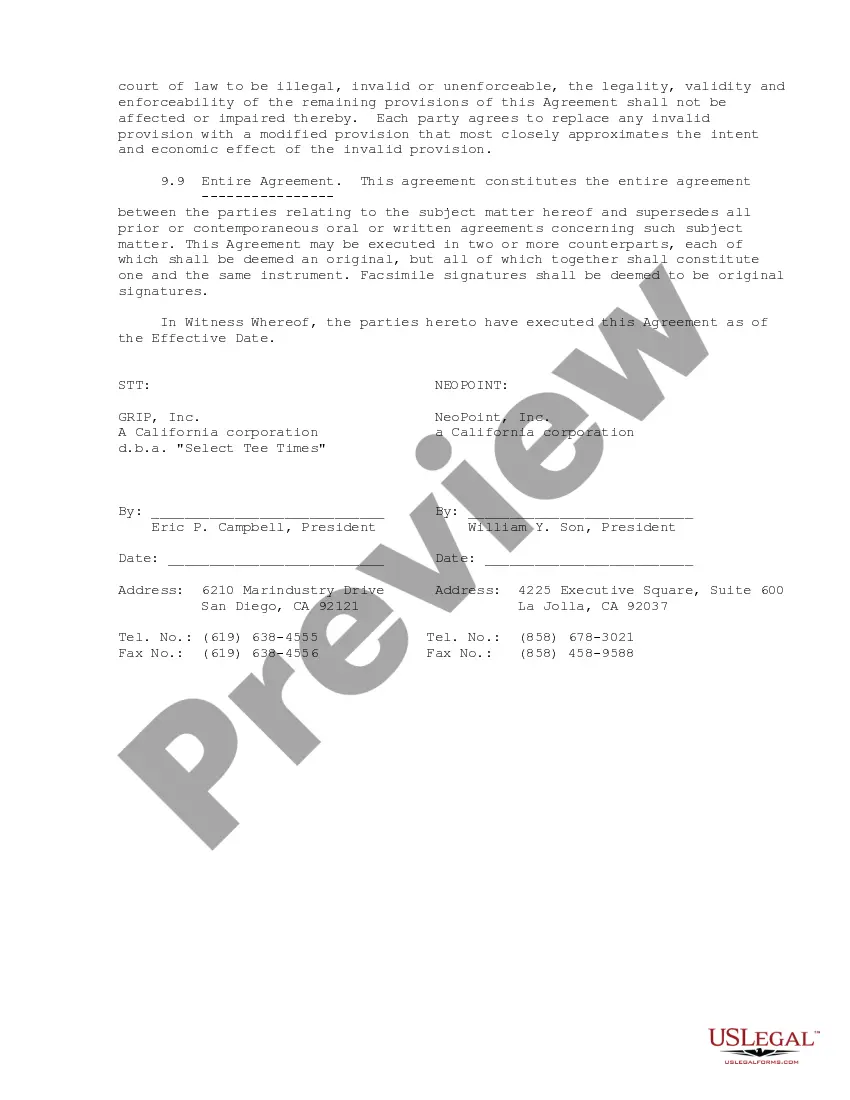
Description
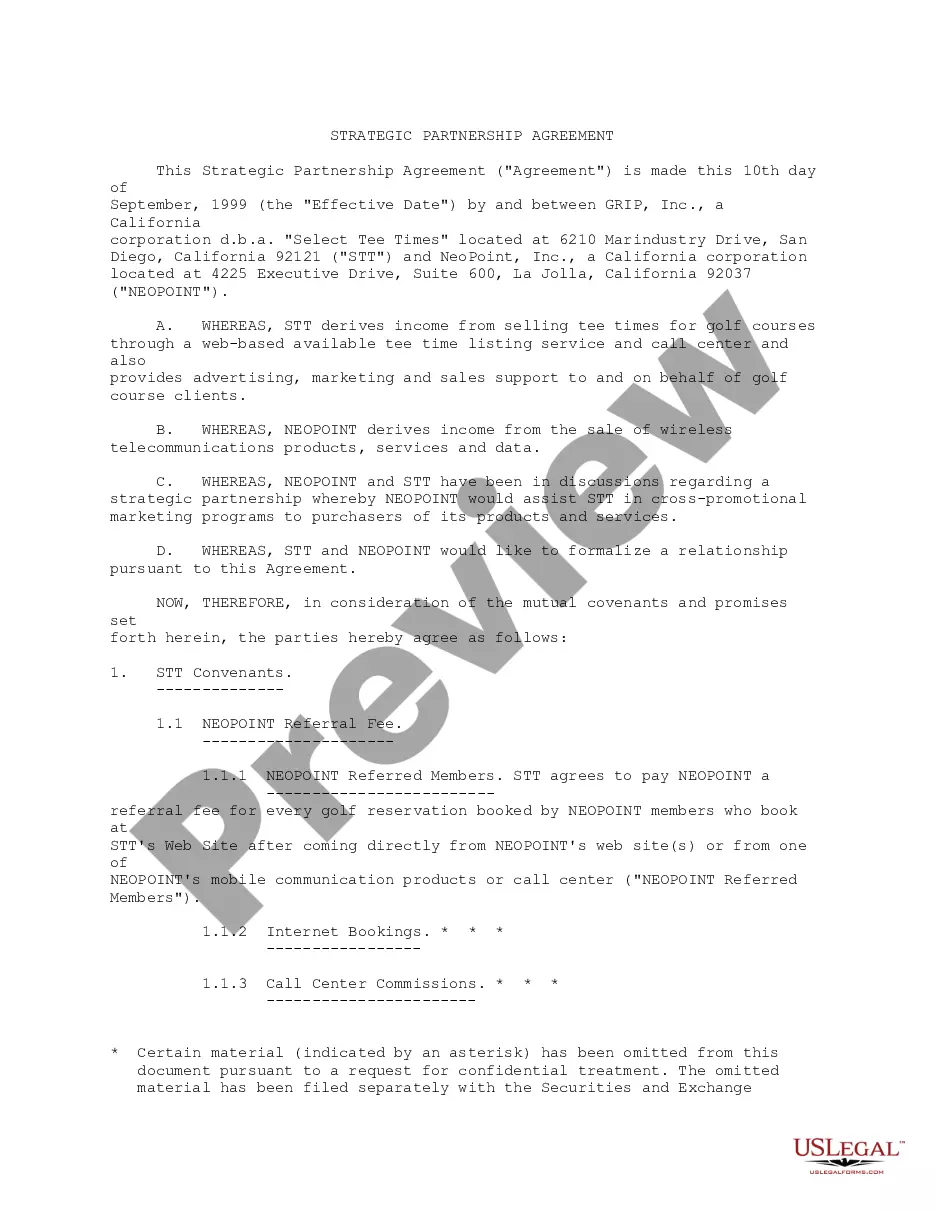
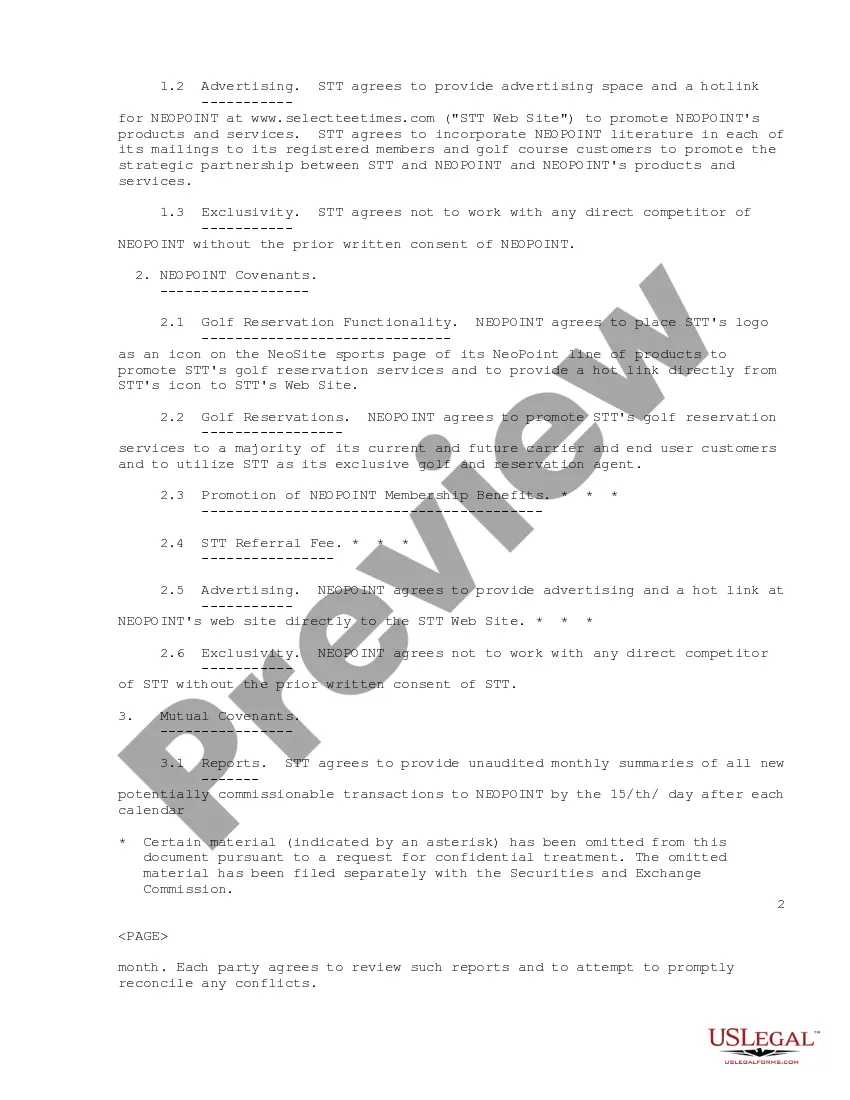
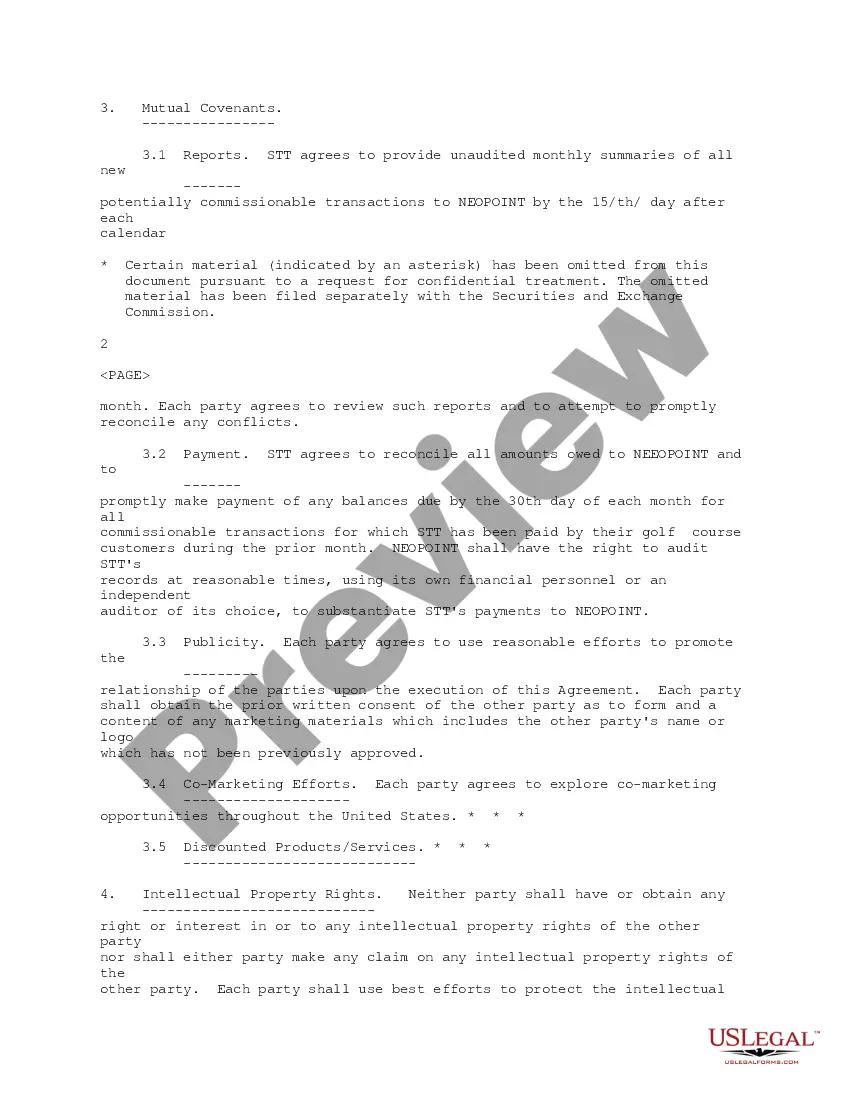
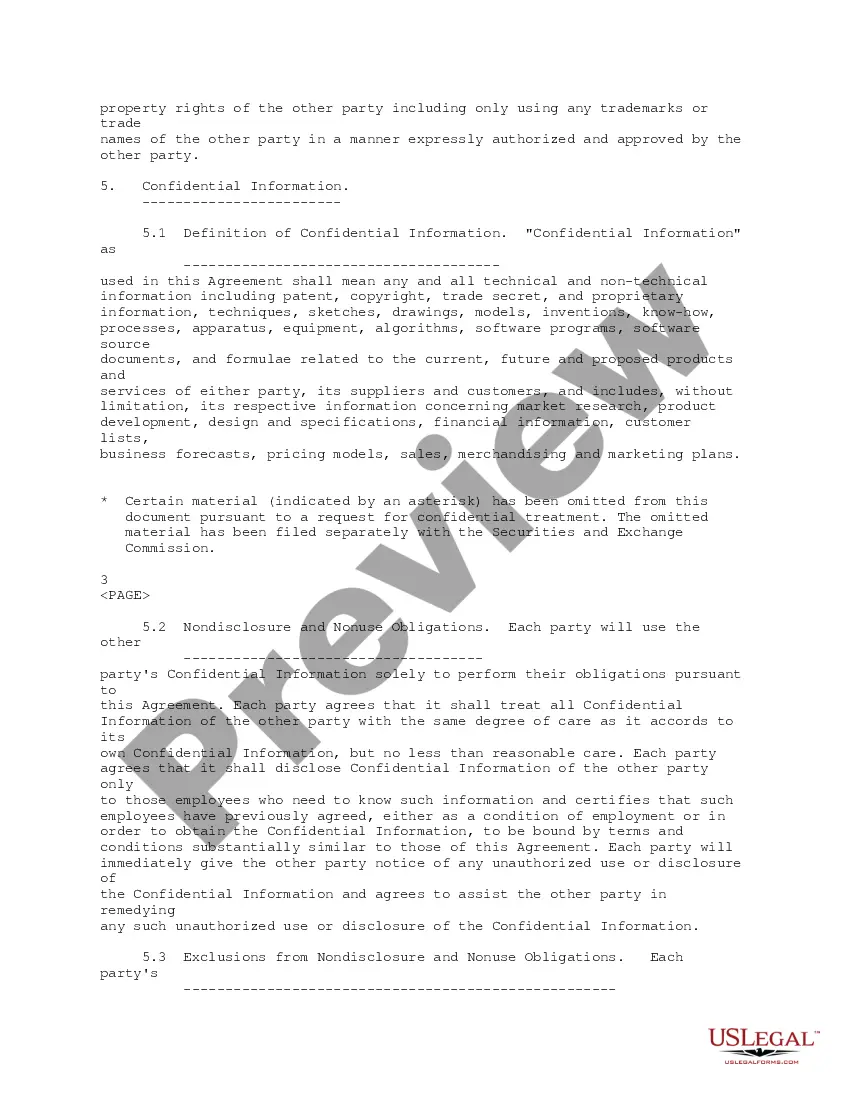
Get your form ready online
Our built-in tools help you complete, sign, share, and store your documents in one place.
Make edits, fill in missing information, and update formatting in US Legal Forms—just like you would in MS Word.
Download a copy, print it, send it by email, or mail it via USPS—whatever works best for your next step.
Sign and collect signatures with our SignNow integration. Send to multiple recipients, set reminders, and more. Go Premium to unlock E-Sign.
If this form requires notarization, complete it online through a secure video call—no need to meet a notary in person or wait for an appointment.
We protect your documents and personal data by following strict security and privacy standards.

Make edits, fill in missing information, and update formatting in US Legal Forms—just like you would in MS Word.

Download a copy, print it, send it by email, or mail it via USPS—whatever works best for your next step.

Sign and collect signatures with our SignNow integration. Send to multiple recipients, set reminders, and more. Go Premium to unlock E-Sign.

If this form requires notarization, complete it online through a secure video call—no need to meet a notary in person or wait for an appointment.

We protect your documents and personal data by following strict security and privacy standards.
Looking for another form?
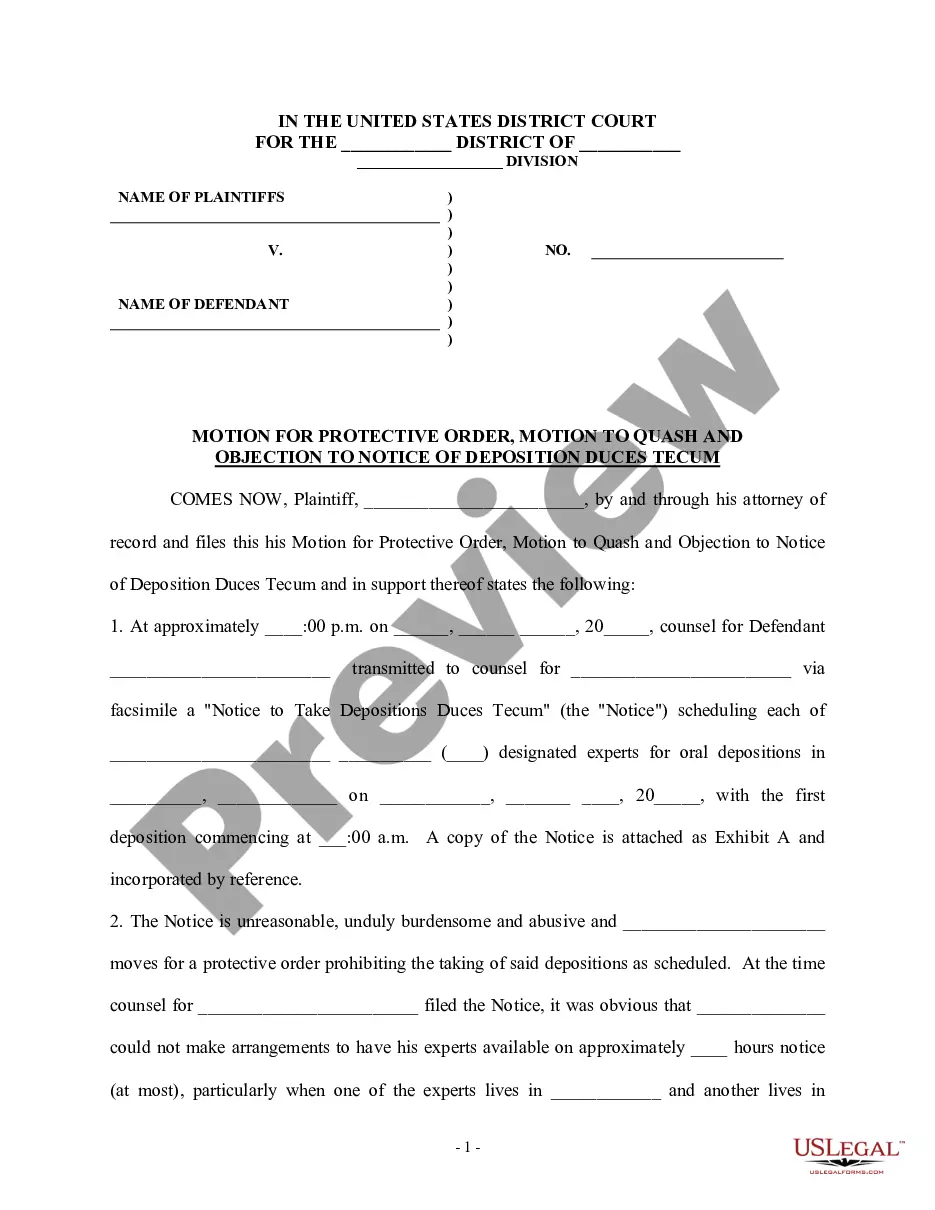






How to fill out Sample Partnership Agreement?
- If you're a returning user, log in to access your account and download the necessary document by clicking the Download button. Ensure your subscription is active, or renew it as per your payment plan.
- For first-time users, start by exploring the Preview mode and form descriptions. Verify you choose the correct business partnership agreement that aligns with your local jurisdiction.
- If needed, use the Search tab to find additional templates. If you find any discrepancies, look for alternatives until you find the right one to proceed with.
- Once you've found your document, click the Buy Now button and select your preferred subscription plan. You will need to create an account for full access to the library's resources.
- Complete your purchase by entering your credit card information or using PayPal to secure your subscription.
- After payment, download your business partnership agreement to your device. You can revisit the My Forms section of your profile at any time to access it again.
With US Legal Forms, users benefit from an extensive library of over 85,000 fillable legal documents, making it easier to find the exact form needed while ensuring compliance with state laws.
In conclusion, drafting a business partnership agreement is vital for your entrepreneurial endeavors. Utilize US Legal Forms today to empower your business journey, and don’t hesitate to explore their resources for expert assistance.
Form popularity
FAQ
Filing an LLC partnership requires you to complete several steps, including drafting your partnership agreement and filing the necessary paperwork with your state's Secretary of State. Include essential information such as the name of your LLC and the names of the partners involved. By utilizing platforms like uslegalforms, you can streamline this process and ensure your business partnership agreement is properly filed, giving your partnership a solid foundation.
To set up a business partnership agreement, first, discuss the terms with your partner or partners. Clearly define essential aspects such as roles, contributions, and dispute resolution methods. Once everyone agrees, you can formalize the document using templates available online, like those offered by uslegalforms, to ensure that your partnership agreement meets legal requirements and protects your interests.
Writing a simple business partnership agreement involves outlining the key elements of your partnership, including the contributions of each partner, profit-sharing ratios, and decision-making processes. Start by drafting a document that clearly states each partner's responsibilities and obligations. A well-crafted agreement can prevent disputes and misunderstandings while helping your business thrive.
In business, there are generally four types of partnerships: general partnerships, limited partnerships, limited liability partnerships, and joint ventures. Each type has distinct features that affect liability and responsibility. A business partnership agreement defines the terms and conditions of your chosen partnership type, ensuring clarity and protection for all parties involved.
One disadvantage of a partnership is shared liability, where partners may be held responsible for each other's actions. Additionally, decision-making can become complicated if partners have differing opinions. Thirdly, profit sharing can lead to disputes if expectations are not managed well. Also, partnerships may face difficulties in raising capital, as lenders often prefer structured entities like LLCs. Lastly, a partner's exit can disrupt the business unless plans are established in the partnership agreement.
The main purpose of a partnership agreement is to establish a clear framework for business operations and partner relations. This document helps prevent misunderstandings and conflicts by detailing decision-making processes, profit distribution, and procedures for adding or removing partners. Overall, a well-crafted business partnership agreement serves as a guide to ensure a smooth collaboration.
A partnership agreement is specifically tailored for businesses run by two or more individuals, detailing their roles and profit-sharing. On the other hand, an LLC, or Limited Liability Company, provides personal liability protection to its owners while allowing for flexible management structures. In essence, a partnership agreement governs operational dynamics, while an LLC also offers protection against personal financial risk.
A business partnership agreement is a legal document that outlines the responsibilities and rights of each partner in a business. This agreement helps define how profits and losses will be shared, how decisions will be made, and how disputes will be resolved. By clarifying these elements, a business partnership agreement promotes transparency and trust among partners.
The four main types of partnerships include general partnerships, limited partnerships, limited liability partnerships, and joint ventures. Each type offers different levels of liability and management structure, so it's crucial to choose the one that fits your business needs. Understanding these options can help you create a more effective business partnership agreement that aligns with your goals.
Setting up a business partnership agreement requires you and your partners to discuss and document key decisions. Start by defining each partner's contributions, responsibilities, and the profit-sharing structure. Use USLegalForms to customize your agreement template, making sure to include terms that address future situations, such as the exit of a partner or changes in ownership.