Secured Party Creditor For Dummies
Description
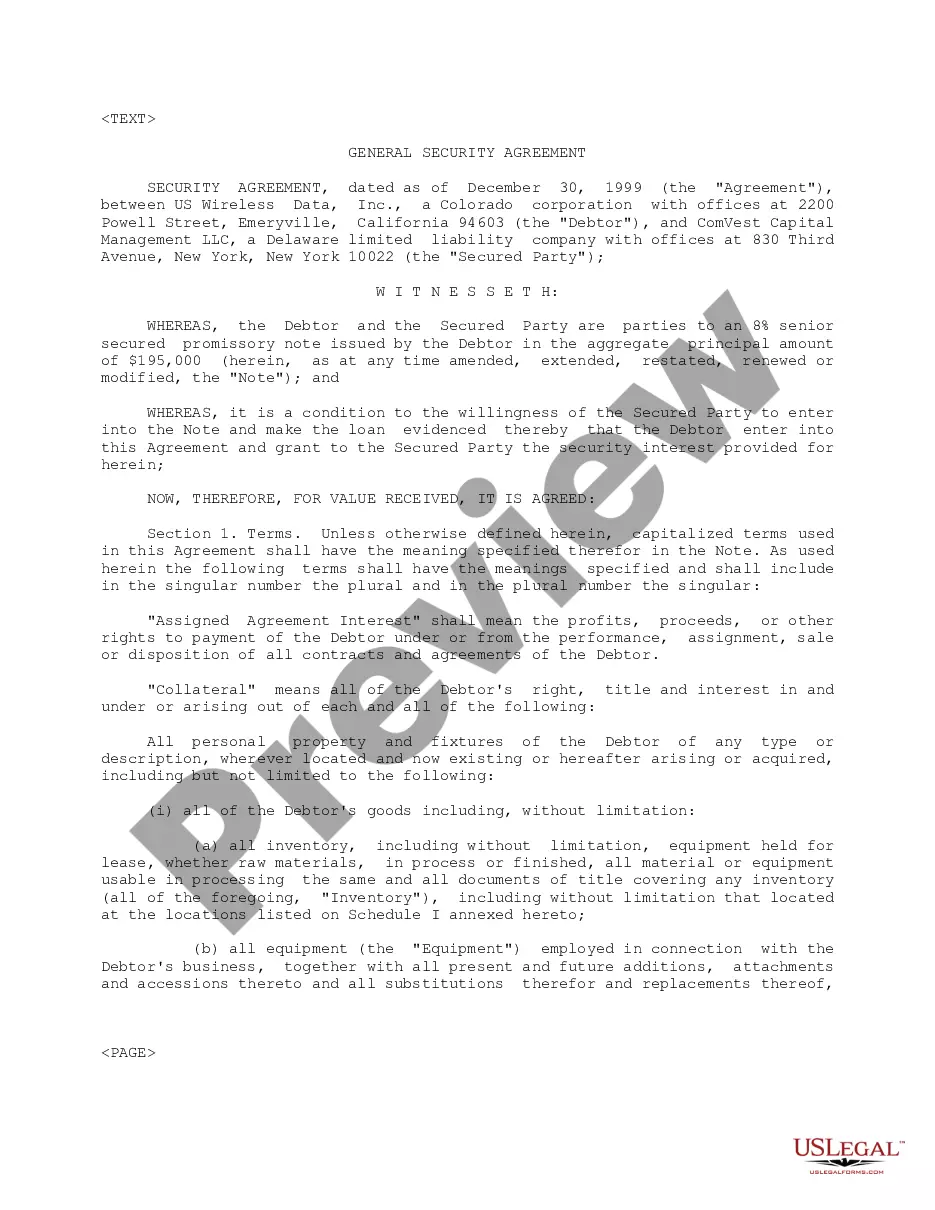
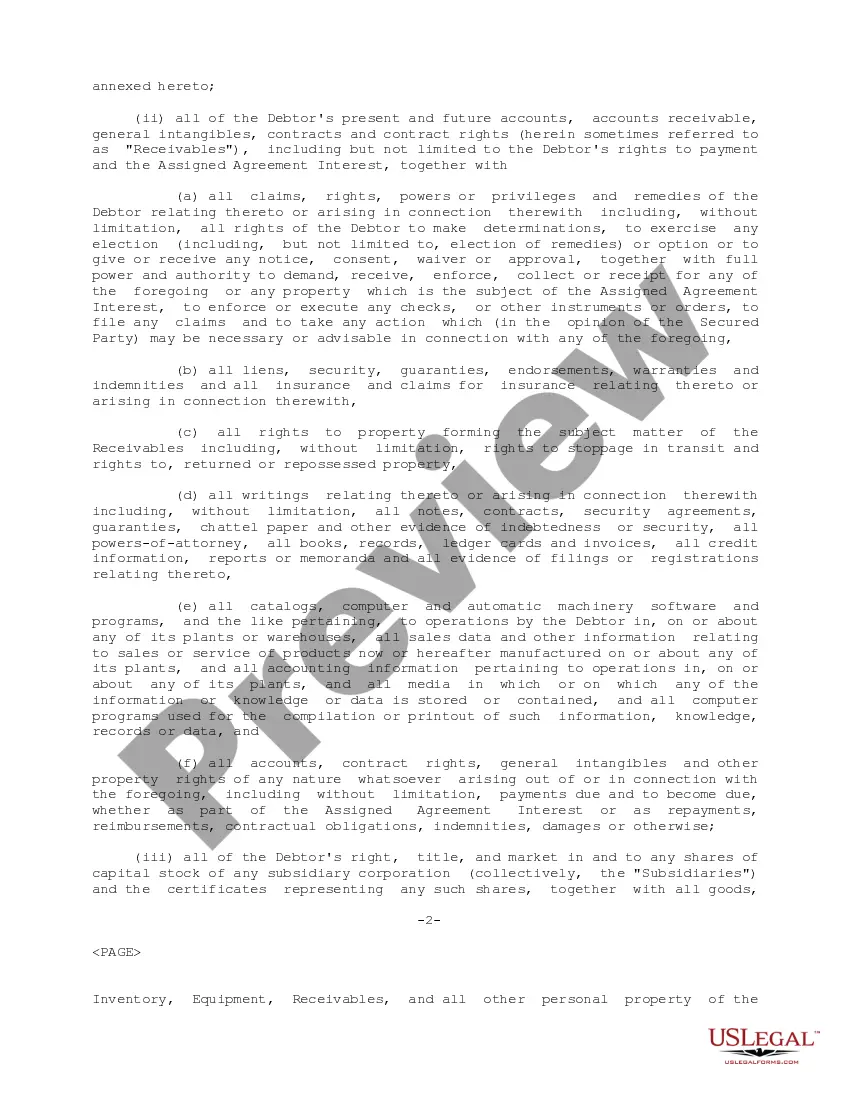
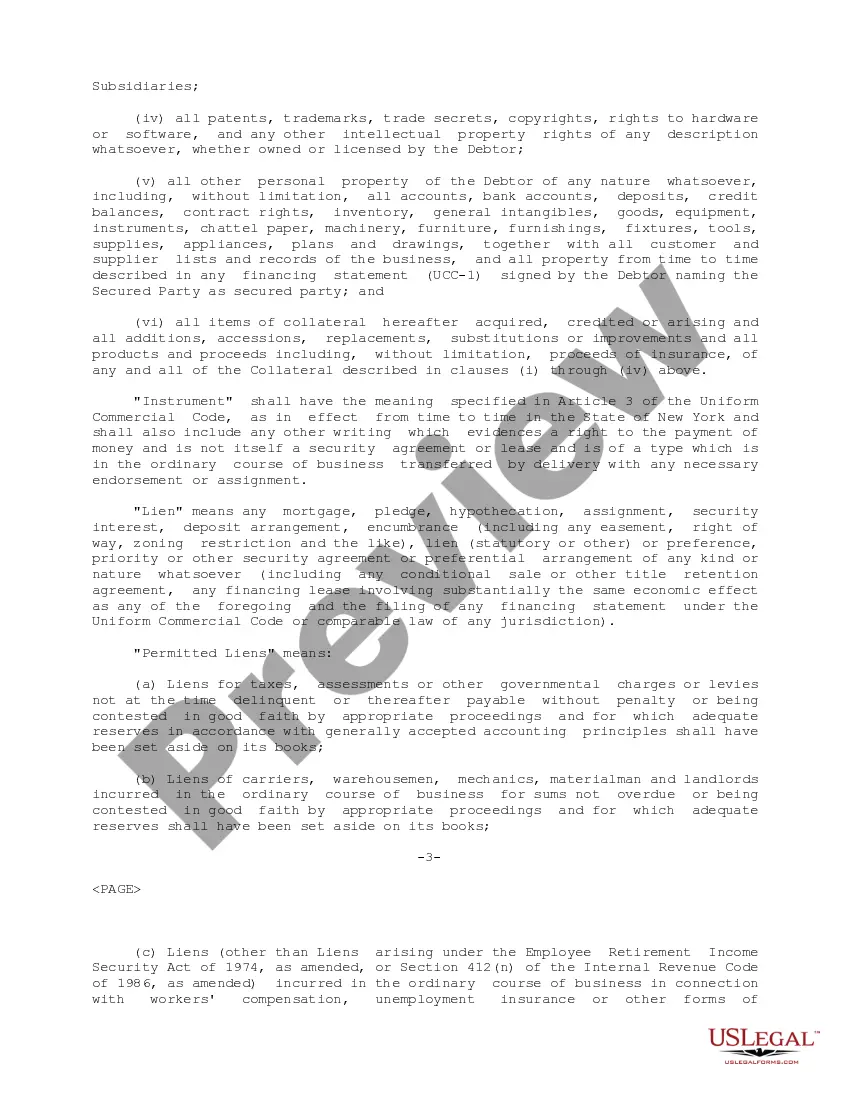
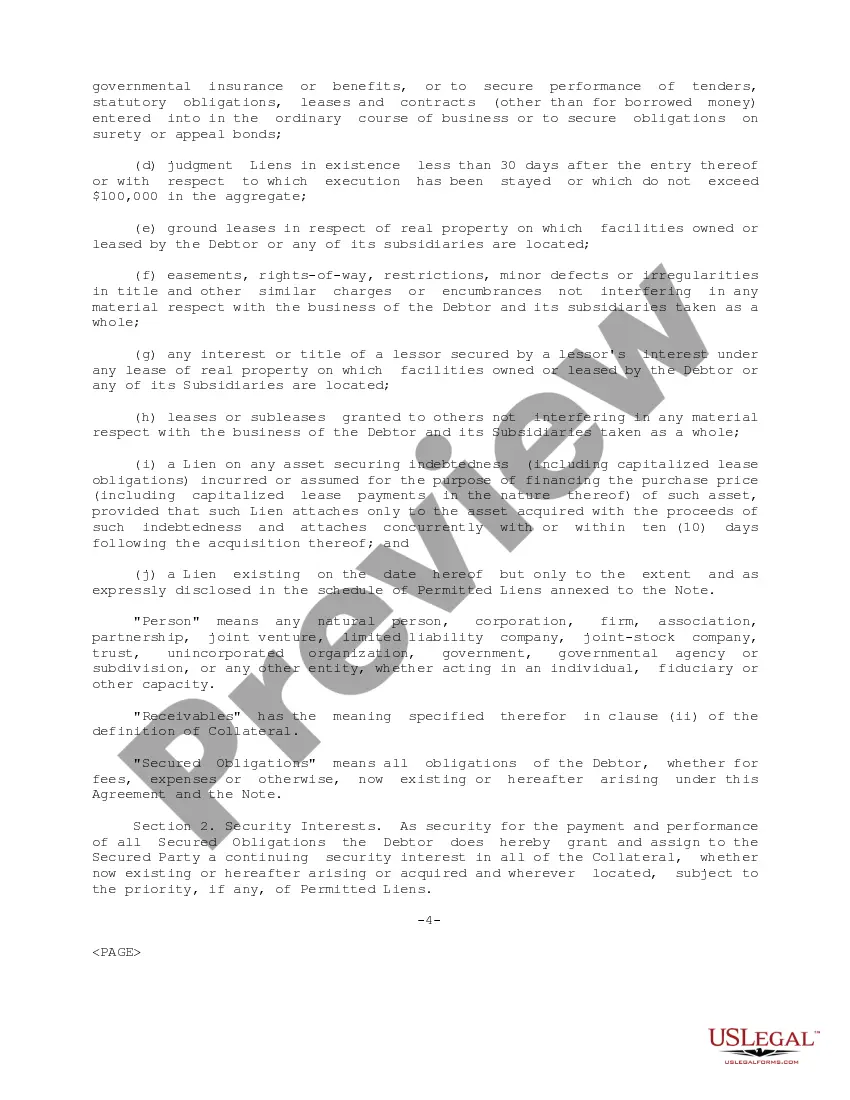




Get your form ready online
Our built-in tools help you complete, sign, share, and store your documents in one place.
Make edits, fill in missing information, and update formatting in US Legal Forms—just like you would in MS Word.
Download a copy, print it, send it by email, or mail it via USPS—whatever works best for your next step.
Sign and collect signatures with our SignNow integration. Send to multiple recipients, set reminders, and more. Go Premium to unlock E-Sign.
If this form requires notarization, complete it online through a secure video call—no need to meet a notary in person or wait for an appointment.
We protect your documents and personal data by following strict security and privacy standards.

Make edits, fill in missing information, and update formatting in US Legal Forms—just like you would in MS Word.

Download a copy, print it, send it by email, or mail it via USPS—whatever works best for your next step.

Sign and collect signatures with our SignNow integration. Send to multiple recipients, set reminders, and more. Go Premium to unlock E-Sign.

If this form requires notarization, complete it online through a secure video call—no need to meet a notary in person or wait for an appointment.

We protect your documents and personal data by following strict security and privacy standards.
Looking for another form?

How to fill out General Security Agreement Granting Secured Party Secured Interest?
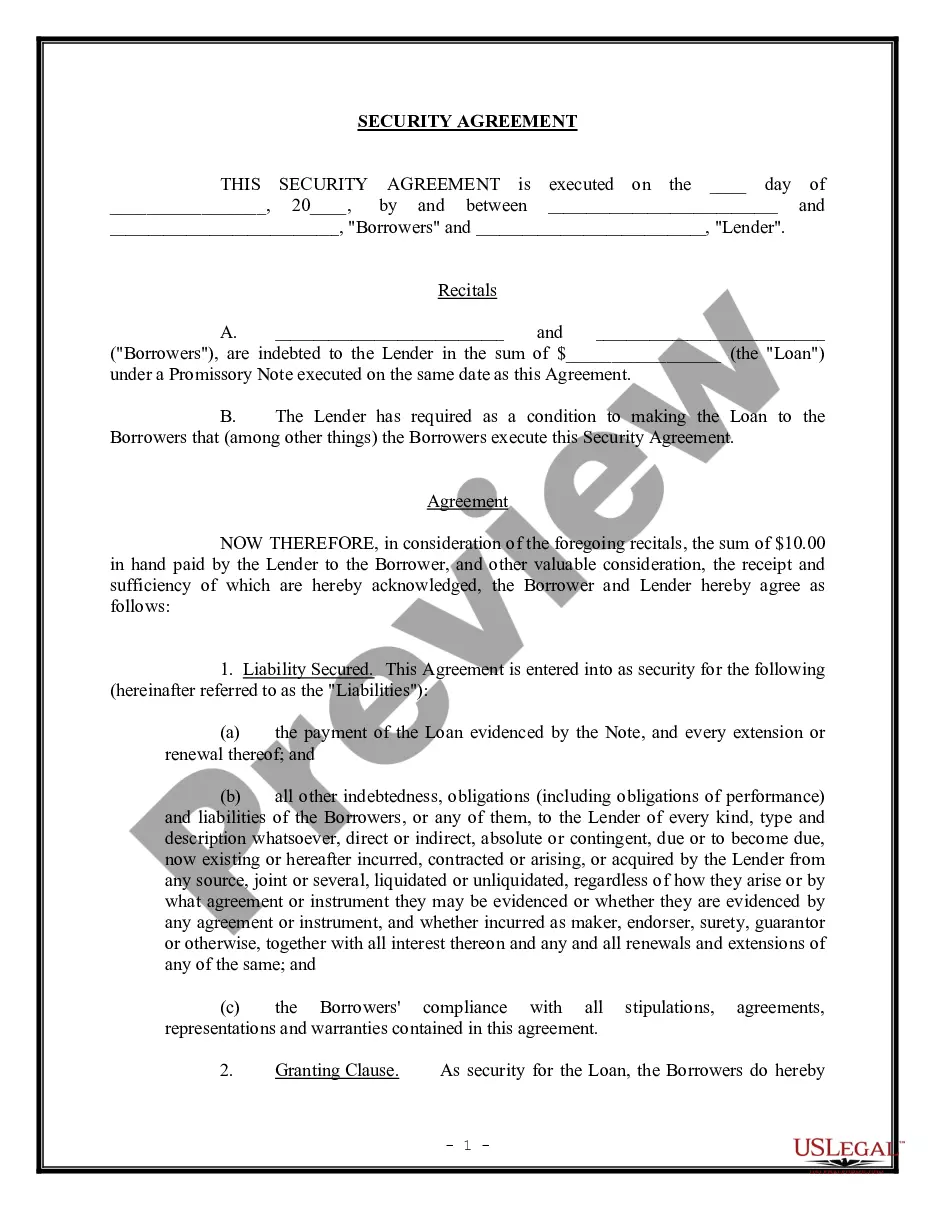
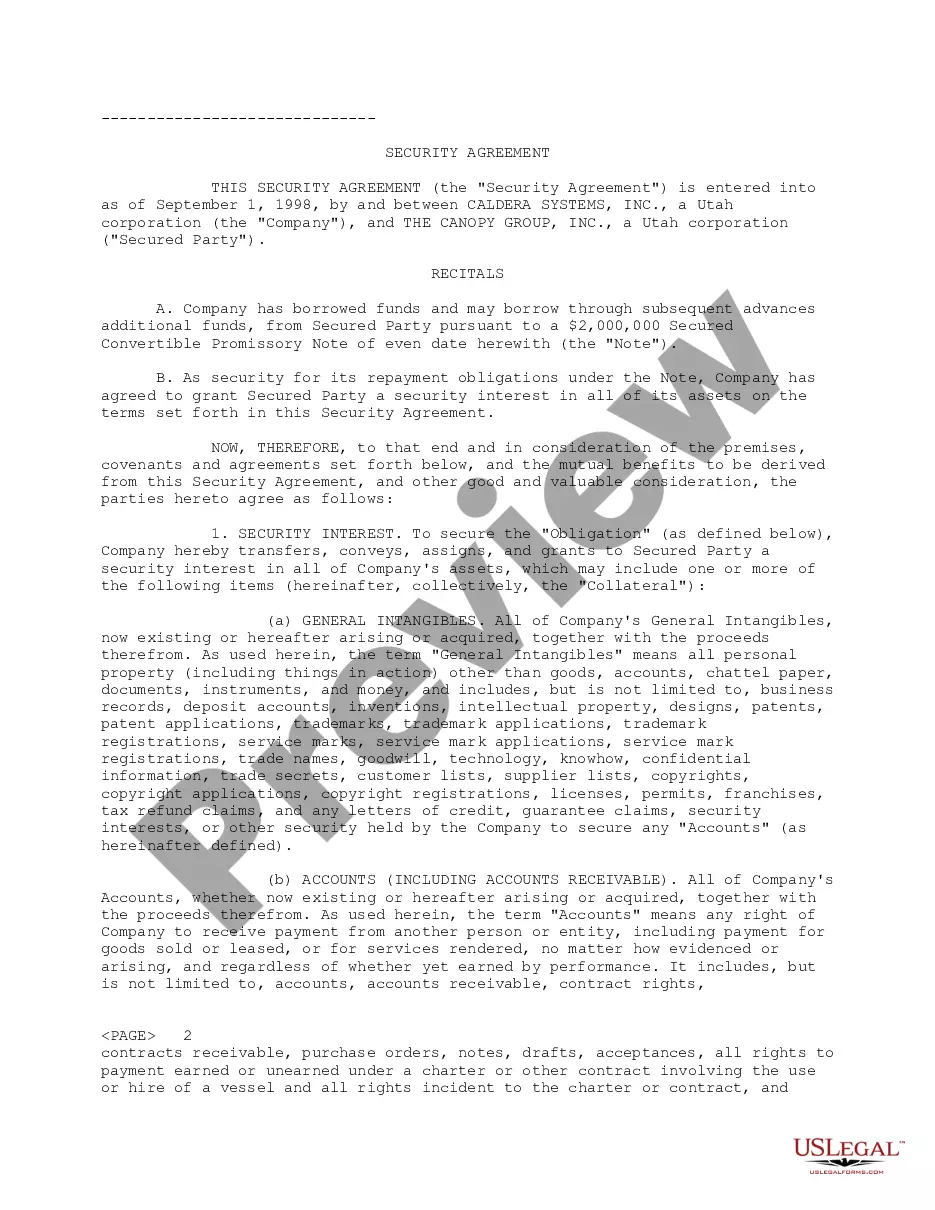
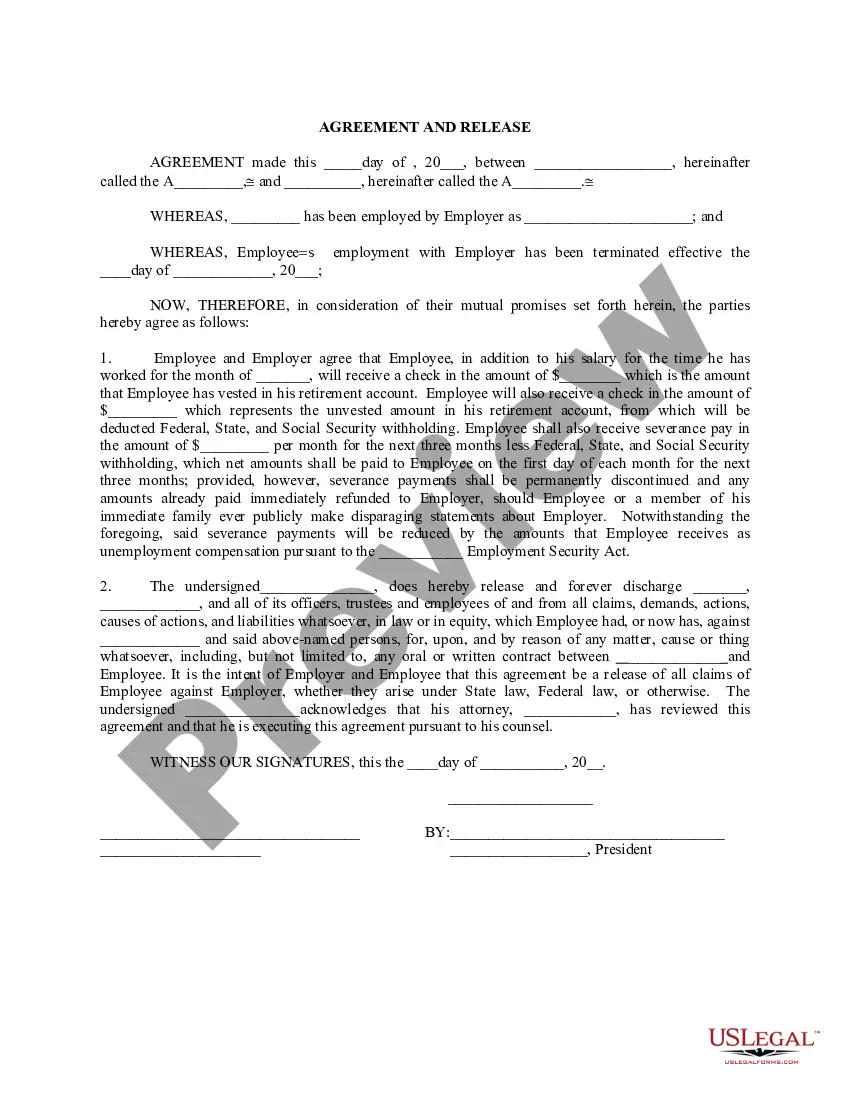
The Secured Party Creditor For Beginners that you see on this page is a reusable official template created by expert attorneys in compliance with federal and state regulations.
For over 25 years, US Legal Forms has supplied individuals, organizations, and legal professionals with more than 85,000 authenticated, state-specific documents for any corporate and personal situation. It’s the fastest, most direct, and most trustworthy method to access the records you require, as the service ensures the utmost level of data protection and anti-malware safety.
Utilize the same document again whenever necessary. Access the My documents section in your account to redownload any previously saved documents. Subscribe to US Legal Forms for verified legal templates available for all of life’s situations.
- Search for the document you require and review it.
- Browse through the example you looked for and preview it or examine the form description to verify it meets your requirements. If it doesn’t, use the search bar to find the correct one. Click Buy Now when you have located the template you need.
- Choose a pricing plan that works for you and create an account. Use PayPal or a credit card for a swift payment. If you already possess an account, Log In and review your subscription to proceed.
- Select the format you desire for your Secured Party Creditor For Beginners (PDF, Word, RTF) and download the example to your device.
- Print the template to finish it by hand. Alternatively, use an online multifunctional PDF editor to quickly and accurately complete and sign your form with a legally binding electronic signature.
Form popularity
FAQ
To operate as a secured party creditor, you first need to understand the fundamental concepts surrounding secured transactions. This involves filing a financing statement to establish your rights against a debtor's collateral. It’s also crucial to keep accurate records of your agreements and to understand the rights you possess in relation to the debtor. Engaging with resources tailored for beginners, like our 'Secured party creditor for dummies,' can greatly simplify this process and provide the clarity you need.
For a creditor to have an enforceable security interest, three key requirements must be met: the security agreement must be in place, the creditor must have possession or control of the collateral, and the debtor must have rights in the collateral. Meeting these criteria will solidify your position as a secured party creditor. This fundamental knowledge is vital for anyone exploring secured transactions as secured party creditors for dummies.
As a secured party creditor, you have the ability to take possession of collateral if the borrower defaults on their obligations. Additionally, you can enforce your rights through legal action if necessary, which protects your investment. This role is essential in understanding financial transactions, especially for those diving into the topic as secured party creditors for dummies.
Secured creditors include banks, credit unions, and various financial institutions that provide loans backed by collateral. Additionally, individual lenders who finance large purchases, such as cars or real estate, can also fall into this category. By holding a security interest, these creditors reduce their risk in lending. Understanding who can be a secured party creditor for dummies can help you navigate financial agreements more effectively.
To become a secured creditor, you need to establish a security interest in an asset belonging to a borrower. This often involves creating a legally binding agreement that outlines your rights to the asset if the borrower defaults. Once this is done, you should also file a UCC-1 financing statement to publicly document your secured status. This process ensures that you are recognized as a secured party creditor for dummies and have priority over other creditors.
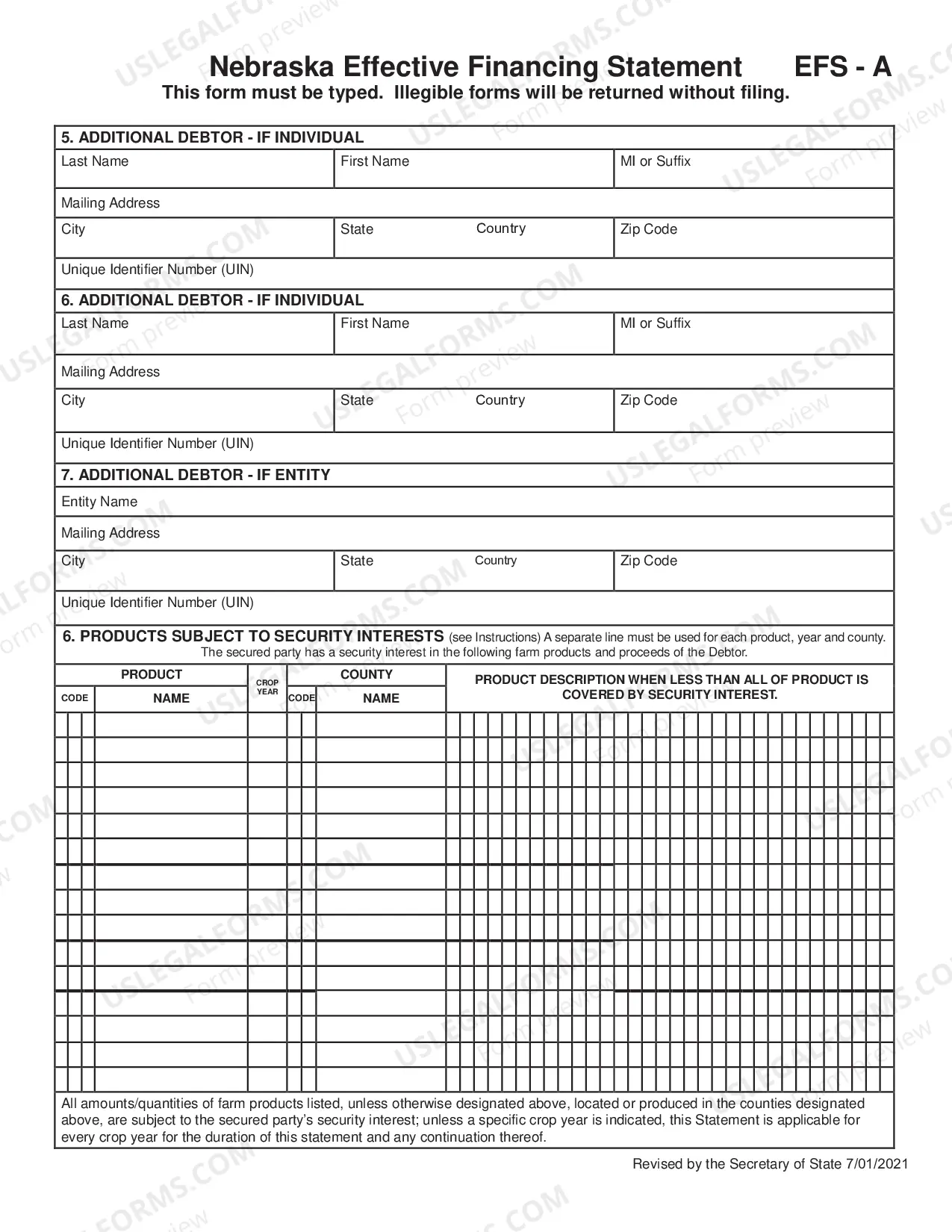
To file as a secured party creditor, you need to prepare a UCC-1 financing statement, detailing your claim on the debtor's assets. You must then submit this form to the appropriate state authority, where the debtor is located. For those looking to ease the filing process, platforms like USLegalForms can provide resources and templates that simplify this essential step for secured party creditor for dummies.
A UCC filing is a record that establishes a lender's legal claim to certain assets offered as collateral by a debtor. For beginners who want to grasp the concept of a secured party creditor for dummies, this filing is your first line of defense in case the borrower defaults. It essentially makes your rights clear and enforceable under the law.
A UCC filing is typically seen as a protective measure for secured creditors, allowing them to maintain a claim over the debtor's assets. While it may seem intimidating at first, for a secured party creditor for dummies, this filing provides security and peace of mind. Ultimately, the impact depends on the context in which it is filed.
An UCC filing serves to publicly record a secured party's interest in a debtor's assets. This filing protects the creditor's claim and informs other potential creditors of the existing security interest. For those learning about secured party creditor for dummies, understanding UCC filings is crucial for safeguarding your rights in a commercial transaction.
Yes, if you are a secured creditor, you generally need to file a proof of claim during bankruptcy proceedings to assert your rights. This filing informs the court of your secured status and the amount owed to you. For those exploring secured party creditor for dummies, knowing when and how to file can protect your interests and ensure you recover what you are owed.