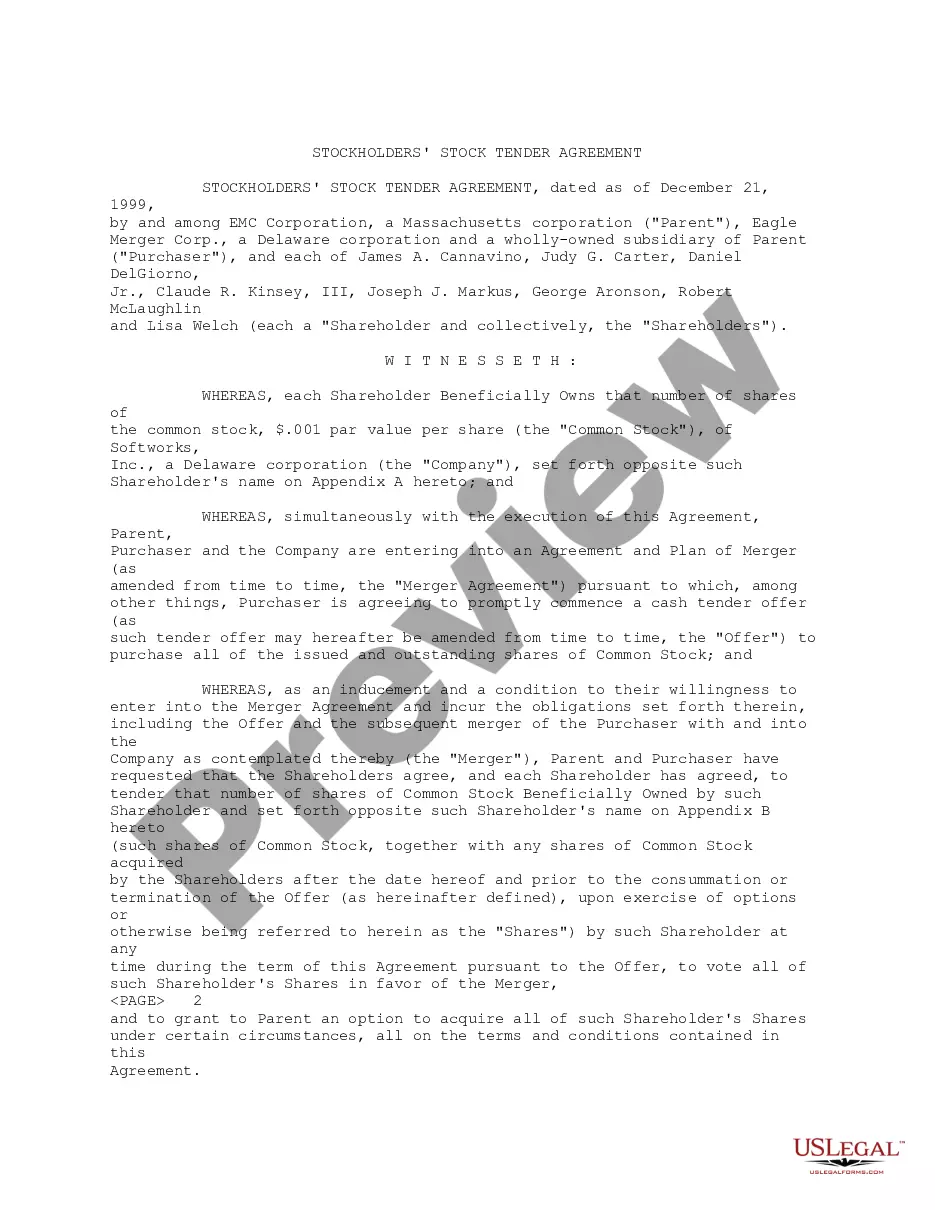
Between Merger With Totally Different Industries
Description

Get your form ready online
Our built-in tools help you complete, sign, share, and store your documents in one place.
Make edits, fill in missing information, and update formatting in US Legal Forms—just like you would in MS Word.
Download a copy, print it, send it by email, or mail it via USPS—whatever works best for your next step.
Sign and collect signatures with our SignNow integration. Send to multiple recipients, set reminders, and more. Go Premium to unlock E-Sign.
If this form requires notarization, complete it online through a secure video call—no need to meet a notary in person or wait for an appointment.
We protect your documents and personal data by following strict security and privacy standards.

Make edits, fill in missing information, and update formatting in US Legal Forms—just like you would in MS Word.

Download a copy, print it, send it by email, or mail it via USPS—whatever works best for your next step.

Sign and collect signatures with our SignNow integration. Send to multiple recipients, set reminders, and more. Go Premium to unlock E-Sign.

If this form requires notarization, complete it online through a secure video call—no need to meet a notary in person or wait for an appointment.

We protect your documents and personal data by following strict security and privacy standards.
Looking for another form?









Form popularity
FAQ
The four primary types of M&A are horizontal, vertical, conglomerate, and market extension mergers. Horizontal mergers involve companies in the same industry, while vertical mergers connect firms at different stages of production. Conglomerate mergers bring unrelated businesses together, and market extension mergers involve firms that operate in different markets but offer similar products. Understanding these classifications can guide your strategic decisions and enhance growth potential.
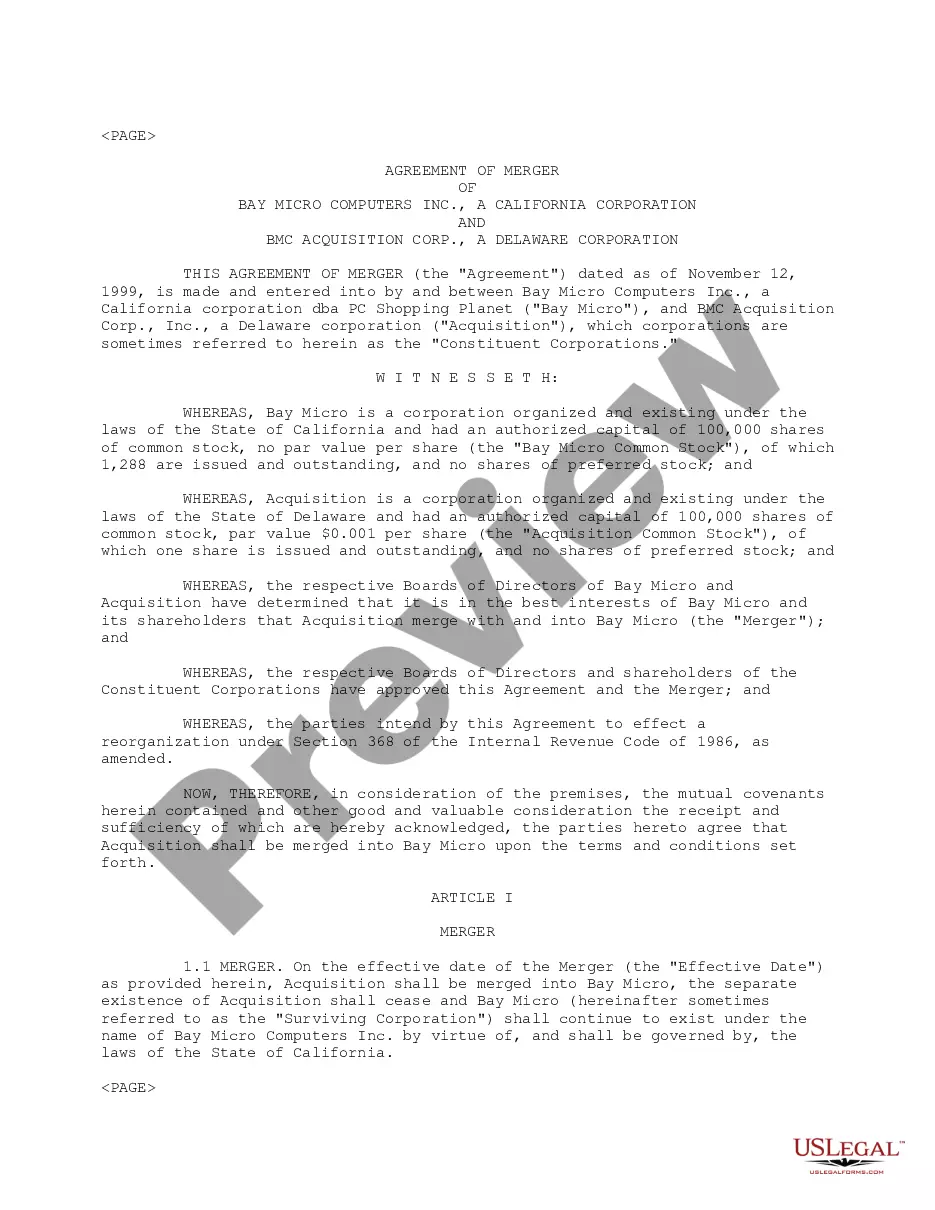
A merger between companies in unrelated industries is commonly referred to as a 'conglomerate merger.' This type of structure is designed to bring together businesses from diverse fields to create a broader scope and mitigate risk. By diversifying their portfolio, firms can lessen the impact of market fluctuations in any single industry. This strategy ultimately promotes stability and growth.
A merger between companies that are totally unrelated often presents unique opportunities for innovation and market expansion. These firms might not overlap in operations, but their union can lead to fresh ideas and new business strategies. The lack of direct competition allows these companies to creatively collaborate and achieve benefits like resource sharing. Such mergers can greatly enhance their position in unforeseen markets.
The merger of several companies is often termed a 'consolidation' or 'multi-company merger.' This process involves bringing multiple firms together into one single entity to streamline operations and enhance competitive advantage. During this transition, the participating companies aim to maximize their combined resources and strengths for greater market impact. Such strategies can prove advantageous across varying industries.
A merger between firms from totally different industries describes a business agreement where companies with distinct market focuses join forces. These mergers are strategic, aiming to expand market reach and create new revenue streams. By blending unique skills and capabilities, they can foster innovation and efficiencies that benefit the new organization. This approach can be particularly rewarding in dynamic markets.
A merger of firms in unrelated industries refers to the process where companies from vastly different sectors combine to form one entity. This type of merger can provide firms with new opportunities for growth and diversification. By uniting, they can leverage resources and expertise that may not have been previously accessible. The focus is often on financial synergy rather than operational similarities.
Firms should consider several factors when pursuing a merger with companies in unrelated industries. It's crucial to evaluate cultural fit and operational compatibility, as these can significantly impact integration success. Additionally, firms must assess the potential for reaching new customer segments and the overall strategic benefits. Utilizing platforms like US Legal Forms can streamline the legal documentation process, ensuring a smoother merger experience.
The difference between a vertical merger and a conglomerate merger lies in the relationship of the businesses involved. A vertical merger occurs between companies that operate at different levels of the same supply chain, enhancing operational efficiency. On the other hand, a conglomerate merger involves companies from entirely different industries, allowing for diversification and reduced risk. Understanding these distinctions helps businesses make strategic decisions.
A merger between firms that are involved in totally unrelated business activities can be a beneficial strategy. It allows companies to tap into new customer bases and to increase their overall market presence. This approach can promote innovation and efficiency by integrating different business practices and technologies. However, careful analysis is necessary to ensure alignment of goals and resources.
A merger between companies in unrelated business activities, often referred to as a conglomerate merger, involves firms that operate in completely different industries. This type of merger allows each company to leverage new markets and diversify their portfolios. By combining resources and expertise, these companies can reduce risks associated with market fluctuations. Additionally, it can provide a competitive advantage in their respective sectors.
