#retirement
Description
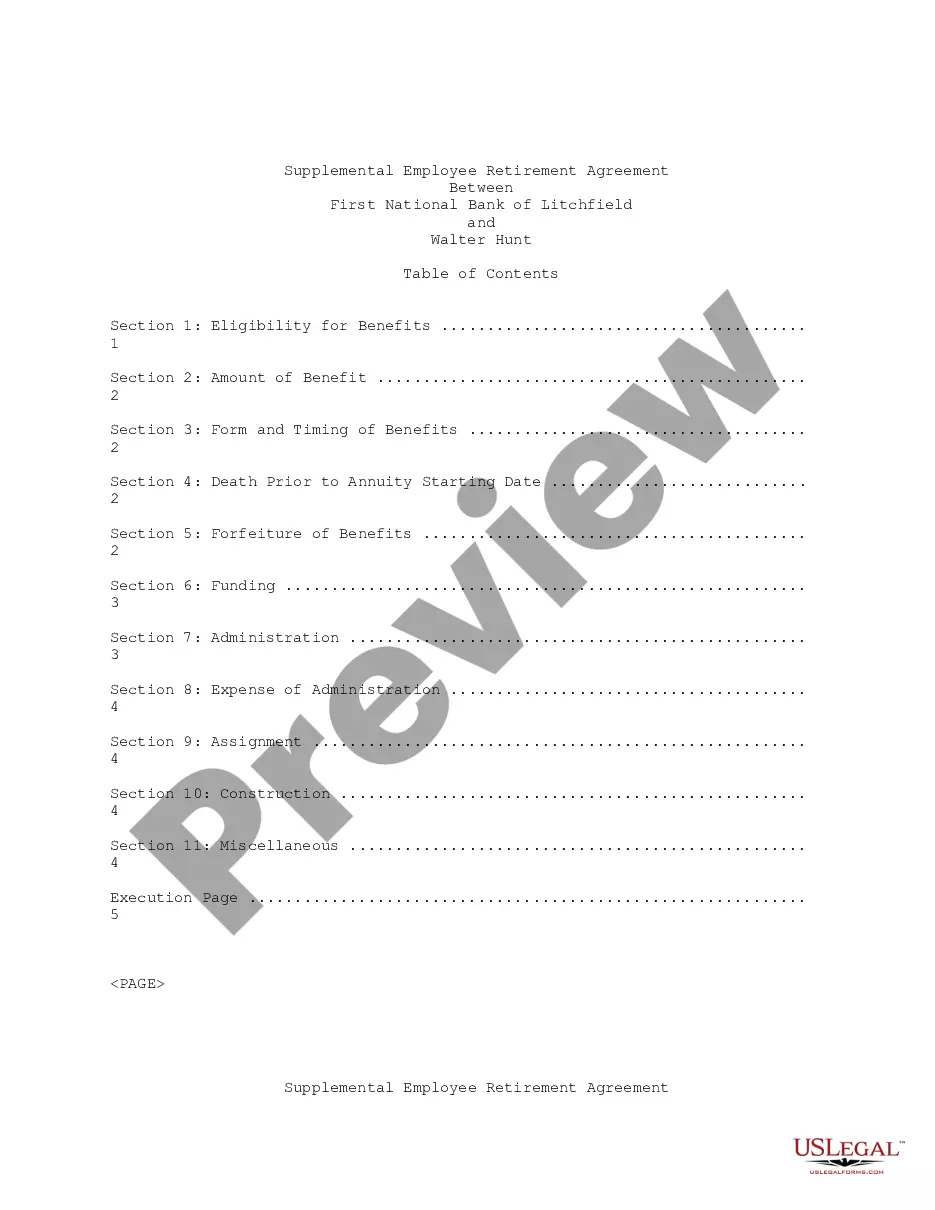
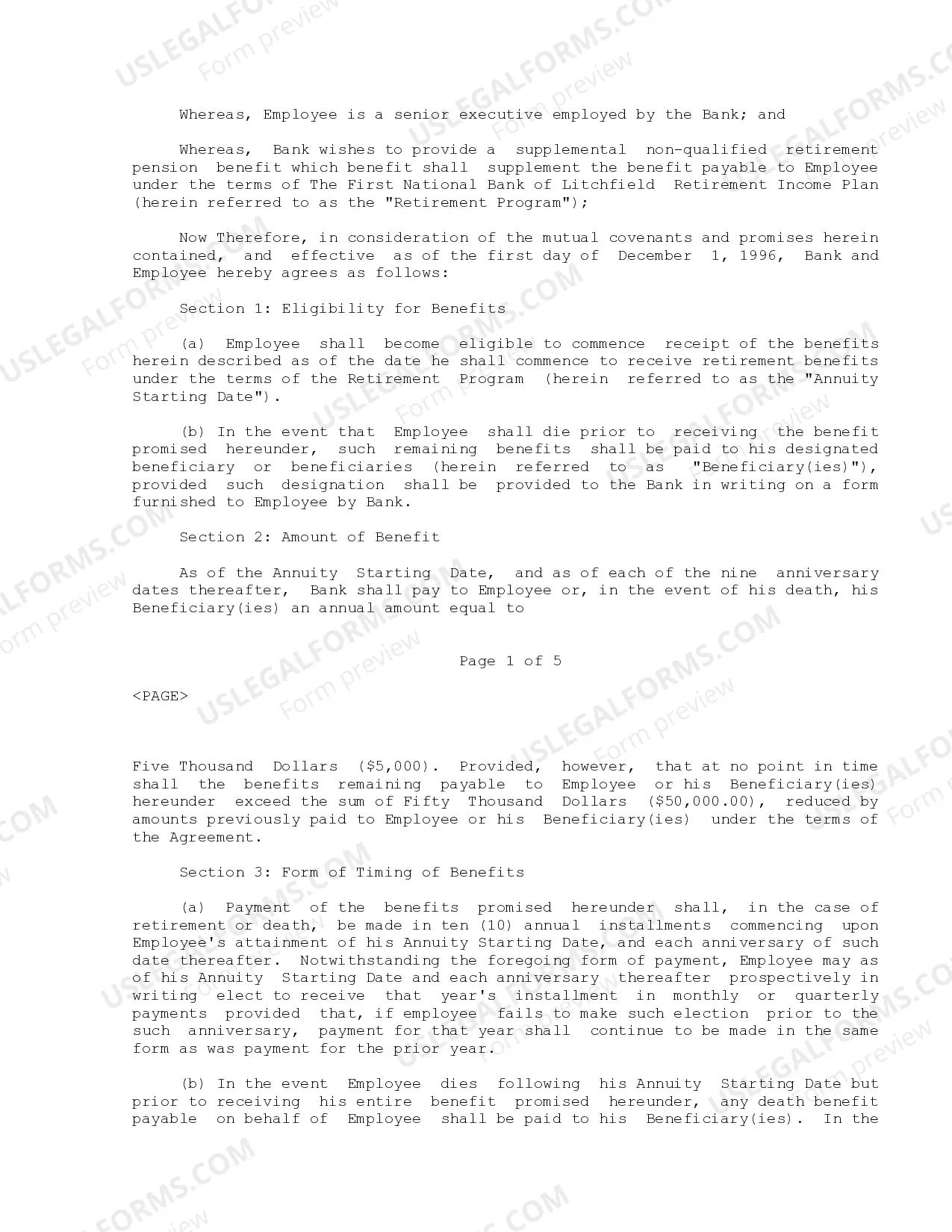
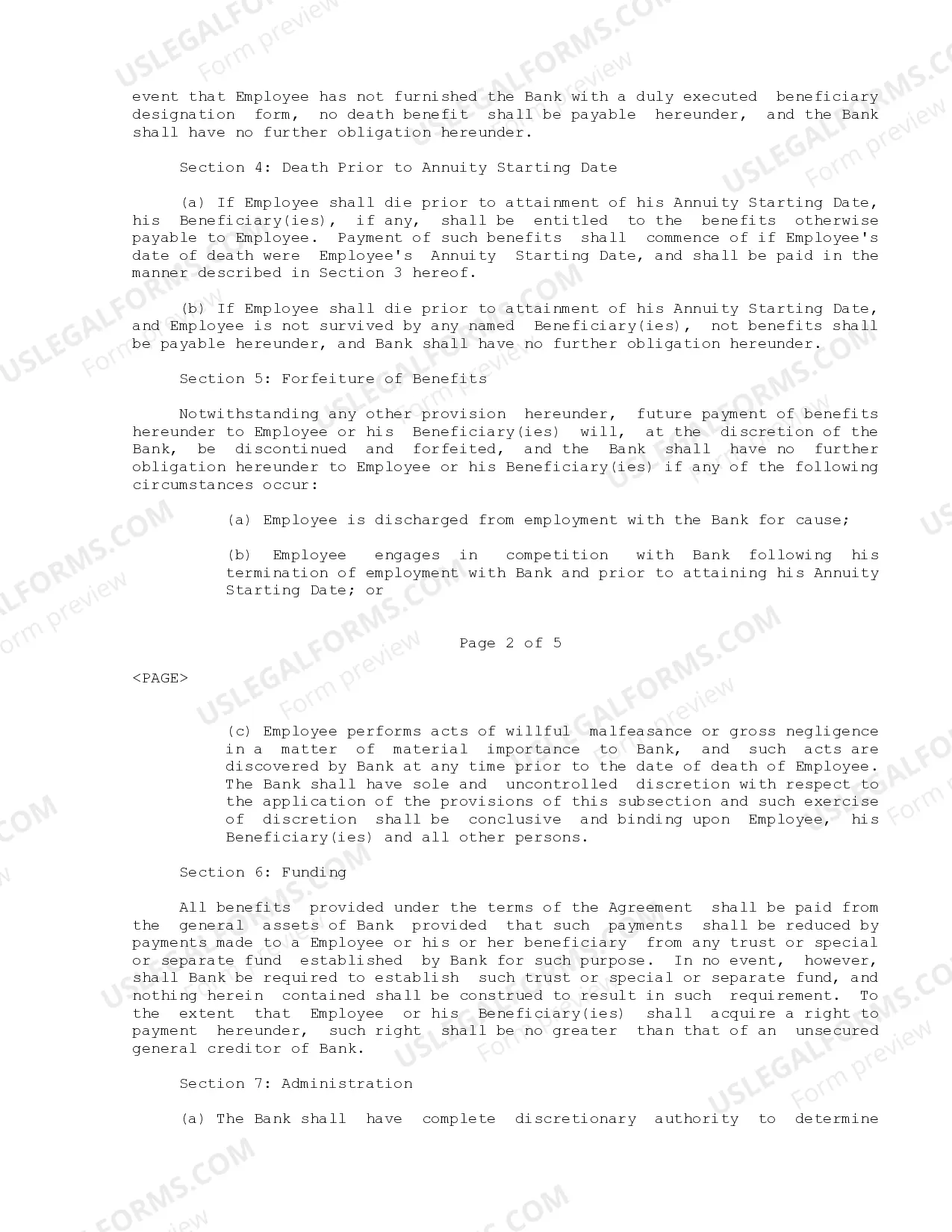
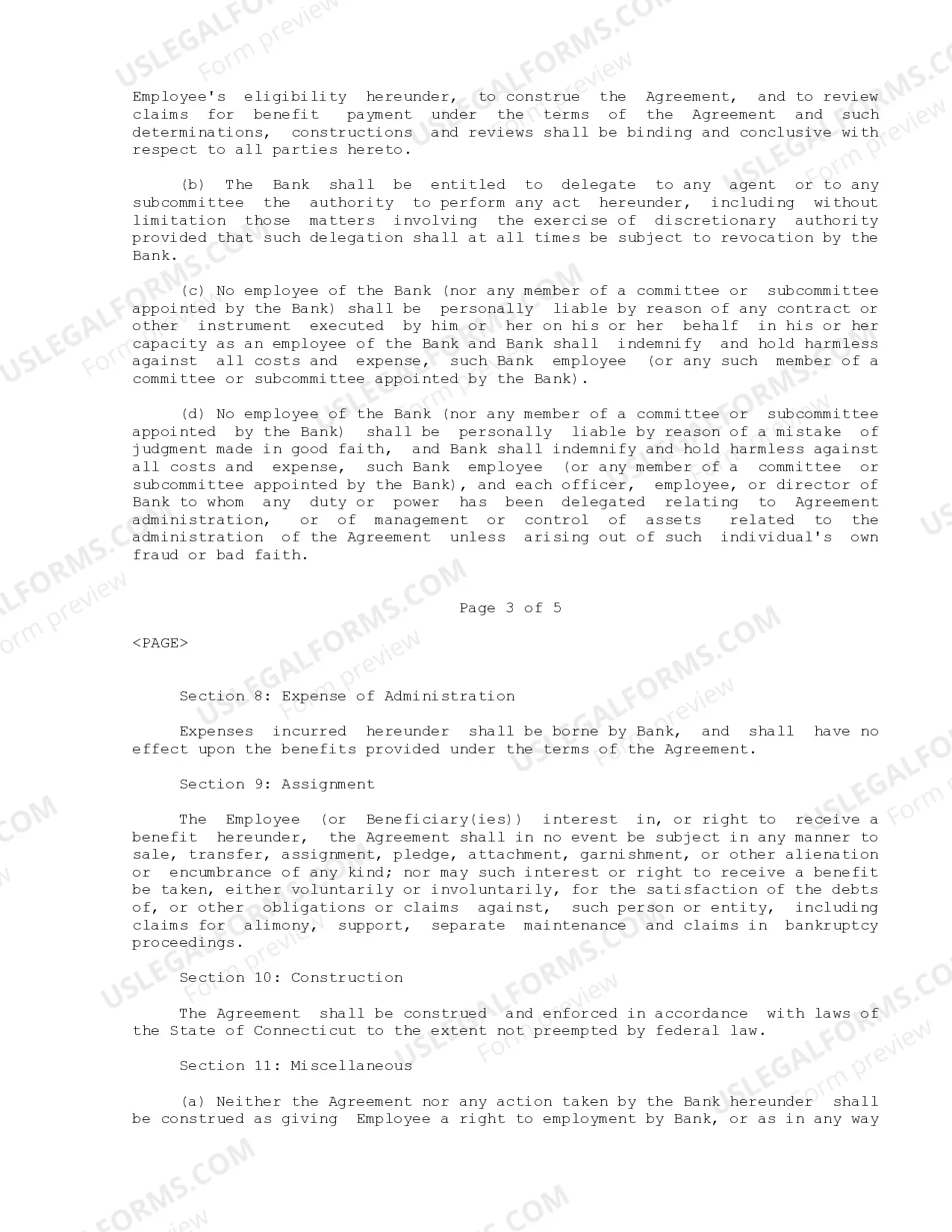

Get your form ready online
Our built-in tools help you complete, sign, share, and store your documents in one place.
Make edits, fill in missing information, and update formatting in US Legal Forms—just like you would in MS Word.
Download a copy, print it, send it by email, or mail it via USPS—whatever works best for your next step.
Sign and collect signatures with our SignNow integration. Send to multiple recipients, set reminders, and more. Go Premium to unlock E-Sign.
If this form requires notarization, complete it online through a secure video call—no need to meet a notary in person or wait for an appointment.
We protect your documents and personal data by following strict security and privacy standards.

Make edits, fill in missing information, and update formatting in US Legal Forms—just like you would in MS Word.

Download a copy, print it, send it by email, or mail it via USPS—whatever works best for your next step.

Sign and collect signatures with our SignNow integration. Send to multiple recipients, set reminders, and more. Go Premium to unlock E-Sign.

If this form requires notarization, complete it online through a secure video call—no need to meet a notary in person or wait for an appointment.

We protect your documents and personal data by following strict security and privacy standards.
Looking for another form?






How to fill out Employee Retirement Agreement?
- Log into your US Legal Forms account if you're a returning user. If you haven't signed up yet, create an account to get started.
- Browse the extensive library. Check the form previews and descriptions to find the document that aligns with your specific needs.
- Utilize the search function. If you're unable to find the right template, enter keywords related to your requirements in the search tab to uncover more options.
- Select your form. Once you've identified the perfect document, click on the corresponding 'Buy Now' button.
- Complete your purchase. Choose a subscription plan and enter your payment details to finalize the transaction.
- Download your form. Save your acquired document onto your device for easy access and completion, also available in the 'My Forms' section.
By following these steps, you'll be equipped to efficiently obtain the legal forms necessary for your #retirement planning.
Explore the benefits of US Legal Forms today and ensure your legal documents are handled with care and accuracy. Don't wait, start your journey now!
Form popularity
FAQ
The Social Security bonus often applies to retired workers who delay claiming their benefits beyond the full retirement age. By postponing benefits, you earn credits that boost your monthly payments. To qualify, review your Social Security statement and consider your retirement plans carefully. Using tools from platforms like USLegalForms can help clarify your eligibility and maximize your benefits.
Individuals who qualify for an extra $144 added to their Social Security benefits typically include those who are enrolled in Medicare and receive Social Security retirement benefits. This additional amount can provide essential support in covering healthcare costs during retirement. To ensure you qualify, review your Medicare plan and Social Security eligibility details. If you have questions, resources such as USLegalForms can guide you through the process.
To make $1000 a month in retirement, consider various income streams such as part-time work, investments, or renting out property. You can also explore online businesses or freelance work that aligns with your skills. Additionally, ensure you plan your budget wisely, focusing on maximizing your income while minimizing expenses. This approach will help you enjoy a stable and fulfilling retirement.
Whether $3,000 a month is enough for retirement depends on various factors, including your living expenses, healthcare costs, and lifestyle choices. It's essential to create a budget that reflects your necessary expenses to determine if this amount will meet your needs. Additionally, consider other income sources, such as Social Security benefits or pensions, to supplement your retirement income. Evaluating your financial situation can help you plan for a secure and comfortable retirement.
To qualify for the $16728 Social Security bonus, you must be aware of specific strategies that enable you to maximize your benefits. This bonus can be obtained by timing your retirement claim, increasing your income before retirement, and strategically managing when to start receiving benefits. Researching these strategies can empower you to enhance your retirement income. Consider using resources from USLegalForms for detailed guidance on claiming these benefits efficiently.
Several factors can disqualify you from receiving Social Security retirement benefits, including not having enough work credits, which are earned through taxable earnings over the years. Additionally, if you engage in certain types of work or earn above a specific limit before reaching full retirement age, your benefits may be reduced. It's crucial to understand these rules early, as they affect your retirement planning. You can explore your options on platforms like USLegalForms to help navigate this process.
Social Security benefits can be taxable depending on your total income, but there is no specific age when they become tax-exempt. Instead, your tax obligation depends on your overall earnings and filing status. To navigate these complexities in retirement, consider discussing your income strategy with tax advisors or use platforms like US Legal Forms for guidance. This proactive approach ensures you keep more of your hard-earned benefits.
You will receive 100% of your Social Security benefits at your full retirement age, which varies based on your birth year. Understanding this age helps you plan your retirement strategy effectively. By waiting until this age for benefits, you ensure that you maximize your financial resources. Knowing this key information allows you to design a robust retirement plan.
The amount you receive from Social Security is based on your highest 35 years of earnings, with a cap on taxable income. If you earn $100,000 annually, your benefits could be considerably reduced due to this cap. It's essential to project these numbers realistically based on your work history and planned retirement age. Consider consulting platforms like US Legal Forms for personalized planning tools.
You can collect 100% of your Social Security benefits when you reach your full retirement age, which varies between 66 and 67, depending on your birth year. It’s important to know this age, as claiming benefits earlier can reduce your monthly amount. Understanding your personal timeline can help you make informed decisions about your retirement. Being aware of your eligibility empowers your retirement planning.