Holding Company With Trust
Description
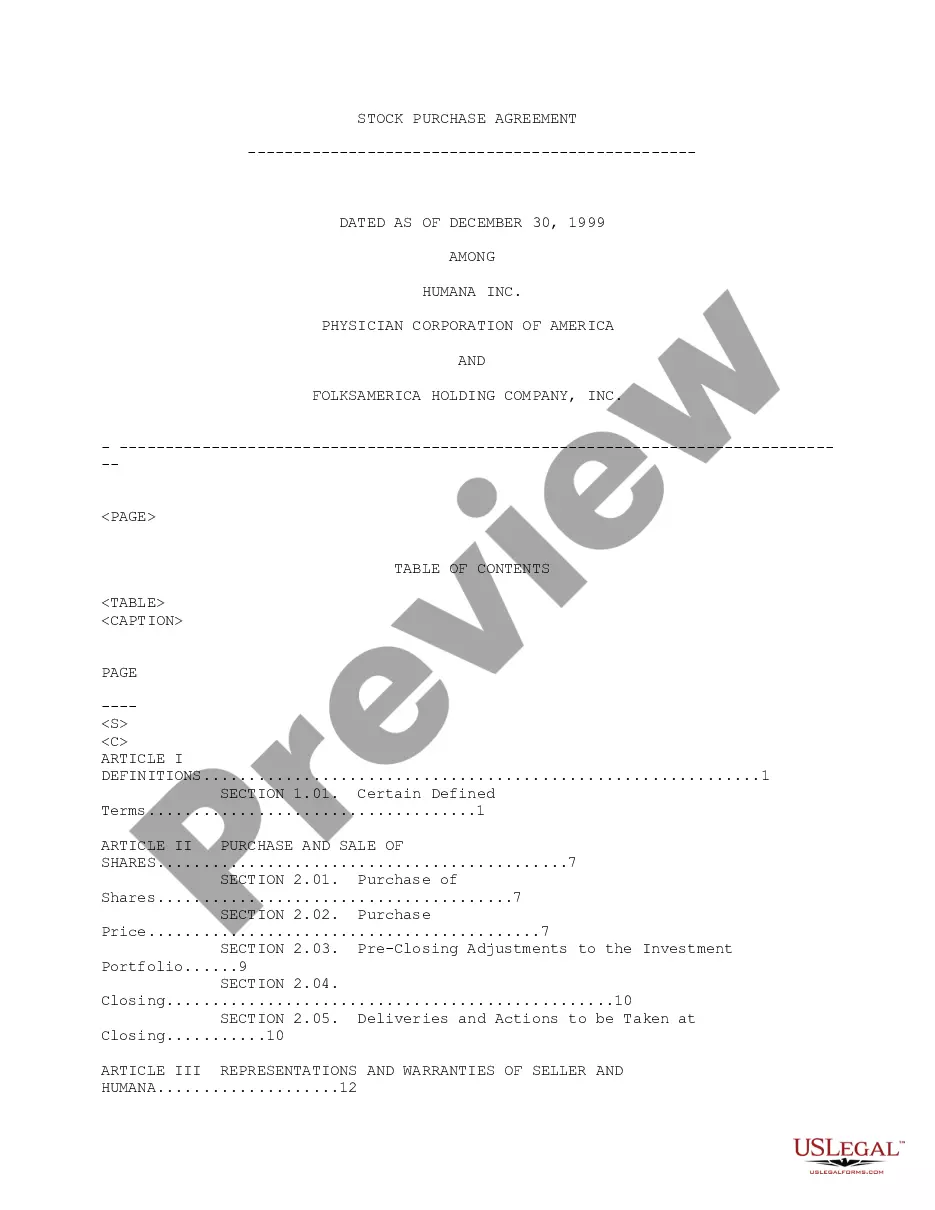
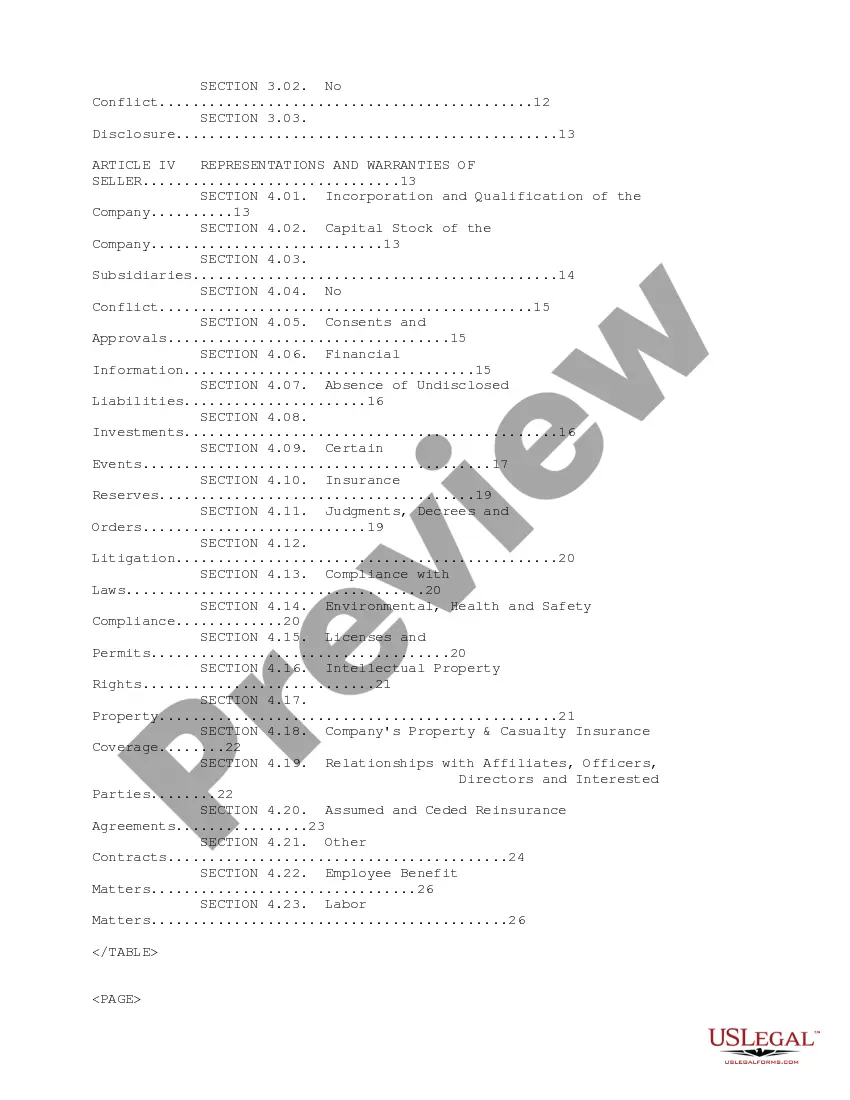
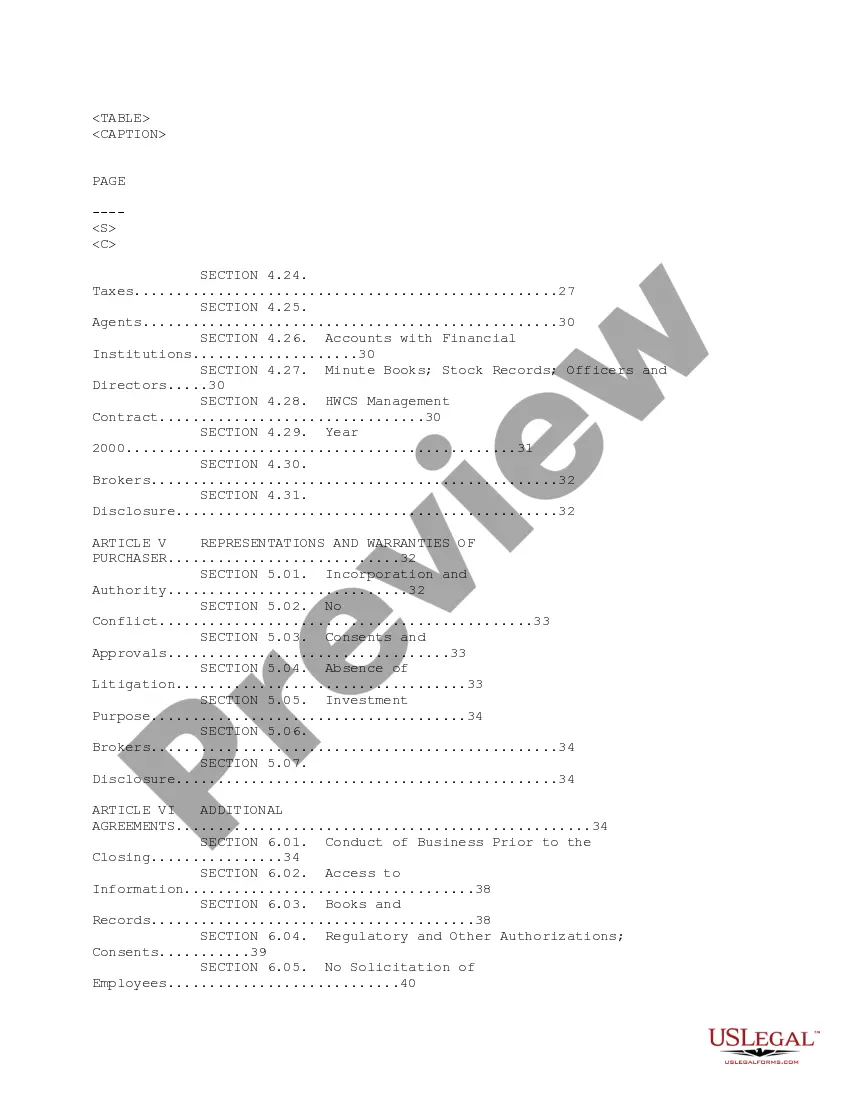
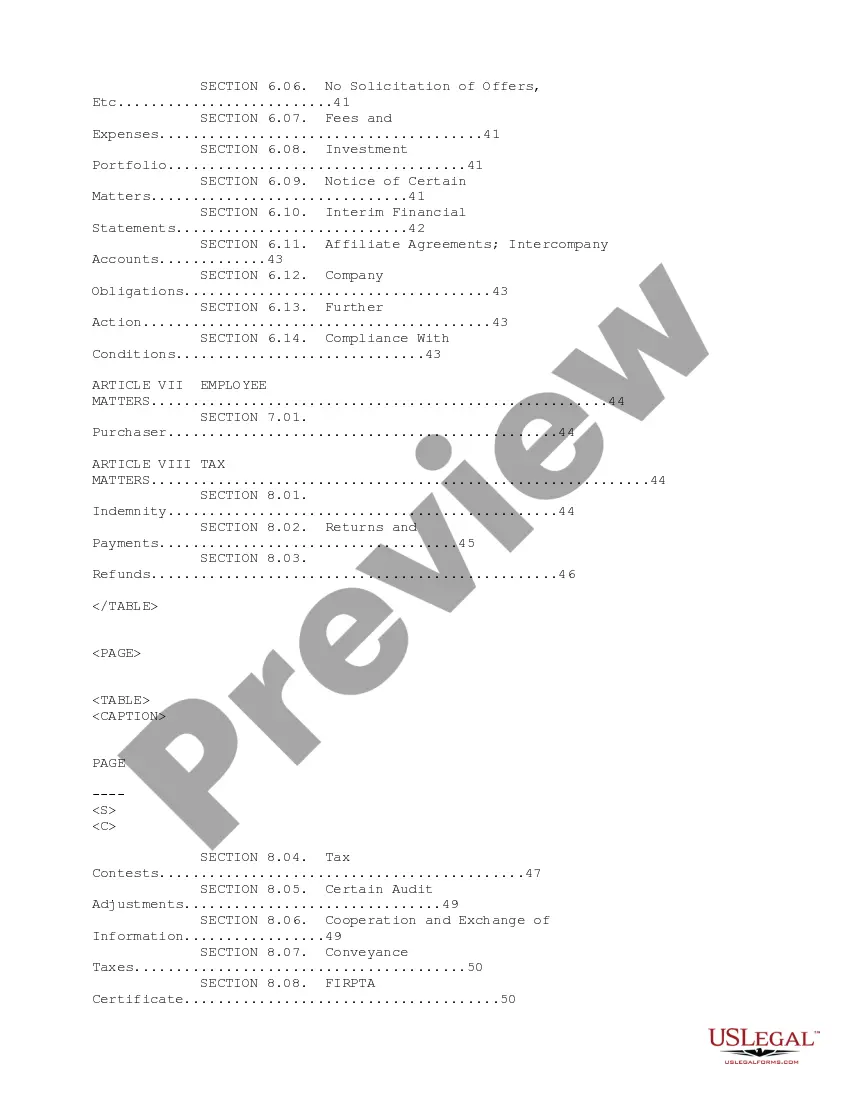



Get your form ready online
Our built-in tools help you complete, sign, share, and store your documents in one place.
Make edits, fill in missing information, and update formatting in US Legal Forms—just like you would in MS Word.
Download a copy, print it, send it by email, or mail it via USPS—whatever works best for your next step.
Sign and collect signatures with our SignNow integration. Send to multiple recipients, set reminders, and more. Go Premium to unlock E-Sign.
If this form requires notarization, complete it online through a secure video call—no need to meet a notary in person or wait for an appointment.
We protect your documents and personal data by following strict security and privacy standards.

Make edits, fill in missing information, and update formatting in US Legal Forms—just like you would in MS Word.

Download a copy, print it, send it by email, or mail it via USPS—whatever works best for your next step.

Sign and collect signatures with our SignNow integration. Send to multiple recipients, set reminders, and more. Go Premium to unlock E-Sign.

If this form requires notarization, complete it online through a secure video call—no need to meet a notary in person or wait for an appointment.

We protect your documents and personal data by following strict security and privacy standards.
Looking for another form?


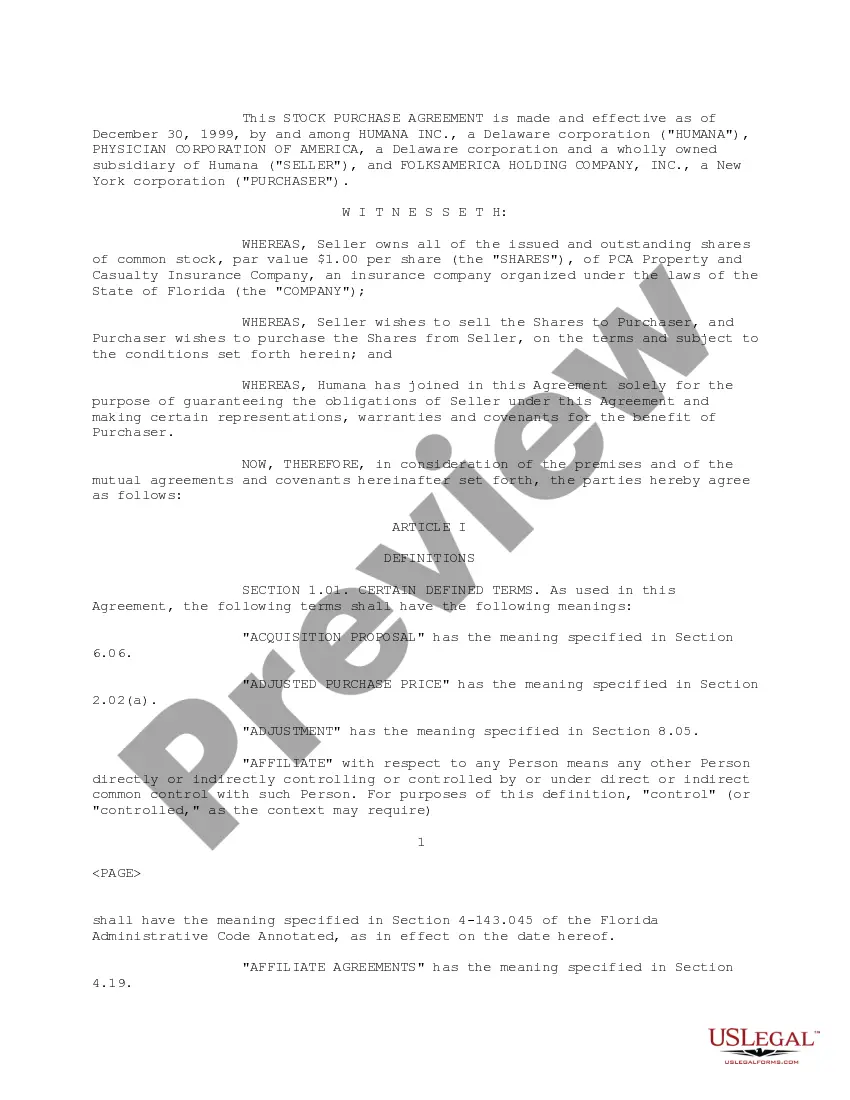
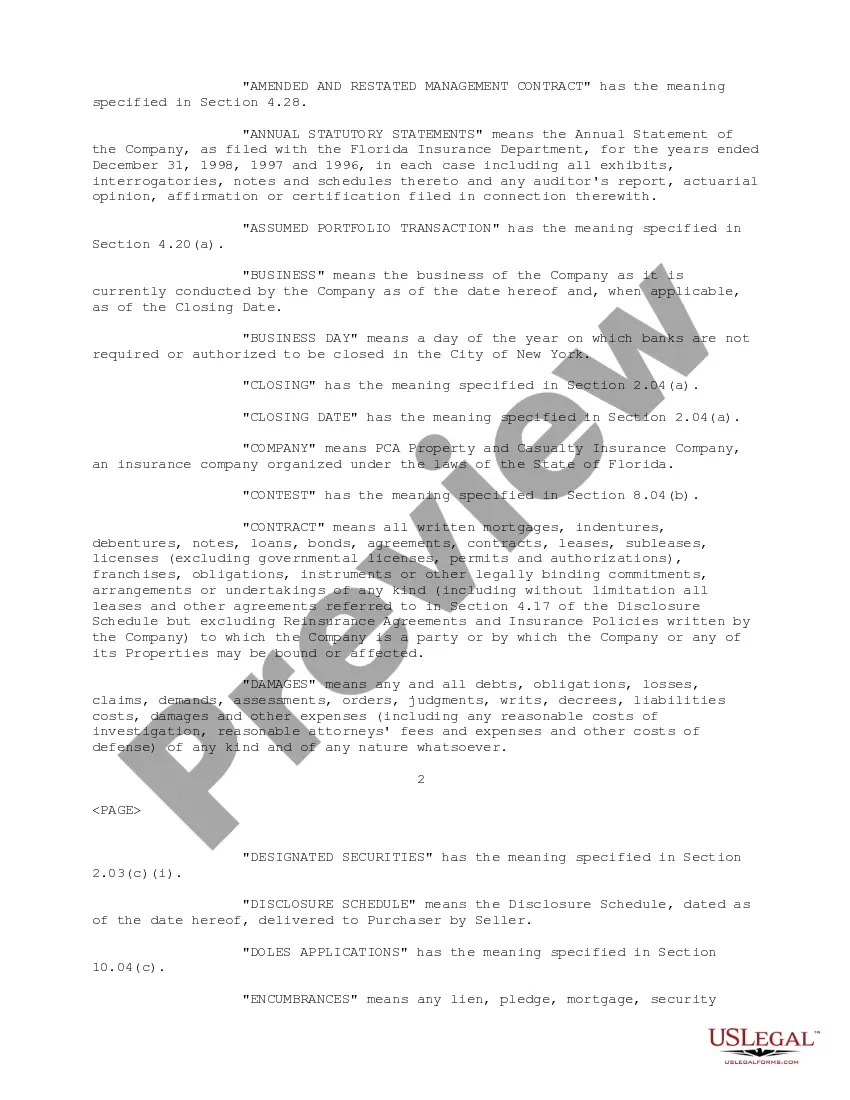
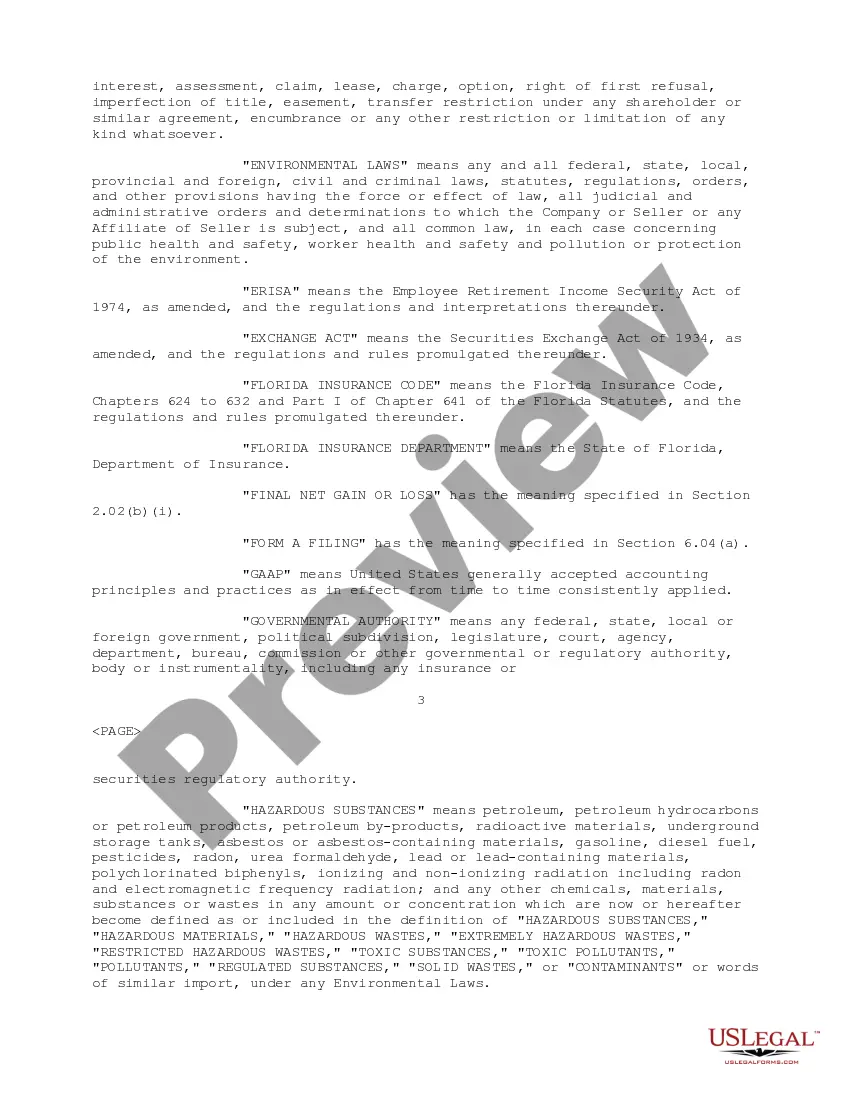
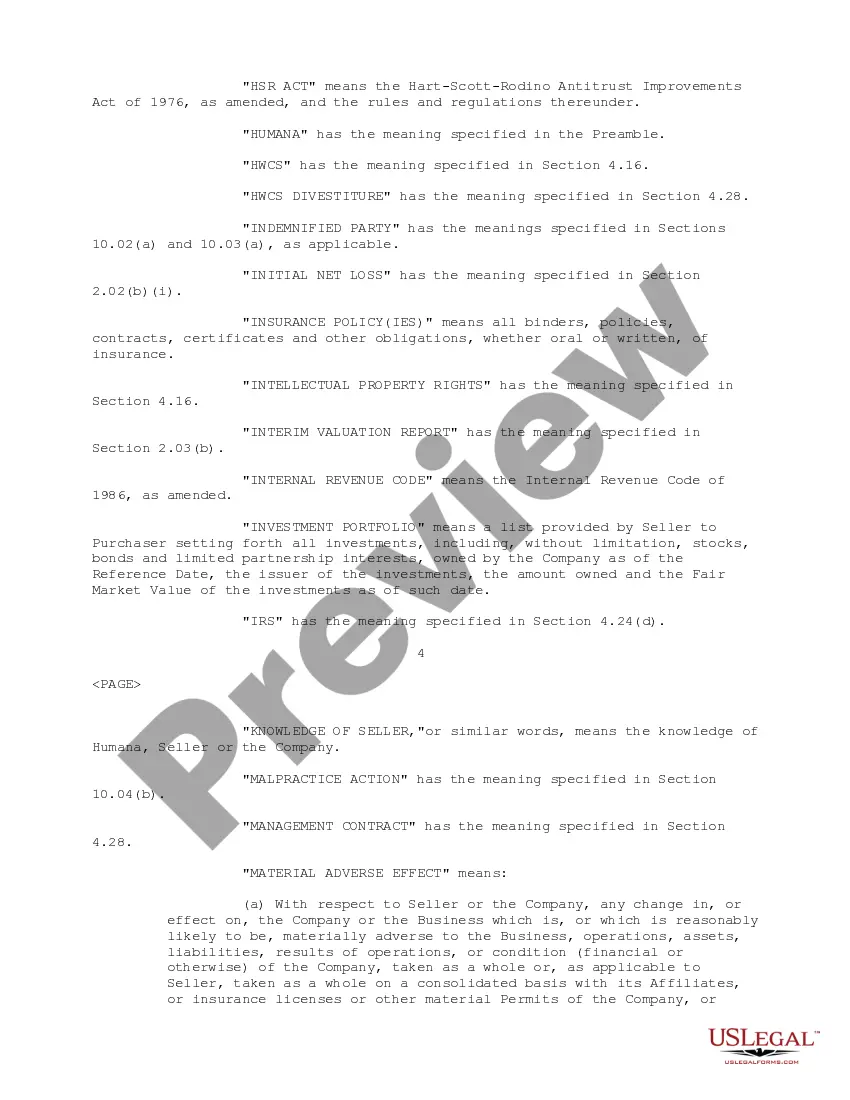
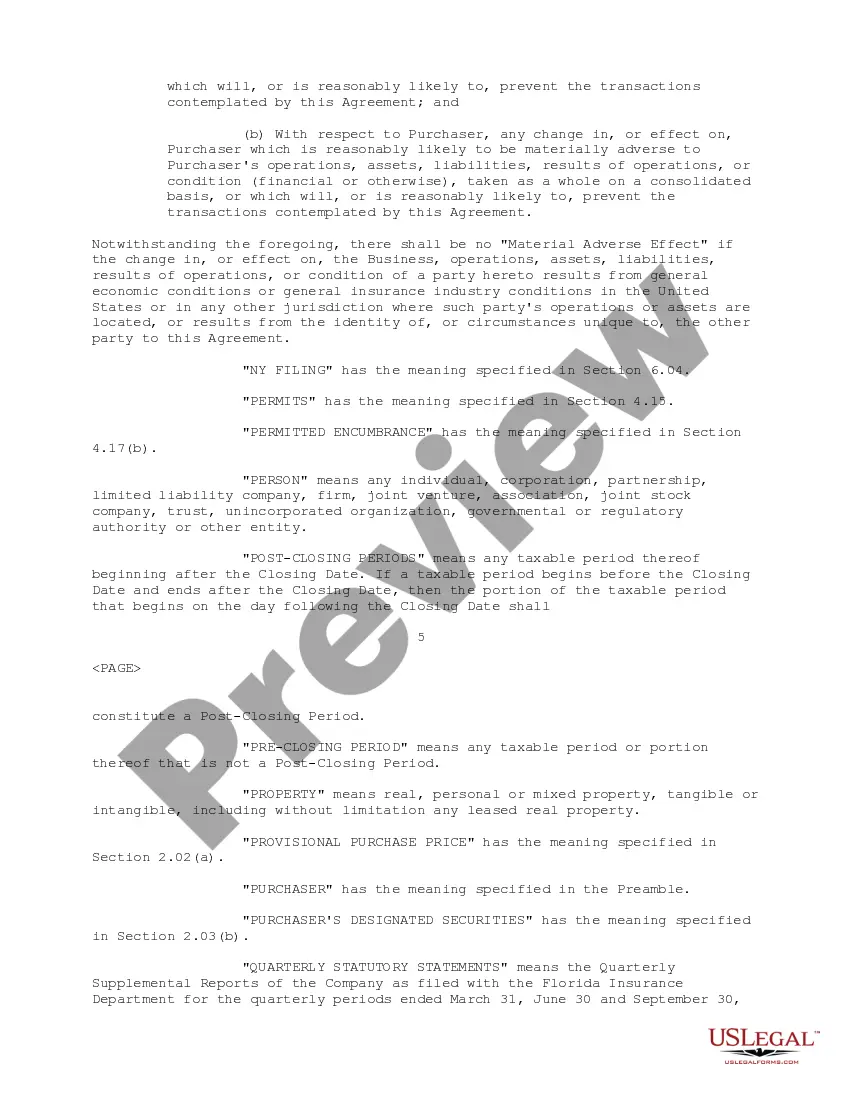
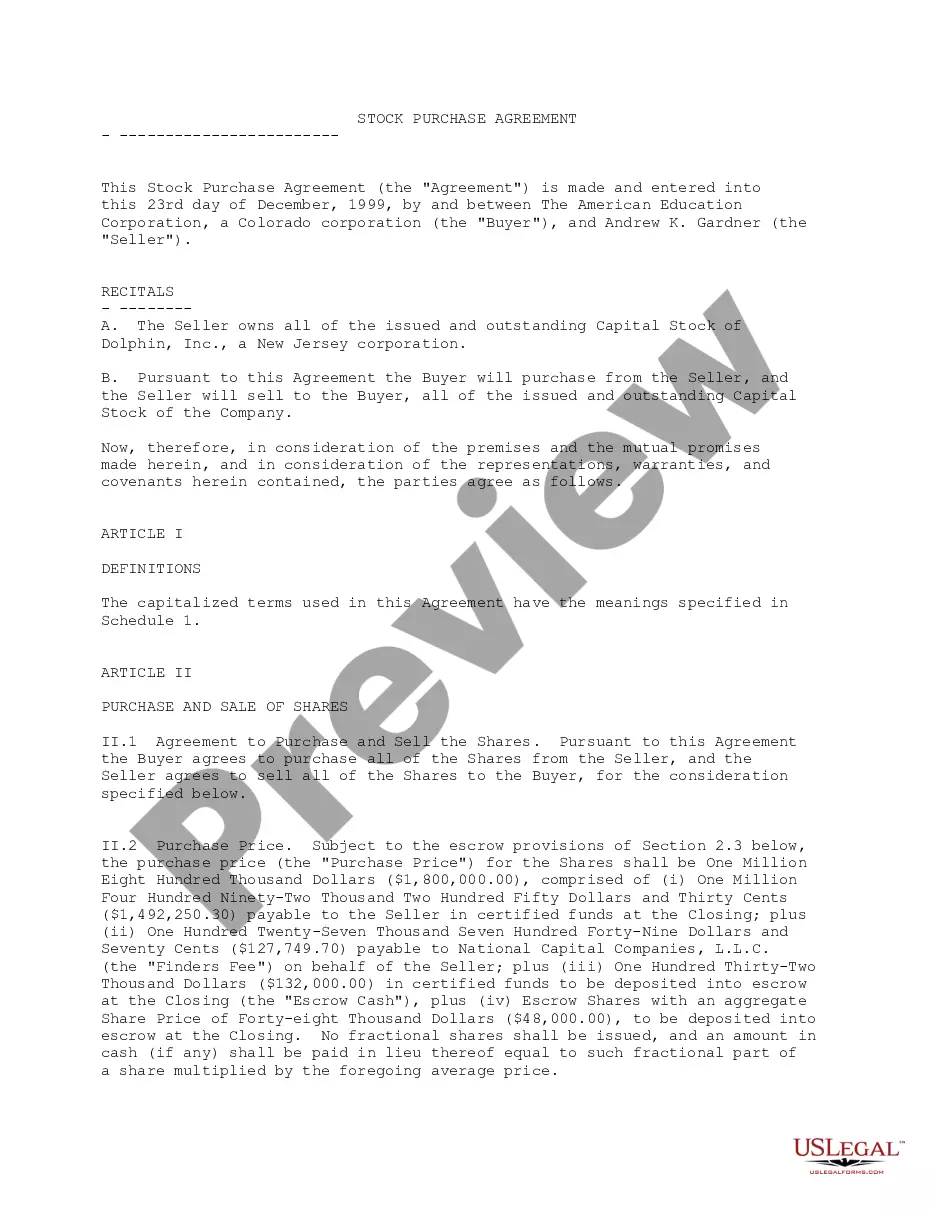
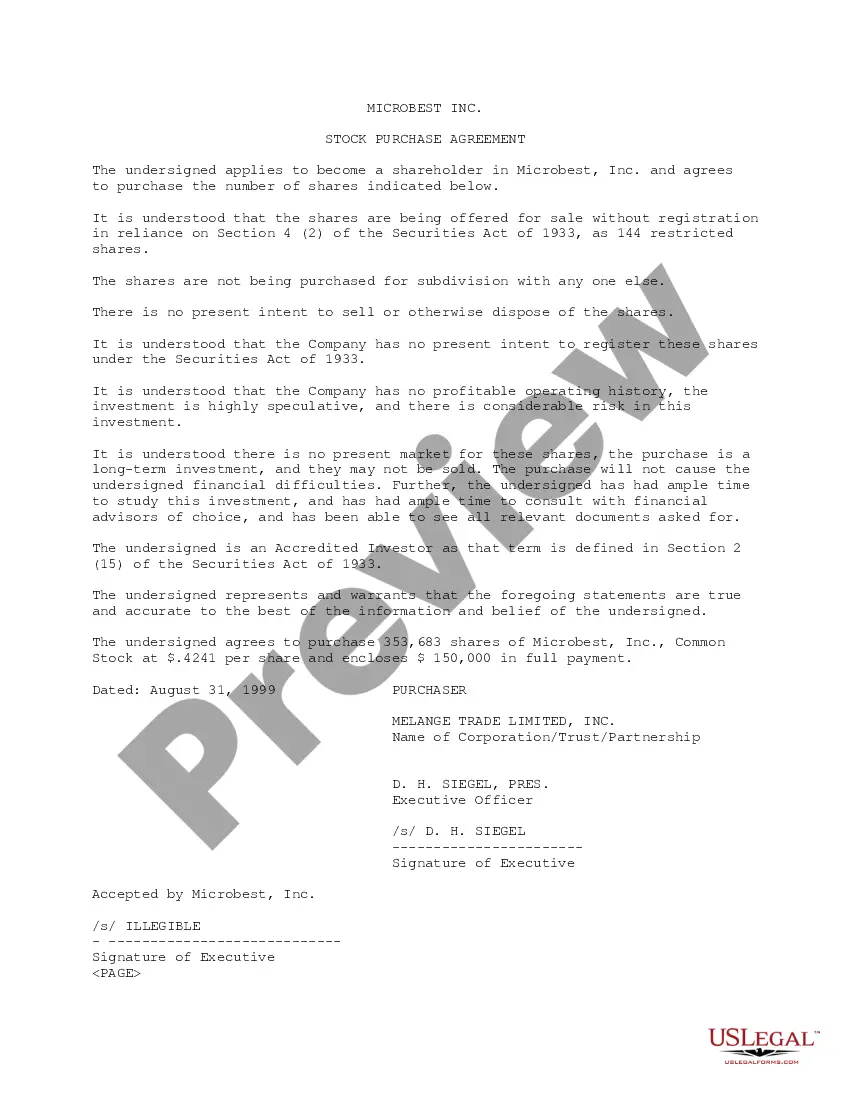
How to fill out Sample Stock Purchase Agreement Between Humana, Inc., Physician Corporation Of America And Folksamerica Holding Company, Inc?
- Visit the US Legal Forms website and log into your account if you're a returning user. Make sure your subscription is active; otherwise, renew it according to your payment plan.
- If you're new to US Legal Forms, start by browsing through the extensive library. Check the Preview mode and read the form descriptions to ensure you select the right document that fits your jurisdiction.
- If needed, use the Search function to find alternate templates that suit your legal requirements better.
- Once you've identified the correct document, click the Buy Now button and choose your desired subscription plan. You'll need to create an account to access the full range of resources.
- Complete your purchase by entering your payment details, either through credit card or PayPal.
- Finally, download the form to your device. You can always access it later in the My Forms section of your profile.
In conclusion, utilizing US Legal Forms allows you to efficiently manage the legal aspects of your holding company with trust. With an extensive library and expert assistance at your fingertips, you're well-equipped for success.
Don’t delay—start navigating your legal needs today with US Legal Forms!
Form popularity
FAQ
Owning a business through a trust can simplify asset management, provide liability protection, and enhance estate planning. This approach allows for a seamless transfer of ownership without the need for probate. By utilizing a holding company with trust, you can ensure that the business remains operational and the transition is smooth for future generations.
A holding trust refers to a legal arrangement where assets are held for the benefit of specified individuals or purposes. This structure allows for the management of assets through a holding company with trust, offering protection, tax benefits, and efficient asset distribution. Understanding this concept is vital for effective estate and financial planning.
A trust may own a holding company to protect assets and provide for beneficiaries efficiently. By placing a holding company within a trust, individuals can manage how and when assets are distributed, offering flexibility and control. This arrangement enhances estate planning, ensuring that your assets are passed down according to your wishes.
Holding property in a trust provides benefits, such as avoiding probate and protecting assets from creditors. However, it also has drawbacks, like initial setup costs and ongoing administrative responsibilities. A holding company with trust can streamline management, making it easier for you to maintain and transfer property while keeping it secure.
Yes, you generally need to file taxes for a holding company. The tax obligations can vary depending on how the company is structured and how it generates income. A holding company with trust may have specific tax advantages to explore, so it's wise to consult with a tax advisor. Staying informed on tax requirements will help you avoid unexpected penalties.
One downside of holding companies is the potential complexity in compliance and reporting requirements. Maintaining a holding company can lead to additional administrative tasks and legal costs. Additionally, if improperly managed, holding companies may face tax implications that outweigh benefits. It’s essential to consult professionals while integrating a holding company with trust into your financial strategy.
When a company is owned by a trust, the trust becomes the legal owner of that company. This arrangement provides several benefits, including asset protection and simplified estate management. The trust can dictate how profits and assets are distributed while ensuring that beneficiaries receive their shares according to your specifications. A holding company with trust can enhance this structure further.
To place an LLC under a trust, you first need to create the trust and define its terms. After the trust is established, you can transfer ownership of the LLC to the trust by changing the title of ownership. This process usually involves updating the Operating Agreement and filing necessary paperwork. Using a holding company with trust simplifies this transfer and manages your assets effectively.
Absolutely, a holding company can have a trust as part of its structure. This setup allows the holding company to benefit from asset protection while ensuring efficient management of the assets in the trust. Furthermore, a holding company with trust can streamline the estate planning process and facilitate the transfer of wealth. It's a strategic choice for families and businesses.
Choosing between a trust and a holding company largely depends on your financial goals and situation. A trust focuses on asset protection and estate planning, while a holding company offers operational benefits and limited liability. For those prioritizing active management of multiple businesses, a holding company with trust may be the best solution for blending protection and control.