Stock-for-stock
Description
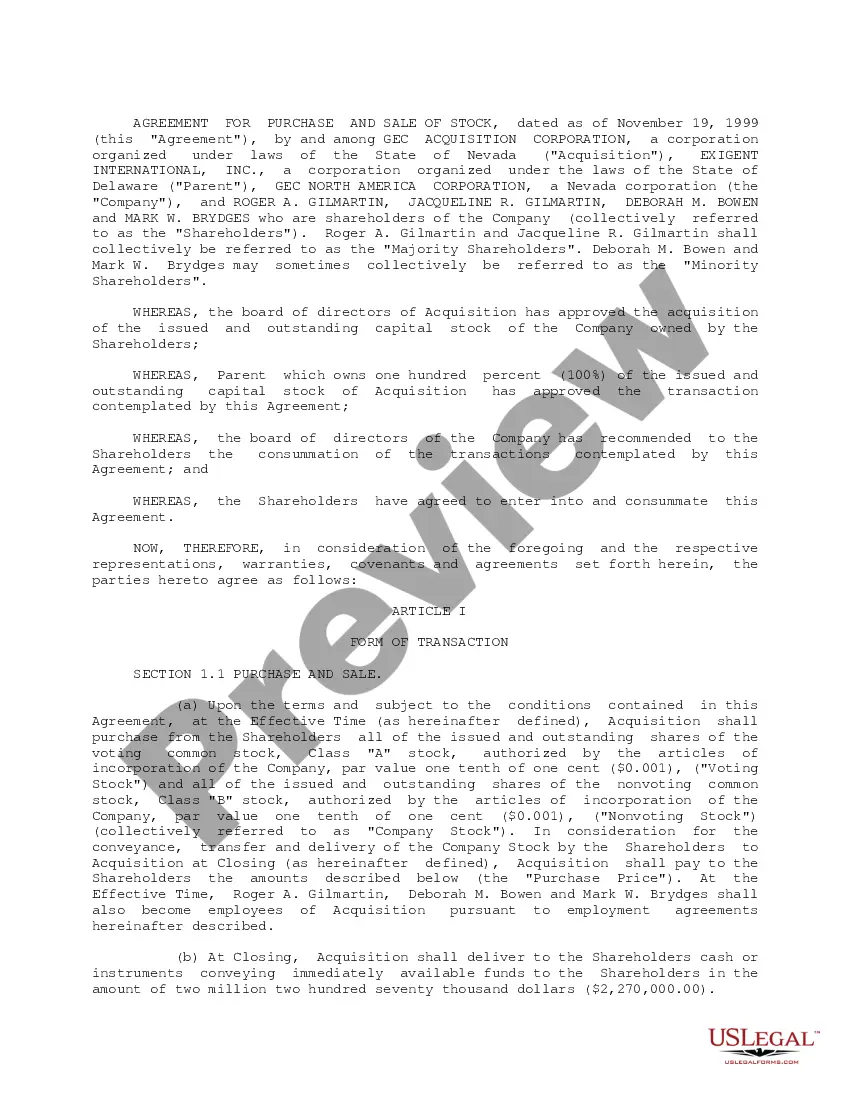
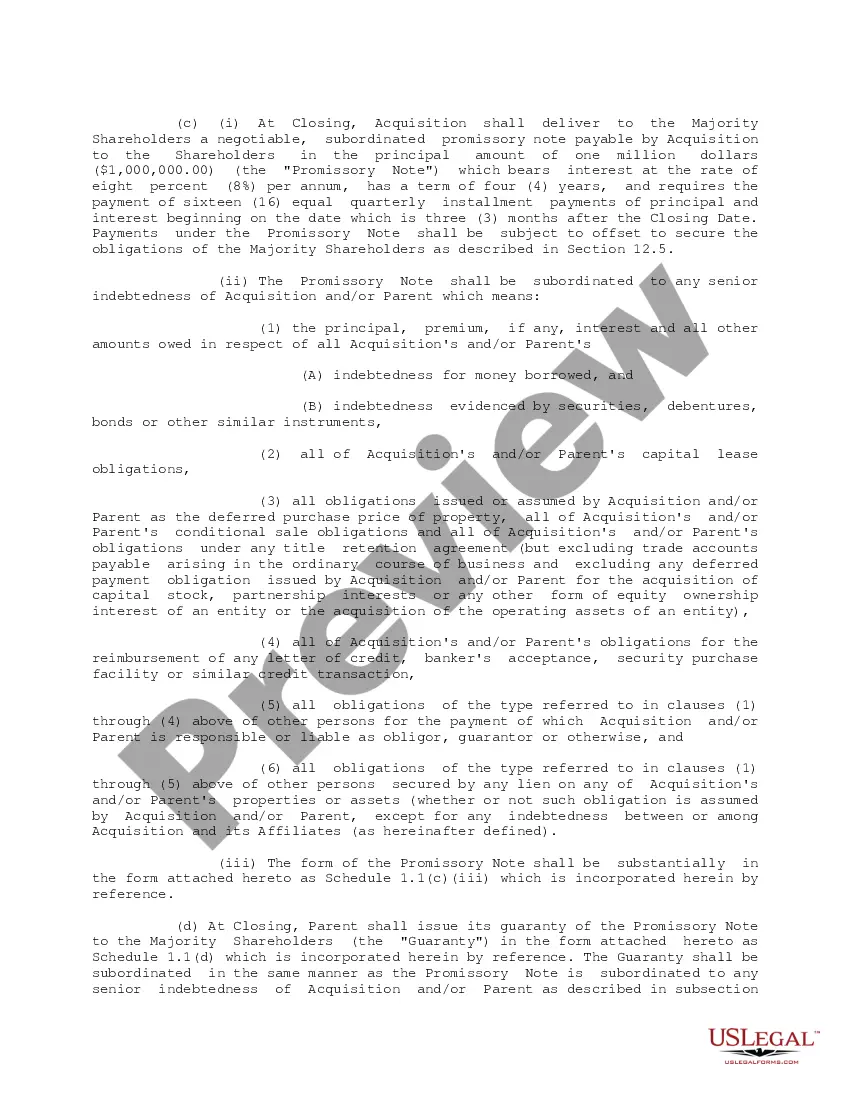
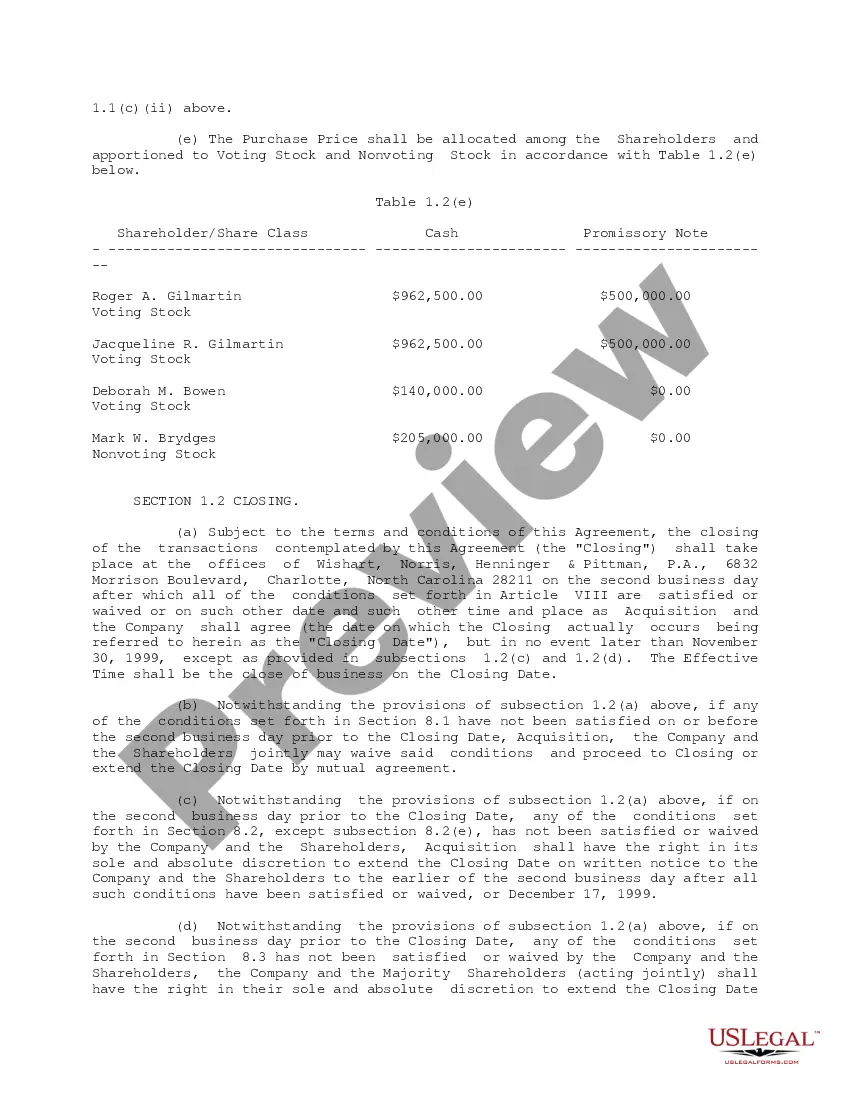
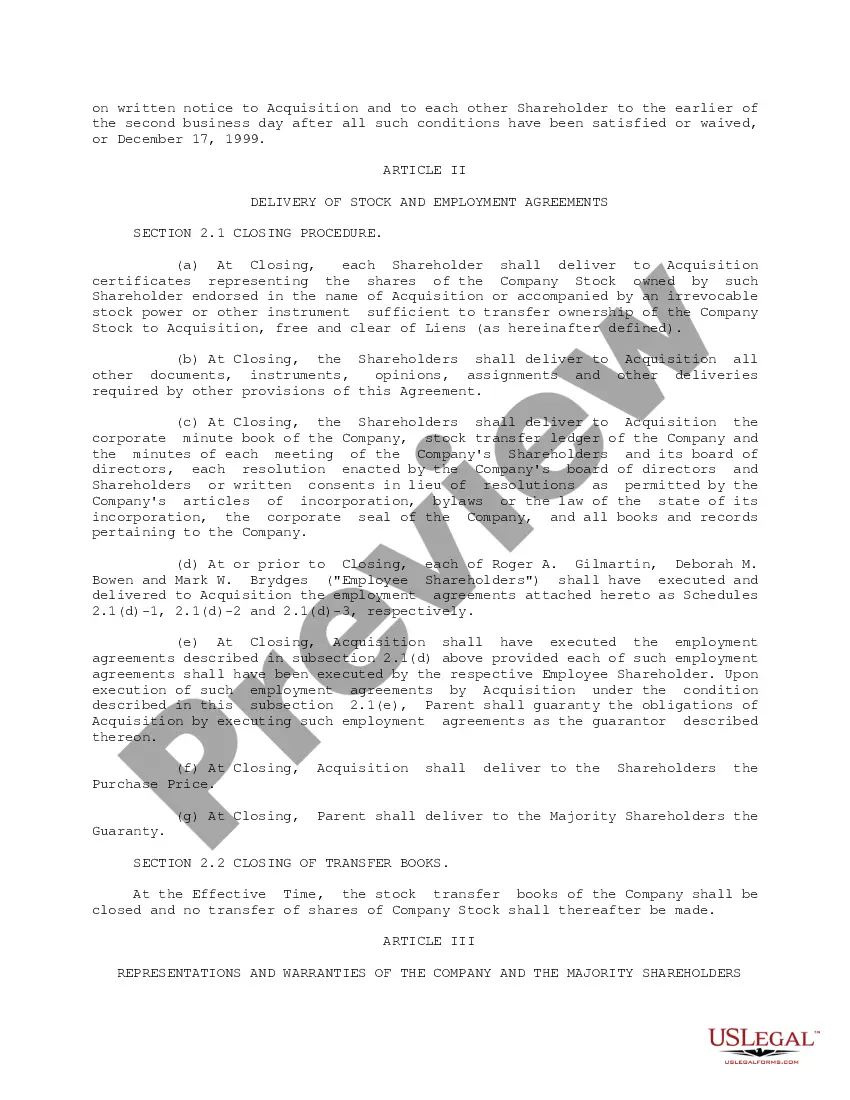



Get your form ready online
Our built-in tools help you complete, sign, share, and store your documents in one place.
Make edits, fill in missing information, and update formatting in US Legal Forms—just like you would in MS Word.
Download a copy, print it, send it by email, or mail it via USPS—whatever works best for your next step.
Sign and collect signatures with our SignNow integration. Send to multiple recipients, set reminders, and more. Go Premium to unlock E-Sign.
If this form requires notarization, complete it online through a secure video call—no need to meet a notary in person or wait for an appointment.
We protect your documents and personal data by following strict security and privacy standards.

Make edits, fill in missing information, and update formatting in US Legal Forms—just like you would in MS Word.

Download a copy, print it, send it by email, or mail it via USPS—whatever works best for your next step.

Sign and collect signatures with our SignNow integration. Send to multiple recipients, set reminders, and more. Go Premium to unlock E-Sign.

If this form requires notarization, complete it online through a secure video call—no need to meet a notary in person or wait for an appointment.

We protect your documents and personal data by following strict security and privacy standards.
Looking for another form?
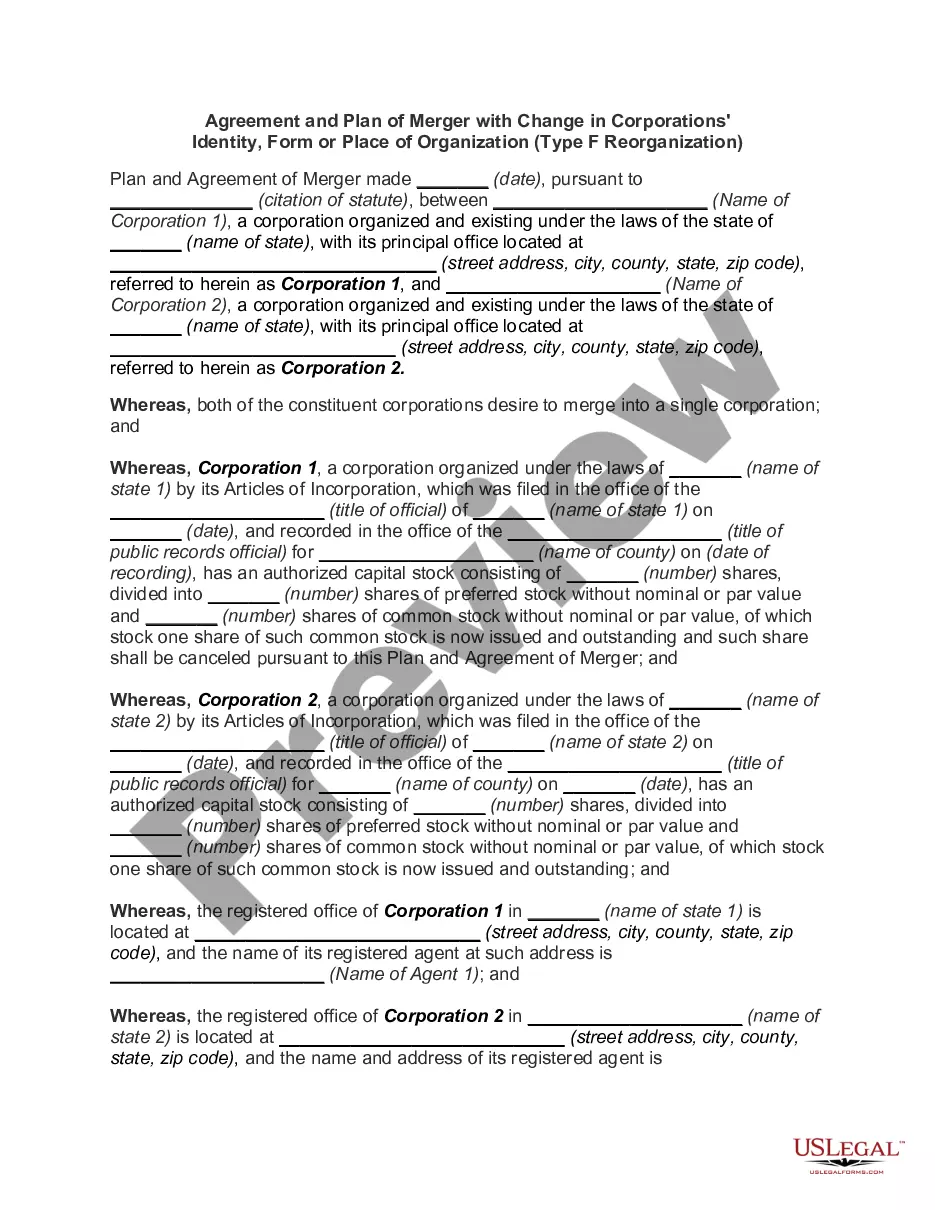




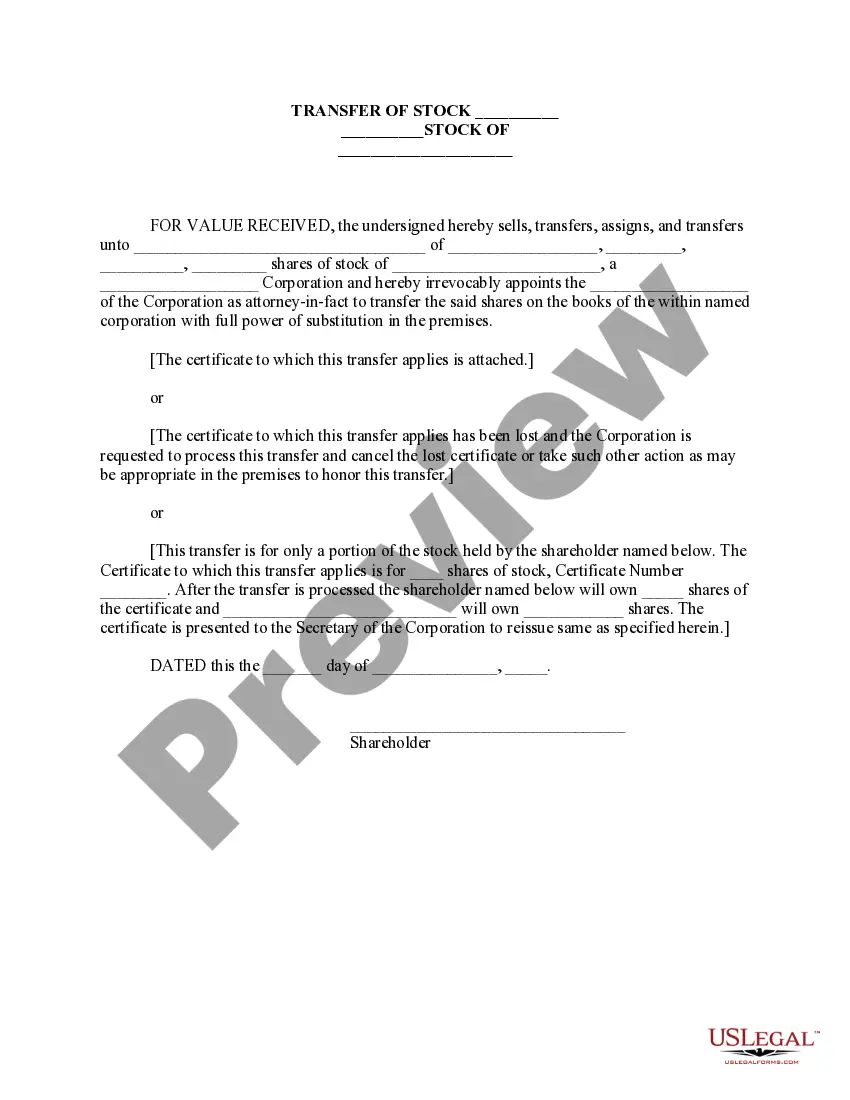

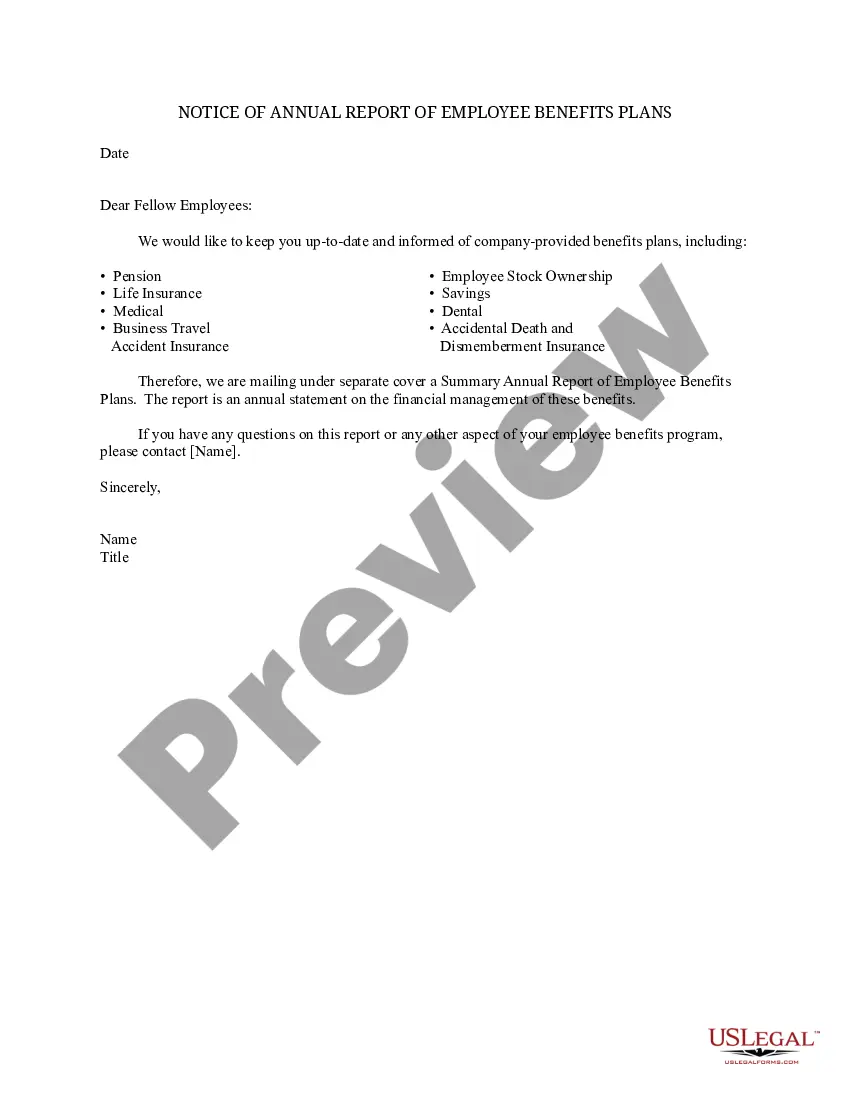
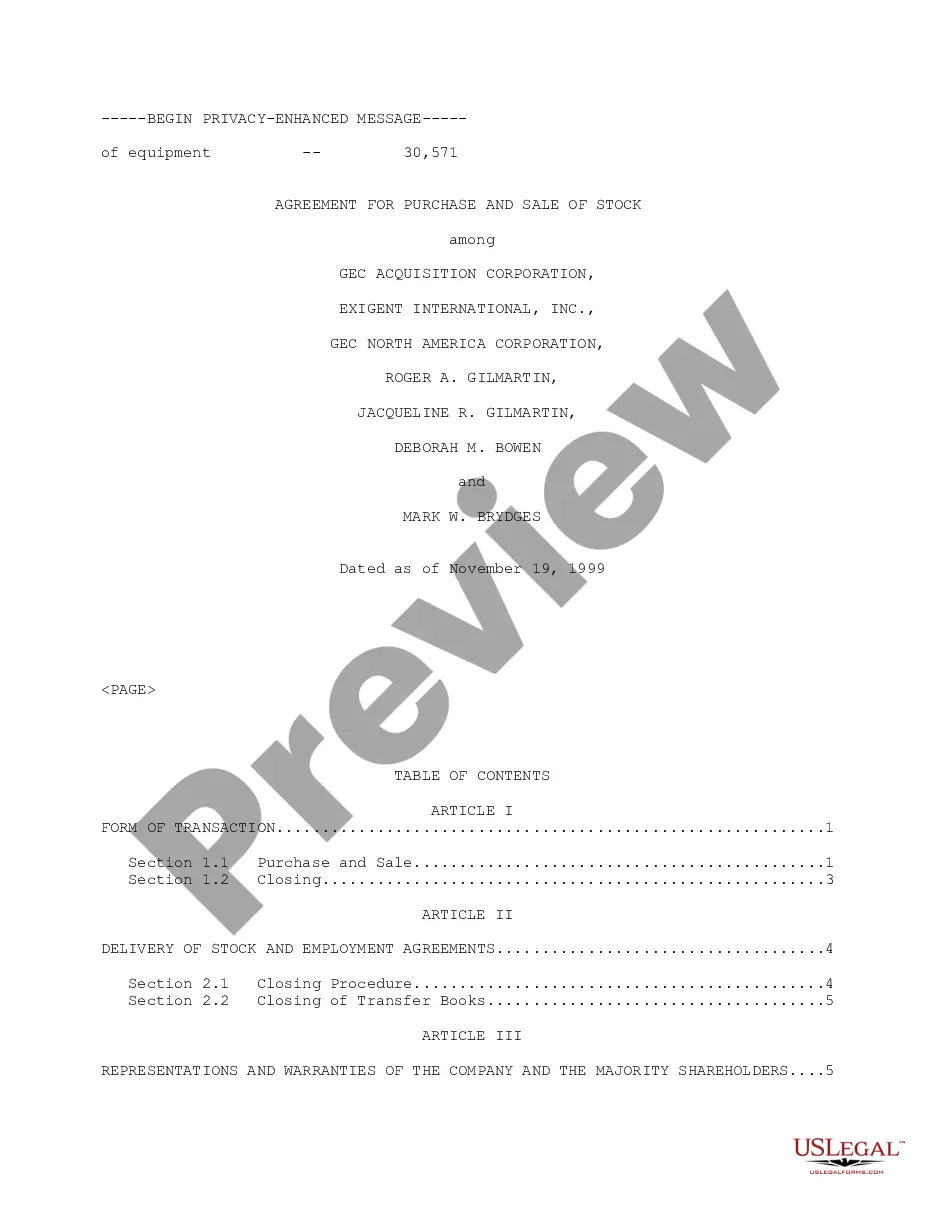
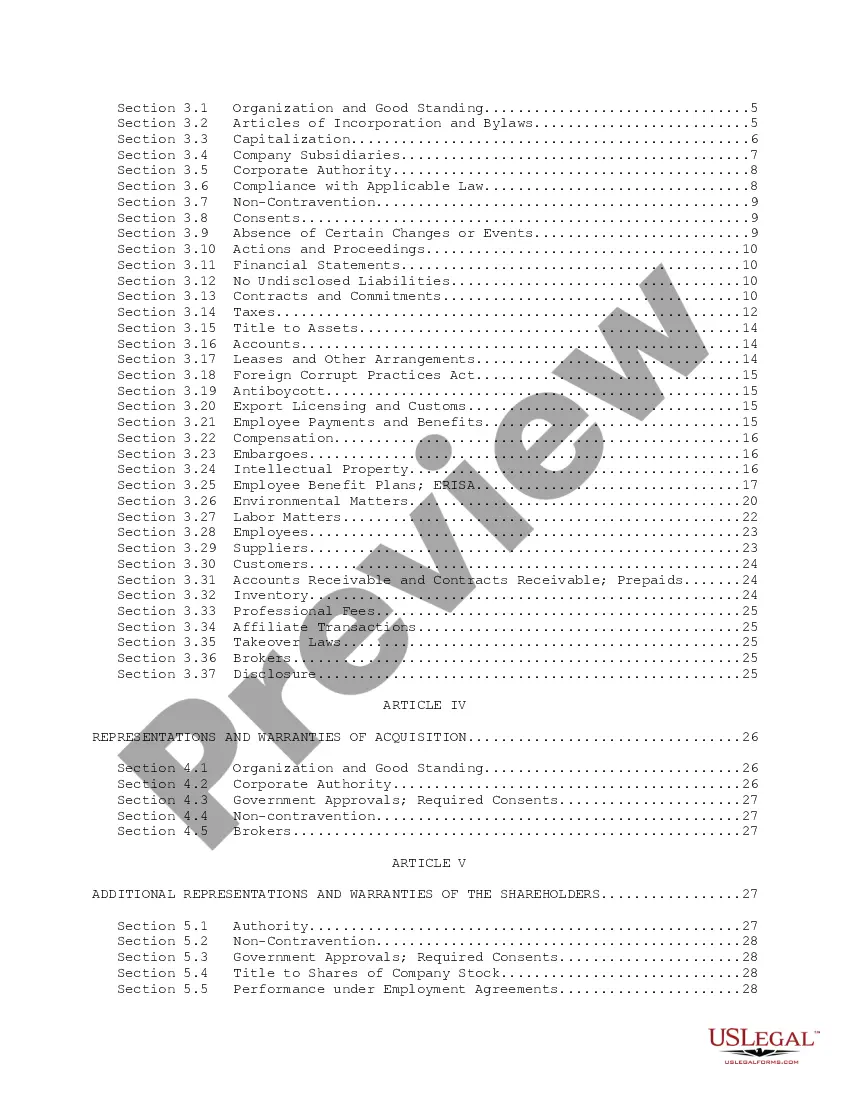
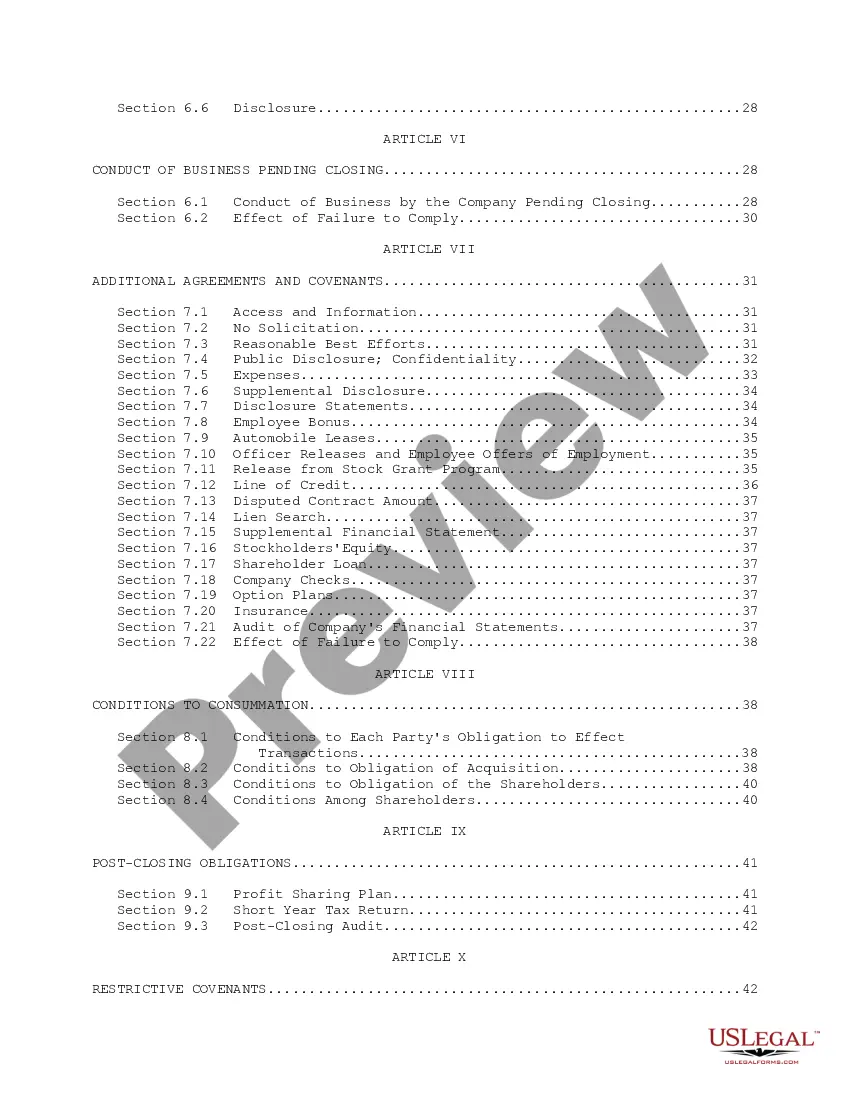
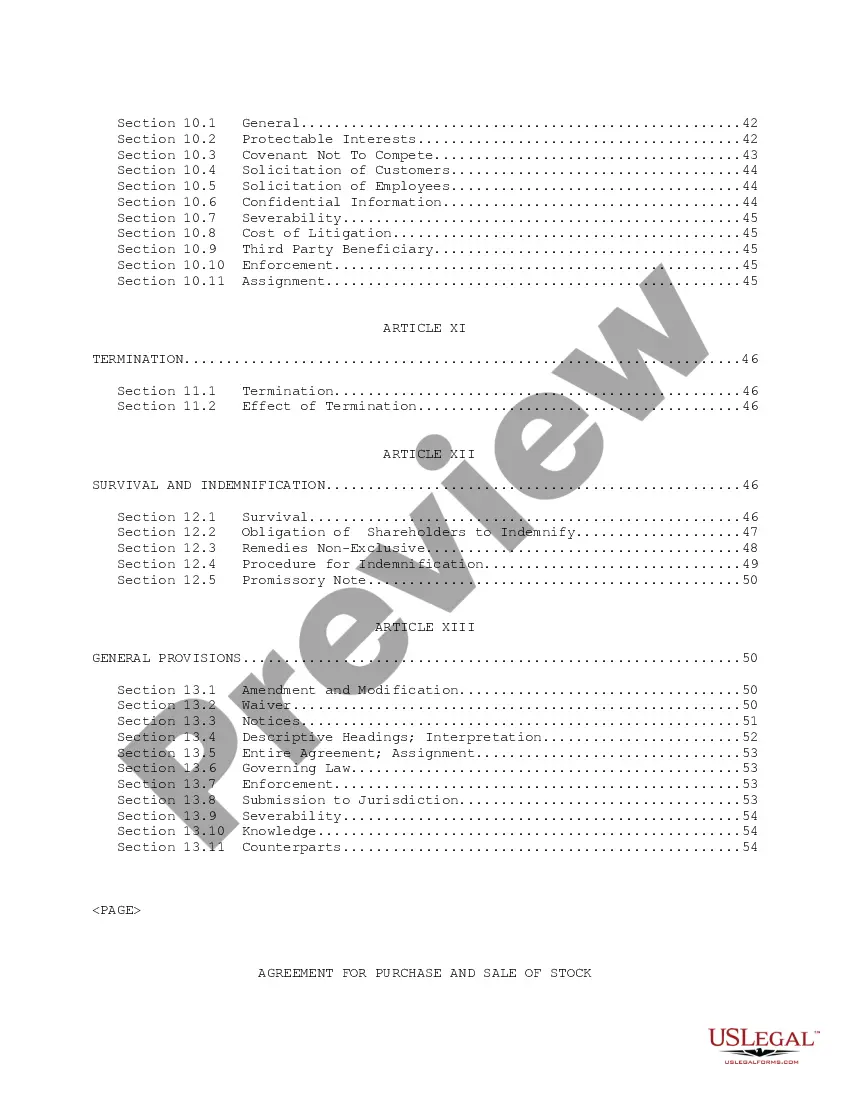
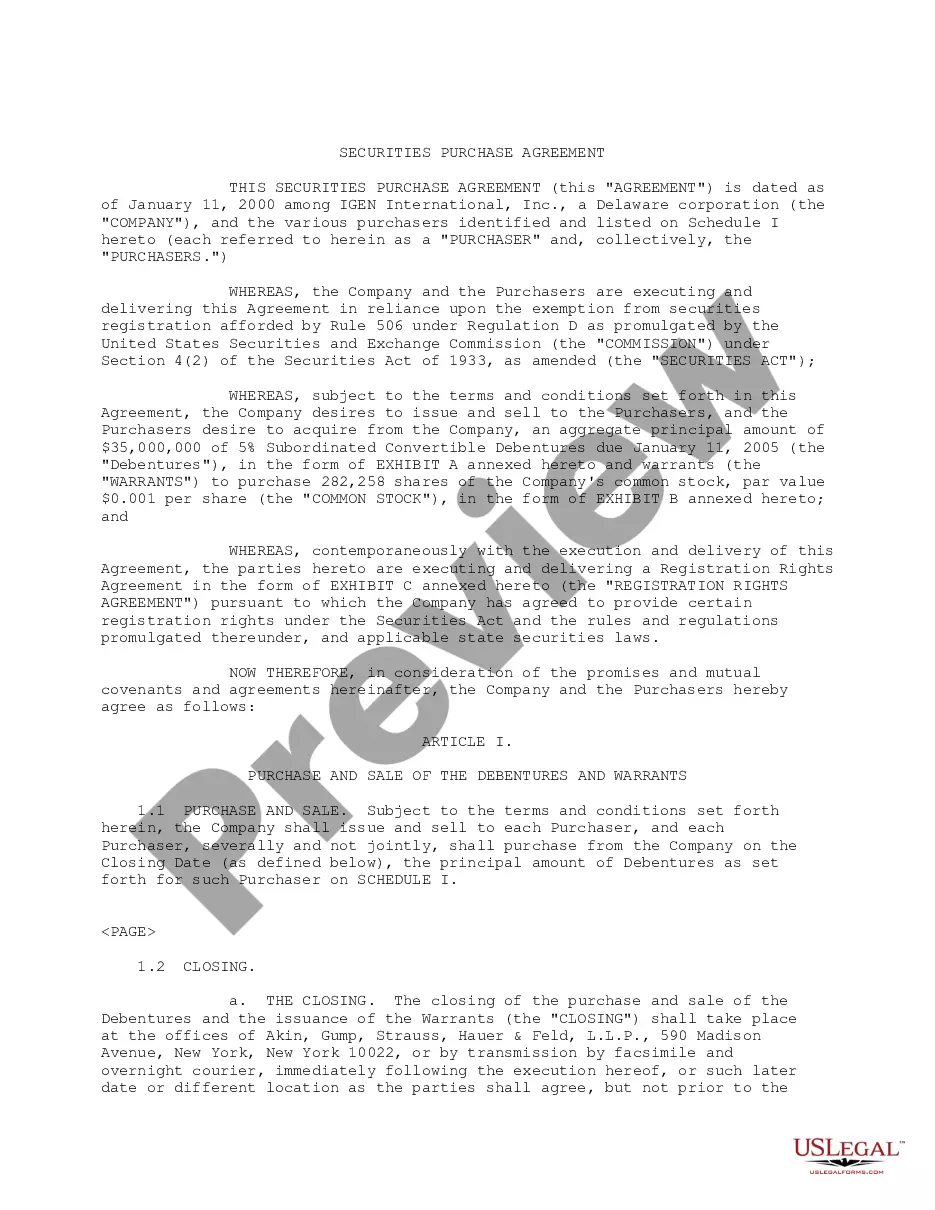
How to fill out Sample Purchase And Sale Agreement Purchase And Sale Of Stock Between GEC Acquisition Corp., Exigent International, Inc., GEC North America Corp.?
- If you're a returning user, log into your account and verify your subscription status. Click the Download button to get your desired form template on your device.
- For first-time users, begin by reviewing the Preview mode and form descriptions. Confirm that the selected template aligns with your local jurisdiction's requirements.
- Should you find inconsistencies, utilize the Search tab to locate the correct form. Proceed to the next step once you've identified the appropriate document.
- Purchase the chosen document by clicking the Buy Now button, and select your preferred subscription plan. Create an account for full access to the library.
- Complete your payment by entering your credit card information or using your PayPal account to finalize the subscription.
- Download the completed form and save it to your device. You can access it anytime later in the My Forms section of your profile.
By leveraging US Legal Forms, you empower yourself with an extensive collection of legal documents specifically tailored for stock-for-stock transactions. This resource saves time and ensures accuracy.
Start your journey today by exploring their library and experience how easy legal document creation can be!
Form popularity
FAQ
You need to fill out a 1099-B form for each stock sale that meets IRS reporting requirements. This form includes important details like the stock sold, proceeds, and date of sale. Not reporting these transactions can lead to tax complications, so it's crucial to manage your paperwork thoroughly. Utilizing services like UsLegalForms can help streamline this process.
An example of a stock-for-stock acquisition is when Company C acquires Company D by exchanging its shares for shares of Company D. For each share of Company D that a shareholder owns, they might receive a predetermined number of shares from Company C. This strategy can create value for both companies, encouraging growth and shareholder benefits. Exploring stock-for-stock options can enhance your investment strategies.
You can write off losses incurred from stocks against your taxable income, up to a limit set by the IRS. For capital losses from stock-for-stock transactions, you can offset short-term gains fully, along with up to $3,000 of other income. It’s advisable to consult a tax professional to maximize your deductions effectively.
Yes, you should declare all shares you hold on your tax return. While you might not report them if you haven't sold any, it's essential to note gains or losses when selling. This procedure is crucial for your tax responsibilities, especially in the context of stock-for-stock transactions.
To prove ownership of a stock, you can refer to your brokerage statements, which detail all your transactions and holdings. Additionally, you might have digital certificates or transaction confirmations that serve as proof. For stock-for-stock exchanges, having clear documentation is vital to validate your claims.
Typically, you will not receive a 1099 if you did not sell any stocks during the tax year. The 1099 form is only issued for transactions that result in taxable events, such as sales. However, it’s crucial to keep records of your holdings, especially when considering stock-for-stock options.
Yes, all stock transactions must be declared on your tax return. This includes both gains and losses from sales. Properly declaring these transactions helps ensure you comply with tax regulations and manage your finances effectively, especially in stock-for-stock exchanges.
If you have sold stocks during the tax year, you will likely receive a 1099 form from your broker. This form reports the earnings from your stock sales, which you need for your tax return. Remember, maintaining these documents can be crucial for effective stock-for-stock reporting.
Yes, you need to report stock transactions on your taxes. When you sell stocks, the gains or losses must be calculated and included in your tax return. This way, you can effectively manage your tax obligations related to stock-for-stock transactions.
Generating $1000 a month with stocks is possible, but it requires careful planning and strategy. You can achieve this by investing in dividend-paying stocks or engaging in stock-for-stock exchanges that can enhance your returns. However, remember that all investments come with risks, so proper research and risk management are essential.