Futures Contract With Index
Description
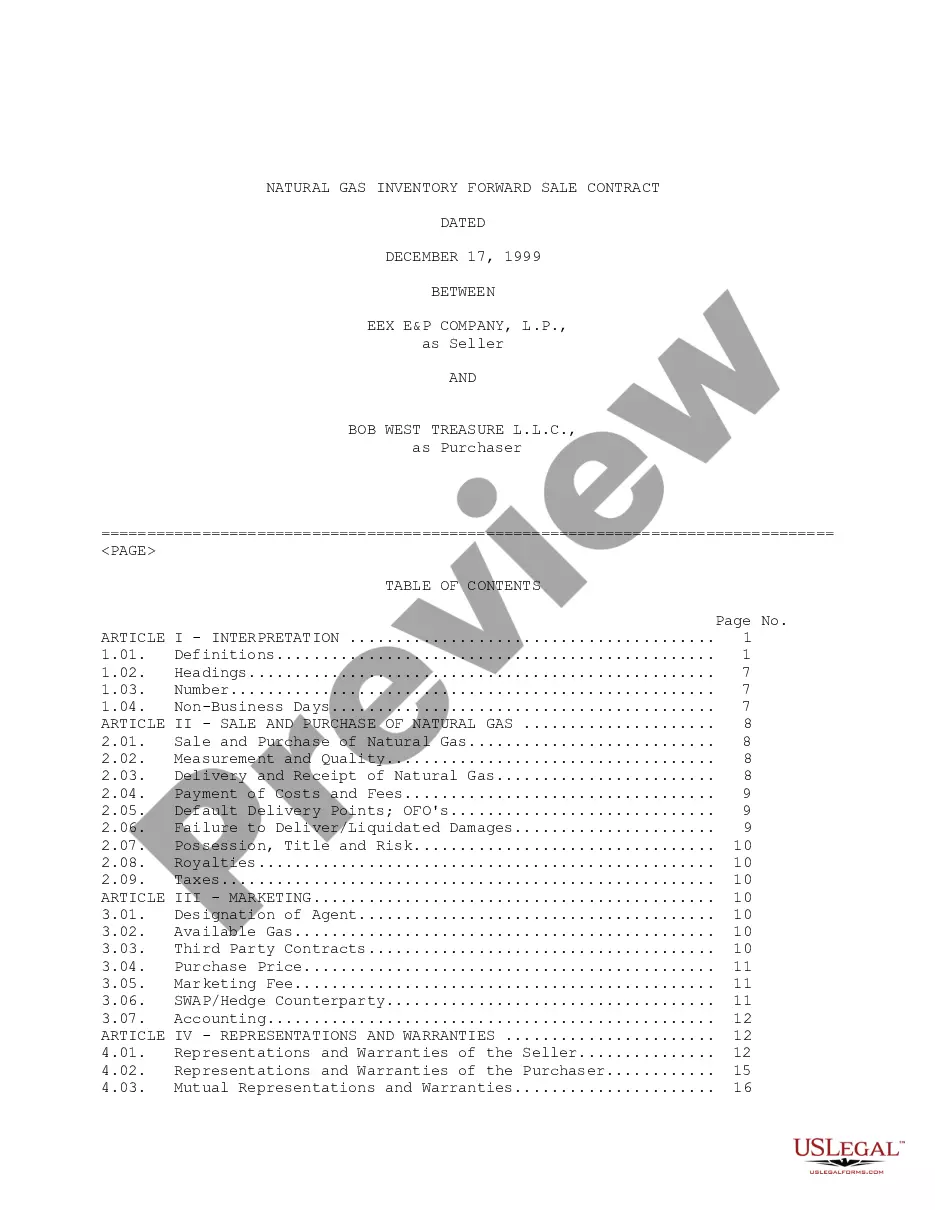
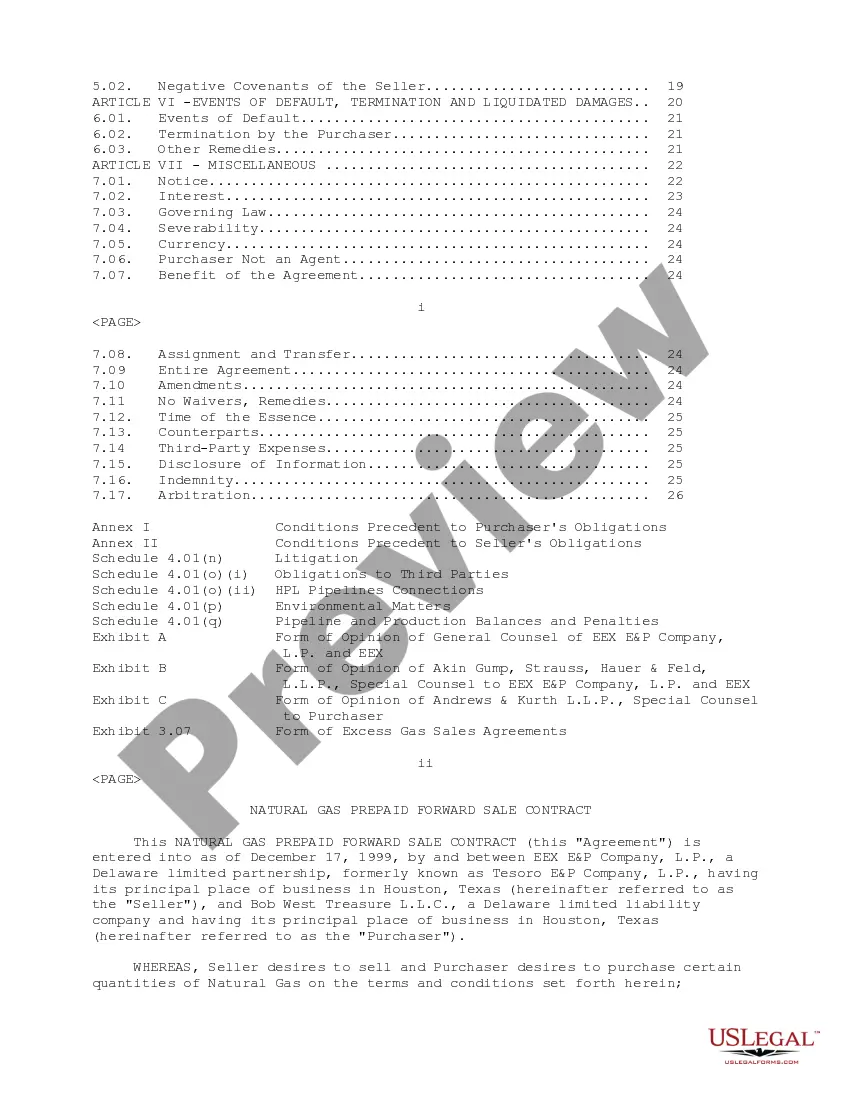
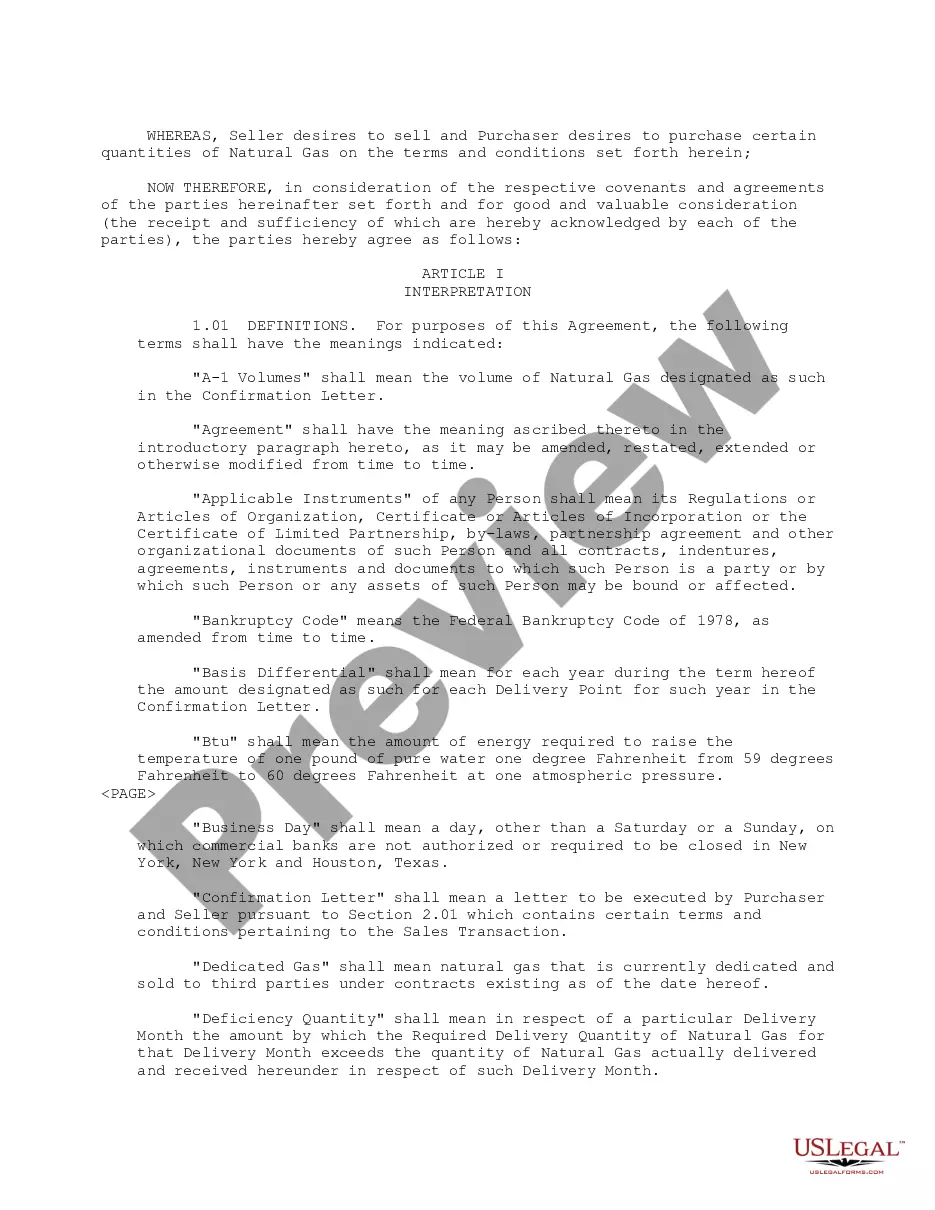
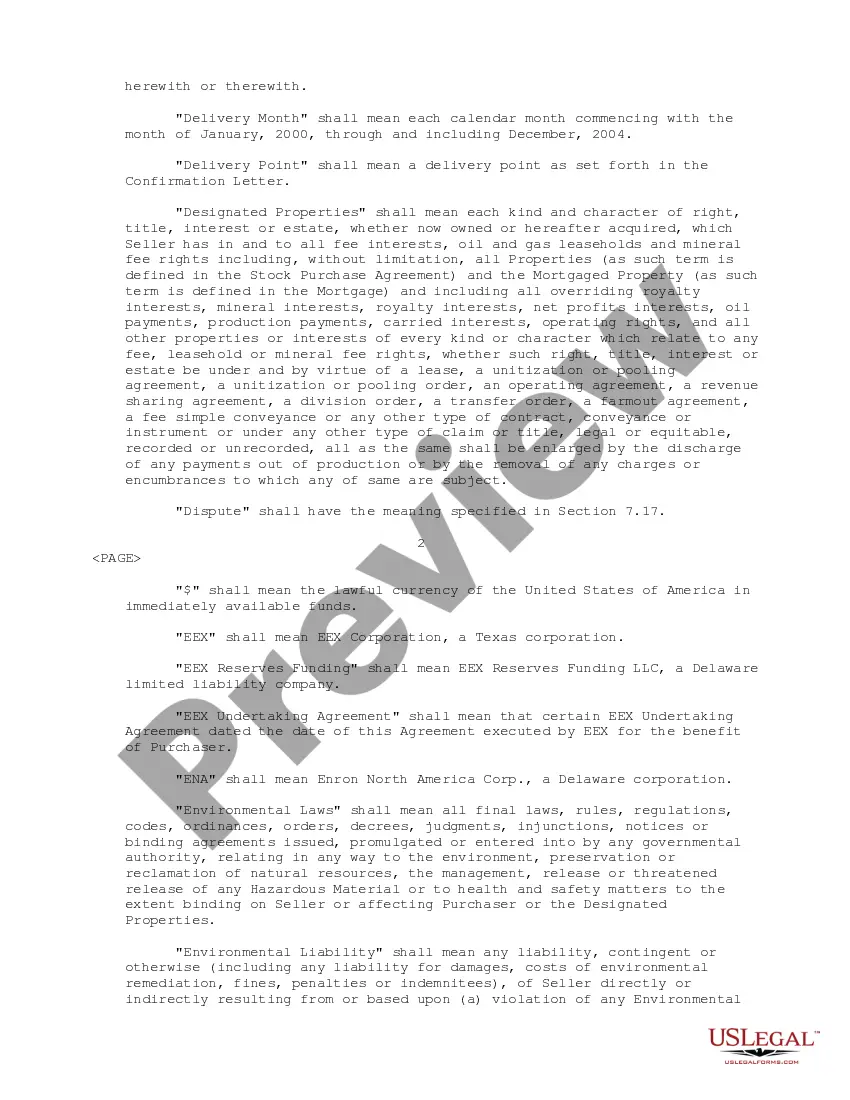
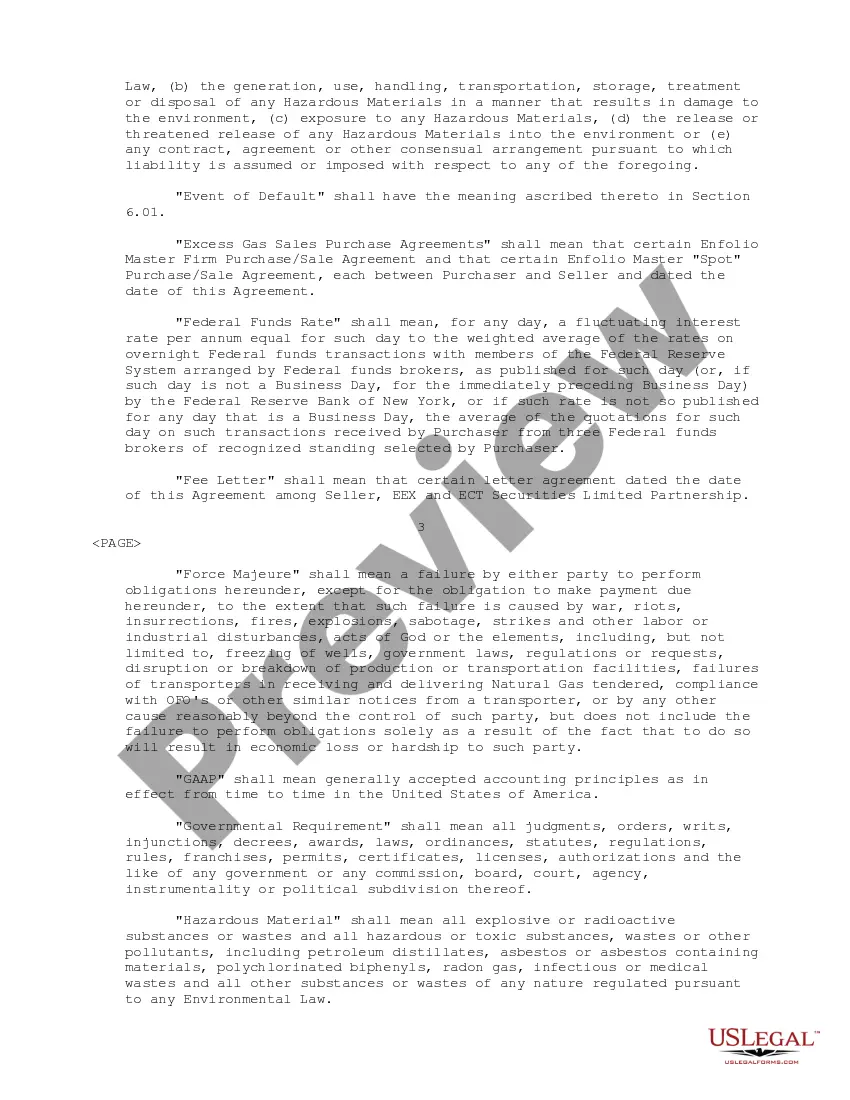
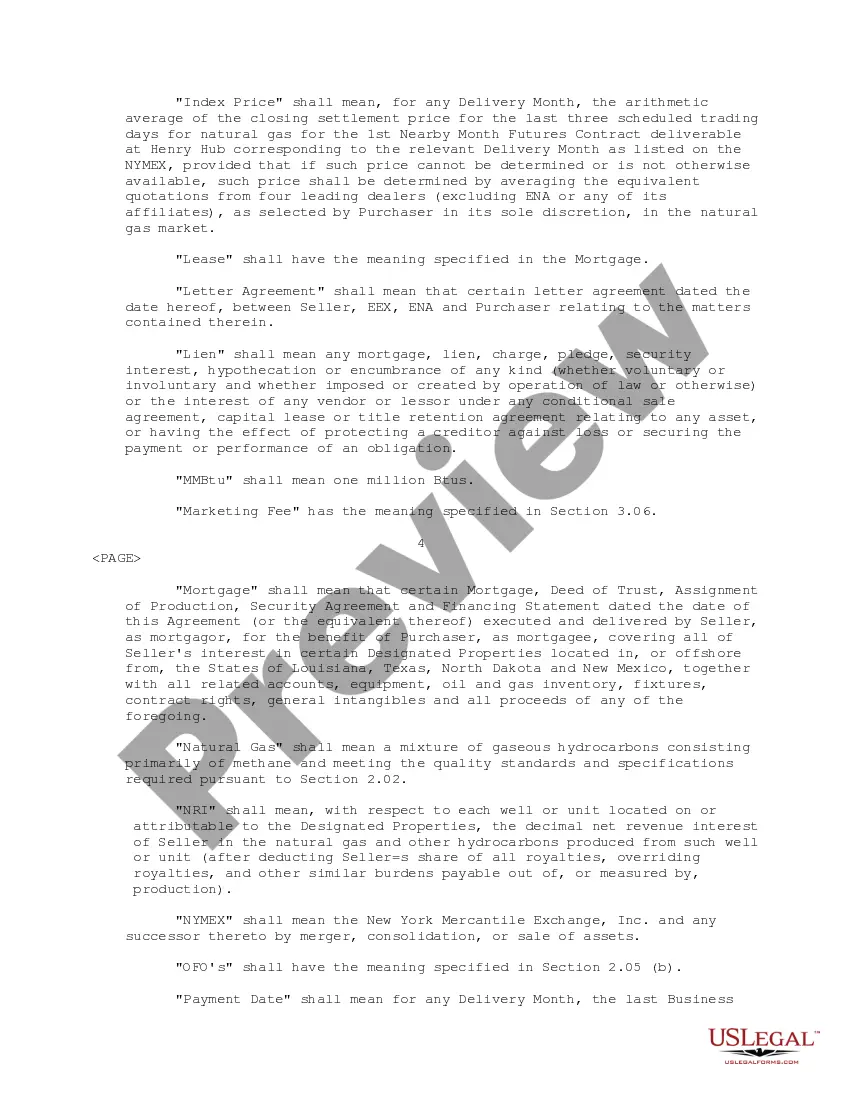
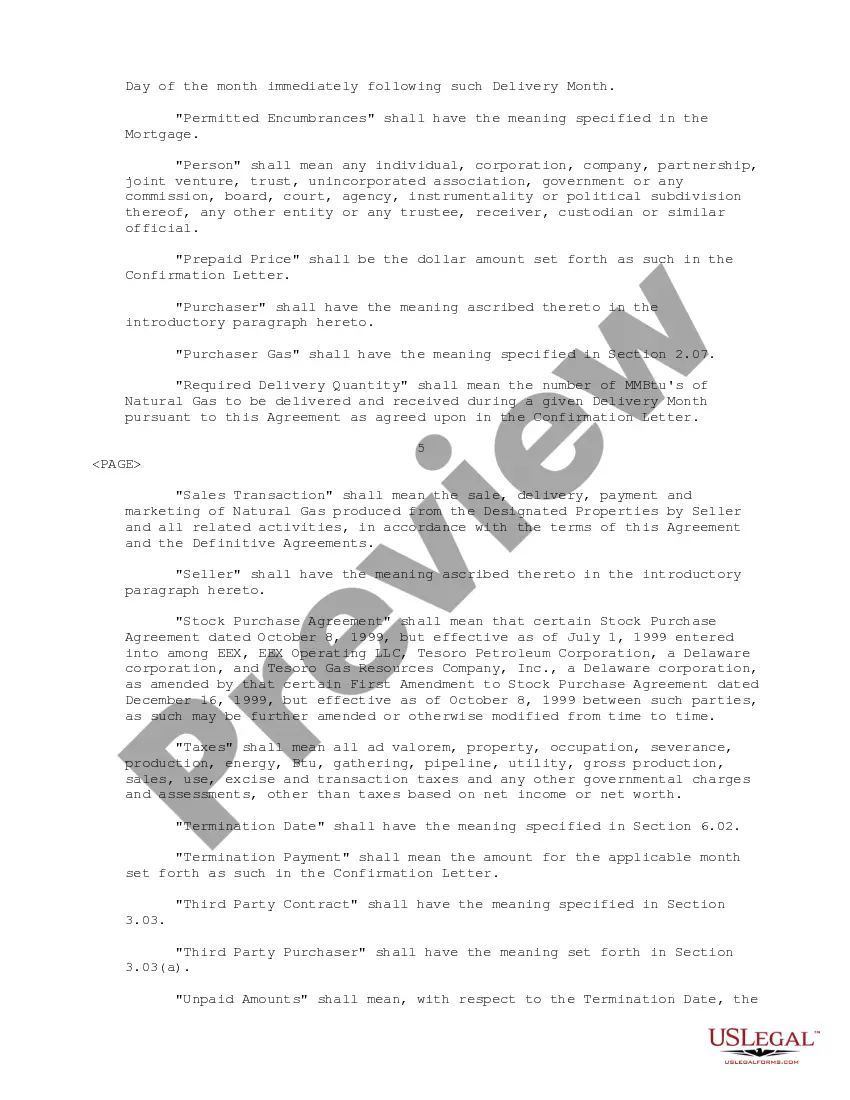
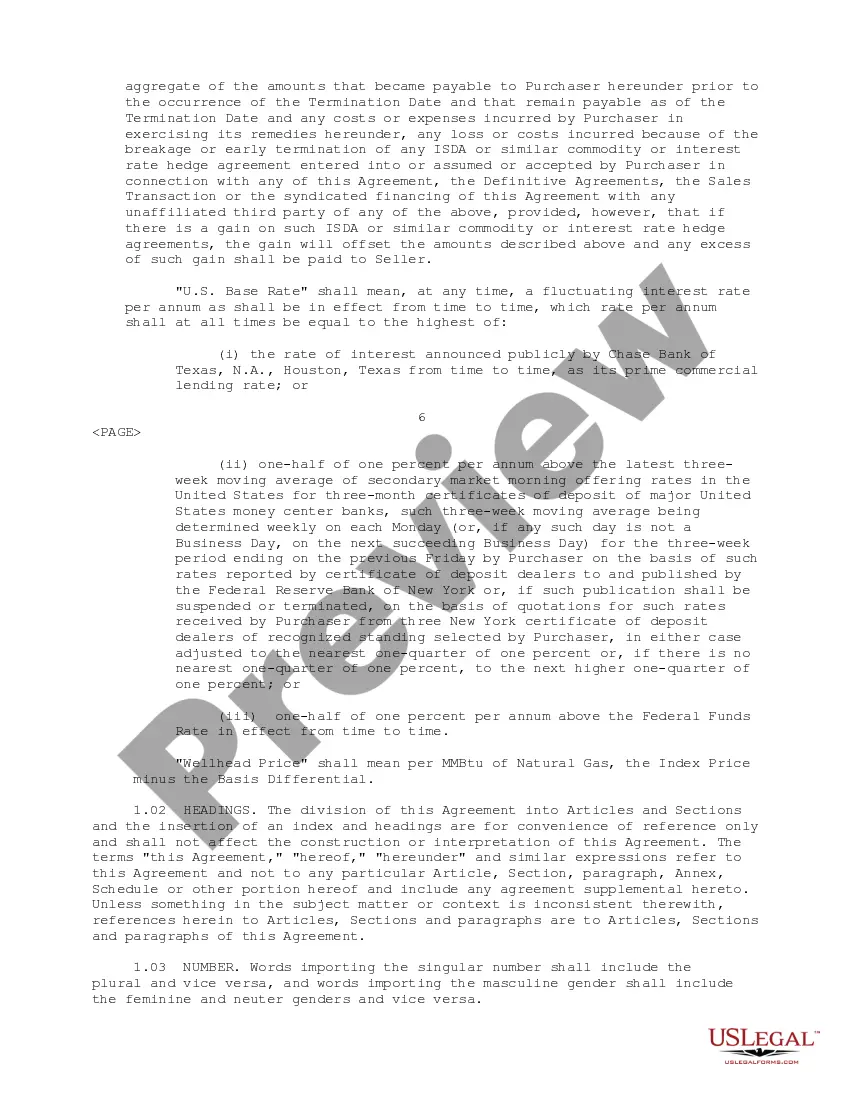
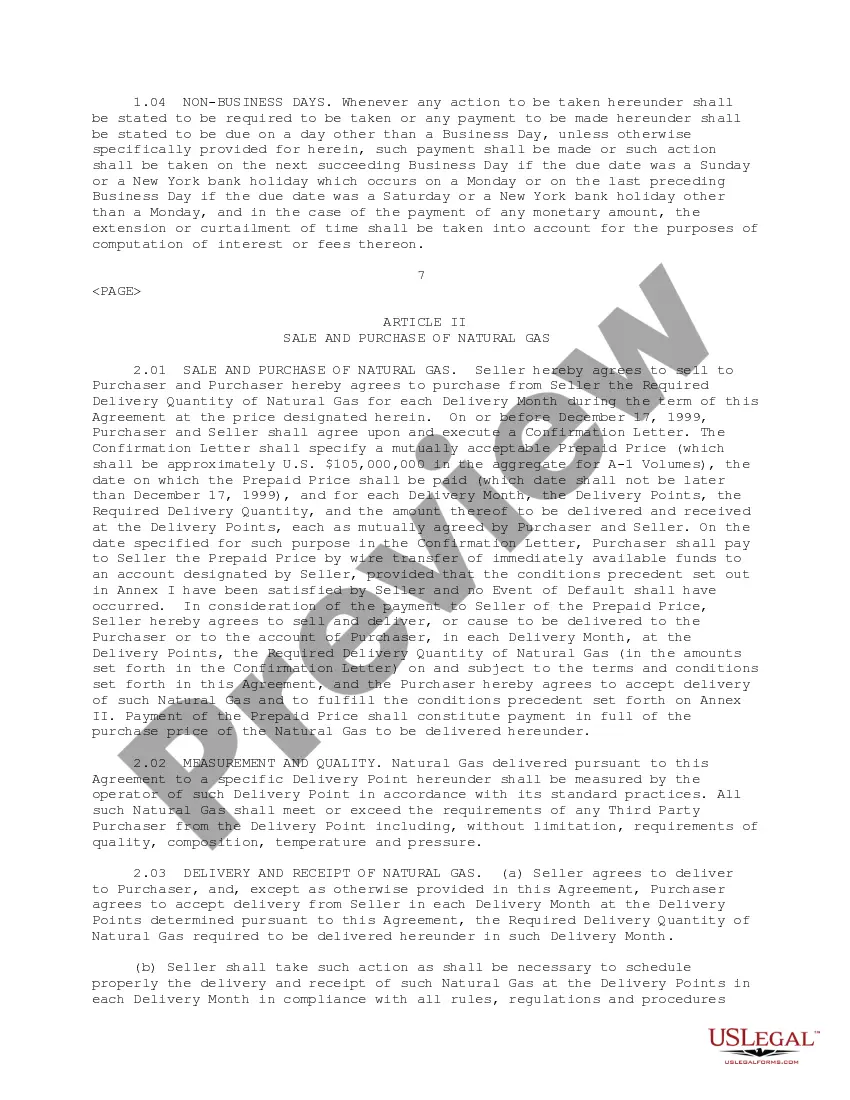
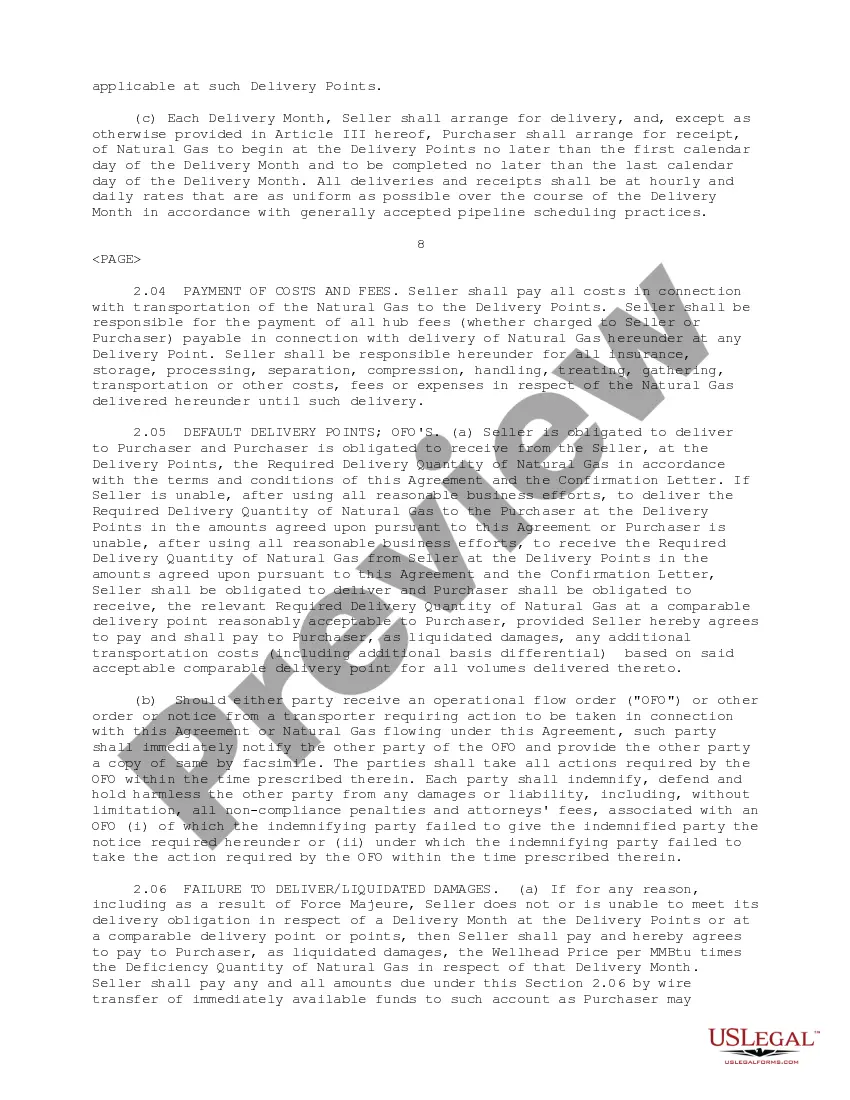

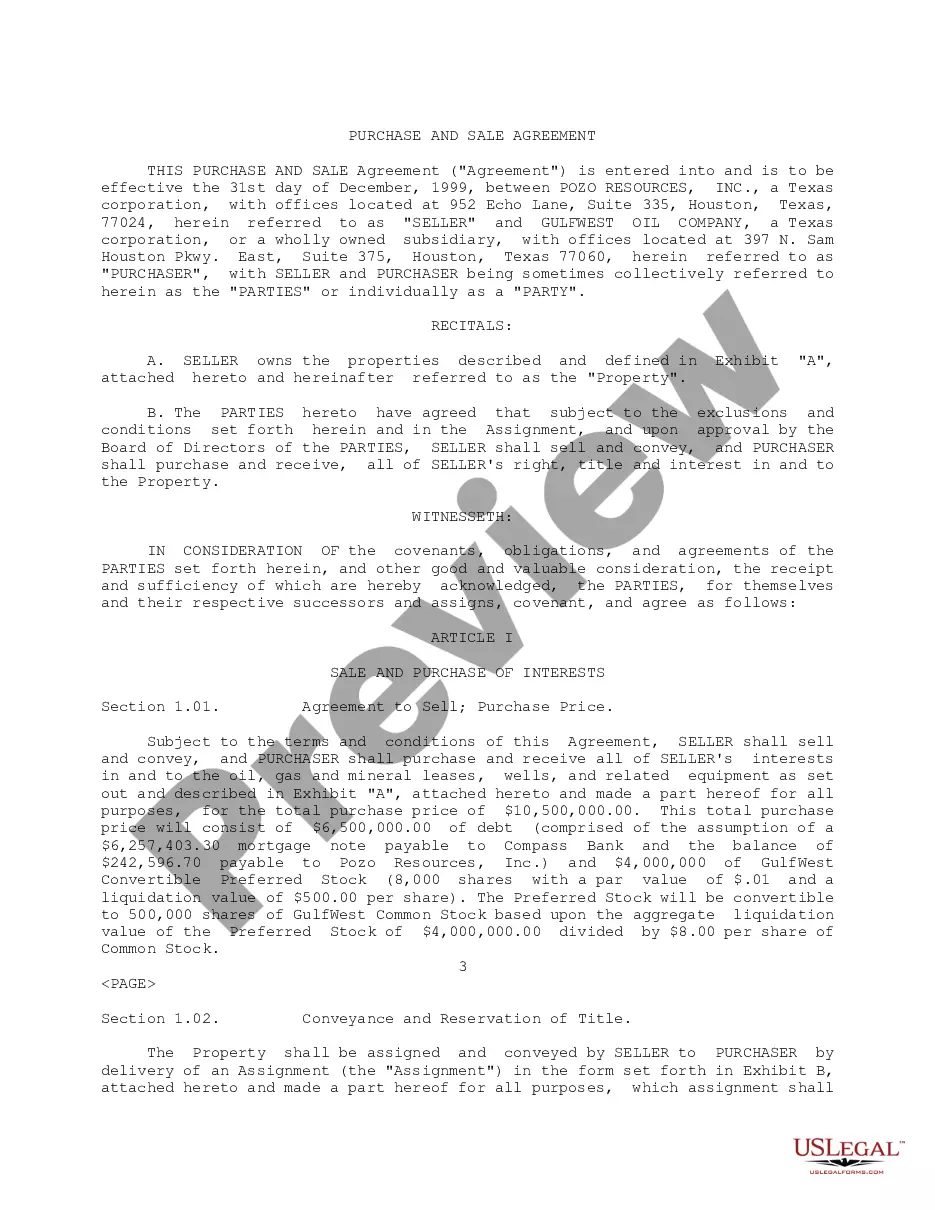



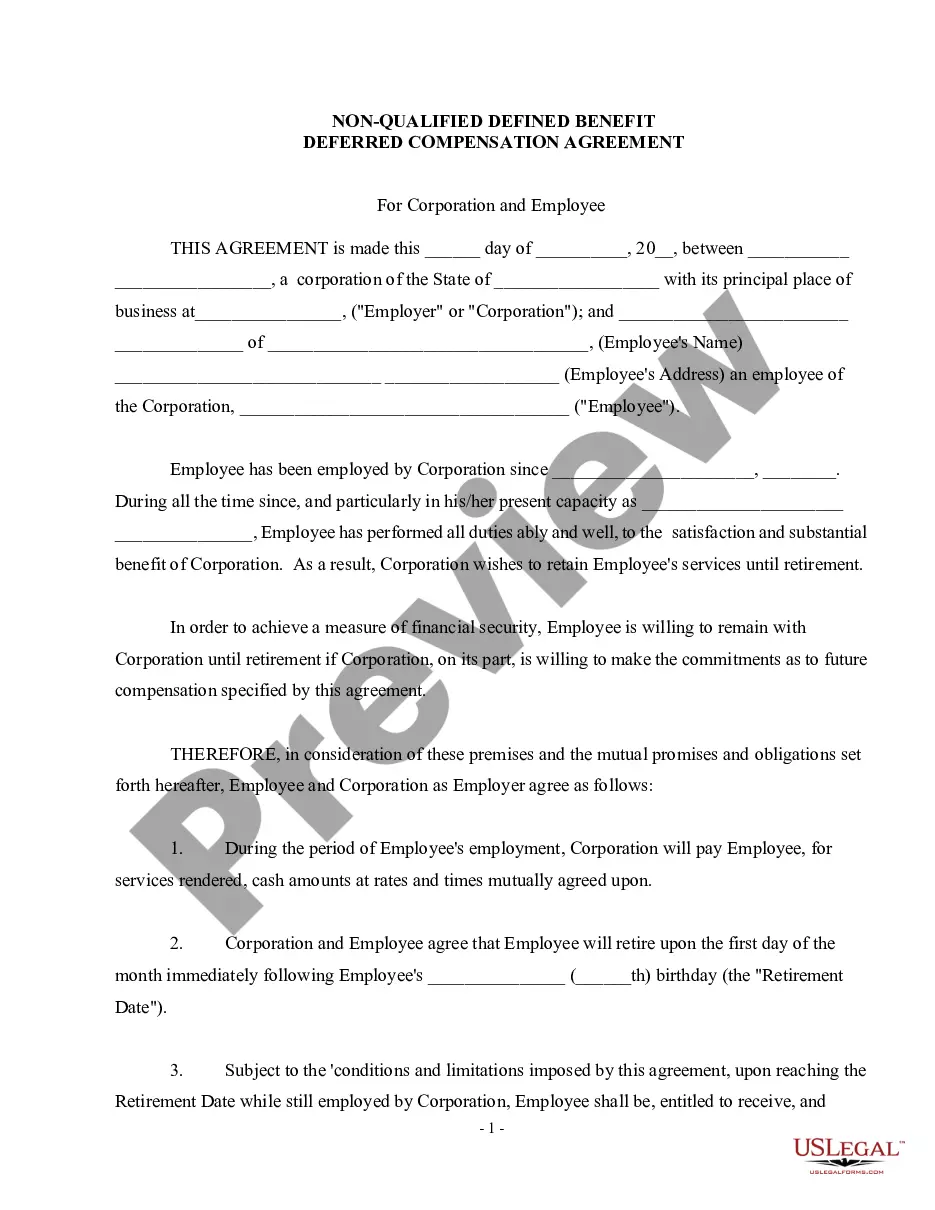
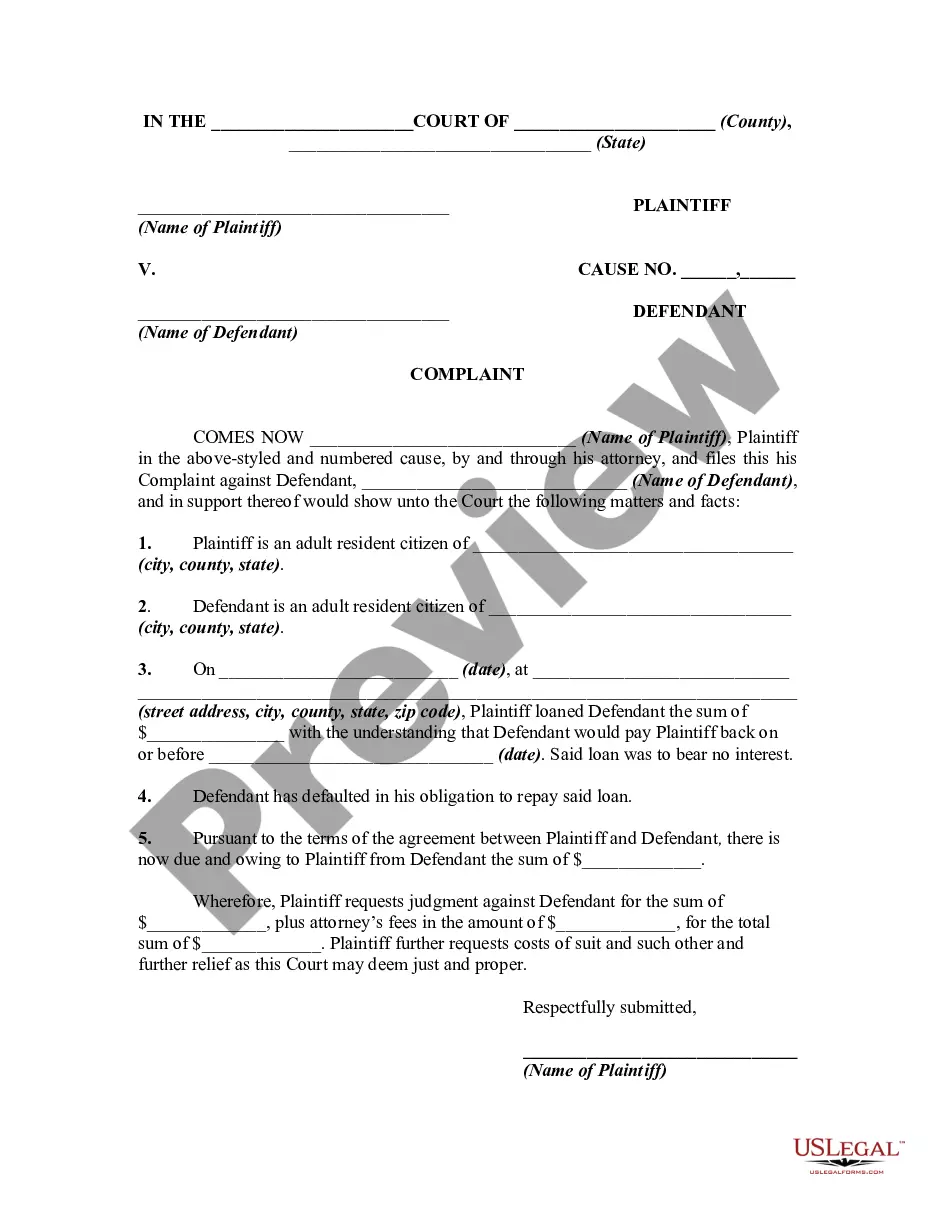
How to fill out Natural Gas Inventory Forward Sale Contract?
Acquiring legal templates that comply with federal and state laws is essential, and the internet provides numerous options to consider.
However, what is the purpose of spending time hunting for the appropriate Futures Contract With Index example online when the US Legal Forms digital library already consolidates such templates in one location.
US Legal Forms stands as the largest online legal archive featuring over 85,000 fillable templates crafted by attorneys for various business and personal situations. They are straightforward to navigate with all documents organized by state and intended use.
All templates available through US Legal Forms are reusable. To re-download and complete previously saved forms, navigate to the My documents section in your account. Take advantage of the most comprehensive and user-friendly legal document service!
- Our specialists keep up with legislative changes, ensuring your form is current and compliant when obtaining a Futures Contract With Index from our site.
- Acquiring a Futures Contract With Index is quick and easy for both returning and new users.
- If you possess an account with an active subscription, sign in and save the required document sample in your desired format.
- For new users, follow the steps below.
- Review the template using the Preview option or through the text outline to confirm it suits your needs.
Form popularity
FAQ
Interpreting a futures contract with index involves analyzing the fluctuations in the index value to make informed trading decisions. You look at current market trends and historical data to predict future movements. This understanding enables you to anticipate potential gains or losses, which is crucial for effective trading.
The key difference between an ETF and index futures lies in their structure and trading mechanisms. An ETF holds actual assets and trades like a stock, while a futures contract with index is a derivative that represents an agreement on future prices without ownership of the underlying index. Both serve distinct purposes for investors, and selecting between them depends on your trading strategy and financial goals. Platforms like US Legal Forms can provide insights to help you determine the best choice for your situation.
Futures contracts can be categorized into several types, including agricultural, energy, metal, and index futures. Each type serves a distinct purpose and caters to different sectors of the market. For instance, index futures allow investors to trade based on index values, providing a way to manage risk and optimize investment portfolios efficiently.
In the NFL context, futures contracts are agreements that allow for betting on the outcomes of future events, like which team will win the Super Bowl. These contracts often generate excitement among fans and gamblers alike as they speculate on team performances. While these contracts are not the same as financial futures contracts with index, both demonstrate the concept of predicting future outcomes in various fields.
The four primary types of derivatives include futures, options, forwards, and swaps. Futures contracts with index are a notable form of derivatives, as they allow for trading based on index values. Each type serves unique purposes in risk management and investment strategies, helping traders navigate fluctuations in the market efficiently.
You can use index futures for hedging or speculating on market movements. By buying or selling a futures contract, you can protect your portfolio against potential losses or leverage to increase your profits. Leveraging the futures contract with index can provide opportunities to capitalize on market volatility.
You can either buy or sell index futures depending on your market outlook. Buying implies you anticipate the index will increase, while selling indicates you expect it to decrease. This allows for various trading strategies and profit opportunities with the futures contract with index.
You can trade index futures during market hours, which vary by exchange. Most exchange session hours for index futures allow trading nearly 24 hours a day, giving you flexibility to react to market news and events. This round-the-clock availability enhances the benefits of the futures contract with index, catering to global market participation.
To report a futures contract on your tax return, you'll need to document any gains or losses incurred throughout the year. Typically, these contracts are treated as section 1256 contracts, which means 60% of gains are taxed at long-term rates and 40% at short-term rates. Consulting a tax professional can help ensure accuracy when reporting a futures contract with index.