Working Without Contract
Description
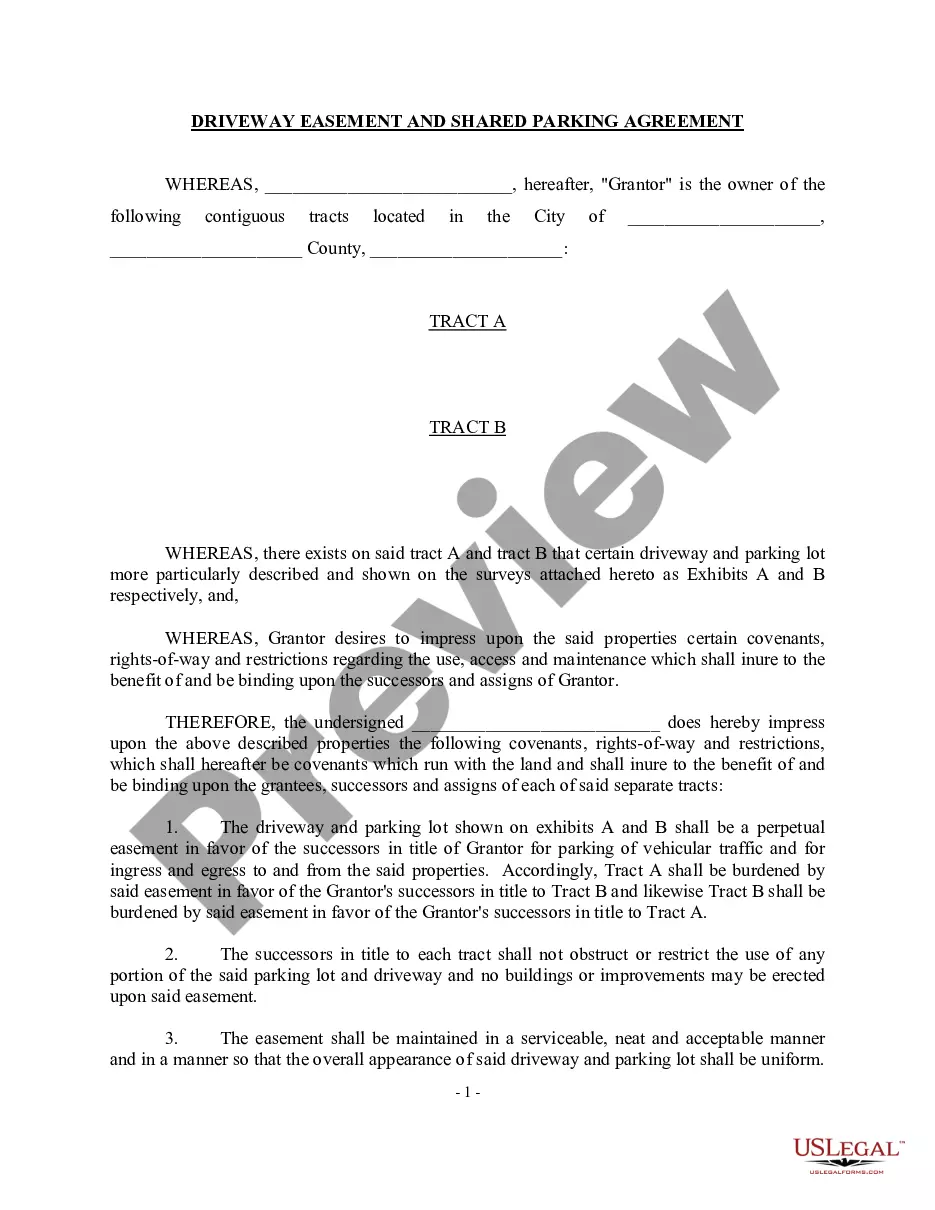
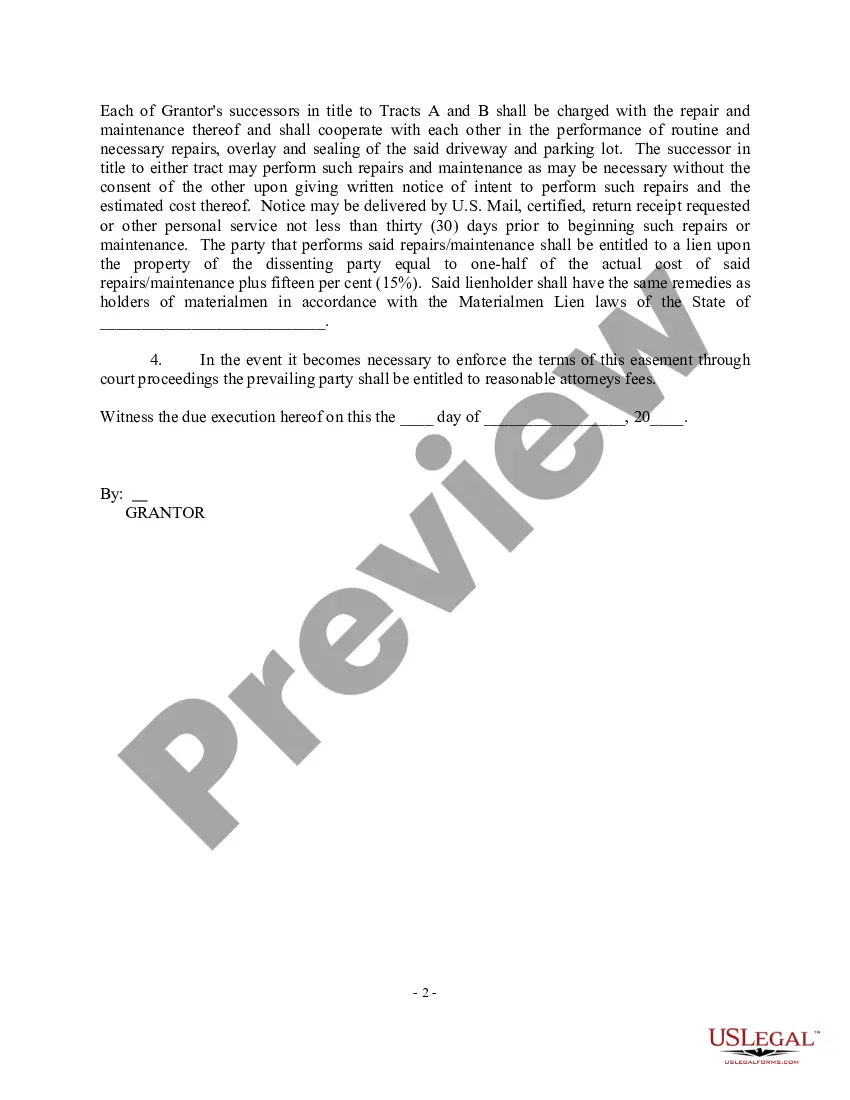
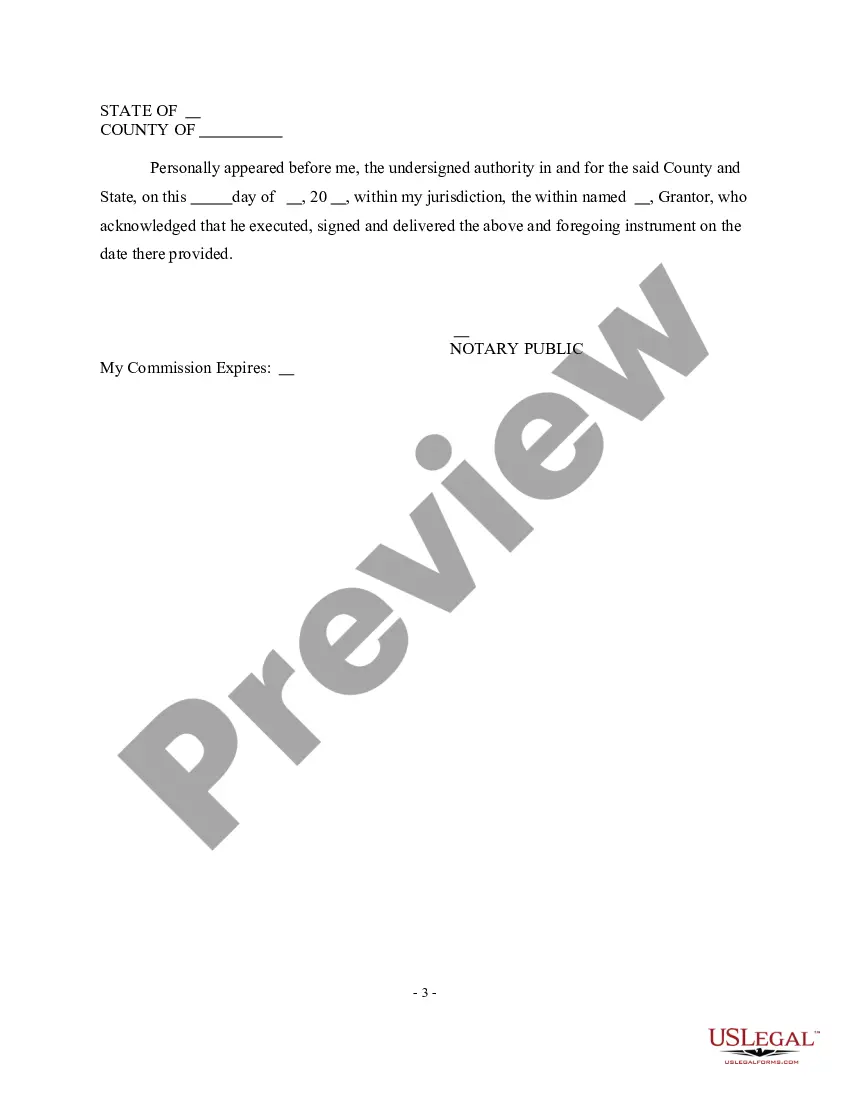
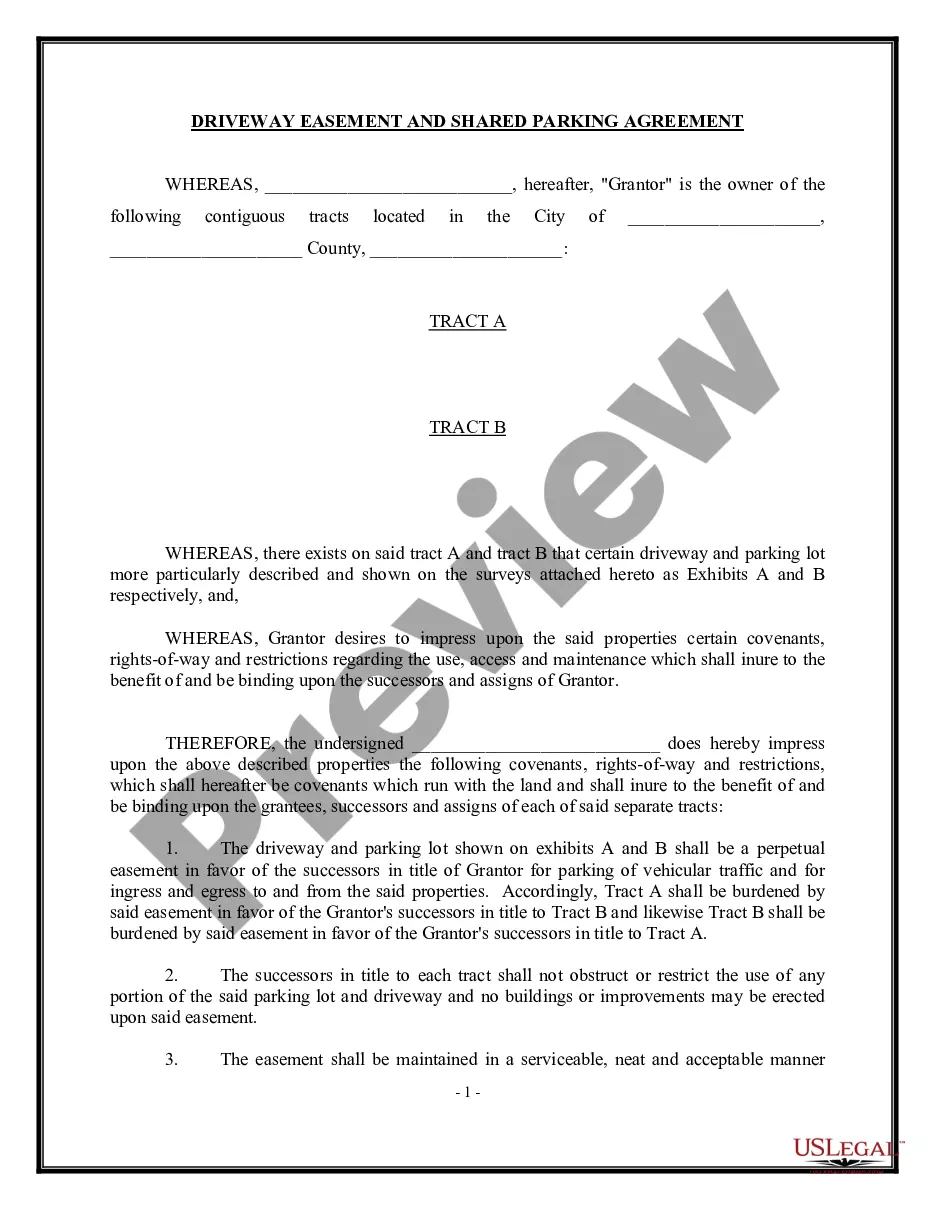
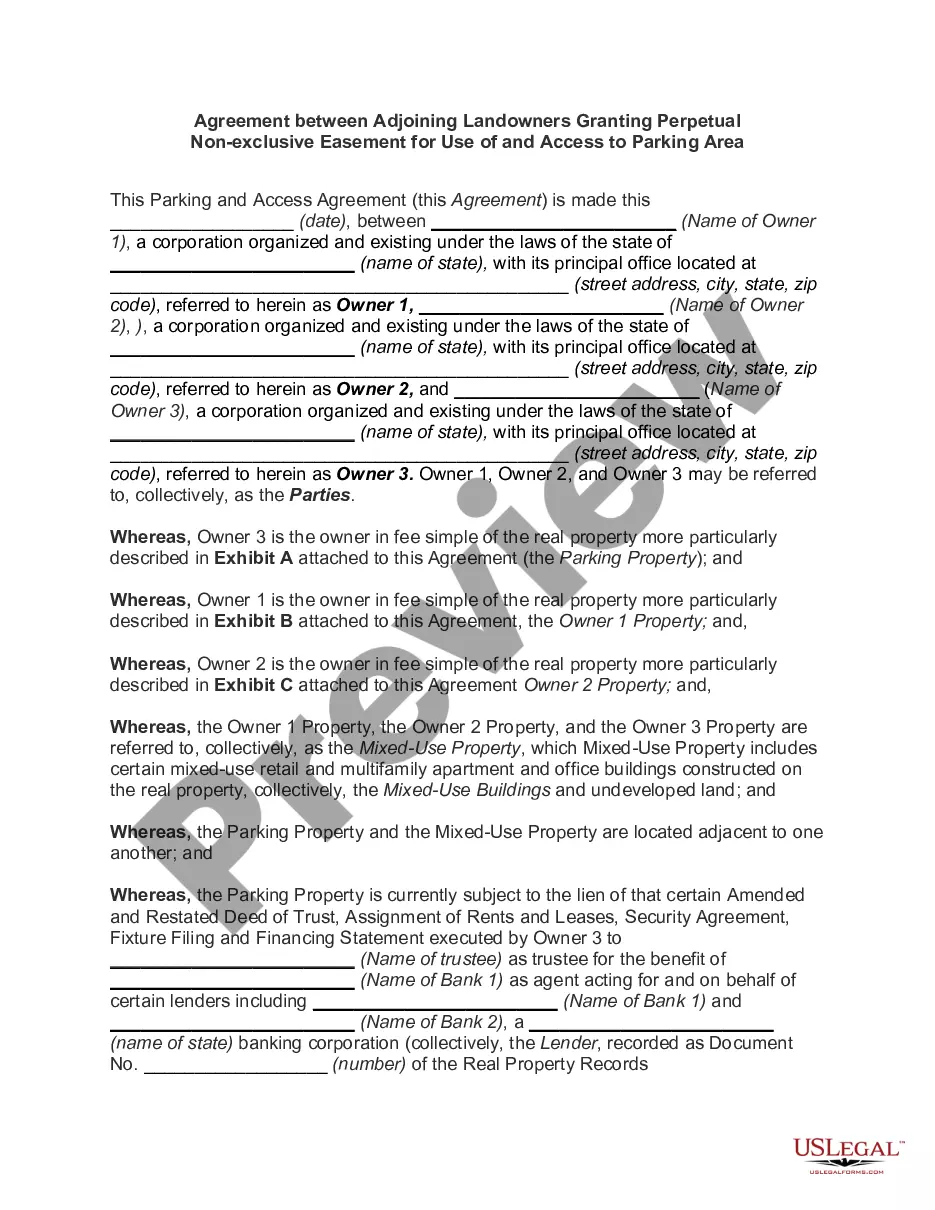
Get your form ready online
Our built-in tools help you complete, sign, share, and store your documents in one place.
Make edits, fill in missing information, and update formatting in US Legal Forms—just like you would in MS Word.
Download a copy, print it, send it by email, or mail it via USPS—whatever works best for your next step.
Sign and collect signatures with our SignNow integration. Send to multiple recipients, set reminders, and more. Go Premium to unlock E-Sign.
If this form requires notarization, complete it online through a secure video call—no need to meet a notary in person or wait for an appointment.
We protect your documents and personal data by following strict security and privacy standards.

Make edits, fill in missing information, and update formatting in US Legal Forms—just like you would in MS Word.

Download a copy, print it, send it by email, or mail it via USPS—whatever works best for your next step.

Sign and collect signatures with our SignNow integration. Send to multiple recipients, set reminders, and more. Go Premium to unlock E-Sign.

If this form requires notarization, complete it online through a secure video call—no need to meet a notary in person or wait for an appointment.

We protect your documents and personal data by following strict security and privacy standards.
Looking for another form?
How to fill out Driveway Easement And Shared Parking Agreement?
Dealing with legal papers and processes can be an arduous addition to your day.
Working Without Agreement and forms similar to it frequently require you to search for them and maneuver through the steps to finalize them correctly.
Therefore, if you are handling financial, legal, or personal matters, utilizing a complete and user-friendly online library of forms when needed will greatly assist you.
US Legal Forms is the leading online platform of legal templates, providing over 85,000 state-specific forms and a variety of tools to help you complete your documents effortlessly.
Is this your first experience with US Legal Forms? Register and establish an account in just a few minutes to gain access to the form library and Working Without Agreement. Then, follow the instructions below to complete your form.
- Explore the collection of relevant documents accessible to you with just a single click.
- US Legal Forms offers you state- and county-specific forms available for download at any time.
- Protect your document management processes with a high-quality service that enables you to create any form within minutes without any additional or concealed fees.
- Simply Log In to your account, locate Working Without Agreement and download it instantly from the My documents section.
- You can also access previously downloaded forms.
Form popularity
FAQ
The majority of states require a person to have a permit to carry a loaded, concealed handgun in public.
In 2021, Tennessee eliminated its permit requirement for carrying concealed handguns in public spaces and, effective July 1, 2021, now generally allows anyone at least 21 years old to carry a handgun in most public spaces without a permit, either openly or concealed, as long as they are legally eligible to possess the ...
You need a bill of sale for an ownership transfer of a boat, car, or firearm in Tennessee. A bill of sale provides legal protection whenever you buy or sell any high-value items. Learn more about what a bill of sale is and how to draft one that will work.
If you're on your own property, home, or vehicle, you can carry a handgun without a permit. If you want to go out in public, you need to get a carry permit. A first violation for illegally carrying a firearm without a permit is a Class C misdemeanor; the penalty is a fine of up to $500 and/or up to 30 days in jail.
Tennessee legalized permitless-carry after the passage of SB 765 in July 2021. This bill allows anyone 21 years or older ? as well as law enforcement officers and military personnel 18 or older ? to open- or conceal-carry a handgun in public, except in schools, public parks or government buildings.
Walmart announced last week that they no longer welcome customers who engage in ?open carry? ? carrying a gun, in public, for everyone to see. Kroger joined them within hours, and CVS, Walgreens and Wegmans followed suit before the end of the week.