Compensation For Utility Easement
Description
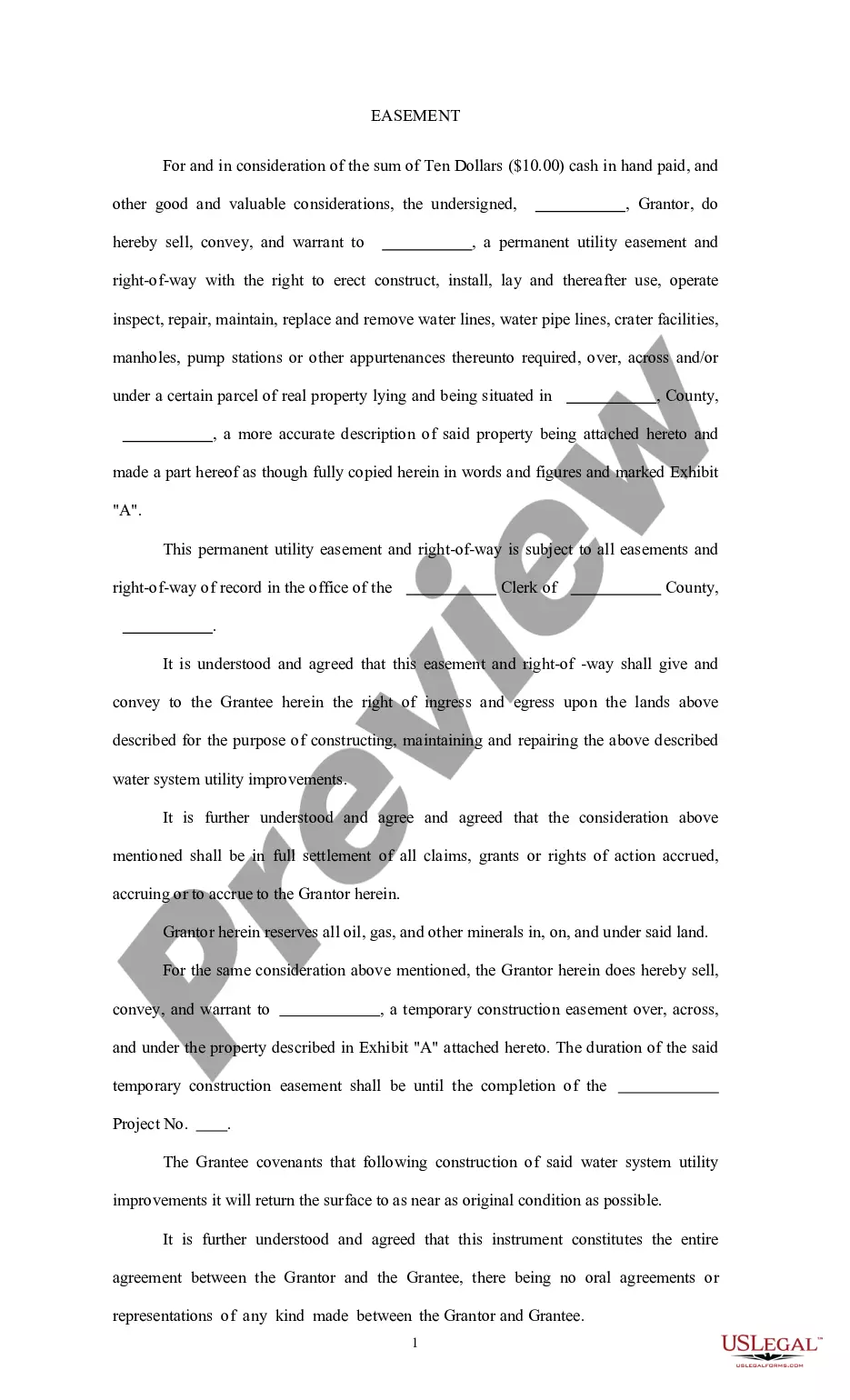
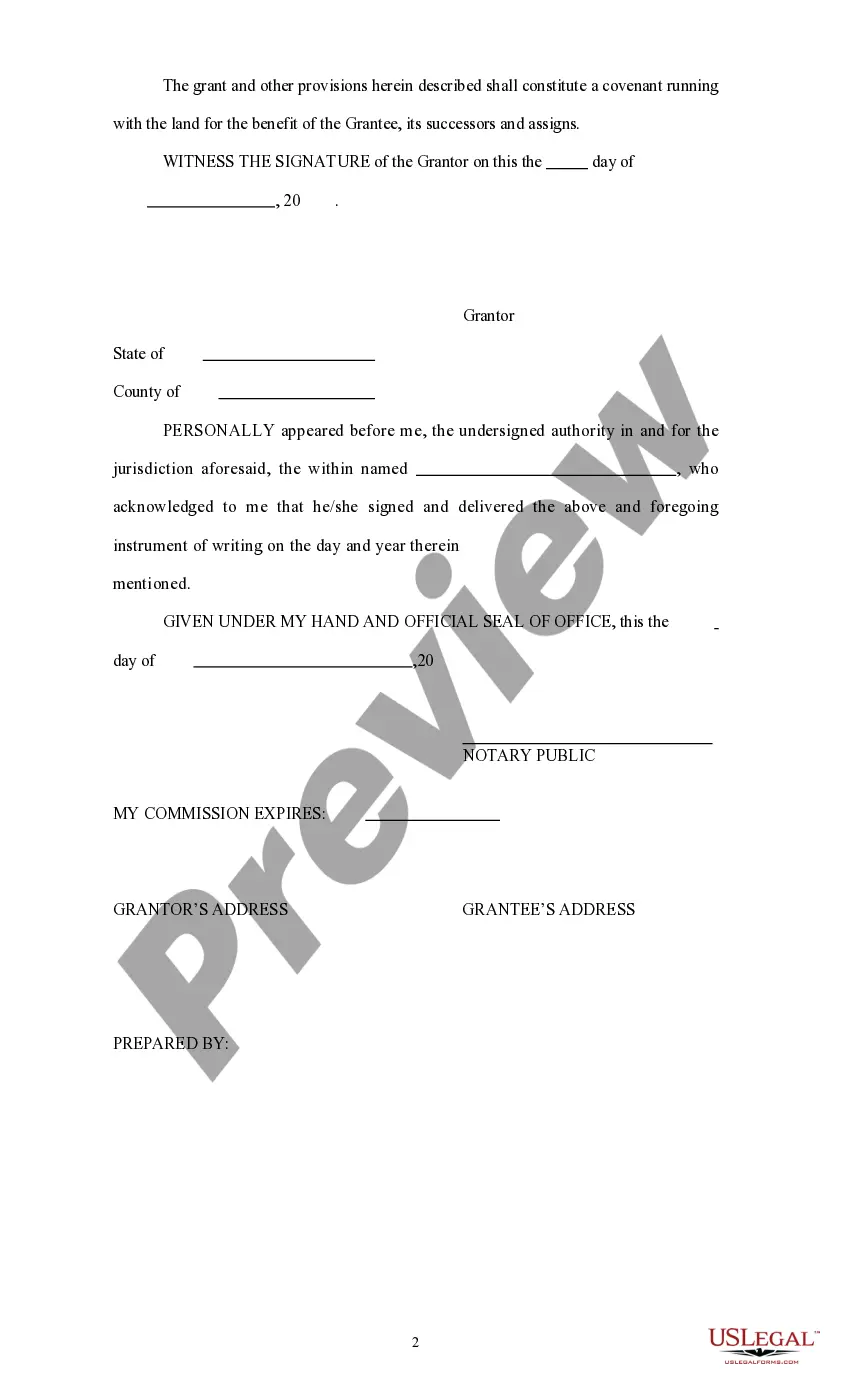
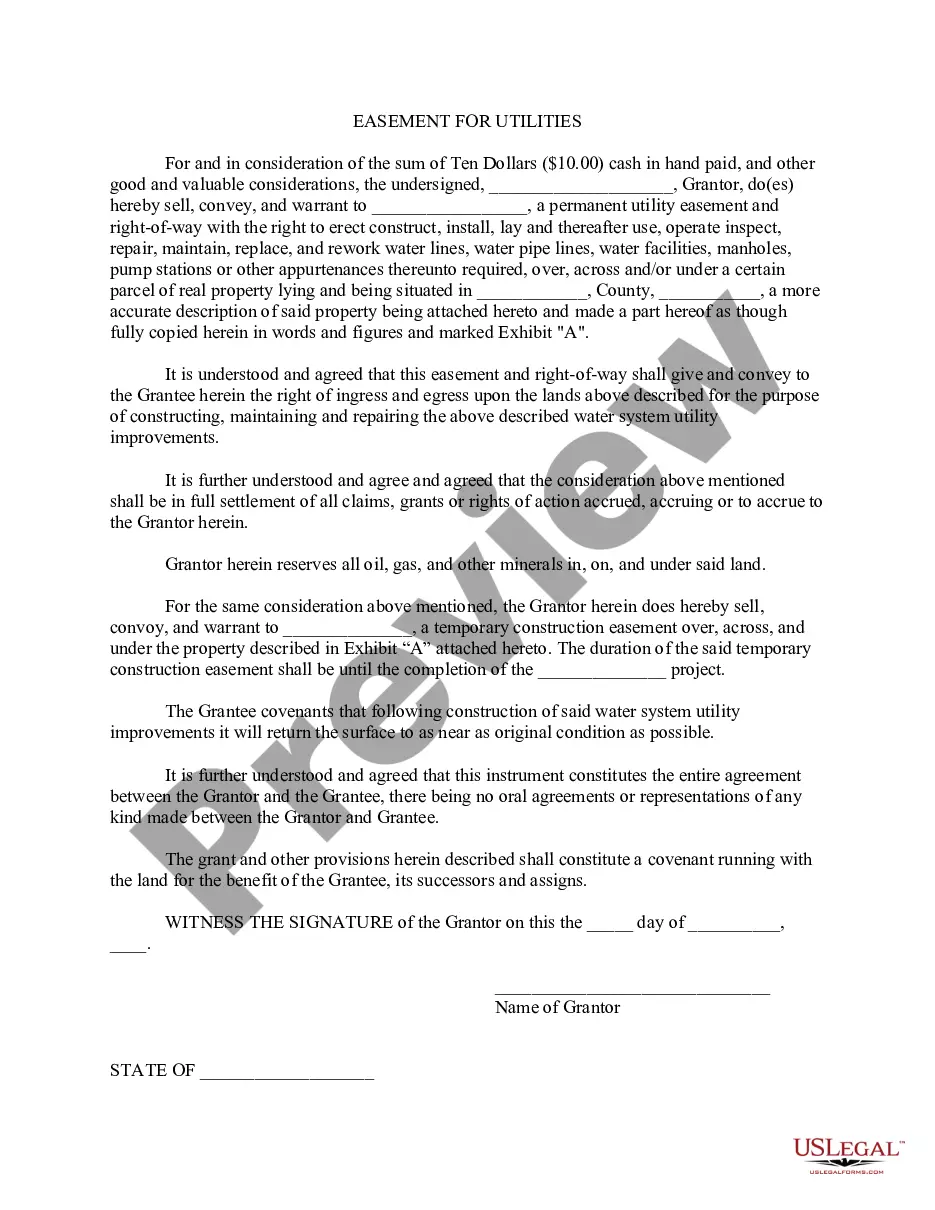
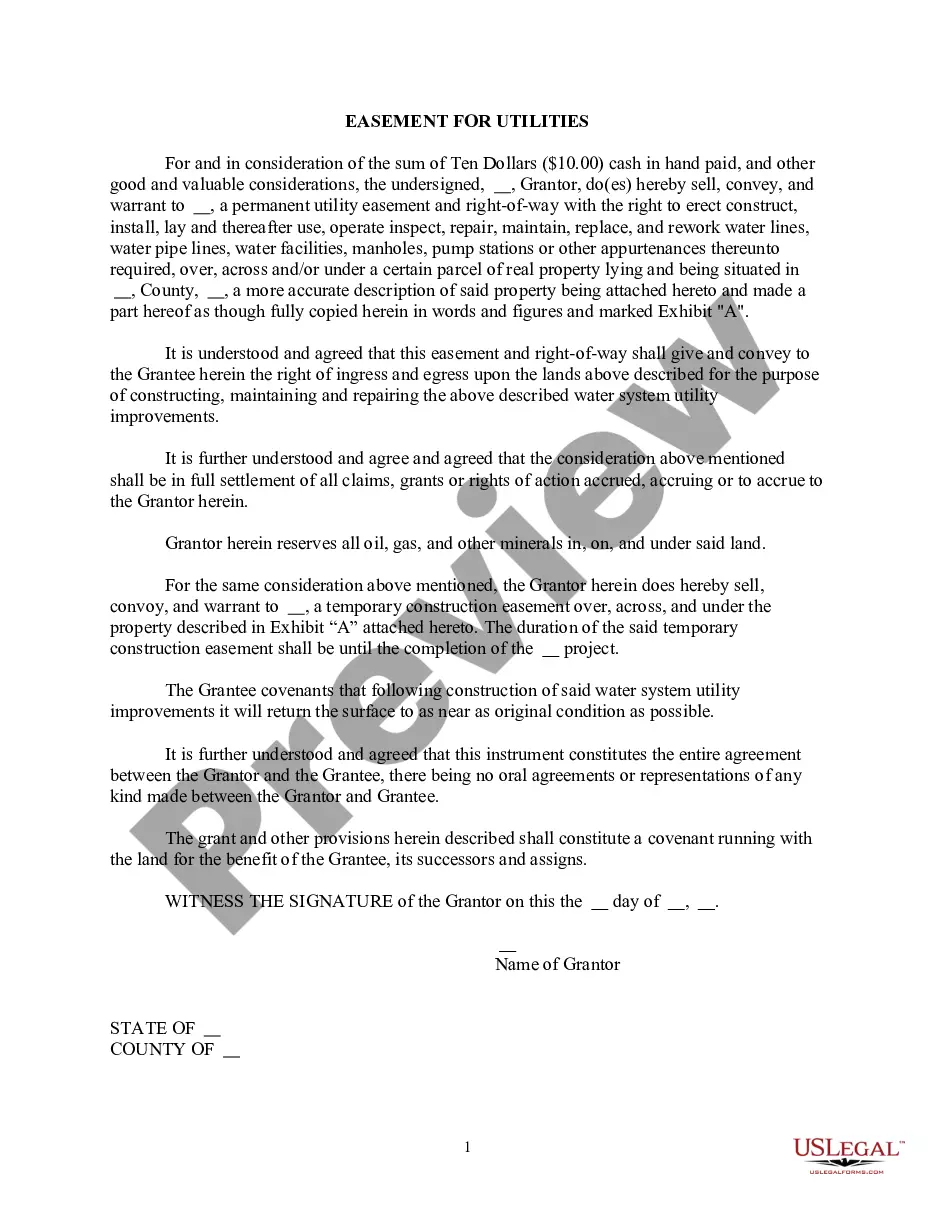
Get your form ready online
Our built-in tools help you complete, sign, share, and store your documents in one place.
Make edits, fill in missing information, and update formatting in US Legal Forms—just like you would in MS Word.
Download a copy, print it, send it by email, or mail it via USPS—whatever works best for your next step.
Sign and collect signatures with our SignNow integration. Send to multiple recipients, set reminders, and more. Go Premium to unlock E-Sign.
If this form requires notarization, complete it online through a secure video call—no need to meet a notary in person or wait for an appointment.
We protect your documents and personal data by following strict security and privacy standards.

Make edits, fill in missing information, and update formatting in US Legal Forms—just like you would in MS Word.

Download a copy, print it, send it by email, or mail it via USPS—whatever works best for your next step.

Sign and collect signatures with our SignNow integration. Send to multiple recipients, set reminders, and more. Go Premium to unlock E-Sign.

If this form requires notarization, complete it online through a secure video call—no need to meet a notary in person or wait for an appointment.

We protect your documents and personal data by following strict security and privacy standards.
Looking for another form?
How to fill out Utility Easement?
It’s well-known that you cannot become a legal specialist instantly, nor can you understand how to swiftly create Compensation For Utility Easement without possessing a specific set of abilities.
Drafting legal documents is a lengthy process that necessitates particular training and expertise. So why not entrust the creation of the Compensation For Utility Easement to the professionals.
With US Legal Forms, one of the largest legal document collections, you can discover everything from court forms to templates for internal business communication.
You can regain access to your forms from the My documents section at any time. If you’re a current customer, you can simply Log In, and find and download the template from the same section.
Regardless of the intention behind your forms—whether they are financial, legal, or personal—our platform has you covered. Try US Legal Forms today!
- Identify the document you require by utilizing the search bar at the top of the page.
- Review it (if this option is available) and examine the accompanying description to ascertain whether Compensation For Utility Easement is what you need.
- Restart your search if you require another template.
- Create a free account and select a subscription plan to acquire the template.
- Click Buy now. Once the transaction is finalized, you can download the Compensation For Utility Easement, complete it, print it, and deliver or mail it to the relevant individuals or organizations.
Form popularity
FAQ
Calculating the value of an easement involves several steps. Start by evaluating the specific rights granted by the easement and how they affect your property’s value. Next, consider comparable sales in your area to gauge fair compensation for utility easement. Engaging with professionals or using tools available on platforms like USLegalForms can simplify this process and provide accurate calculations.
When negotiating a utility easement, start by clearly defining your goals and understanding the utility company's needs. Present your case with supporting evidence about the compensation for utility easement, which can include property value studies and local market data. Be prepared to compromise, but also know your bottom line. USLegalForms can assist in creating formal agreements that reflect the terms of your negotiation.
Negotiating with a utility company regarding an easement begins with understanding your rights and the value of the easement. Gather relevant documents and research compensation for utility easement to strengthen your position. Approach the negotiation with a clear list of your requirements and remain open to dialogue. Utilizing platforms like USLegalForms can help you craft effective communication and agreements.
To value a utility easement, first assess the easement's impact on your property. Consider factors such as the location and size of the easement, as well as any restrictions it imposes on your land use. Additionally, local real estate market trends can influence the compensation for utility easement. For an accurate valuation, consulting a property appraiser or using resources like USLegalForms can provide valuable insights.
An easement in appurtenant could be something like a shortcut to a public park, access to a utility or a right of way to the street.
Express Easement Public access roads and utility easements are the most common types of express easements in which rights are granted to an entity such as a utility company or municipality and their employees.
Affirmative easements are the most common. They allow privileged use of land owned by others.
Typical easements are 12 - 20 feet wide, the main transmission lines for water or sewer may have up to 50-foot easements and in most cases the easements will not be cut to full width.
Grants or sales of limited easements are usually not treated as taxable sales of property. Instead, amounts received from such transfers are subtracted from the basis of the property. Any amounts received in excess of basis are treated as taxable gain.