False Imprisonment With A Weapon
Description
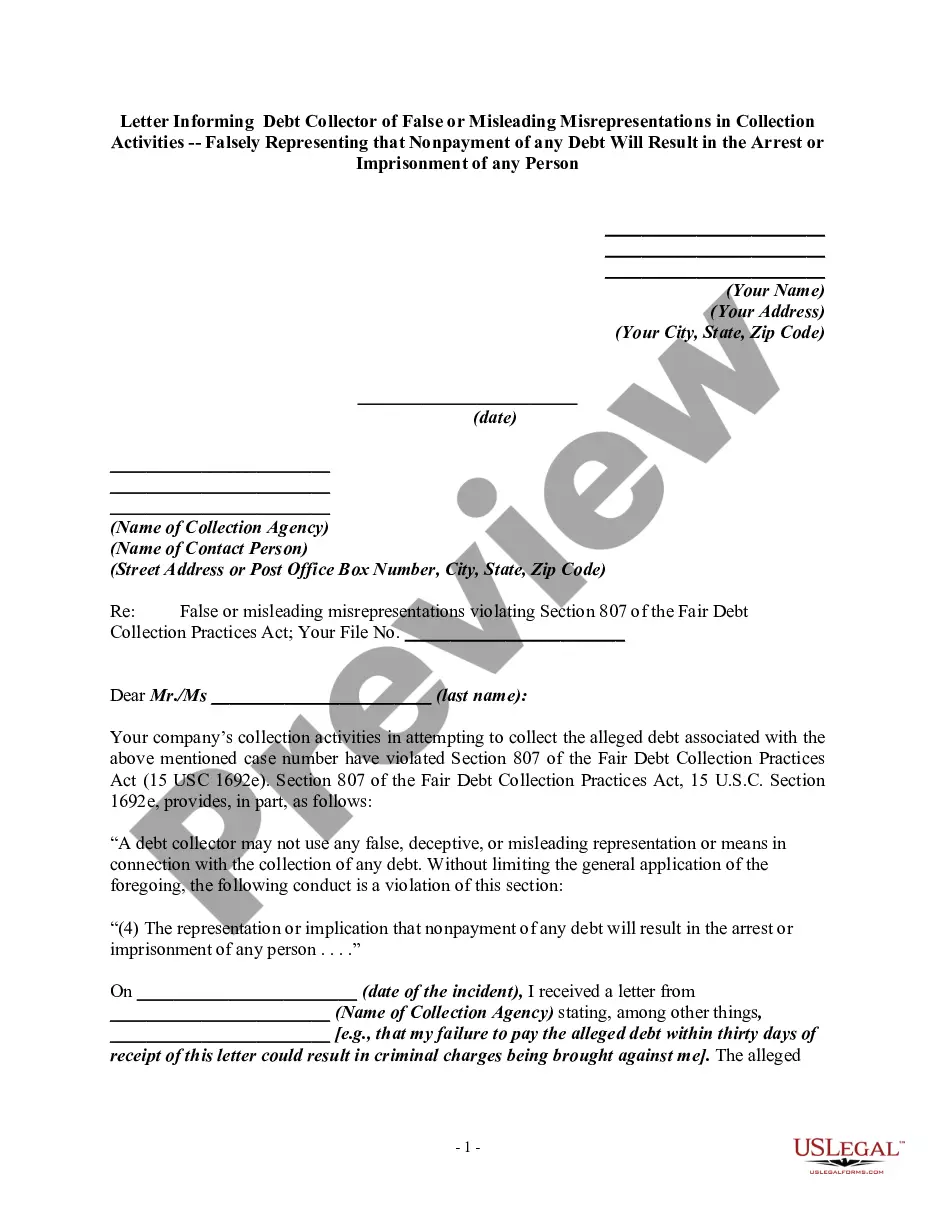
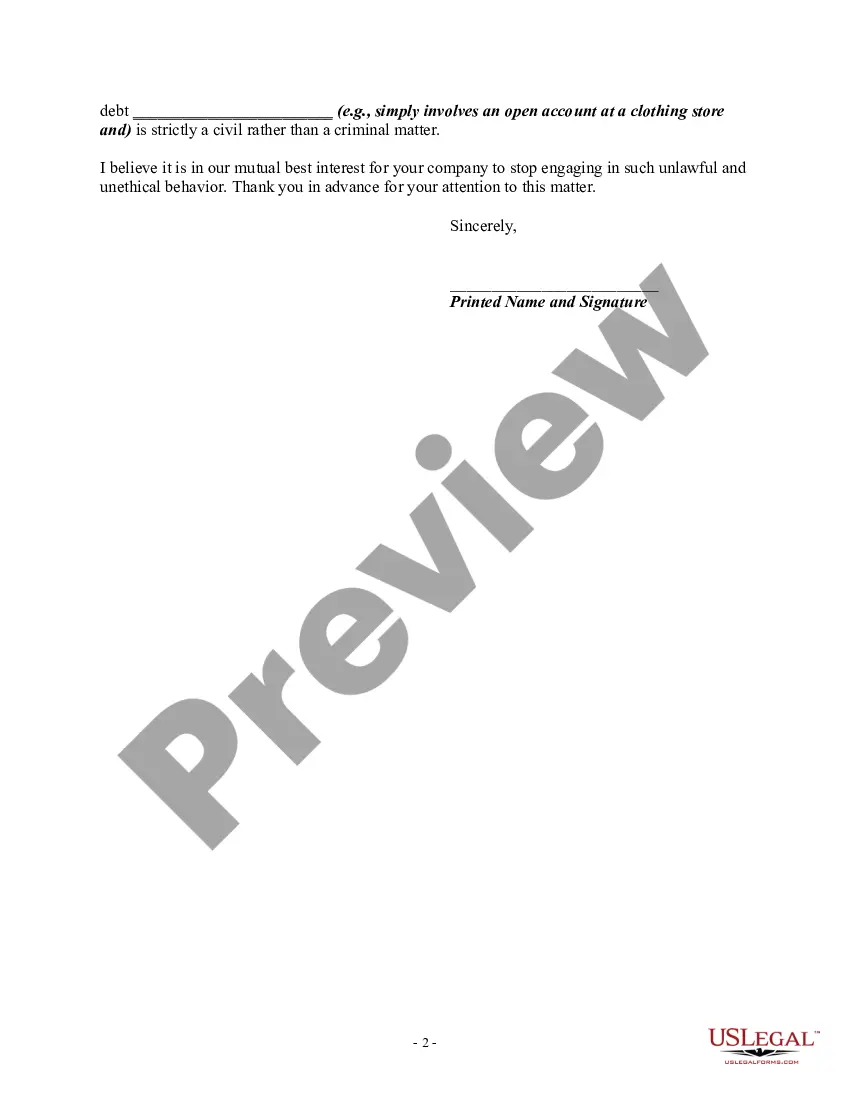
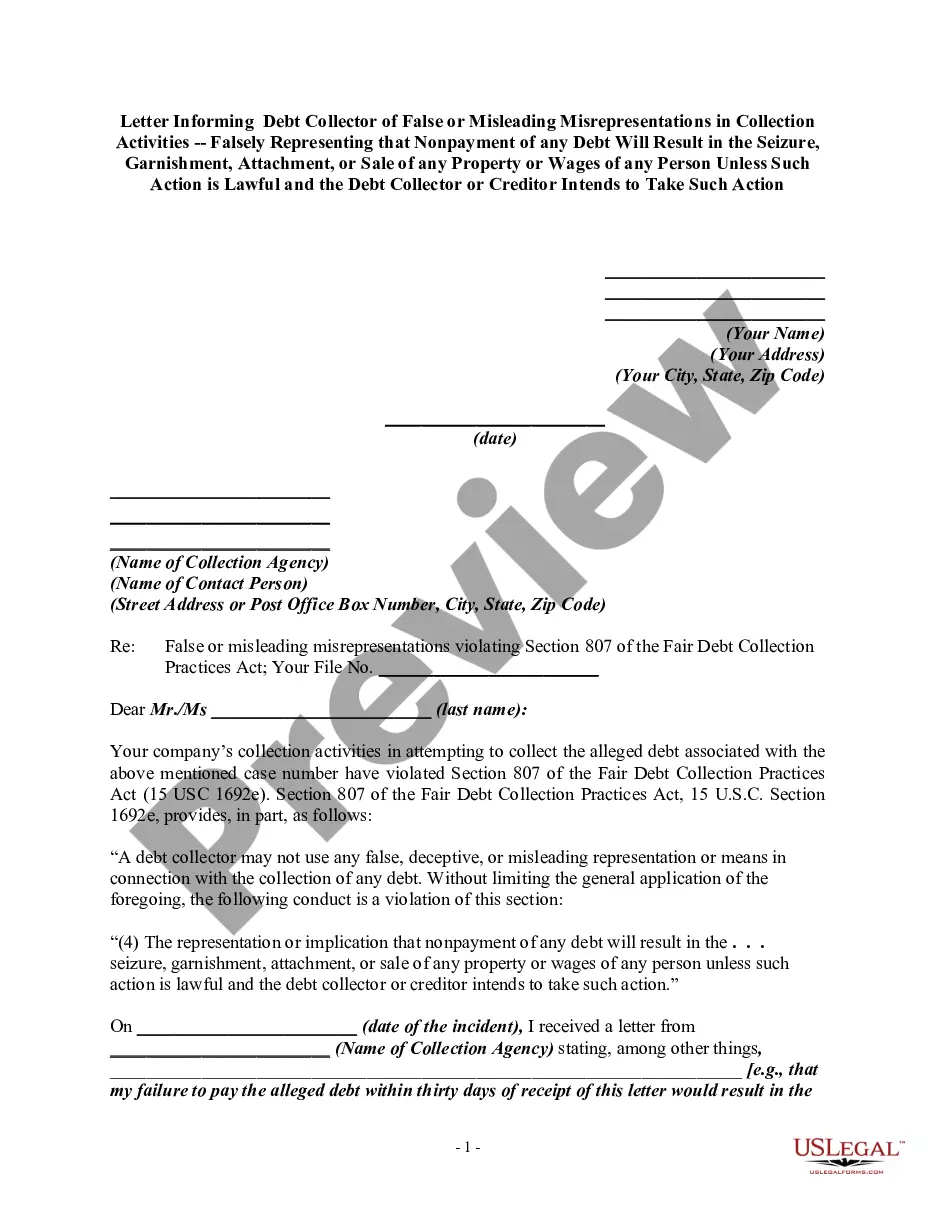
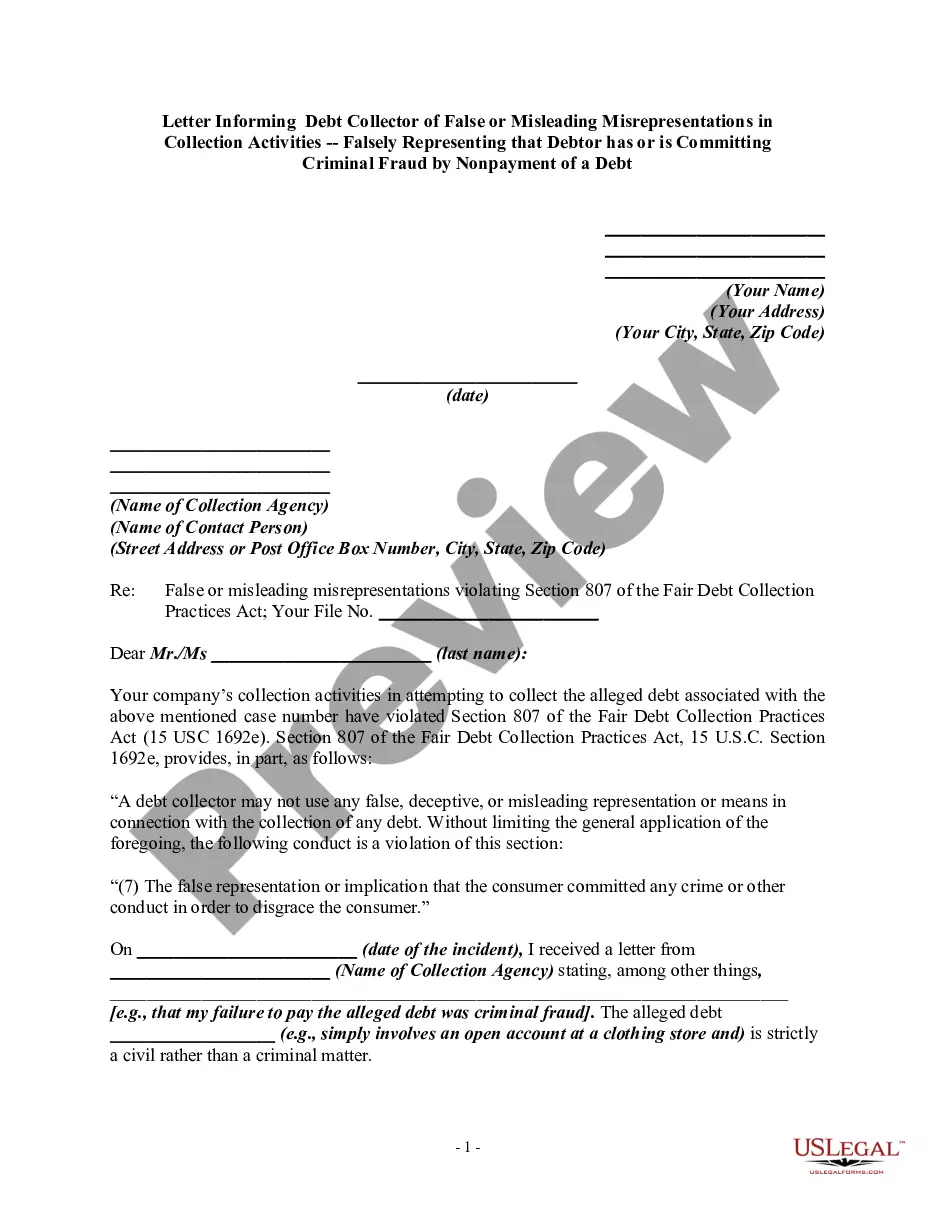
Get your form ready online
Our built-in tools help you complete, sign, share, and store your documents in one place.
Make edits, fill in missing information, and update formatting in US Legal Forms—just like you would in MS Word.
Download a copy, print it, send it by email, or mail it via USPS—whatever works best for your next step.
Sign and collect signatures with our SignNow integration. Send to multiple recipients, set reminders, and more. Go Premium to unlock E-Sign.
If this form requires notarization, complete it online through a secure video call—no need to meet a notary in person or wait for an appointment.
We protect your documents and personal data by following strict security and privacy standards.

Make edits, fill in missing information, and update formatting in US Legal Forms—just like you would in MS Word.

Download a copy, print it, send it by email, or mail it via USPS—whatever works best for your next step.

Sign and collect signatures with our SignNow integration. Send to multiple recipients, set reminders, and more. Go Premium to unlock E-Sign.

If this form requires notarization, complete it online through a secure video call—no need to meet a notary in person or wait for an appointment.

We protect your documents and personal data by following strict security and privacy standards.
Looking for another form?



How to fill out Letter Informing Debt Collector Of False Or Misleading Misrepresentations In Collection Activities - Falsely Representing That Nonpayment Of Any Debt Will Result In The Arrest Or Imprisonment Of Any Person?
Dealing with legal documents and processes can be a lengthy addition to your entire day.
False Imprisonment With A Weapon and similar forms usually necessitate that you search for them and find the optimal way to fill them out correctly.
For this reason, whether you are managing financial, legal, or personal issues, possessing a comprehensive and efficient online directory of forms when you need them will be extremely beneficial.
US Legal Forms is the premier online platform for legal templates, showcasing over 85,000 state-specific forms and a variety of resources to assist you in completing your paperwork effortlessly.
Is this your first time using US Legal Forms? Sign up and create an account in a few minutes and you’ll gain access to the form catalog and False Imprisonment With A Weapon. Then, follow the steps outlined below to complete your form: Make sure you have found the correct form using the Preview feature and reviewing the form description. Select Buy Now when ready, and choose the subscription plan that suits your requirements. Click Download, then fill out, eSign, and print the form. US Legal Forms has twenty-five years of experience assisting clients with their legal paperwork. Obtain the form you need today and streamline any process without difficulty.
- Explore the range of relevant documents available to you with just a single click.
- US Legal Forms offers state- and county-specific forms that are available for download at any time.
- Protect your document management processes with a high-quality service that enables you to assemble any form in minutes with no extra or concealed fees.
- Simply Log In to your account, find False Imprisonment With A Weapon, and get it immediately from the My documents tab.
- You can also access previously saved forms.
Form popularity
FAQ
An example of false imprisonment occurs when someone is held against their will through physical force or threats. For instance, if an individual uses a weapon to confine another person in a room, that action represents false imprisonment with a weapon. This situation results in the victim feeling trapped and unable to leave. Understanding these nuances is crucial, especially if you find yourself facing such a legal issue; platforms like US Legal Forms can provide valuable resources to navigate these complex situations.
The grounds for false imprisonment include any situation where an individual is held against their will without legal justification. This can occur through physical force, threats, or even the use of a weapon. In the context of false imprisonment with a weapon, the presence of a weapon can intensify the seriousness of the offense and lead to severe legal repercussions. It is essential to consult legal experts, like those available on the US Legal Forms platform, to navigate these complex issues effectively.
A common defense to false imprisonment involves demonstrating that the individual had consented to the confinement. In cases involving false imprisonment with a weapon, this could mean that the person agreed to the situation under duress. Additionally, if the confinement was necessary to protect others from harm, this can also serve as a valid defense. Understanding these defenses can be crucial, especially if you find yourself facing allegations.
Felony False Imprisonment Violence is using physical force that is greater than the force necessary to restrain someone. Menace is an express or implied verbal or physical threat of harm and includes use or display of a deadly weapon to accomplish the imprisonment.
A person commits false imprisonment when they engage in the act of restraint on another person which confines that person in a restricted area. False imprisonment is an act punishable under criminal law as well as under tort law.
The most common defense to false imprisonment is consent, which is exactly what it sounds like, meaning the alleged victim gave the accused express or implied consent to restrict his or her movement. Another common defense to PC 236 involves the use of self-defense.
To prove a false imprisonment claim as a tort in a civil lawsuit, the following elements must be present: There was a willful detention; The detention was without consent; and. The detention was unlawful.