Harassment From Collection Agencies
Description
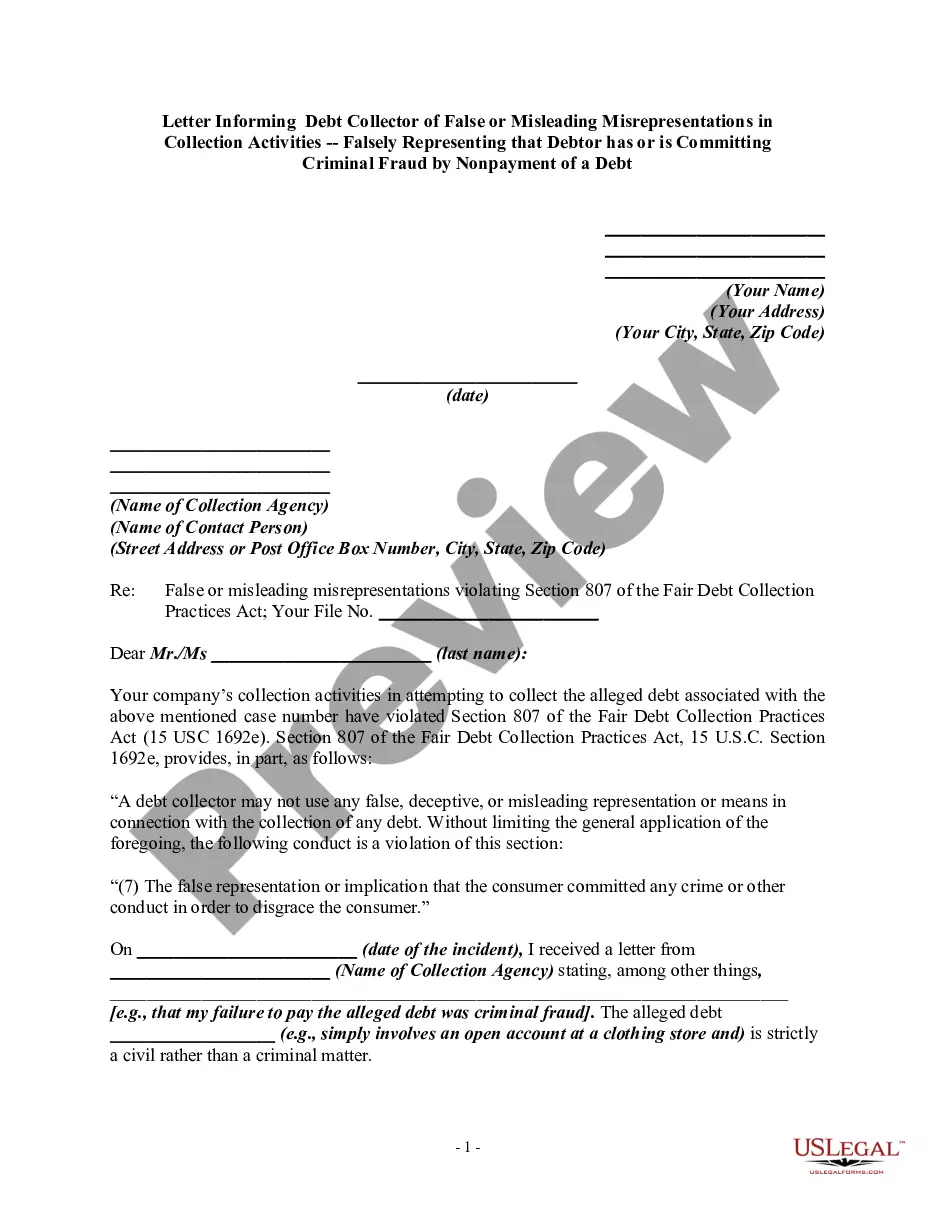
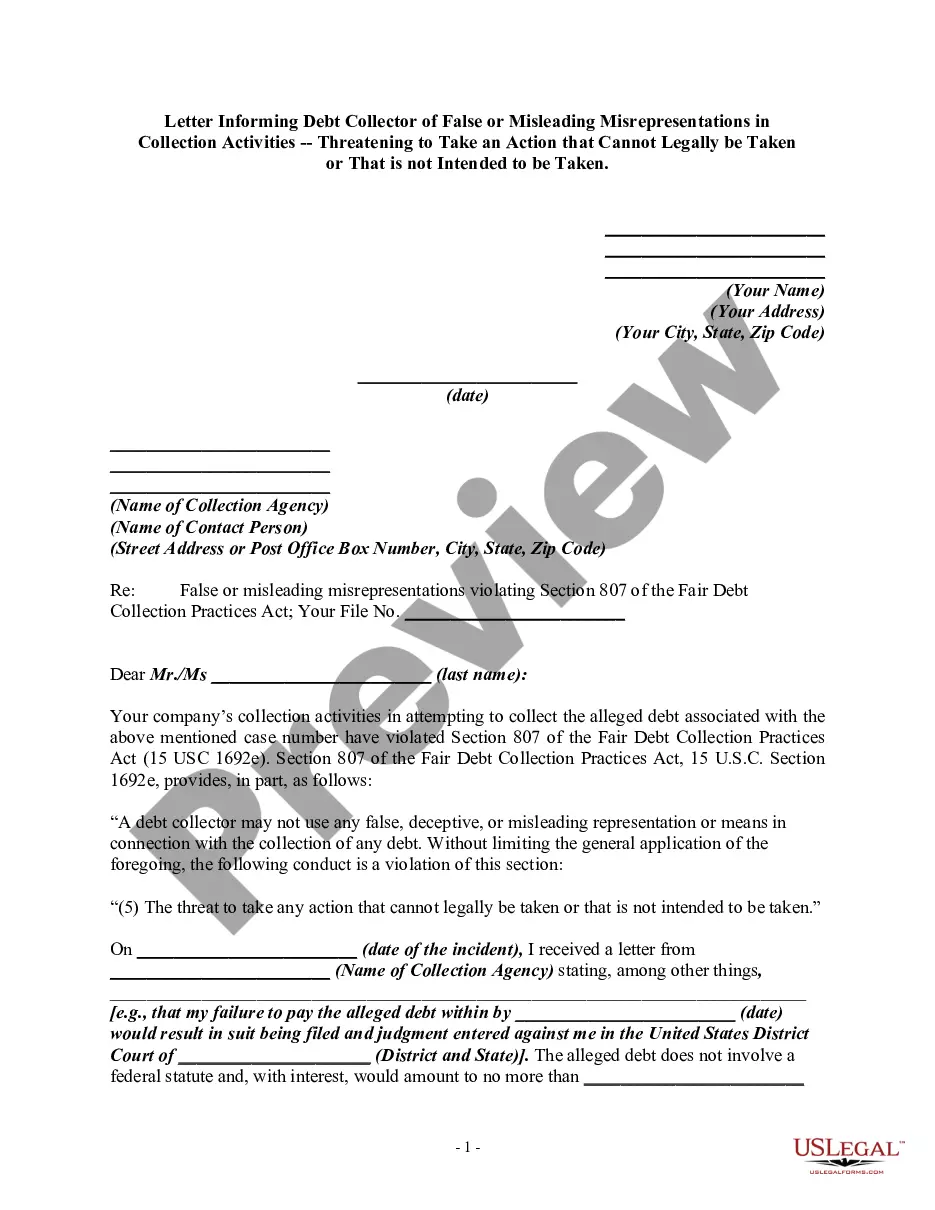
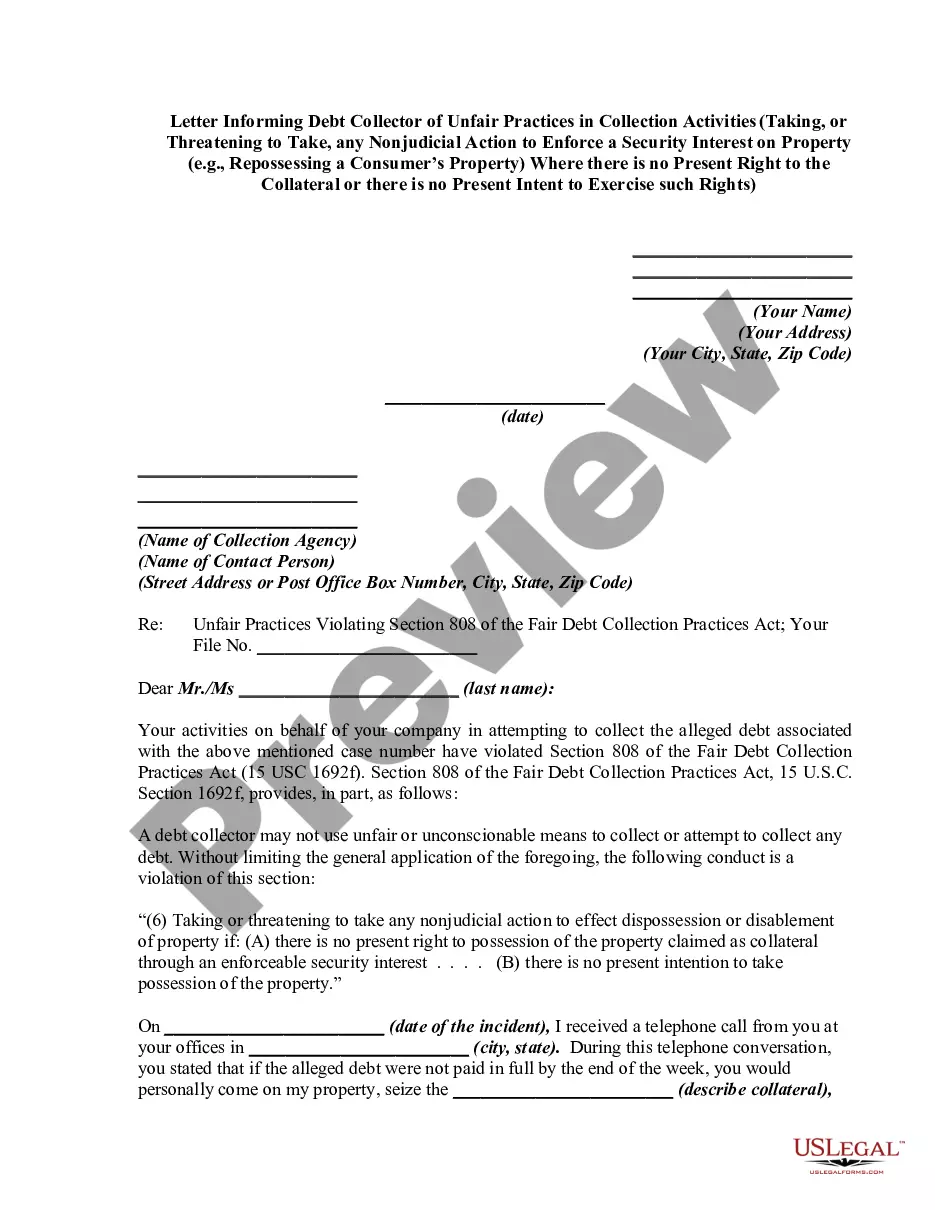
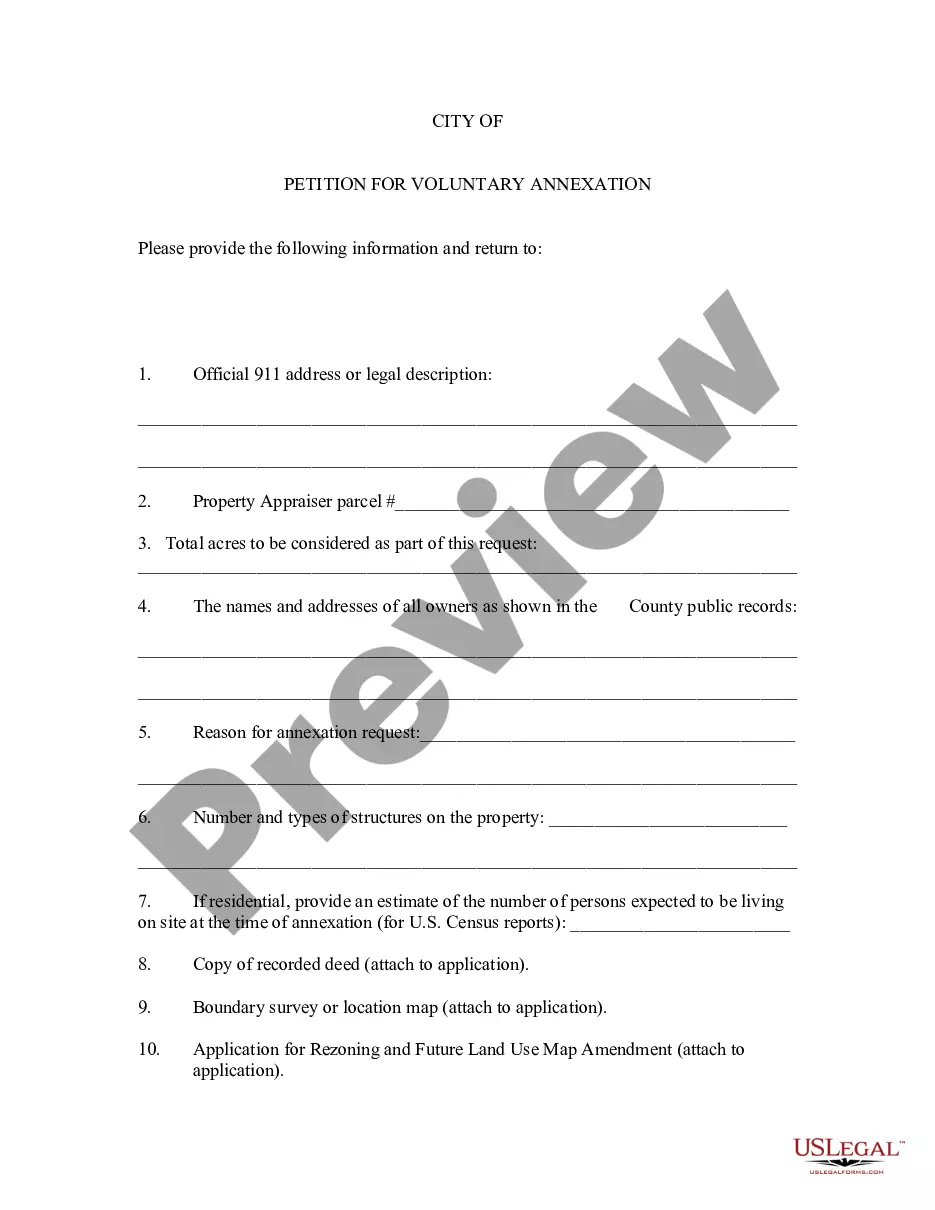
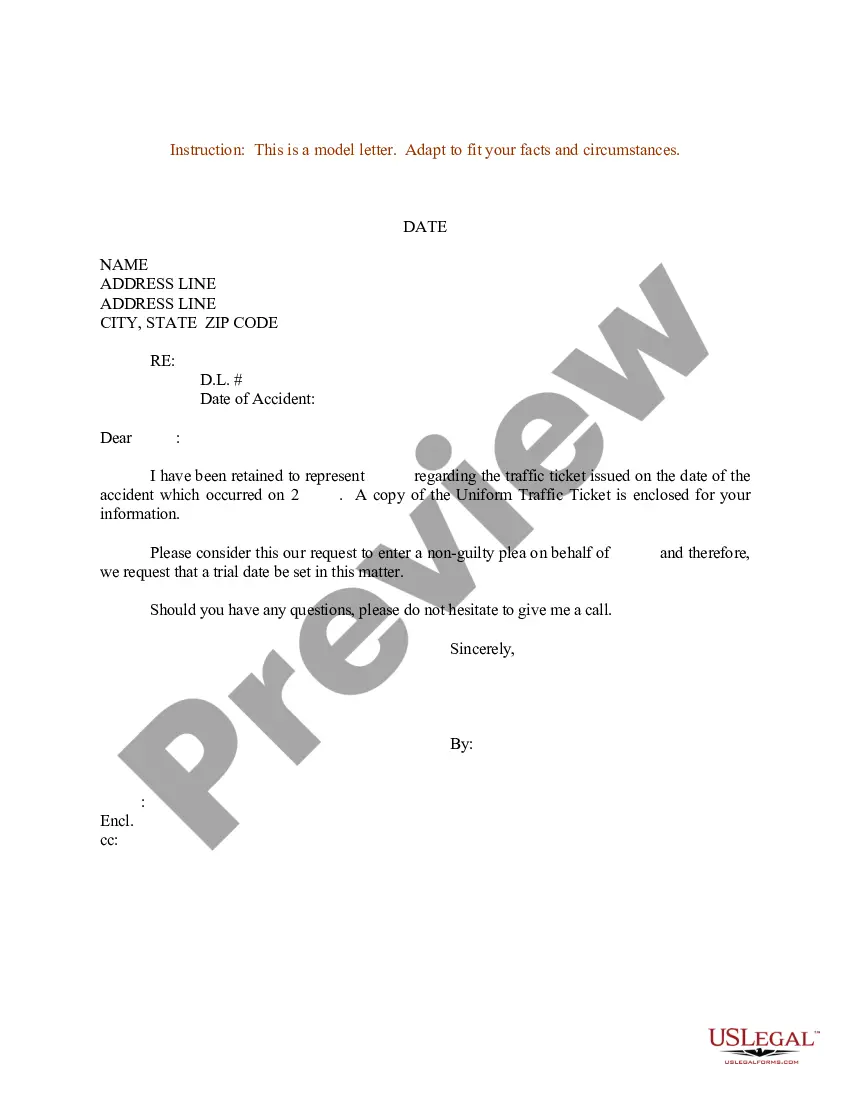
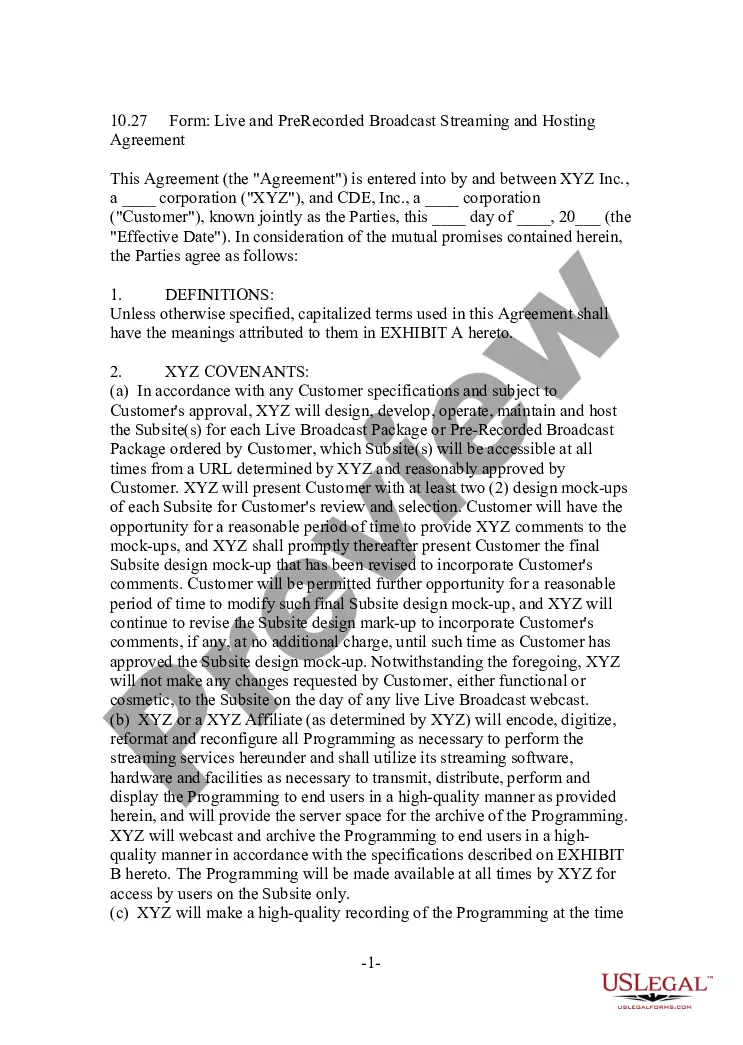

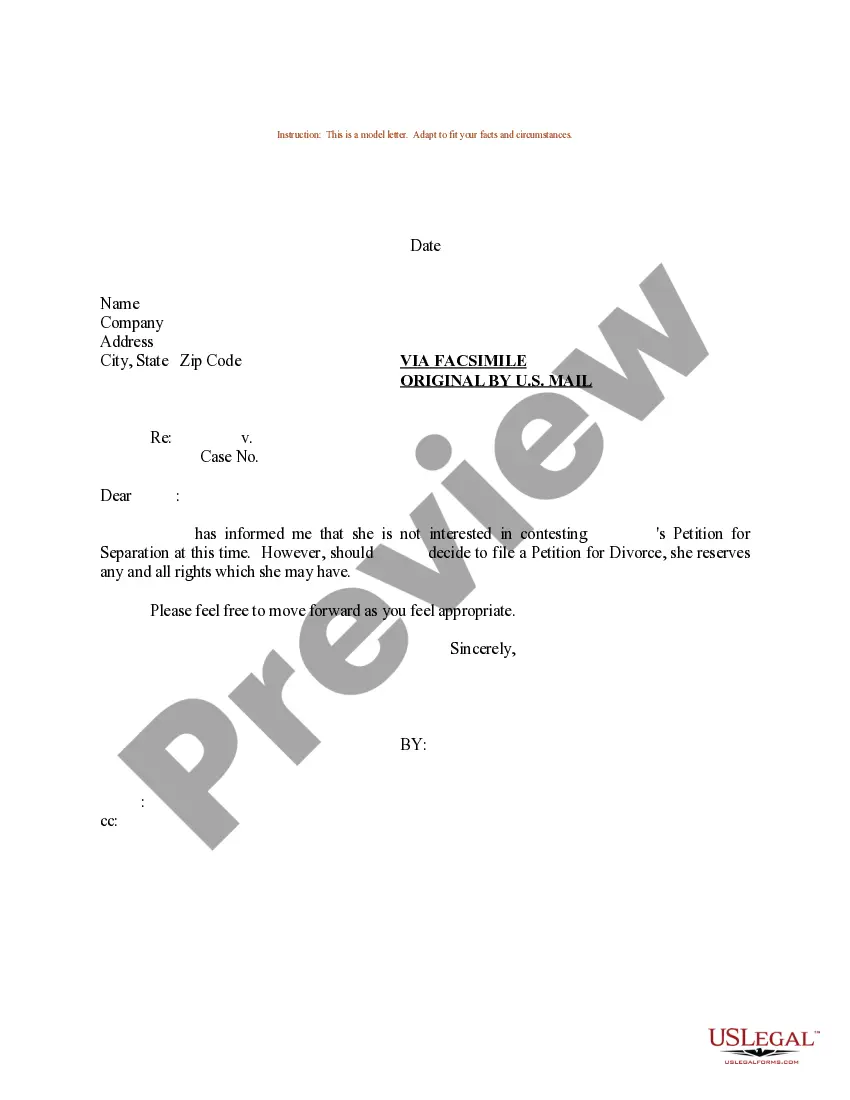
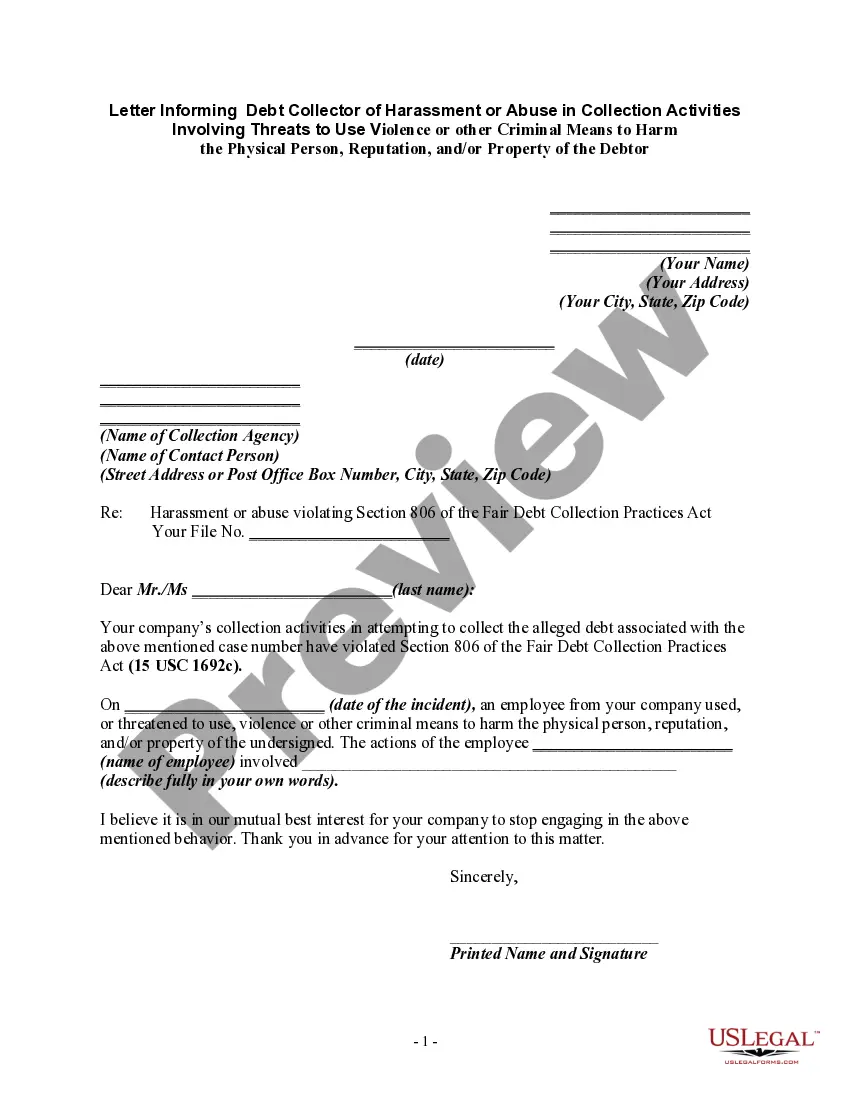
How to fill out Letter Informing Debt Collector Of Harassment Or Abuse In Collection Activities Involving Threats To Use Violence Or Other Criminal Means To Harm The Physical Person, Reputation, And/or Property Of The Debtor?
Managing legal documents and processes can be a lengthy addition to your day.
Harassment from debt collectors and similar forms often necessitate you to locate them and understand how to fill them out correctly.
Thus, whether you are addressing financial, legal, or personal issues, having a thorough and efficient online directory of forms at your disposal will be extremely beneficial.
US Legal Forms is the premier online resource for legal templates, providing over 85,000 state-specific documents and an array of tools to help you finalize your paperwork swiftly.
Simply Log In to your account, search for Harassment From Collection Agencies, and obtain it immediately from the My documents section. You can also access forms you've previously downloaded.
- Explore the assortment of pertinent documents available to you with just one click.
- US Legal Forms provides state- and county-specific documents accessible anytime for download.
- Safeguard your document management processes with a top-quality service that enables you to create any form within minutes without extra or concealed charges.
Form popularity
FAQ
If you believe a debt collector is violating the law, you may report your complaint with the Attorney General's Office. The Office uses complaints to learn about misconduct.
However, the Federal Trade Commission recently clarified the rules regarding collections, now clarifying that collectors cannot call you more than seven times within a seven-day period or within seven days of speaking to you about a debt.
Don't pay, don't promise to pay and don't give any payment information the collector may use later. Ask for information on the debt and say you'll call back to discuss it later. Making a single payment ? even just $5 or $10 ? is an acknowledgment of the debt and can have serious repercussions.
There are laws to prohibit debt collectors from placing repeated or continuous telephone calls to annoy, abuse, or harass you or others who share your phone number. They're also prohibited from communicating with you at times or places that are inconvenient for you.
Don't provide personal or sensitive financial information Never give out or confirm personal or sensitive financial information ? such as your bank account, credit card, or full Social Security number ? unless you know the company or person you are talking with is a real debt collector.