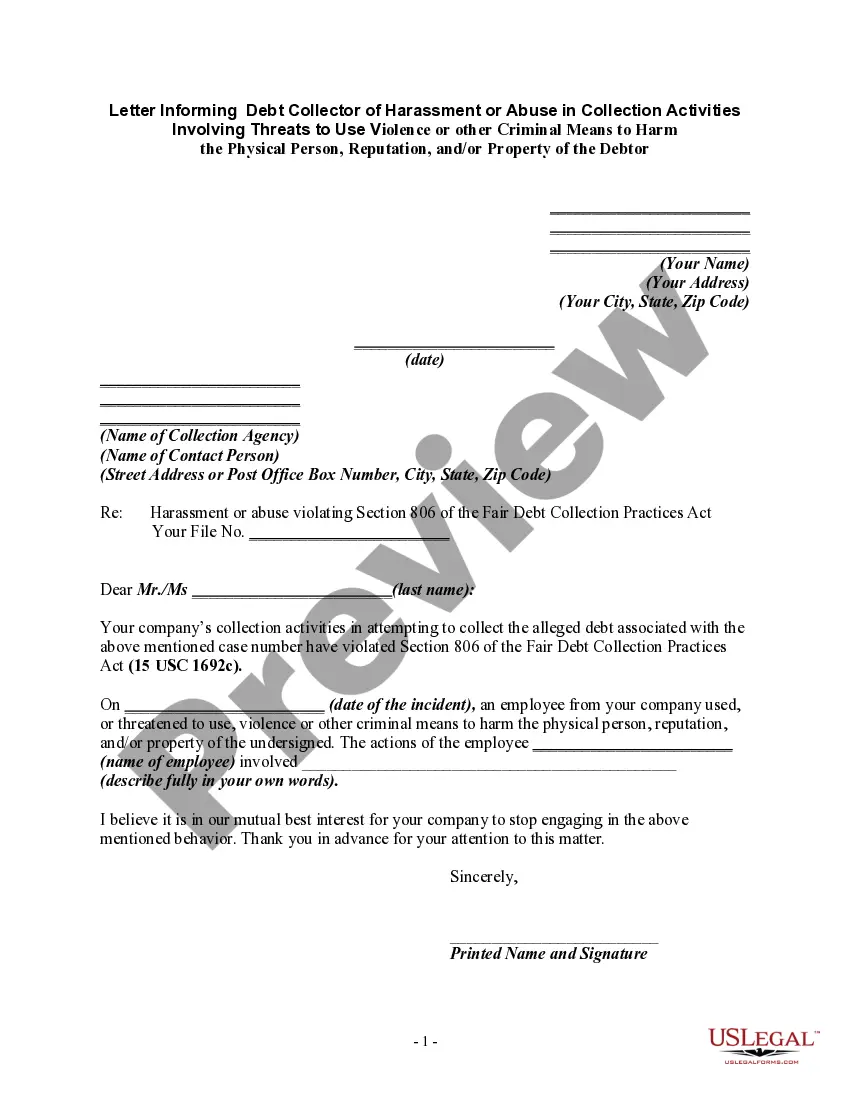
Collector Harassment Means Without
Description
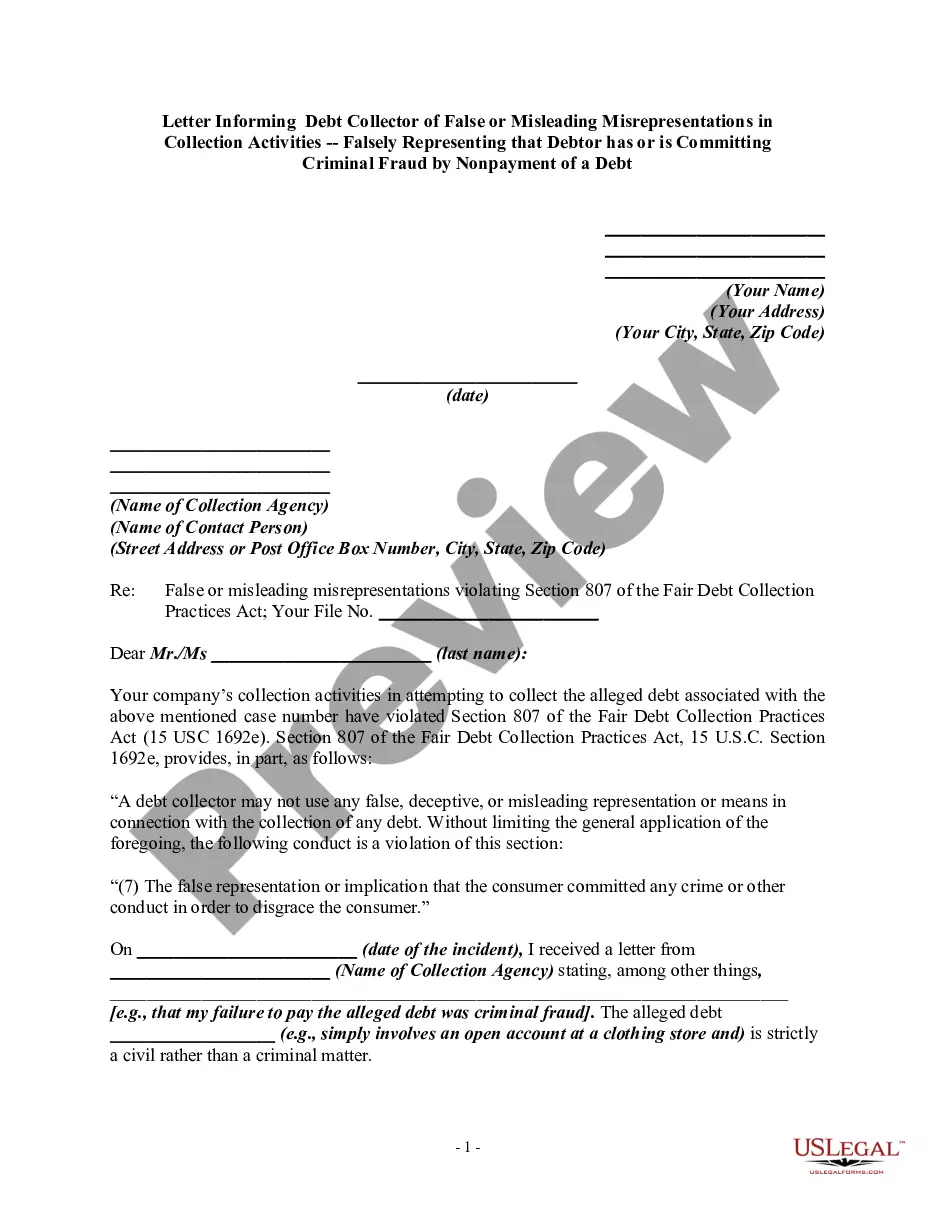
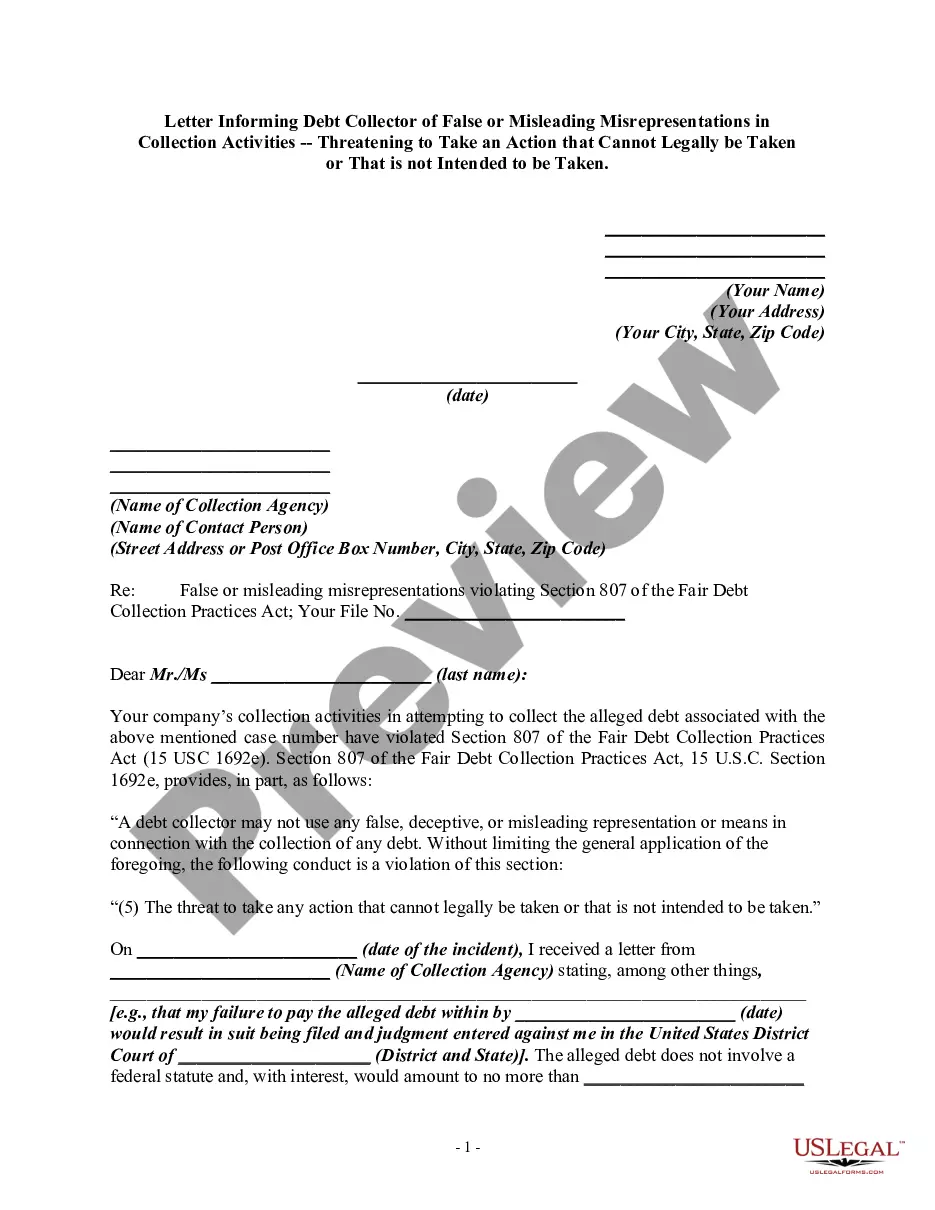
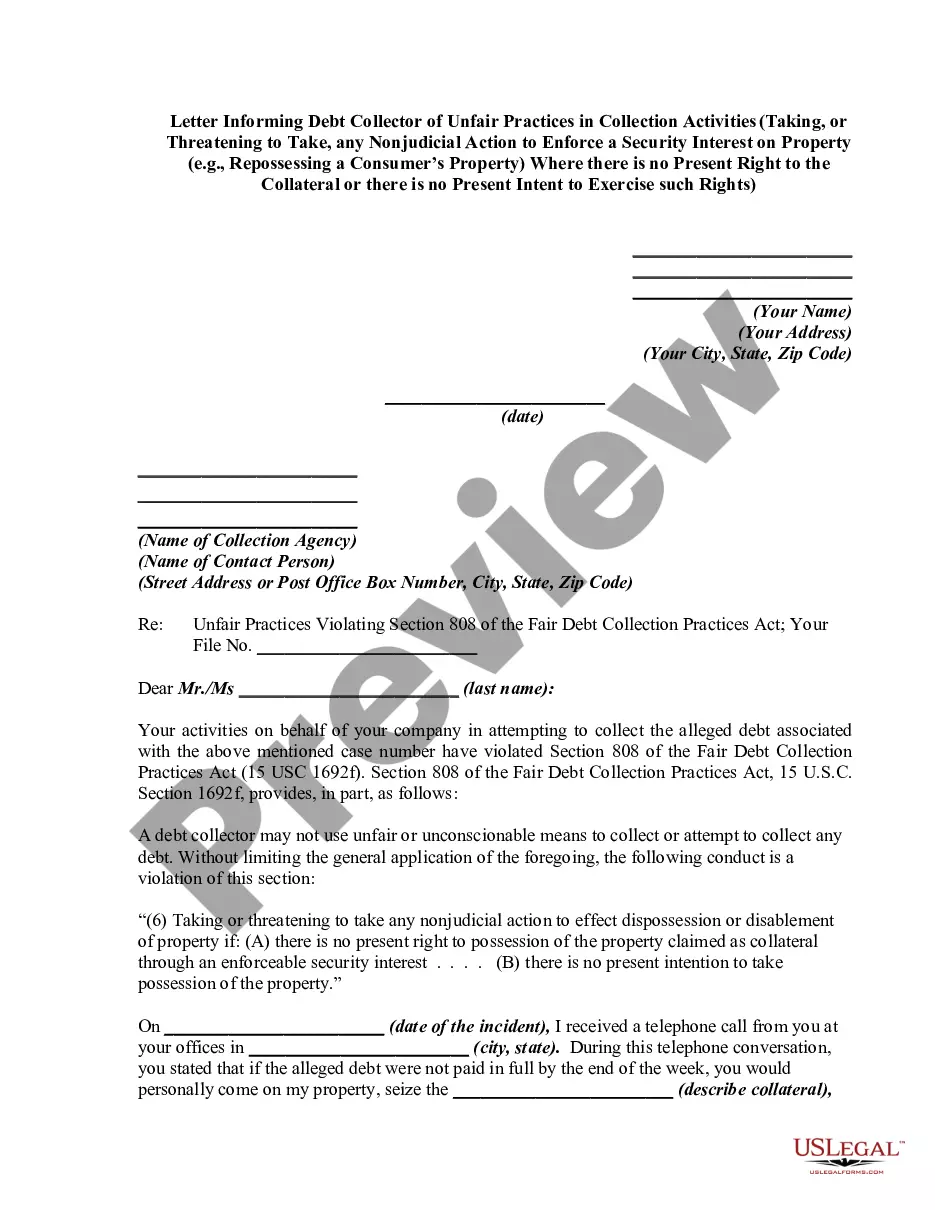




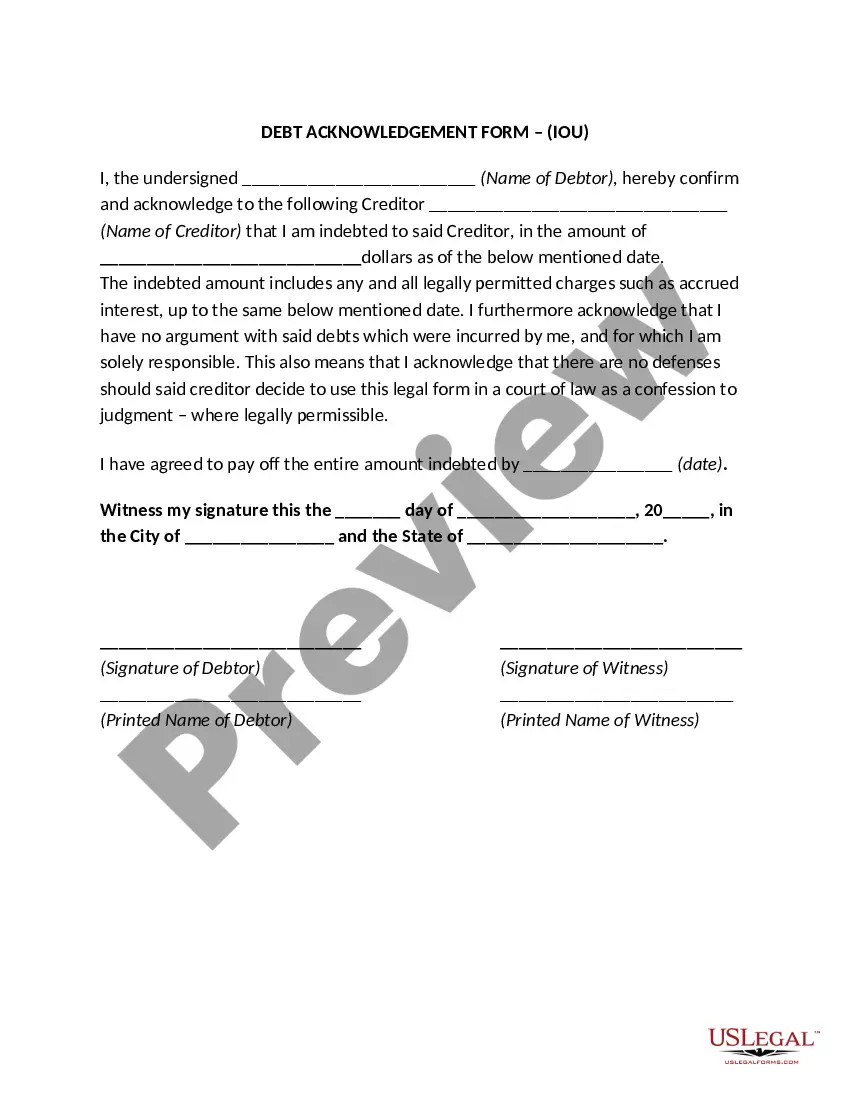
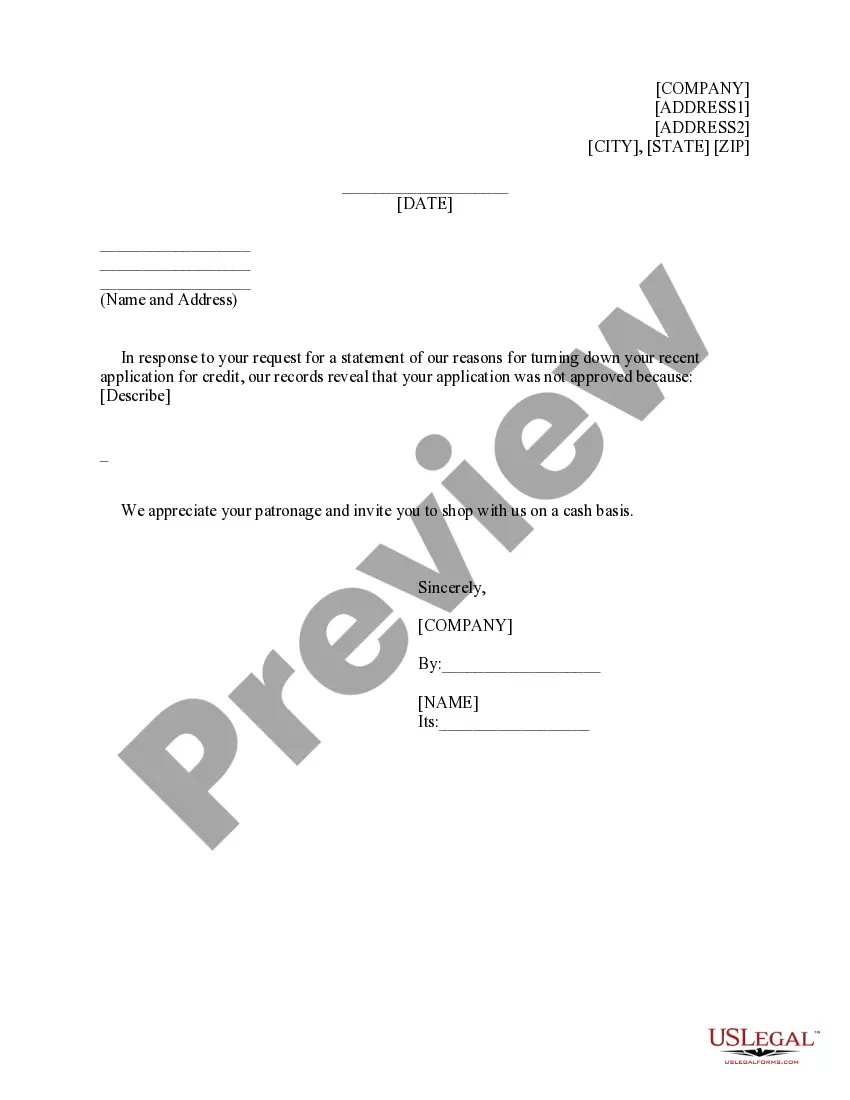

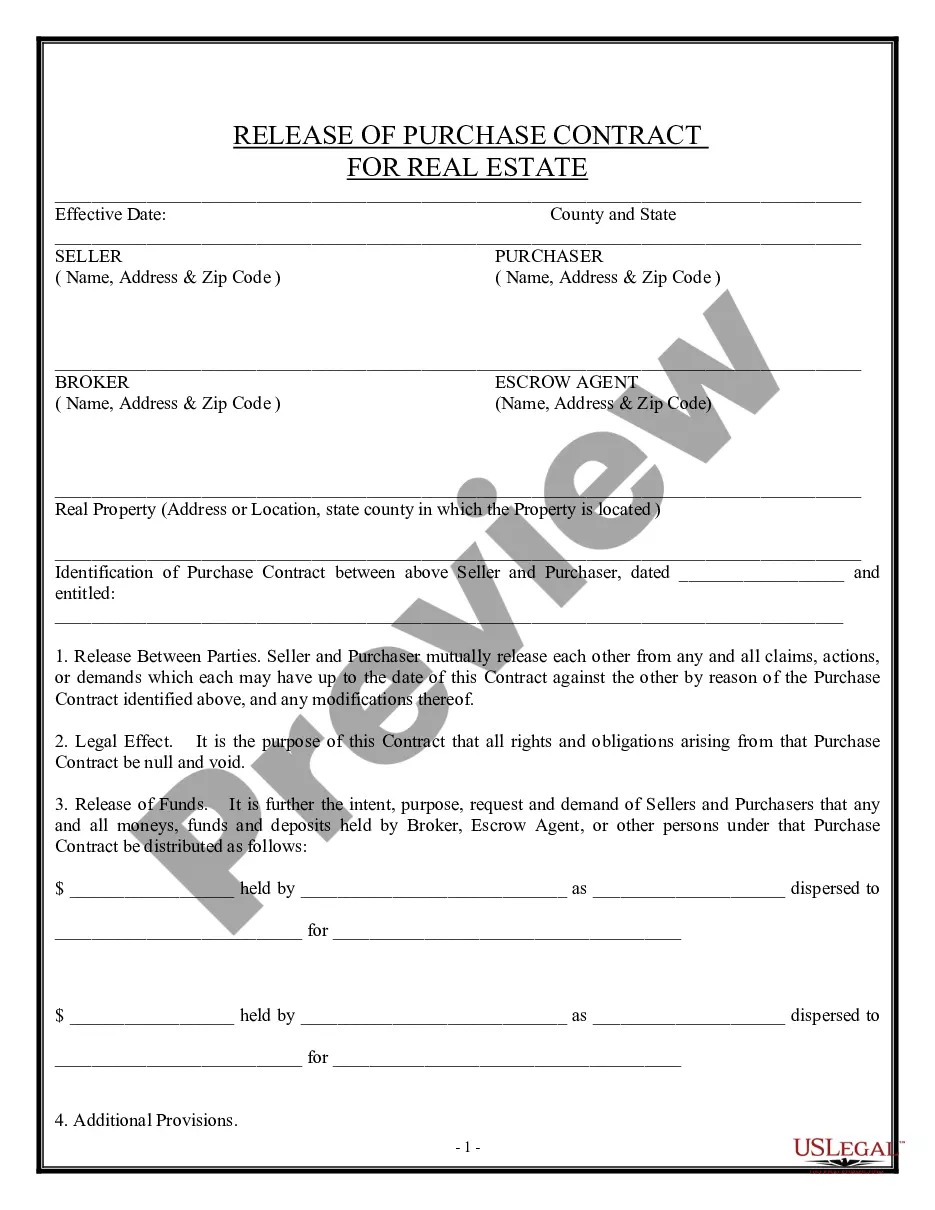

How to fill out Letter Informing Debt Collector Of Harassment Or Abuse In Collection Activities Involving Threats To Use Violence Or Other Criminal Means To Harm The Physical Person, Reputation, And/or Property Of The Debtor?
It’s common knowledge that you cannot become a legal authority instantly, nor can you learn how to swiftly prepare Collector Harassment Means Without without having a specialized background.
Assembling legal documents is a labor-intensive endeavor that demands specific education and expertise. So why not entrust the creation of the Collector Harassment Means Without to the professionals.
With US Legal Forms, one of the most extensive legal document repositories, you can access everything from court documents to templates for internal communication. We recognize how vital compliance and adherence to federal and state laws and regulations are.
Select Buy now. Once the payment is processed, you can acquire the Collector Harassment Means Without, fill it out, print it, and send or mail it to the specified individuals or organizations.
You can regain access to your documents from the My documents tab at any time. If you’re an existing client, you can simply Log In, and find and download the template from the same tab.
- Here’s how to get started with our platform and obtain the document you require in just a few minutes.
- Locate the form you need by utilizing the search bar at the top of the page.
- Preview it (if this option is available) and read the accompanying description to determine whether Collector Harassment Means Without is what you’re seeking.
- Restart your search if you require any other form.
- Create a free account and choose a subscription plan to purchase the form.
Form popularity
FAQ
You can sue a debt collector for harassment under the Fair Debt Collection Practices Act. If successful, you may recover actual damages, up to $1,000 in statutory damages, and attorney fees. The total amount varies depending on the severity of the harassment and your specific situation. Consult with a legal professional or resources from US Legal Forms to understand your rights and potential compensation.
When a debt collector harasses you, it’s essential to remain calm and assertive. Inform the collector that their behavior is unacceptable and that you wish to cease communication. You can also send a written request to stop all communication, which is your right under the Fair Debt Collection Practices Act. Utilizing services like US Legal Forms can guide you in drafting an effective cease and desist letter.
If a collection agency harasses you, the first step is to document each interaction. Keep a record of dates, times, and the nature of the communication. Afterward, you can file a complaint with the Consumer Financial Protection Bureau (CFPB) and consider seeking legal advice. Platforms like US Legal Forms can provide resources and templates to help you address these issues effectively.
The 7 7 7 rule for collections refers to a guideline that states a debt collector can only contact you seven times within a seven-day period. This rule aims to prevent excessive communication and protect consumers from collector harassment means without proper boundaries. Understanding this rule can help you recognize your rights and identify when a collector has crossed the line.
Documentation is always a good way to begin the process of stopping harassment calls from debt collectors. Hiring a lawyer or sending a certified letter to the collection agency should stop harassing phone calls, but there is plenty of evidence that it does not always work.
There are laws to prohibit debt collectors from placing repeated or continuous telephone calls to annoy, abuse, or harass you or others who share your phone number. They're also prohibited from communicating with you at times or places that are inconvenient for you.
If you are struggling with debt and debt collectors, Farmer & Morris Law, PLLC can help. As soon as you use the 11-word phrase ?please cease and desist all calls and contact with me immediately? to stop the harassment, call us for a free consultation about what you can do to resolve your debt problems for good.
The first thing to do is to write the debt collector a letter telling them to stop calling you. You can use the sample letter language here. Under the FDCPA, they must follow your written request for no contact. If they do not, you can report them to the Federal Trade Commission (FTC).