Credit Shelter Trust Purpose
Description

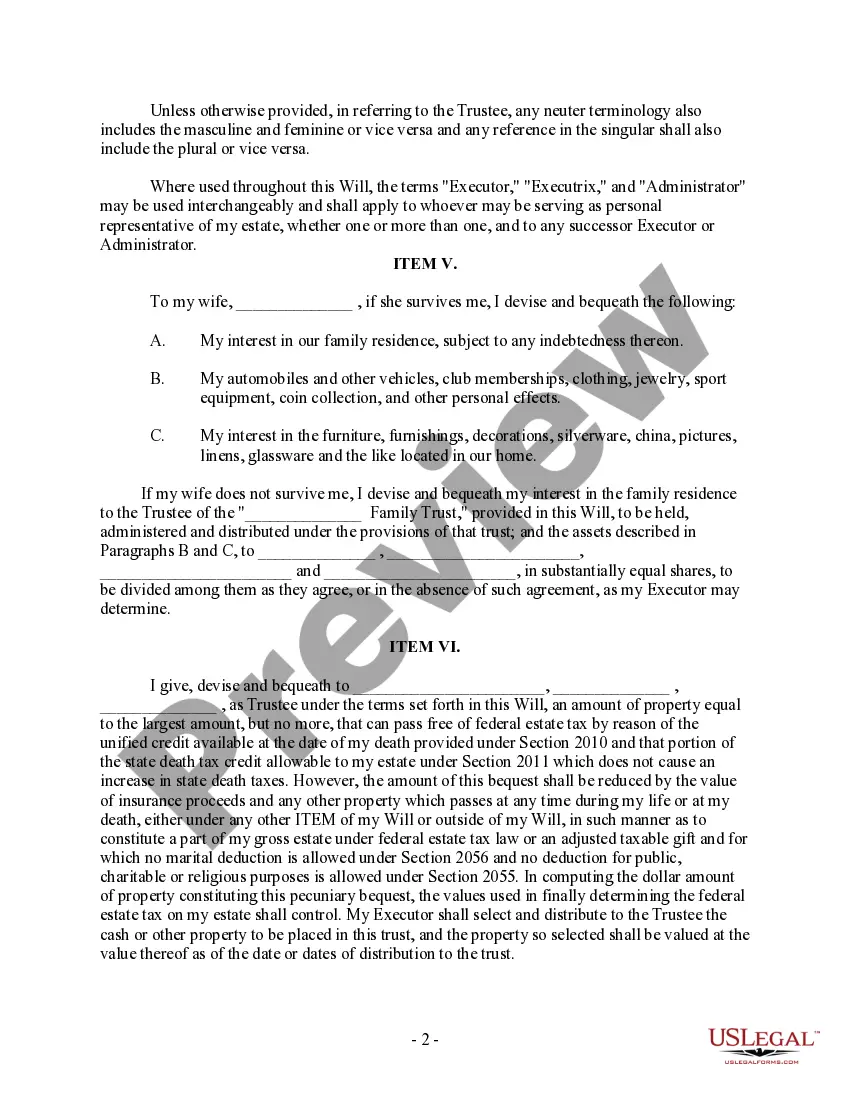
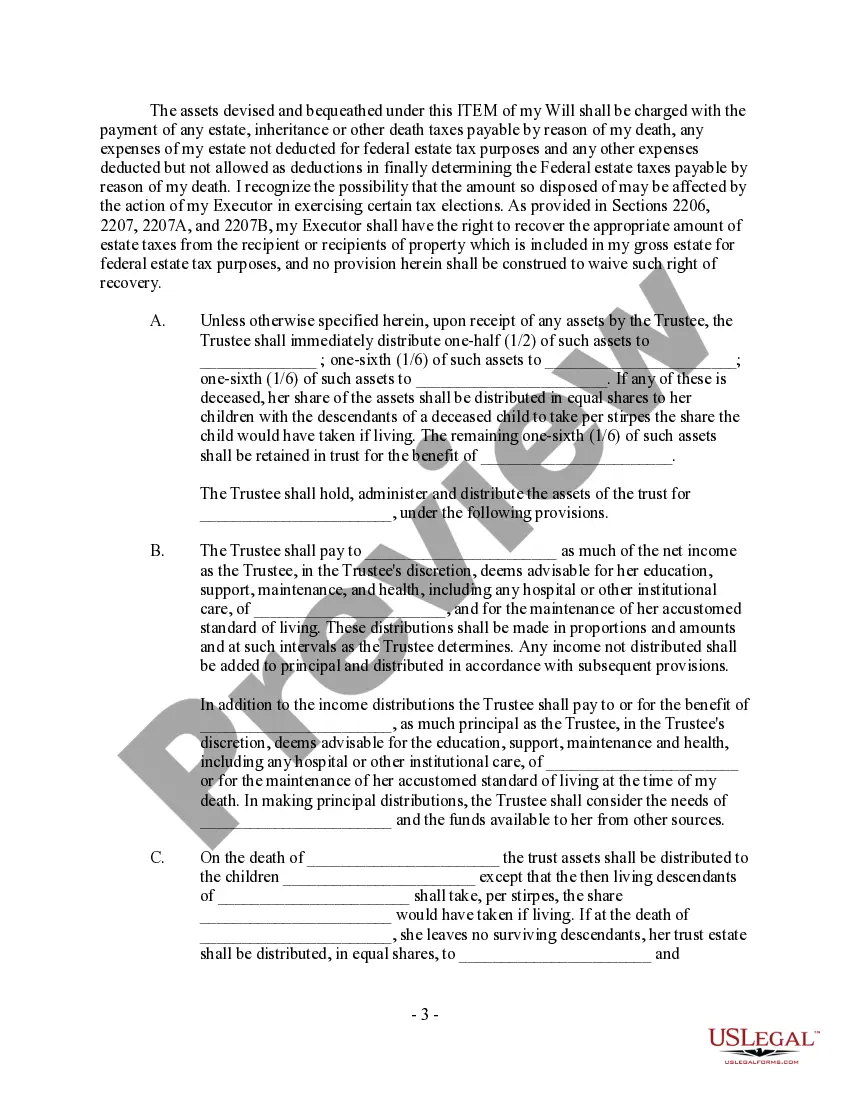
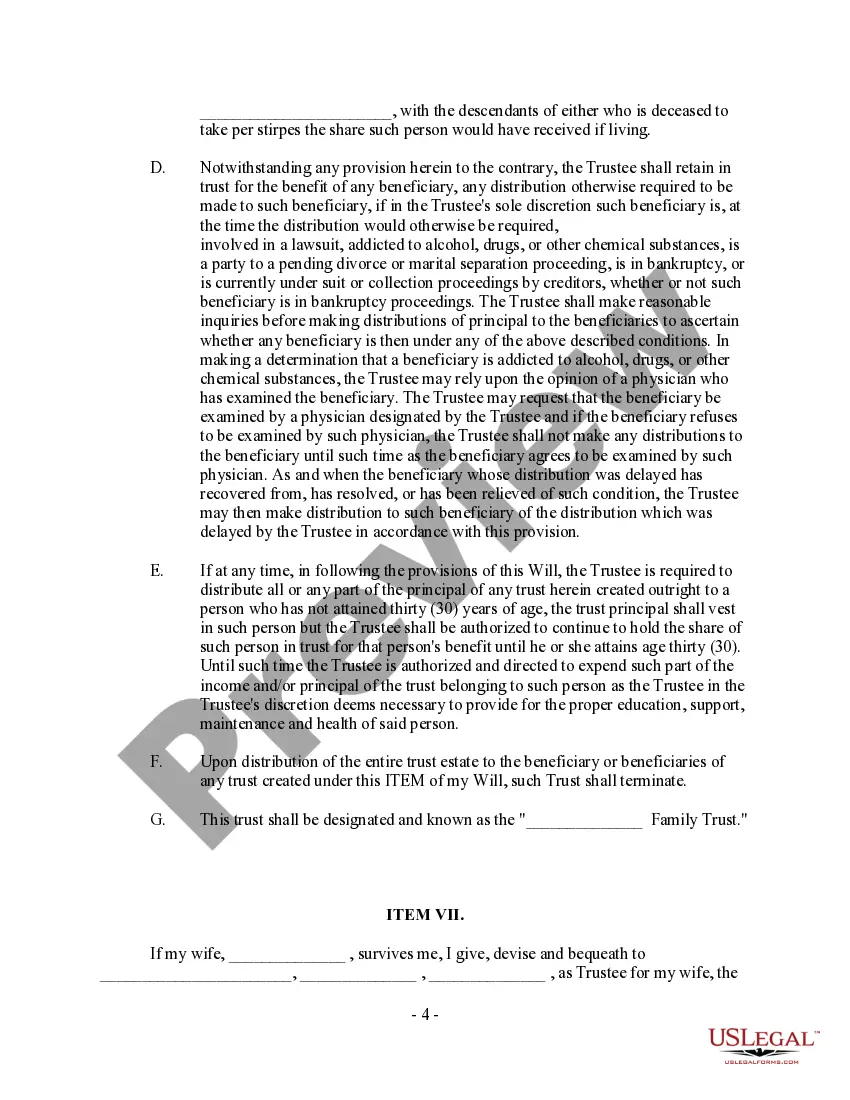
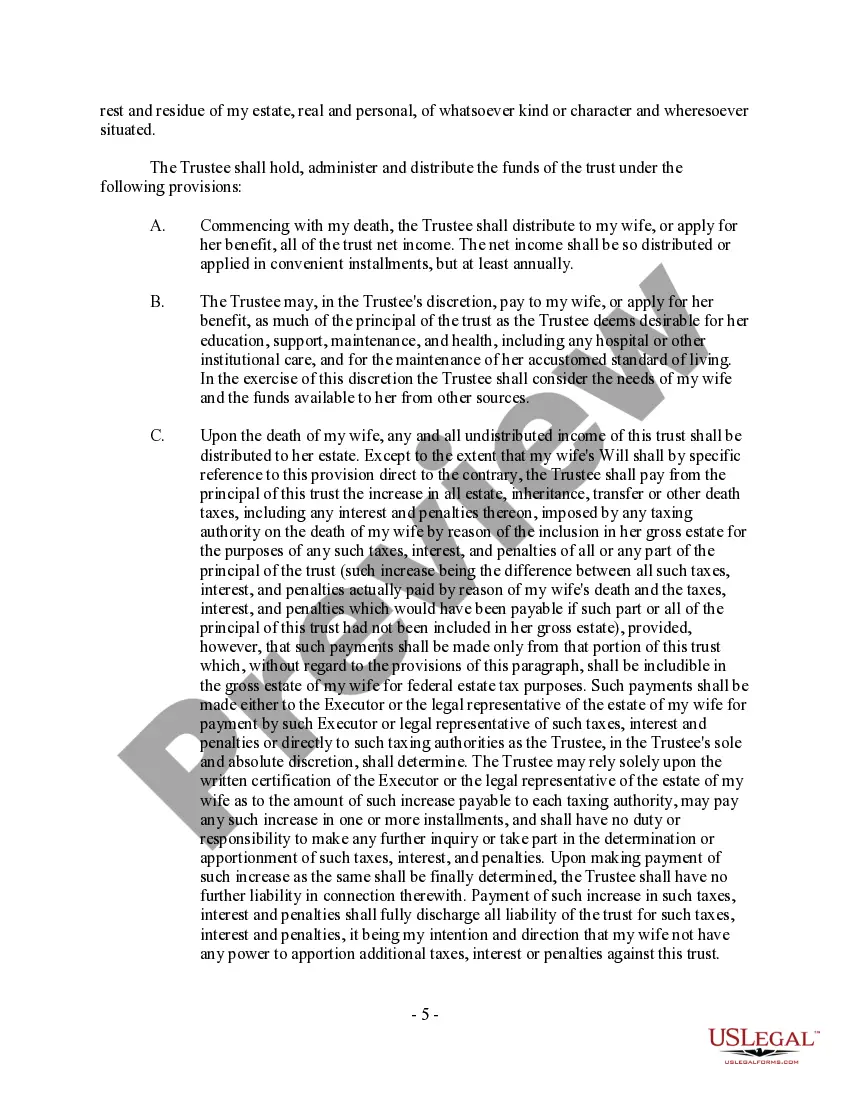



Get your form ready online
Our built-in tools help you complete, sign, share, and store your documents in one place.
Make edits, fill in missing information, and update formatting in US Legal Forms—just like you would in MS Word.
Download a copy, print it, send it by email, or mail it via USPS—whatever works best for your next step.
Sign and collect signatures with our SignNow integration. Send to multiple recipients, set reminders, and more. Go Premium to unlock E-Sign.
If this form requires notarization, complete it online through a secure video call—no need to meet a notary in person or wait for an appointment.
We protect your documents and personal data by following strict security and privacy standards.

Make edits, fill in missing information, and update formatting in US Legal Forms—just like you would in MS Word.

Download a copy, print it, send it by email, or mail it via USPS—whatever works best for your next step.

Sign and collect signatures with our SignNow integration. Send to multiple recipients, set reminders, and more. Go Premium to unlock E-Sign.

If this form requires notarization, complete it online through a secure video call—no need to meet a notary in person or wait for an appointment.

We protect your documents and personal data by following strict security and privacy standards.
Looking for another form?
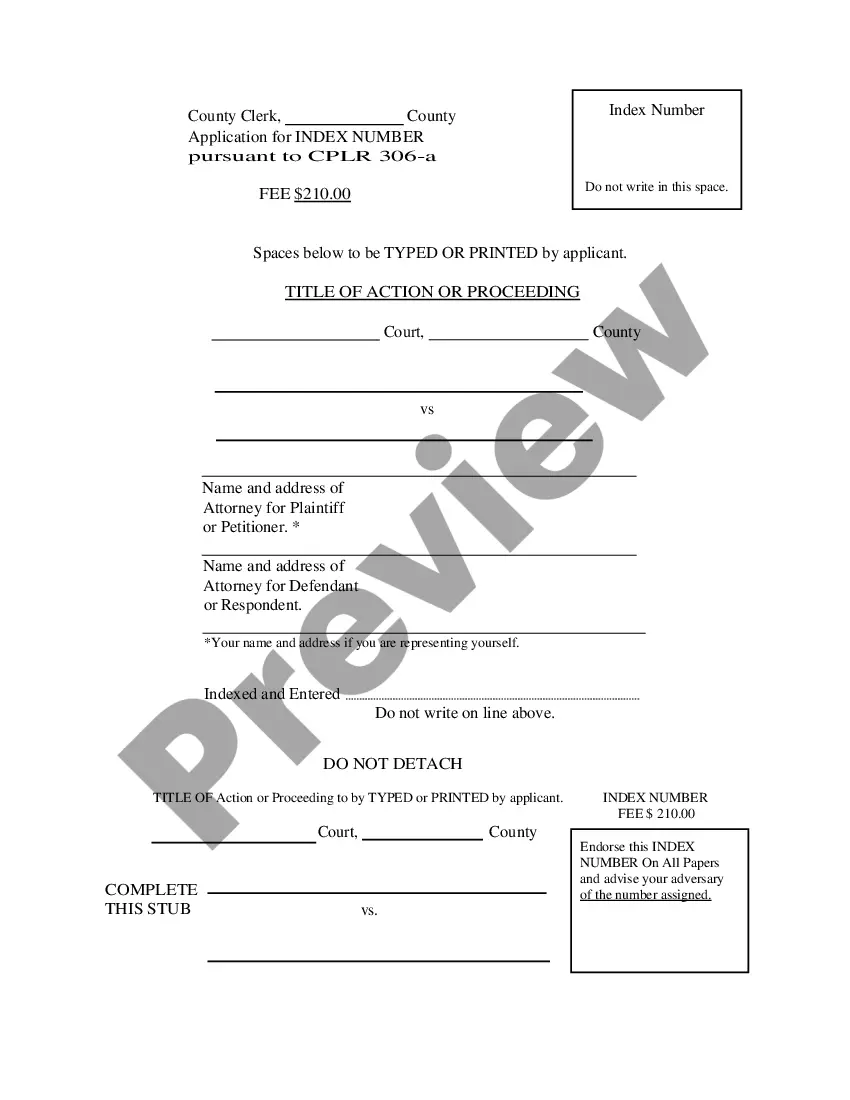



How to fill out Complex Will - Credit Shelter Marital Trust For Spouse?
- Log in to your existing US Legal Forms account, ensuring your subscription is up to date. If it needs renewing, do so to maintain ongoing access.
- Preview various templates to find the right credit shelter trust form that aligns with your objectives and complies with local laws.
- If your initial selection doesn't meet your needs, utilize the search feature at the top of the page to find alternative forms.
- Purchase the selected document by clicking the Buy Now button and choosing an appropriate subscription plan.
- Complete your transaction by entering your credit card details or using your PayPal account to finalize the subscription.
- Download the completed form to your device for easy access anytime from the My Forms section in your account.
Using US Legal Forms streamlines the creation of legally binding documents, so you can focus more on your estate planning rather than paperwork.
Start your journey to secure your financial future today with US Legal Forms. Access a wealth of knowledge and a robust library tailored for your legal needs.
Form popularity
FAQ
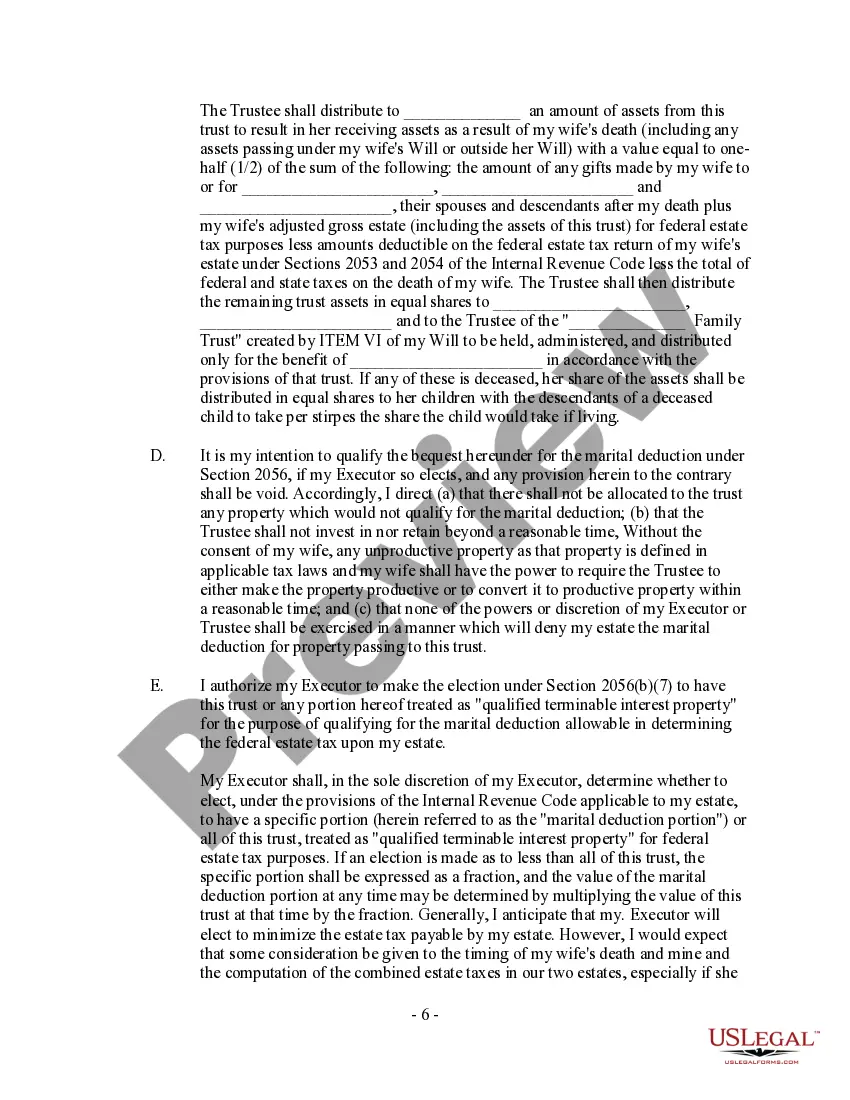
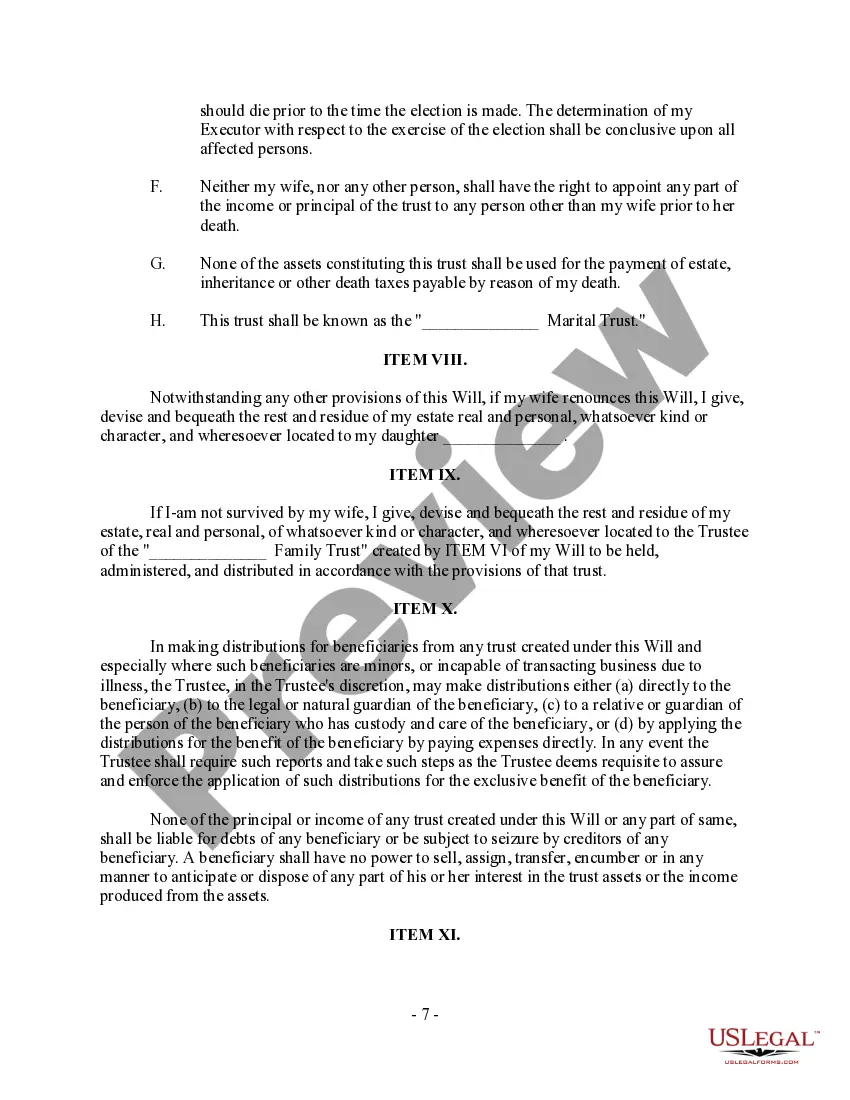
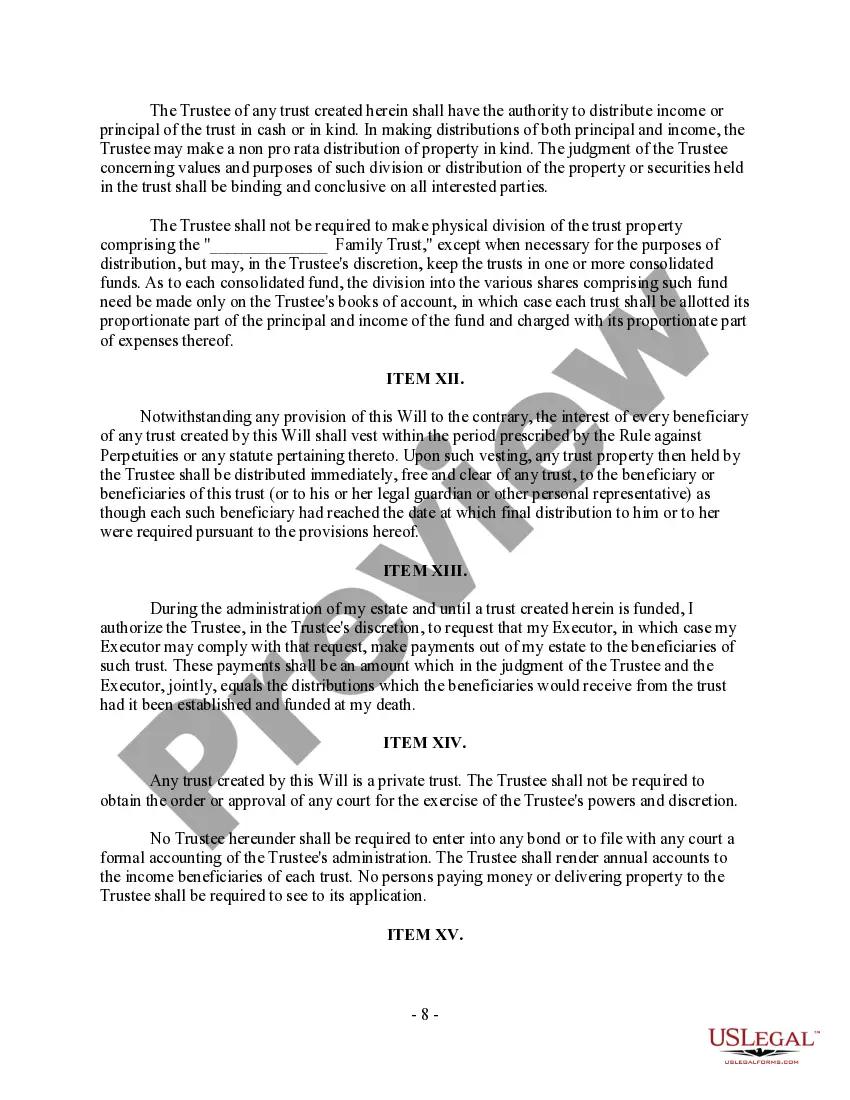
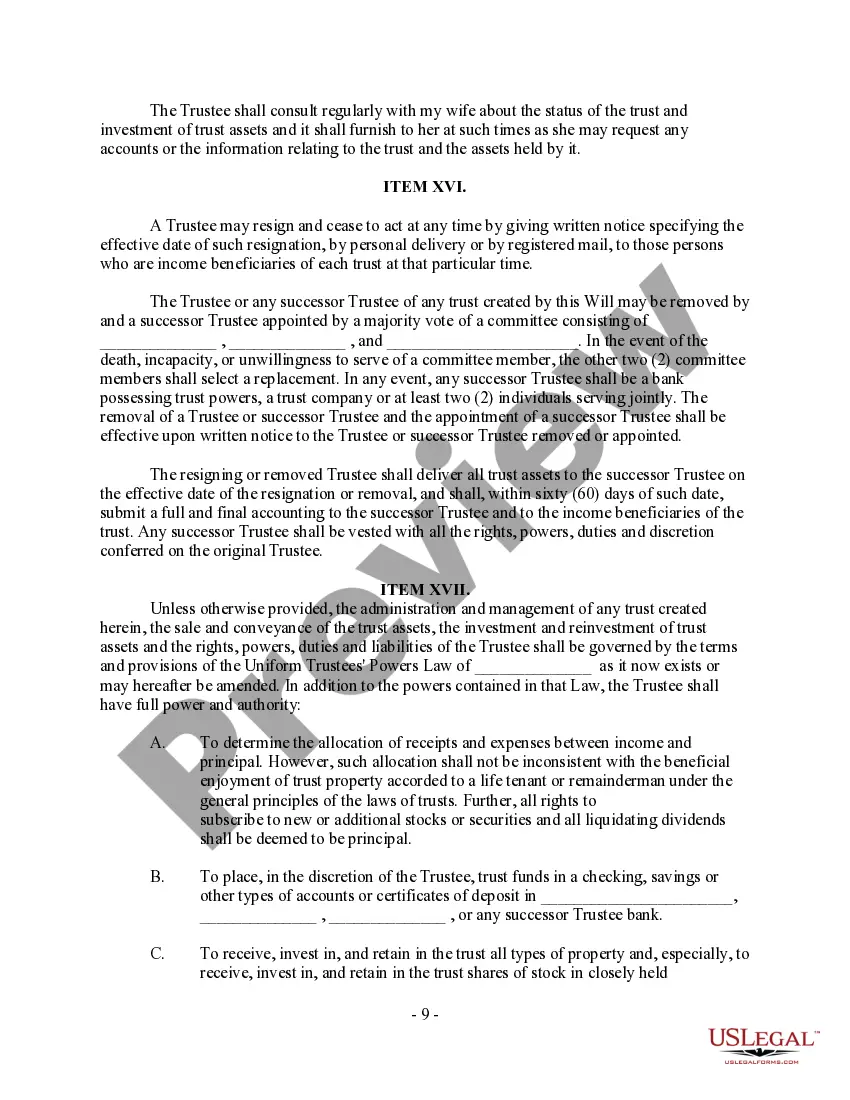
When the surviving spouse dies, the credit shelter trust typically becomes irrevocable and distributes its assets according to the trust's terms. The assets in the trust may pass to the designated beneficiaries without incurring additional estate taxes. This ensures that the original intentions of the grantor are honored and that the benefits of the trust continue. Understanding the credit shelter trust purpose can help families navigate this process effectively.
The point of a credit shelter trust is to reduce estate taxes and protect family wealth. By placing assets into this type of trust, individuals can ensure that a portion of their estate remains exempt from taxes upon their passing. This strategy allows for greater financial flexibility and control over the distribution of assets. Ultimately, the credit shelter trust purpose is to provide financial security and maximize the inheritance for loved ones.
The maximum amount for a trust fund is generally unrestricted; however, contributions may affect tax liabilities. It’s essential to consider how your contributions align with your overall estate plan and goals. Utilizing tools like the credit shelter trust can help you navigate the complexities of trust funding to ensure your intents are fulfilled while minimizing taxes.
The maximum amount you can place in a trust fund varies based on the type of trust and prevailing state and federal laws. While some trust funds may not have specific limits, understanding the implications of large contributions is critical. Consulting with an experienced advisor can clarify your options, especially in relation to the credit shelter trust purpose.
The maximum amount for a credit shelter trust typically aligns with the federal estate tax exemption limit. This threshold is subject to change with new legislation, so staying informed is essential. Understanding the current limits helps ensure that you leverage the credit shelter trust purpose effectively to optimize tax savings during estate planning.
The primary purpose of a credit shelter trust is to help married couples minimize their estate taxes upon death. This trust allows the transfer of wealth to beneficiaries without incurring estate tax liabilities. By utilizing a credit shelter trust, families can preserve more of their assets and effectively achieve their wealth distribution goals, solidifying the credit shelter trust purpose in estate planning.
The limit of a credit shelter trust often varies based on federal estate tax exemptions and state laws. Generally, the trust allows the husband and wife to shield a certain amount from estate taxes, as designed to suit their financial goals. It is crucial to remain informed about current tax laws, since these can influence the credit shelter trust purpose and financial planning strategies.
While credit shelter trusts offer many benefits, they also come with some disadvantages. One significant drawback is the complexity of setting them up and maintaining them. Additionally, they might not be flexible enough to adapt to changing financial situations or family needs. Therefore, it's essential to consult with a legal expert to understand how these trusts align with your specific credit shelter trust purpose.
The primary purpose of a trust account is to manage and protect assets on behalf of beneficiaries. These accounts are commonly used to hold funds until certain conditions are met, ensuring that the assets are distributed correctly and efficiently. Trust accounts can provide financial security and structure, making them a valuable part of estate planning. Knowing the credit shelter trust purpose can also broaden your understanding of how trust accounts function.
The primary purpose of a credit shelter trust is to reduce estate taxes for your heirs. By placing assets into this trust, you can utilize the estate tax exemption, which allows you to pass on more wealth to your beneficiaries. This strategy effectively shelters a portion of your estate, preserving it for future generations. Overall, understanding the credit shelter trust purpose can help you make informed decisions in estate planning.