Credit Shelter Trust Form Formula
Description

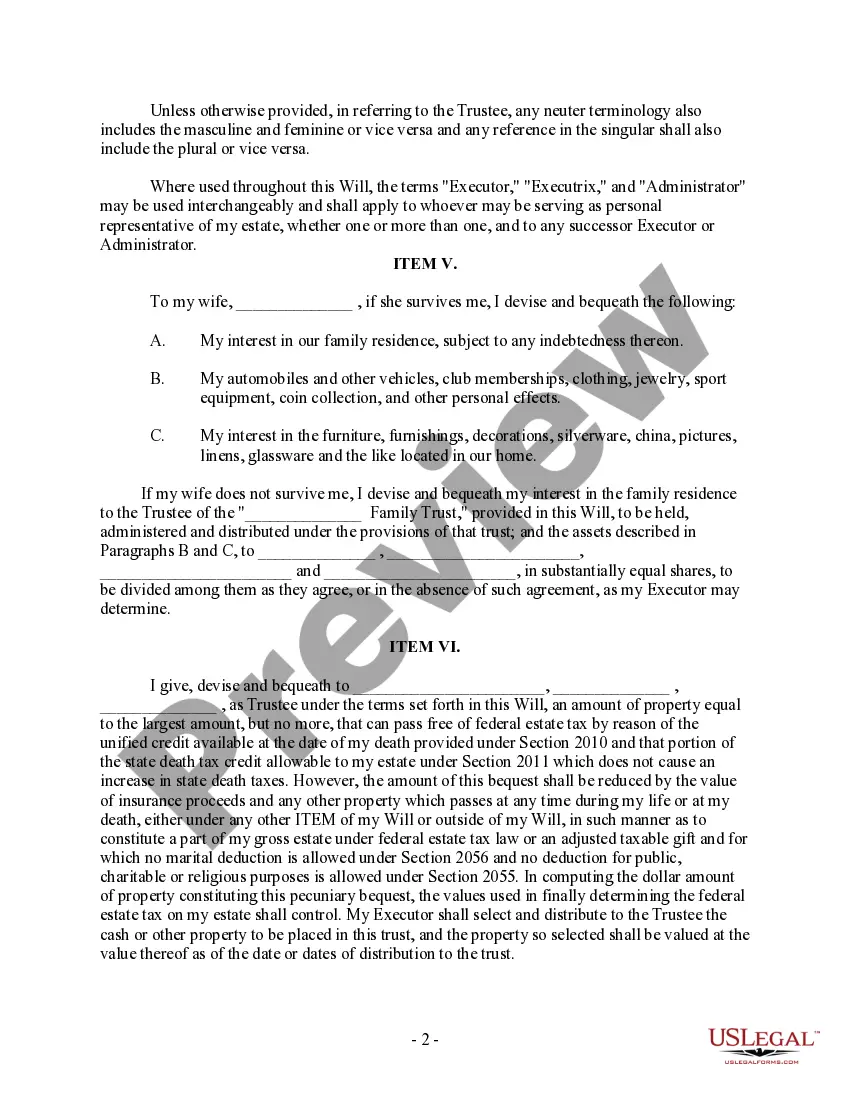
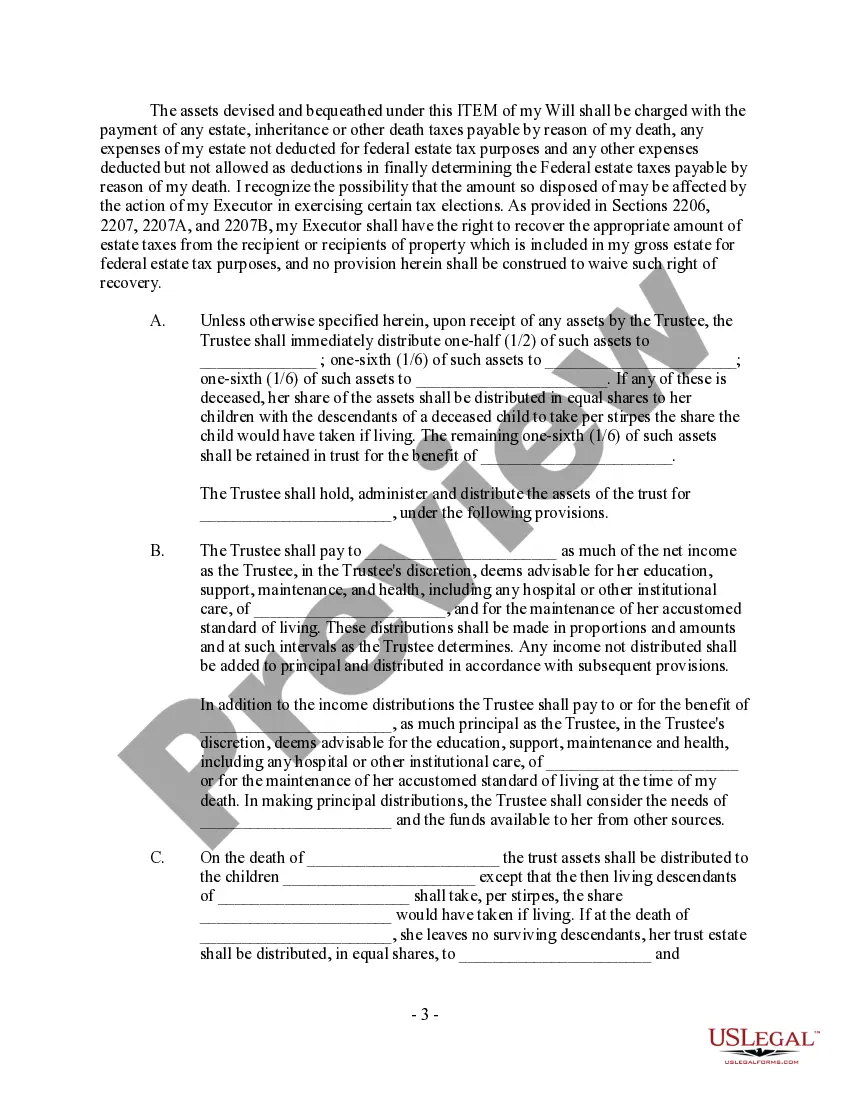
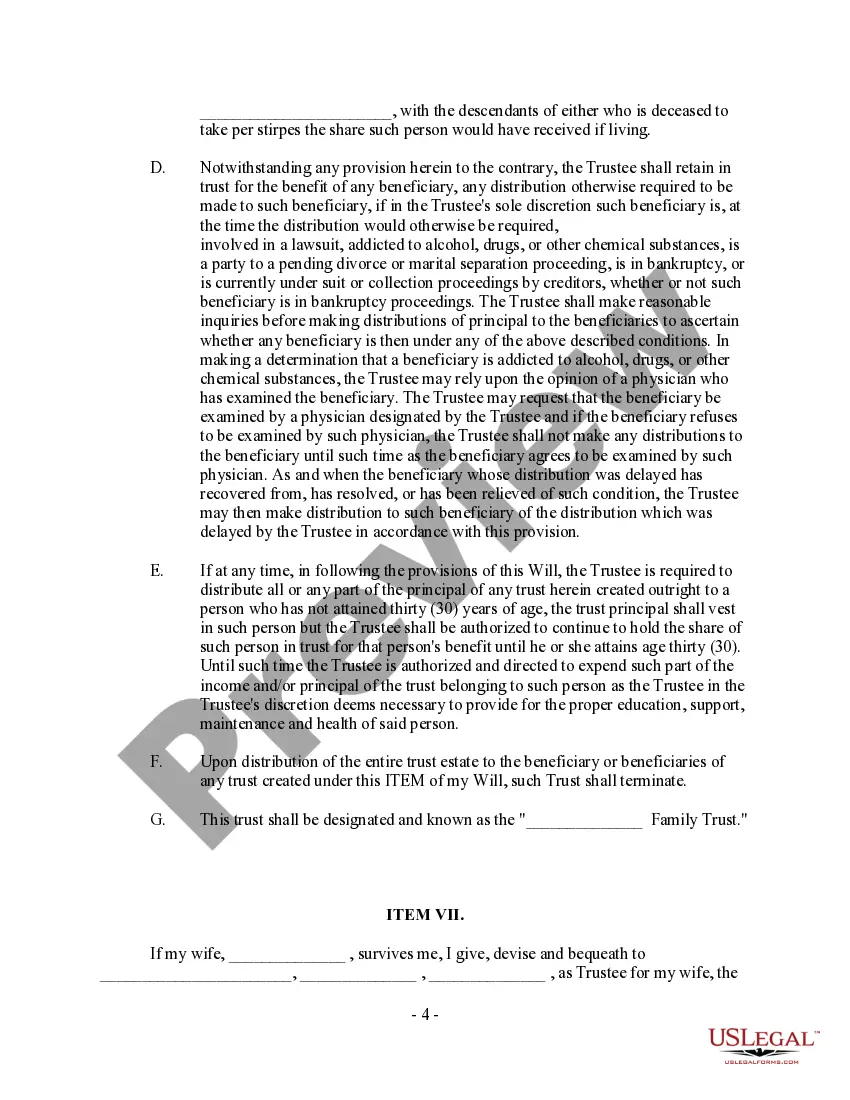
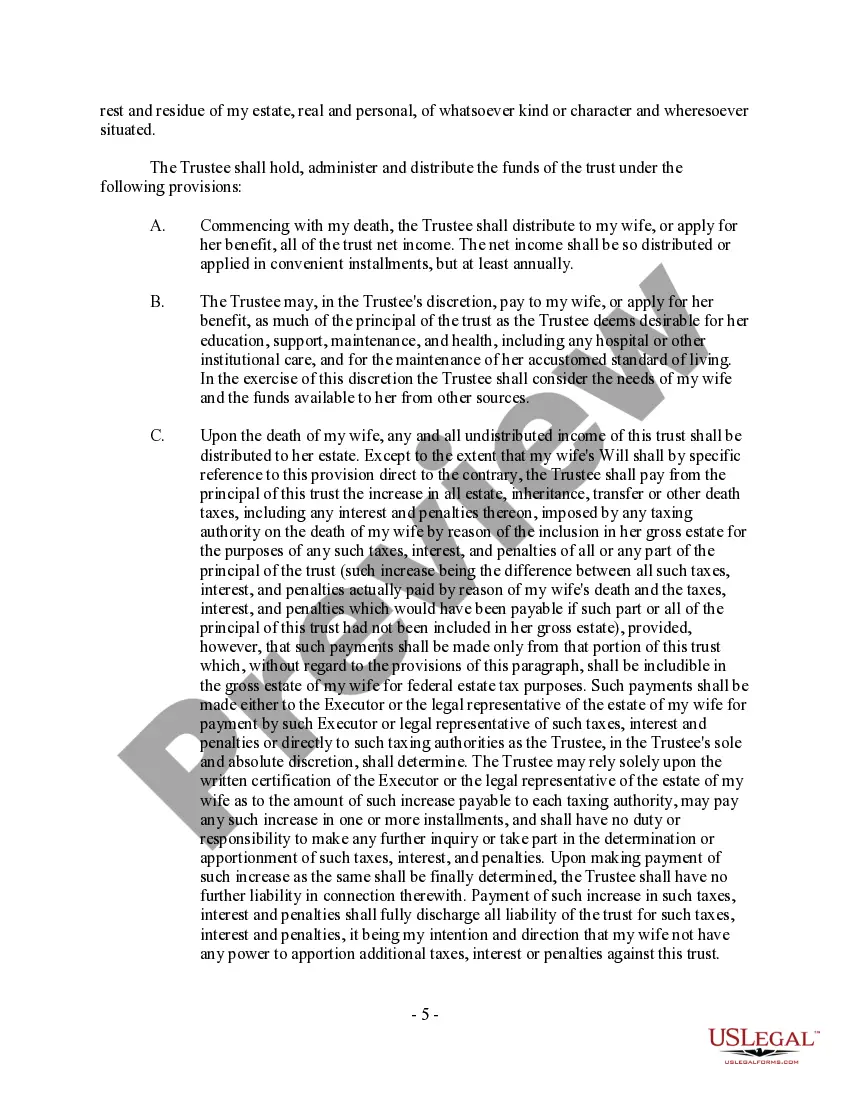
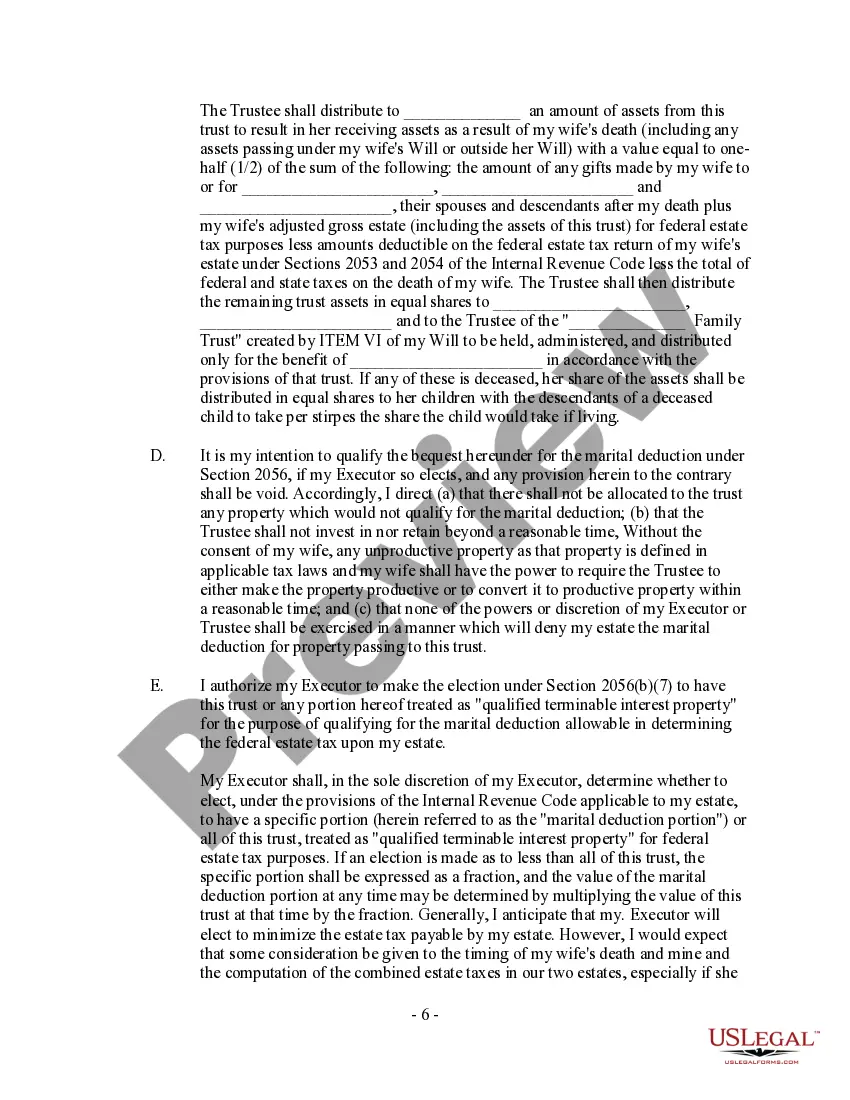
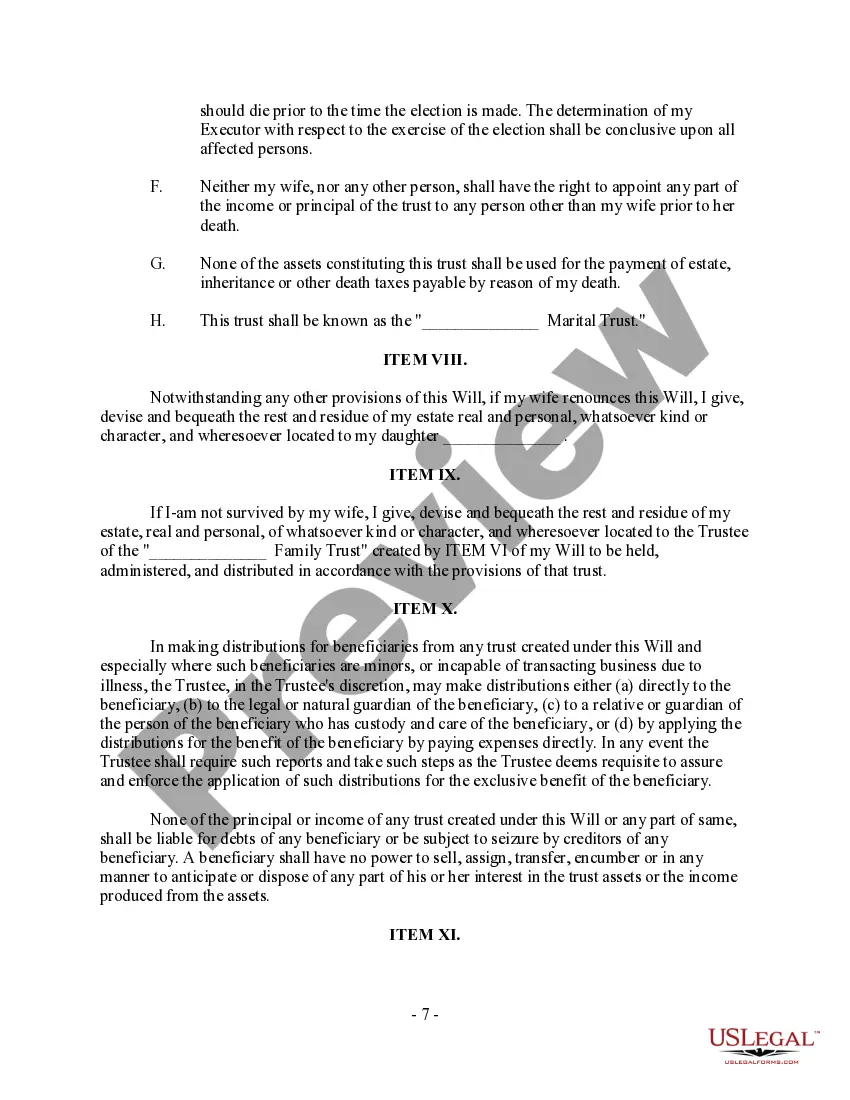
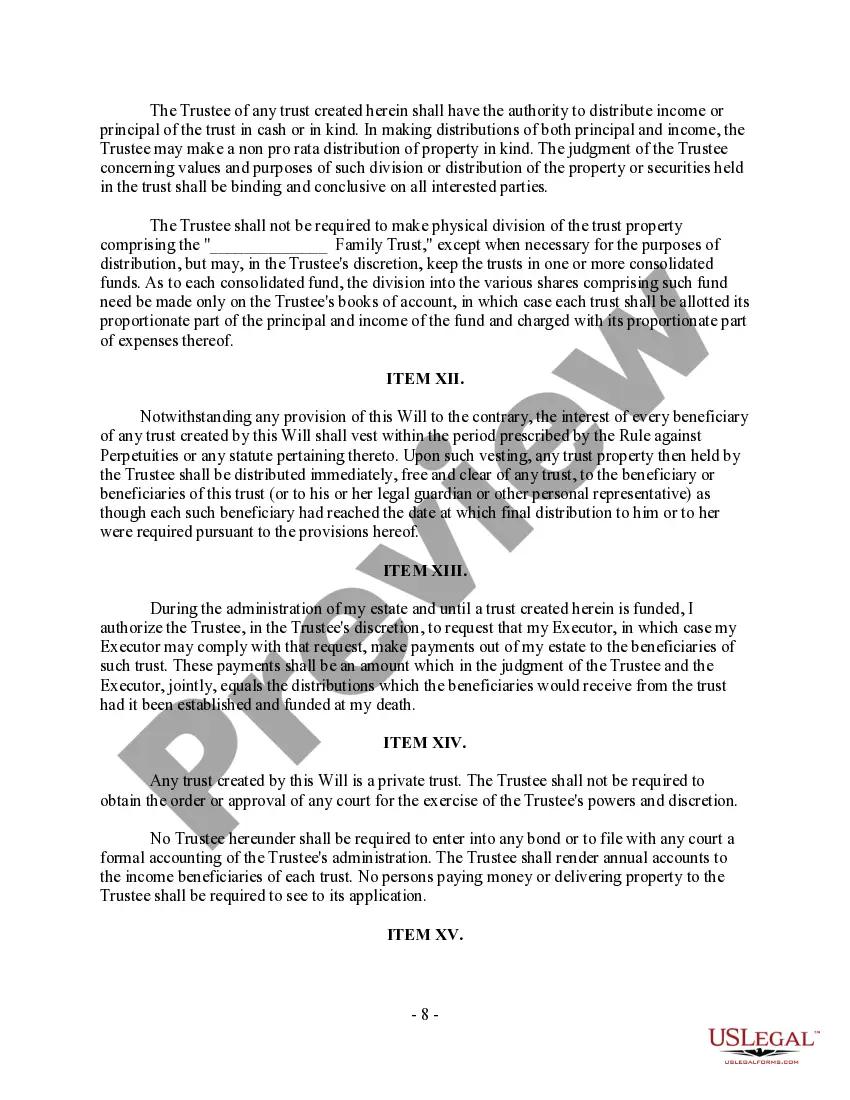
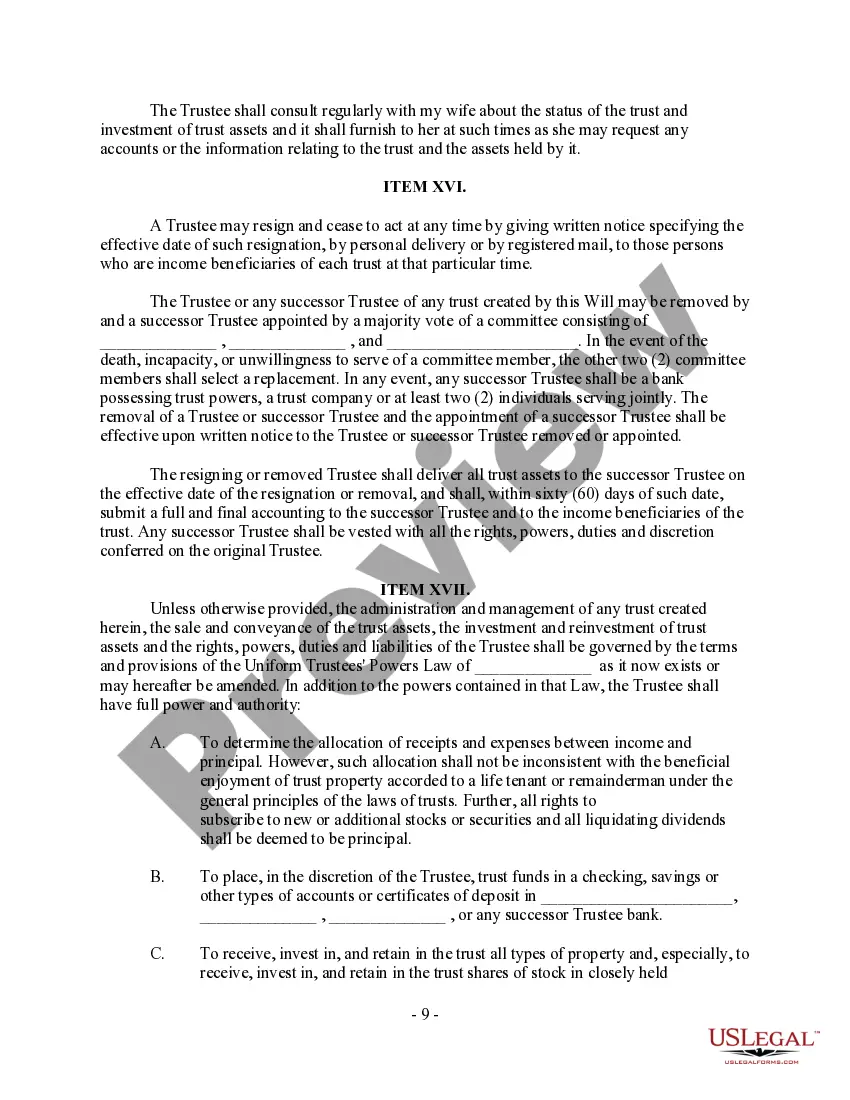



Get your form ready online
Our built-in tools help you complete, sign, share, and store your documents in one place.
Make edits, fill in missing information, and update formatting in US Legal Forms—just like you would in MS Word.
Download a copy, print it, send it by email, or mail it via USPS—whatever works best for your next step.
Sign and collect signatures with our SignNow integration. Send to multiple recipients, set reminders, and more. Go Premium to unlock E-Sign.
If this form requires notarization, complete it online through a secure video call—no need to meet a notary in person or wait for an appointment.
We protect your documents and personal data by following strict security and privacy standards.

Make edits, fill in missing information, and update formatting in US Legal Forms—just like you would in MS Word.

Download a copy, print it, send it by email, or mail it via USPS—whatever works best for your next step.

Sign and collect signatures with our SignNow integration. Send to multiple recipients, set reminders, and more. Go Premium to unlock E-Sign.

If this form requires notarization, complete it online through a secure video call—no need to meet a notary in person or wait for an appointment.

We protect your documents and personal data by following strict security and privacy standards.
Looking for another form?
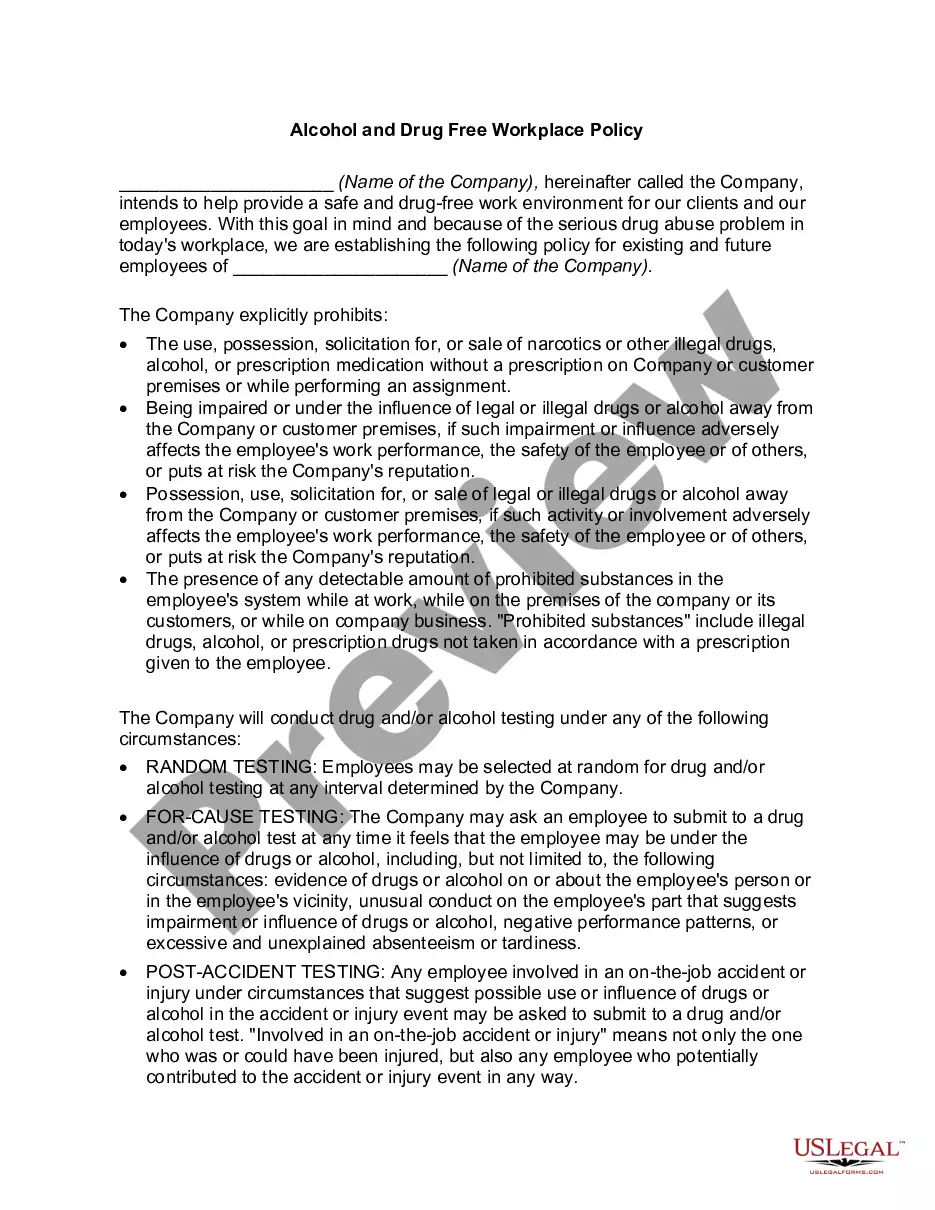


How to fill out Complex Will - Credit Shelter Marital Trust For Spouse?
Legal administration can be perplexing, even for seasoned professionals.
When you are interested in a Credit Shelter Trust Form Formula and do not have the opportunity to spend time searching for the correct and updated version, the process can be stressful.
US Legal Forms accommodates any requirements you might have, from personal to business-related paperwork, all in one place.
Make use of cutting-edge tools to fill out and manage your Credit Shelter Trust Form Formula.
Here are the steps to follow after acquiring the form you need: Verify its authenticity by previewing it and reviewing its details.
- Access a valuable resource base of articles, guides, and manuals relevant to your circumstances and needs.
- Save time and effort in searching for the required documents, and utilize US Legal Forms' advanced search and Review feature to find Credit Shelter Trust Form Formula and download it.
- If you hold a membership, Log In to your US Legal Forms account, search for the form, and download it.
- Check the My documents tab to discover the documents you previously obtained and also to organize your folders as you prefer.
- If it's your first time with US Legal Forms, create an account and gain unlimited access to all the benefits of the library.
- Utilize a powerful online form directory that can be transformative for anyone who wants to handle these matters effectively.
- US Legal Forms is a leader in online legal documentation, with over 85,000 state-specific legal forms available to you at any time.
- Access state- or county-specific legal and business documents.
Form popularity
FAQ
A credit shelter trust (CST) is a trust created after the death of the first spouse in a married couple. Assets placed in the trust are generally held apart from the estate of the surviving spouse, so they may pass tax-free to the remaining beneficiaries at the death of the surviving spouse.
Credit Shelter Pecuniary Formula. In contrast, a credit shelter pecuniary formula, also known as a reverse pecuniary formula, determines a pecuniary amount for the Family Trust by defining the Family Trust share as the maximum amount that can be allocated to the Family Trust without gener- ating any estate tax.
Credit Shelter Trust Example Spouse A passes away leaving his entire estate to Spouse B. Due to the unlimited marital exemption, Spouse B will pay zero estate tax on this transfer, and as such would not utilize any of Spouse's A's $11.5mm federal exemption or New York's $6mm exemption.
A credit shelter trust (CST) is a trust created after the death of the first spouse in a married couple. Assets placed in the trust are generally held apart from the estate of the surviving spouse, so they may pass tax-free to the remaining beneficiaries at the death of the surviving spouse.
Understanding a Credit Shelter Trust (CST) CSTs are created upon a married individual's death and funded with that person's entire estate or a portion of it as outlined in the trust agreement. These assets then flow to the surviving spouse.