Credit Shelter For You
Description

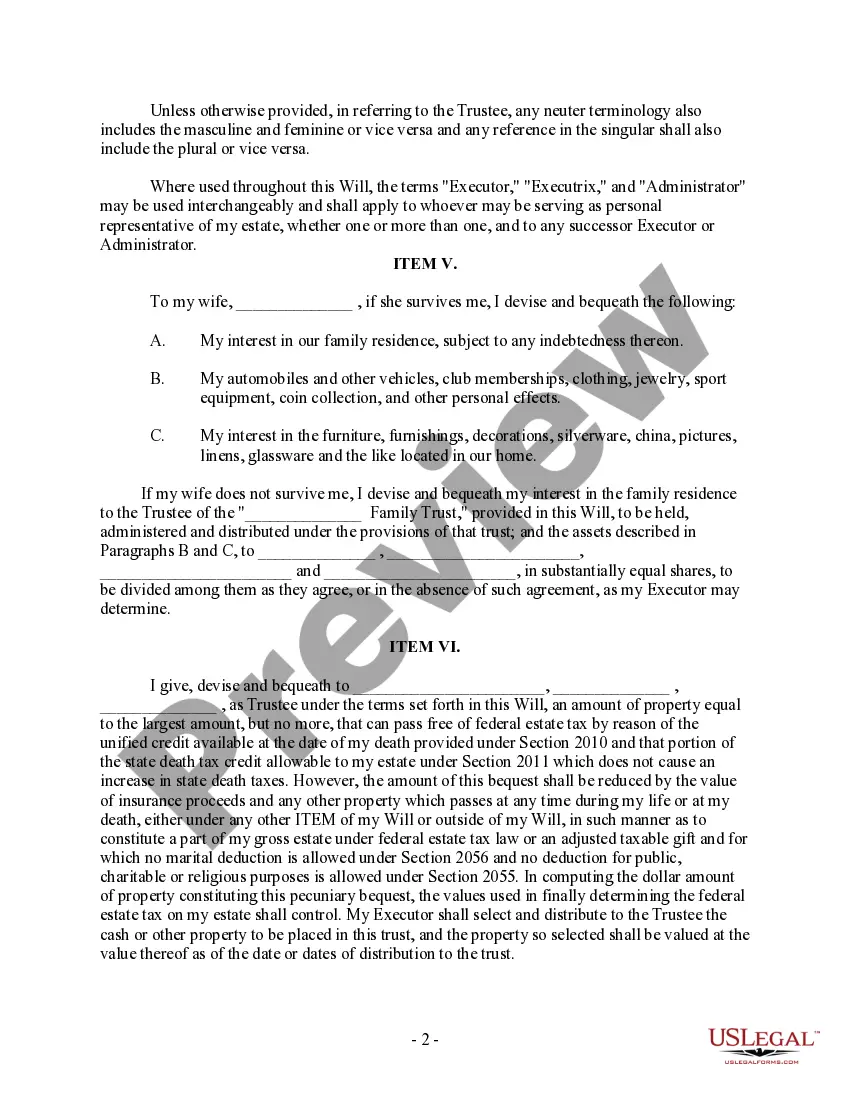
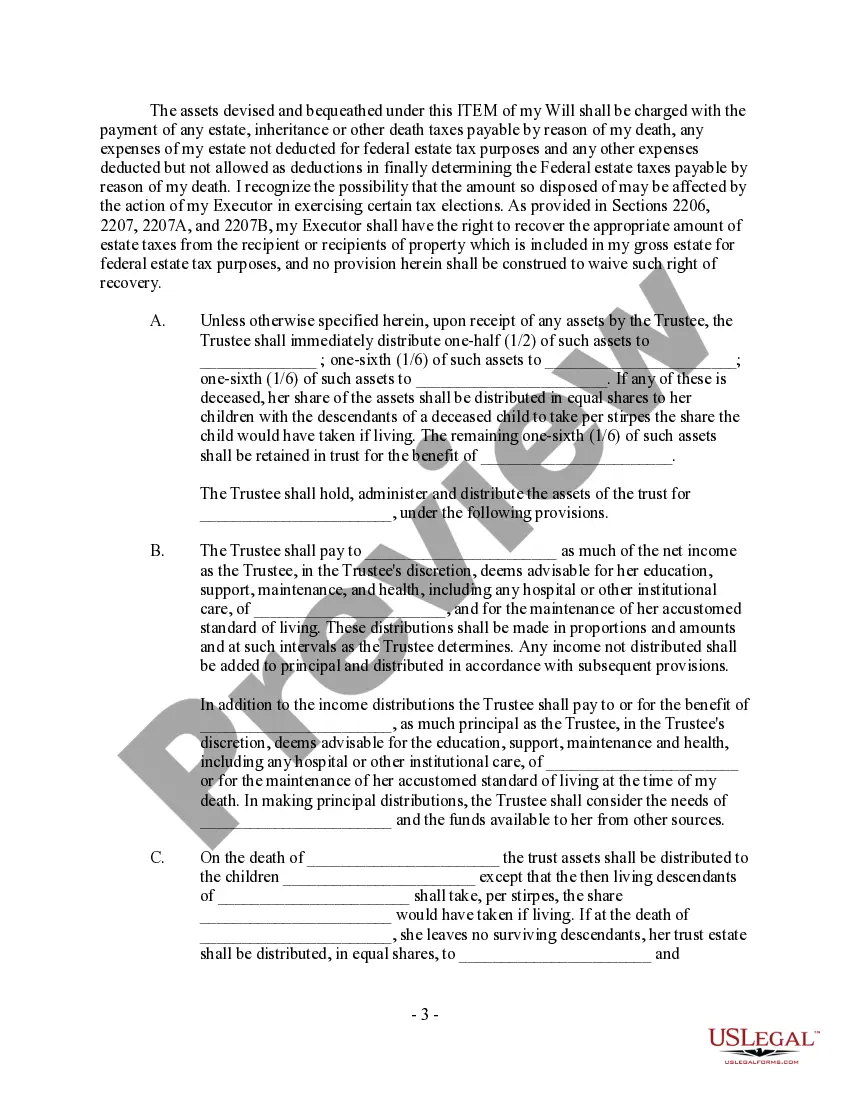
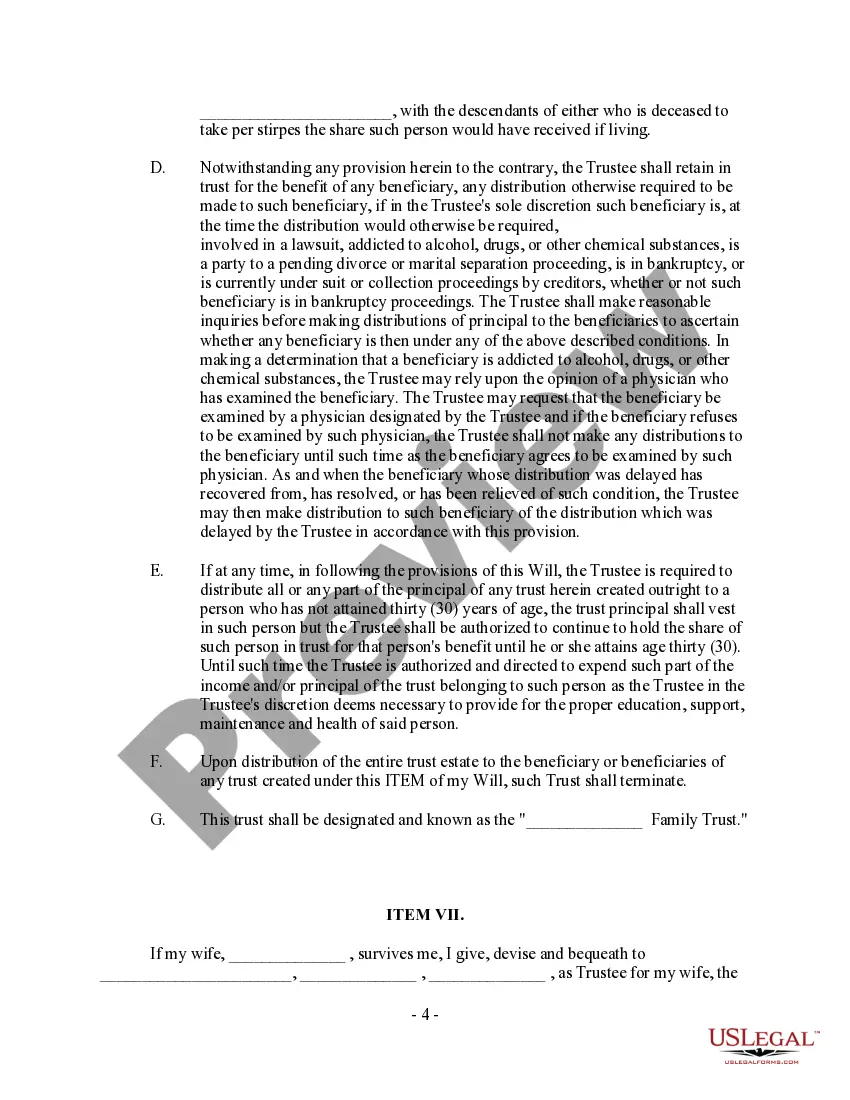
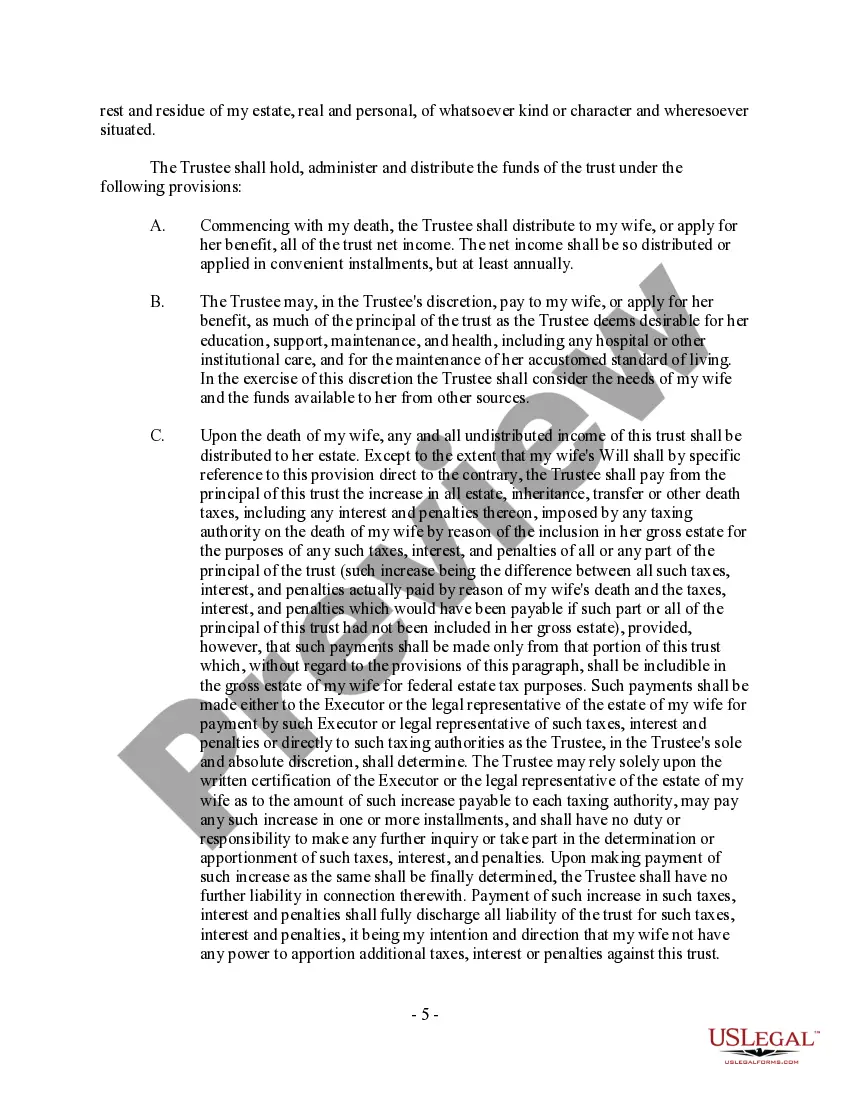



Get your form ready online
Our built-in tools help you complete, sign, share, and store your documents in one place.
Make edits, fill in missing information, and update formatting in US Legal Forms—just like you would in MS Word.
Download a copy, print it, send it by email, or mail it via USPS—whatever works best for your next step.
Sign and collect signatures with our SignNow integration. Send to multiple recipients, set reminders, and more. Go Premium to unlock E-Sign.
If this form requires notarization, complete it online through a secure video call—no need to meet a notary in person or wait for an appointment.
We protect your documents and personal data by following strict security and privacy standards.

Make edits, fill in missing information, and update formatting in US Legal Forms—just like you would in MS Word.

Download a copy, print it, send it by email, or mail it via USPS—whatever works best for your next step.

Sign and collect signatures with our SignNow integration. Send to multiple recipients, set reminders, and more. Go Premium to unlock E-Sign.

If this form requires notarization, complete it online through a secure video call—no need to meet a notary in person or wait for an appointment.

We protect your documents and personal data by following strict security and privacy standards.
Looking for another form?









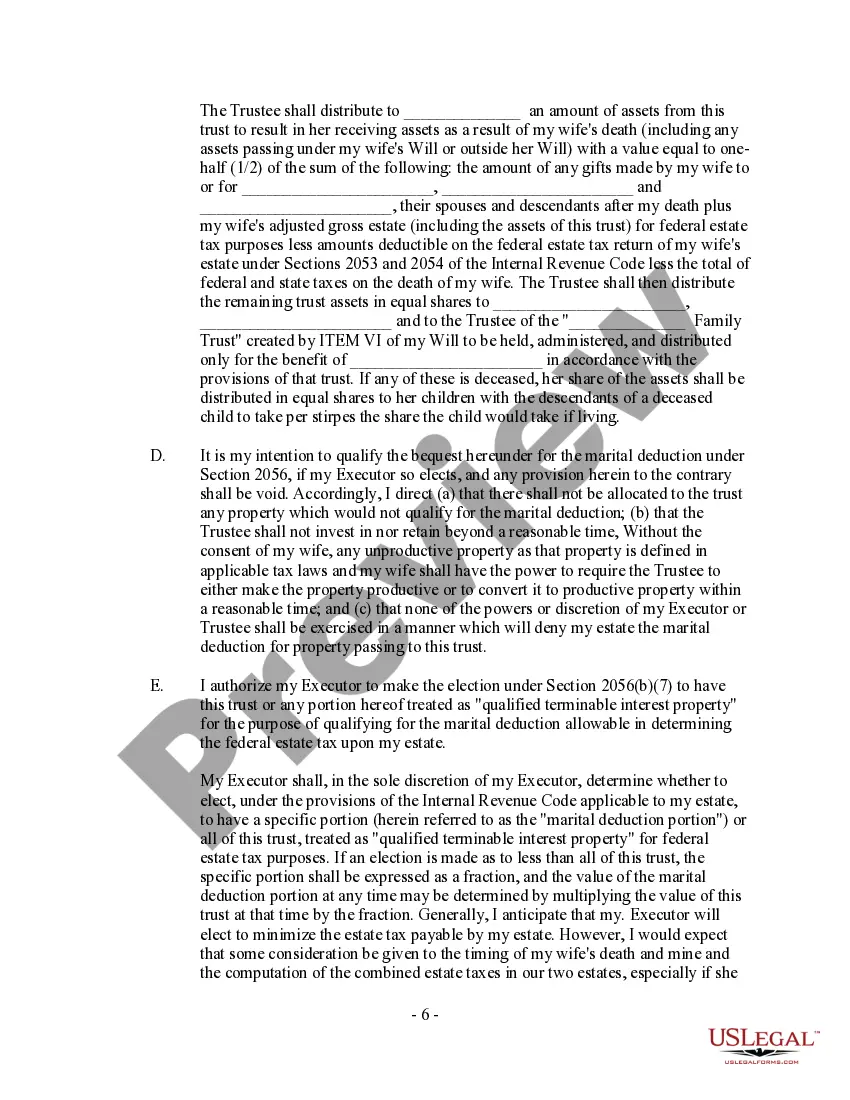
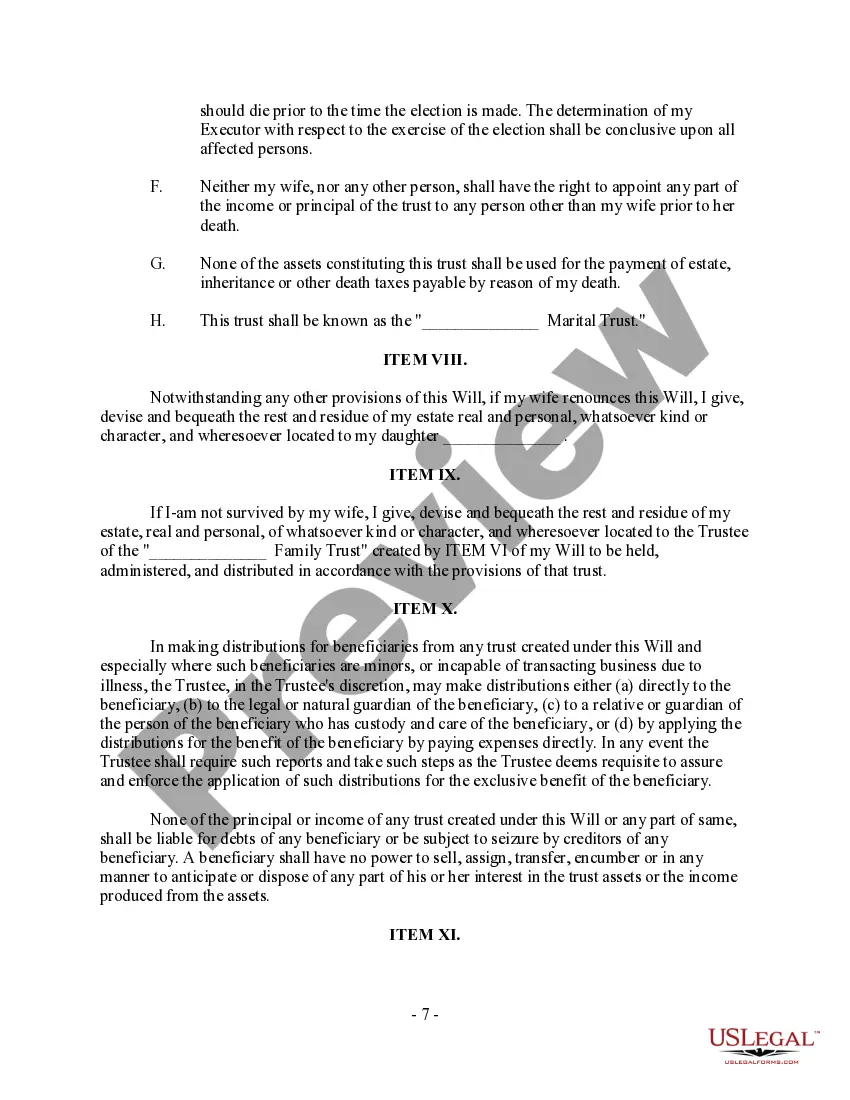
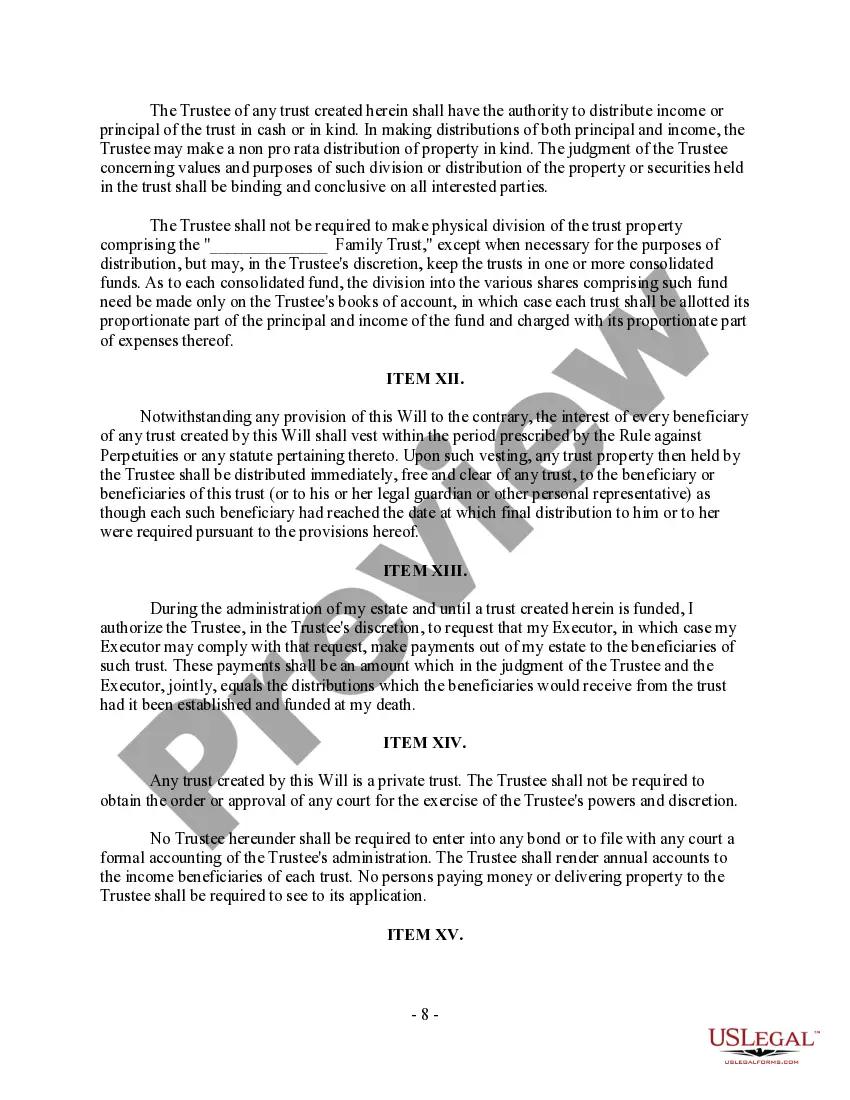
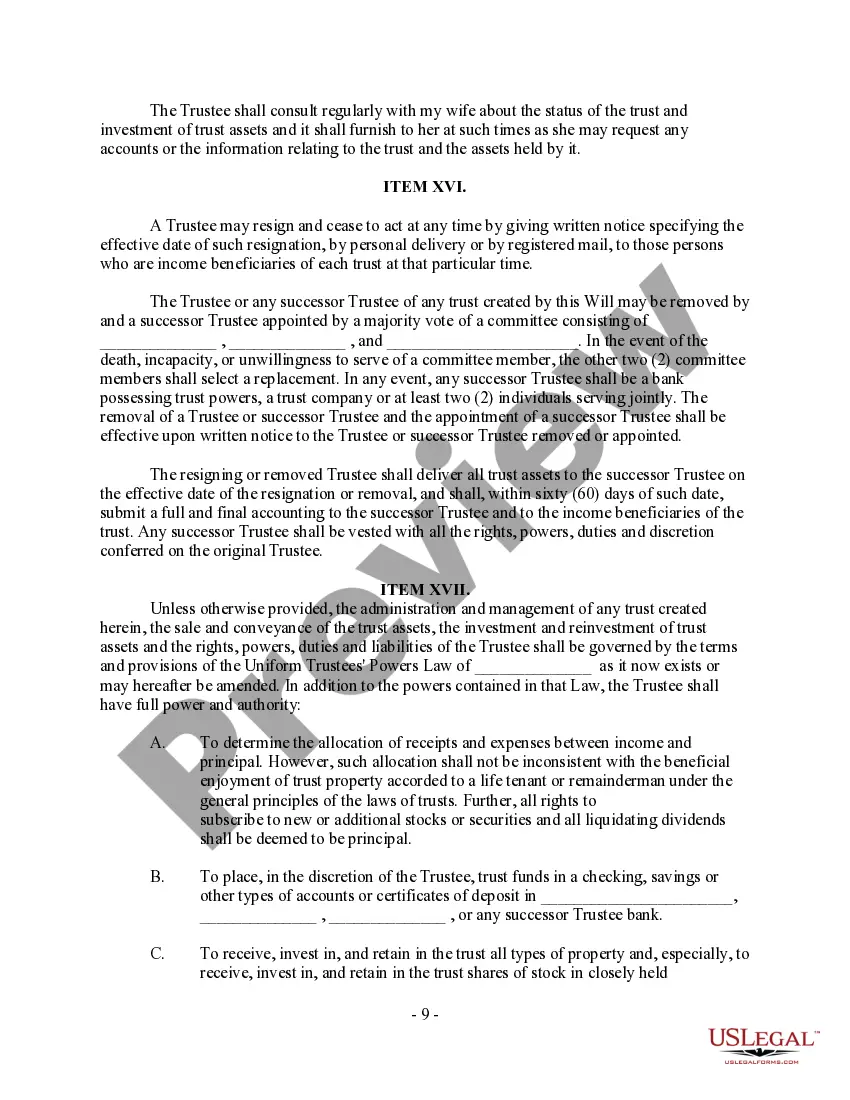
How to fill out Complex Will - Credit Shelter Marital Trust For Spouse?
- If you are a returning user, log in and check your subscription status before downloading the required form template. Make sure your subscription remains active to access all features.
- If you are new to the platform, start by previewing the descriptions of available forms. Confirm that the chosen form aligns with your specific needs and meets local jurisdiction requirements.
- If you need to search for alternative templates, utilize the Search tab located at the top of the page to find the right document.
- Once you've found your form, proceed to make a purchase by clicking the Buy Now button and selecting a subscription plan that suits you.
- Complete your payment by providing credit card information or utilizing a PayPal account to finalize your subscription.
- After making the purchase, you can download the form directly to your device and access it in the My Forms section whenever necessary.
With the robust collection available on US Legal Forms, individuals and attorneys can effortlessly manage their legal document needs. The platform is committed to providing high-quality resources, ensuring that users receive expert assistance for precise and compliant documentation.
Unlock the benefits of US Legal Forms today and streamline your legal processes. Don’t wait; start your journey towards hassle-free document management!
Form popularity
FAQ
The taxes on a credit shelter trust can be complex, but typically, the trust itself is responsible for paying any income taxes on its earnings. Beneficiaries may also have tax obligations if they receive distributions from the trust. To ensure you understand these obligations, it may be beneficial to consult with a professional or explore resources like US Legal Forms, which can provide guidance tailored to setting up a credit shelter for you.
A credit shelter trust is often considered the best option for minimizing taxes on your estate. It allows you to use your estate tax exemption while also preserving the benefits of your assets for your chosen beneficiaries. When you consider setting up a trust, think about establishing a credit shelter for you, as it effectively provides tax benefits while protecting your wealth.
After your death, the credit shelter trust becomes irrevocable, meaning it cannot be changed. The assets within this trust remain sheltered from estate taxes, allowing your beneficiaries to benefit from them without incurring excessive tax liabilities. Therefore, a credit shelter for you ensures that your wealth is preserved and efficiently passed on to your heirs.
A credit shelter is a trust designed to hold assets in a way that minimizes estate taxes for your heirs. It allows you to utilize your estate tax exemption, ensuring that significant portions of your wealth pass to your beneficiaries without heavy taxation. By establishing a credit shelter for you, you can effectively protect your assets while providing for your loved ones.
The current estate tax exemption allows individuals to transfer a significant amount of wealth without facing federal estate taxes. In 2023, this exemption is set at $12.92 million per individual. Knowing this exemption is key to effective estate planning; it can guide your choices. The credit shelter for you can help leverage this exemption, ensuring your assets are protected and passed on to your heirs with minimal tax impact.
The maximum care credit amount varies depending on your individual tax situation, but it typically exceeds the credit shelter amounts allowed. This credit is designed to help families cover expenses for child and dependent care. Understanding how the care credit works can be beneficial when planning your family’s finances. Think about how the credit shelter for you might work in tandem with these credits to enhance your financial security.
A credit shelter amount is the portion of your estate that can pass to beneficiaries without triggering estate taxes. This amount works alongside the unified credit to ensure tax-efficient wealth transfer. The credit shelter for you helps maximize the wealth that your heirs can receive. It’s important to strategize effectively to utilize this benefit.
The unified credit amount combines both the estate tax credit and the generation-skipping transfer tax credit. For 2023, the unified credit stands at $12.92 million per individual. This benefit allows families to maximize their estate plans. By understanding how unified credit interacts with credit shelter for you, you can effectively manage your legacy.
The current credit shelter amount refers to the amount that can be passed to heirs without incurring federal estate tax. As of 2023, this amount is $12.92 million per individual. Utilizing the credit shelter for you allows individuals to effectively shield their assets from those taxes. It ensures that more of your wealth is transferred to loved ones instead of going to tax obligations.
While credit shelter trusts offer many benefits, they also come with certain disadvantages. For instance, setting up and maintaining these trusts can incur legal and administrative costs. Additionally, these trusts may limit some financial flexibility as the assets must be managed according to the terms of the trust. However, despite these challenges, utilizing a credit shelter for you remains a powerful strategy for effective estate planning.