Good Faith In Contract Law
Description
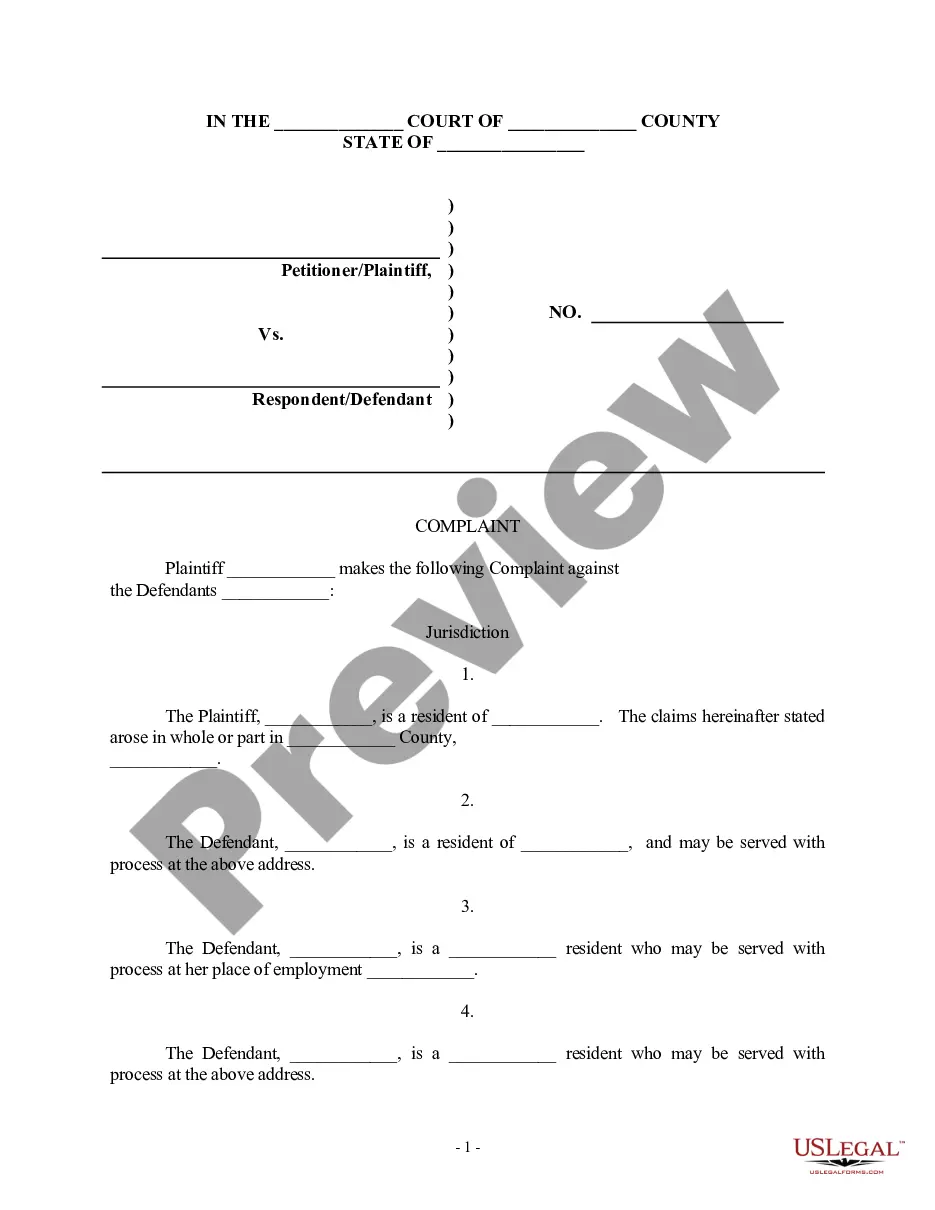
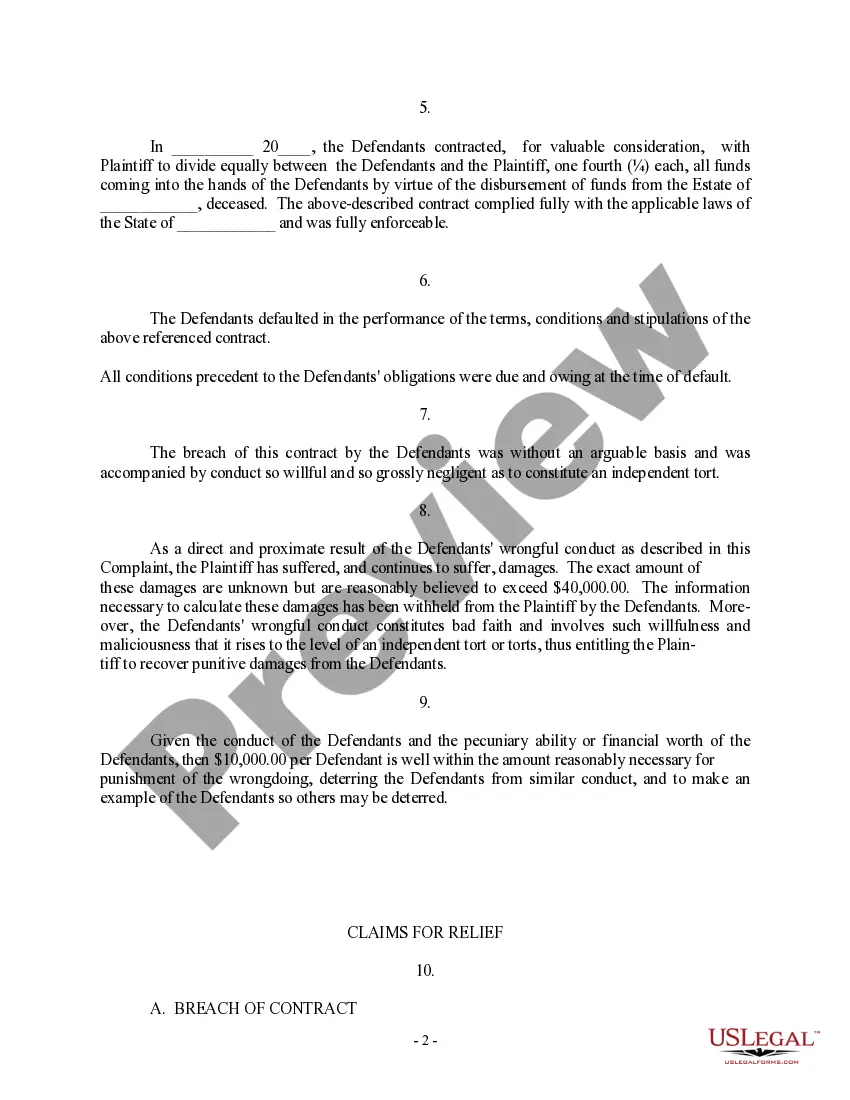
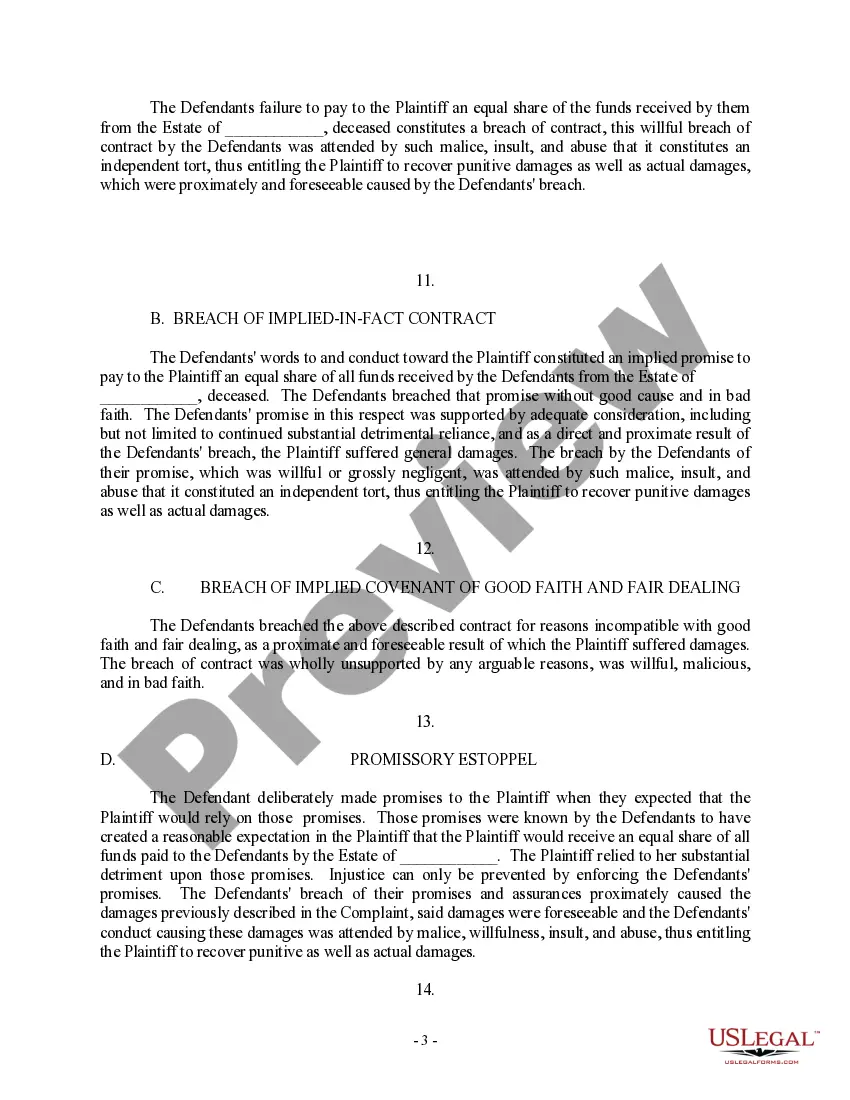
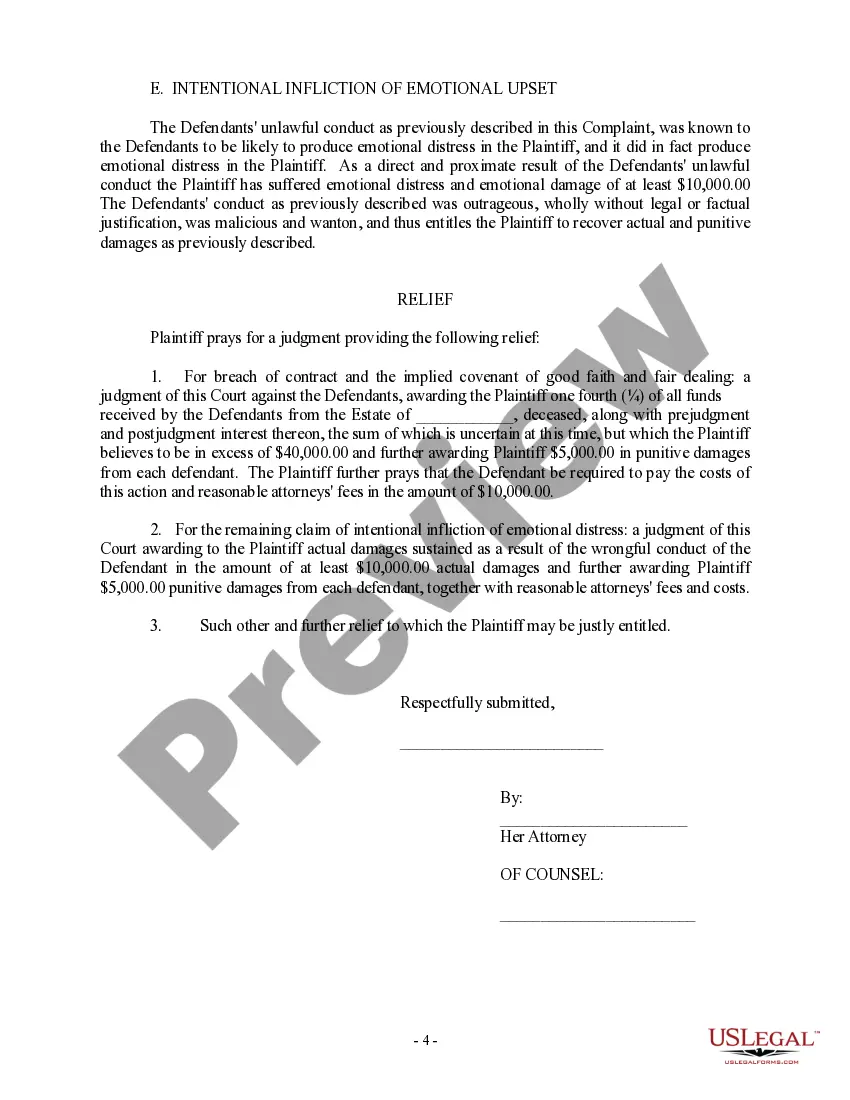
Get your form ready online
Our built-in tools help you complete, sign, share, and store your documents in one place.
Make edits, fill in missing information, and update formatting in US Legal Forms—just like you would in MS Word.
Download a copy, print it, send it by email, or mail it via USPS—whatever works best for your next step.
Sign and collect signatures with our SignNow integration. Send to multiple recipients, set reminders, and more. Go Premium to unlock E-Sign.
If this form requires notarization, complete it online through a secure video call—no need to meet a notary in person or wait for an appointment.
We protect your documents and personal data by following strict security and privacy standards.

Make edits, fill in missing information, and update formatting in US Legal Forms—just like you would in MS Word.

Download a copy, print it, send it by email, or mail it via USPS—whatever works best for your next step.

Sign and collect signatures with our SignNow integration. Send to multiple recipients, set reminders, and more. Go Premium to unlock E-Sign.

If this form requires notarization, complete it online through a secure video call—no need to meet a notary in person or wait for an appointment.

We protect your documents and personal data by following strict security and privacy standards.
Looking for another form?
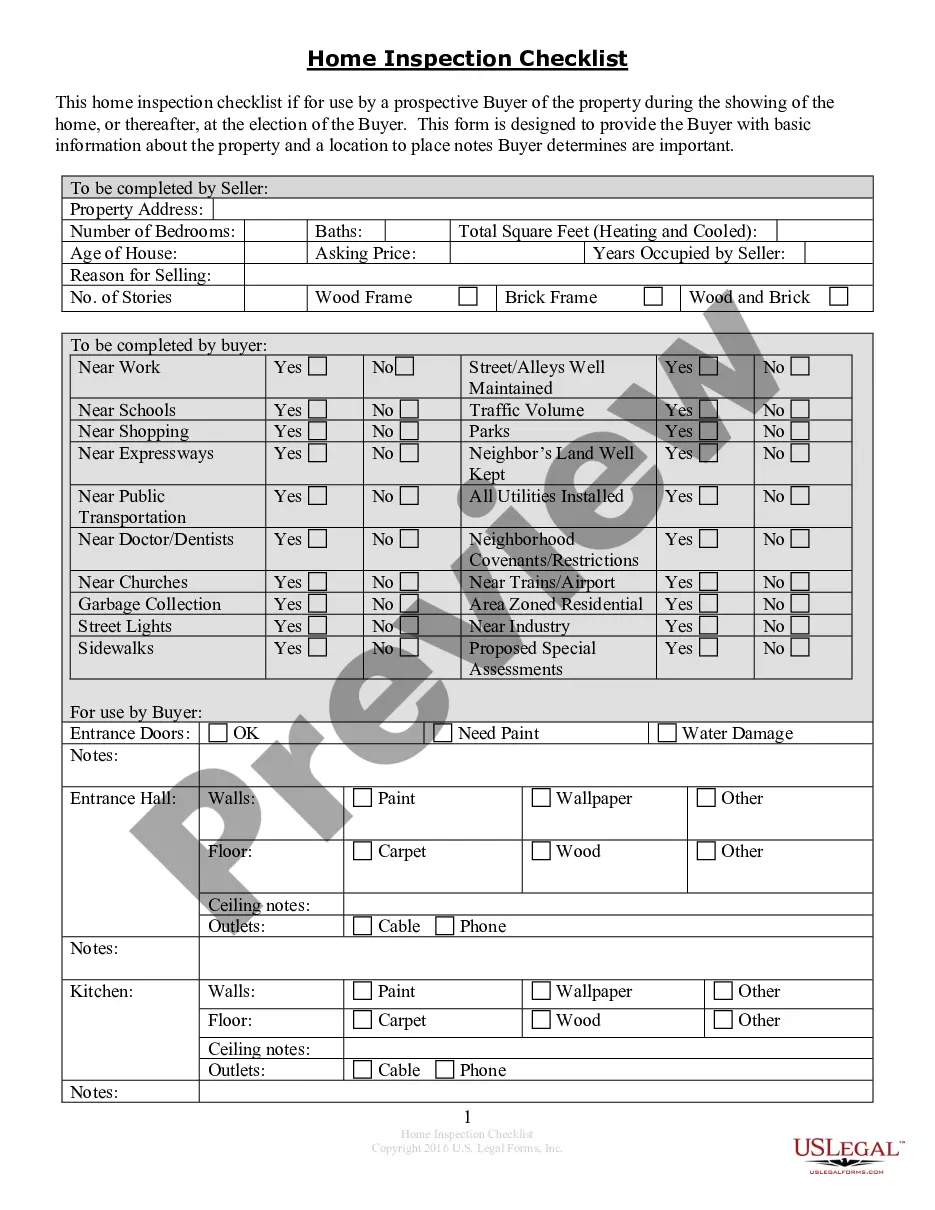

How to fill out Complaint Regarding Breach Of Contract To Divide Estate Proceeds, Implied Contract, Good Faith And Fair Dealing, Promissory Estoppel, Emotional Distress?
Individuals frequently link legal documentation with something complex that exclusively an expert can manage. In a certain way, this is accurate, as creating Good Faith In Contract Law necessitates considerable proficiency in subject criteria, encompassing state and county regulations.
Nonetheless, with US Legal Forms, everything has become more straightforward: pre-prepared legal documents for any personal and business circumstance tailored to state laws are compiled in a single online catalog and are now accessible to everyone.
US Legal Forms offers over 85,000 updated forms categorized by state and area of use, so searching for Good Faith In Contract Law or any other specific template merely takes a few minutes. Previously registered users with an active subscription must Log In to their account and click Download to obtain the form. New users must first register for an account and subscribe before they are able to download any files.
Print your document or import it to an online editor for faster completion. All templates in our catalog are reusable: once obtained, they stay stored in your profile. You can access them whenever needed via the My documents tab. Discover all the advantages of utilizing the US Legal Forms platform. Subscribe today!
- Review the page content thoroughly to confirm it meets your requirements.
- Examine the form description or view it through the Preview option.
- Look for another template using the Search field above if the previous one is not applicable.
- Click Buy Now when you identify the right Good Faith In Contract Law.
- Choose a pricing plan that aligns with your needs and budget.
- Register for an account or Log In to move to the payment page.
- Complete your subscription payment through PayPal or with your credit card.
- Select the format for your document and click Download.
Form popularity
FAQ
Good faith has generally been defined as honesty in a person's conduct during the agreement. The obligation to perform in good faith exists even in contracts that expressly allow either party to terminate the contract for any reason. Fair dealing usually requires more than just honesty.
Through this principle, respect for fundamental rights and freedoms, justice, fairness, order, good faith, reasonableness and other values set out in the Constitution and arising from its substance can be introduced to economic relationships.
A statement of good faith implies the parties involved in a contract will avoid acting in a dishonest manner or do anything that will intentionally prevent the completion of a contract.
Courts also invoke good faith when officers rely on law that later changes. For example, if officers attach a GPS to a car without a warrant because existing law allows them to, but a later Supreme Court decision holds that warrants are required, evidence found pursuant to the GPS search will probably be admitted.
The Principle of Good Faith in Contract Law At a minimum, to be in good faith an actor must have acted in a way that she believed was proper, which is a subjective test.
