Restraining Disorder
Description
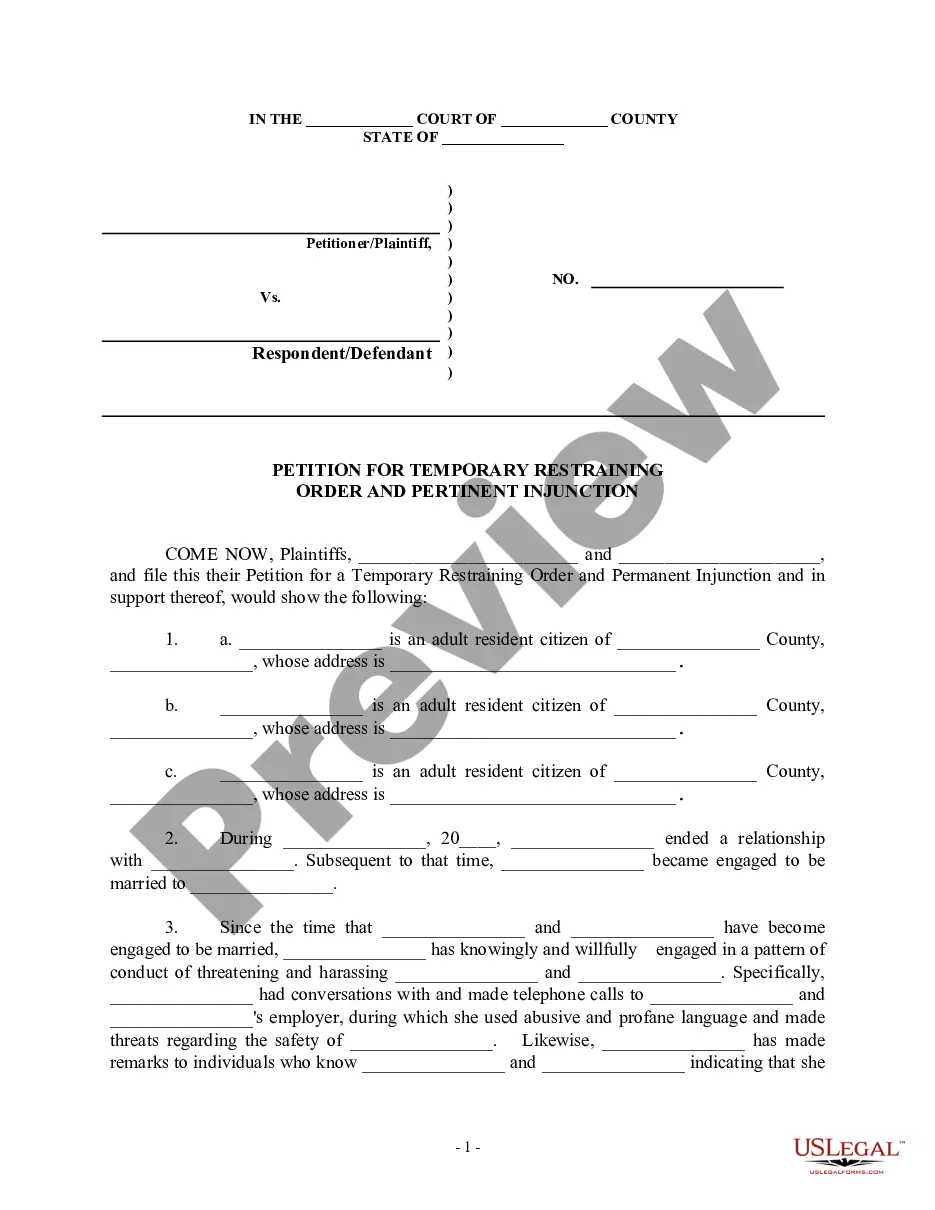
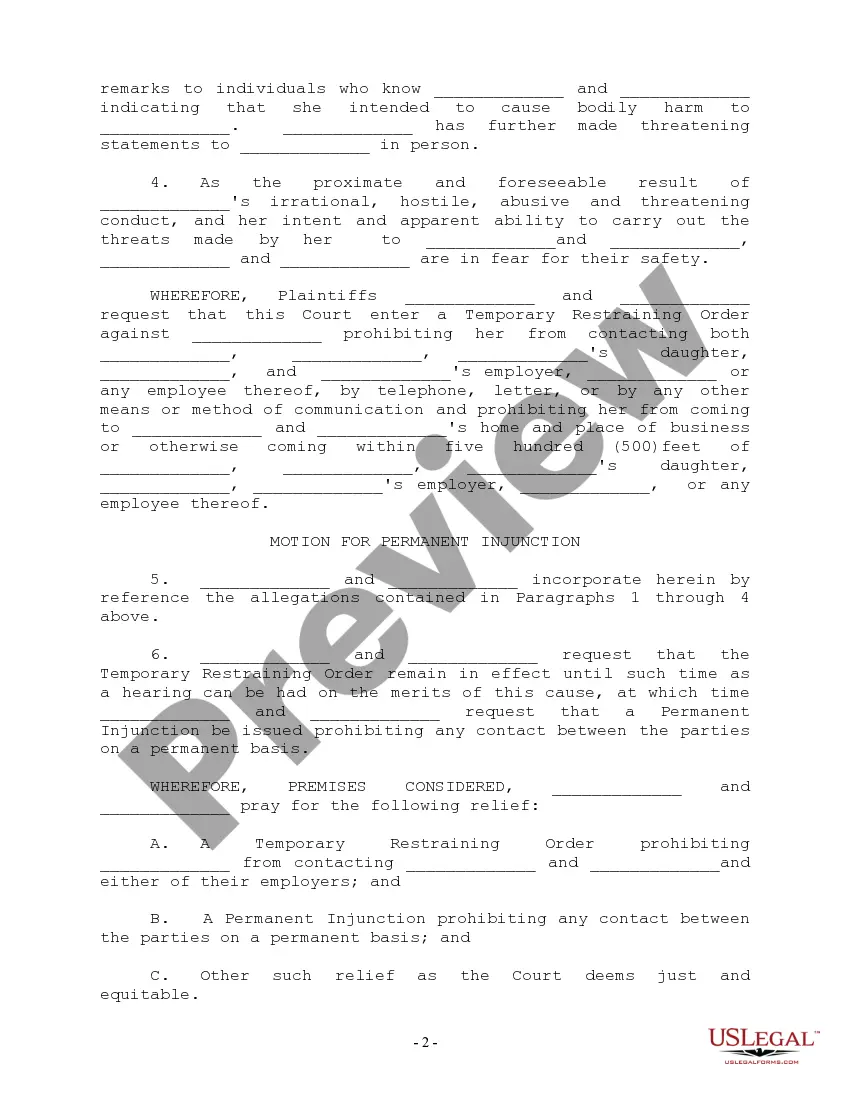
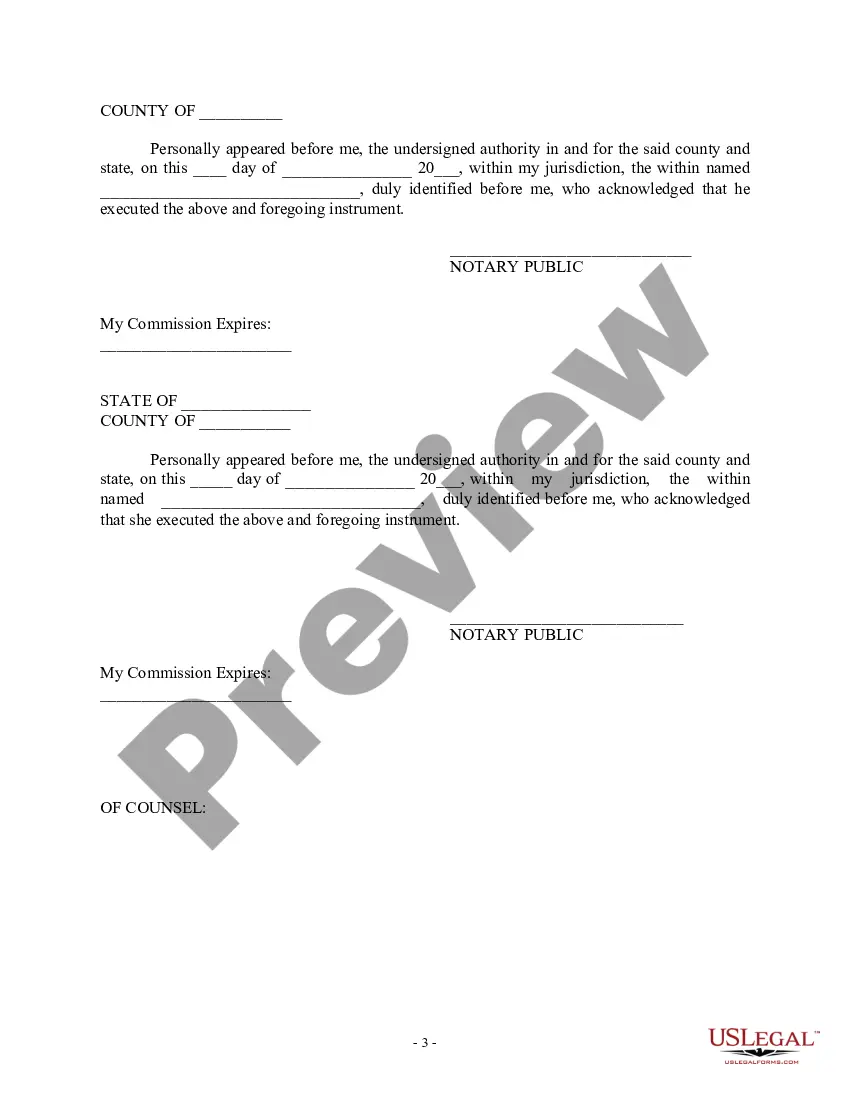


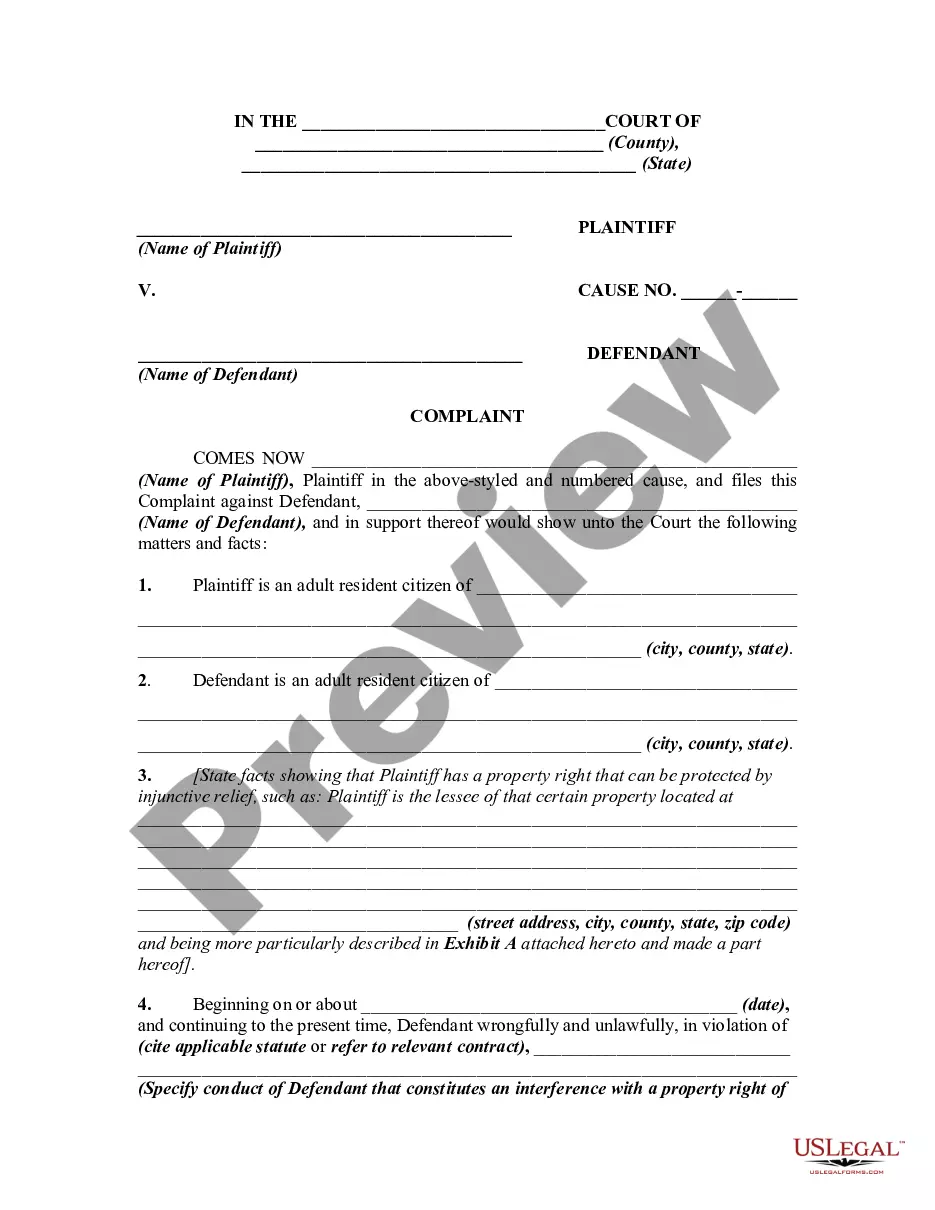
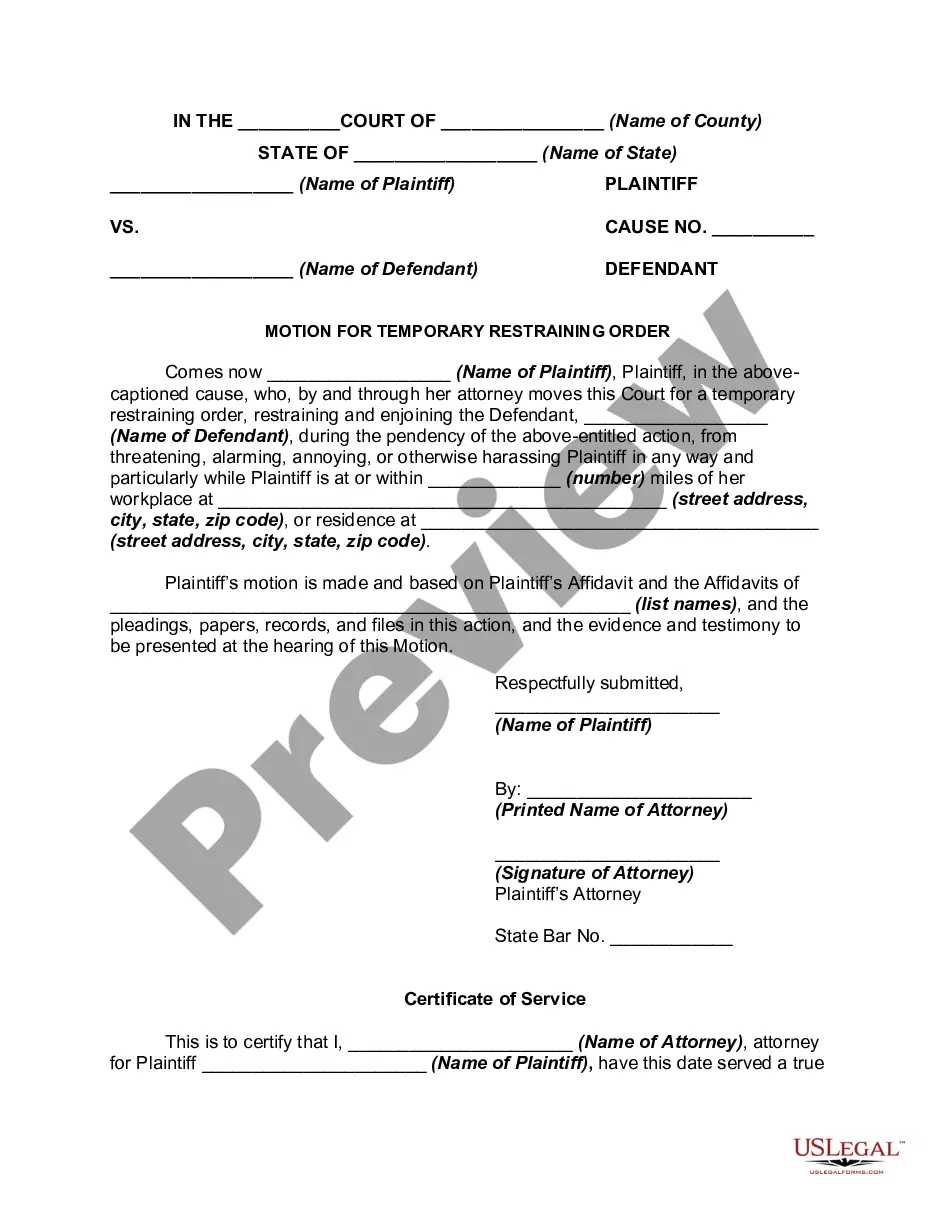

Get your form ready online
Our built-in tools help you complete, sign, share, and store your documents in one place.
Make edits, fill in missing information, and update formatting in US Legal Forms—just like you would in MS Word.
Download a copy, print it, send it by email, or mail it via USPS—whatever works best for your next step.
Sign and collect signatures with our SignNow integration. Send to multiple recipients, set reminders, and more. Go Premium to unlock E-Sign.
If this form requires notarization, complete it online through a secure video call—no need to meet a notary in person or wait for an appointment.
We protect your documents and personal data by following strict security and privacy standards.

Make edits, fill in missing information, and update formatting in US Legal Forms—just like you would in MS Word.

Download a copy, print it, send it by email, or mail it via USPS—whatever works best for your next step.

Sign and collect signatures with our SignNow integration. Send to multiple recipients, set reminders, and more. Go Premium to unlock E-Sign.

If this form requires notarization, complete it online through a secure video call—no need to meet a notary in person or wait for an appointment.

We protect your documents and personal data by following strict security and privacy standards.
Looking for another form?
How to fill out Petition For Temporary Restraining Order And Permanent Injunction For Personal Harassment?
- Log in to your US Legal Forms account if you are a returning user. Ensure your subscription is current; if it isn’t, renew according to your payment plan.
- For new users, start by checking the Preview mode along with the form descriptions. Make sure to select the correct template that aligns with your local jurisdiction's requirements.
- If you don't find the right form, use the Search tab at the top of the page to explore other templates that might meet your needs.
- After finding the right document, click on the Buy Now button and choose your preferred subscription plan. You'll need to register an account to access the full library.
- Complete your purchase by entering your credit card information or using your PayPal account, then proceed to download your form.
- Save the downloaded template on your device. You can access it anytime in the My Forms section of your profile.
US Legal Forms stands out with its extensive library, offering more forms than competitors for a comparable cost. Additionally, users have the option to consult premium experts for guidance on completing forms accurately and ensuring legality.
By utilizing US Legal Forms, you can manage the complexities of restraining disorder more efficiently. Get started today and simplify your legal processes!
Form popularity
FAQ
In writing an opening statement for a custody case, start by defining your relationship to the child and your role in their life. Highlight key aspects of your parenting that demonstrate your ability to provide a stable environment. It's also important to touch on any issues related to restraining disorder that might impact custody outcomes.
An effective restraining order statement may begin with your name and relationship to the person you are seeking protection from. Clearly describe their past behavior that caused you fear or distress, and state your request for a restraining order. This straightforward approach conveys the seriousness of the restraining disorder you are facing.
The best evidence for a restraining order includes documented incidents of harassment or threats, such as photographs, text messages, or recordings. Witness statements can also strengthen your case by providing outside perspectives on your situation. Clear evidence is key to demonstrating the need for protection against the restraining disorder.
To stop someone from harassing you, first document all incidents of harassment. This documentation serves as crucial evidence, particularly if you decide to file for a restraining order. Additionally, consider reaching out to local authorities or legal professionals who can guide you through the steps to address the restraining disorder effectively.
When crafting an opening statement for an appeal, first outline the key points of the original decision you are contesting. Clearly present your arguments for why the decision was incorrect, referencing specific laws or evidence. Remember to focus on how the appeal aims to address the concerns you have regarding the restraining disorder.
To write an effective opening statement for a restraining order, start by clearly stating your intent. Introduce the facts that prompted your request for this restraining order, emphasizing any history of harassment or threats. Conclude by expressing how the restraining order is necessary to protect your safety and well-being from the identified restraining disorder.
In Oregon, the time frame to serve a restraining order can vary, but typically it takes a few days to a couple of weeks. The process involves delivering the order to the individual, which can be done by law enforcement or a process server. It's essential to understand that the sooner the order is served, the sooner protection can begin. Using a reliable platform like US Legal Forms can simplify the process of obtaining the necessary legal documents.
Generally, once a restraining order is in place, the involved parties should avoid contact, especially if the restraining disorder is severe. This limitation is designed to ensure your safety and allow space for healing. If the restrained person attempts to get in touch, document the attempts and report them to authorities. Understanding the rules surrounding contact could protect your interests.
When you present your case in court for a restraining order, clearly state the facts of your restraining disorder. Describe any incidents that led you to seek protection and explain why you feel unsafe. Speak calmly and rely on your collected evidence to support your statements. Courts value clarity and honesty, so ensure your message is straightforward.
To obtain a restraining order in Oregon, you must provide evidence of the restraining disorder. This can include documentation of threats, physical harm, or witnessing abusive behaviors. Additionally, collect any relevant messages or photographs that showcase the situation. Having a comprehensive understanding of your case increases your chances of a successful petition.