Shareholders Stakeholders
Description
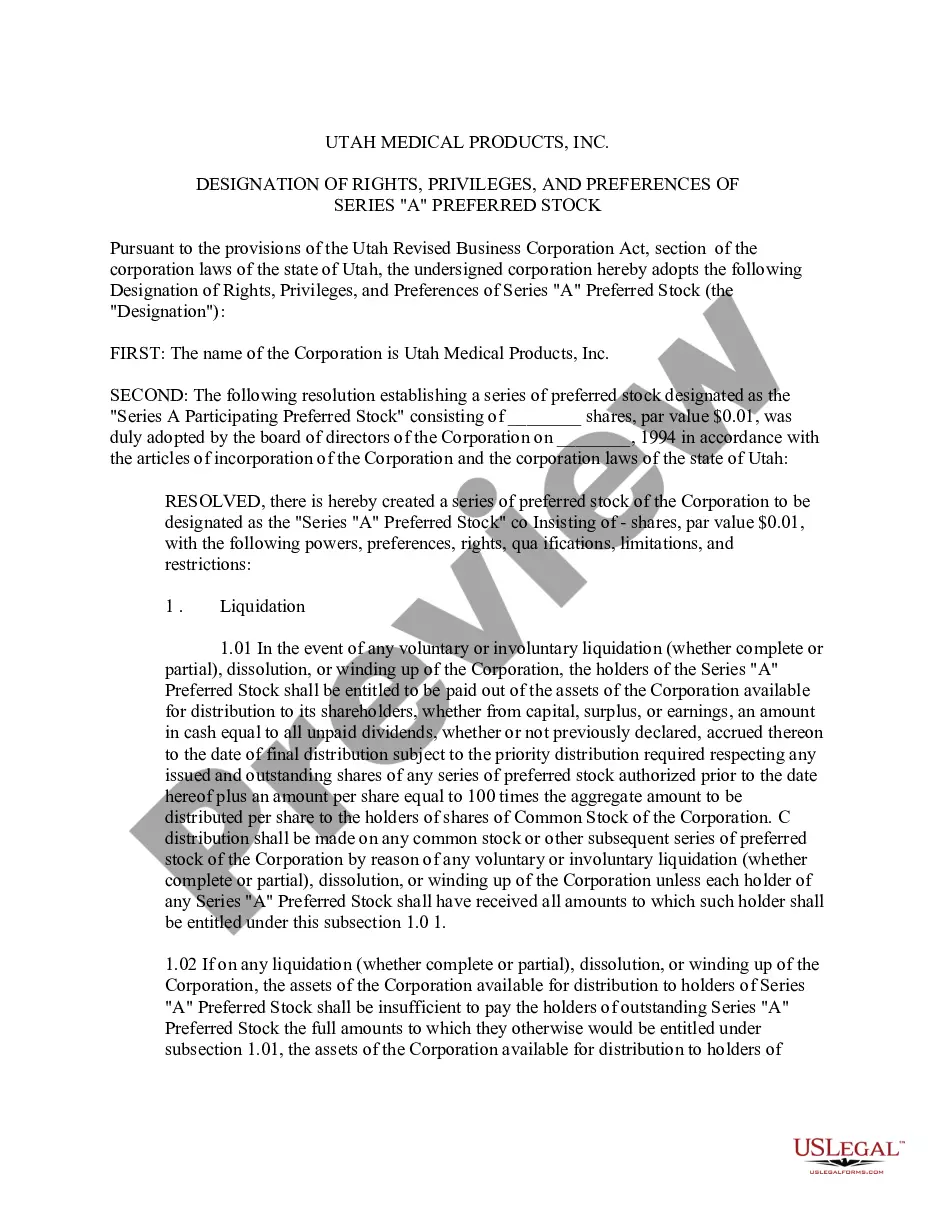
How to fill out Stockholders' Rights Plan Of Datascope Corp.?
- Log in to your account at US Legal Forms or create one if you're a new user.
- Preview the form to ensure it's the right template for your needs and jurisdiction.
- If you need a different template, utilize the search feature to find alternatives that fit your criteria.
- Select the form you need and click on the Buy Now button to proceed with your desired subscription plan.
- Complete your purchase by providing payment information, such as credit card details or PayPal.
- Download the form to your device for completion and easy access in your account's My Forms section.
In conclusion, US Legal Forms streamlines the acquisition of legal documents for shareholders and stakeholders. Its extensive library and user-friendly interface ensure you find the correct forms tailored to your needs. Don't hesitate to explore US Legal Forms today!
Take control of your legal obligations and start by visiting US Legal Forms.
Form popularity
FAQ
The 5% shareholder rule requires shareholders owning at least 5% of a company’s equity to file certain disclosures to ensure market transparency. This rule is part of a broader regulatory framework designed to protect the interests of shareholders and stakeholders alike. Familiarizing yourself with this rule helps you navigate potential impacts on your influence within the company.
The 5 percent shareholder rule mandates that shareholders owning 5% or more of a company's stock must disclose their ownership to regulatory bodies. This is important for maintaining transparency in the marketplace, as it allows other investors to see who holds significant stakes. The more informed you are, the better you can understand the dynamics among shareholders and stakeholders.
The 10% shareholder rule generally states that individuals or entities owning 10% or more of a company's voting stock may be required to file certain reports with the SEC. This rule is designed to improve transparency and protect the interests of all stakeholders. Therefore, as a major stakeholder, you should be aware of your responsibilities and rights.
The SEC 5% ownership rule requires that any individual or entity owning more than 5% of a company's shares must file a statement with the Securities and Exchange Commission. This disclosure helps maintain transparency in the market and allows investors to assess the influence of significant shareholders. Thus, understanding this rule is crucial for anyone looking to navigate the landscape of shareholders and stakeholders.
Owning more than 5% of a company can trigger specific disclosure requirements under securities laws. This level of ownership often allows shareholders to influence decisions at shareholder meetings, including votes on major corporate actions. Being a major shareholder positions you as a key stakeholder in the company.
Yes, companies maintain a register of shareholders that records the details of owners who hold shares. This document includes names, addresses, and number of shares owned by each shareholder. This register acts as an important resource for understanding the stakeholder structure of a company.
A shareholder with 5% ownership holds a significant stake in the company. This level of ownership typically grants the individual or entity certain rights, such as voting on important company matters. These shareholders are influential stakeholders, often having a say in corporate governance and strategy.
Yes, shareholders are considered stakeholders in a company. They own shares of the company and have a vested interest in its performance and success. Stakeholders include anyone who is impacted by the company's actions, and shareholders clearly fall into this category.
Attracting quality shareholders involves not just showcasing financial stability but also emphasizing your mission and company values. Engage with potential stakeholders through newsletters, social media, and investor relations events to establish a strong connection. Moreover, using services like USLegalForms can ensure you maintain proper documentation and compliance, instilling confidence among potential shareholders stakeholders.
To attract shareholders for your company, focus on building a robust business model and demonstrating potential for growth. Utilize digital marketing, networking events, and investor presentations to showcase your value proposition. Platforms like USLegalForms can assist you in preparing the necessary documents to formalize your shareholder agreements effectively.