Secured Creditors With A Fixed Charge
Description
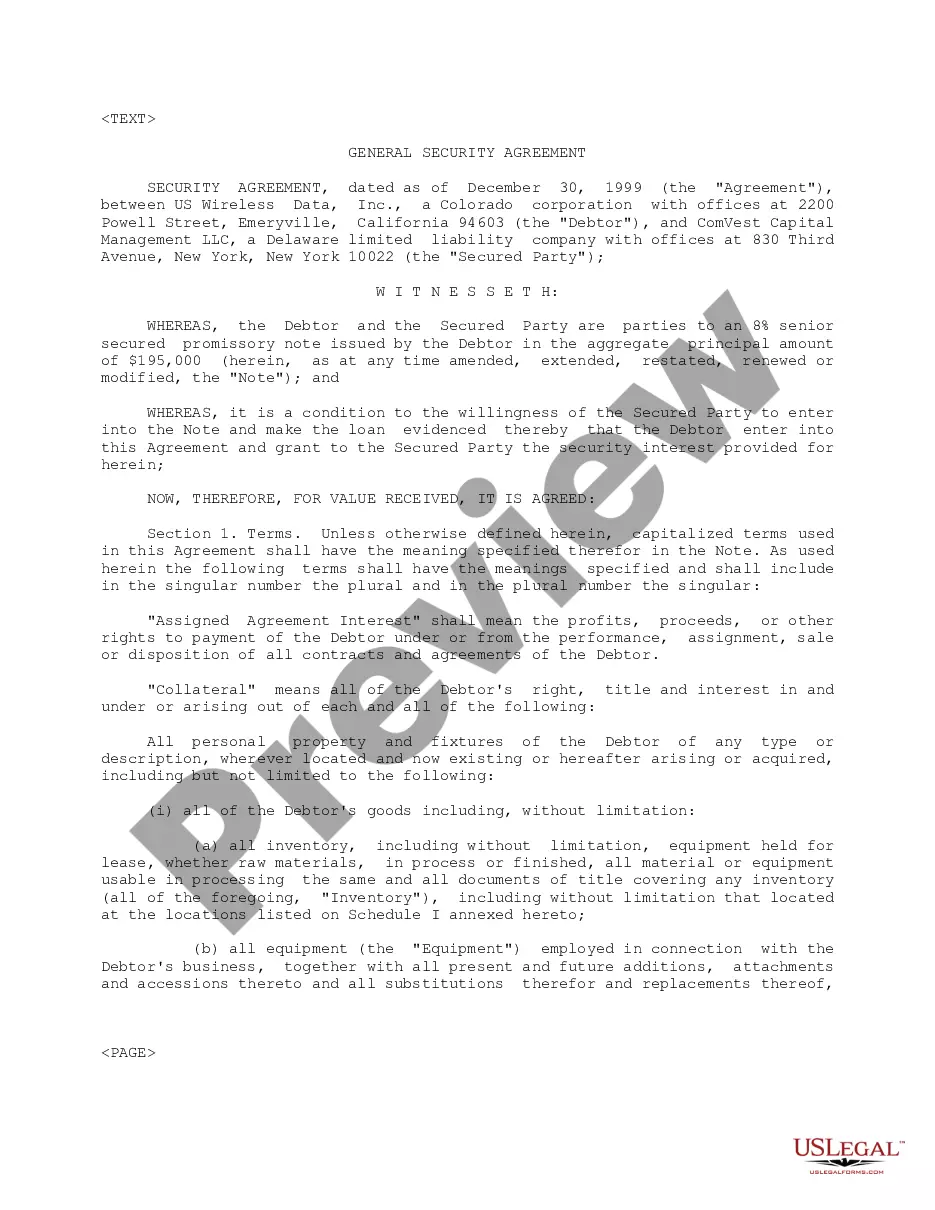
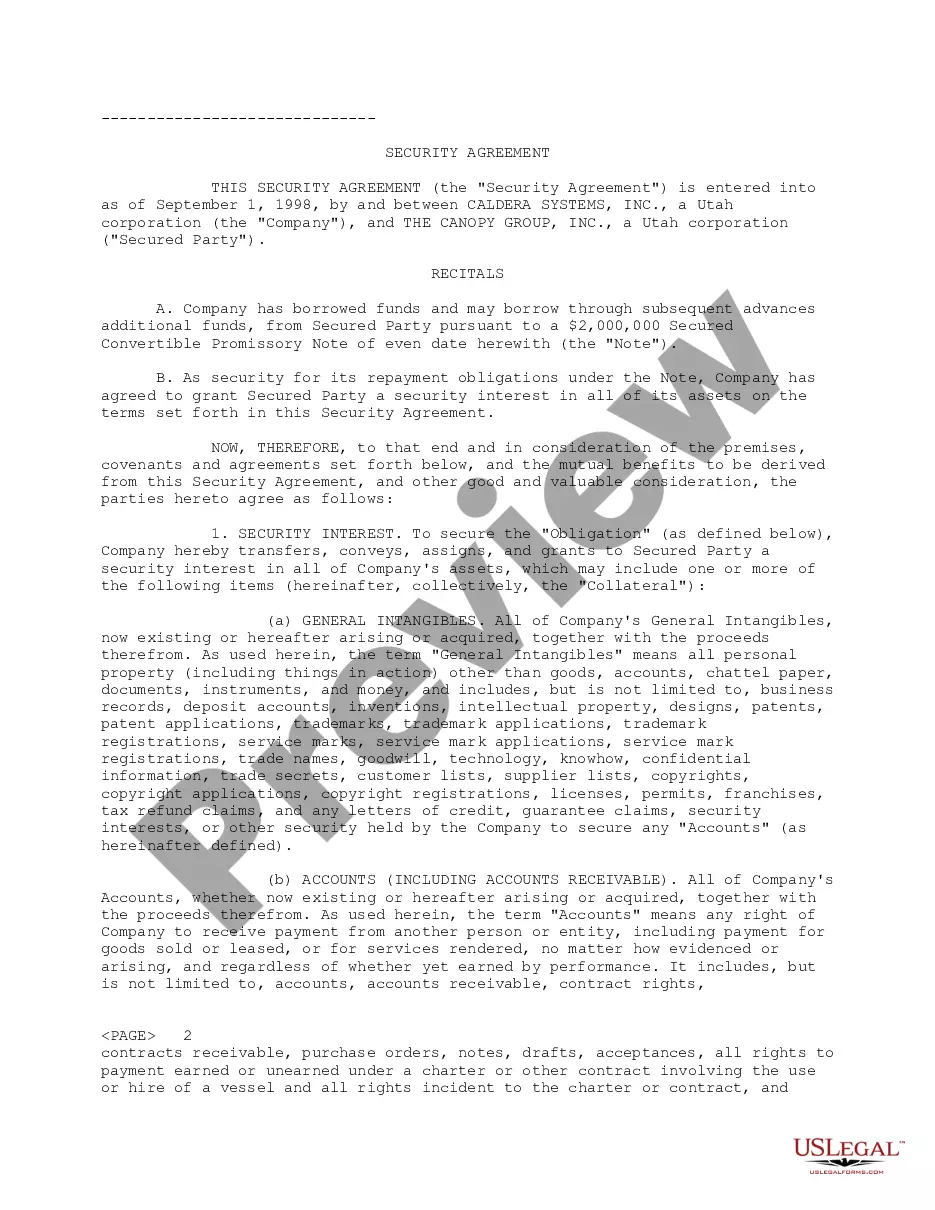
Get your form ready online
Our built-in tools help you complete, sign, share, and store your documents in one place.
Make edits, fill in missing information, and update formatting in US Legal Forms—just like you would in MS Word.
Download a copy, print it, send it by email, or mail it via USPS—whatever works best for your next step.
Sign and collect signatures with our SignNow integration. Send to multiple recipients, set reminders, and more. Go Premium to unlock E-Sign.
If this form requires notarization, complete it online through a secure video call—no need to meet a notary in person or wait for an appointment.
We protect your documents and personal data by following strict security and privacy standards.

Make edits, fill in missing information, and update formatting in US Legal Forms—just like you would in MS Word.

Download a copy, print it, send it by email, or mail it via USPS—whatever works best for your next step.

Sign and collect signatures with our SignNow integration. Send to multiple recipients, set reminders, and more. Go Premium to unlock E-Sign.

If this form requires notarization, complete it online through a secure video call—no need to meet a notary in person or wait for an appointment.

We protect your documents and personal data by following strict security and privacy standards.
Looking for another form?


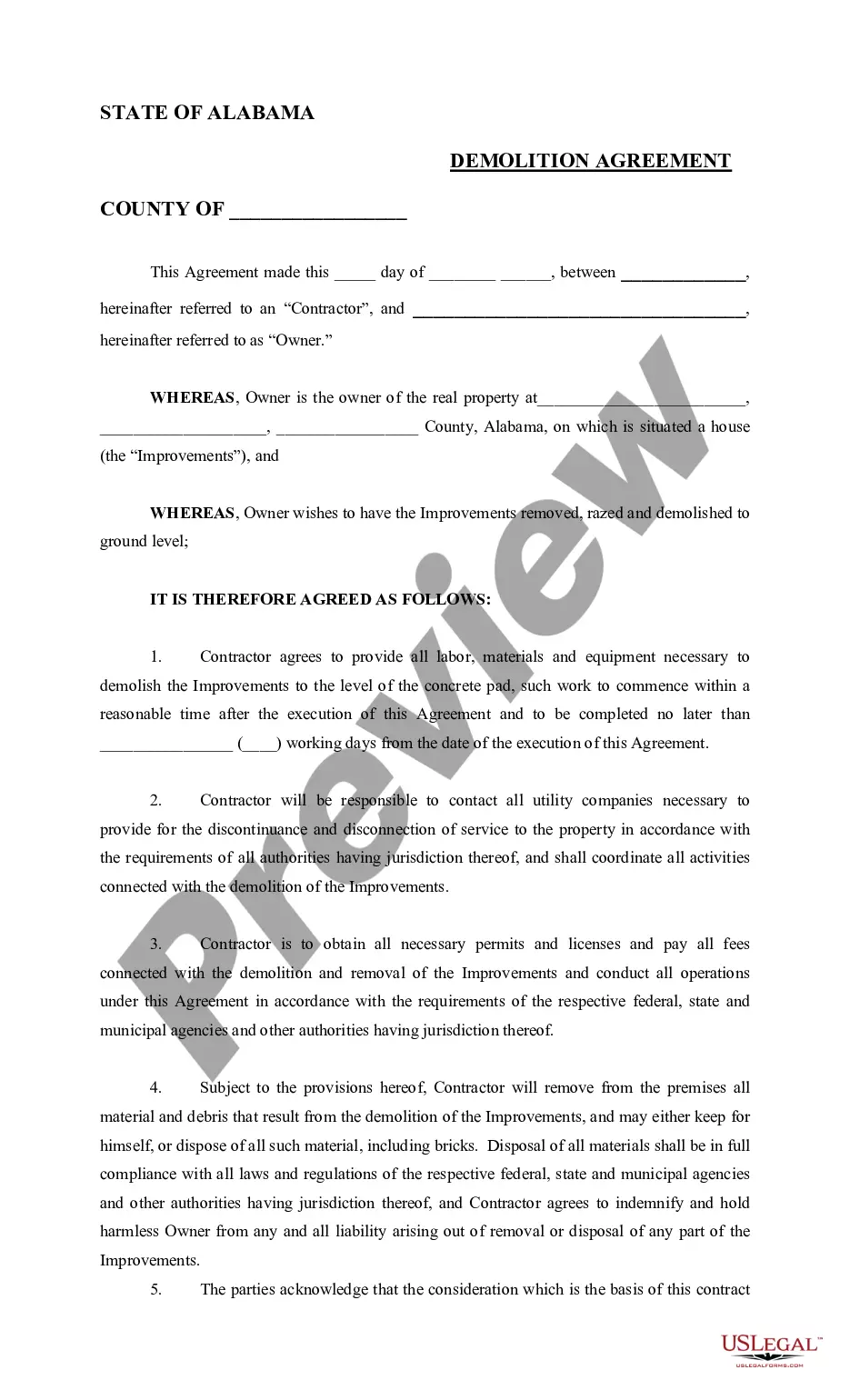






How to fill out Approval Of Grant Of Security Interest In All Of Assets To Secure Obligations Pursuant To Terms Of Informal Creditor Workout Plan?
It’s clear that you can’t become a legal specialist instantly, nor can you quickly master how to prepare Secured Creditors With A Fixed Charge without a particular background. Compiling legal documents is a lengthy task that necessitates specific education and expertise. So why not let the professionals handle the creation of the Secured Creditors With A Fixed Charge.
With US Legal Forms, one of the most comprehensive legal template collections, you can obtain anything from court documents to templates for internal business communication. We understand how crucial compliance and adherence to federal and state regulations are. That’s why, on our platform, all forms are location-specific and up-to-date.
Let’s start with our website and obtain the document you require in just minutes.
You can regain access to your documents from the My documents tab at any moment. If you’re an existing customer, you can simply Log In, and locate and download the template from the same tab.
Regardless of the intention of your forms—whether financial and legal or personal—our website has you covered. Try US Legal Forms today!
- Search for the form you need using the search bar at the top of the page.
- Preview it (if this option is available) and review the accompanying description to determine if Secured Creditors With A Fixed Charge is what you’re looking for.
- Repeat your search if you require another template.
- Create a free account and select a subscription plan to purchase the template.
- Select Buy now. Once the transaction is finalized, you can download the Secured Creditors With A Fixed Charge, fill it out, print it, and send or mail it to the specified individuals or organizations.
Form popularity
FAQ
A secured creditor is generally a bank or other asset-based lender that holds a fixed or floating charge over a business asset or assets. When a business becomes insolvent, sale of the specific asset over which security is held provides repayment for this category of creditor.
A fixed charge is attached to an identifiable asset at creation. Assets can include land, property, machinery, copyright, trademark and much more. The business does not typically sell these fixed assets, and the fixed charge is applied to protect the repayment of the company debt.
Fixed charges mainly include loans (principal and interest) and lease payments, but the definition of "fixed charges" may broaden out to include insurance, utilities, and taxes for the purposes of drawing up loan covenants by lenders.
Some common examples of secured creditors include: Banks (these are the main source of secured creditors) holding fixed charges on business assets, including property. Lenders that hold a charge over any assets held by a company, such as machinery, workplace equipment and the company inventory.
Some common examples of secured creditors include: Banks (these are the main source of secured creditors) holding fixed charges on business assets, including property. Lenders that hold a charge over any assets held by a company, such as machinery, workplace equipment and the company inventory.