Stock Courses For Beginners
Description
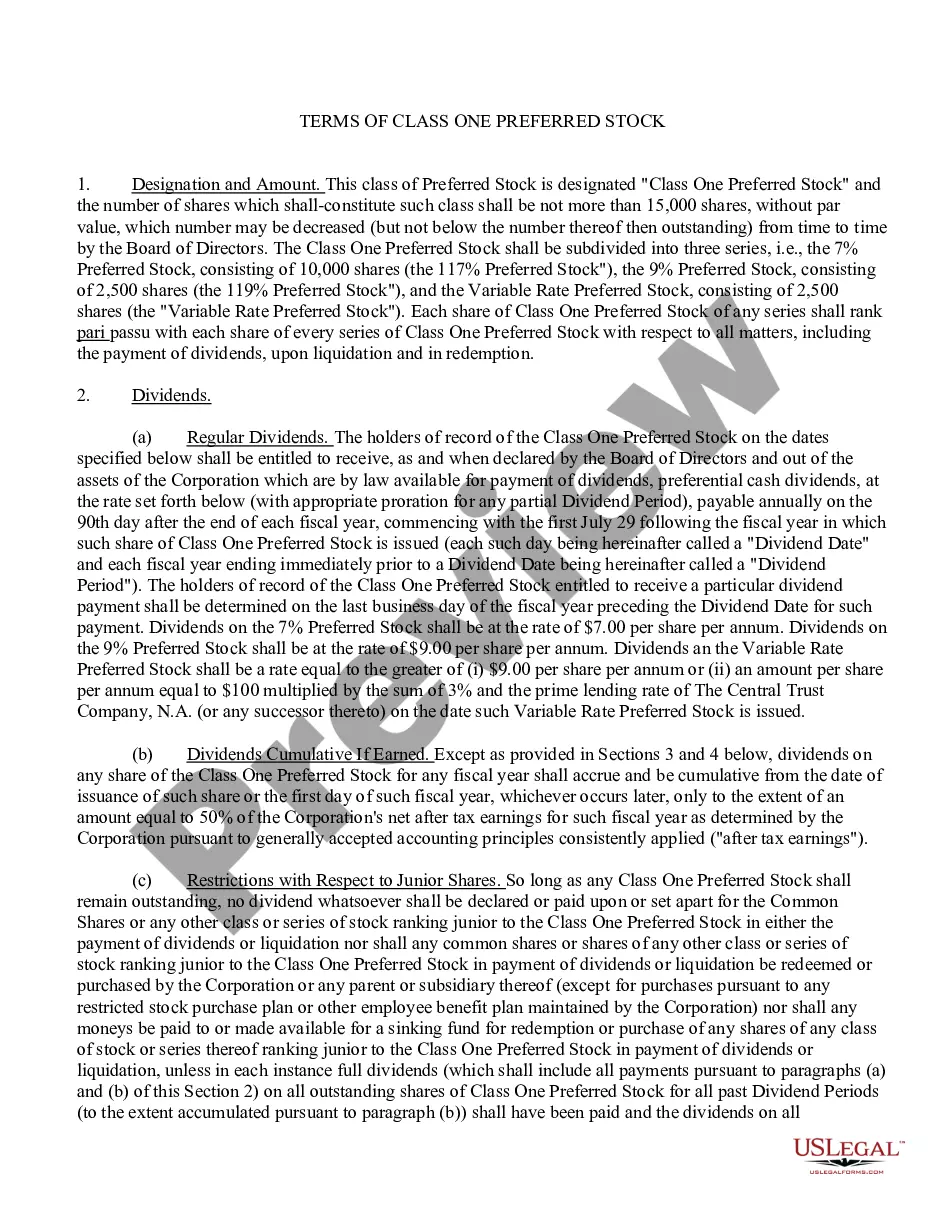
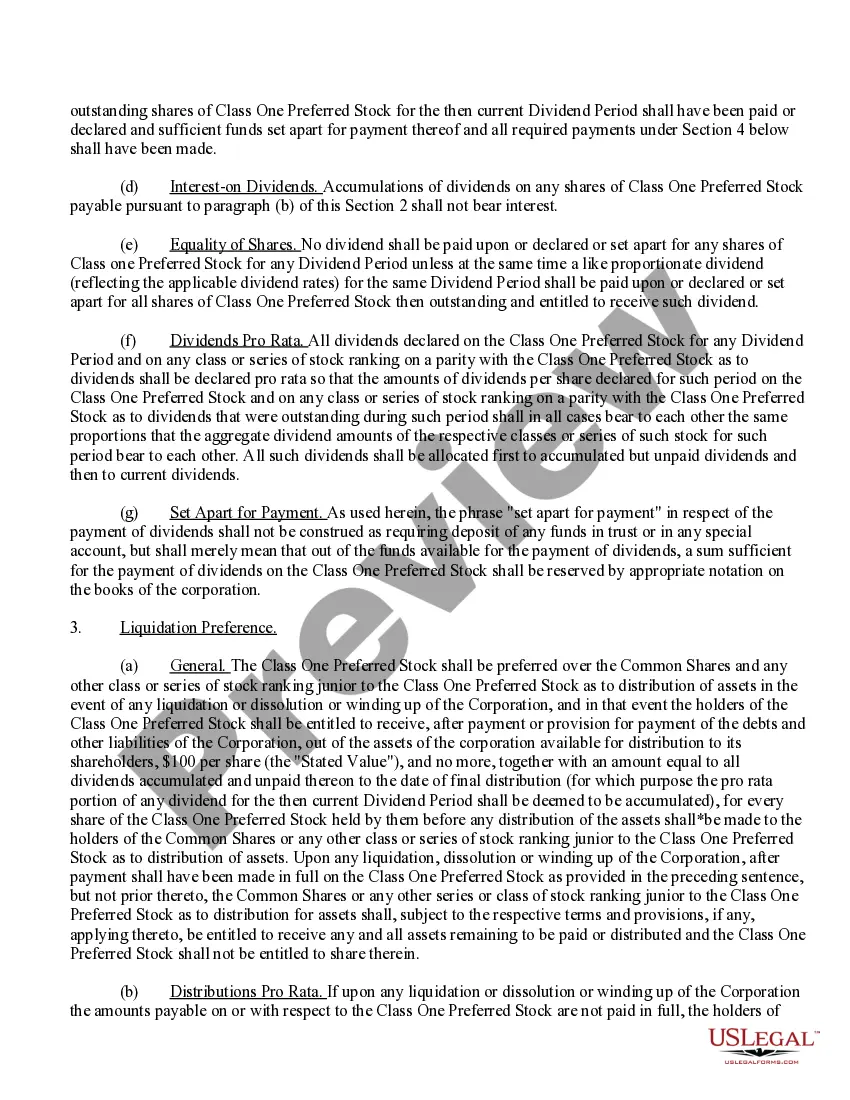
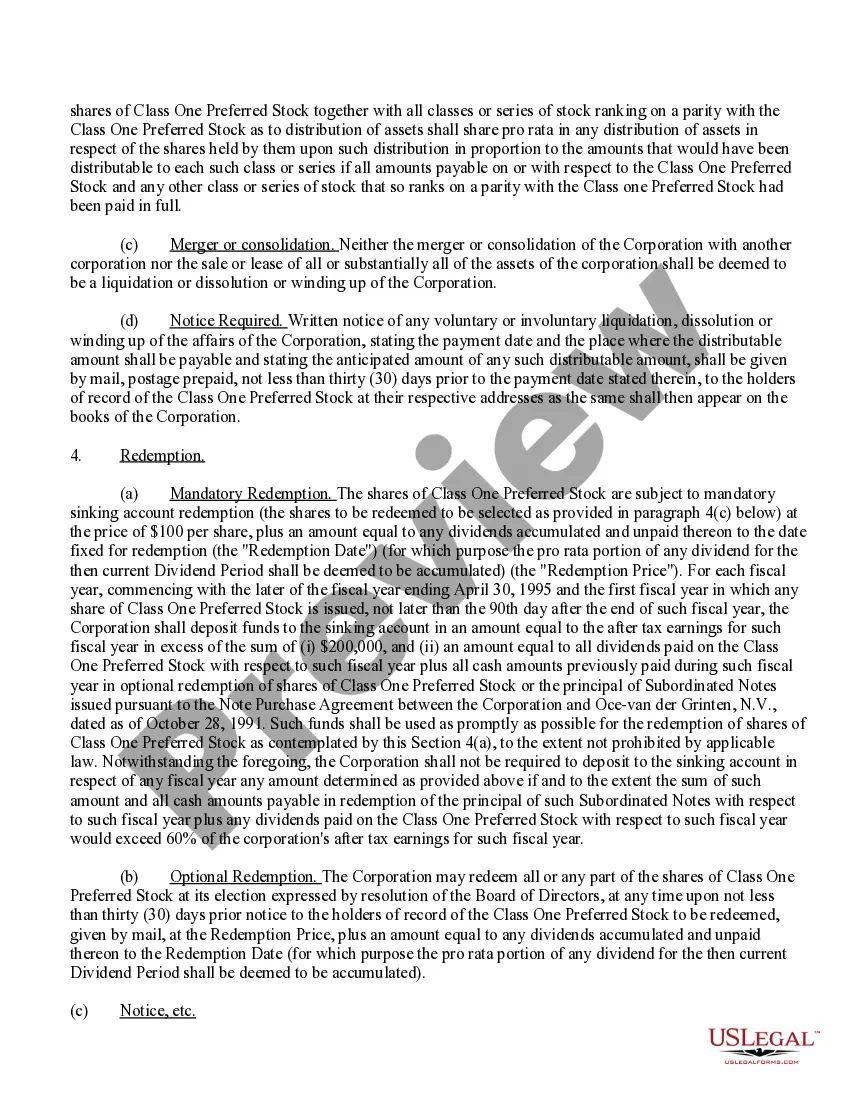
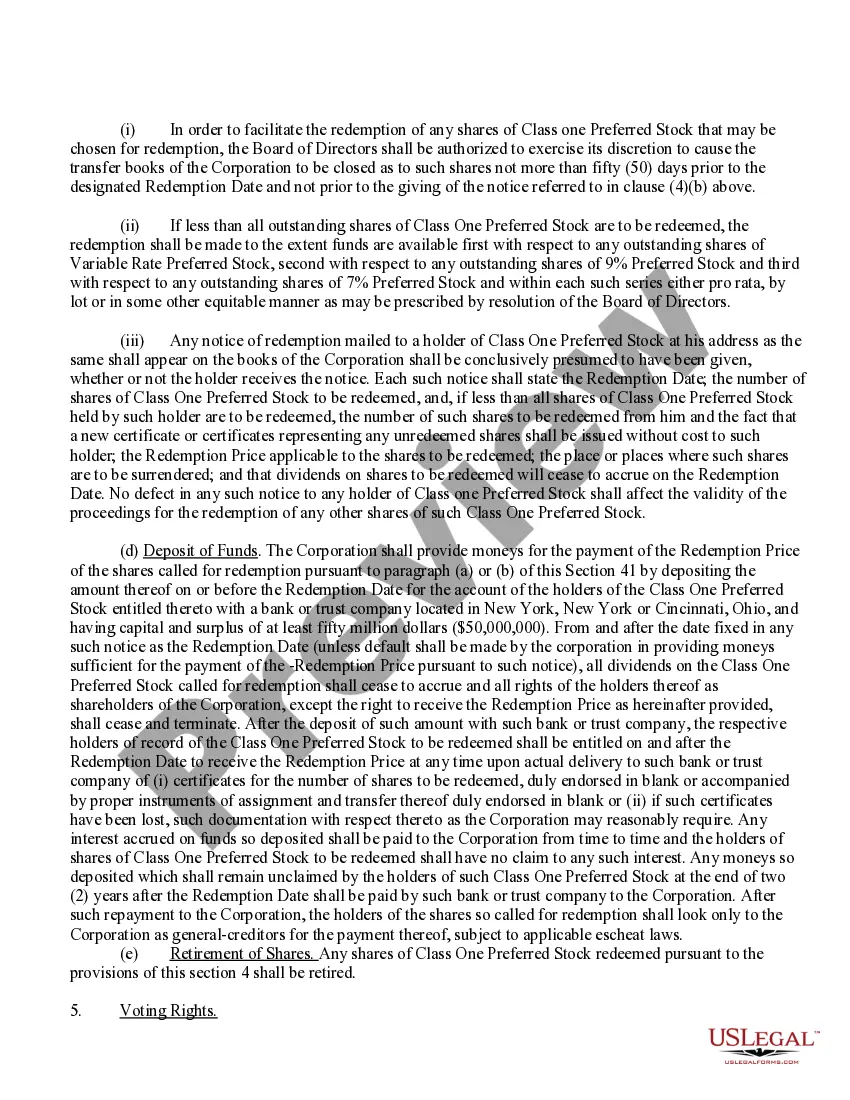
Get your form ready online
Our built-in tools help you complete, sign, share, and store your documents in one place.
Make edits, fill in missing information, and update formatting in US Legal Forms—just like you would in MS Word.
Download a copy, print it, send it by email, or mail it via USPS—whatever works best for your next step.
Sign and collect signatures with our SignNow integration. Send to multiple recipients, set reminders, and more. Go Premium to unlock E-Sign.
If this form requires notarization, complete it online through a secure video call—no need to meet a notary in person or wait for an appointment.
We protect your documents and personal data by following strict security and privacy standards.

Make edits, fill in missing information, and update formatting in US Legal Forms—just like you would in MS Word.

Download a copy, print it, send it by email, or mail it via USPS—whatever works best for your next step.

Sign and collect signatures with our SignNow integration. Send to multiple recipients, set reminders, and more. Go Premium to unlock E-Sign.

If this form requires notarization, complete it online through a secure video call—no need to meet a notary in person or wait for an appointment.

We protect your documents and personal data by following strict security and privacy standards.
Looking for another form?


How to fill out Terms Of Class One Preferred Stock?
Handling legal documents and tasks can be a laborious extension to your whole day.
Stock Courses For Beginners and similar forms generally require you to seek them out and figure out how to fill them out accurately.
Thus, whether you are managing financial, legal, or personal issues, utilizing a thorough and user-friendly online repository of documents readily available will greatly assist.
US Legal Forms is the leading online source for legal templates, providing over 85,000 state-specific documents and various tools to help you complete your paperwork efficiently.
Is it your initial experience with US Legal Forms? Register and create a free account in mere minutes, granting you access to the document library and Stock Courses For Beginners. Then, follow the steps outlined below to finalize your document.
- Explore the collection of relevant documents at your fingertips with just one click.
- US Legal Forms supplies state- and county-specific documents available for download anytime.
- Safeguard your document handling processes with a high-quality service that allows you to create any form in minutes without any extra or concealed charges.
- Simply Log In to your account, find Stock Courses For Beginners, and obtain it instantly from the My documents section.
- You can also reach previously stored documents.
Form popularity
FAQ
The 80 20 rule in the stock market suggests that 80% of your results come from 20% of your efforts. This principle is particularly useful when selecting stock courses for beginners. Focus on identifying key stocks that can drive your portfolio's performance, rather than spreading yourself too thin. By concentrating your efforts, you can maximize results and enhance your learning experiences.
Teaching yourself the stock market involves a combination of research, practice, and strategic investment. Start by exploring stock courses for beginners that introduce key concepts and analytical techniques. Utilize online resources, books, and simulations to deepen your understanding. Most importantly, take your time to develop your own investment strategy based on your findings.
The 7% rule suggests that a steady return of 7% on investments is achievable over the long term. This principle can serve as a guideline when assessing stock courses for beginners, as it helps set realistic expectations. However, market conditions can vary, making it essential to educate yourself on the risks involved. Exploring this rule alongside diversified investment education will enhance your understanding and strategy.
When looking for the best course for trading, consider one that balances theory with practical application. Stock courses for beginners should cover fundamental concepts such as market analysis and trading strategies. Look for courses that offer real-market simulations, as this hands-on experience can enrich your learning and boost your confidence. Remember, the best course aligns with your learning style and goals.
The golden rule of traders is to cut losses quickly and let profits run. This principle encourages traders to minimize their losses while allowing winning trades to grow over time. Engaging in stock courses for beginners can significantly enhance your understanding of this rule, leading to improved decision-making in your trading activities.
The 3 5 7 rule states that you should not lose more than 3% of your trading account on a single trade, aim for a 5% profit from successful trades, and target a 7% return on investments overall. This approach helps you manage risk while setting realistic profit expectations. Stock courses for beginners frequently cover this rule, empowering you to make safer and smarter trading decisions.
The 80/20 rule in trading suggests that 80% of your results come from 20% of your efforts. This principle highlights the importance of focusing on the key stocks that yield the highest returns, rather than spreading yourself too thin across many investments. Stock courses for beginners often teach this concept to help you prioritize your time and strategies effectively.
Beginners should consider starting with established companies known for their stability, often referred to as blue-chip stocks. These stocks offer less volatility and can provide consistent dividends, making them a safer choice for new investors. Engaging in stock courses for beginners can help you analyze potential investments and understand market trends. Start your journey with stocks that match your risk tolerance and investment goals.
Teaching yourself about stocks involves a mix of self-study, research, and practice. Start by reading books, following financial news, and enrolling in stock courses for beginners that provide structured learning paths. Additionally, consider using simulation platforms to practice trading without real financial risk. This hands-on approach will deepen your understanding of stock markets.
Yes, $100 can be enough to start investing in stocks, especially with the rise of fractional shares. Many brokerage platforms now allow you to invest in portions of stocks, making it accessible for new investors. Using stock courses for beginners can help you maximize your initial investment and learn how to grow your portfolio over time. Remember, every little bit counts when learning to invest.