Equity Incentive Program Withholding Tax
Description

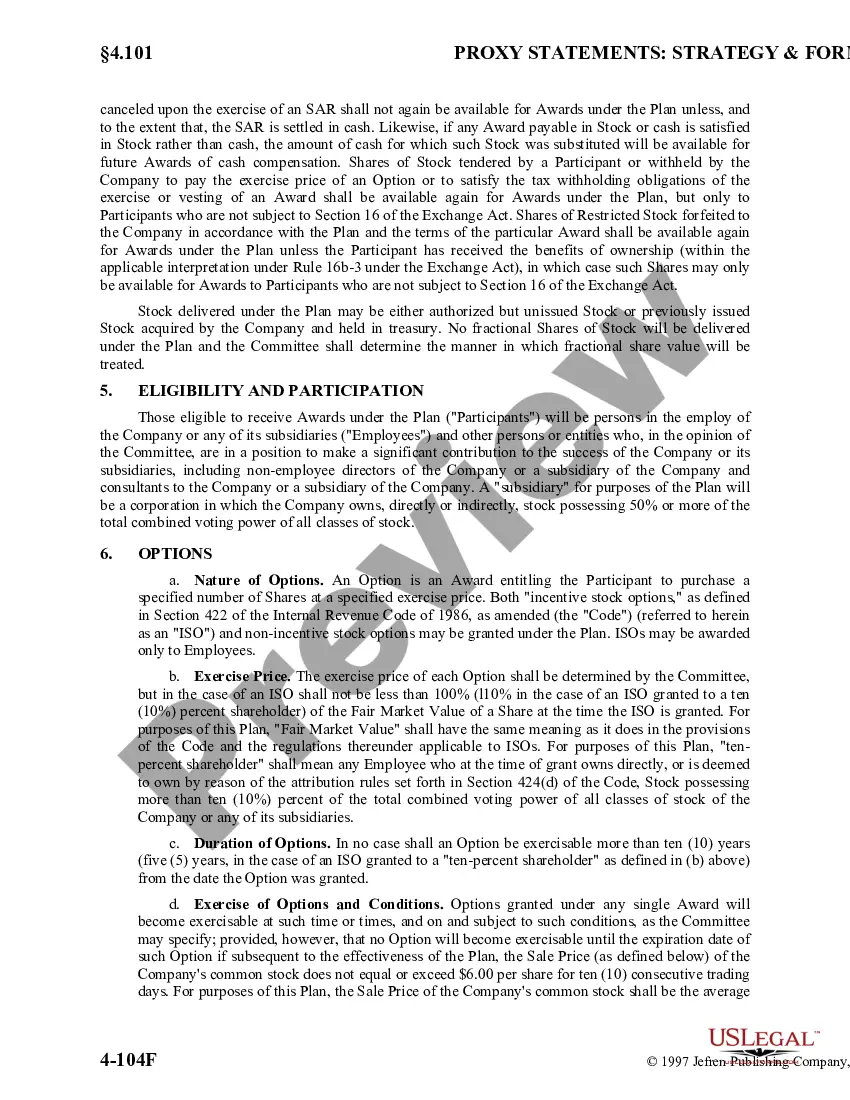
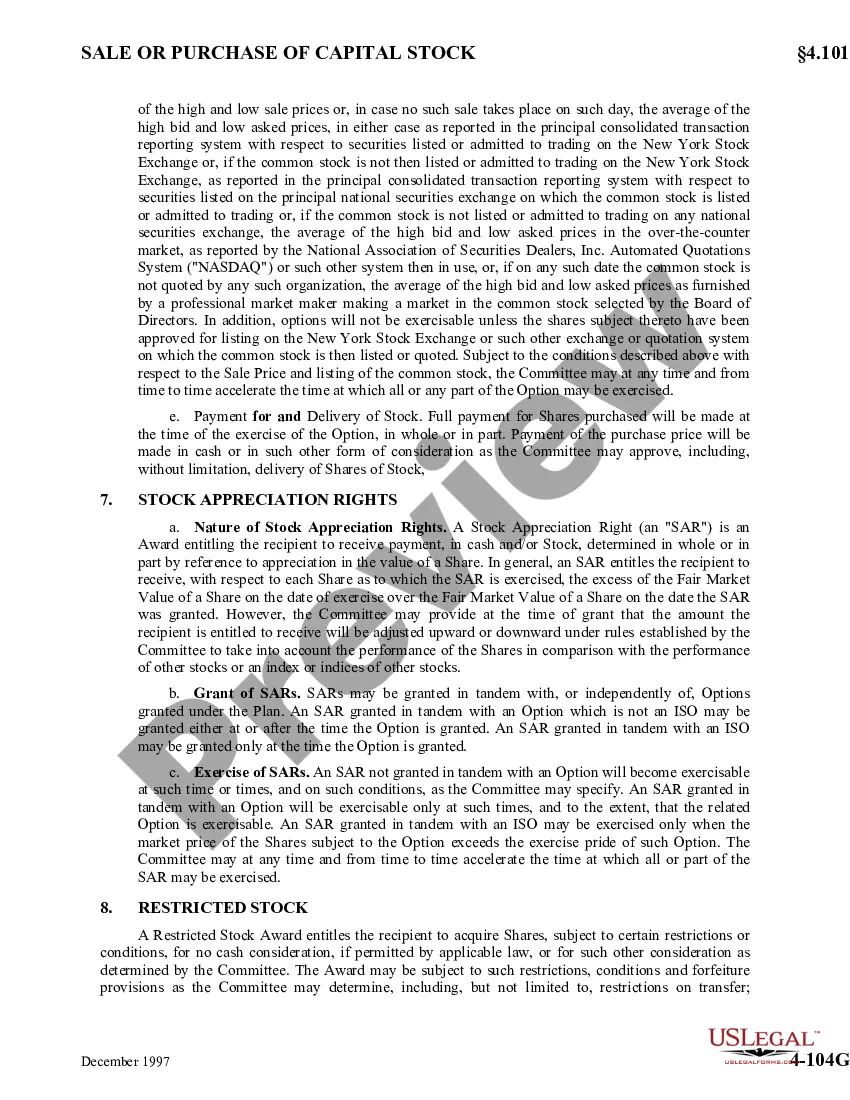



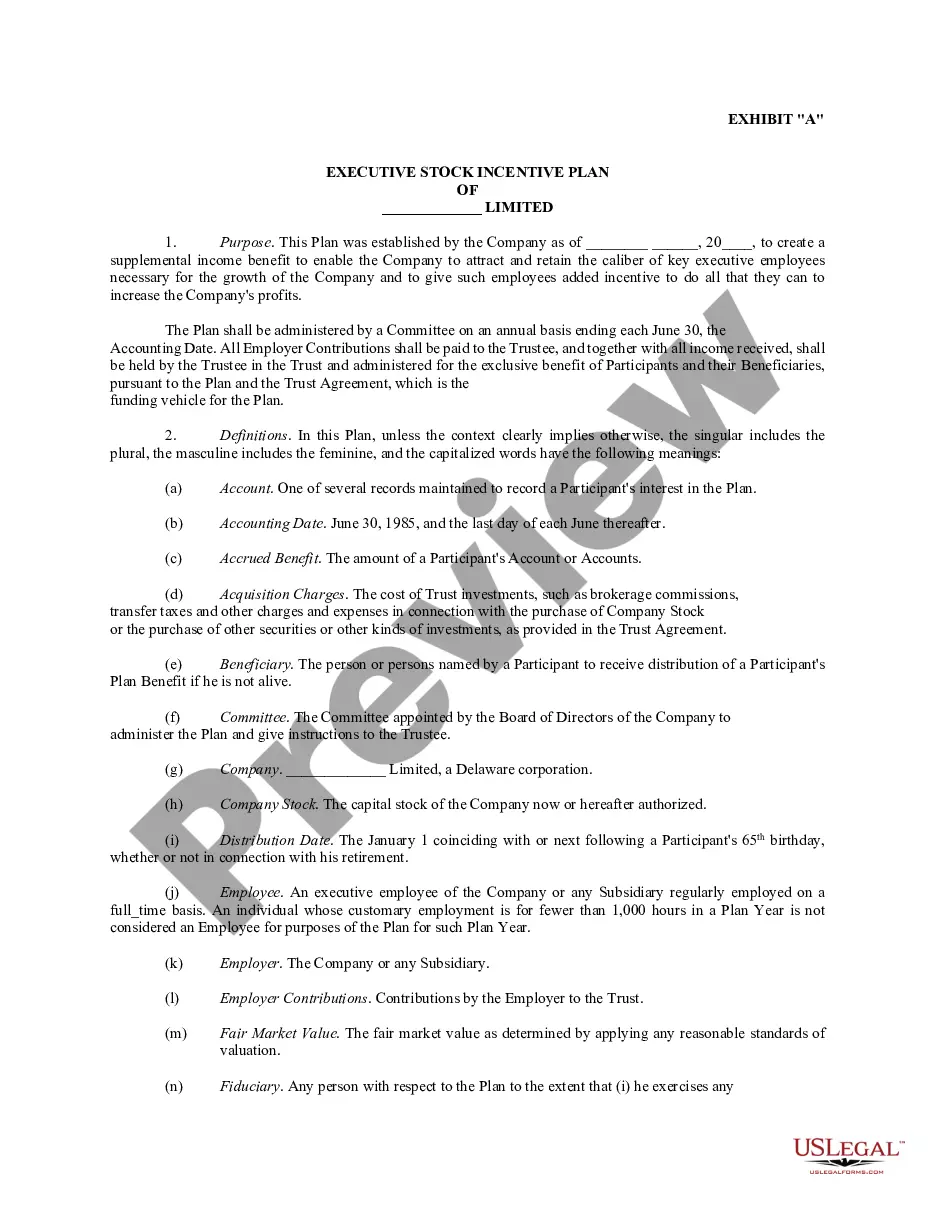
Get your form ready online
Our built-in tools help you complete, sign, share, and store your documents in one place.
Make edits, fill in missing information, and update formatting in US Legal Forms—just like you would in MS Word.
Download a copy, print it, send it by email, or mail it via USPS—whatever works best for your next step.
Sign and collect signatures with our SignNow integration. Send to multiple recipients, set reminders, and more. Go Premium to unlock E-Sign.
If this form requires notarization, complete it online through a secure video call—no need to meet a notary in person or wait for an appointment.
We protect your documents and personal data by following strict security and privacy standards.

Make edits, fill in missing information, and update formatting in US Legal Forms—just like you would in MS Word.

Download a copy, print it, send it by email, or mail it via USPS—whatever works best for your next step.

Sign and collect signatures with our SignNow integration. Send to multiple recipients, set reminders, and more. Go Premium to unlock E-Sign.

If this form requires notarization, complete it online through a secure video call—no need to meet a notary in person or wait for an appointment.

We protect your documents and personal data by following strict security and privacy standards.
Looking for another form?






How to fill out Equity Incentive Plan?
It’s widely acknowledged that you cannot transform into a legal expert instantly, nor can you master how to swiftly arrange Equity Incentive Program Withholding Tax without a distinct set of abilities.
Compiling legal documents is a lengthy process necessitating particular training and expertise. So why not entrust the assembly of the Equity Incentive Program Withholding Tax to the specialists.
With US Legal Forms, one of the most comprehensive legal template repositories, you can discover everything from court documents to models for internal business communication.
If you require a different form, restart your search.
Create a complimentary account and choose a subscription plan to buy the template.
- We understand how essential compliance and observance of federal and local regulations are.
- That’s why, on our platform, all templates are location-specific and current.
- Here’s how to get started with our site and acquire the form you need in just minutes.
- Locate the document you seek using the search bar at the top of the page.
- Preview it (if this feature is available) and review the supporting details to determine whether Equity Incentive Program Withholding Tax is what you need.
Form popularity
FAQ
For your equity payout related to the equity incentive program withholding tax, you should receive Form 1099 or similar documentation, detailing your payouts. This form will reflect the total equity compensation you received, which can impact your overall tax liability. Be sure to review the form carefully for accuracy, and consult a tax professional if you have questions. Using platforms like US Legal Forms can simplify tracking your equity payouts and ensure you meet tax requirements.
To claim your withholding exemption for the equity incentive program withholding tax, you need to complete the appropriate tax form provided by your employer. Ensure you provide accurate information regarding your income and any other applicable deductions. After submission, keep a copy for your records and check in with your payroll department for confirmation. This will help you manage your tax obligations effectively.
Filling out your tax withholding form involves understanding your financial situation and potential liabilities, including the equity incentive program withholding tax. Start by providing your personal information accurately and then indicate the number of allowances based on your circumstances. Take the time to review each line item and ensure the calculations reflect your tax filing preferences. You can also utilize tools on platforms like USLegalForms to guide you through the process efficiently.
Filling out a withholding exemption requires careful attention to detail, especially if you participate in an equity incentive program. You'll need to complete the appropriate IRS form, often Form W-4, and clearly indicate your exemption status. Make sure to read the instructions closely to ensure compliance and to avoid unexpected equity incentive program withholding tax. If in doubt, consulting a tax professional can clarify any uncertainties.
When determining whether to claim 0 or 1 withholding allowance, consider your overall tax situation. Claiming 0 may result in higher withholding, which can help cover the equity incentive program withholding tax. Alternatively, claiming 1 could lead to a lower amount withheld, potentially easing your monthly budget. To make the best choice, assess your anticipated deductions and tax credits.
If you notice a 40% tax rate on your RSUs, it often reflects the equity incentive program withholding tax based on your income bracket. Your tax rate may be higher due to the combined impact of regular income, making it essential to evaluate your whole financial picture. Rethinking your strategy can help you better manage this tax liability.
Incentive equity units generally incur taxes when they are converted to actual shares. The equity incentive program withholding tax applies at the time of conversion, similar to the taxation rules for RSUs. Once shares are sold, any gain may be subject to capital gains tax, so it’s vital to stay informed about timing and reporting.
Avoiding the 30% equity incentive program withholding tax often involves understanding your residency status and how it affects taxation on your income. Ensure that you are compliant with IRS regulations and consider filing the correct forms, which could give you a more favorable tax rate. Consulting with a tax advisor can clarify your options.
Restricted Stock Units (RSUs) often face double taxation because they are taxed at vesting and again upon sale. Initially, the equity incentive program withholding tax applies when the RSUs vest, treating them as ordinary income. Later, any gains from selling the shares are subject to capital gains tax, which can feel overwhelming but is standard practice.
To minimize the impact of the 40% equity incentive program withholding tax on your bonus, consider adjusting your withholding allowances or contributing to tax-deferred accounts. Understanding the structure of your compensation package allows you to plan effectively. Engaging with a tax professional can provide tailored strategies to legally reduce your tax burden.