Share Without Par Value
Description
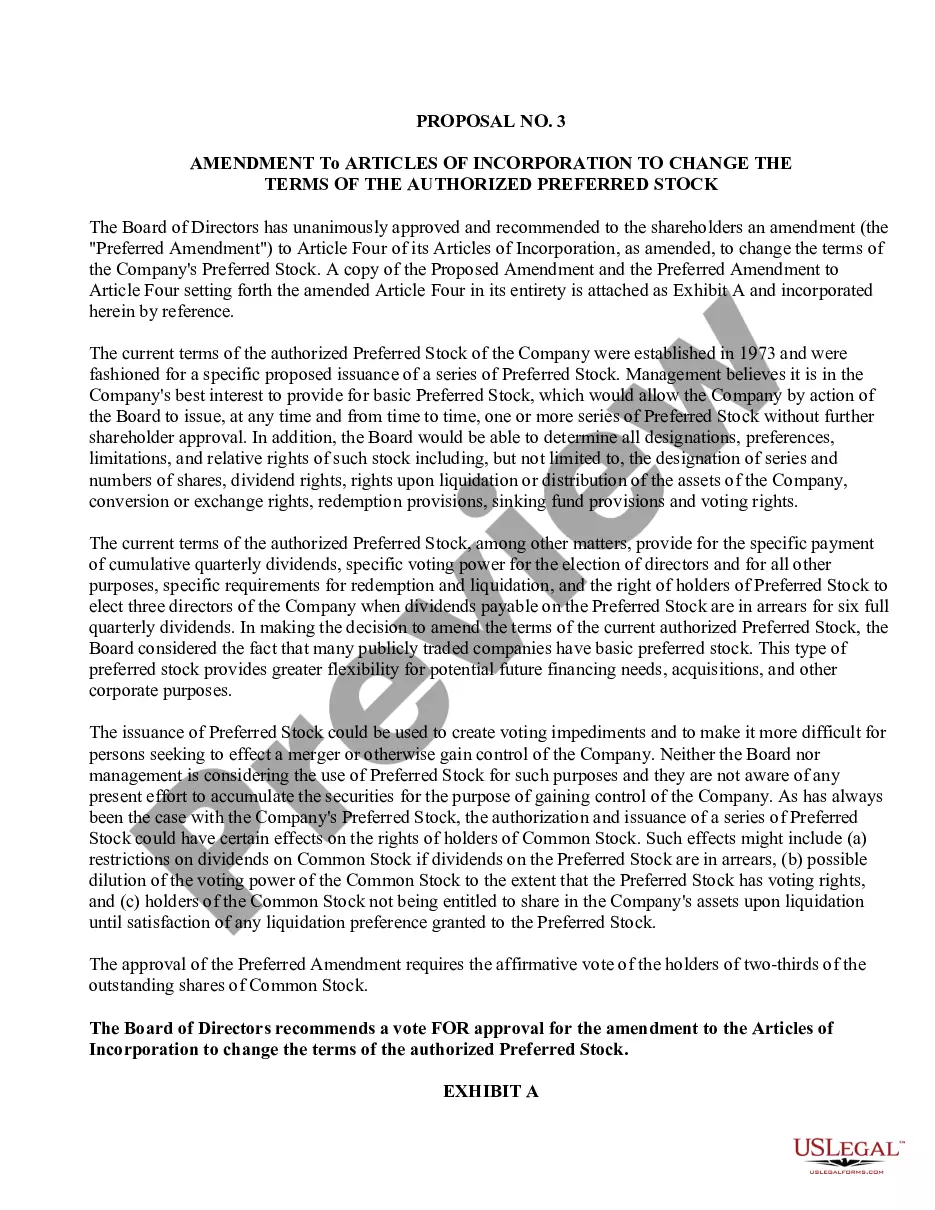
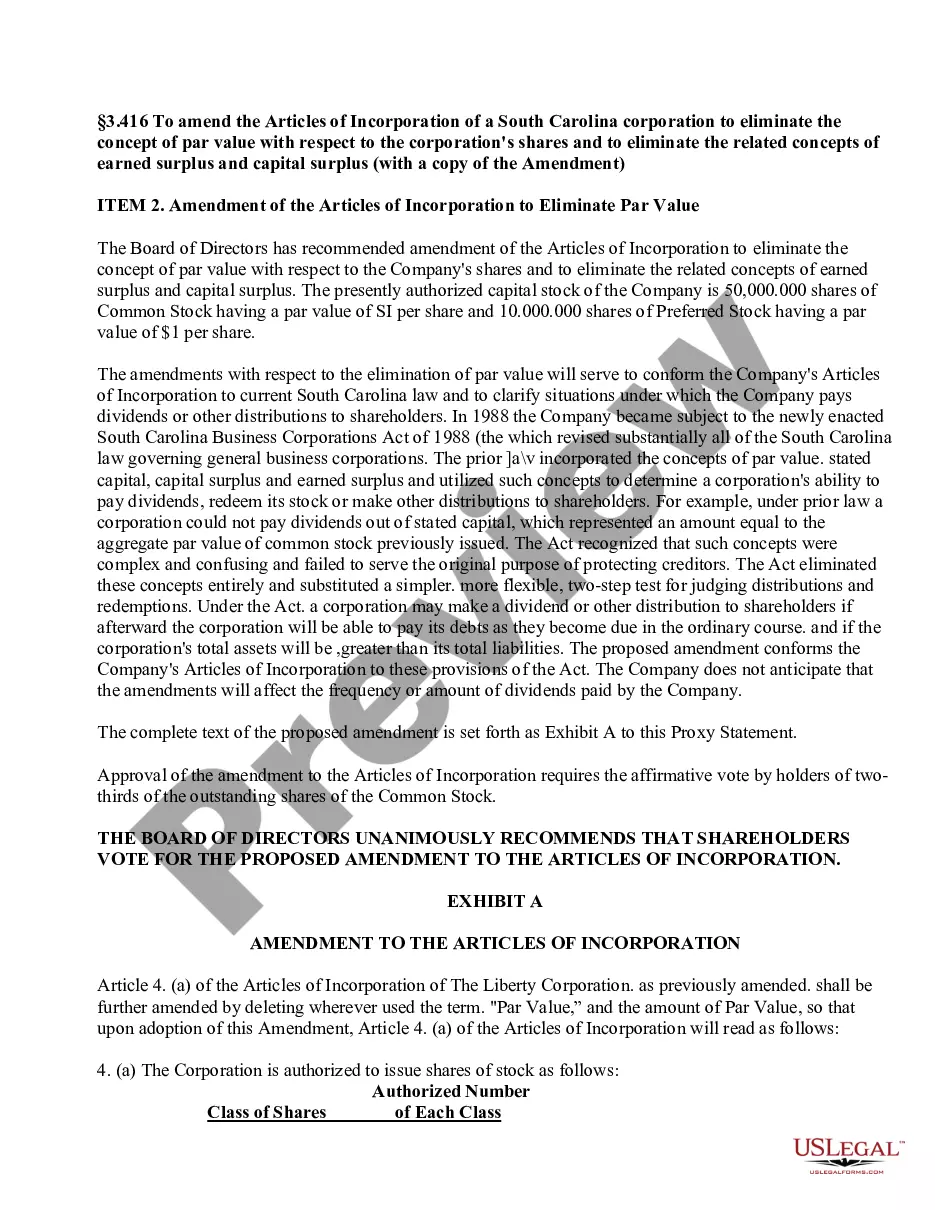
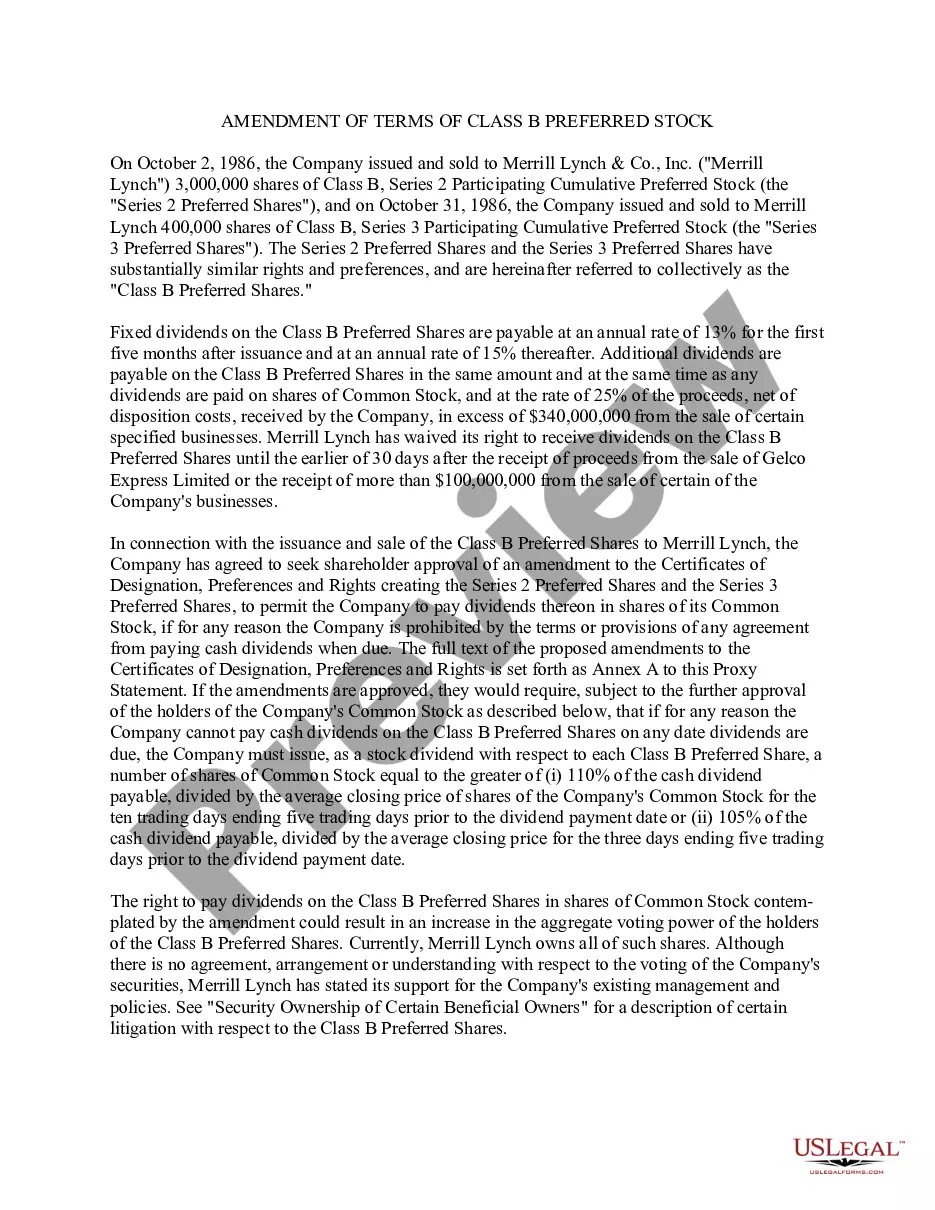
Get your form ready online
Our built-in tools help you complete, sign, share, and store your documents in one place.
Make edits, fill in missing information, and update formatting in US Legal Forms—just like you would in MS Word.
Download a copy, print it, send it by email, or mail it via USPS—whatever works best for your next step.
Sign and collect signatures with our SignNow integration. Send to multiple recipients, set reminders, and more. Go Premium to unlock E-Sign.
If this form requires notarization, complete it online through a secure video call—no need to meet a notary in person or wait for an appointment.
We protect your documents and personal data by following strict security and privacy standards.

Make edits, fill in missing information, and update formatting in US Legal Forms—just like you would in MS Word.

Download a copy, print it, send it by email, or mail it via USPS—whatever works best for your next step.

Sign and collect signatures with our SignNow integration. Send to multiple recipients, set reminders, and more. Go Premium to unlock E-Sign.

If this form requires notarization, complete it online through a secure video call—no need to meet a notary in person or wait for an appointment.

We protect your documents and personal data by following strict security and privacy standards.
Looking for another form?

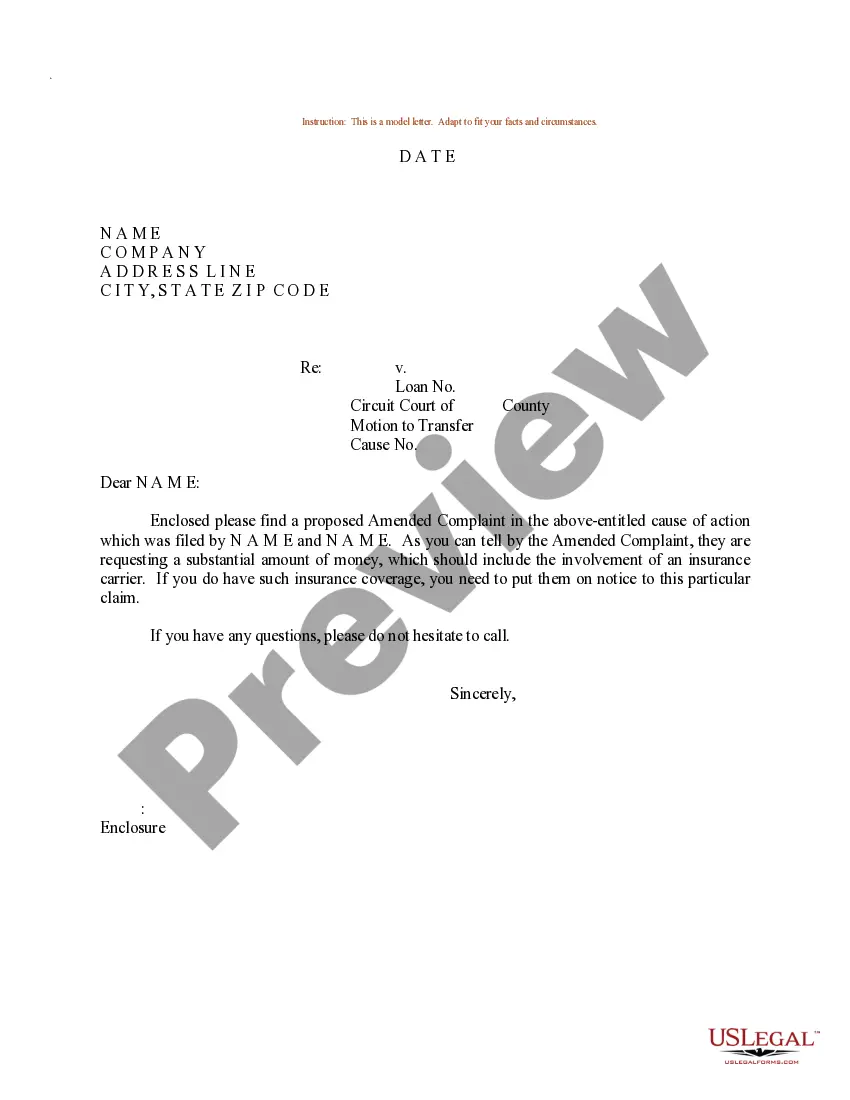






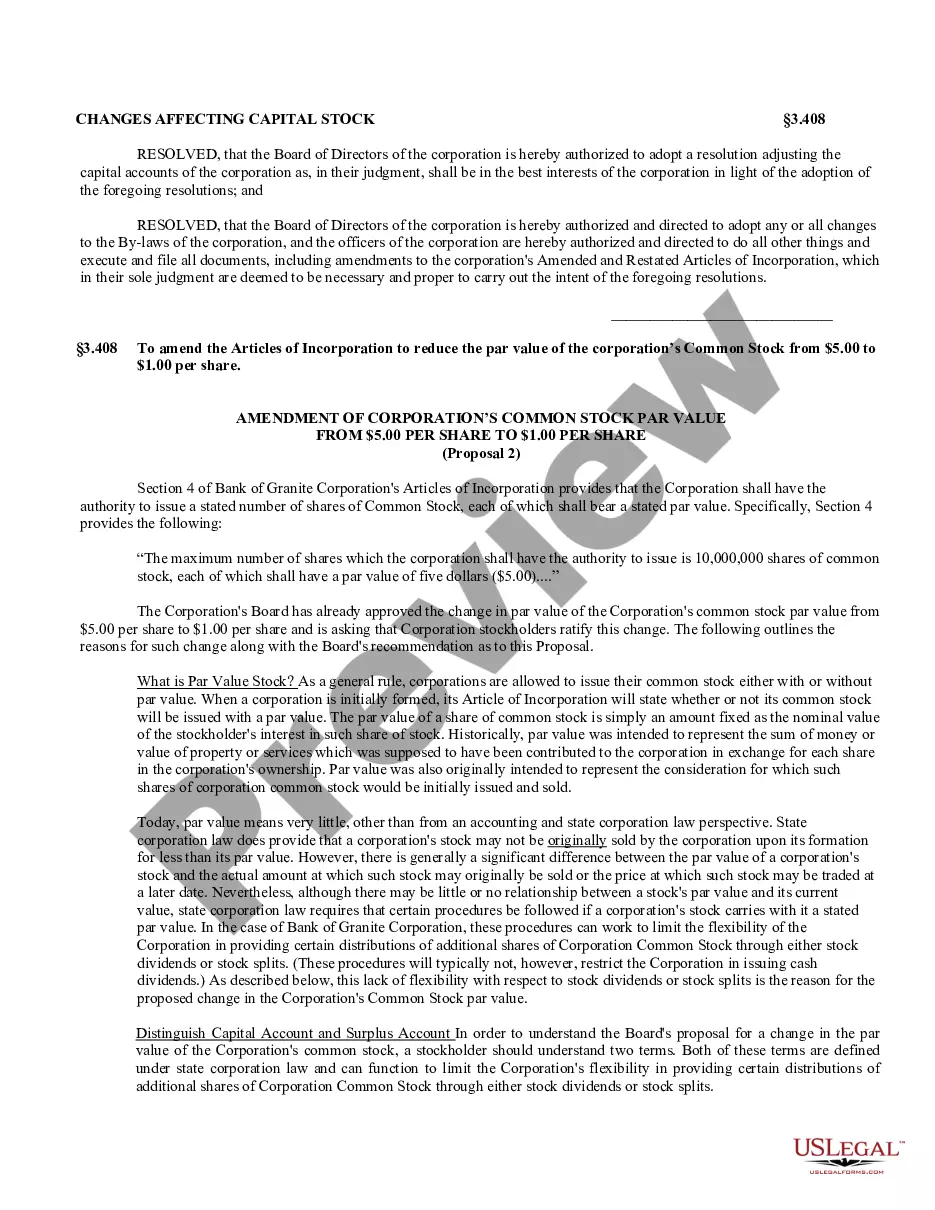
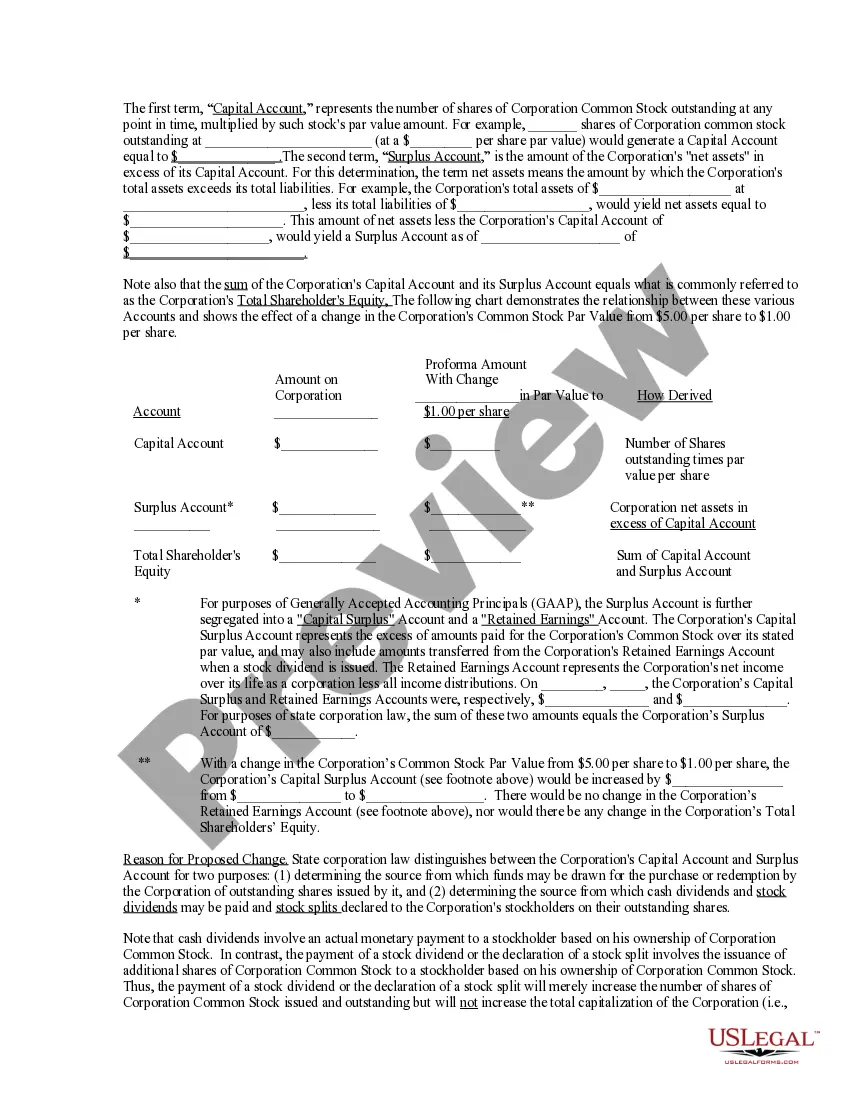
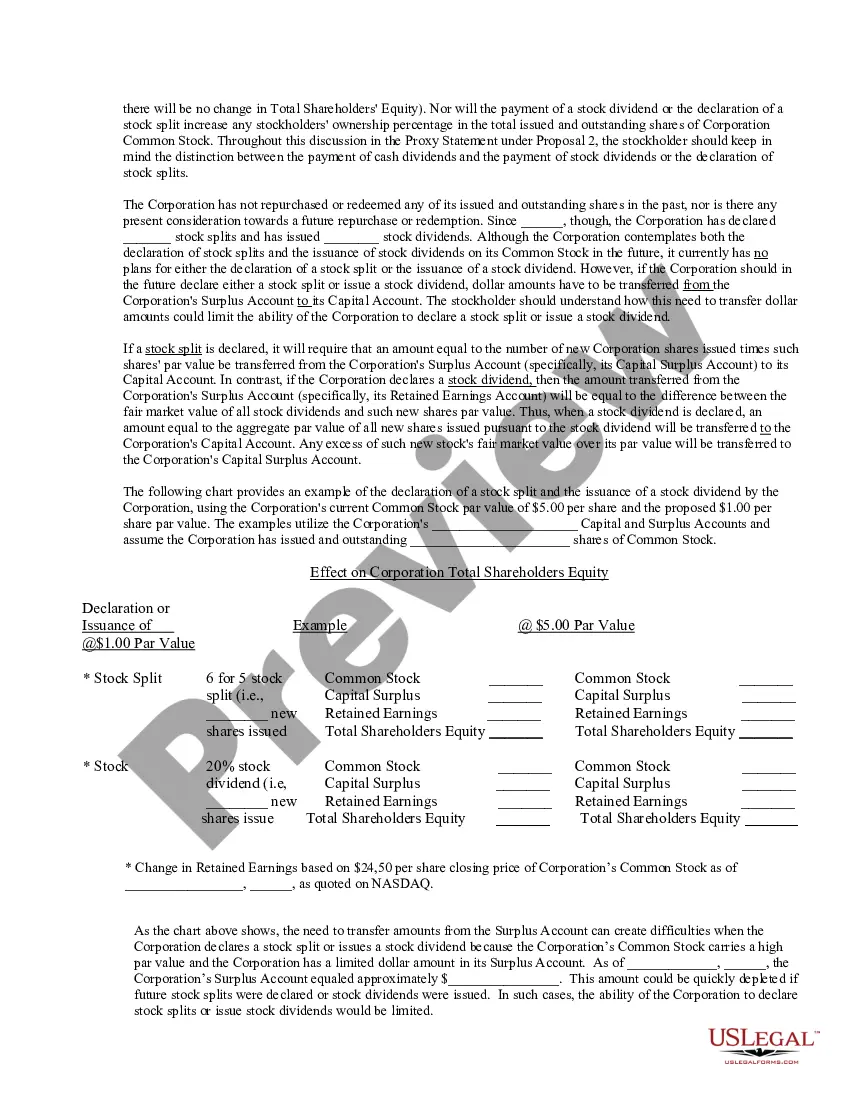
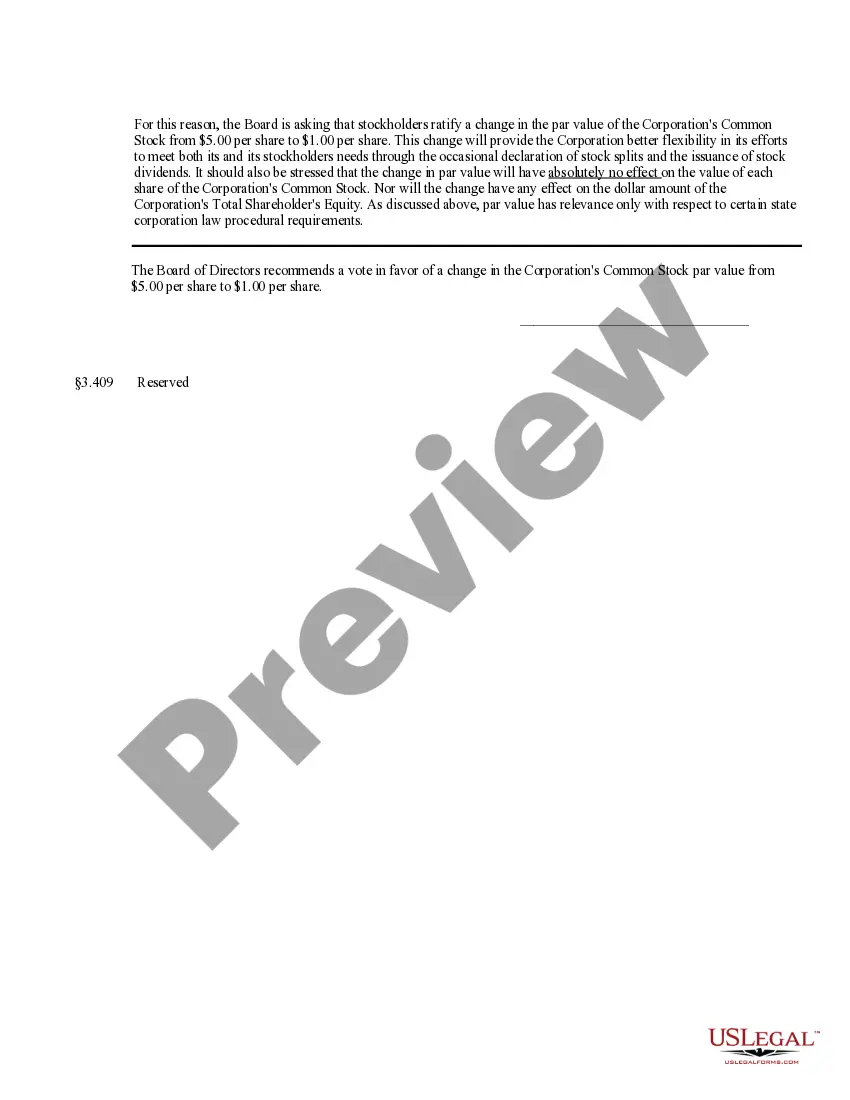
How to fill out Amendment Of Common Stock Par Value?
It’s widely known that you cannot become a legal expert instantly, nor can you quickly learn to prepare Share Without Par Value without possessing a specialized background.
Assembling legal documents is a lengthy undertaking that demands specific education and expertise. So why not entrust the preparation of the Share Without Par Value to the professionals.
With US Legal Forms, one of the most comprehensive legal document repositories, you can discover everything from court filings to templates for internal business communication.
If you need a different template, begin your search anew.
Sign up for a free account and select a subscription plan to purchase the form. Choose Buy now. Once the payment is completed, you can acquire the Share Without Par Value, complete it, print it, and send or mail it to the designated individuals or organizations.
- We understand how vital compliance and adherence to federal and local laws and regulations are.
- That’s why, on our site, all templates are location-specific and current.
- Here’s how to start with our platform and obtain the document you need in just minutes.
- Locate the form you require by utilizing the search bar at the top of the page.
- Preview it (if this option is available) and read the accompanying description to assess whether Share Without Par Value fits your needs.
Form popularity
FAQ
No-par value stock is issued without a par value. The value of no-par value stocks is determined by the price investors are willing to pay on the open market. The advantage of no-par value stock is that companies can then issue stock at higher prices in future offerings.
No Par Value Stock Example: If the company decides to assign a ?stated value? to the no-par shares (let's say $1.00 per share), the accounting would be similar to par value stock. In this case (assuming a stated value of $1.00 per share): Common stock (stated value): 1,000 shares * $1/share = $1,000.
Par value, which is also called par, nominal value, or face value, is the amount at which a security is issued or can be redeemed. No-par value stock doesn't have a redeemable price, rather prices are determined by the amount that investors are willing to pay for the stocks on the open market.
The accounting entry for a no-par-value stock will be a debit to the cash account and credit to the common stock account within shareholder's equity.
Par value, which is also called par, nominal value, or face value, is the amount at which a security is issued or can be redeemed. No-par value stock doesn't have a redeemable price, rather prices are determined by the amount that investors are willing to pay for the stocks on the open market.