Issued Common Stock For Cash Above Par Value
Description
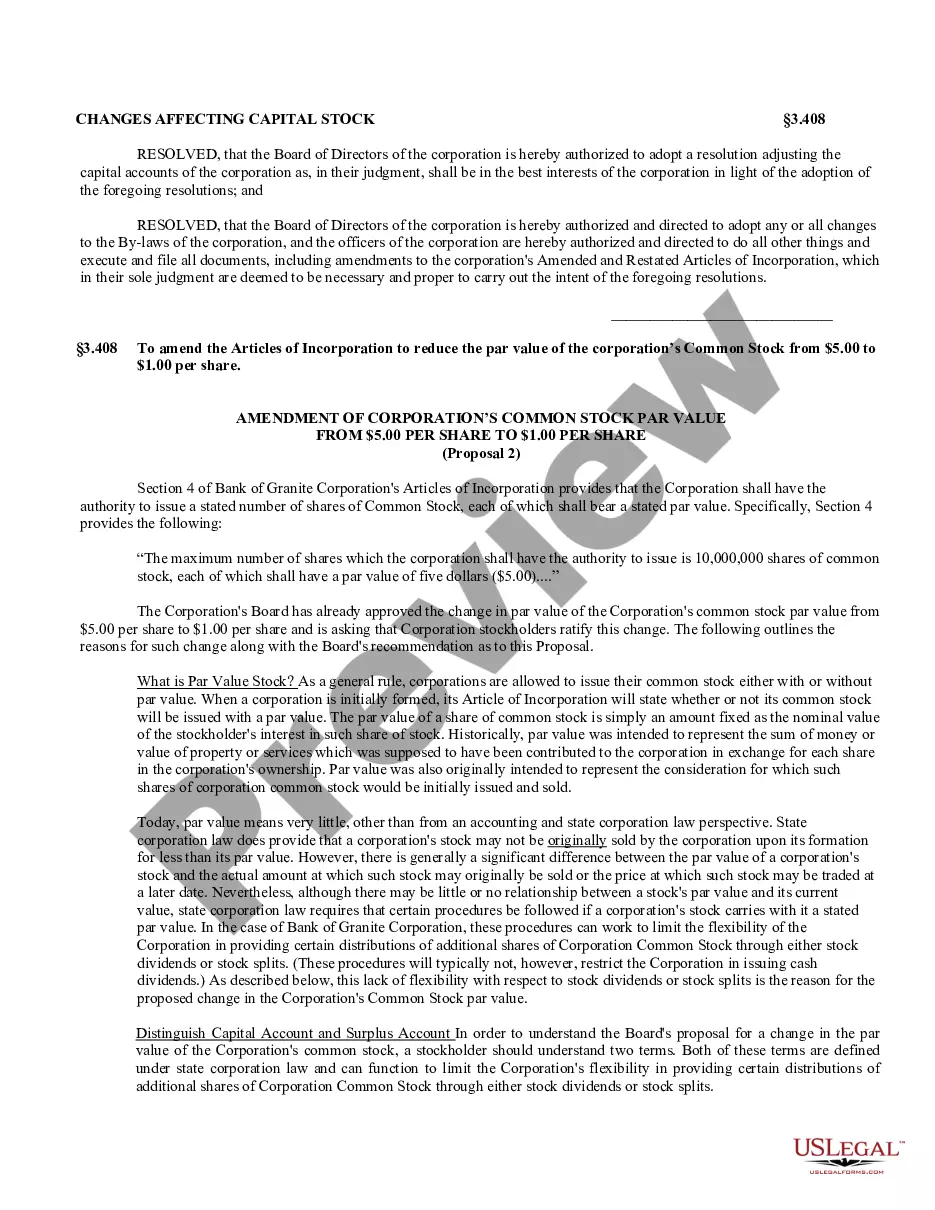
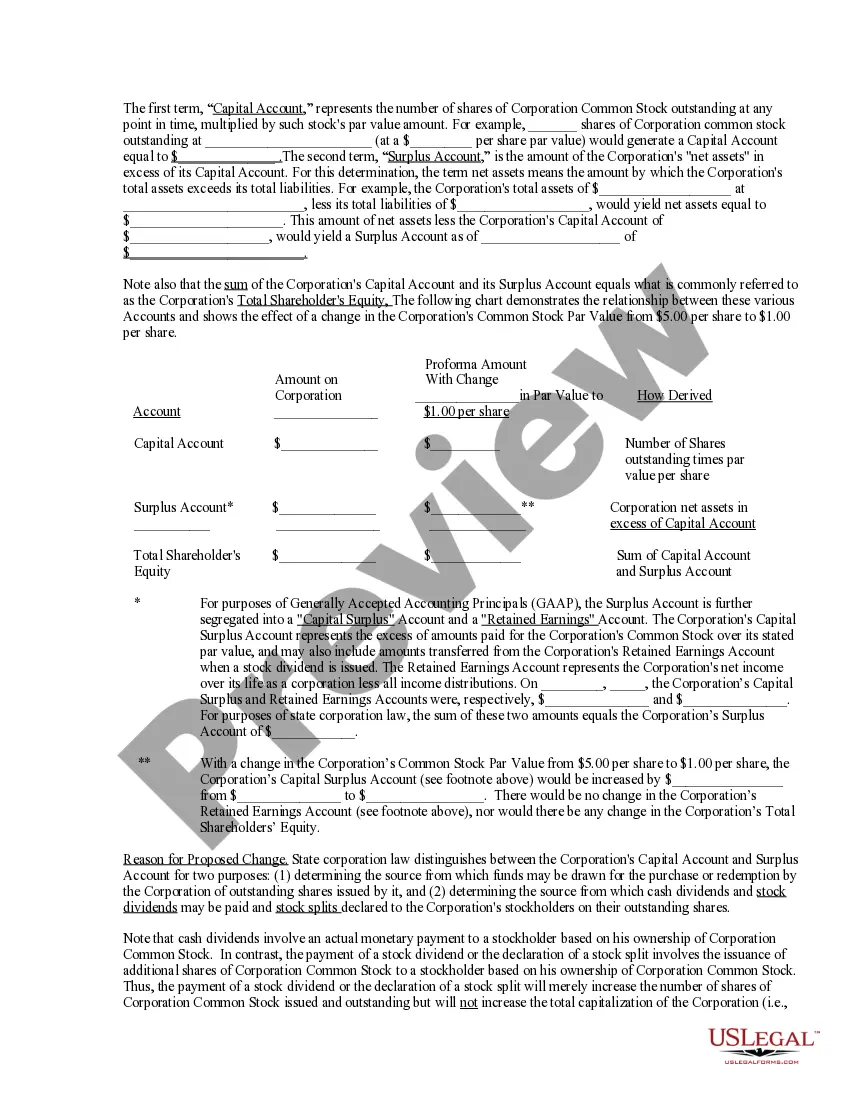
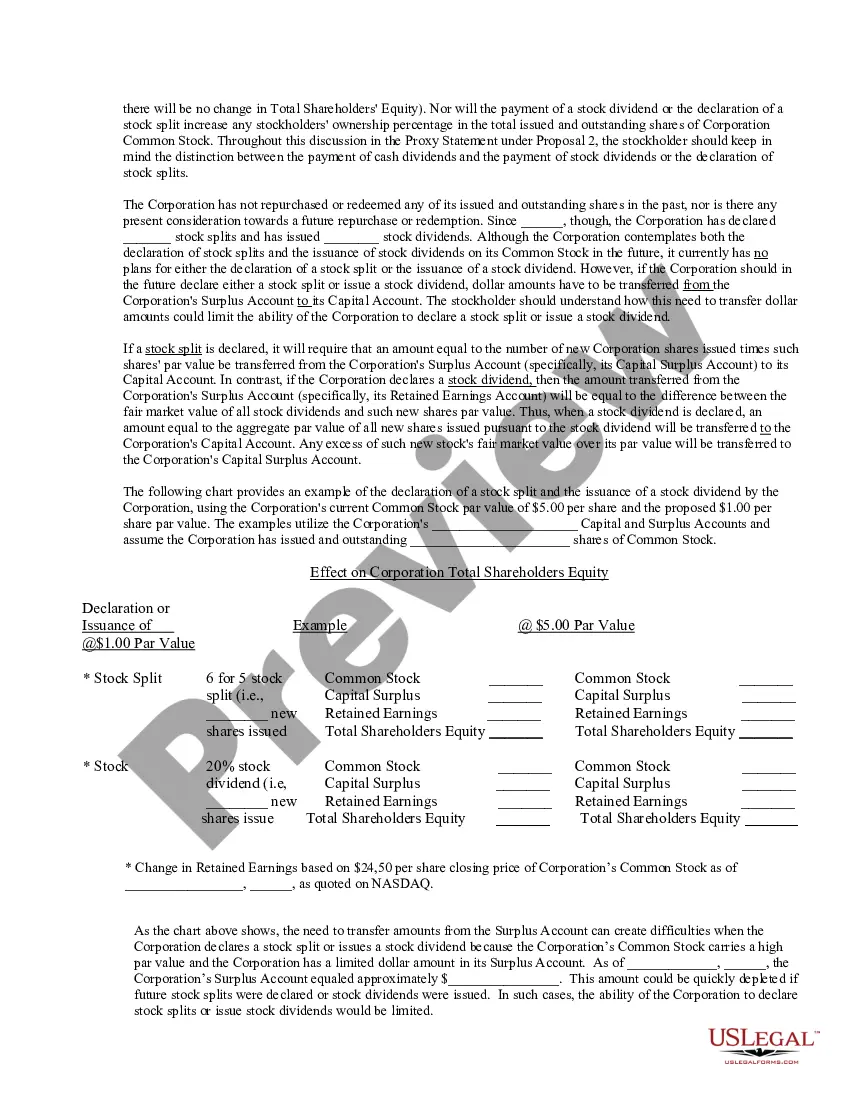
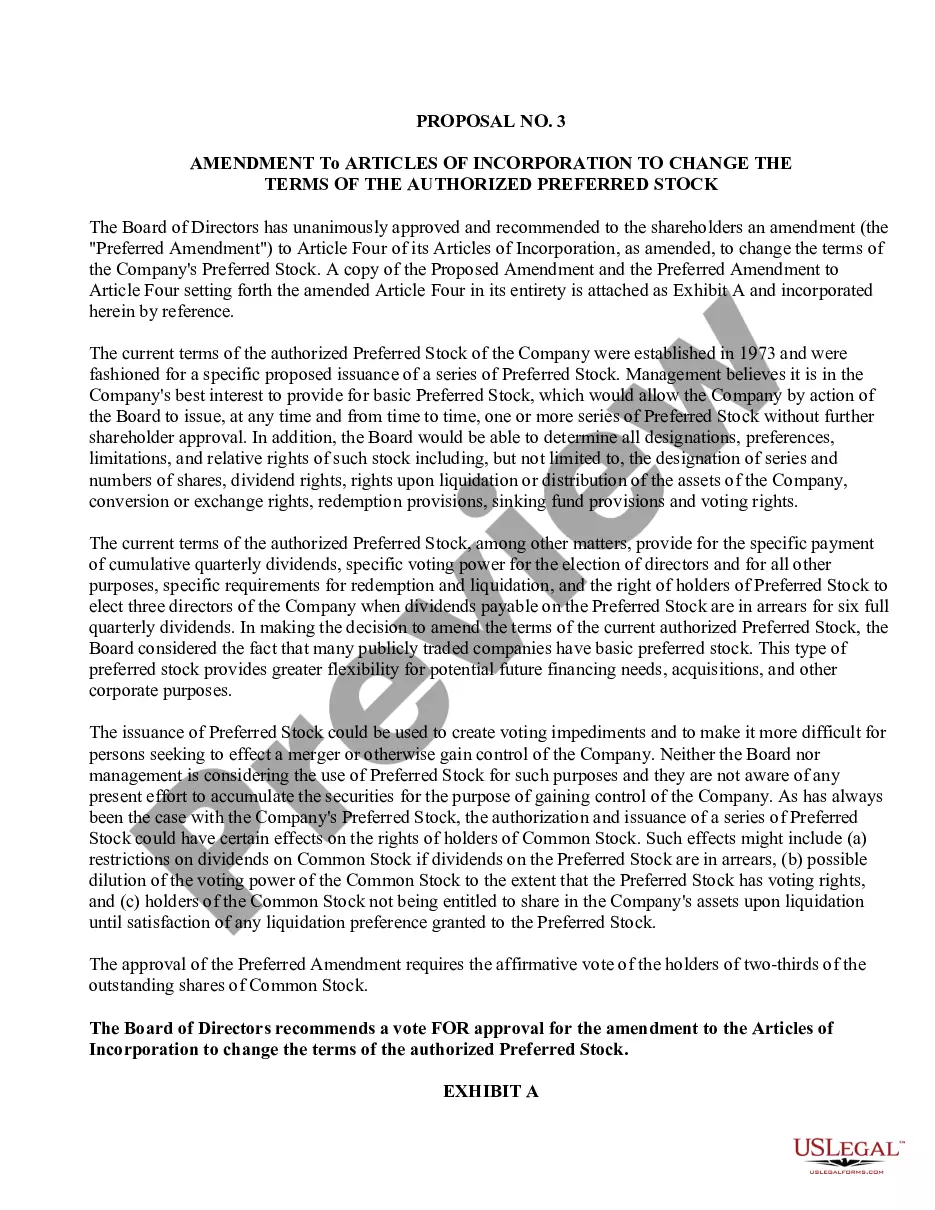
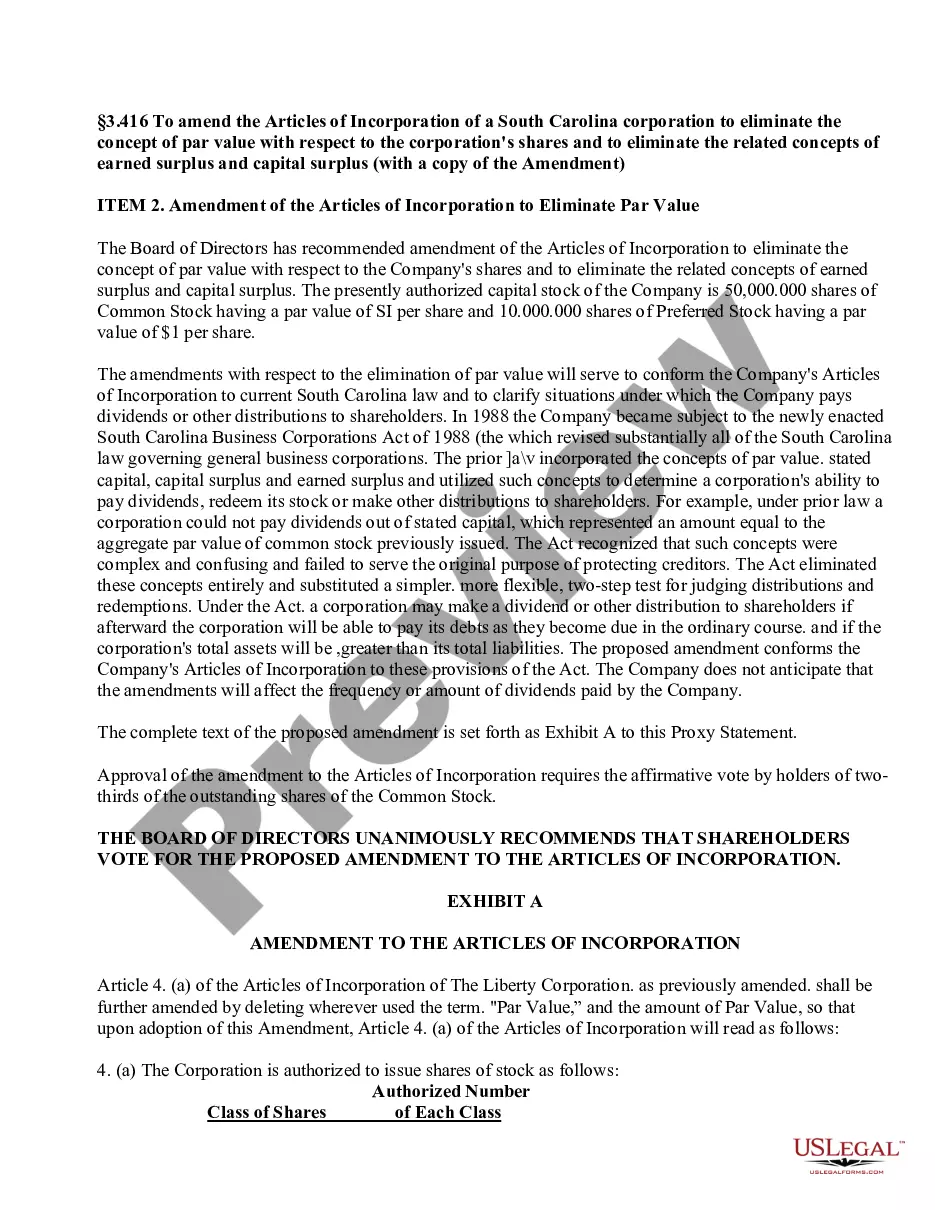
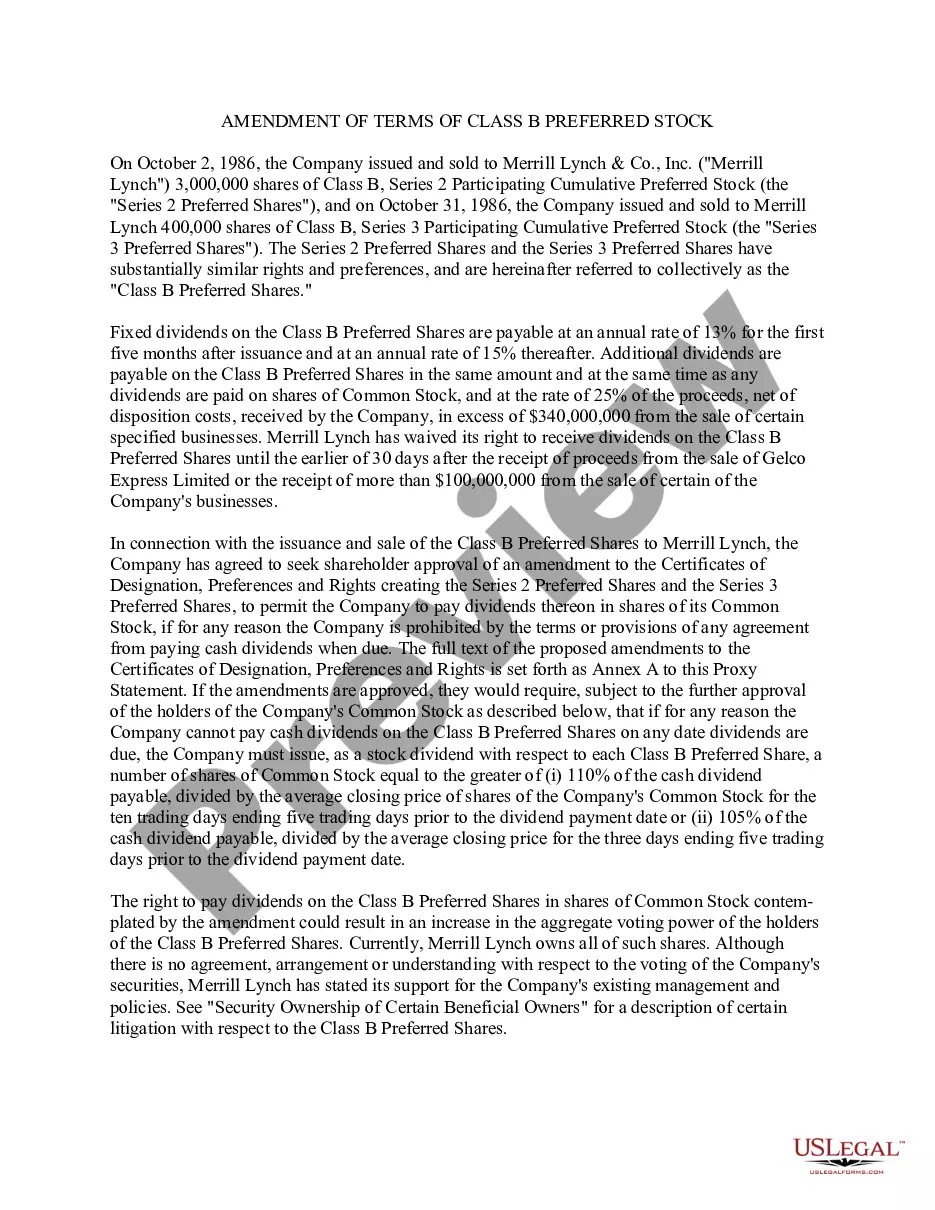

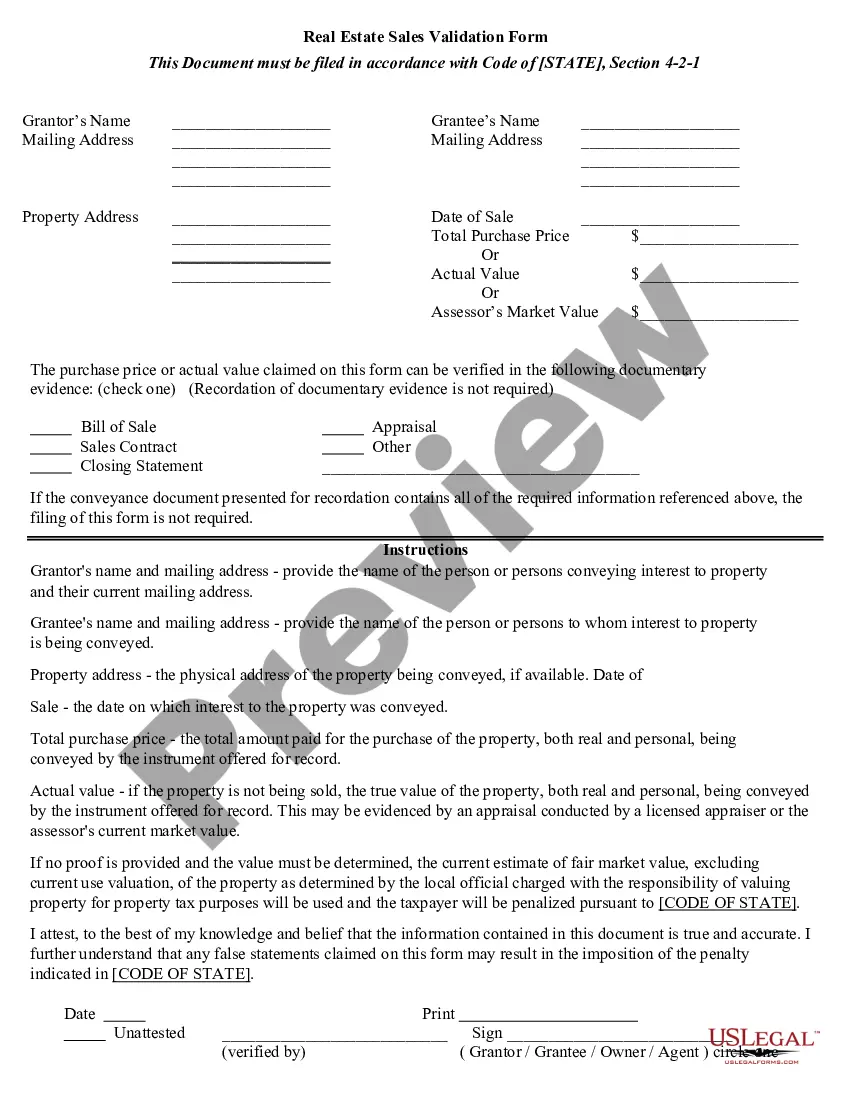

How to fill out Amendment Of Common Stock Par Value?
Managing legal documents and processes can be a labor-intensive component of your schedule.
Issued Common Stock For Cash Above Par Value and similar forms usually necessitate that you locate them and find your way to fill them out correctly.
As a result, whether you are addressing financial, legal, or personal issues, utilizing a thorough and accessible online repository of forms at your disposal will be incredibly beneficial.
US Legal Forms is the premier online resource for legal templates, providing more than 85,000 state-specific documents and various tools to assist you in completing your paperwork with ease.
Is this your first experience with US Legal Forms? Register and establish your account in a few minutes, and you will gain access to the form library and Issued Common Stock For Cash Above Par Value. After that, follow the steps outlined below to complete your document.
- Explore the collection of relevant documents available with just a click.
- US Legal Forms offers you state- and county-specific documents available at any time for download.
- Protect your document management procedures with a high-quality service that enables you to prepare any form in just minutes without hidden or additional costs.
- Simply Log In to your account, search for Issued Common Stock For Cash Above Par Value, and obtain it immediately from the My documents section.
- You can also retrieve previously saved documents.
Form popularity
FAQ
Issuing common stock for cash involves a company selling shares to investors in exchange for cash. This process allows the company to raise funds while providing ownership stakes to shareholders. When common stock is issued for cash above par value, it means the shares are sold for more than their nominal value, enhancing the company's capital base. This strategy can be beneficial for fueling growth and improving financial stability.
Yes, issuing common stock for cash above par value does increase cash on a company's balance sheet. When a company sells its shares for more than their par value, the additional funds contribute directly to its cash reserves. This influx of cash can be used for various purposes, such as funding operations, investing in growth opportunities, or paying off debt. Therefore, if you are considering options to boost your company's cash flow, exploring the issuance of common stock may be beneficial.
Yes, the issuance of common stock directly affects cash by increasing the cash balance. When a company sells shares, it receives cash in exchange, indicating an inflow. This inflow results from provided equity, which contributes to the overall cash position while properly reflecting the issued common stock for cash above par value.
A company issues common stock to raise money, so the debit will always be to cash. There will always be a credit to common stock for the # of shares issued x the par value. Additional paid-in capital (APIC) is the plug. If the company sells the shares for more than the par value, then you would credit APIC.
Upon issuance, common stock is recorded at par value with any amount received above that figure reported in an account such as capital in excess of par value. If issued for an asset or service instead of cash, the recording is based on the fair value of the shares given up.
Upon issuance, common stock is generally recorded at its fair value, which is typically the amount of proceeds received. Those proceeds are allocated first to the par value of the shares (if any), with any excess over par value allocated to additional paid-in capital.
Stock issuances DebitCash or other item received(shares issued x price paid per share) or market value of item receivedCreditCommon (or Preferred) Stock(shares issued x PAR value)CreditPaid in capital in excess of par value, common (or preferred) stock(difference between value received and par value of stock)
Par value is not even a reliable indicator of the price at which shares can be issued. New corporations can issue shares at prices well in excess of par value or for less than par value if state laws permit.