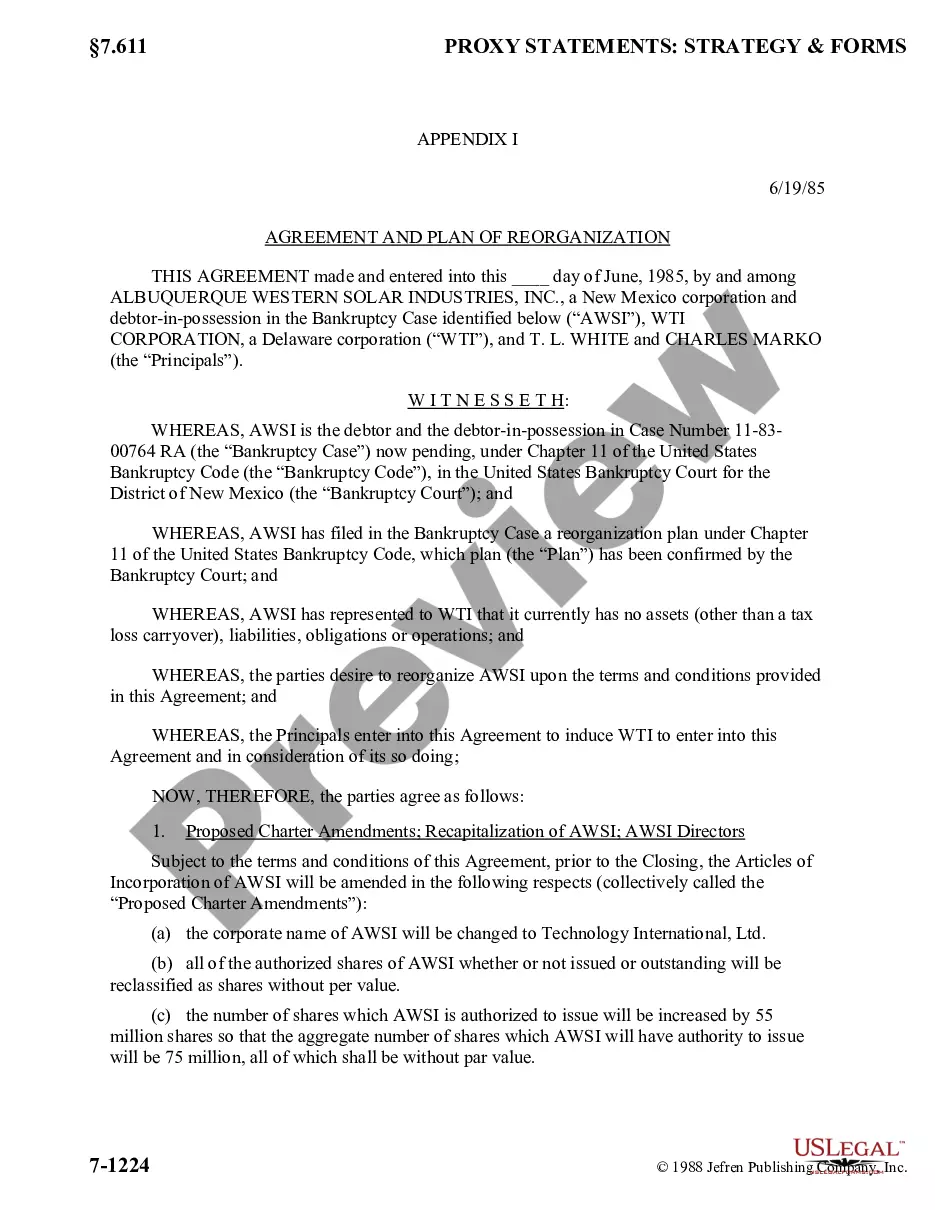
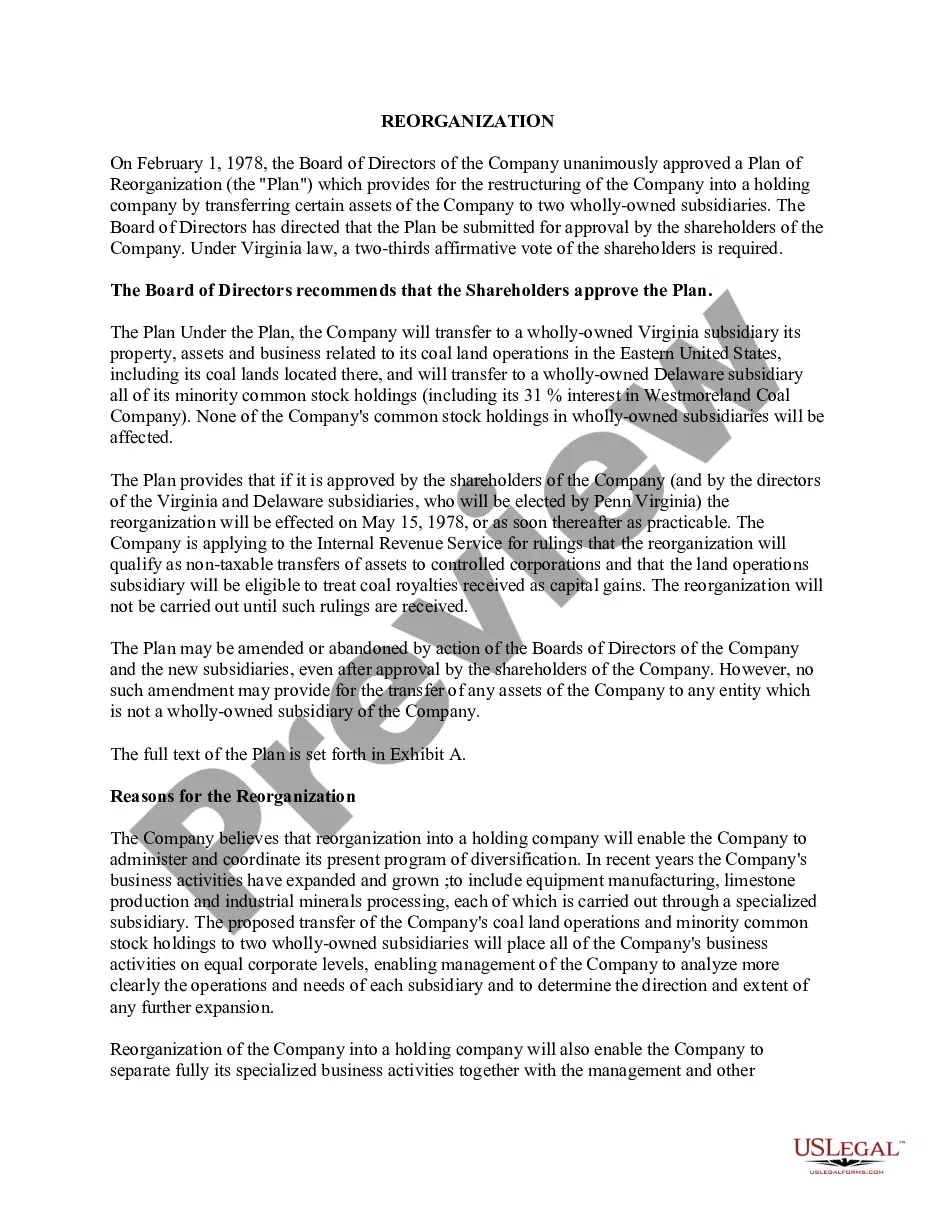
Reorganization Plan Template
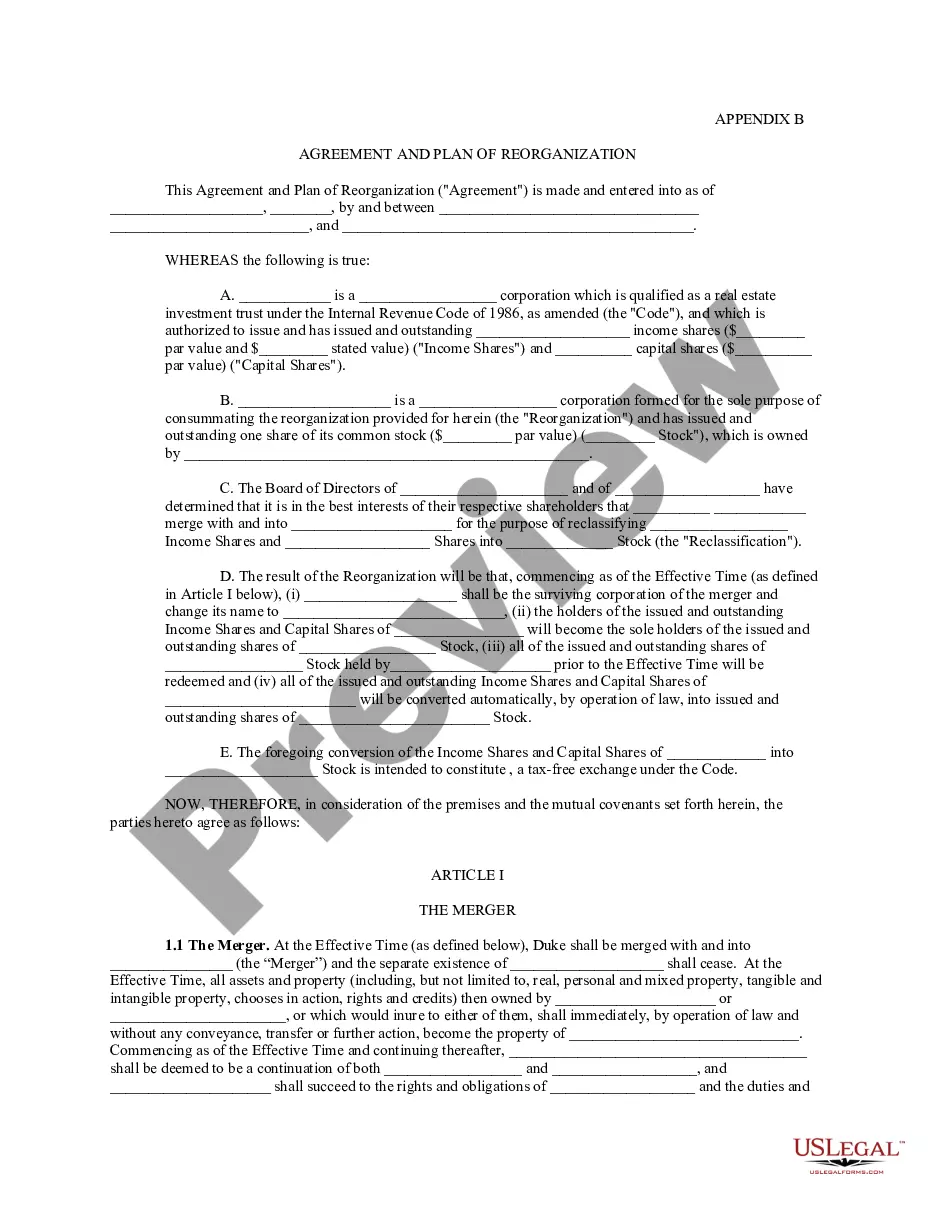
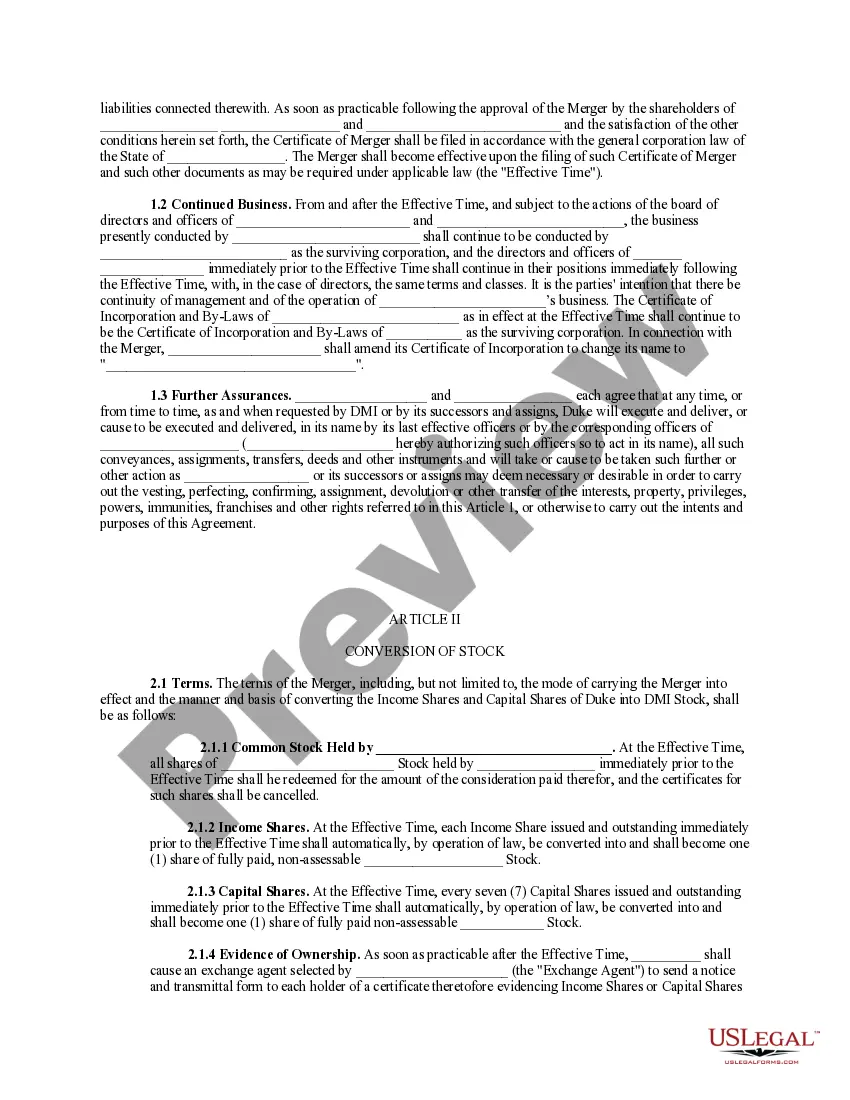
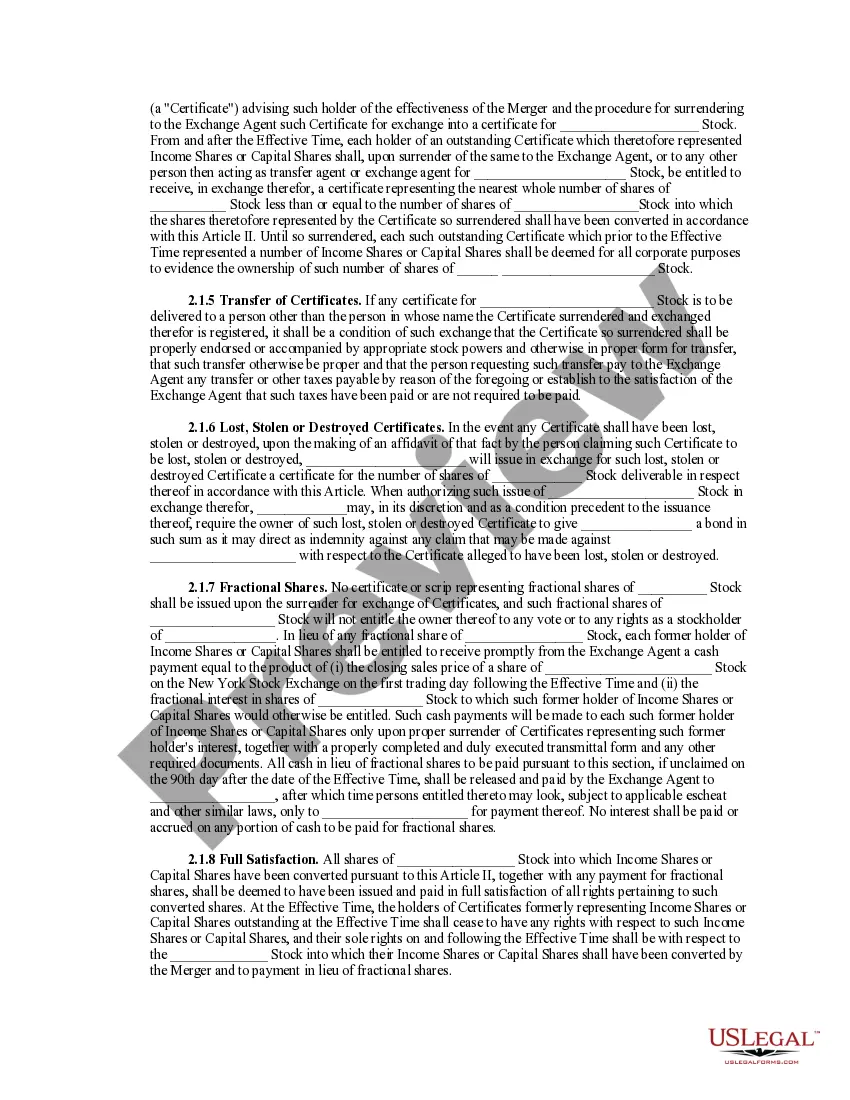
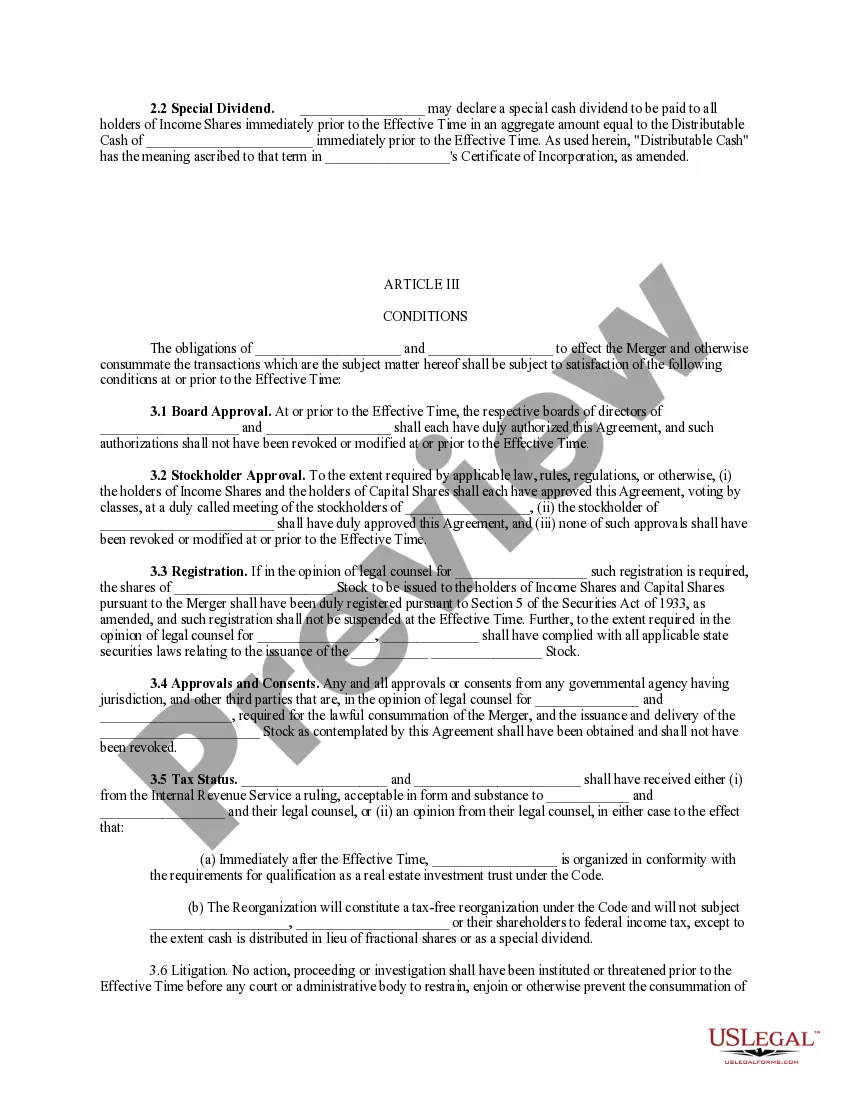
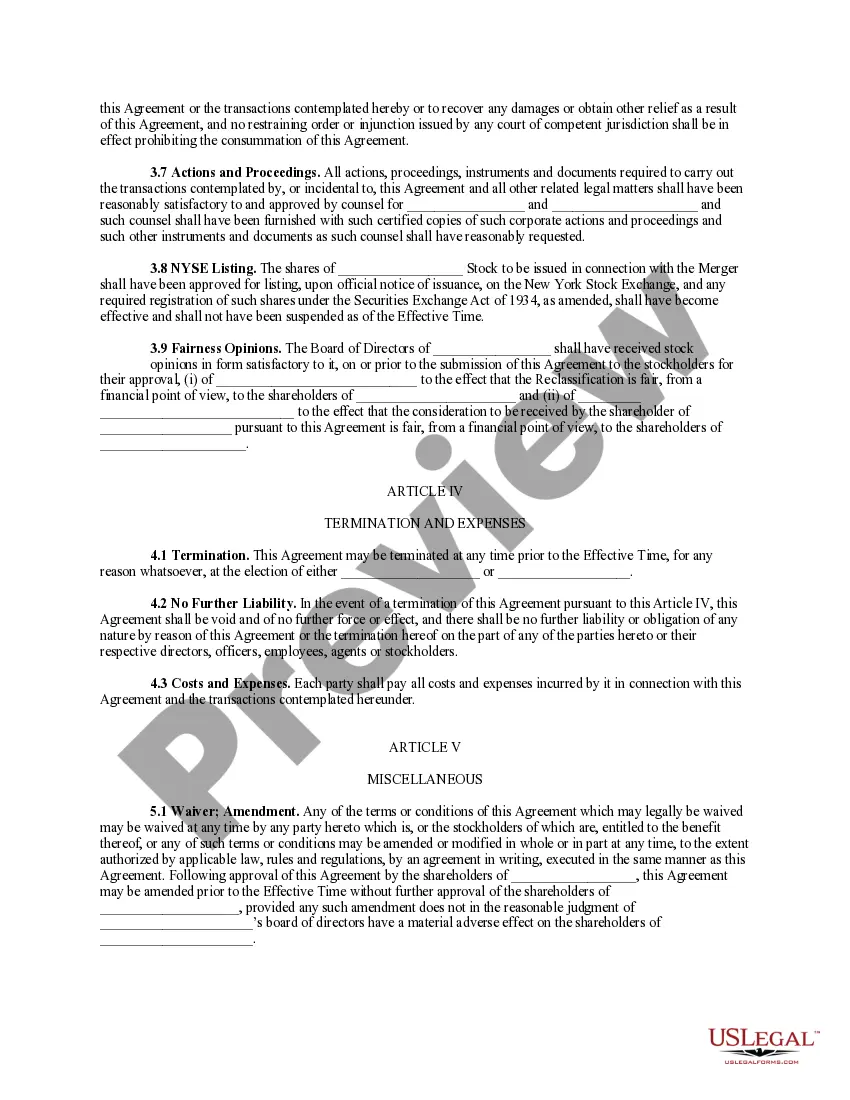
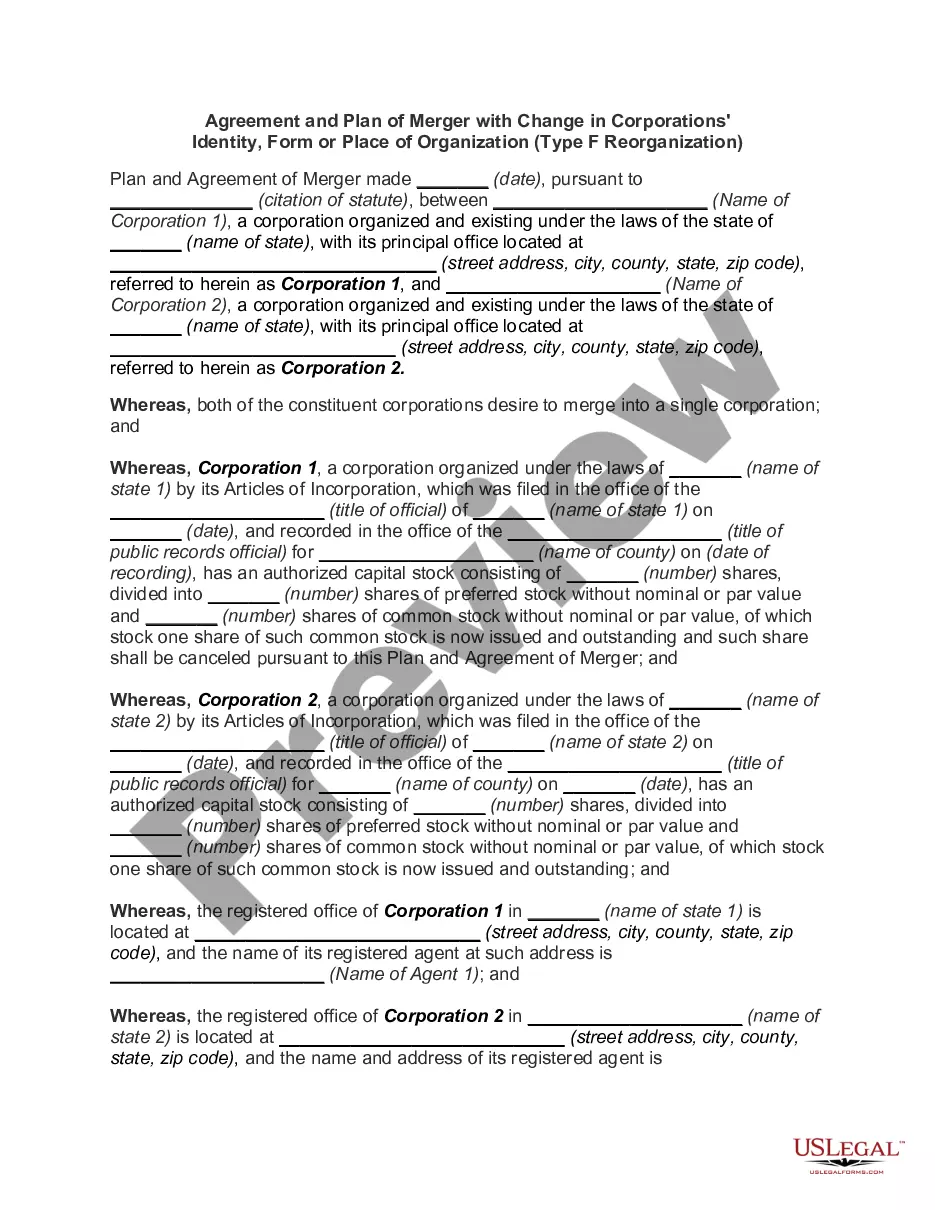
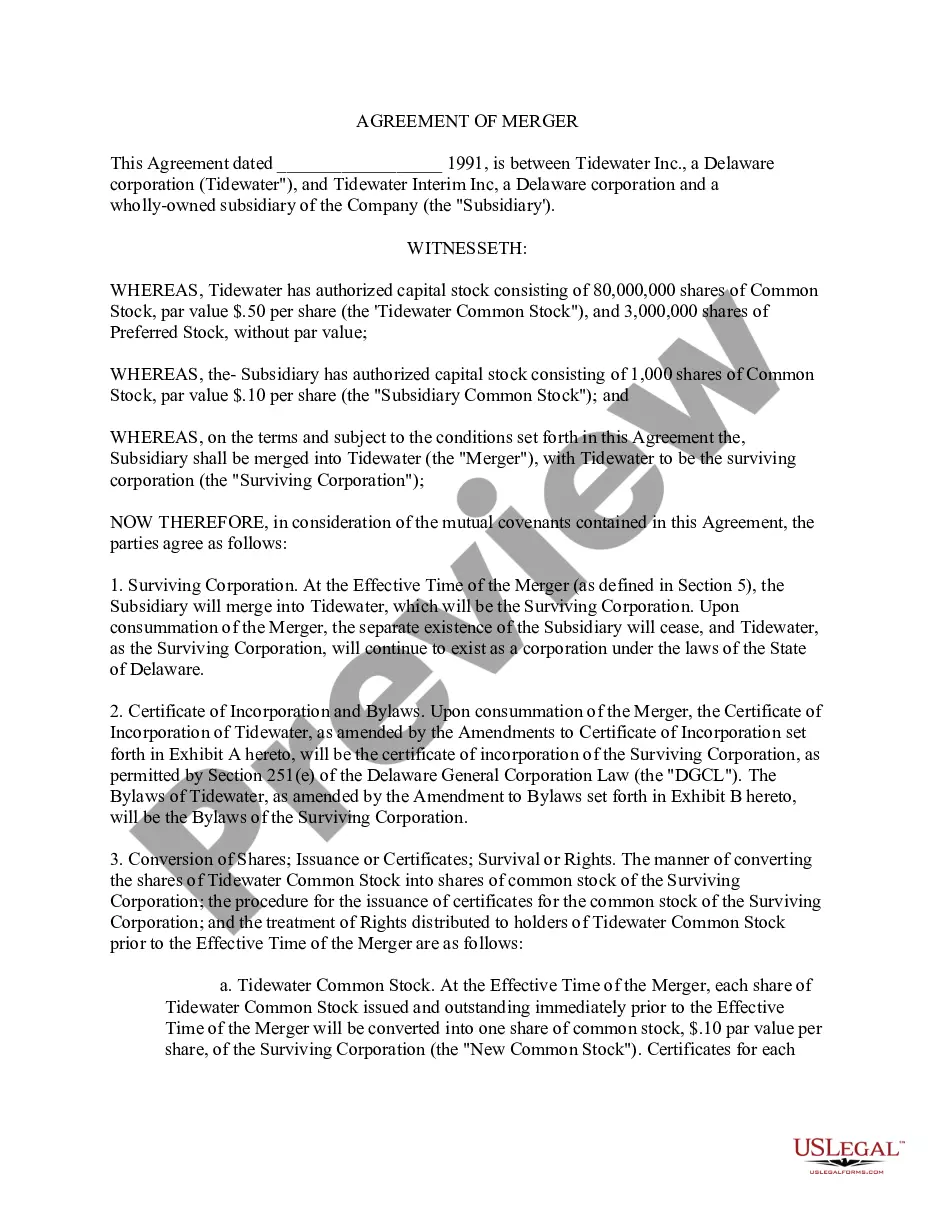
Description
Get your form ready online
Our built-in tools help you complete, sign, share, and store your documents in one place.
Make edits, fill in missing information, and update formatting in US Legal Forms—just like you would in MS Word.
Download a copy, print it, send it by email, or mail it via USPS—whatever works best for your next step.
Sign and collect signatures with our SignNow integration. Send to multiple recipients, set reminders, and more. Go Premium to unlock E-Sign.
If this form requires notarization, complete it online through a secure video call—no need to meet a notary in person or wait for an appointment.
We protect your documents and personal data by following strict security and privacy standards.

Make edits, fill in missing information, and update formatting in US Legal Forms—just like you would in MS Word.

Download a copy, print it, send it by email, or mail it via USPS—whatever works best for your next step.

Sign and collect signatures with our SignNow integration. Send to multiple recipients, set reminders, and more. Go Premium to unlock E-Sign.

If this form requires notarization, complete it online through a secure video call—no need to meet a notary in person or wait for an appointment.

We protect your documents and personal data by following strict security and privacy standards.
Looking for another form?
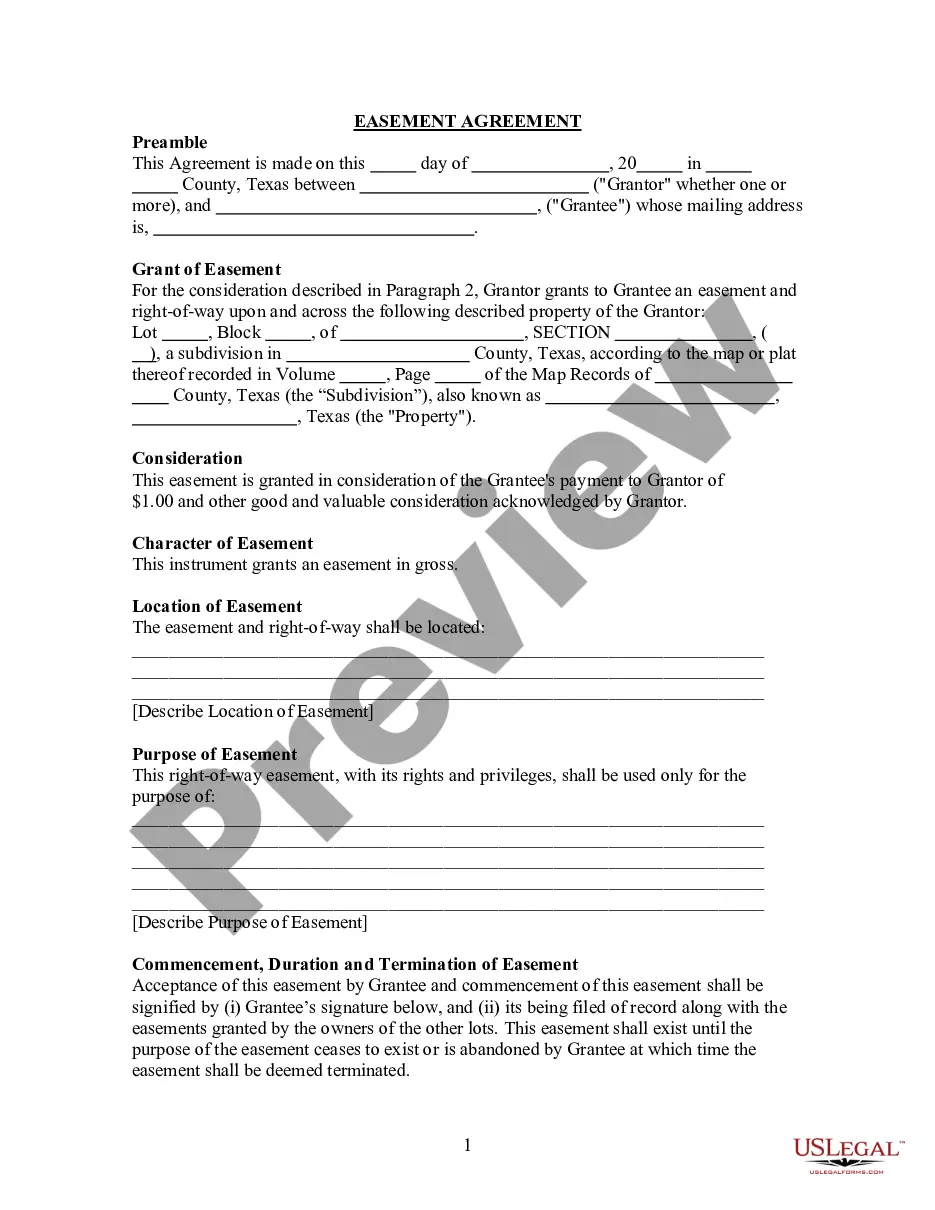
How to fill out Agreement And Plan Of Reorganization?
Acquiring legal document examples that adhere to federal and state laws is crucial, and the web provides numerous choices to select from.
However, what's the purpose of squandering time hunting for the appropriate Reorganization Plan Template example online when the US Legal Forms online repository already consolidates such templates in one location.
US Legal Forms is the largest digital legal repository with over 85,000 editable templates created by attorneys for any business and personal circumstances.
Review the template using the Preview feature or through the text description to ensure it meets your requirements.
- They are easy to navigate with all documents organized by state and intended use.
- Our experts stay updated with legal modifications, ensuring you can always trust your documents are current and compliant when acquiring a Reorganization Plan Template from our site.
- Obtaining a Reorganization Plan Template is straightforward and quick for both existing and new users.
- If you already possess an account with an active subscription, Log In and save the document sample you need in the appropriate format.
- If you are a newcomer to our site, follow the steps below.
Form popularity
FAQ
A reorganization plan is a structured document that outlines how a company intends to restructure its operations and finances. It typically includes strategies for addressing debts, improving efficiency, and enhancing profitability. Using a reorganization plan template can simplify the process, as it provides a clear outline to follow, ensuring that all necessary components are included. By utilizing tools like those offered by US Legal Forms, you can create a comprehensive reorganization plan that caters to your specific needs.
Having a reorganization plan means you have a strategic roadmap for navigating changes within your organization. It clarifies your objectives and outlines specific steps to achieve them, ultimately fostering better operational efficiency. With a well-structured reorganization plan template, you can communicate your vision clearly and engage your team in the transformation process.
A plan of reorganization typically includes an analysis of the current business state, proposed changes, and strategies for implementation. It should detail financial projections, timelines, and roles assigned to team members. By using a reorganization plan template, you can ensure that all essential elements are included, making the plan easy to understand and execute.
Restructuring refers to a broader process of changing a company's financial or operational structure, aiming to improve efficiency and profitability. In contrast, a reorganization, or 'reorg,' is a specific type of restructuring focused on redefining roles, responsibilities, and workflows within the organization. Utilizing a reorganization plan template can help clarify these changes and align your team toward common goals.
To write an effective reorganization plan, start by setting clear objectives. Outline the current business situation and identify challenges. Then, use a reorganization plan template to structure your plan cohesively, detailing strategies for improvement, resource allocation, and timelines. Finally, ensure that your plan includes measurable goals to track progress and success.
A reorganization plan template outlines a company's strategy to restructure its operations, finances, or management. For instance, a retail company facing declining sales might create a reorganization plan template to close underperforming stores and invest in online sales. This template serves as a roadmap, helping the business navigate changes while ensuring all stakeholders understand the new direction. Using a structured approach like a reorganization plan template can enhance clarity and focus during challenging times.
The Solution. The authors propose a five-step process: Begin with a profit and loss estimate, inventory your strengths and weaknesses, consider multiple options for the new organization, focus special attention on execution, and assume you'll need to make course corrections.
The seven main types of company reorganization are mergers and consolidations, acquisitions, practical mergers, transfer spinoffs and split-offs, recapitalization, identity changes and transfers of assets.
Develop a reorganization proposal, including: Timeframe. Reasons for reorganization. Before and after organization charts. Job descriptions for new, changed positions. Names, titles of employees to be affected by changed or eliminated jobs, new reporting lines, physical relocation, or reduction in time.
7 templates for restructuring your team For your business to grow, you have to be willing to make changes. ... Roles and responsibilities framework. ... Flat org chart. ... Location-based org chart. ... Org chart by growth track. ... Org chart by cross-functional teams. ... Inverted org chart.