Right For Stock
Description
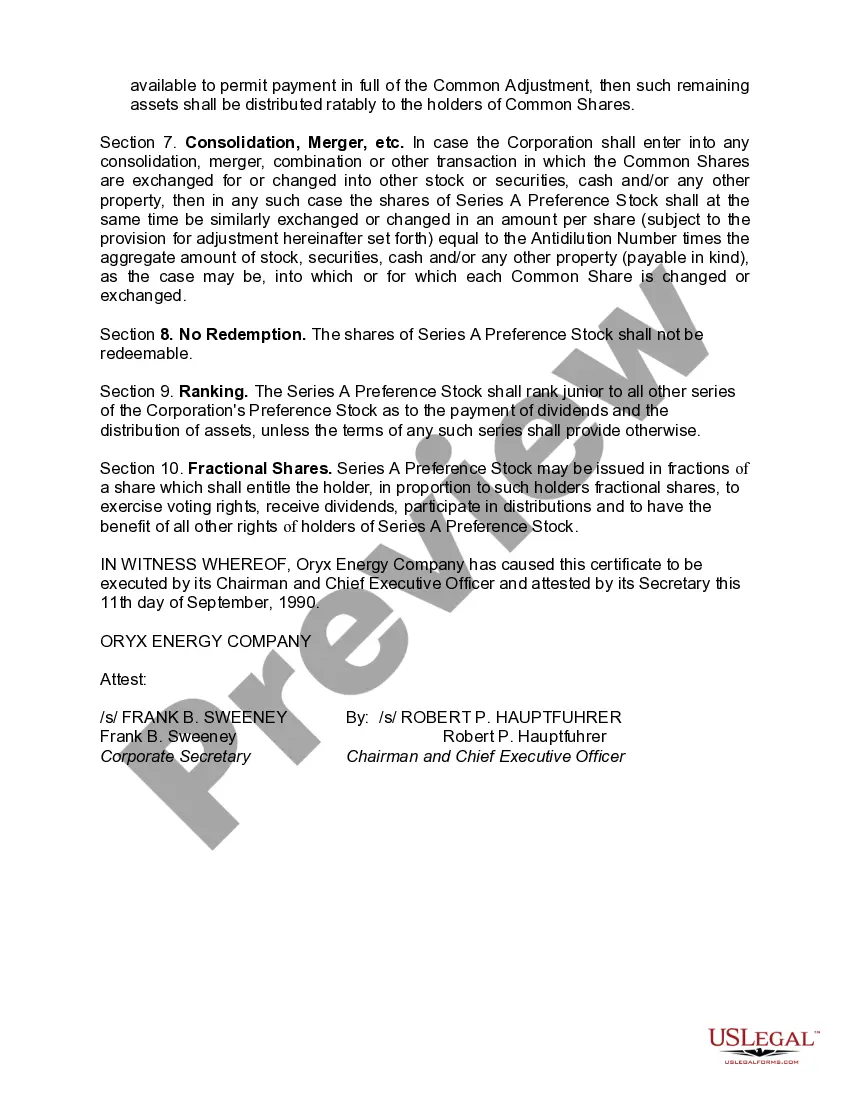
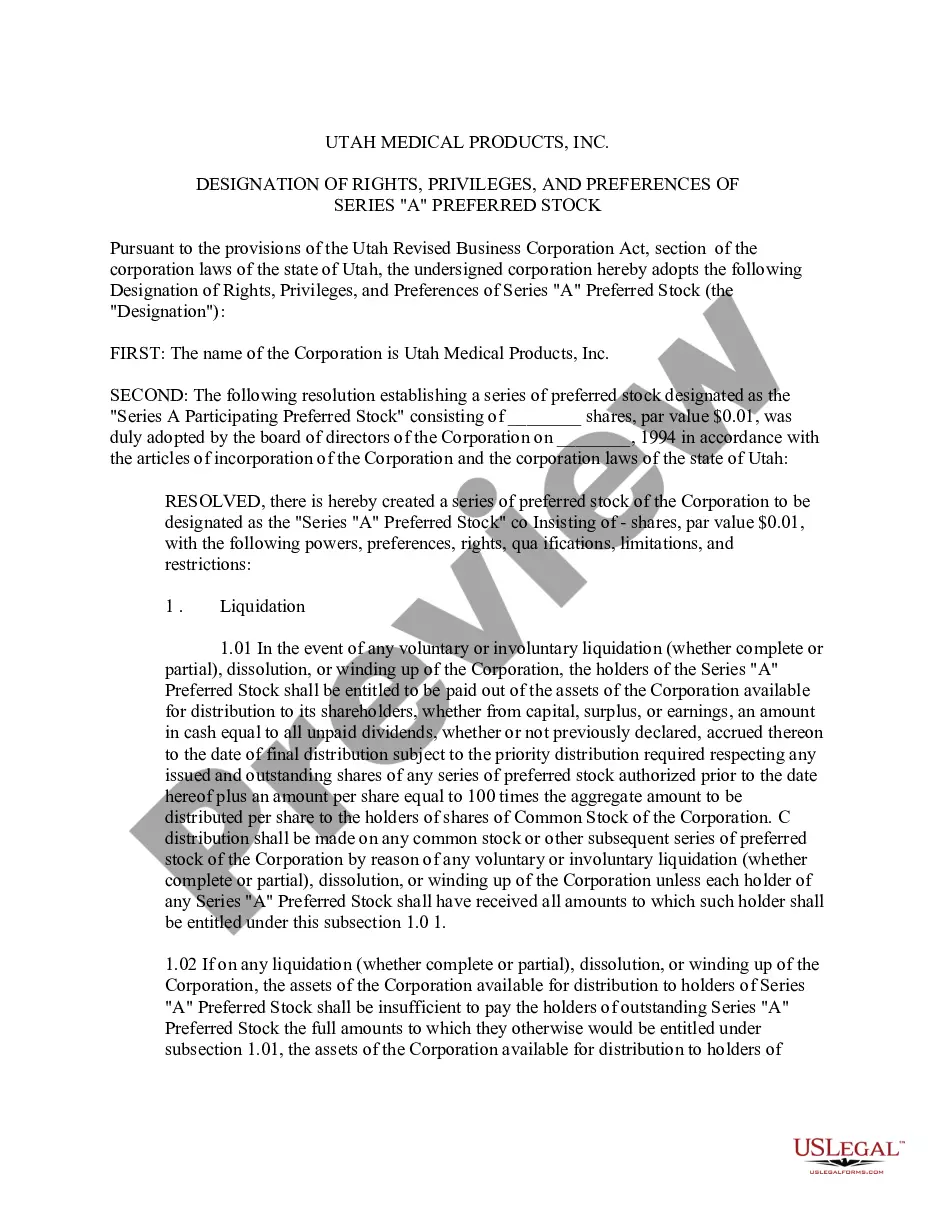
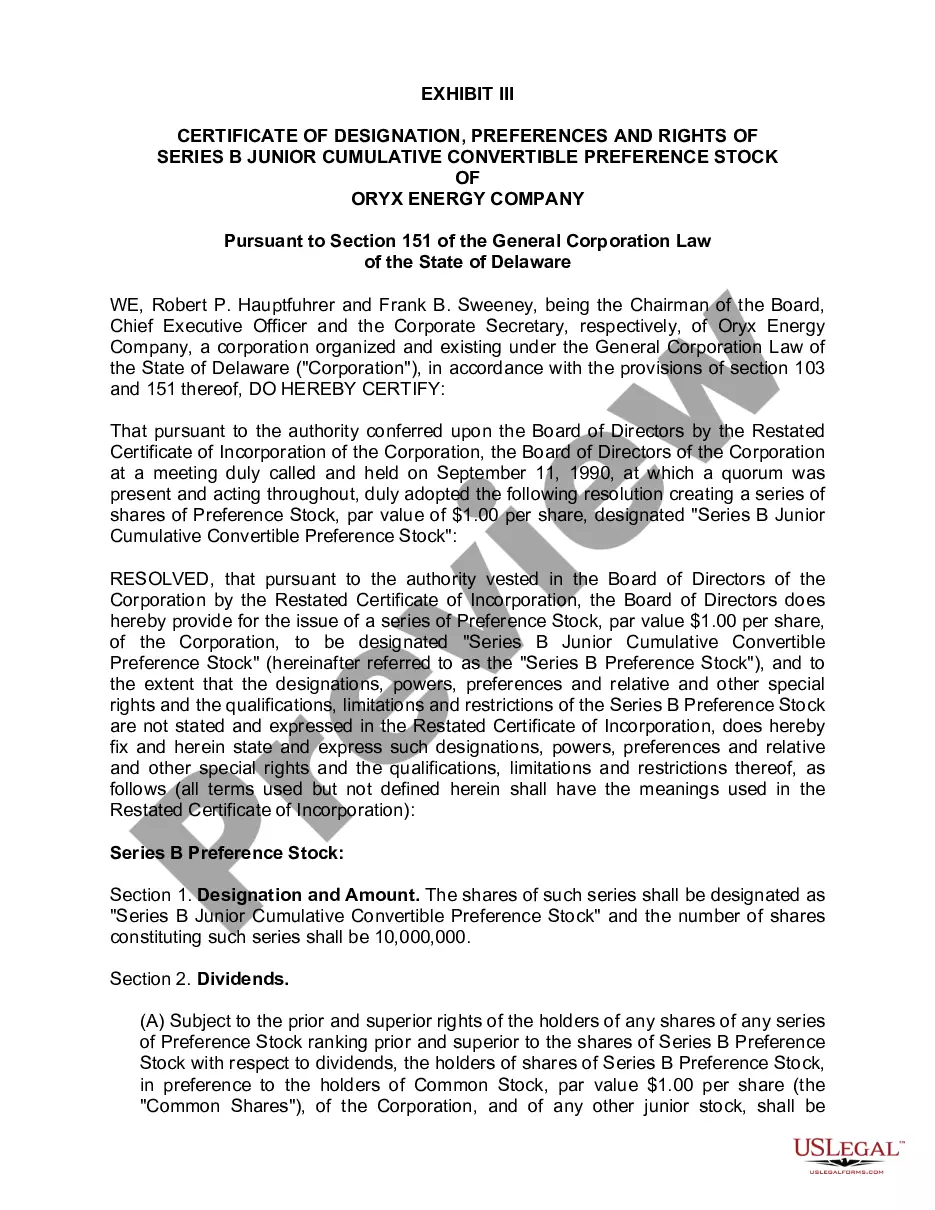
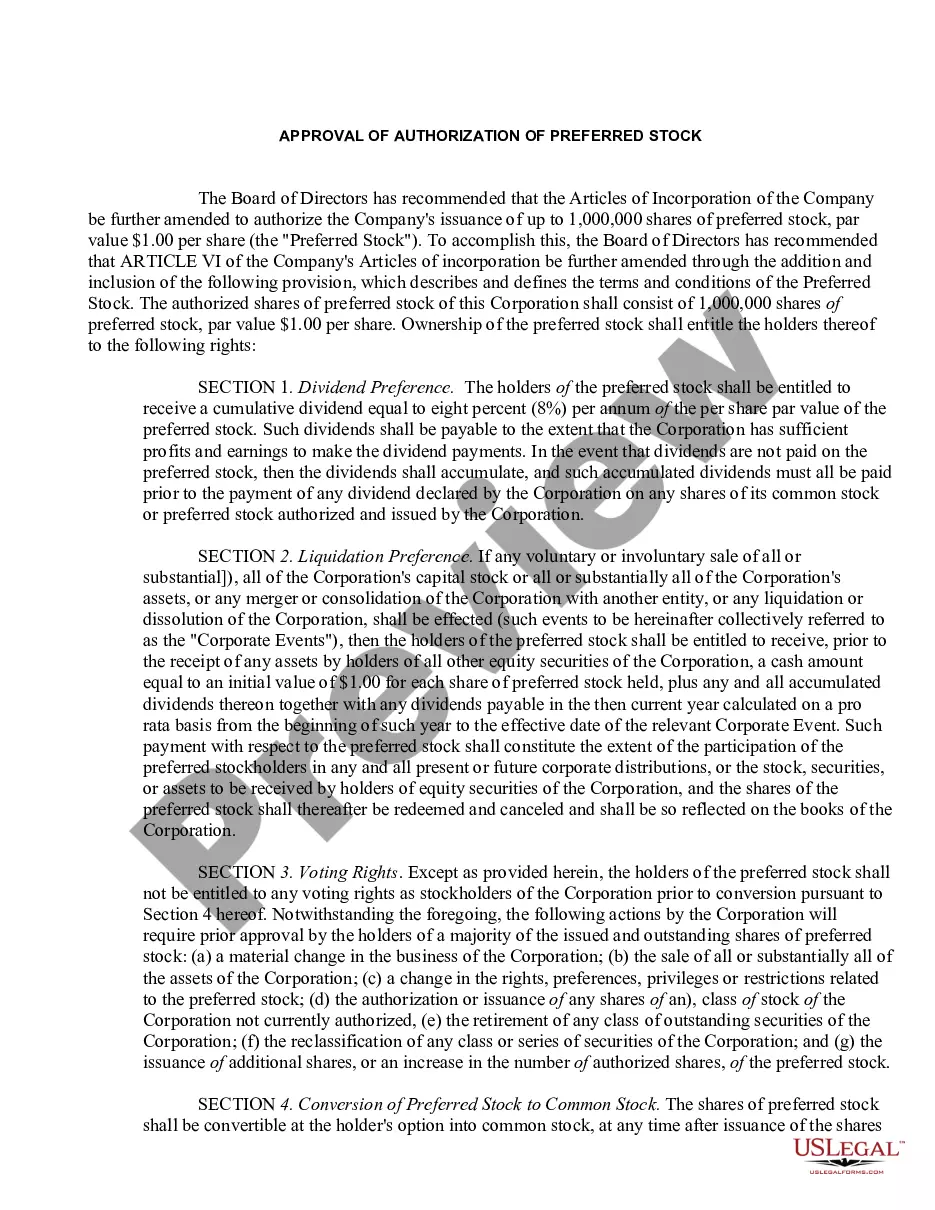
Get your form ready online
Our built-in tools help you complete, sign, share, and store your documents in one place.
Make edits, fill in missing information, and update formatting in US Legal Forms—just like you would in MS Word.
Download a copy, print it, send it by email, or mail it via USPS—whatever works best for your next step.
Sign and collect signatures with our SignNow integration. Send to multiple recipients, set reminders, and more. Go Premium to unlock E-Sign.
If this form requires notarization, complete it online through a secure video call—no need to meet a notary in person or wait for an appointment.
We protect your documents and personal data by following strict security and privacy standards.

Make edits, fill in missing information, and update formatting in US Legal Forms—just like you would in MS Word.

Download a copy, print it, send it by email, or mail it via USPS—whatever works best for your next step.

Sign and collect signatures with our SignNow integration. Send to multiple recipients, set reminders, and more. Go Premium to unlock E-Sign.

If this form requires notarization, complete it online through a secure video call—no need to meet a notary in person or wait for an appointment.

We protect your documents and personal data by following strict security and privacy standards.
Looking for another form?





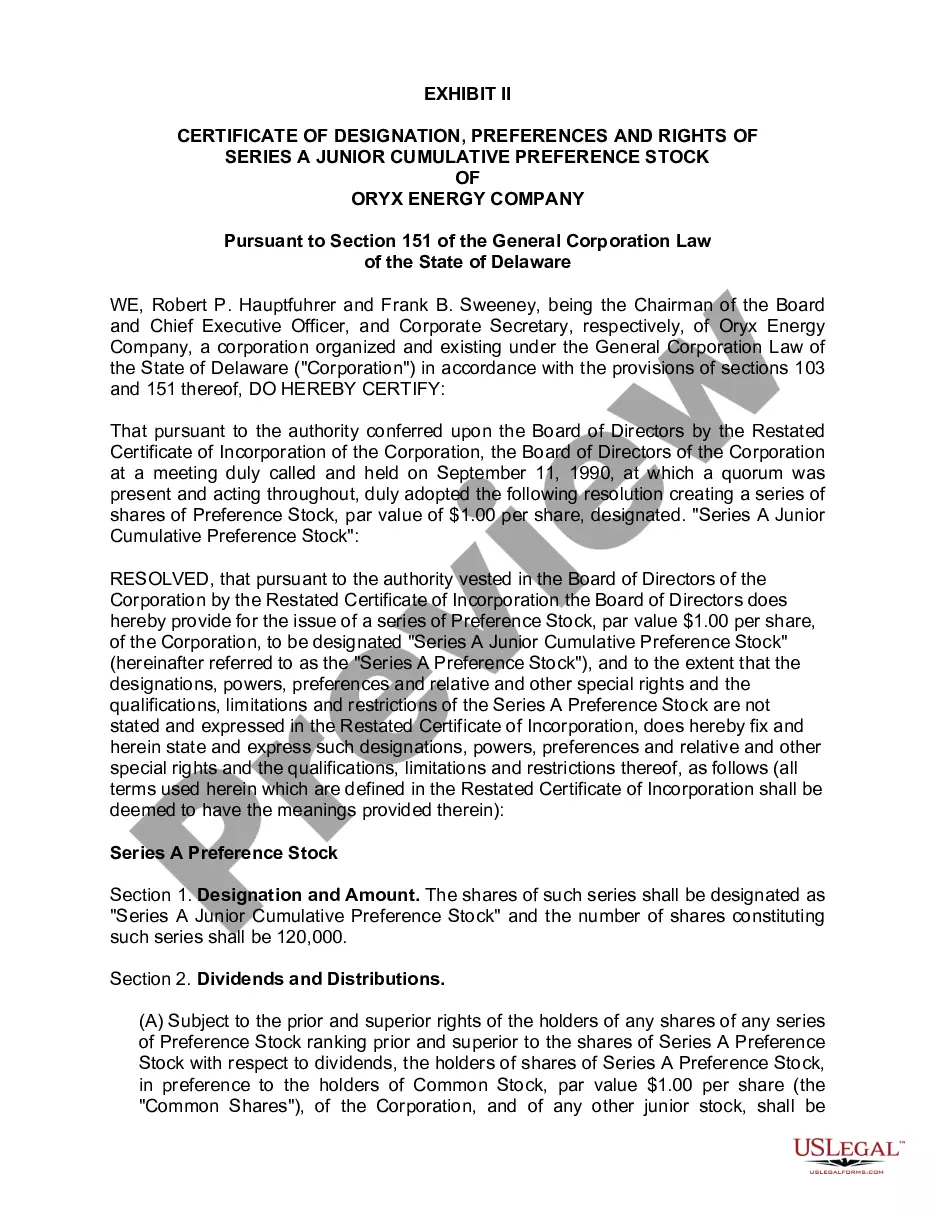
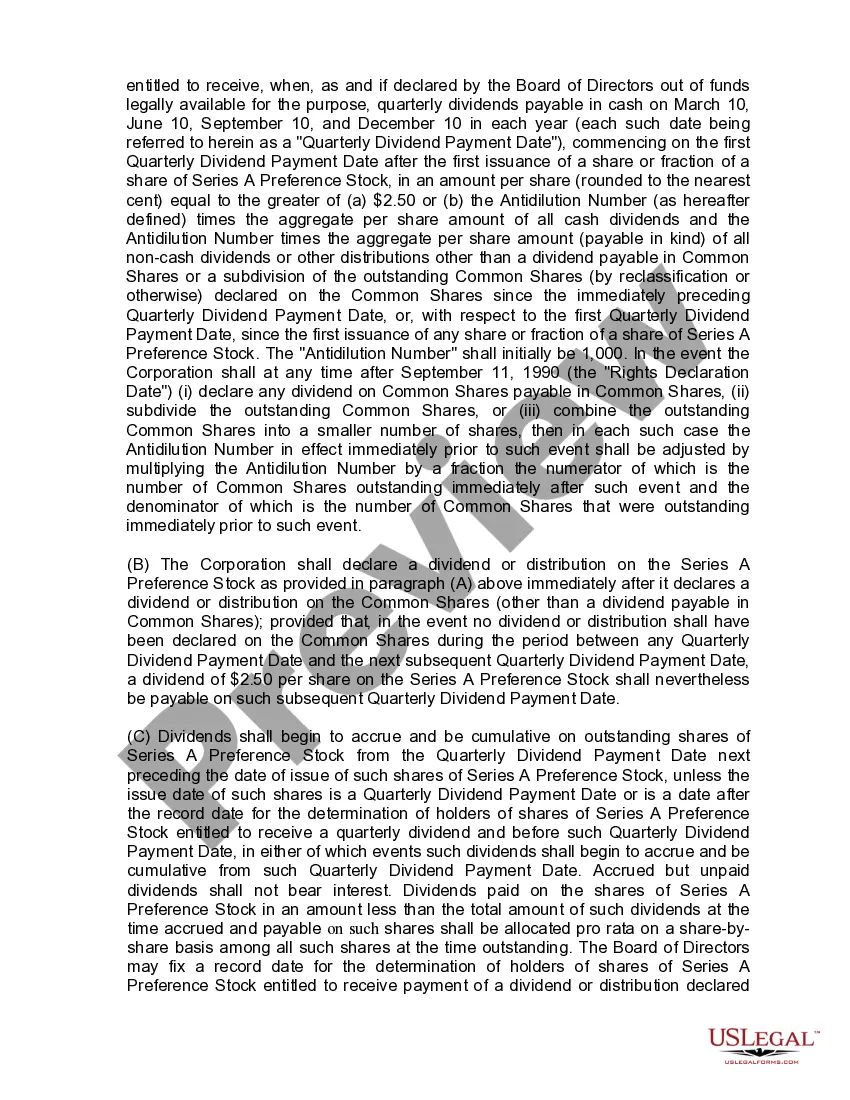
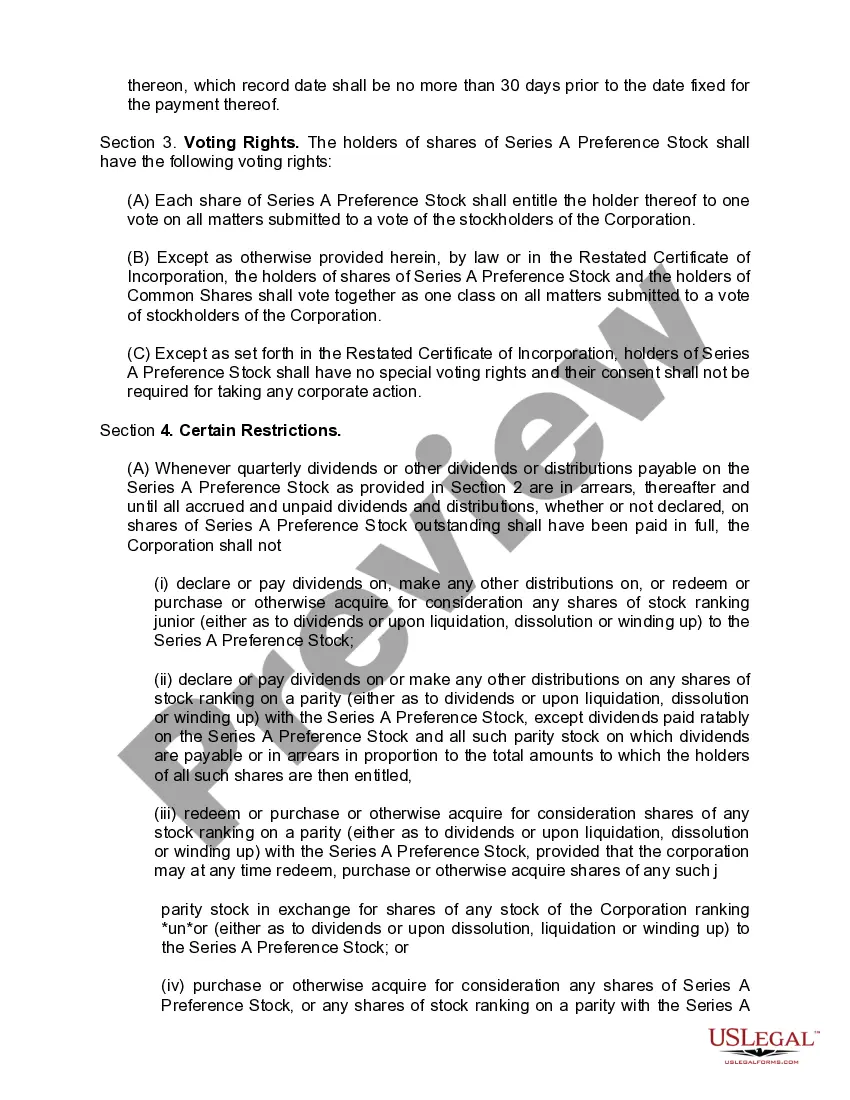
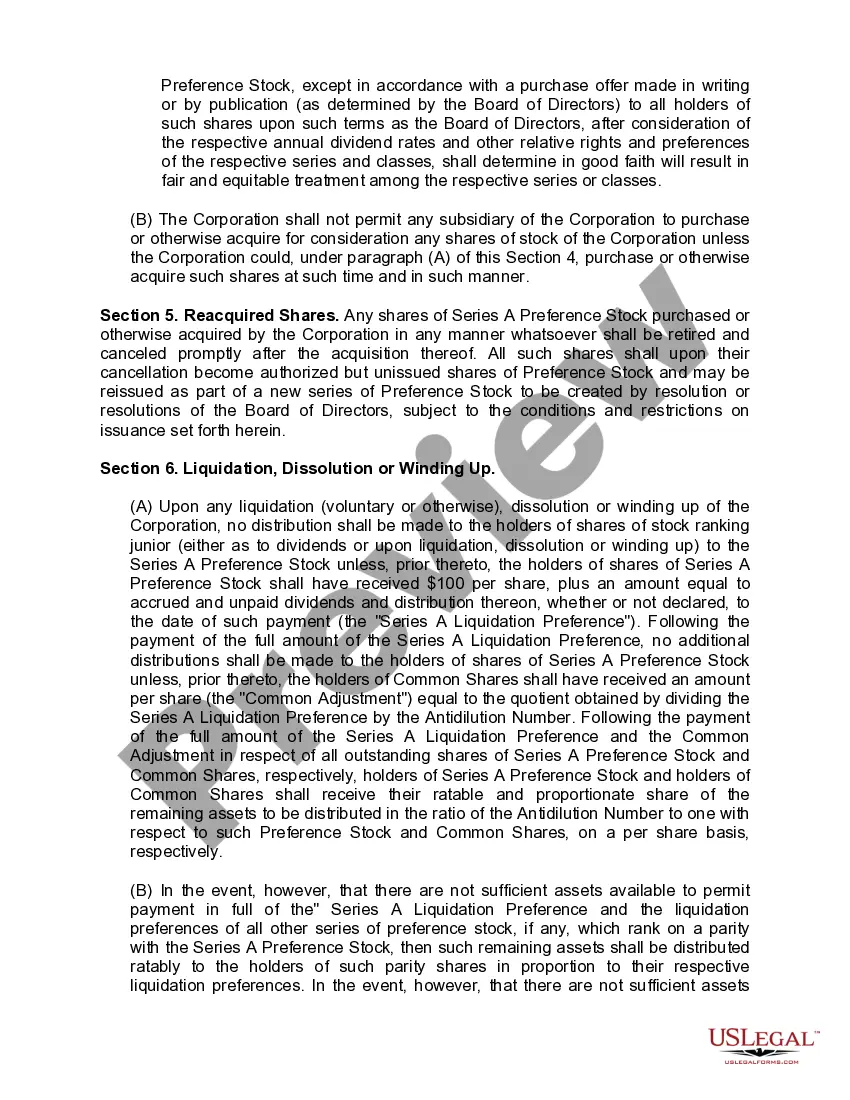
How to fill out Certificate Of Designation, Preferences And Rights Of Series A Junior Cumulative Preference Stock Of Oryx Energy Company?
Finding a go-to place to access the most current and appropriate legal samples is half the struggle of handling bureaucracy. Choosing the right legal documents calls for accuracy and attention to detail, which explains why it is crucial to take samples of Right For Stock only from reliable sources, like US Legal Forms. A wrong template will waste your time and delay the situation you are in. With US Legal Forms, you have very little to worry about. You can access and check all the details regarding the document’s use and relevance for your situation and in your state or county.
Take the following steps to complete your Right For Stock:
- Make use of the catalog navigation or search field to locate your sample.
- Open the form’s information to ascertain if it fits the requirements of your state and area.
- Open the form preview, if available, to ensure the form is the one you are looking for.
- Go back to the search and find the correct document if the Right For Stock does not fit your requirements.
- If you are positive regarding the form’s relevance, download it.
- If you are an authorized user, click Log in to authenticate and access your selected forms in My Forms.
- If you do not have a profile yet, click Buy now to obtain the template.
- Select the pricing plan that suits your needs.
- Go on to the registration to complete your purchase.
- Complete your purchase by picking a payment method (credit card or PayPal).
- Select the file format for downloading Right For Stock.
- Once you have the form on your device, you may alter it with the editor or print it and complete it manually.
Get rid of the hassle that comes with your legal documentation. Discover the comprehensive US Legal Forms collection where you can find legal samples, examine their relevance to your situation, and download them on the spot.
Form popularity
FAQ
You report your stock gains and losses in two places, Form 8949 and a Schedule D, to verify that your broker has supplied the IRS with a correct 1099-B.
How much do you need to invest to make $1,000 per month in dividends? Making $1,000 per month in dividends requires you to invest hundreds of thousands of dollars in dividend stocks. Though there is not technically an exact amount, many experts mark the range as being between $300,000 and $400,000.
Warrants - What's the difference between them? The biggest difference between rights and warrants is their lifespan. Rights will typically expire after a few weeks or months, while warrants can continue from one to several years.
The stock rights option gives a stockholder the choice of (1) buying additional stock at a price below the current market price for a specified period of time, usually briefer than the life span of stock purchase warrants, or (2) selling the rights on the market.?
The most common way to value a stock is to compute the company's price-to-earnings (P/E) ratio. The P/E ratio equals the company's stock price divided by its most recently reported earnings per share (EPS). A low P/E ratio implies that an investor buying the stock is receiving an attractive amount of value.