Stock Certificate Vs Share Certificate
Description
Get your form ready online
Our built-in tools help you complete, sign, share, and store your documents in one place.
Make edits, fill in missing information, and update formatting in US Legal Forms—just like you would in MS Word.
Download a copy, print it, send it by email, or mail it via USPS—whatever works best for your next step.
Sign and collect signatures with our SignNow integration. Send to multiple recipients, set reminders, and more. Go Premium to unlock E-Sign.
If this form requires notarization, complete it online through a secure video call—no need to meet a notary in person or wait for an appointment.
We protect your documents and personal data by following strict security and privacy standards.

Make edits, fill in missing information, and update formatting in US Legal Forms—just like you would in MS Word.

Download a copy, print it, send it by email, or mail it via USPS—whatever works best for your next step.

Sign and collect signatures with our SignNow integration. Send to multiple recipients, set reminders, and more. Go Premium to unlock E-Sign.

If this form requires notarization, complete it online through a secure video call—no need to meet a notary in person or wait for an appointment.

We protect your documents and personal data by following strict security and privacy standards.
Looking for another form?
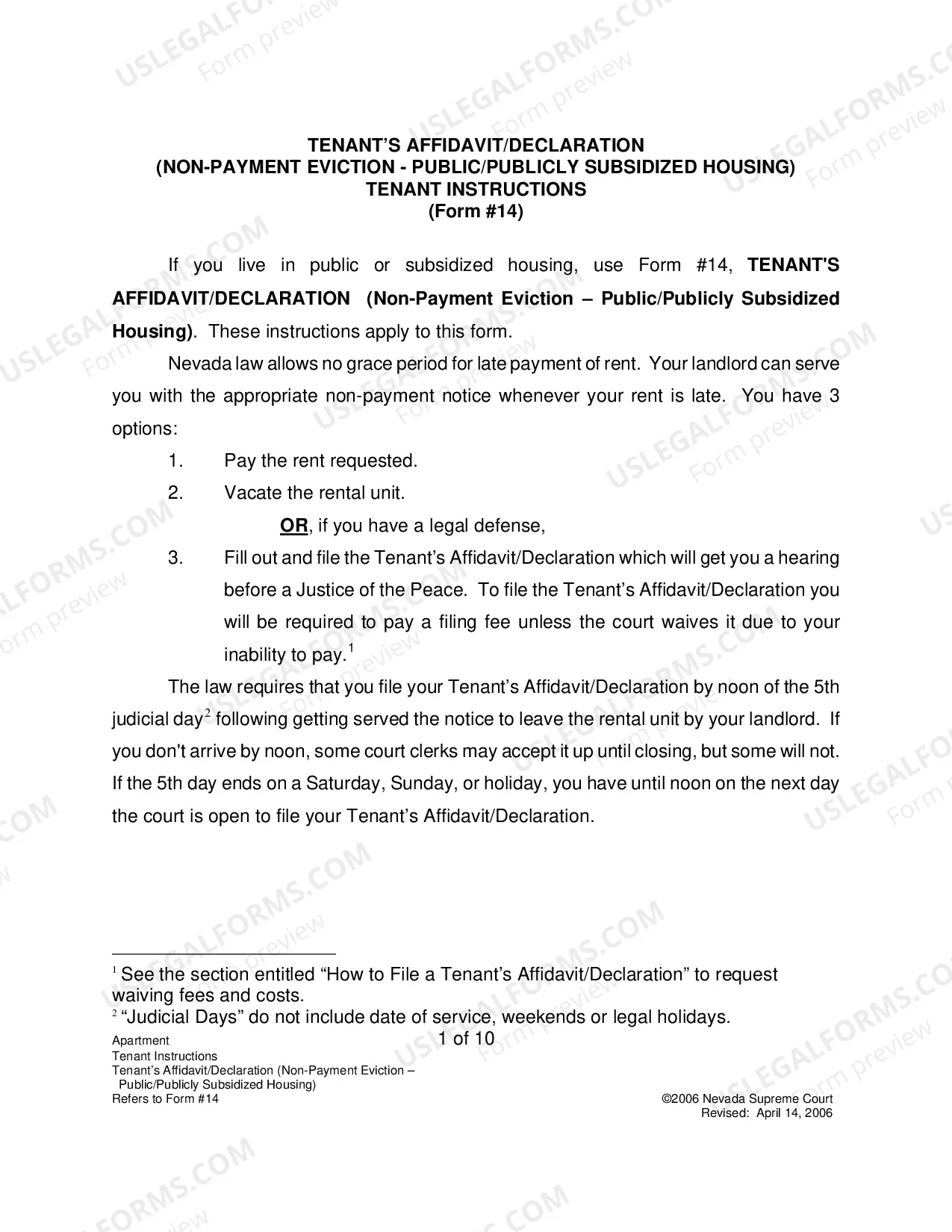




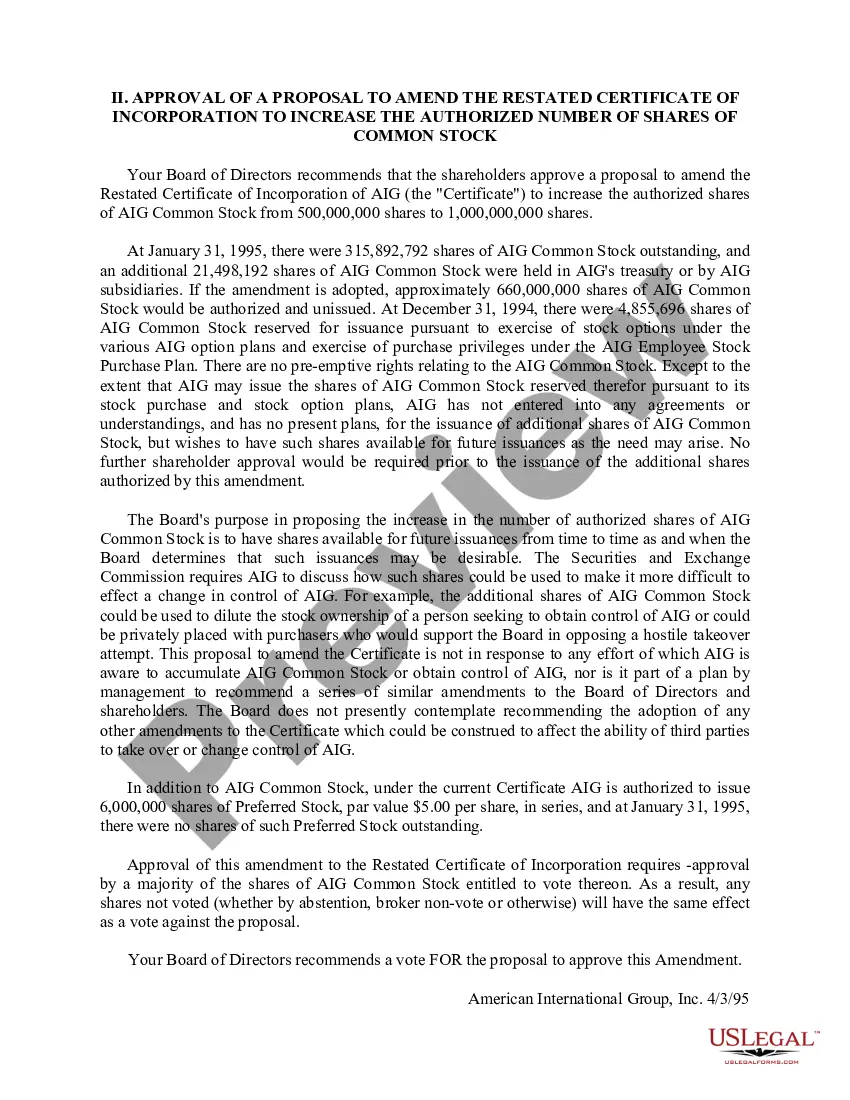
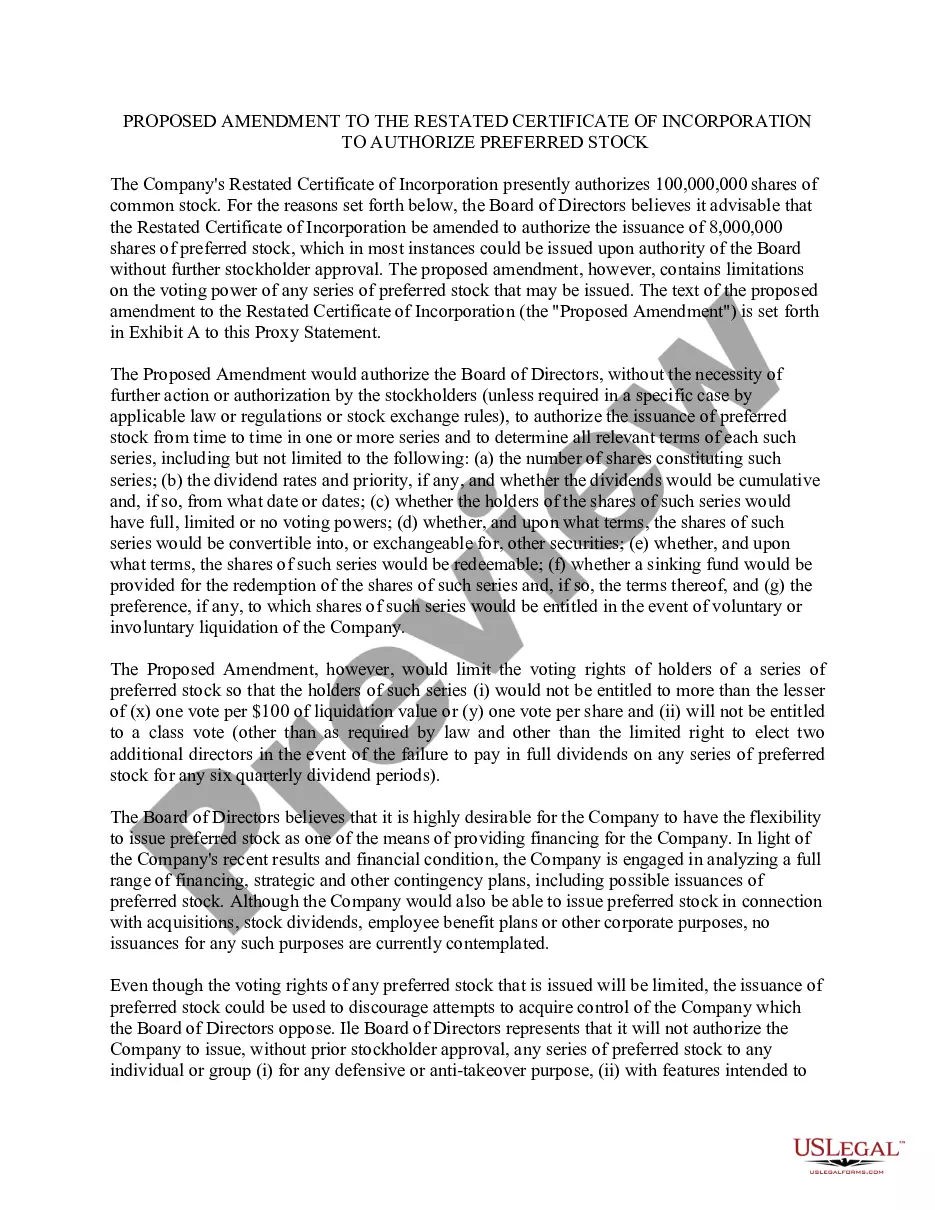
How to fill out Proposal To Amend Restated Certificate Of Incorporation Regarding Increasing Authorized Number Of Shares Of Common Stock?
Identifying a reliable location to obtain the latest and suitable legal templates represents a significant portion of managing bureaucracy.
Securing the appropriate legal documents necessitates precision and meticulousness, making it essential to source samples of Stock Certificate Vs Share Certificate exclusively from trusted providers, such as US Legal Forms. An incorrect template can squander your time and prolong your current situation. With US Legal Forms, your concerns are minimal.
After obtaining the form on your device, you can modify it using an editor or print it to fill out manually. Eliminate the complications associated with your legal paperwork. Browse through the extensive US Legal Forms library to discover legal templates, assess their applicability to your situation, and download them instantly.
- Utilize the library navigation or search feature to find your template.
- Review the description of the form to ensure it meets the criteria for your state and region.
- View the form preview, if available, to confirm that the template is indeed what you need.
- Return to the search to locate the appropriate document if the Stock Certificate Vs Share Certificate does not meet your requirements.
- Once you are certain of the form’s suitability, download it.
- If you are a registered user, click Log in to verify your identity and access your chosen forms in My documents.
- If you do not yet have an account, click Buy now to acquire the template.
- Choose the pricing option that aligns with your needs.
- Proceed with the registration to complete your purchase.
- Complete your transaction by selecting a payment method (credit card or PayPal).
- Choose the format in which you wish to download Stock Certificate Vs Share Certificate.
Form popularity
FAQ
Yes, a share certificate is essentially the same as a stock certificate, as both represent ownership in a company. While the terms can be used interchangeably in most situations, it is helpful to understand that regional preferences might influence their usage. By grasping the stock certificate vs share certificate dialogue, you can communicate more effectively. US Legal Forms offers valuable resources to clarify these concepts further.
The difference between a share certificate and a stock certificate lies primarily in terminology rather than function. A share certificate typically denotes an ownership stake in a corporation, while a stock certificate serves the same purpose but may be more commonly used in certain contexts. Recognizing this subtlety can enhance your conversations about ownership. For detailed information, consider exploring US Legal Forms for clear definitions and examples.
The two types of share certificates are physical certificates and electronic certificates. A physical certificate is a tangible document that shareholders receive to represent their shares. In contrast, an electronic certificate is a digital record maintained by a brokerage or financial institution. Understanding the stock certificate vs share certificate distinction can aid in choosing the best option for your needs.
Another name for a share certificate is a stock certificate. Both terms refer to a document that represents ownership in a company or corporation. However, while the terms are often used interchangeably, understanding the nuances can help clarify discussions about ownership. On platforms like US Legal Forms, you can find resources to help navigate these terms effectively.
Another name for a stock certificate is a share certificate. Both terms refer to a document that represents ownership in a company. When looking at stock certificate vs share certificate, you will find that they serve the same purpose but may differ in terms of usage and context. For clarity and convenience, US Legal Forms can assist you in understanding these terms and provide the necessary documents for your needs.
One disadvantage of a share certificate is that it can be lost or damaged, making it difficult for the owner to prove their ownership. Additionally, share certificates may involve more administrative work when transferring ownership compared to digital alternatives. In the discussion of stock certificate vs share certificate, it's essential to note that the latter often requires more physical handling and storage, which can lead to complications. If you are considering the best way to manage your shares, US Legal Forms provides resources to help streamline the process.
To obtain a stock certificate, start by contacting the company that issued the shares. You can request a physical certificate or an electronic version, depending on the company's policies. Keep in mind that a stock certificate is different from a share certificate, though both serve as proof of ownership. If you need assistance navigating the process, consider using platforms like US Legal Forms, which can streamline the paperwork required for your request.