Majority Voting For Directors
Description
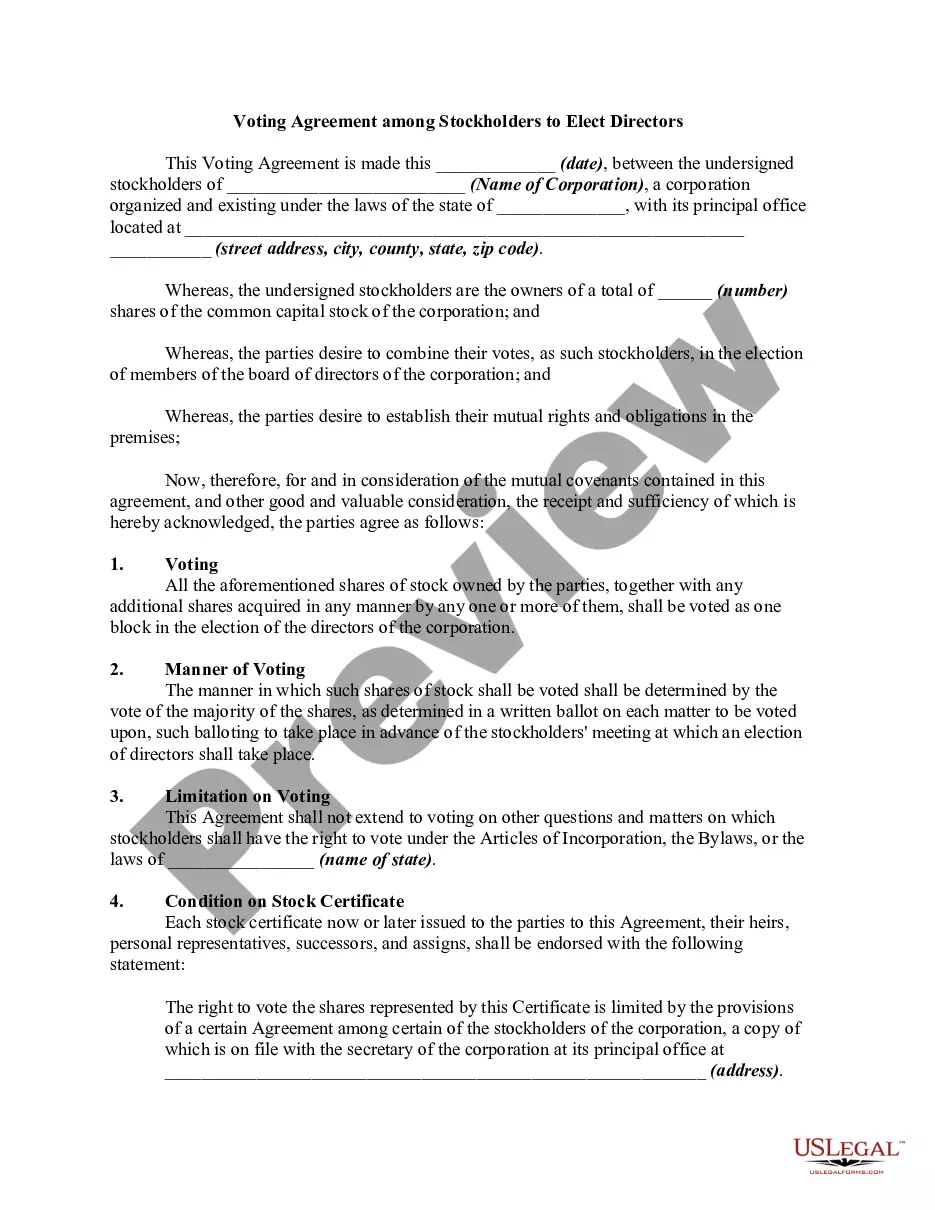
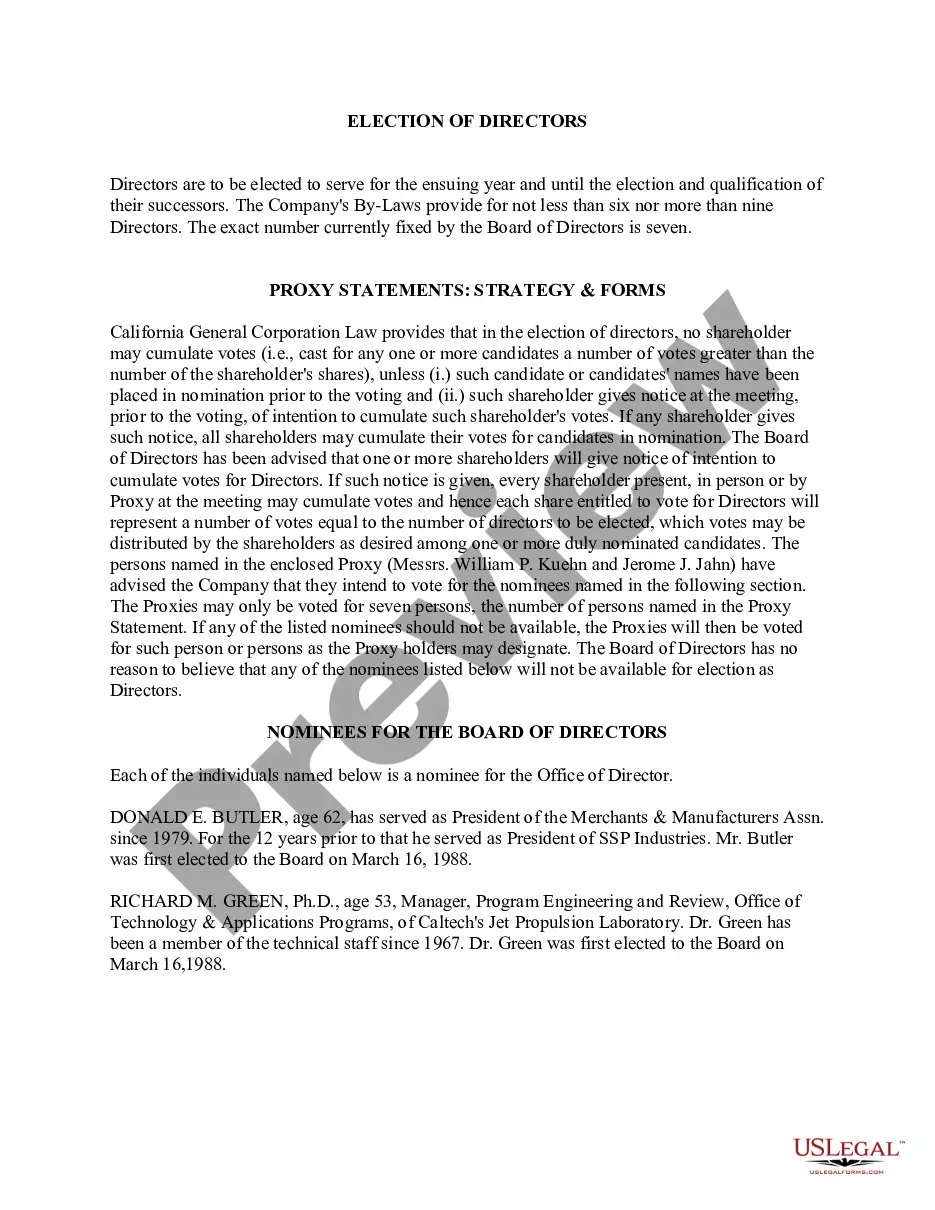
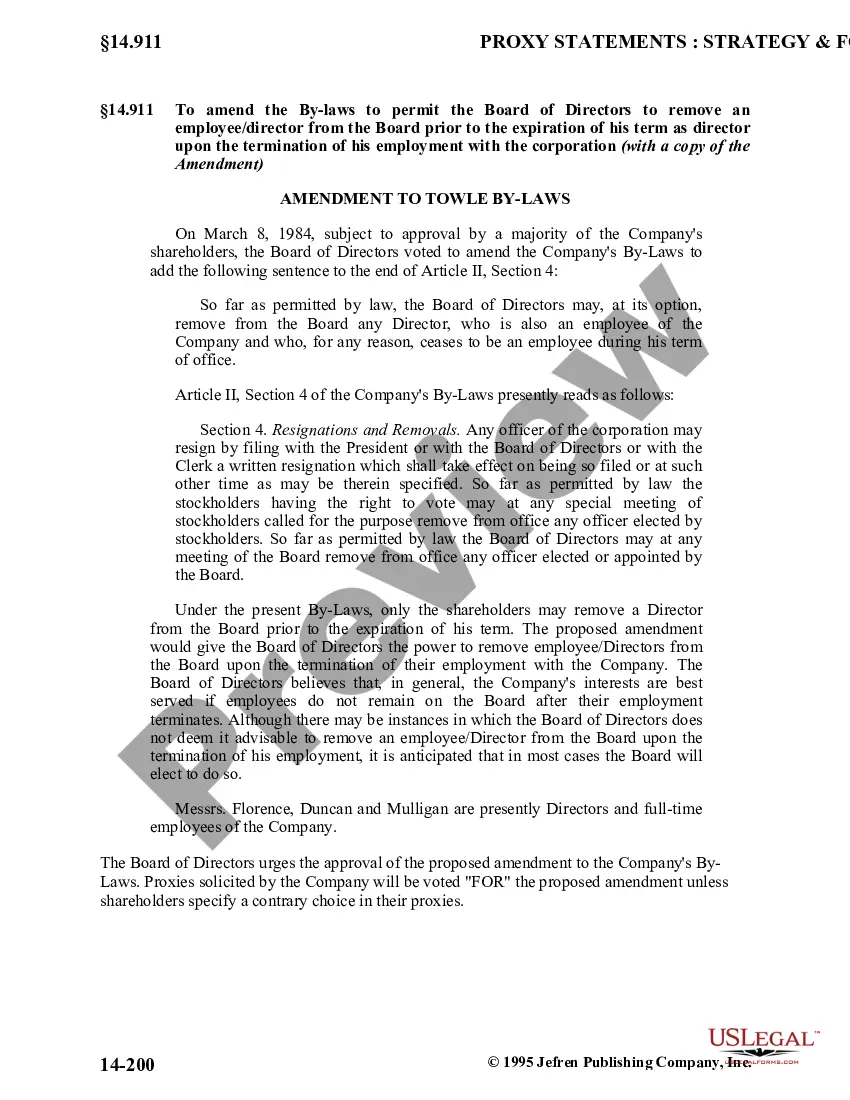

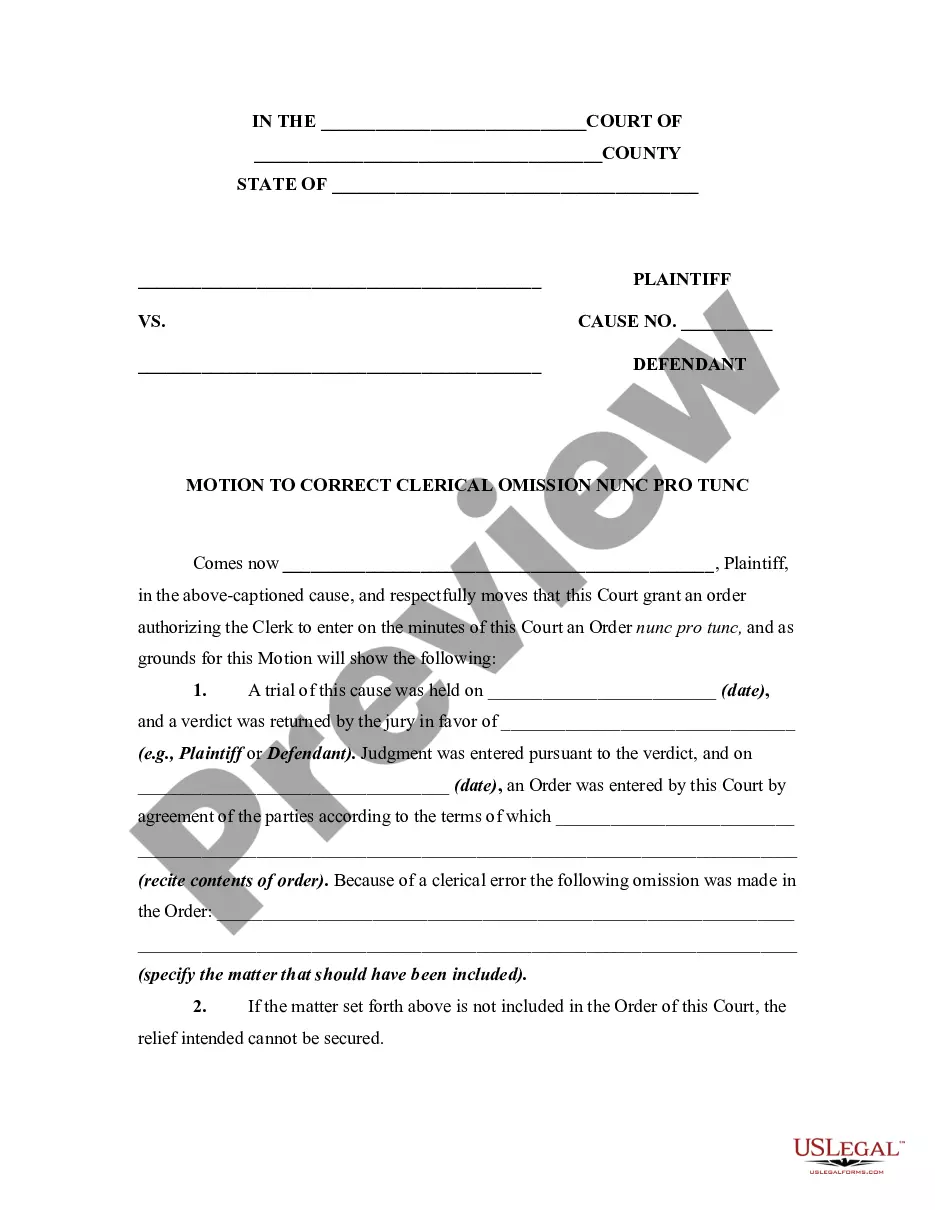
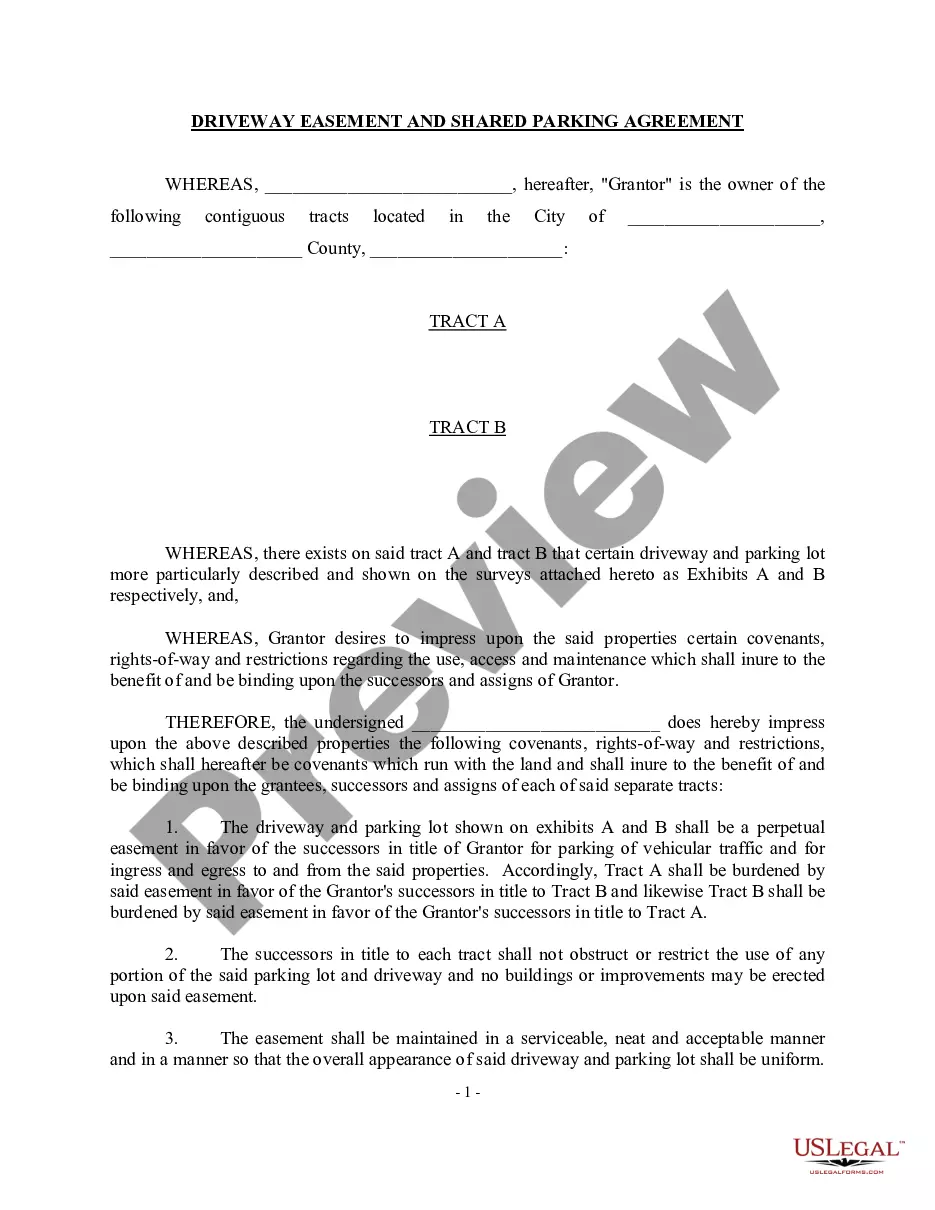

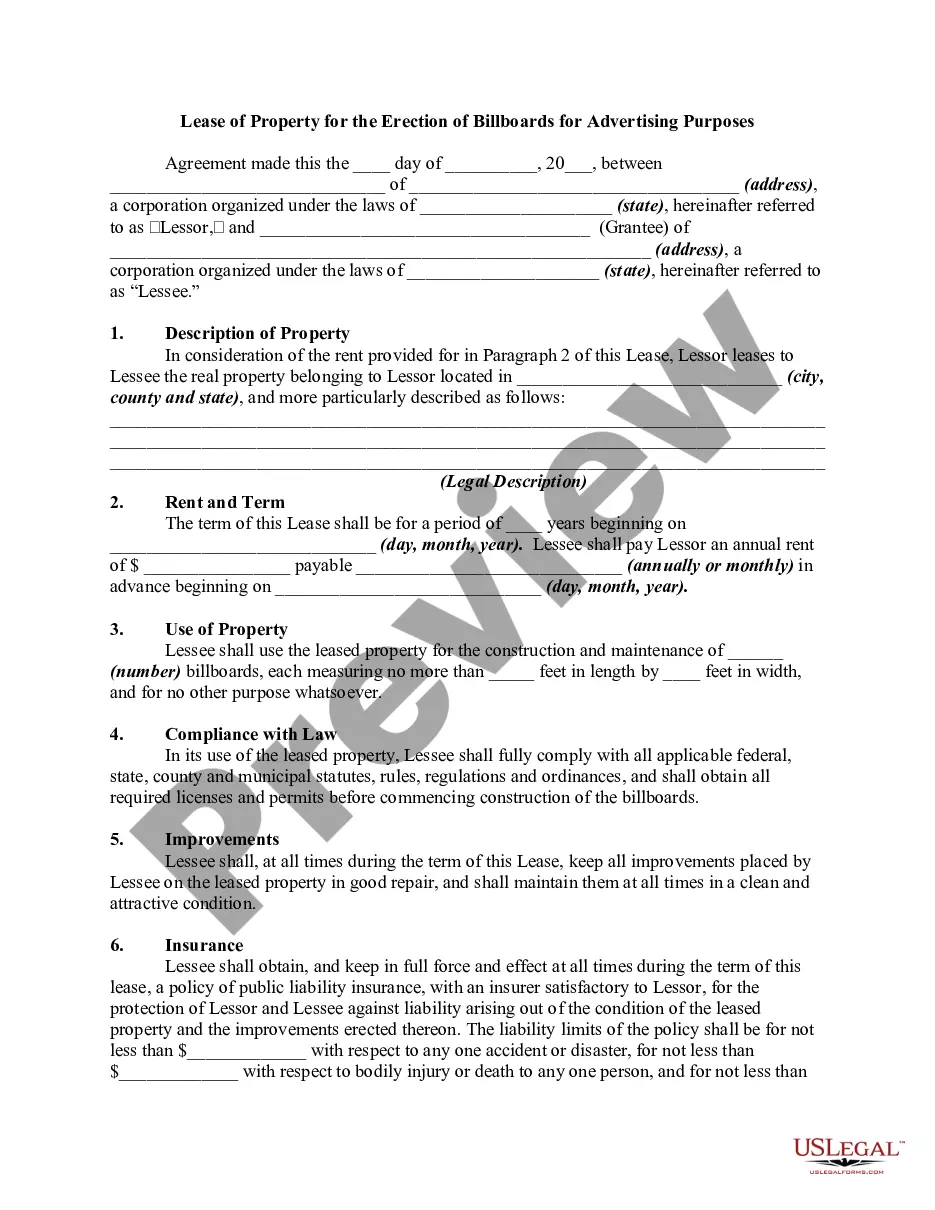
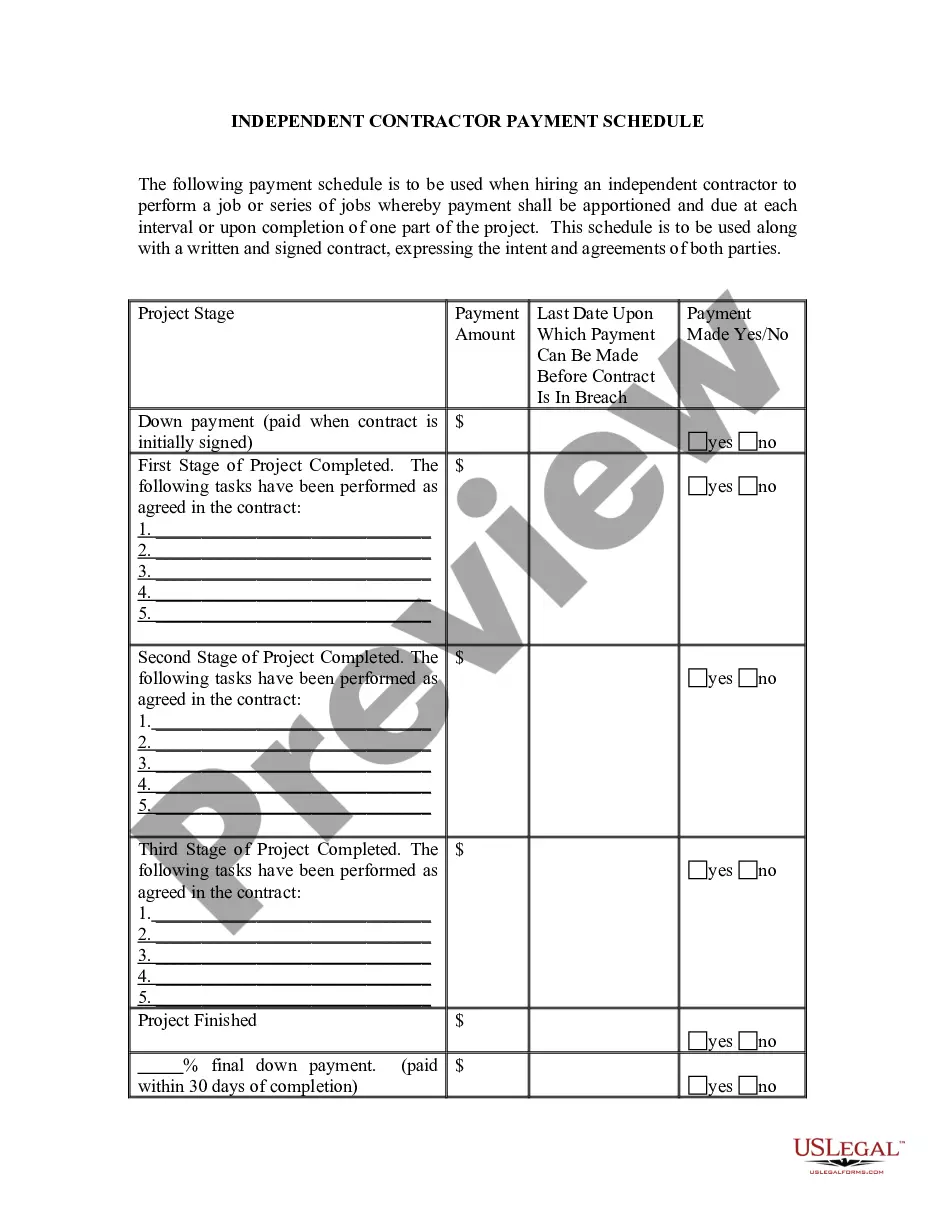
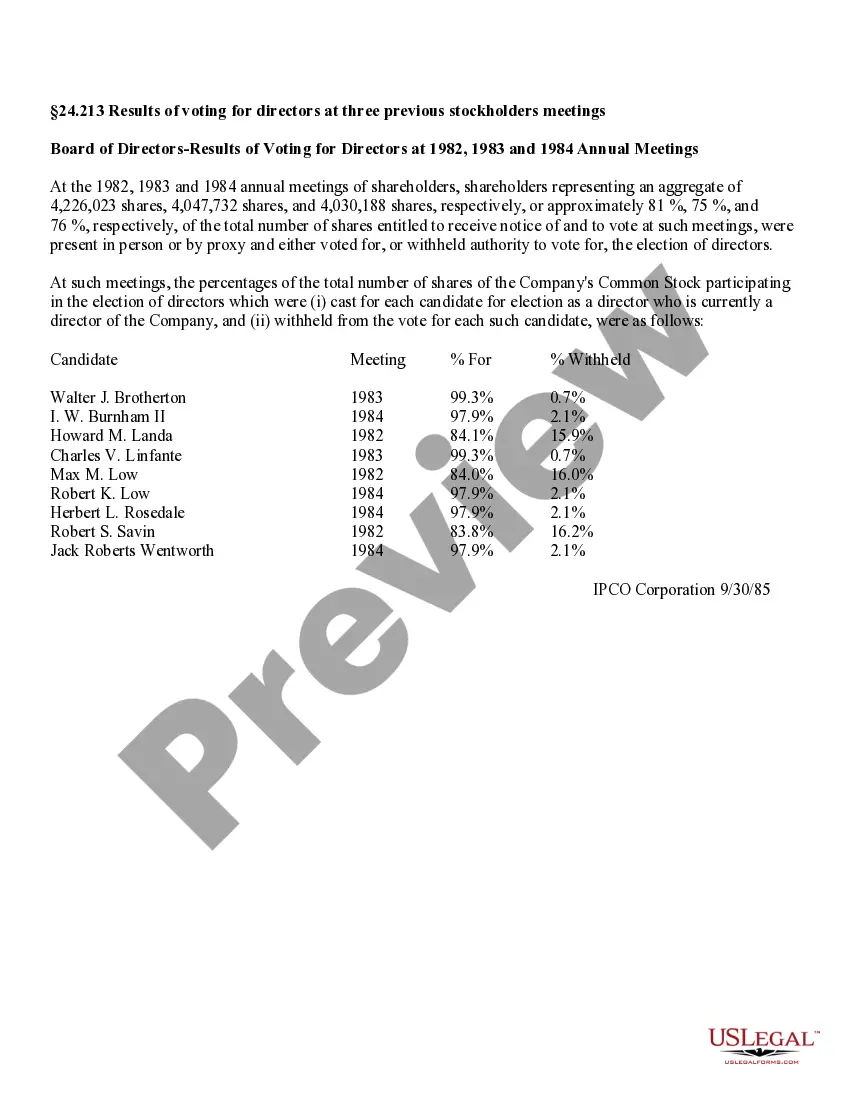
How to fill out Results Of Voting For Directors At Three Previous Stockholders Meetings?
The Predominant Voting For Directors showcased on this page is a reusable legal format crafted by expert attorneys in accordance with national and regional statutes and regulations.
For over 25 years, US Legal Forms has delivered individuals, companies, and legal professionals more than 85,000 confirmed, state-focused forms for any professional and personal situation. It is the most rapid, easiest, and most reliable means to acquire the documents you require, as the service ensures the utmost level of data protection and anti-malware security.
Utilize the same document again whenever necessary. Access the My documents tab in your account to redownload any previously saved forms. Join US Legal Forms to have authentic legal templates for all of life’s situations available at your fingertips.
- Search for the document you require and review it.
- Browse through the sample you found and preview it or examine the form description to ensure it meets your needs. If it doesn't, utilize the search function to discover the appropriate one. Click Buy Now when you have identified the template you require.
- Select a subscription plan and create an account. Choose the pricing option that fits you and register. Use PayPal or a debit/credit card for a swift payment. If you possess an existing account, Log In and check your subscription to proceed.
- Obtain the editable template. Pick the format you desire for your Predominant Voting For Directors (PDF, Word, RTF) and download the sample onto your device.
- Fill out and sign the document. Print the template for manual completion. Alternatively, employ an online versatile PDF editor to quickly and accurately fill out and sign your form with a valid signature.
Form popularity
FAQ
When unqualified, a "majority vote" is taken to mean more than half of the votes cast. If 30 members were at a meeting, but only 20 votes were cast, a majority vote would be 11 votes.
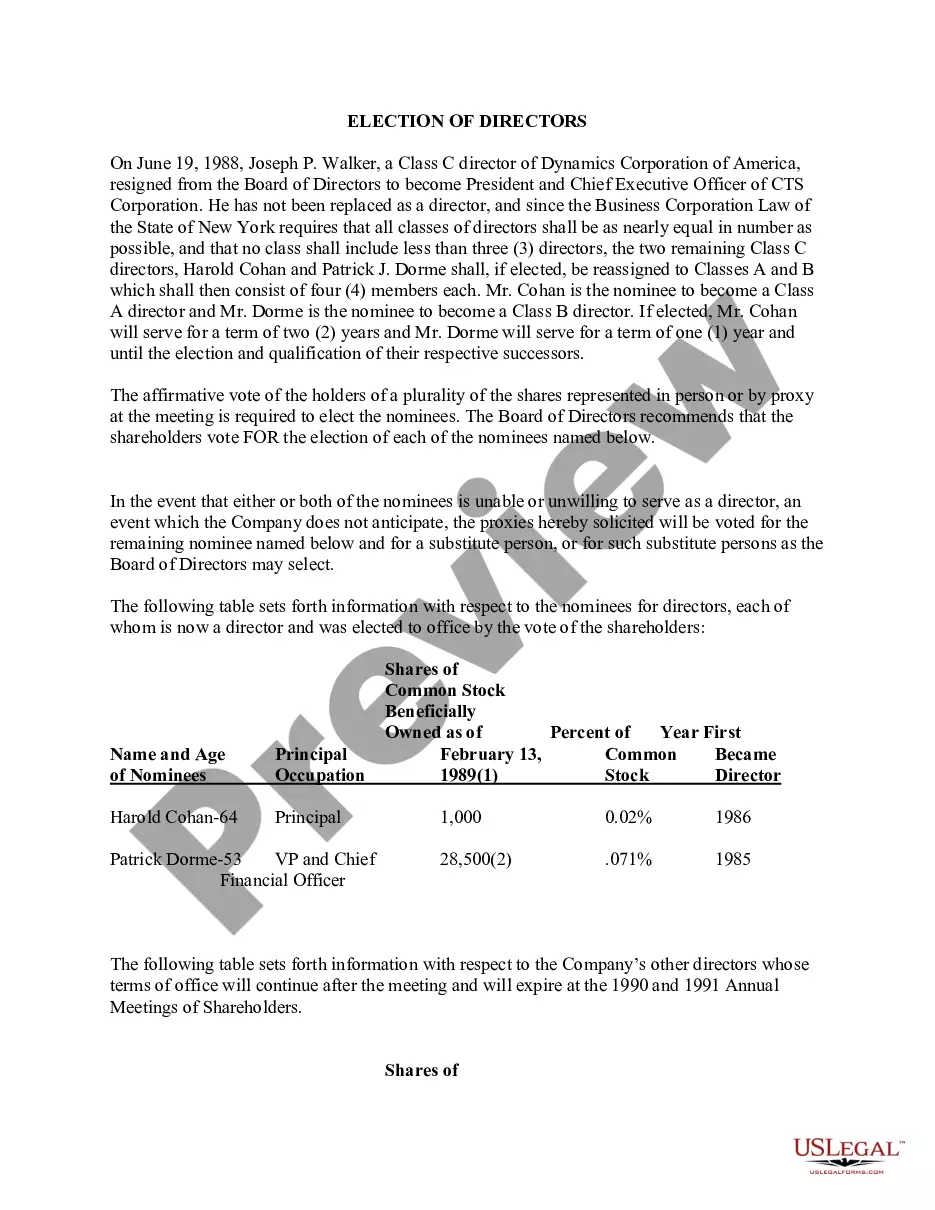
There are two main ways to elect directors: by plurality vote or majority vote. A "plurality vote" means that the winning candidate only needs to get more votes than a competing candidate. If a director runs unopposed, he or she only needs one vote to be elected, so an "against" vote is meaningless.
In most legal systems, the appointment and removal of directors is voted upon by the shareholders in general meeting or through a proxy statement. For publicly traded companies in the U.S., the directors which are available to vote on are largely selected by either the board as a whole or a nominating committee.
By statute, ?Each director present and voting at a meeting shall have one vote on each matter presented to the board of directors for action at that meeting.? (Corp. Code § 7211(c).) This principle is also reflected in Robert's Rules of Order (11th ed., p.
Election and removal In most legal systems, the appointment and removal of directors is voted upon by the shareholders in general meeting or through a proxy statement.