Stock Appreciation Right With Dividends
Description
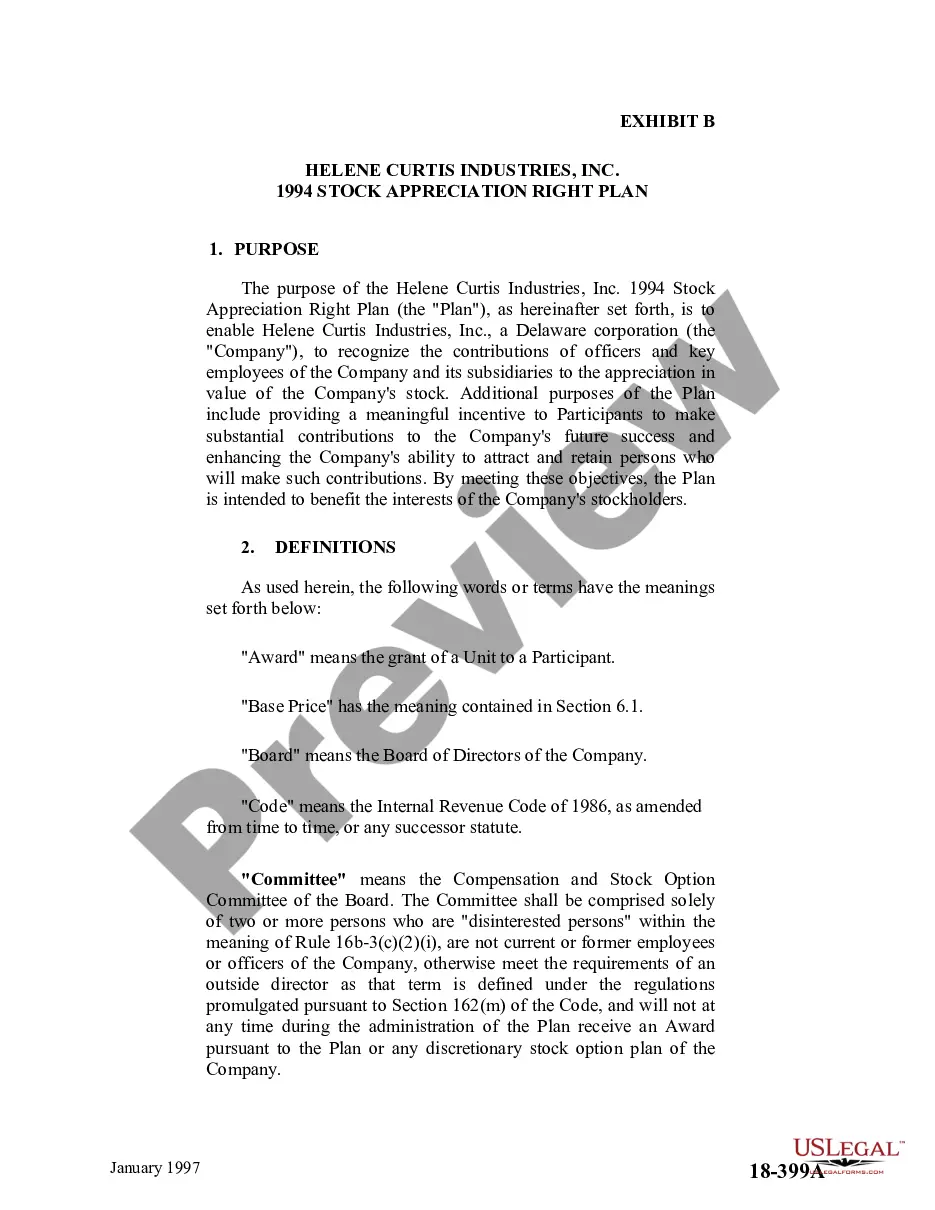
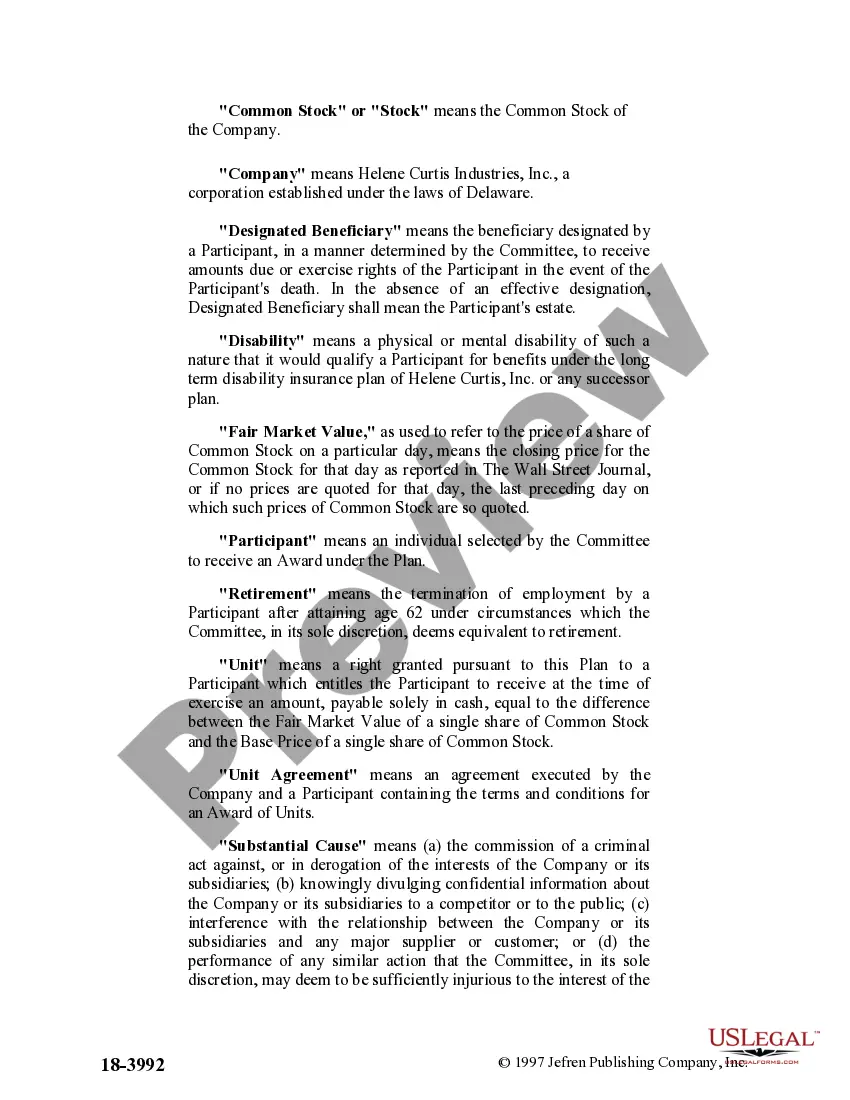
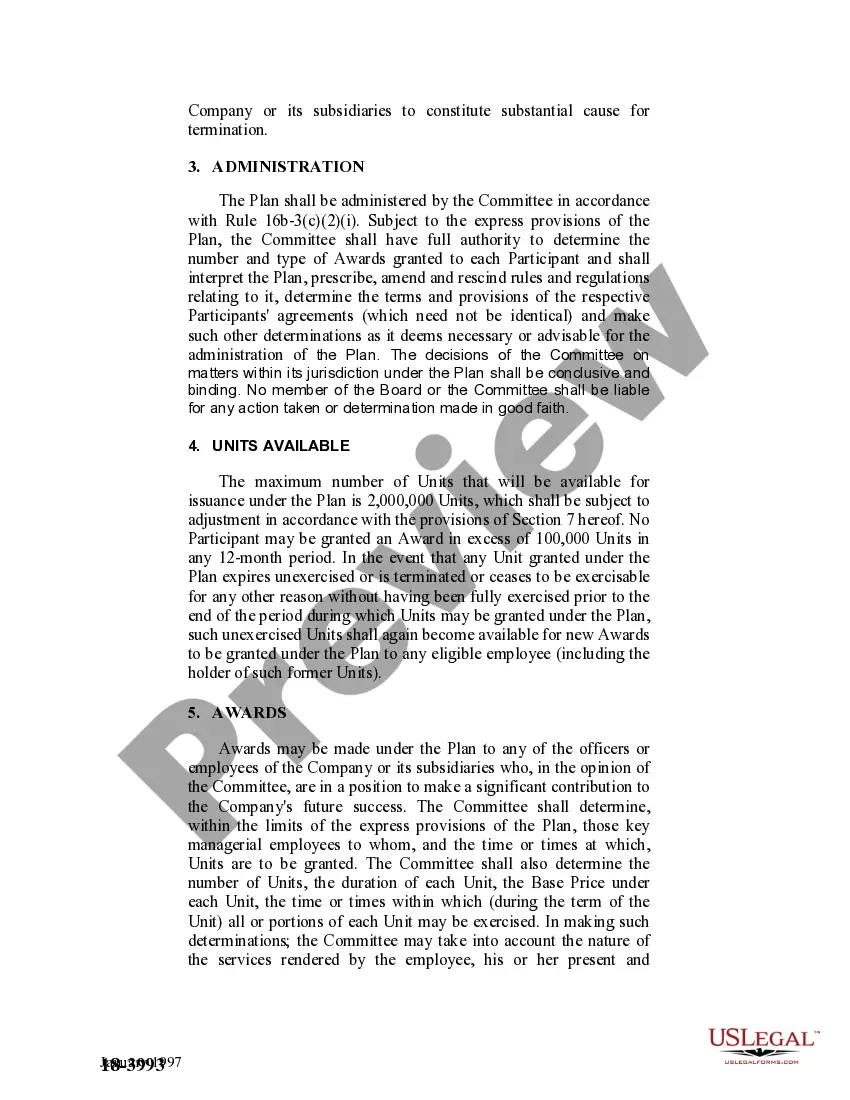
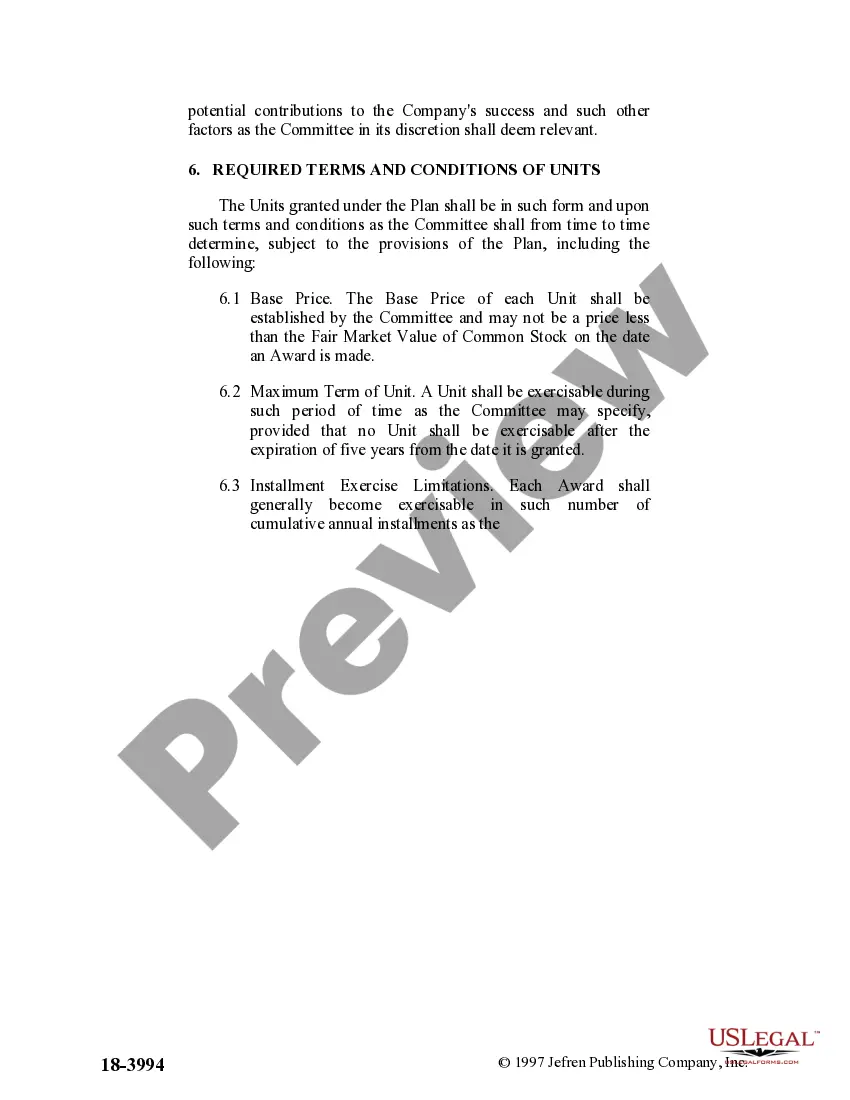


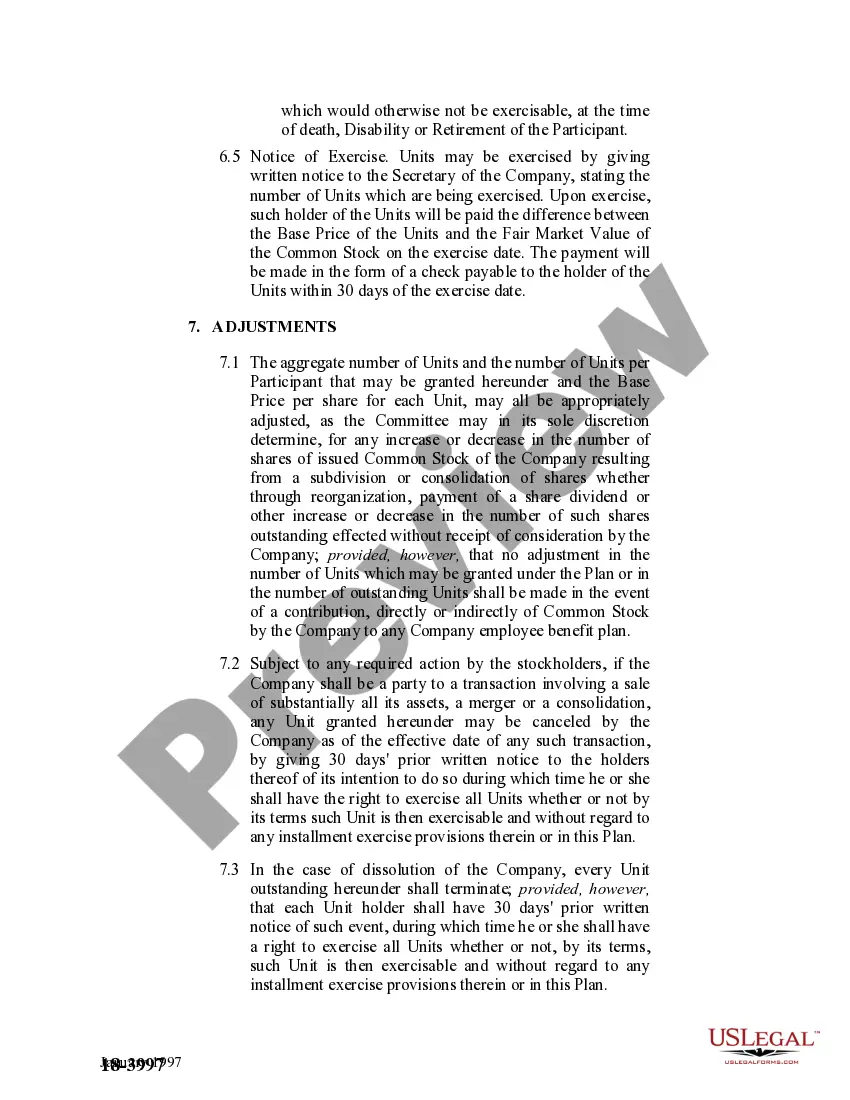
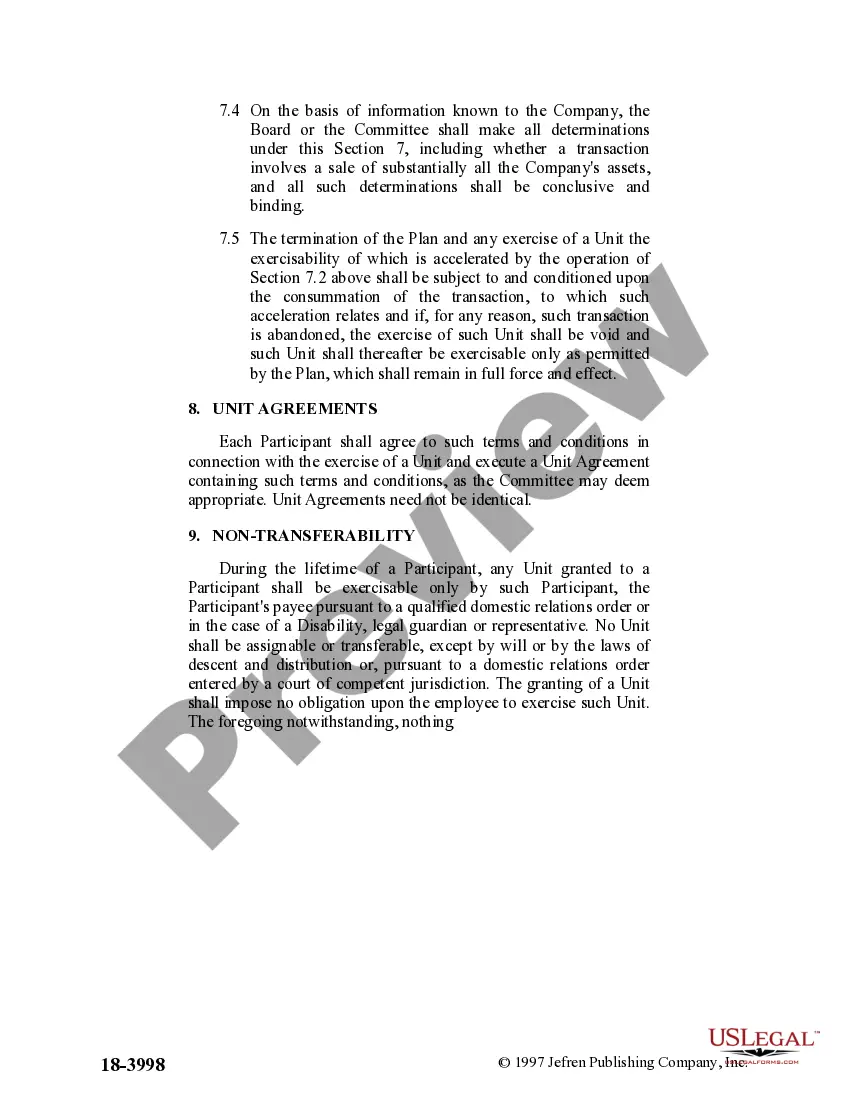







Get your form ready online
Our built-in tools help you complete, sign, share, and store your documents in one place.
Make edits, fill in missing information, and update formatting in US Legal Forms—just like you would in MS Word.
Download a copy, print it, send it by email, or mail it via USPS—whatever works best for your next step.
Sign and collect signatures with our SignNow integration. Send to multiple recipients, set reminders, and more. Go Premium to unlock E-Sign.
If this form requires notarization, complete it online through a secure video call—no need to meet a notary in person or wait for an appointment.
We protect your documents and personal data by following strict security and privacy standards.

Make edits, fill in missing information, and update formatting in US Legal Forms—just like you would in MS Word.

Download a copy, print it, send it by email, or mail it via USPS—whatever works best for your next step.

Sign and collect signatures with our SignNow integration. Send to multiple recipients, set reminders, and more. Go Premium to unlock E-Sign.

If this form requires notarization, complete it online through a secure video call—no need to meet a notary in person or wait for an appointment.

We protect your documents and personal data by following strict security and privacy standards.
Looking for another form?








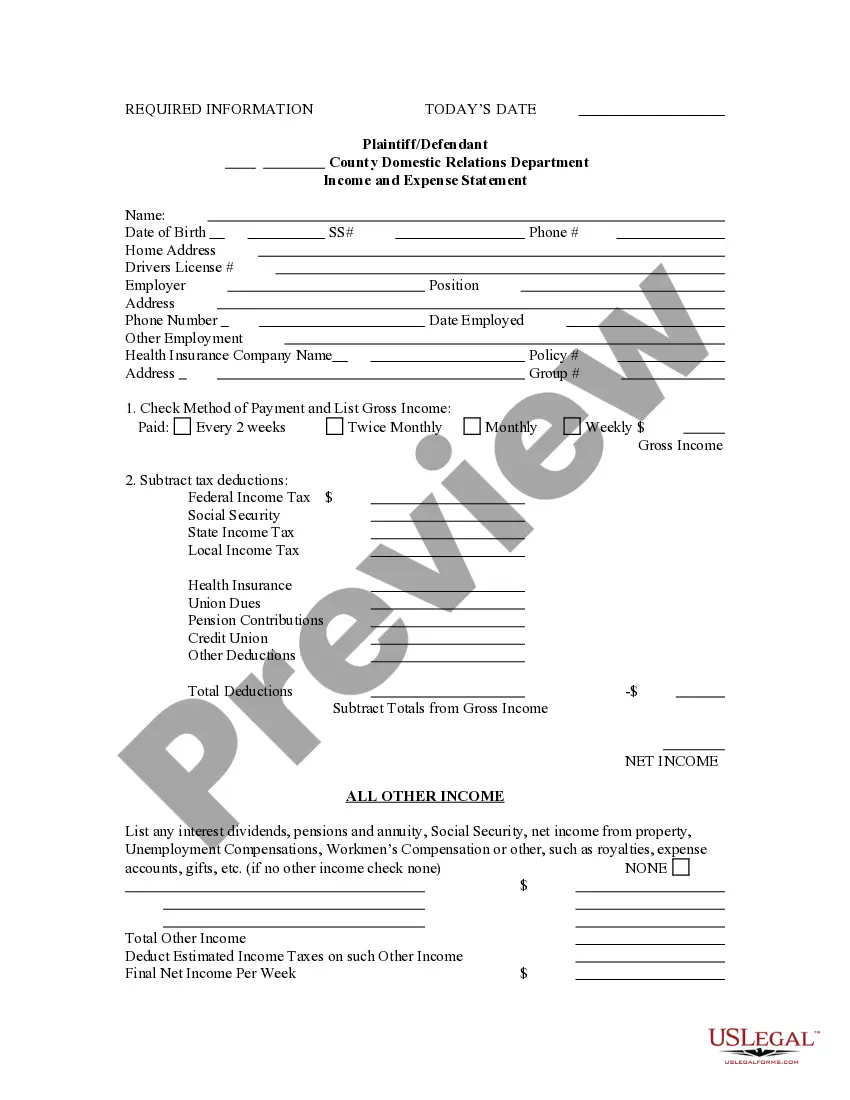

How to fill out Stock Appreciation Right Plan Of Helene Curtis Industries, Inc.?
- For returning users, log in to your account, ensuring your subscription is current. Click the Download button to save the needed template directly to your device.
- If you're a new user, first verify the form in Preview mode to confirm it meets your local jurisdiction requirements.
- If the form doesn't match your needs, use the Search tab to find a different template that works for you.
- After selecting the appropriate document, click the Buy Now button and pick your preferred subscription plan. You'll need to register for a new account to access the available resources.
- Complete your purchase by entering your credit card information or using PayPal for payment.
- Finally, download the form and save it on your device to access it anytime through the My Forms section.
In conclusion, US Legal Forms empowers you with an extensive library of over 85,000 editable legal forms coupled with expert assistance to ensure your documents are legally sound. Enjoy the benefits of being part of a robust platform dedicated to simplifying legal processes.
Start your experience today with US Legal Forms and secure your stock appreciation right with dividends effortlessly.
Form popularity
FAQ
The IRS outlines the taxation rules for stock appreciation rights, a valuable component for employees and executives. When you receive a stock appreciation right with dividends, the IRS requires you to report the income as it is realized. Understanding how the IRS treats these rights can help you navigate tax implications effectively. Properly managing this can enhance your financial planning and investment strategies.
The 83 B stock appreciation rights allow employees to include any increase in stock value from the time they receive the rights in their taxable income. This means you can recognize gains sooner, potentially minimizing your tax burden. By opting for an 83 B election on your stock appreciation right with dividends, you can enjoy the financial benefits of your company's growth sooner than expected. It’s essential to understand this option, as it can affect your overall financial strategy.
To obtain stock appreciation rights with dividends, typically you must be an employee of a company that offers such benefits. Companies often grant these rights as part of an incentive or compensation package. Checking with your Human Resources department or referring to your employment agreement can clarify your eligibility and options.
While not directly related to stock appreciation rights with dividends, fluctuations in exchange rates can impact investments and earnings if you hold assets denominated in foreign currencies. Significant currency appreciation can erode potential gains, making it harder for investors to realize profits. It's essential to consider these factors when evaluating your overall financial strategy.
To exercise stock appreciation rights with dividends, you typically need to notify your company of your intent to exercise. Follow the procedures outlined in your company's stock appreciation rights plan, which usually includes filling out a specific form. Ensure you understand the tax implications of your exercise as well.
Yes, income from stock appreciation rights with dividends is generally subject to taxation. The amount you gain upon exercise becomes taxable income in the year you exercise your rights. It's wise to consult with a tax professional to fully understand how this may impact your financial situation.
Yes, stock appreciation rights with dividends can have expiration dates. They often come with a predetermined term during which you can exercise them. Be sure to check your company's plan to understand when your rights may expire and plan accordingly to avoid losing potential value.
The $3000 capital loss rule allows you to offset capital gains with losses on your investments, including those involving stock appreciation rights with dividends. If your capital losses exceed your capital gains, you can deduct up to $3000 from your ordinary income each tax year. This rule provides a valuable opportunity to reduce tax liabilities if you find yourself with unrealized losses. Exploring these aspects can enhance your investment strategies significantly.
Stock appreciation with dividends is subject to taxation. When you exercise stock appreciation rights, the gains are typically considered ordinary income and taxed accordingly. It's essential to keep in mind that the timing of your exercise and sell decisions can impact your tax liabilities. Consulting with a tax advisor can help you navigate the complexities of stock appreciation taxation.
Stock appreciation rights are generally taxed at regular income tax rates upon exercise, rather than as capital gains. This means when you realize the gain from exercising these rights, the income appears on your W-2. However, if you hold shares acquired through the exercise and later sell them at a profit, that profit may be subject to capital gains tax.