Stock Options Startup
Description



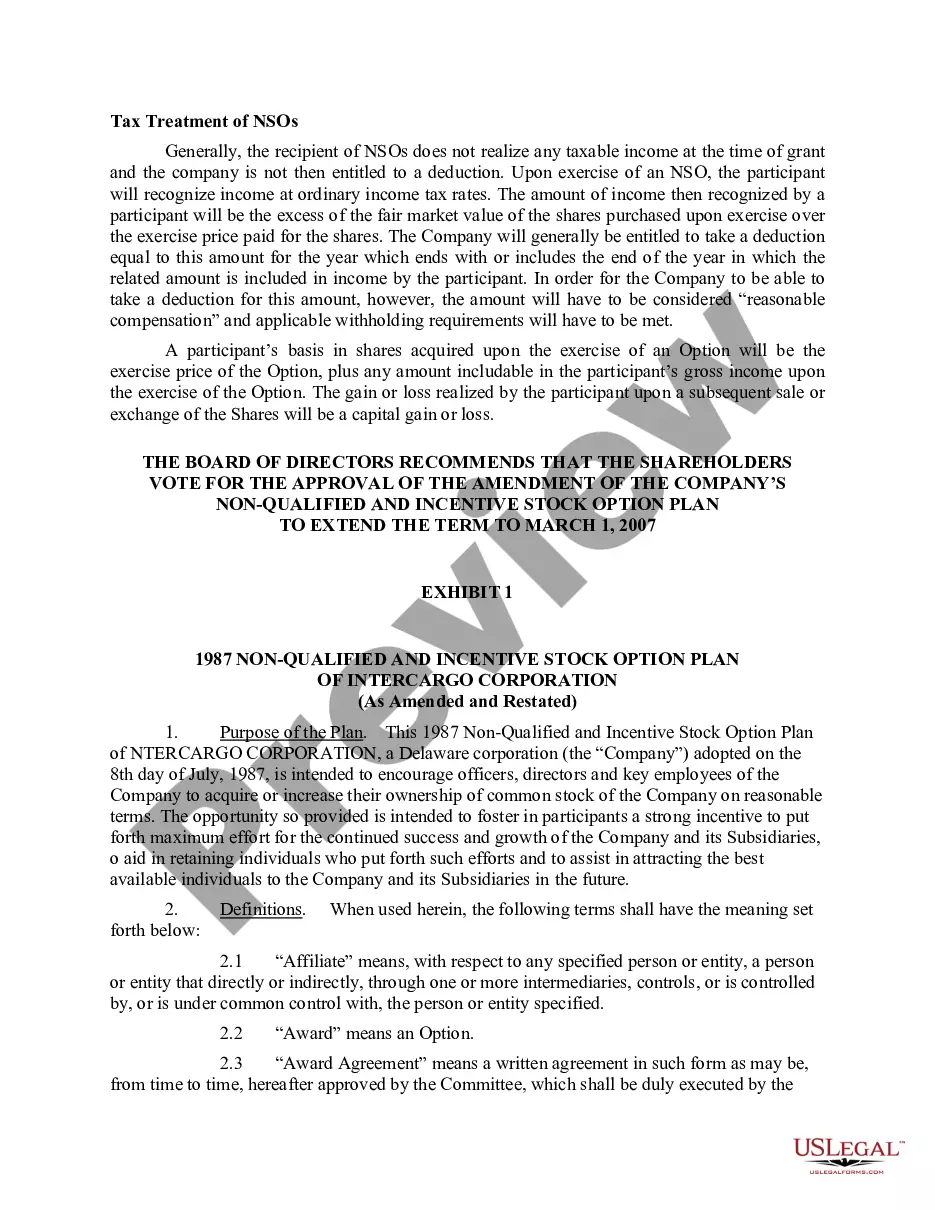
Get your form ready online
Our built-in tools help you complete, sign, share, and store your documents in one place.
Make edits, fill in missing information, and update formatting in US Legal Forms—just like you would in MS Word.
Download a copy, print it, send it by email, or mail it via USPS—whatever works best for your next step.
Sign and collect signatures with our SignNow integration. Send to multiple recipients, set reminders, and more. Go Premium to unlock E-Sign.
If this form requires notarization, complete it online through a secure video call—no need to meet a notary in person or wait for an appointment.
We protect your documents and personal data by following strict security and privacy standards.

Make edits, fill in missing information, and update formatting in US Legal Forms—just like you would in MS Word.

Download a copy, print it, send it by email, or mail it via USPS—whatever works best for your next step.

Sign and collect signatures with our SignNow integration. Send to multiple recipients, set reminders, and more. Go Premium to unlock E-Sign.

If this form requires notarization, complete it online through a secure video call—no need to meet a notary in person or wait for an appointment.

We protect your documents and personal data by following strict security and privacy standards.
Looking for another form?
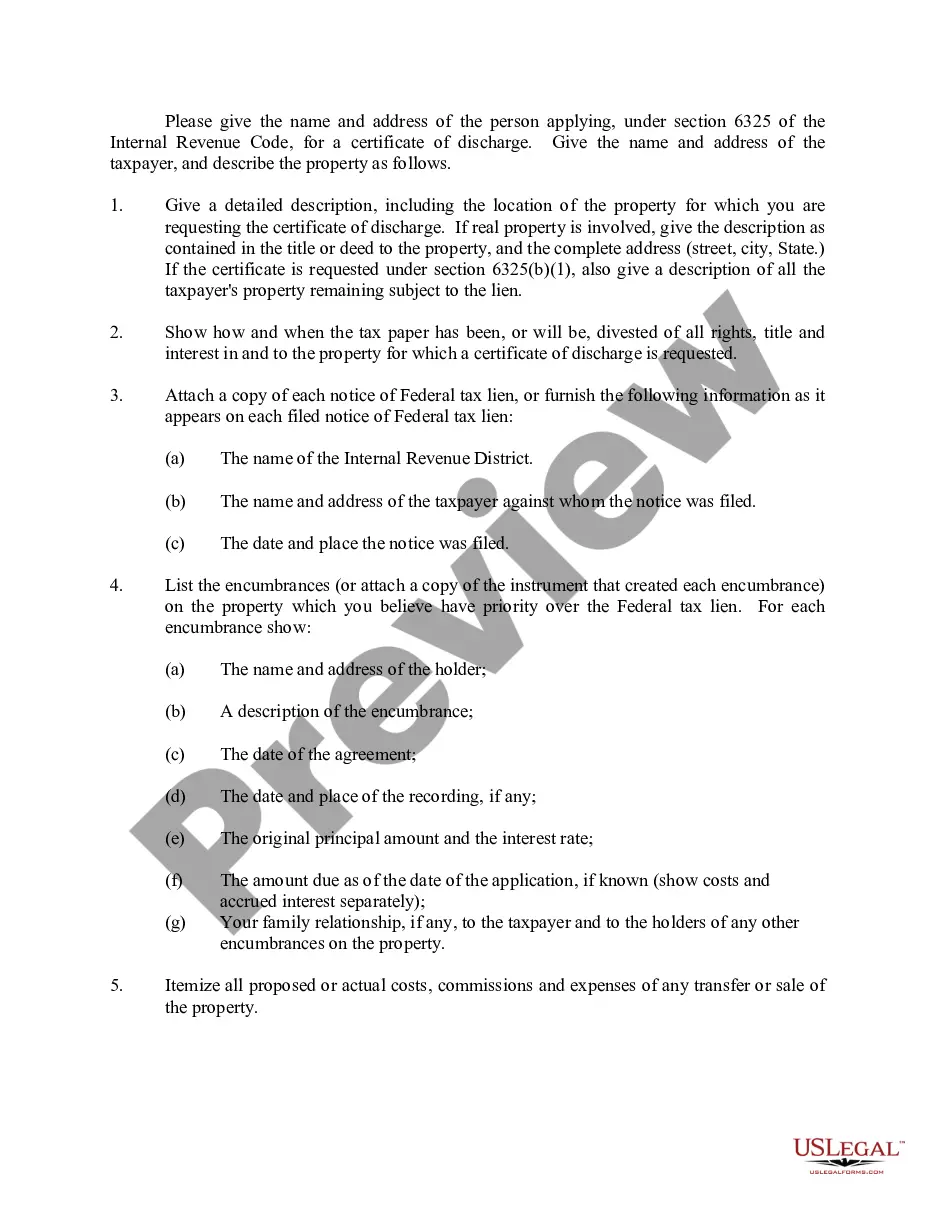






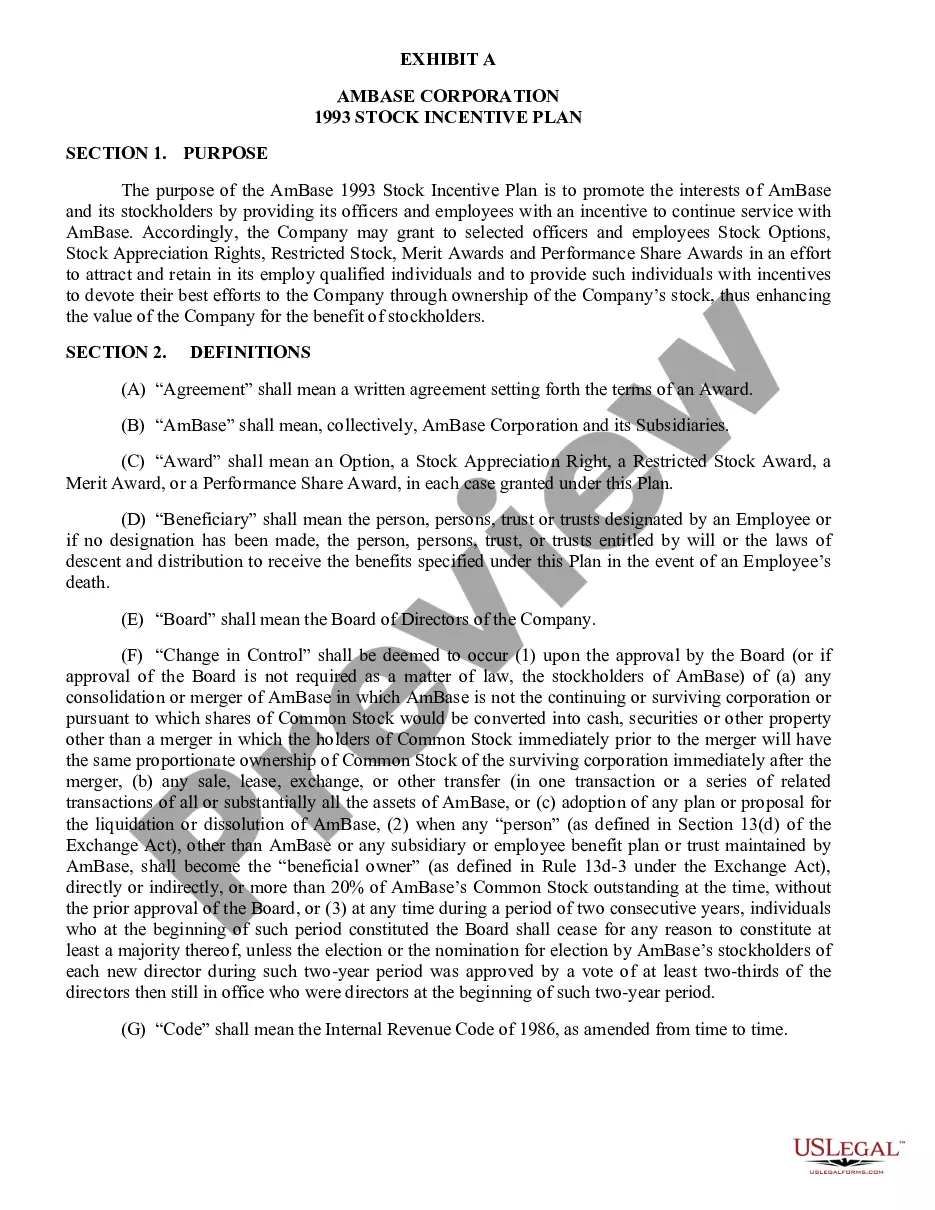
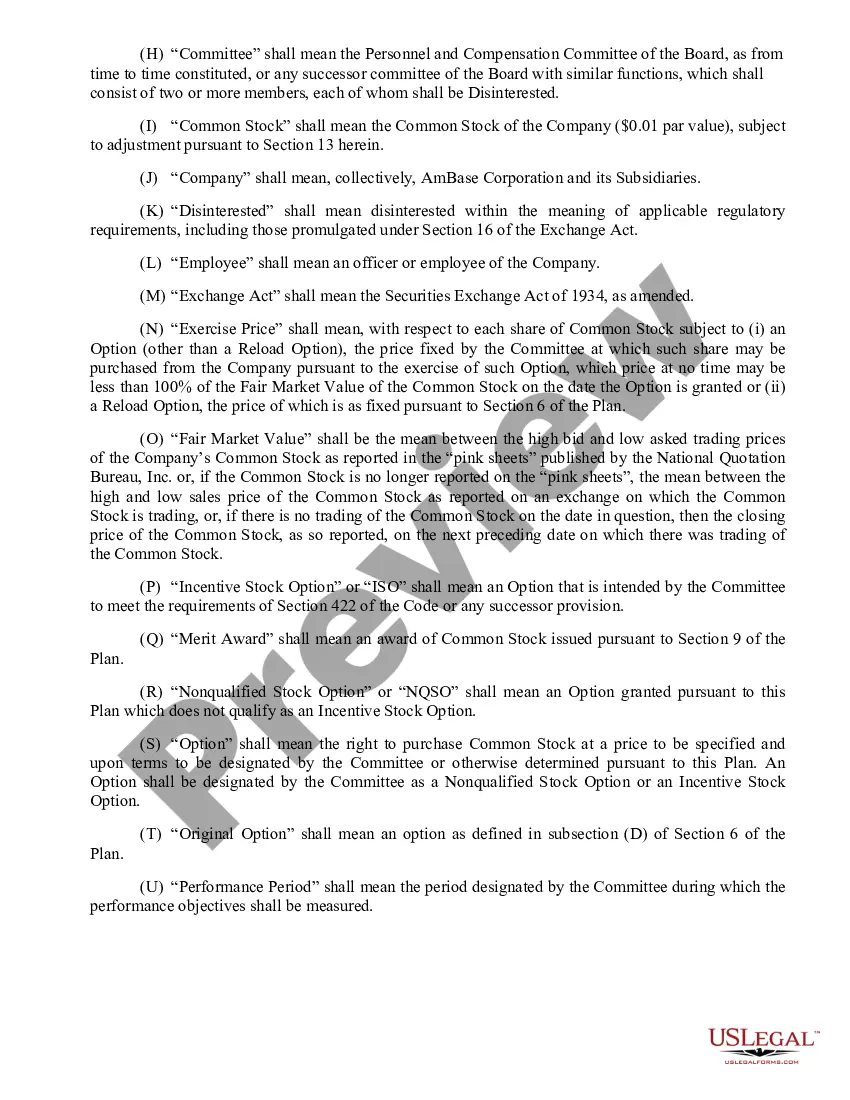
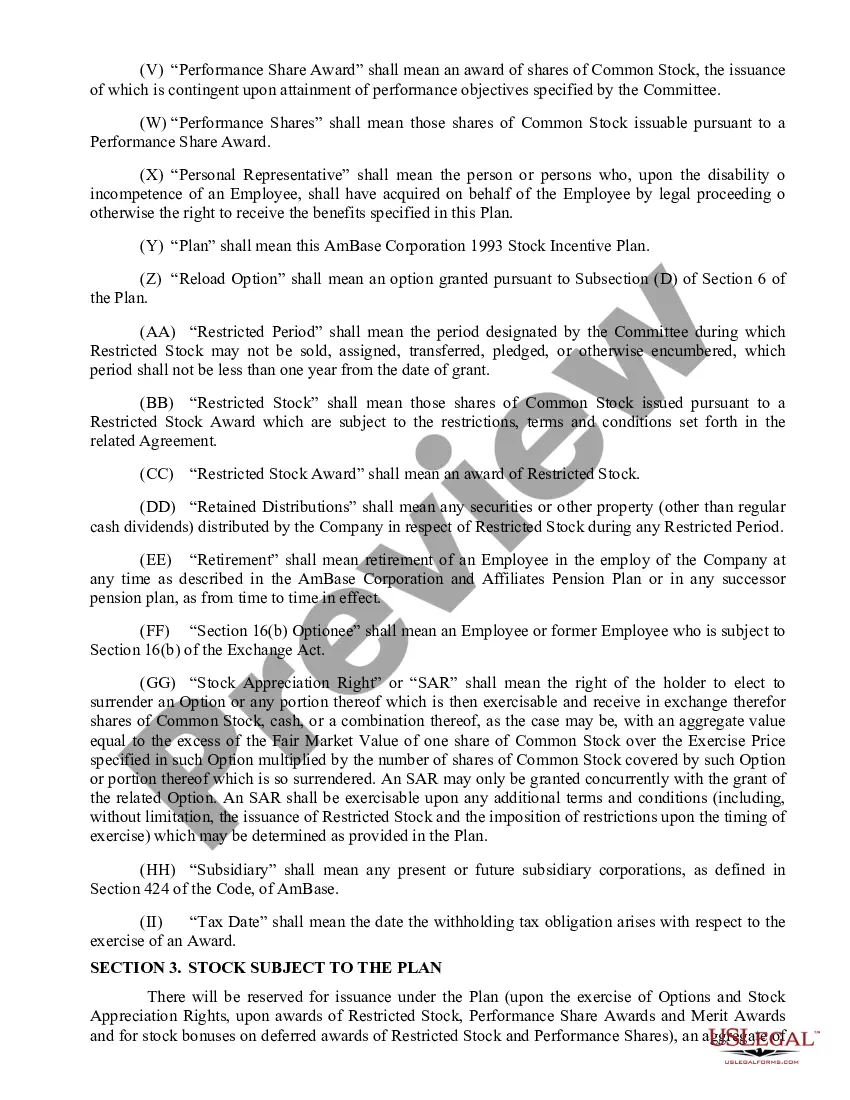
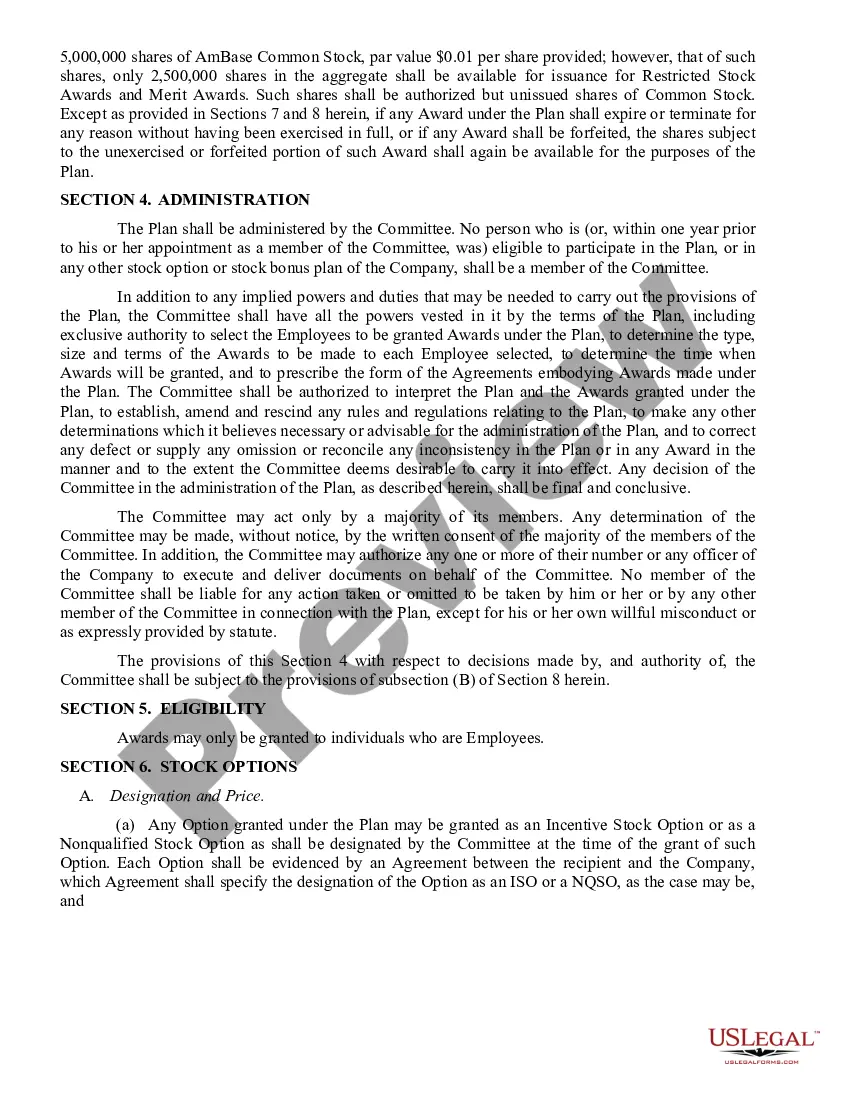
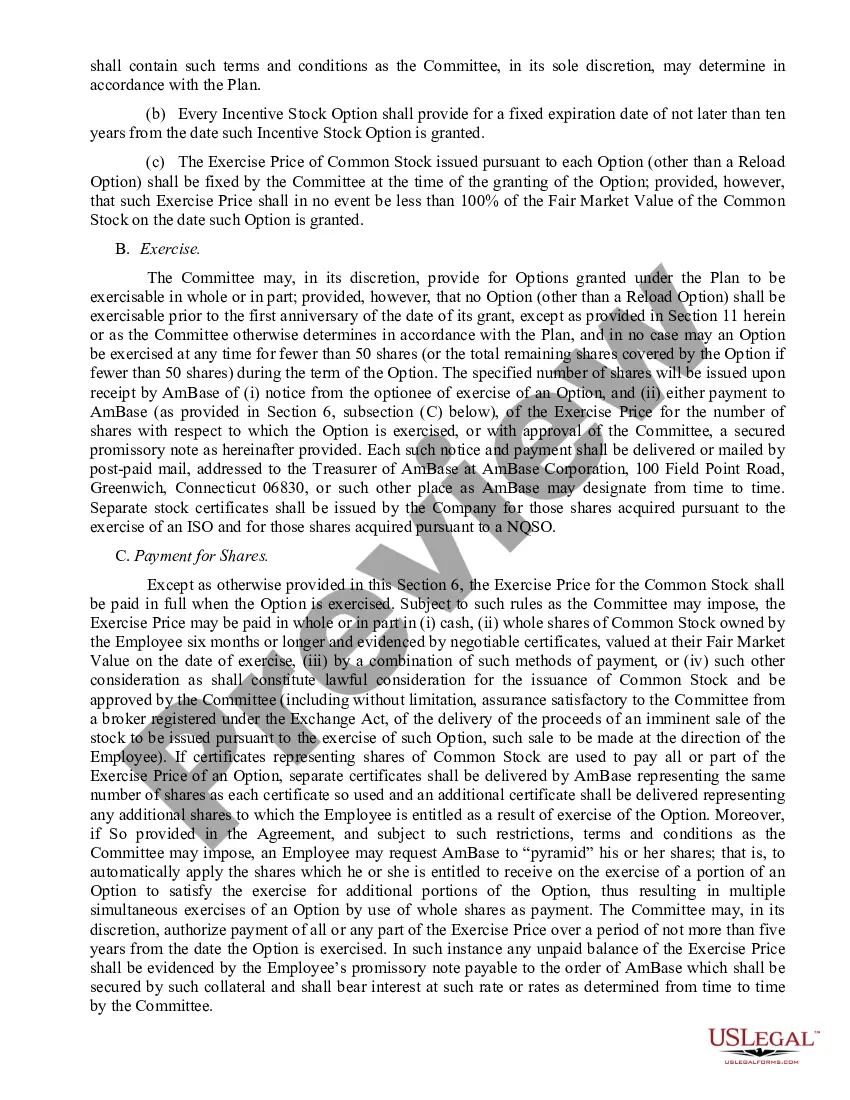
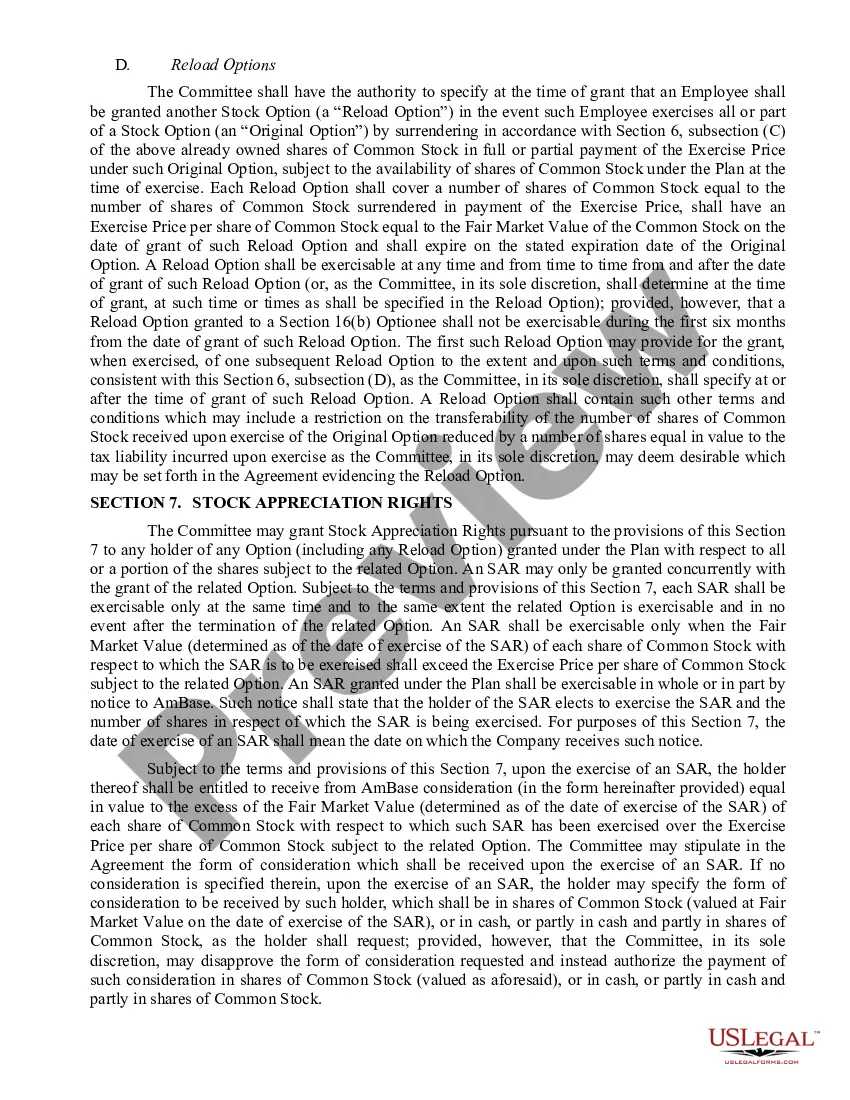
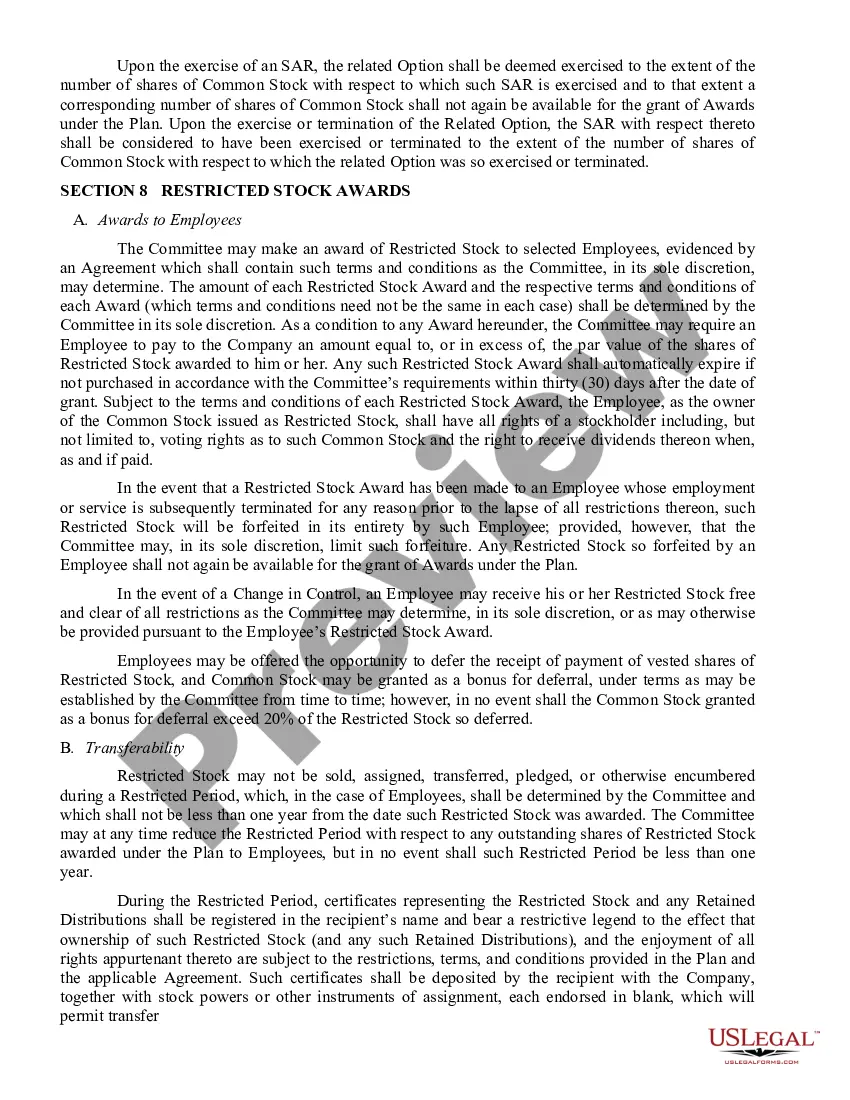
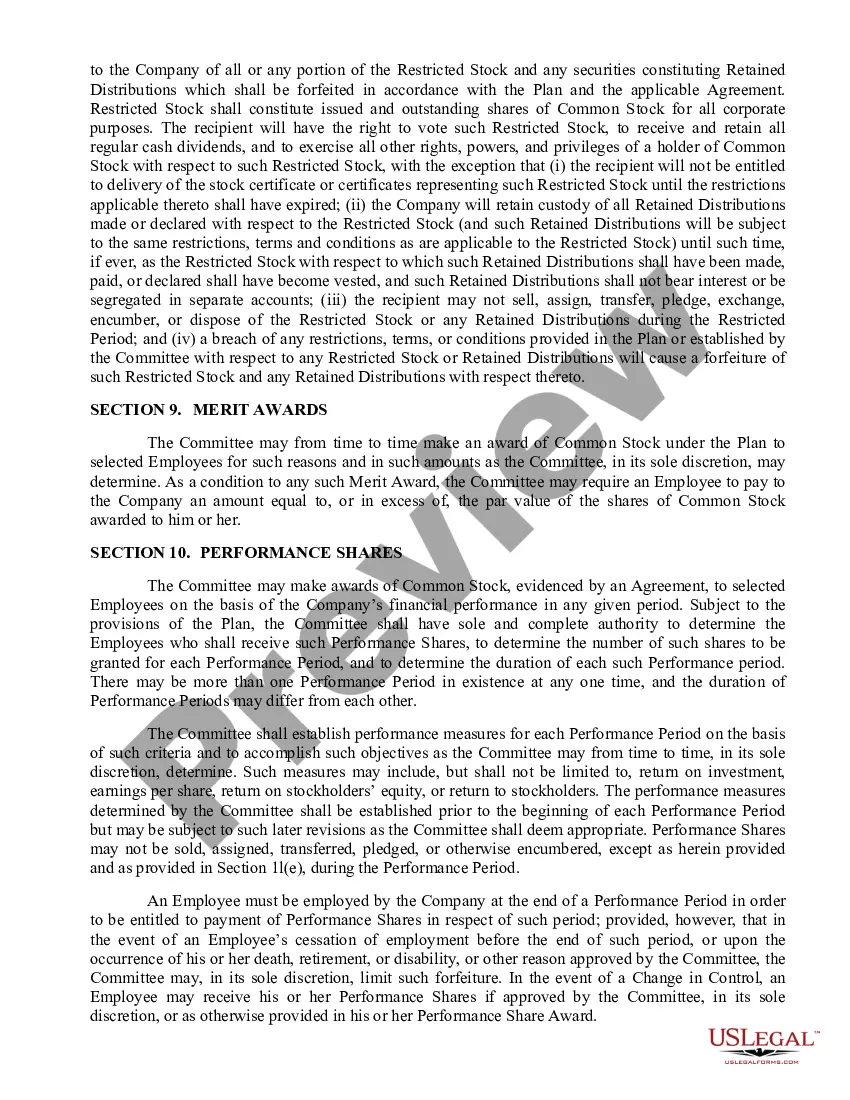
How to fill out Stock Incentive Plan Of Ambase Corp.?
- If you are a returning user, log in to your account to access your dashboard. Ensure your subscription remains active; if it’s expired, renew it based on your plan.
- For first-time users, begin by previewing the available forms. Check the description to confirm it meets your local jurisdiction requirements.
- If the form doesn't meet your needs, utilize the Search feature at the top to find the appropriate template before proceeding.
- Once you find the right document, click on the Buy Now button. Select a subscription plan that works best for you, and create an account for full access.
- Complete your purchase by entering your credit card details or opting for PayPal. This will facilitate your subscription and access to the forms.
- After purchase, download your selected form. You can save it on your device for completion or revisit it later from the My Forms section in your profile.
By following these simple steps, you can streamline the process of obtaining the legal forms necessary for your startup's stock options. US Legal Forms not only offers a vast library but also ensures you receive assistance from premium experts for document completion.
Start your journey today by exploring US Legal Forms to ensure your legal documentation is precise and compliant.
Form popularity
FAQ
The term '100K stock options' typically refers to the total value of stock options amounting to $100,000 that may be granted to an employee or a founder. This figure is significant because it relates to the incentive stock option rules which determine tax liabilities and potential benefits. Grasping this concept can help you navigate your compensation package more effectively, especially in a stock options startup environment.
Yes, startup stock options can be a valuable component of your total compensation package. They offer a chance to acquire equity in a company that may grow significantly over time. While they carry risks, especially in early-stage ventures, the potential for substantial returns can make them worth considering. Exploring platforms like USLegalForms can provide you with the necessary guidance in evaluating startup stock options.
The $100,000 incentive stock option limit signifies the maximum fair market value of stock that can be exercised under incentive stock options by an employee annually. If your options exceed this limit during a calendar year, the excess may automatically convert to nonqualified stock options, which have different tax implications. By understanding this limit, you can better strategize your investments in a stock options startup.
The rule of 100,000 refers to a similar threshold in the realm of stock option compensation. It sets a cap on the total value of options available that can qualify as incentive stock options in a given year. This regulation ensures that employees receive beneficial tax treatment as long as they remain within this limit. Awareness of this rule is beneficial for potential participants in stock options startup initiatives.
When asking for stock options in a startup, approach your request strategically. Clearly express your value to the team and how your skills can contribute to the startup's success. Be open about your interest in equity as part of your compensation. Using platforms such as US Legal Forms, you can access templates to simplify the conversation and negotiations surrounding stock options. This gives you a strong footing in discussing your equity interests confidently.
To get started with stock options in a startup, familiarize yourself with the various forms of stock options available, such as ISOs and NSOs. Determine your company role and understand how your decisions can affect stock option benefits. It’s also beneficial to consult resources or legal platforms like US Legal Forms, which can clarify the options available and help outline your rights and opportunities in the stock options landscape.
To value stock options at a startup, assess key metrics like the company's projected revenues, potential market size, and competitive landscape. Understanding these factors will help you estimate the possible appreciation of your shares over time. Additionally, exploring convertible notes and how they influence valuation can provide deeper insights. Engaging with platforms like US Legal Forms can assist you in navigating these complexities effectively.
The $100,000 rule refers to the limit on the amount of incentive stock options (ISOs) an employee can exercise in any given year without incurring alternative minimum tax in the U.S. If your stock options startup offer exceeds this threshold, the excess may convert into non-qualified stock options (NSOs), which are taxed as regular income. Understanding this rule is essential, as it can significantly impact your tax planning and financial strategy related to stock options.
Owning 1% equity in a startup can be advantageous, particularly if the company grows significantly. As a stakeholder in your business, you may benefit from its success in a substantial way. However, consider the startup's size, growth potential, and your role, as these factors influence the true value of that equity. Remember, with stock options in a startup, equity can equate to more than just percentages; it’s about the value created over time.
When you receive stock options from your startup, it’s essential to understand how to file taxes properly. First, determine which type of options you have, as the tax treatment differs between incentive stock options and non-qualified stock options. Upon exercising your options, you may incur ordinary income or capital gains taxes, depending on the timing and sale of the stock. For guidance through this process, US Legal Forms can provide valuable resources and templates to ensure you file correctly and maximize your benefits as a participant in a stock options startup.