Savings Plan Option For Short
Description
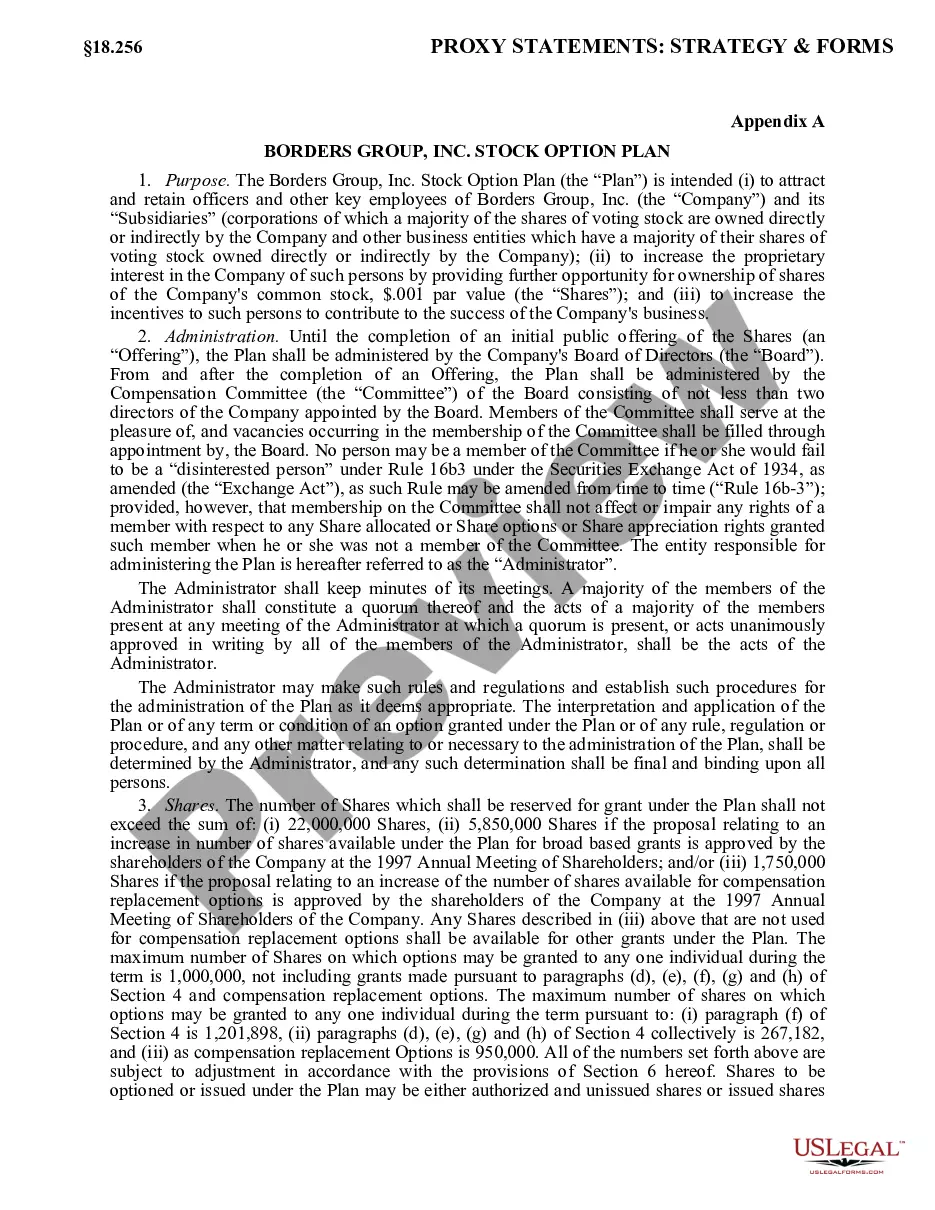
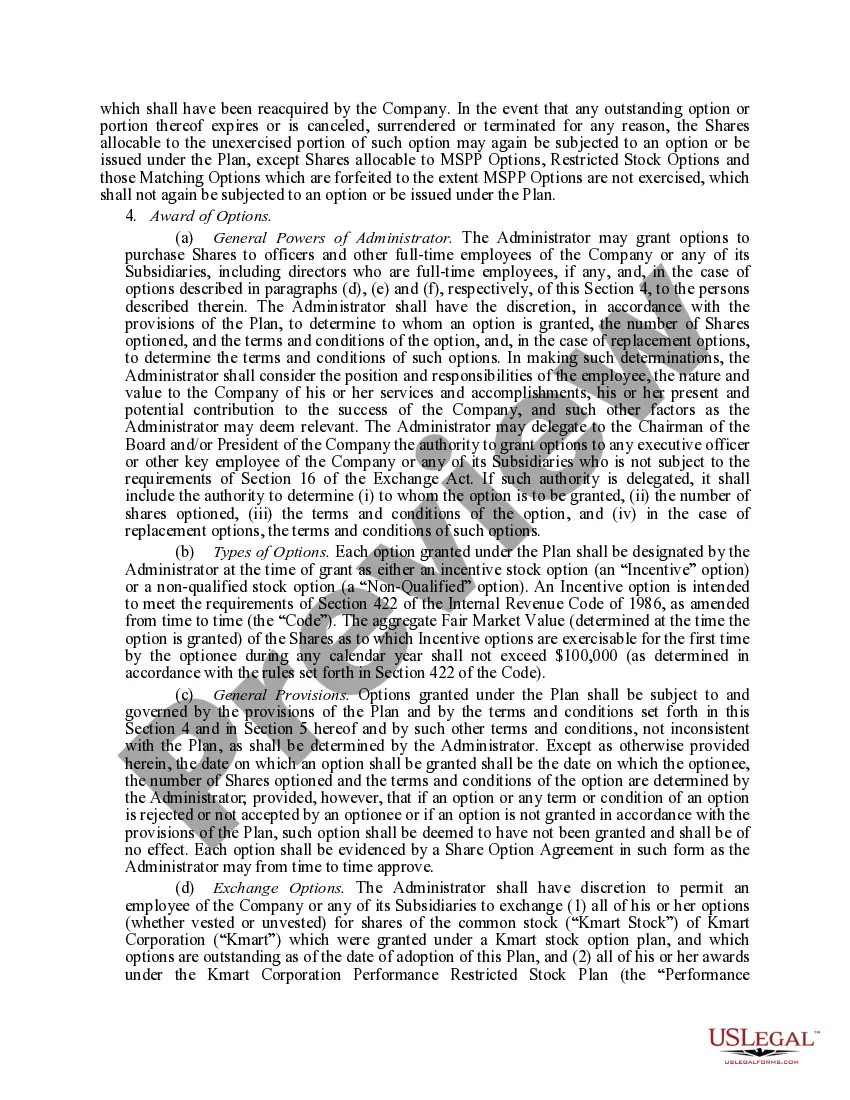
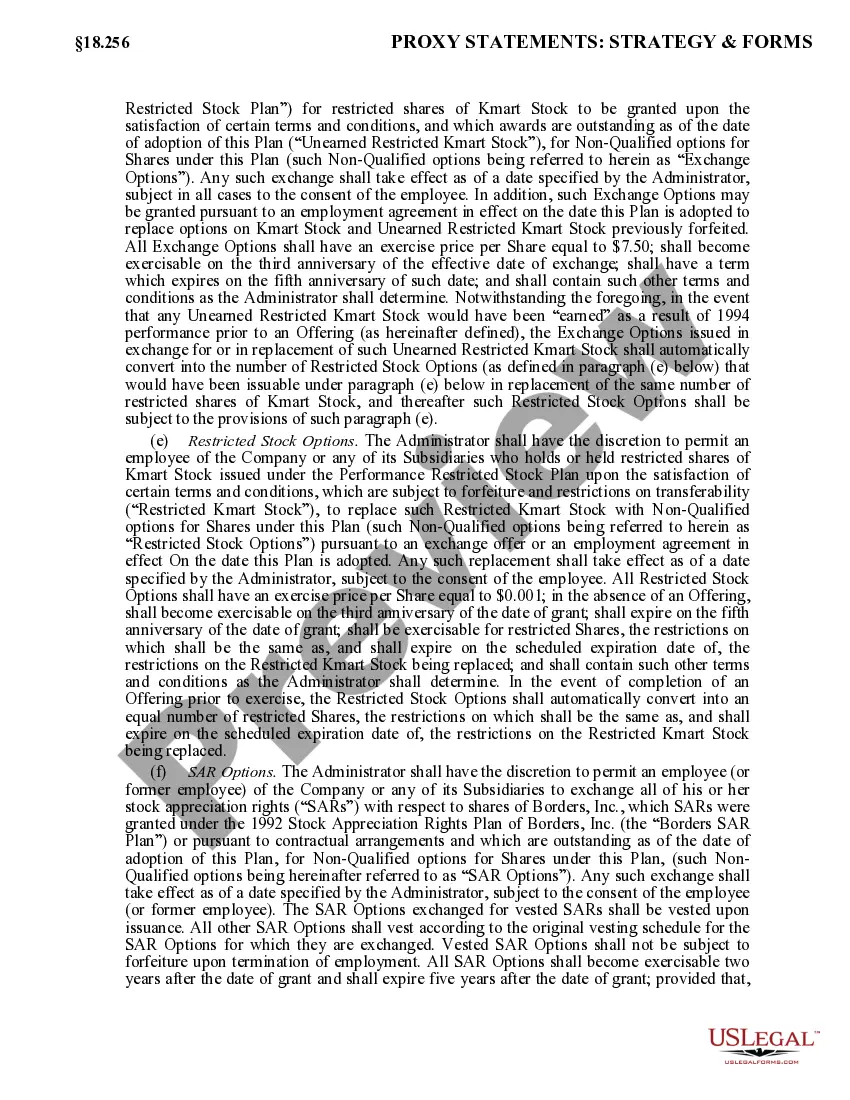
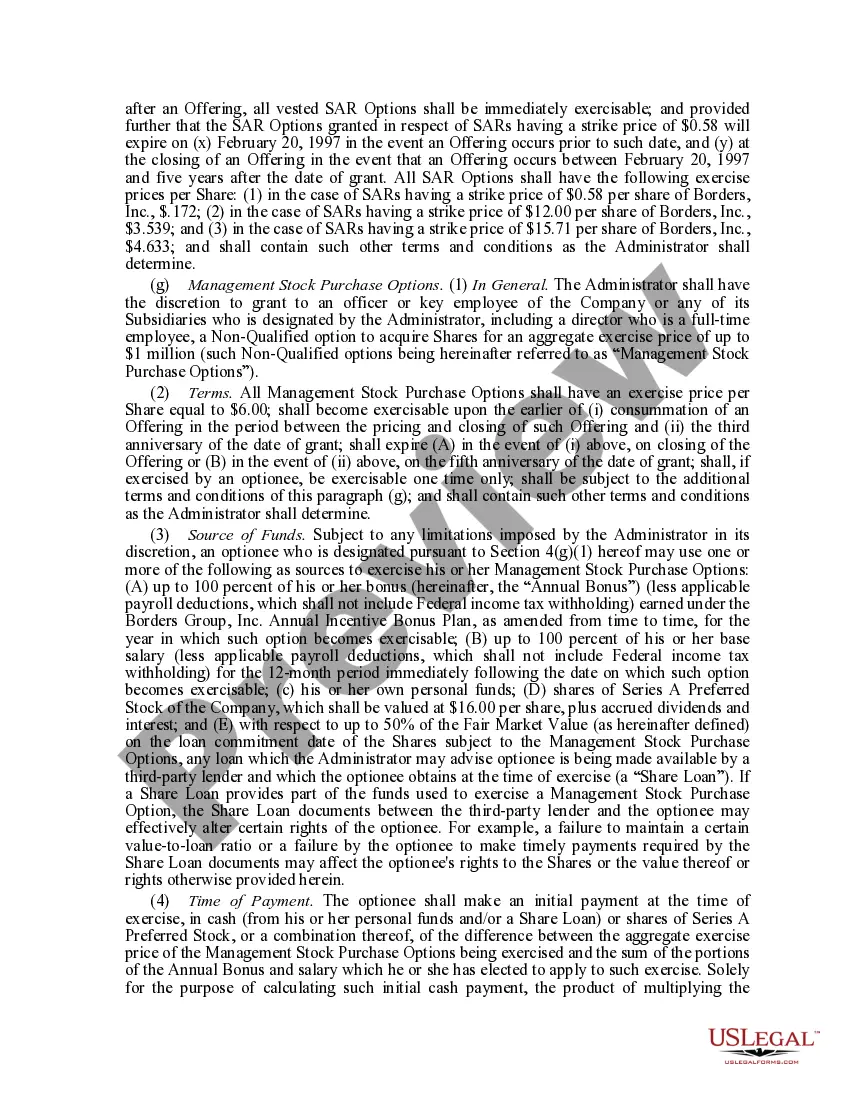

Get your form ready online
Our built-in tools help you complete, sign, share, and store your documents in one place.
Make edits, fill in missing information, and update formatting in US Legal Forms—just like you would in MS Word.
Download a copy, print it, send it by email, or mail it via USPS—whatever works best for your next step.
Sign and collect signatures with our SignNow integration. Send to multiple recipients, set reminders, and more. Go Premium to unlock E-Sign.
If this form requires notarization, complete it online through a secure video call—no need to meet a notary in person or wait for an appointment.
We protect your documents and personal data by following strict security and privacy standards.

Make edits, fill in missing information, and update formatting in US Legal Forms—just like you would in MS Word.

Download a copy, print it, send it by email, or mail it via USPS—whatever works best for your next step.

Sign and collect signatures with our SignNow integration. Send to multiple recipients, set reminders, and more. Go Premium to unlock E-Sign.

If this form requires notarization, complete it online through a secure video call—no need to meet a notary in person or wait for an appointment.

We protect your documents and personal data by following strict security and privacy standards.
Looking for another form?

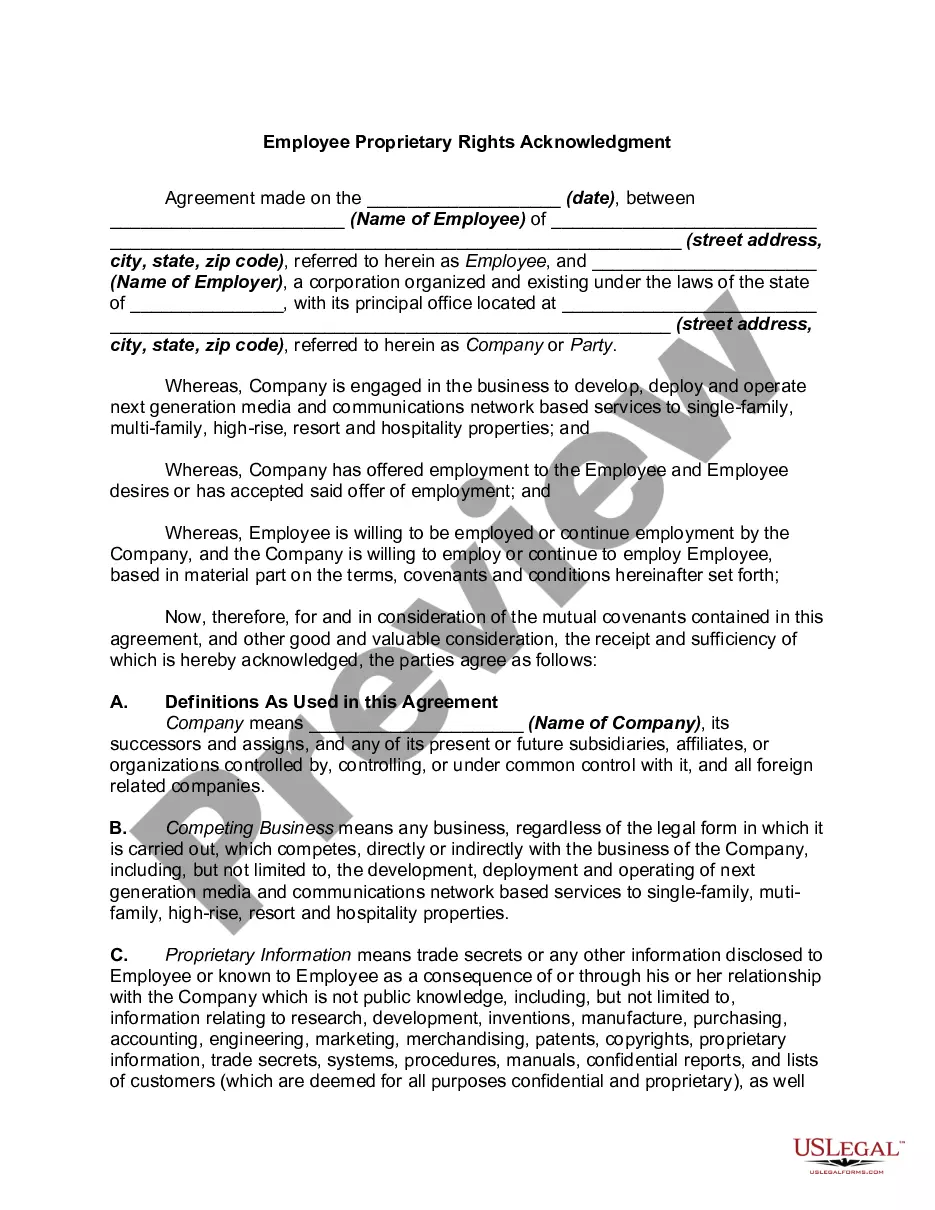
How to fill out Stock Option Plan Stock Option Plan Which Provides For Grant Of Incentive Stock Options, Nonqualified Stock Options, And Exchange Options?
- Log in to your US Legal Forms account if you're a returning user. Make sure to check your subscription validity before proceeding.
- Explore the Preview mode and form descriptions to identify the document that aligns with your savings plan requirements and local regulations.
- If you need to search for additional templates, utilize the Search tab to find the right options that suit your needs.
- Purchase your chosen document by clicking the Buy Now button. Select a subscription plan that works for you and create your account to access the library.
- Complete your purchase using your credit card or PayPal account to finalize the subscription.
- Once your payment is confirmed, download the form to your device and save it. You can access it anytime from the My Forms section of your profile.
US Legal Forms offers a robust collection of over 85,000 legal forms, making it a powerful resource for users looking to create a savings plan. With premium support available, you can ensure that your documents meet legal standards and requirements.
Take control of your financial future today! Visit US Legal Forms to get started on your savings plan.
Form popularity
FAQ
The best strategy for short-term investment is to focus on preservation of capital while earning reasonable returns. This could involve using a combination of low-risk investments, such as certificates of deposit and high-yield savings accounts. By incorporating a savings plan option for short into your strategy, you can achieve your financial goals without exposing yourself to significant risk.
To write a short-term financial plan, start by identifying your specific financial goals, such as saving for a vacation or an emergency fund. Next, outline the amount you need to save and the timeline for achieving it. Select a savings plan option for short that aligns with these goals, as this will guide your savings strategy. Finally, review your progress regularly and adjust your plan as necessary.
Short-term savings refer to funds set aside for immediate needs or goals expected to be achieved within three years. This category includes savings for things like travel, home repairs, or specific purchases. By utilizing a savings plan option for short, you can allocate funds effectively while achieving these near-term objectives. This strategy helps you remain financially prepared.
The 30/30/30 rule for savings suggests that you allocate 30% of your income to needs, 30% to wants, and 30% to savings. By adopting this plan, you can effectively manage your short-term financial goals while ensuring you have enough for everyday expenses. With a focus on a savings plan option for short, you can use the last 30% for specific targets like vacations or emergency funds. This creates a balanced financial strategy.
term savings goal is an objective you aim to achieve within a relatively brief period, usually less than three years. Common examples include saving for a wedding, a car down payment, or an emergency fund. Opting for a savings plan option for short allows you to prioritize these financial needs effectively. This ensures you have the necessary funds when you need them.
A great example of a short-term savings goal is saving for a vacation or a new appliance. These goals typically require funding within one to three years. When you choose a savings plan option for short, you can set aside a specific amount each month to reach your target. This approach helps you stay focused and motivated.
An example of short-term savings could be setting aside funds for a vacation planned for next summer. By regularly contributing to a high-yield savings account dedicated to your trip, you can ensure you reach your goal. A well-structured savings plan option for short makes managing these contributions effortless.
Generating $1000 a month through investments often requires a combination of strategies, such as dividend stocks, rental properties, or peer-to-peer lending. You should consider your risk tolerance and investment timeline. Utilizing a savings plan option for short can help you manage the funds you allocate towards these investments.
Short-term typically refers to a time frame of one year or less. This period is ideal for savings goals that you want to achieve quickly, such as a vacation or emergency fund. Selecting a savings plan option for short can help you manage your funds effectively within this time frame.
Determining how much to keep in short-term savings depends on your specific financial needs. A common recommendation is to save at least three to six months' worth of living expenses. This approach helps ensure you have a safety net for unexpected costs while utilizing a savings plan option for short.