Amended Corp With The Law
Description
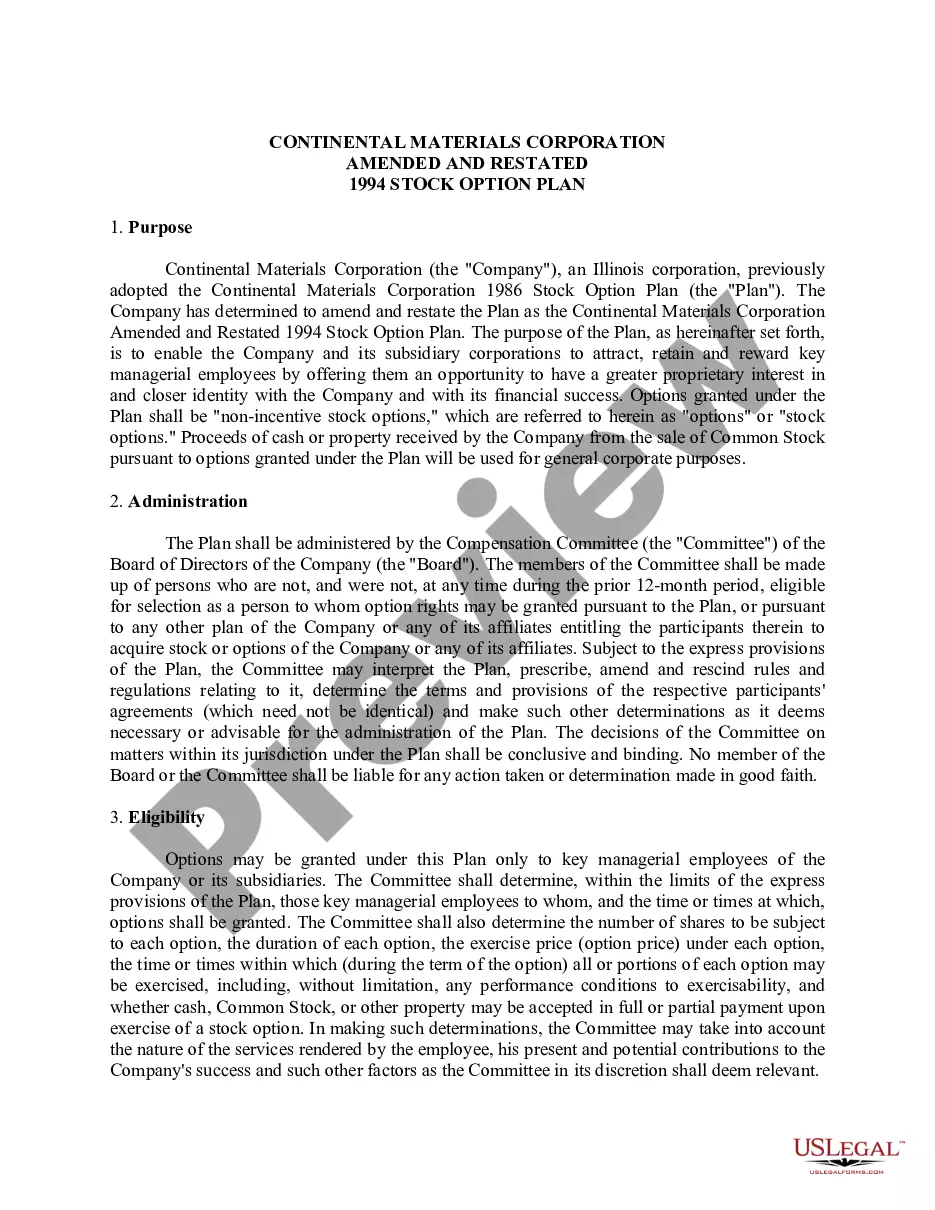
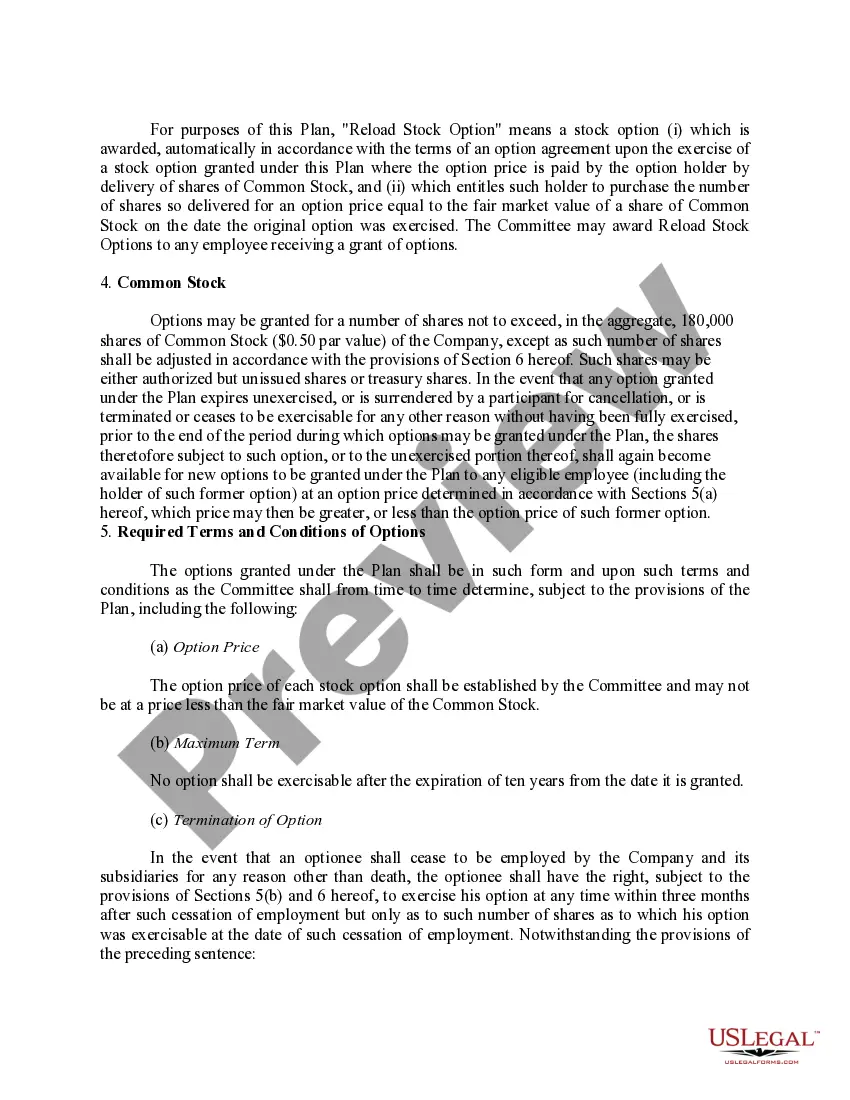
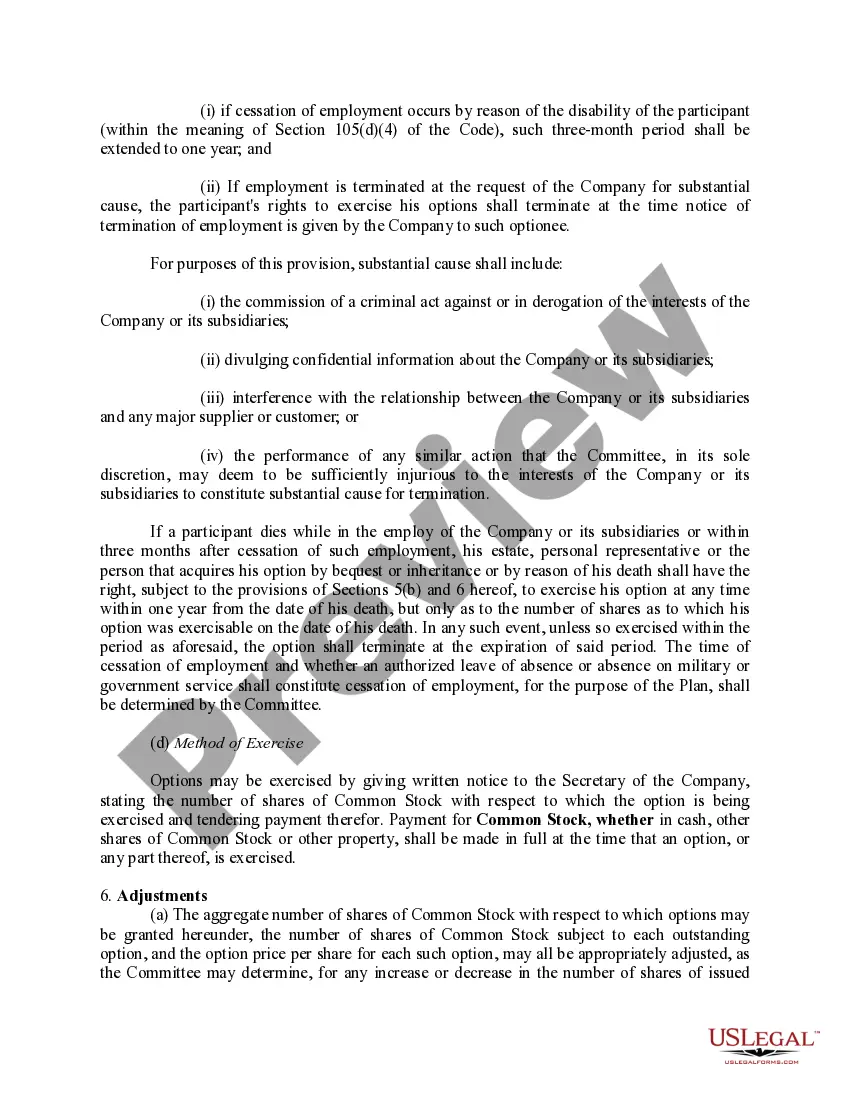
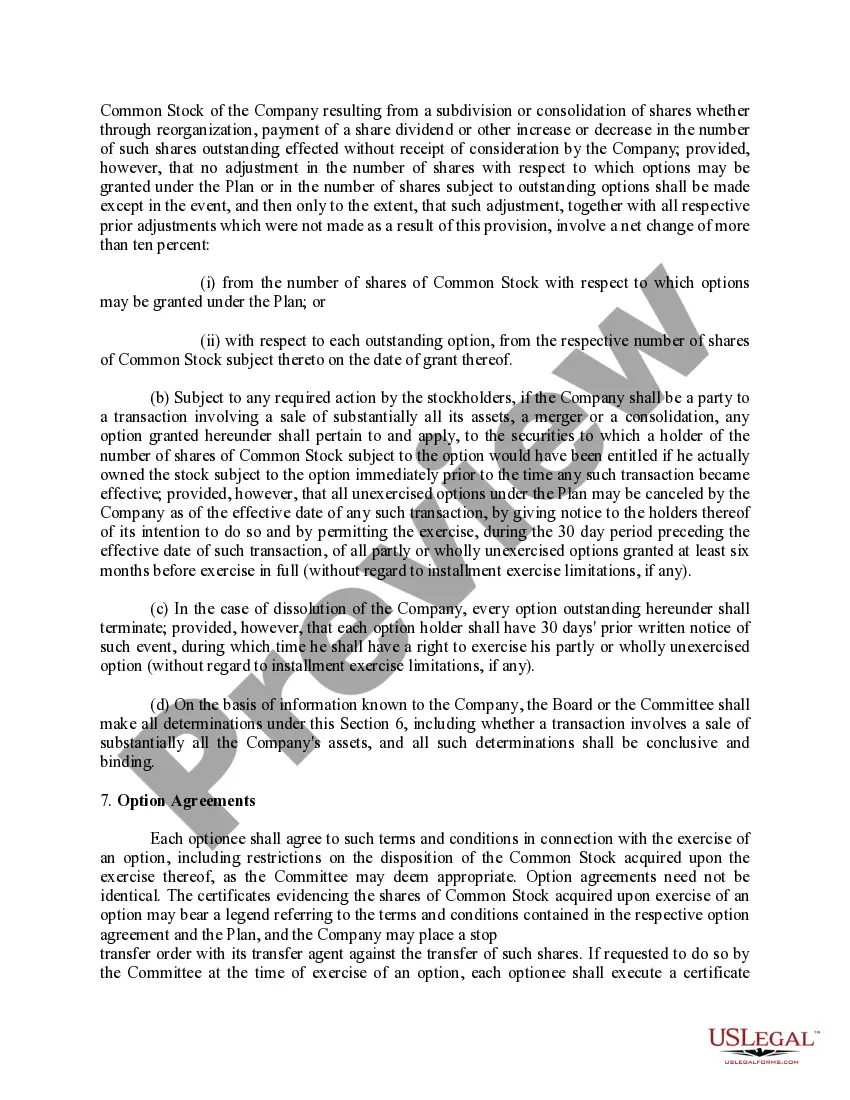

Get your form ready online
Our built-in tools help you complete, sign, share, and store your documents in one place.
Make edits, fill in missing information, and update formatting in US Legal Forms—just like you would in MS Word.
Download a copy, print it, send it by email, or mail it via USPS—whatever works best for your next step.
Sign and collect signatures with our SignNow integration. Send to multiple recipients, set reminders, and more. Go Premium to unlock E-Sign.
If this form requires notarization, complete it online through a secure video call—no need to meet a notary in person or wait for an appointment.
We protect your documents and personal data by following strict security and privacy standards.

Make edits, fill in missing information, and update formatting in US Legal Forms—just like you would in MS Word.

Download a copy, print it, send it by email, or mail it via USPS—whatever works best for your next step.

Sign and collect signatures with our SignNow integration. Send to multiple recipients, set reminders, and more. Go Premium to unlock E-Sign.

If this form requires notarization, complete it online through a secure video call—no need to meet a notary in person or wait for an appointment.

We protect your documents and personal data by following strict security and privacy standards.
Looking for another form?


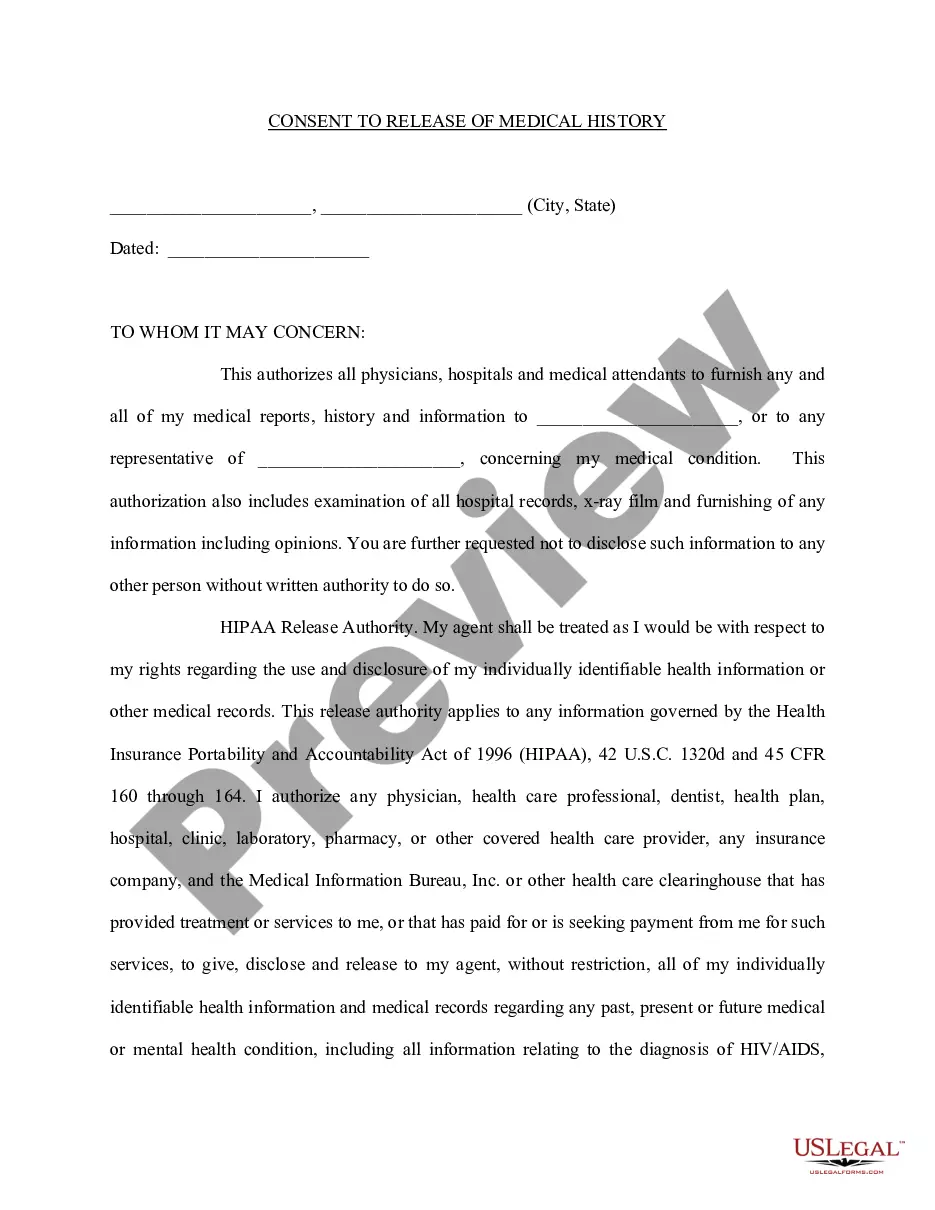







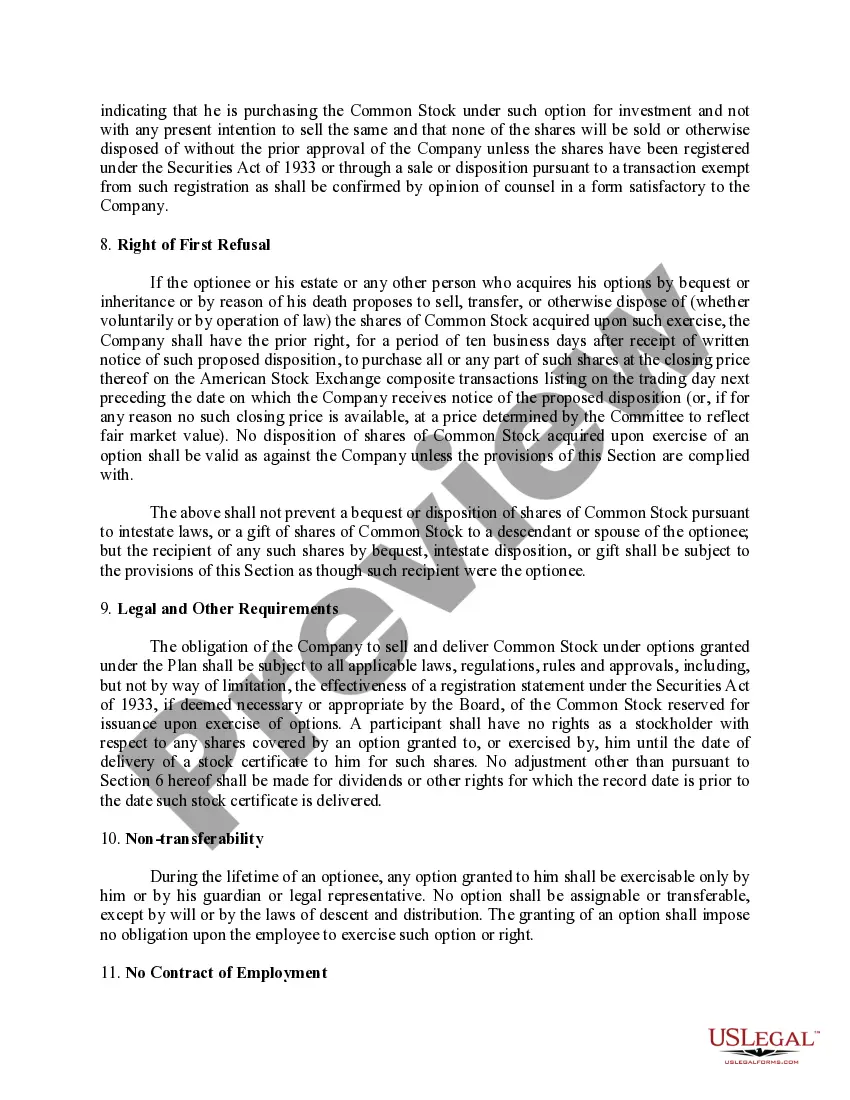
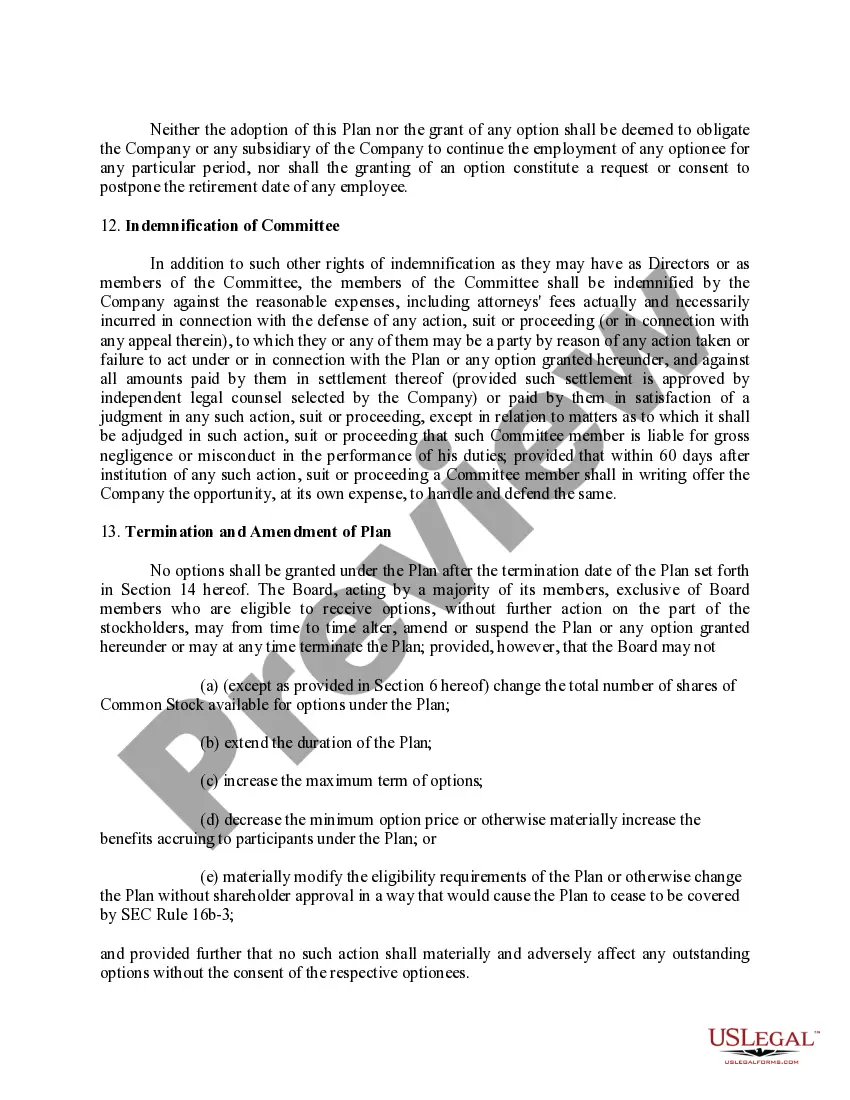
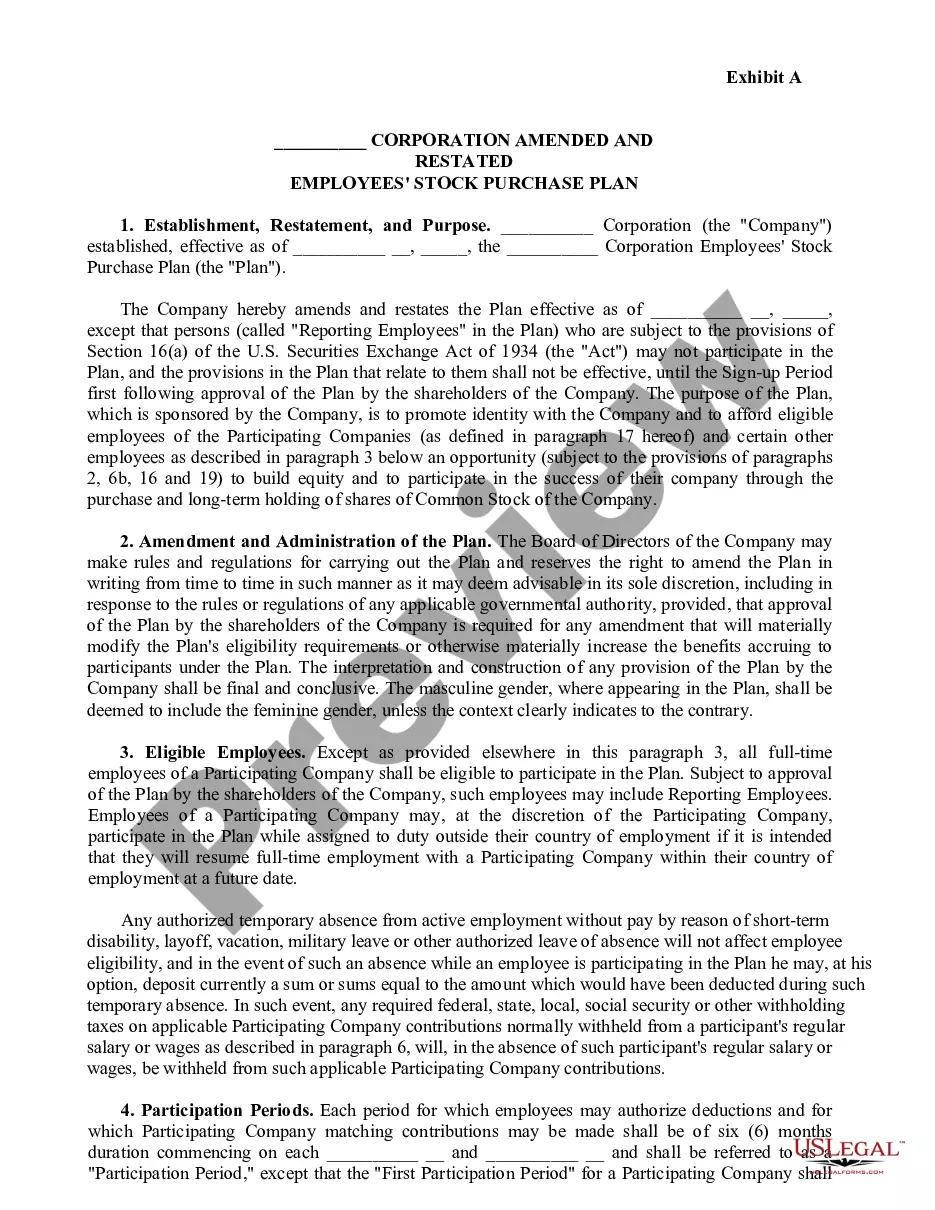
How to fill out Amended And Restated Stock Option Plan Of Continental Materials Corp.?
- Log in to your US Legal Forms account if you're a returning user. Ensure your subscription is active; if needed, renew it based on your payment plan.
- For first-time users, begin by reviewing the Preview mode and form description to confirm that you have selected a template that meets your legal needs.
- Should you find the form lacking, utilize the Search feature to locate an alternative that fits your requirements.
- Proceed to purchase the document by clicking on the Buy Now button and selecting your preferred subscription plan. You’ll need to create an account for full access.
- Complete your transaction by entering your credit card details or using your PayPal account to finalize your subscription.
- Once payment is processed, download your form to your device. You can access it anytime by visiting the My Forms menu in your profile.
By following these straightforward steps, you can efficiently navigate the legal form acquisition process with US Legal Forms, ensuring that your documentation is precise and in compliance.
Don’t wait any longer—get started with US Legal Forms today and experience the ease of accessing the legal documents you need!
Form popularity
FAQ
Filing an amended tax return with TaxAct is a straightforward process. Start by opening your existing return in TaxAct and selecting the option to amend. The software will guide you through entering your changes, and then it will generate the necessary forms, such as 1040-X or 1120-X. Using TaxAct not only simplifies your filing but also helps ensure your amended corp with the law complies efficiently.
The forms you must attach depend on the specifics of your situation. Generally, you need to include Form 1040-X or Form 1120-X, along with any schedules or forms that reflect the amendments you've made. If you’re claiming a refund, include supporting documentation for any deductions or credits claimed. By understanding these requirements, you can streamline your amended corp with the law process.
No, you do not need to attach your original return when filing an amended return. Instead, focus on submitting only the necessary documentation, such as Form 1040-X for individual returns or Form 1120-X for corporate returns. Ensure that you are clear and concise regarding the changes made. This clarity positions your amended corp with the law correctly.
When amending Form 1120, you should attach a revised version of your original return along with a completed Form 1120-X. This allows the IRS to review your changes and the reasons behind them. Note that if you make any changes to other forms or schedules, include those as well. This thorough approach helps you ensure that your amended corp with the law is up to date.
When you decide to amend your tax return, it’s important to include certain documents to ensure a smooth process. You'll typically need to send Form 1040-X, which is the official form for an amended return. Additionally, include any schedules and forms that changed from your original submission. By effectively managing this process, you can address discrepancies and align your amended corp with the law.
Certain items in the Articles of Incorporation, such as the corporation's name and initial registered agent, may be challenging to amend. In many jurisdictions, some provisions are set in stone to maintain stability. Knowing these restrictions can help guide you in maintaining compliance and ensuring your amended corp with the law remains effective.
A business amendment refers to any official change made to a business’s foundational documents, such as its bylaws or articles of incorporation. This could involve altering the business structure, changing the corporate name, or modifying business purposes. Understanding this concept is crucial for every business owner committed to keeping their amended corp with the law updated and compliant.
An example of an amendment includes changing the number of directors on a board or adjusting the quorum needed for meetings. These amendments are important as they can affect the decision-making process within a corporation. Regularly reviewing and updating these aspects ensures the smooth operation of your amended corp with the law.
To amend the bylaws of a corporation, the board of directors must first review the existing bylaws and propose necessary changes. Afterward, the proposed amendments usually require approval from the board and, depending on state laws, may need shareholder consent as well. Following these steps ensures your amended corp with the law maintains its organizational structure and governance.
A corporate amendment is a formal change to a corporation's governing documents, such as the articles of incorporation or bylaws. This process typically requires approval from the board of directors and, in some cases, shareholders. Properly executed amendments help keep your amended corp with the law current and aligned with its operational needs.